Herald recommends: Experience matters in Florida House District 106 election | Editorial
.png "Former Bay Harbor mayor Jordan Leonard (left) faces Fabian Basabe in the race for Florida House District 106.")
READ MORE
Editorial Board November 2022 Election Recommendations
In advance of local and state elections, the Editorial Board interviews political candidates to better understand their views on various issues and how their policies will affect their constituents. The goal is to give voters a better idea of who’s the best candidate for each race. Read our November 2022 recommendations below:
Expand All
Florida House District 106 is one of the wealthiest legislative districts, as well as one of the most vulnerable to sea-level rise, in the state.
Covering coastal Miami-Dade County, the district stretches from Fisher Island and South Beach to Sunny Isles and Aventura. Serving the area requires a good understanding of its 10 municipalities, which have their own local governments, needs and requests.
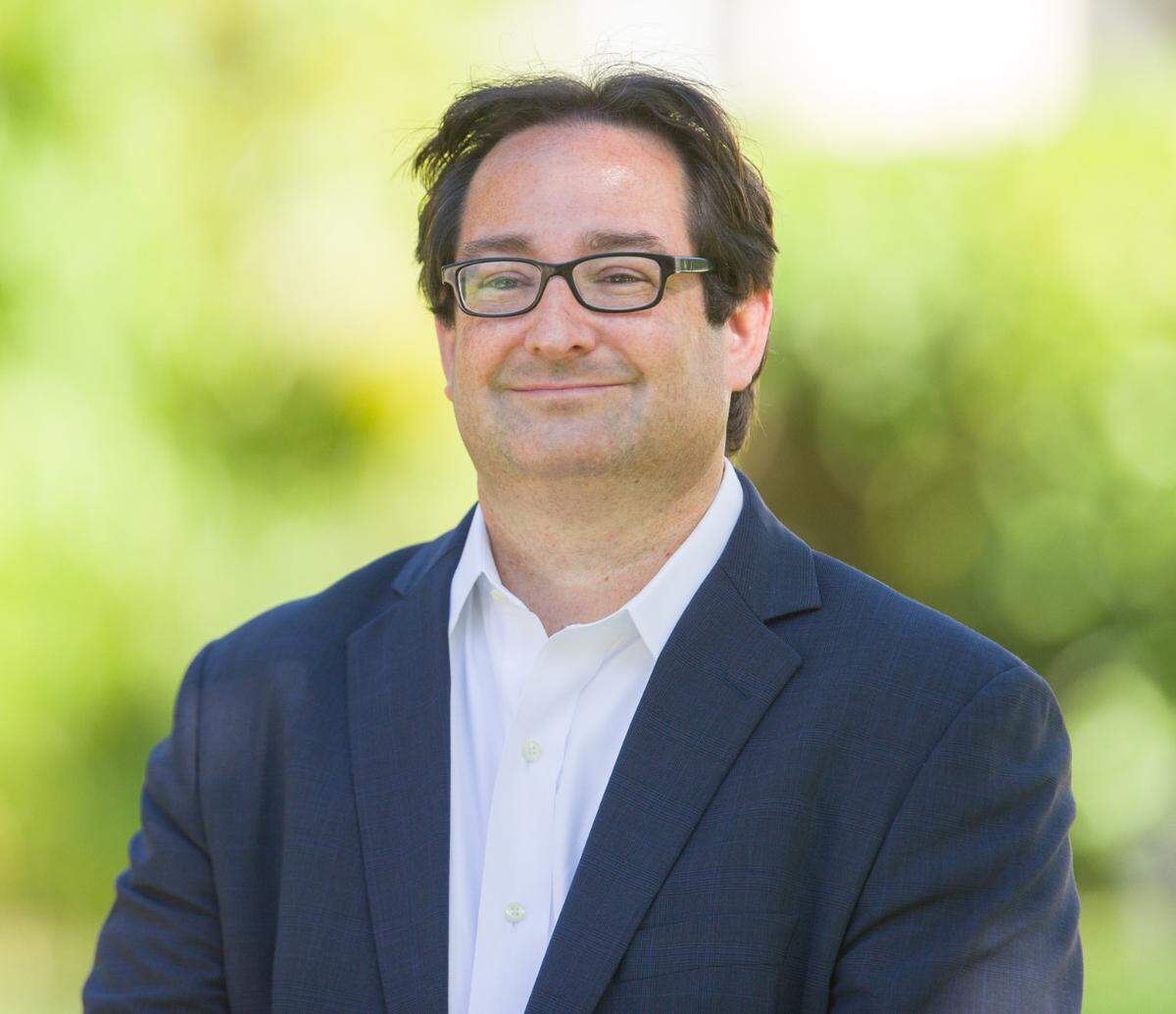
The Herald Editorial Board recommended both candidates in their respective primaries: Democrat Jordan Leonard and Republican Fabian Basabe.
Leonard, 45, served on the Bay Harbor Town Council and was president of the Miami-Dade County League of Cities. A former policy analyst for Miami-Dade County’s Task Force on Urban Economic Revitalization, he presents himself as a policy wonk.
Leonard said the main issues affecting his community are affordable housing, the skyrocketing cost of homeowners insurance and the $1 billion he said is needed for infrastructure in places like Miami Beach and North Bay Village. He touted his experience in local government and as assistant city manager for the city of Opa-locka as preparing him to understand those needs.
“I can tell you I know the difference between a sewer lining lateral and a (wastewater) lift station. You need to be able to know those issues,” Leonard told the Board.
If elected, he said he will sponsor legislation to allow community redevelopment agencies, created by local governments to revitalize blighted areas, to convert vacant or abandoned properties into land for affordable housing through a process known as “land banking.” He also supports Democratic priorities, such as protecting abortion rights with a constitutional amendment and banning military-style rifles, but he understands that to accomplish anything in a GOP-dominated Legislature he will have to seek common ground.
Leonard’s campaign made a bad call when it sent out a mailer during the primary that stated he “always donated” his councilman’s salary to charity. It misled voters by not mentioning that salary was only $1 per year. When the Herald broke the story in June, he vowed to do better .
The largest number of registered voters in District 106 are independents (38%), followed by Democrats (35%) and Republicans (25%). That gives Leonard an advantage, but opponent Basabe believes he can snatch a victory by presenting himself as a moderate — a fiscal conservative, he said, who will not vote to curtail abortion rights, supports same-sex marriage and “will vote for responsible gun legislation.” On his Twitter profile, he writes: “Join our mission to civilize.”
We recommended Basabe in the Republican primary reluctantly, after his main opponent, who was better prepared, failed to disavow the extremist Proud Boys.
Although we liked how he tries to tread the middle, Basabe’s knowledge about the issues and solutions was thin. He was still doing research on some important topics and often spoke in platitudes. Although as a Republican in a Legislature controlled by his party he might be better positioned to bring home state dollars, he’s not prepared to serve.
Before running for office, Basabe was known as a socialite whom the New York tabloids called the “male Paris Hilton” in the early 2000s. Now 44, Basabe is a stay-at-home father living in Miami Beach. He had a rocky introduction into politics last year when a judge disqualified him from running for the Miami Beach City Commission for not meeting residency requirements.
In 2020, Basabe was charged with “robbery by sudden snatching,” a felony. He said he was involved in an altercation with a neighbor that ended with him snatching her phone and throwing it in his building’s pool because she was recording his underage son. The charge was reduced to a misdemeanor, and Basabe was ordered to pay a fine. In 2019, a publicist told Page Six Basabe called her the N-word, a “bitch” and “peasant” after she didn’t let him into an Art Basel party. Basabe told the tabloid that he told the publicist “nice try, peasant,” but denied using the racial slur. He said he doesn’t discriminate based on gender or race.
Basabe seems to be working hard to learn the issues and get connected with voters in the district. He said he’s heard from constituents about the housing crisis and that he’s looking into offering tax incentives to developers to build “responsible development,” and that there’s “a lot of local regulations that are preventing progress.”
Basabe has invested $250,000 of his own money into this House race. If Basabe is truly interested in bringing people together, we encourage him to stay engaged and educate himself. But, in the end, experience and expertise matter.
The Miami Herald Editorial Board recommends JORDAN LEONARD for House District 106.
BEHIND THE STORY
MOREWho decides the political endorsements?
In advance of local and state elections, Miami Herald Editorial Board members interview political candidates, as well as advocates and opponents of ballot measures. The Editorial Board is composed of experienced opinion journalists and is independent of the Herald’s newsroom. Members of the Miami Herald Editorial Board are: Amy Driscoll, editorial page editor; and editorial writers Isadora Rangel and Mary Anna Mancuso. Read more by clicking the arrow in the upper right.
What does the endorsement process look like?
The Miami Herald Editorial Board interviews political candidates to better understand their views on public policy and how their policies will affect their constituents. Board members do additional reporting and research to learn as much as possible about the candidates before making an endorsement. The Editorial Board then convenes to discuss the candidates in each race. Board members seek to reach a consensus on the endorsements, but not every decision is unanimous. Candidates who decline to be interviewed will not receive an endorsement.
Is the Editorial Board partisan?
No. In making endorsements, members of the Editorial Board consider which candidates are better prepared to represent their constituents — not whether they agree with our editorial stances or belong to a particular political party. We evaluate candidates’ relevant experience, readiness for office, depth of knowledge of key issues and understanding of public policy. We’re seeking candidates who are thoughtful and who offer more than just party-line talking points.
This story was originally published October 12, 2022 at 8:01 AM.
.png)

.png)
.png)
.png)
.png)
.png)
.png)
.png)
.png)
.png)
.png)
.png)
.png)
.png)
.png)