Herald recommends: For CFO, a challenger to help fix Florida’s broken insurance market | Editorial
.png "For Florida’s chief financial officer, voters will choose between a Republican incumbent, Jimmy Patronis (right), or a former state representative from Hillsborough County, Adam Hattersley.")
READ MORE
Editorial Board November 2022 Election Recommendations
In advance of local and state elections, the Editorial Board interviews political candidates to better understand their views on various issues and how their policies will affect their constituents. The goal is to give voters a better idea of who’s the best candidate for each race. Read our November 2022 recommendations below:
Expand All
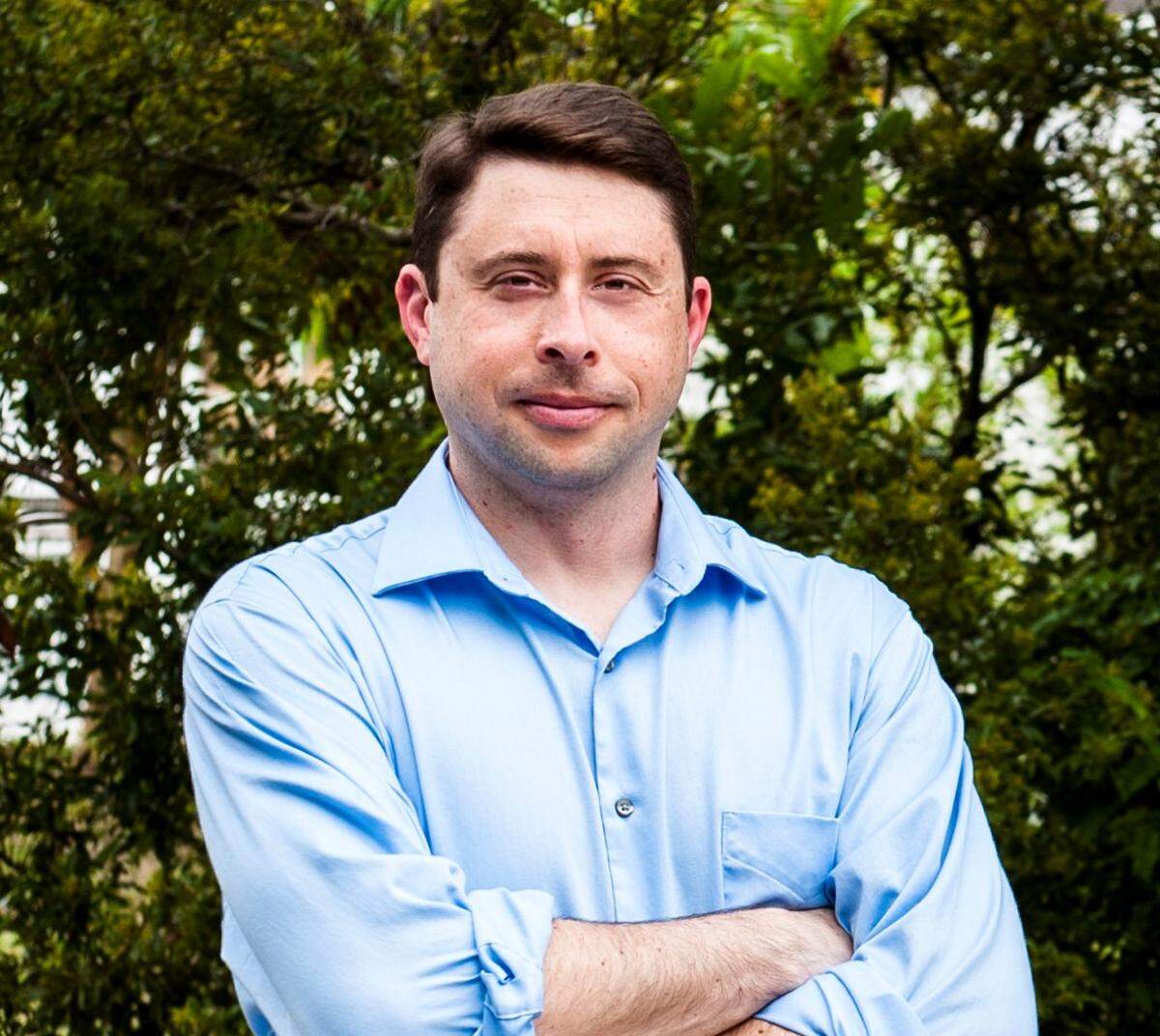
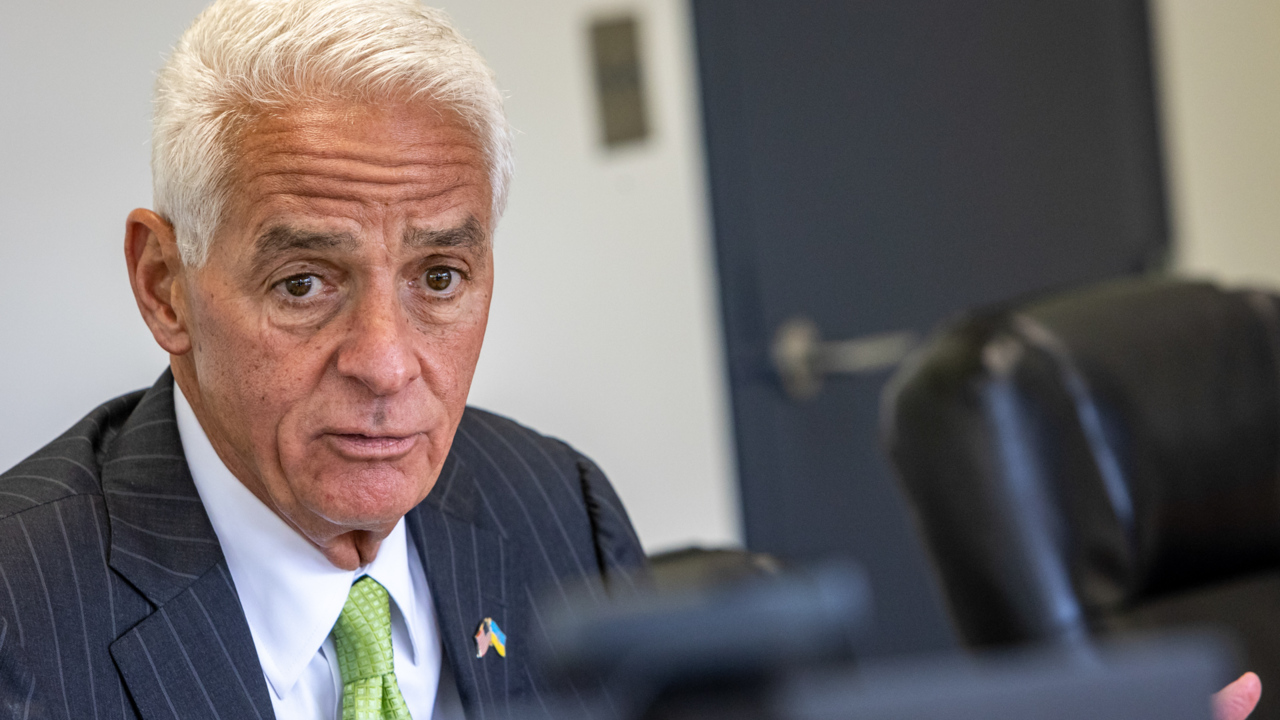
For Florida’s chief financial officer, voters have a choice between a Republican incumbent, Jimmy Patronis, appointed to the position in 2017 and then elected for four years in 2018, or a former state representative from Hillsborough County, Adam Hattersley, who hopes to become the first Democrat elected CFO since 2006.
Hattersley is the better choice.
The CFO is in charge of managing the state’s finances. It’s a Florida Cabinet position that encompasses an array of responsibilities: accounting and audits, insurance-fraud investigations, investment and serving as state fire marshal, among others. It’s not normally a job that draws a lot of attention, but this year, with the continuing crisis in property insurance exacerbated by Hurricane Ian’s hit on Southwest Florida as one of the key issues, voters need to pay attention.
Patronis, from Panama City, was previously on the Florida Elections Commission, Public Service Commission and the Constitution Revision Commission. He was a member of the Florida House from 2006 to 2014 before being appointed by then-Gov. Rick Scott to the CFO post. He’s a partner in his family’s Panama City Beach seafood restaurant.
He did not speak to the Editorial Board to discuss his track record as CFO, though invitations were issued starting in early September. He has joined a number of Republicans this year who don’t seem to care if they reach voters beyond those already in lockstep with them.
Hattersley, meanwhile, has a lot to offer. He’s a Navy veteran, having served as a nuclear submarine officer for eight years. He won the Bronze Star during his time in Iraq and taught electrical engineering at the U.S. Naval Academy. He worked in data and financial analytics and then ran a promotional company that didn’t survive the pandemic. He served in the House from 2018 to 2020, ran for Congress in Florida’s District 15, but lost the primary.
Hattersley has a strong sense of service to the country — instilled by his father, who was in the Army during Vietnam — and he says that has driven his political involvement. He was motivated to run for this seat after seeing his neighbor’s property-insurance bills going up along with his own while “the person who was supposed to be protecting Floridians was doing nothing.“
Florida’s property-insurance system has been broken for so long, it’s hard to remember when it wasn’t. But Patronis has been in office since 2017, and the crisis has only gotten worse in that time. Six insurance companies have gone belly up in Florida this year alone, and the claims for Ian will be in the billions of dollars. There was a special session this year that was supposed to address the faltering market but, so far, Florida’s homeowners have gotten no relief.
The Cabinet is supposed to discuss big issues like this one, but Gov. Ron DeSantis canceled most of the Cabinet meetings this year, focusing on culture wars rather than policy. The Legislature should tackle the issue in a real way, but hasn’t. The governor could have made it a top priority, but didn’t. There’s also an appointed insurance commissioner, David Altmaier, who has held the position since 2016, as insurance has gotten much more costly.
There’s blame to go around but, even so, it’s hard to argue that the person holding the job of chief financial officer, Patronis, couldn’t have done more on property insurance — especially when the most vocal proponent for reform has come from an elected official in a position with less power than the one Patronis holds: outgoing Republican Sen. Jeff Brandes, from St. Petersburg.
Hattersley has ideas on how to fix the insurance market, including advocating to reduce insurance risk levels through better flood control and other infrastructure improvements. He understands and shows seriousness of purpose on the CFO’s nuts-and-bolts duties, such as auditing state offices that receive tax dollars. He has an appreciation for the Cabinet’s role as a check on the governor’s powers and as a forum for topics that matter to Floridians, such as the purchase of environmentally sensitive lands.
Patronis deserves credit in some areas. He has pushed for legislation to help search-and-rescue teams and sent anti-fraud teams to the areas affected by Hurricane Ian. Significantly, he also moved quickly to audit and investigate the state program that serves families with brain-damaged children after a Miami Herald series showed that the Birth-Related Neurological Injury Compensation Association, or NICA, had amassed nearly $1.5 billion in assets while frequently denying care to children it serves.
But he also bought into DeSantis’ culture wars, pushing such ideas as a ban on socially conscious investing — known under the acronym ESG, for environment, social and governance. Such a ban, financial analysts say, could easily harm state pension investments. That’s the opposite of what Floridians should expect from a CFO. And it’s especially hard to take as regular Floridians are suffering in an increasingly unaffordable insurance market.
Florida needs a CFO who will help solve this state’s property-insurance crisis and won’t embrace distracting culture wars at the expense of getting real work done.
The Miami Herald Editorial Board recommends ADAM HATTERSLEY for Florida’s chief financial officer.
BEHIND THE STORY
MOREWho decides the political endorsements?
In advance of local and state elections, Miami Herald Editorial Board members interview political candidates, as well as advocates and opponents of ballot measures. The Editorial Board is composed of experienced opinion journalists and is independent of the Herald’s newsroom. Members of the Miami Herald Editorial Board are: Amy Driscoll, editorial page editor; and editorial writers Isadora Rangel and Mary Anna Mancuso. Read more by clicking the arrow in the upper right.
What does the endorsement process look like?
The Miami Herald Editorial Board interviews political candidates to better understand their views on public policy and how their policies will affect their constituents. Board members do additional reporting and research to learn as much as possible about the candidates before making an endorsement. The Editorial Board then convenes to discuss the candidates in each race. Board members seek to reach a consensus on the endorsements, but not every decision is unanimous. Candidates who decline to be interviewed will not receive an endorsement.
Is the Editorial Board partisan?
No. In making endorsements, members of the Editorial Board consider which candidates are better prepared to represent their constituents — not whether they agree with our editorial stances or belong to a particular political party. We evaluate candidates’ relevant experience, readiness for office, depth of knowledge of key issues and understanding of public policy. We’re seeking candidates who are thoughtful and who offer more than just party-line talking points.
This story was originally published October 18, 2022 at 6:42 PM.
.png)
.png)
.png)
.png)
.png)
.png)
.png)
.png)
.png)
.png)
.png)
.png)
.png)
.png)
.png)