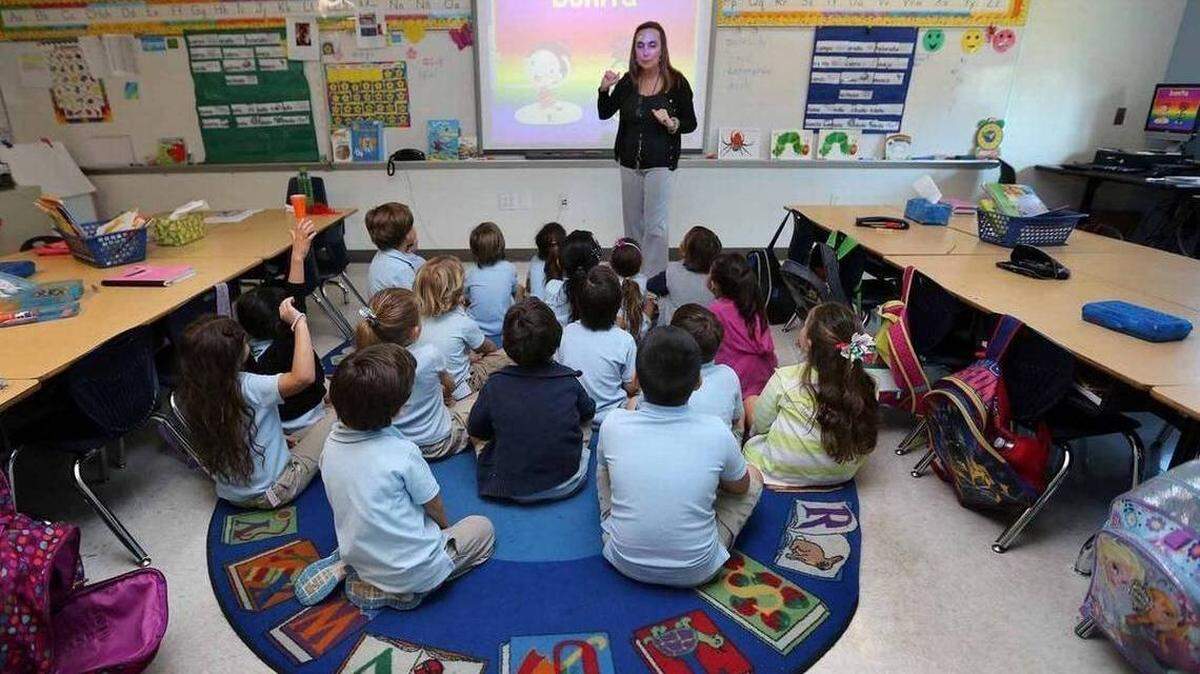
Herald recommends: For Florida House District 118, a grassroots candidate offers change | Editorial
.png "In the race to represent Florida House District 118, Democrat Johnny Gonzalo Farias faces incumbent Republican Juan Fernandez-Barquin.")
READ MORE
Editorial Board November 2022 Election Recommendations
In advance of local and state elections, the Editorial Board interviews political candidates to better understand their views on various issues and how their policies will affect their constituents. The goal is to give voters a better idea of who’s the best candidate for each race. Read our November 2022 recommendations below:
Expand All
In the race to represent Florida House District 118, voters have distinctly different candidates to choose from: a Republican incumbent who has embraced Gov. Ron DeSantis’ agenda or a small business owner, a Democrat whose slogan is, “An electrician, not a politician.”
Democrat Johnny Gonzalo Farias is a Miami-Dade County Community Council representative for District 5 who ran for Miami-Dade County Commission in 2020, losing in the primary. He’s a small business owner who says he wants to go to Tallahassee to speak for regular people. “I’m not looking for a job — I have a job,” he told the Board. “I’m looking to leave things better. I have grandchildren now.”
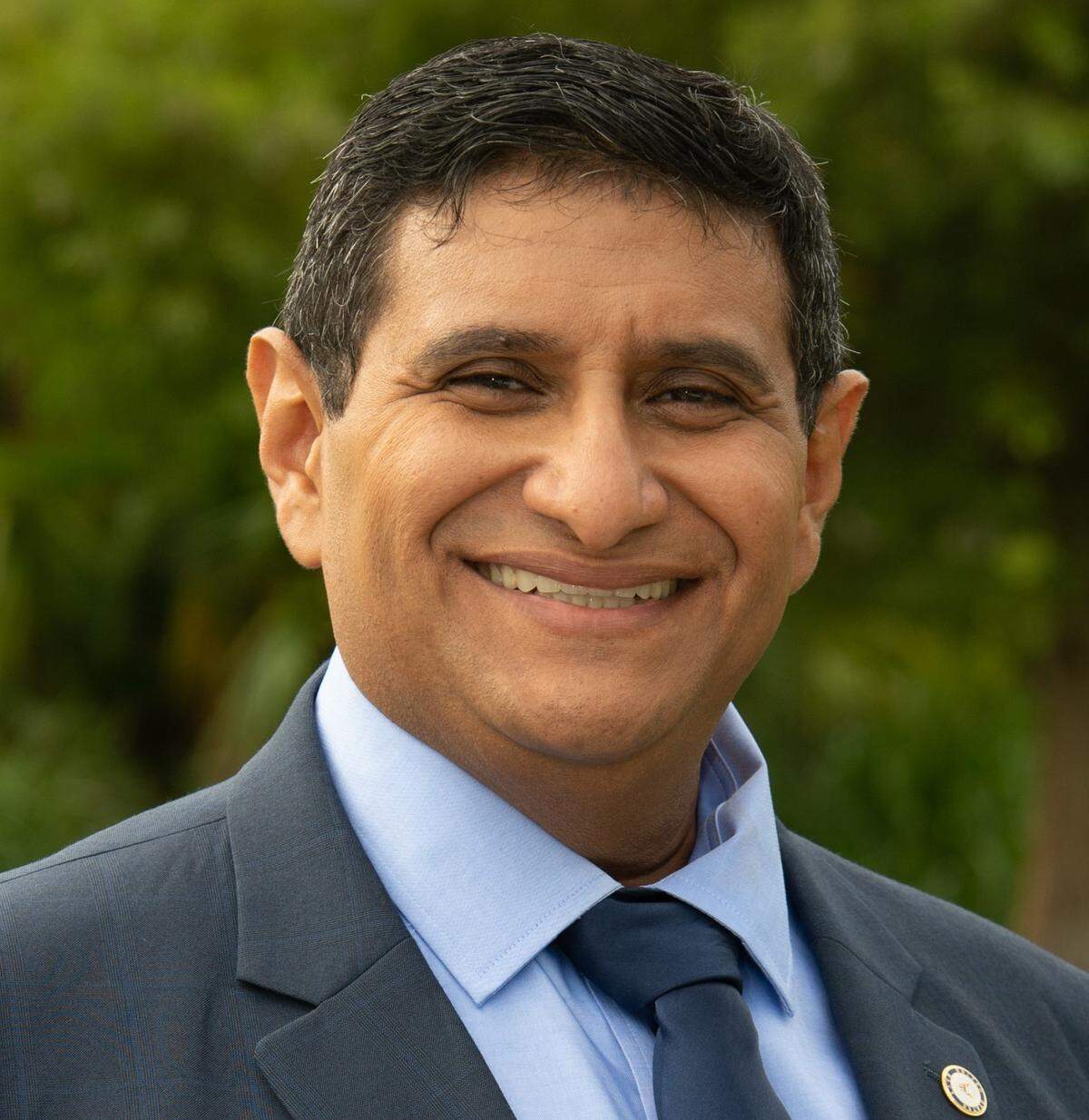
Republican Juan Fernandez-Barquin, an attorney, has been in the House since 2018 and was reelected in 2020. He has been right in the middle of DeSantis’ culture war legislation. He sponsored HB1, the “Anti-Riot” bill. He co-sponsored the Parental Rights in Education bill, also known as the “Don’t say gay” bill. And he sponsored the Stop WOKE Act that limits how race-related issues are taught in public universities, colleges and during workplace training. The Editorial Board has opposed all of those harmful measures.
Fernandez-Barquin is also a member of the Public Health Trust, the governing body for Jackson Health System, and was on the board of the Children’s Trust from 2020 to 2022. He has been representing District 119, but now is running in District 118 because of redistricting.
The district covers a stretch of unincorporated southwestern Miami-Dade County, mostly west of Florida’s Turnpike running south from Southwest Eighth Street to Southwest 232 Street. It leans Republican but not wildly so, with about 35% of registered voters, compared to 33% independent voters and 28% Democratic voters.
With Fernandez-Barquin, voters will no doubt get more of the same in Tallahassee. He has said education and parental rights are among the most important issues in the district. He also emphasized homeowners insurance costs, taxes and making sure that homeowners associations aren’t operating “in an unscrupulous manner.” Homeowners in the Hammocks, a vast community in Kendall with Florida’s largest HOA, revolted this year over massive fee hikes.
That’s an important local issue; we’re glad it has registered with Fernandez-Barquin.
A smart politician, he has tied himself to DeSantis’ rising star, easily winning the Republican primary with strong financial backing.
Farias, however, would bring a regular-person viewpoint to the Legislature. He’s an immigrant from Ecuador who came to the United States at age 4, left Brooklyn — where he grew up — to join the Navy at 17 and, after his service, became an electrician. He started his own business and says he wants to represent his neighbors, someone who can understand hard work and struggle.
“That’s why I’m in this race,” he said. “We need somebody that’s working class, somebody that understands what it is to raise a family. Understands how families depend on small businesses.”
A former guardian ad litem and current board member for Centro Campesino, Farias is not as polished as Fernandez-Barquin, but he says he knows what life is like for working people. He also outlined specific legislation he would like to see passed if elected. He proposes creating a trust fund to help seniors stay in their homes if taxes get too high — for example, because of gentrification.
He’d like to see homeowners-insurance reform, including cracking down on the way attorney fees are calculated in property-insurance lawsuits, which critics say are later passed on to customers. And he related a personal story about losing a cousin to a drunk driver; he thinks Florida needs a law that anyone convicted of drunk driving who kills a parent with underage children should have to pay child support.
Fernandez-Barquin is already in the Legislature and has shown that he is in lockstep with the governor’s misplaced and divisive priorities. Farias, who says he has his “boots on the ground,” has grassroots appeal as he seeks to represent the South Dade community. He is not a perfect candidate, having declared bankruptcy in 2013 after his business couldn’t collect on a major amount of work. But we think he would be a welcome, down-to-earth presence in Tallahassee, where so many elected officials lose touch with the concerns of the people back home.
The Miami Herald Editorial Board recommends JOHNNY GONZALO FARIAS for House District 118.
BEHIND THE STORY
MOREWho decides the political endorsements?
In advance of local and state elections, Miami Herald Editorial Board members interview political candidates, as well as advocates and opponents of ballot measures. The Editorial Board is composed of experienced opinion journalists and is independent of the Herald’s newsroom. Members of the Miami Herald Editorial Board are: Amy Driscoll, editorial page editor; and editorial writers Isadora Rangel and Mary Anna Mancuso. Read more by clicking the arrow in the upper right.
What does the endorsement process look like?
The Miami Herald Editorial Board interviews political candidates to better understand their views on public policy and how their policies will affect their constituents. Board members do additional reporting and research to learn as much as possible about the candidates before making an endorsement. The Editorial Board then convenes to discuss the candidates in each race. Board members seek to reach a consensus on the endorsements, but not every decision is unanimous. Candidates who decline to be interviewed will not receive an endorsement.
Is the Editorial Board partisan?
No. In making endorsements, members of the Editorial Board consider which candidates are better prepared to represent their constituents — not whether they agree with our editorial stances or belong to a particular political party. We evaluate candidates’ relevant experience, readiness for office, depth of knowledge of key issues and understanding of public policy. We’re seeking candidates who are thoughtful and who offer more than just party-line talking points.
This story was originally published October 12, 2022 at 9:02 AM.
.png)
.png)


.png)
.png)
.png)
.png)
.png)
.png)
.png)
.png)
.png)
.png)
.png)
.png)
.png)