Herald recommends: Florida needs an attorney general who’ll serve the people, not the governor | Editorial
READ MORE
Editorial Board November 2022 Election Recommendations
In advance of local and state elections, the Editorial Board interviews political candidates to better understand their views on various issues and how their policies will affect their constituents. The goal is to give voters a better idea of who’s the best candidate for each race. Read our November 2022 recommendations below:
Expand All
Florida’s state’s attorney general is supposed to be our top cop and chief legal officer, protecting us from scammers, flim-flam companies and any organized rackets meant to deceive Floridians and separate us from our money. They defend the state in civil litigation and sue companies and organizations that defraud Floridians.
The role of Florida’s attorney general has been largely independent of politics and nonpartisan.
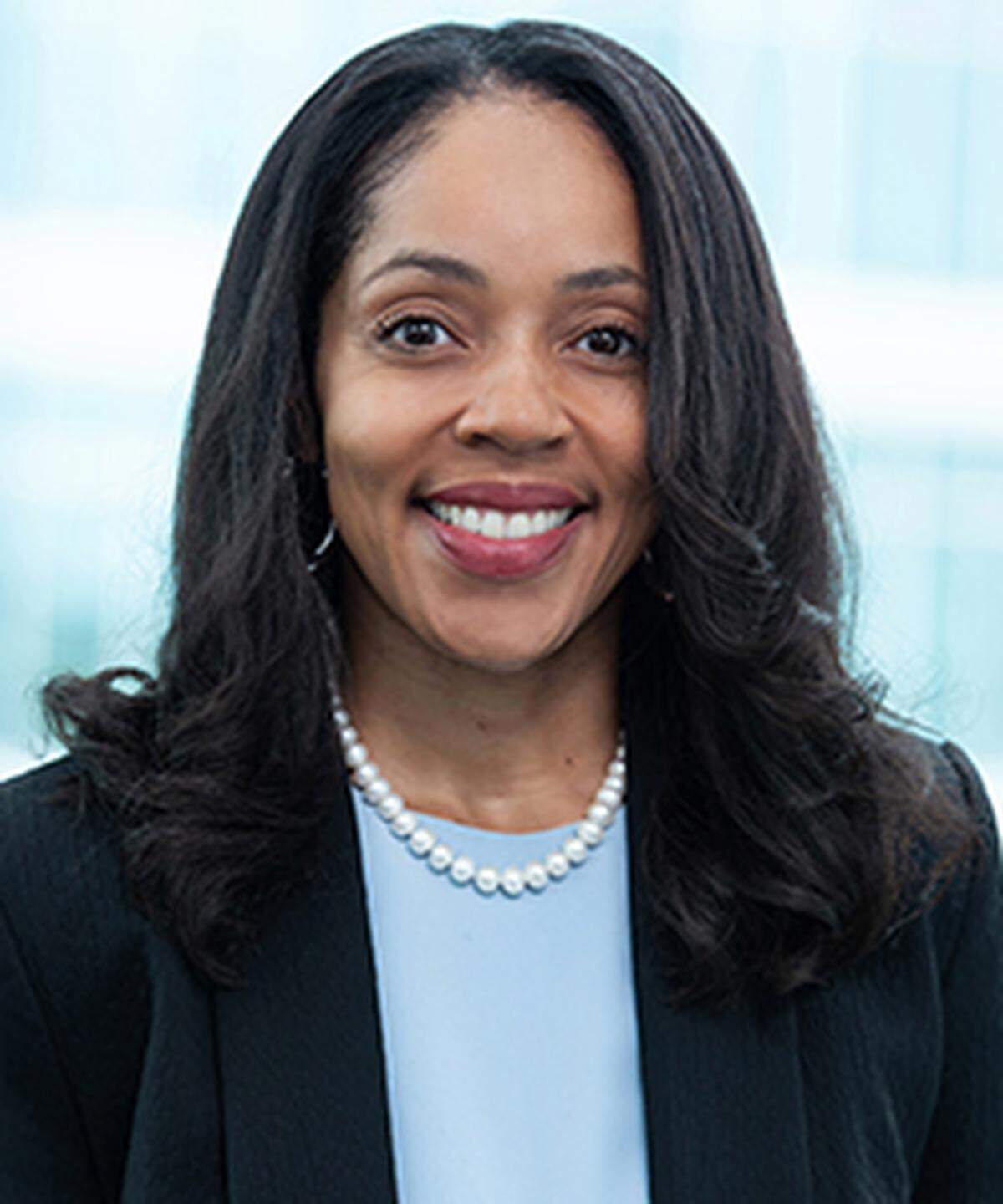
That is, until Republican Ashley Moody was elected in 2018, along with Florida Gov. Ron DeSantis. Forget impartiality. Moody is DeSantis’ legal representative, not Floridians’. Which is why the Editorial Board recommends the Democratic challenger in this race, Aramis Ayala. This position is too important for partisanship. Ayala, who won a three-way August primary, says she understands that.
“I am running because it’s important that the 22 million people of Florida are represented. . . . I want to be the people’s attorney,” Ayala told the Editorial Board.
From the beginning of this election cycle, political experts warned that the GOP was paying extra attention to the role of the attorney general in states across the country, and Moody is a classic, for she is DeSantis’ loyal legal soldier in his divisive culture wars. This even though the state’s attorney general, chief financial officer and agriculture commissioner are all elected independent of the governor.
Ayala is an impressive candidate, knowledgeable of the law. However, we did not recommend her in the Democratic primary in August. We were concerned that, in 2016, soon after garnering national headlines for becoming Florida’s first Black state attorney for the Orlando area, Ayala declared her office would not seek the death penalty in capital cases handled by her office. She cited the state’s high rate of convicting innocent people, a distinction that truly is a blot on Florida’s justice system.
Then-Gov. Rick Scott reassigned dozens of murder cases from Ayala office to another circuit, prompting Ayala to take legal action that ended with the Florida Supreme Court siding with Scott.
In refusing to recommend Ayala, we stated that the state attorney could not make a unilateral decision that went against state law.
But we cannot recommend Moody’s more egregious partnership with DeSantis.
We are counting on Ayala, a former state prosecutor and public defender who now is an assistant professor of legal studies at the University of Central Florida, to put her aversion to the death penalty on a shelf as Florida’s attorney general.
Moody’s campaign did not respond to a request for an interview with the Editorial Board, which has been the M.O. of the majority of Republican candidates we’ve sought out, unfortunately.
We would have asked Moody why she bought into Donald Trump’s “Big Lie,” filing a brief in a Texas lawsuit seeking to overturn the former president’s election loss in the 2020; she sued the Biden administration over vaccine mandates and masking requirements; she criticized the Justice Department for the seizure of documents at Trump’s Mar-a-Lago estate and defended the DeSantis-backed “Don’t say gay” law. On whose behalf was she acting?
Moody also requested that the Florida Department of Law Enforcement investigate former New York City Mayor Michael Bloomberg for helping Florida felons pay outstanding legal costs so they could register to vote in 2020, allowing them to clear a hurdle imposed by the governor and Legislature.
Floridians need an attorney general who works for them and is committed to making the justice system fairer for all.
Ayala stood against bias in the legal system that deals with Black and brown Floridians more harshly than it does with whites. And her concerns about bias in capital prosecutions are legitimate. On a local level, she introduced a panel to double-check death penalty cases; she can do that statewide, too.
Beating Moody will be tough. She is the clear front-runner in name recognition and cash. Ayala had around $20,000 in cash on hand in her campaign account as of Sept. 23. Moody has in the neighborhood of $6 million.
Moody has refused to debate Ayala, saying she prefers to debate challengers who are “serious about enforcing the law.” We, on the other hand, refuse to recommend for state attorney general someone who uses the law for narrow, spiteful political goals.
The Miami Herald Editorial Board recommends ARAMIS AYALA for Florida attorney general.
BEHIND THE STORY
MOREWho decides the political endorsements?
In advance of local and state elections, Miami Herald Editorial Board members interview political candidates, as well as advocates and opponents of ballot measures. The Editorial Board is composed of experienced opinion journalists and is independent of the Herald’s newsroom. Members of the Miami Herald Editorial Board are: Amy Driscoll, editorial page editor; and editorial writers Isadora Rangel and Mary Anna Mancuso. Read more by clicking the arrow in the upper right.
What does the endorsement process look like?
The Miami Herald Editorial Board interviews political candidates to better understand their views on public policy and how their policies will affect their constituents. Board members do additional reporting and research to learn as much as possible about the candidates before making an endorsement. The Editorial Board then convenes to discuss the candidates in each race. Board members seek to reach a consensus on the endorsements, but not every decision is unanimous. Candidates who decline to be interviewed will not receive an endorsement.
Is the Editorial Board partisan?
No. In making endorsements, members of the Editorial Board consider which candidates are better prepared to represent their constituents — not whether they agree with our editorial stances or belong to a particular political party. We evaluate candidates’ relevant experience, readiness for office, depth of knowledge of key issues and understanding of public policy. We’re seeking candidates who are thoughtful and who offer more than just party-line talking points.
This story was originally published October 18, 2022 at 8:34 PM.
.png)
.png)



.png)
.png)
.png)
.png)
.png)
.png)
.png)
.png)
.png)
.png)
.png)
.png)
.png)
.png)