Herald recommends: We find no good options in race for Florida agriculture commissioner | Editorial
READ MORE
Editorial Board November 2022 Election Recommendations
In advance of local and state elections, the Editorial Board interviews political candidates to better understand their views on various issues and how their policies will affect their constituents. The goal is to give voters a better idea of who’s the best candidate for each race. Read our November 2022 recommendations below:
Expand All
The race for Florida commissioner of agriculture and consumer services is pretty lackluster.
With one unprepared candidate and another who won’t explain his record, the Herald Editorial Board will not issue a recommendation ahead of the Nov. 8 elections.
Democrats have put little effort into finding, and funding, a candidate for this and other Florida Cabinet posts. Naomi Blemur won a three-way Democratic primary in August. The Editorial Board didn’t recommend her then because, beyond her talking points, she lacked knowledge on issues such as dealing with farming pollution and helping Florida’s struggling citrus industry.
Blemur, of North Miami, operates a small accounting firm and is the granddaughter of an Immokalee farm worker. She is the first Haitian American to be a major-party candidate for a Cabinet seat. Yet she lacks agriculture experience and the infrastructure and money to run in a state as big and diverse as Florida. She’s raised $70,000 and loaned $12,500 to her campaign.
Blemur, 43, says she’s running a grassroots campaign. She has focused on important issues like ensuring that children in public schools who get free meals receive proper nutrition. She wants to give small farmers better access to credit and ensure that the state’s hemp licensing process is “equitable” for Black and brown Floridians, But she hasn’t demonstrated she’s ready to run for such a large office.
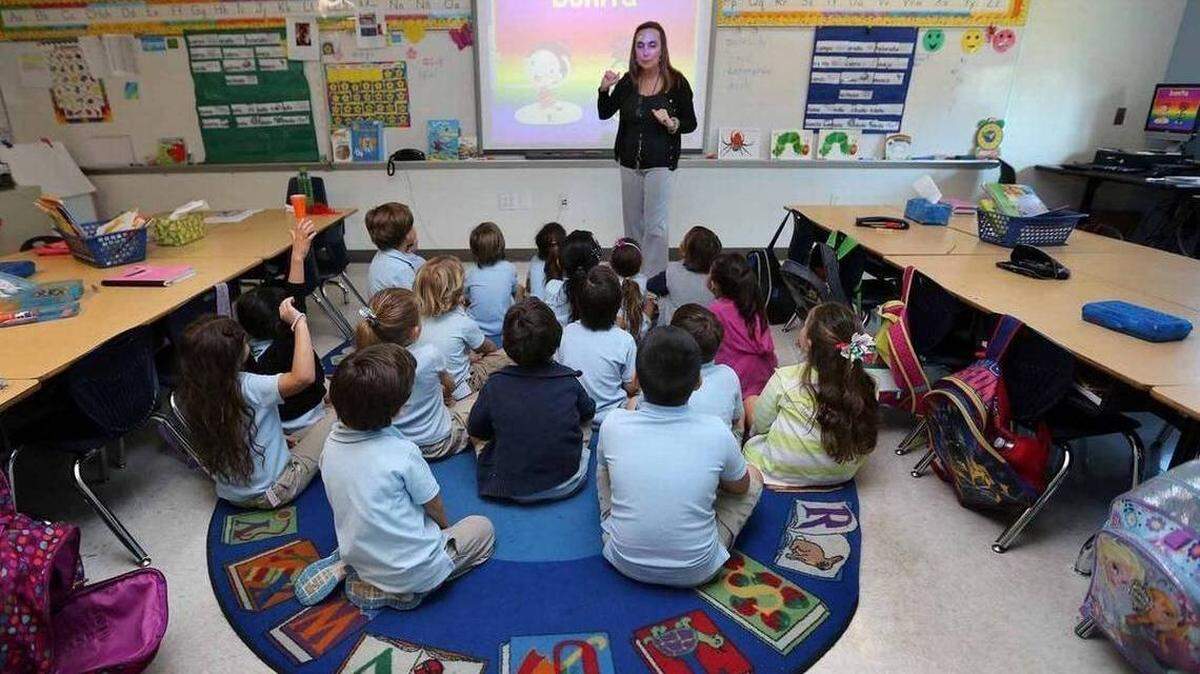
The Department of Agriculture and Consumer Services is a sprawling agency that oversees agriculture, concealed-weapon permits, food safety, school-lunch programs, consumer complaints, public lands and the inspection of amusement-park rides.
Incumbent Nikki Fried didn’t seek reelection to run for governor. She lost to fellow Democrat Charlie Crist in the August primary. Whoever replaces her must have a good grasp of how government works and the issues.
On paper, Republican Wilton Simpson, 56, of Pasco County is that person. The president of the Florida Senate is a reputable lawmaker with a long career in politics. He is by far the favorite to win. If elected, he told the News Service of Florida he would focus on ensuring “all law-abiding citizens can get a concealed-carry license as quickly as possible.” His website says he “will continue to support our farmers and make sure this critical industry is protected.”
Simpson declined an invitation for an interview with the Herald Editorial Board. Without a chance to ask him specifics about his platform, as well as some of the concerning farming and environmental legislation he’s pushed, we cannot recommend him.
Simpson delivered two big gifts to the powerful sugar industry during his term running the Senate. Last year, he ushered through a “right to farm” law that exempts farmers from lawsuits related to the industry’s practice of burning sugar cane before harvesting. Nearby communities, poor and mostly Black, have been forced to live with thick smoke known as “black snow” and its health impacts.
Another bill this year would have put agricultural interests ahead of Everglades restoration by taking away flexibility from the state’s water managers. The bill was another concession to the sugar industry, which has fought efforts to build a reservoir south of Lake Okeechobee to clean and send water to the Everglades. Although the legislation was pared down from its original version, it was vetoed by Gov. Ron DeSantis.
Simpson owns an egg farm and other businesses. He is worth $22.5 million, according to his financial-disclosure documents. He had more than $14 million available through his campaign account and four political committees he oversees, the News Service of Florida reported this month.
Some may say we should get behind the presumed winner in this race, but Simpson’s record raises questions, especially if he doesn’t take the time to explain it. Without a viable alternative, the Miami Herald Editorial Board has NO RECOMMENDATION in the race for commissioner of agriculture and consumer services.
BEHIND THE STORY
MOREWho decides the political endorsements?
In advance of local and state elections, Miami Herald Editorial Board members interview political candidates, as well as advocates and opponents of ballot measures. The Editorial Board is composed of experienced opinion journalists and is independent of the Herald’s newsroom. Members of the Miami Herald Editorial Board are: Amy Driscoll, editorial page editor; and editorial writers Isadora Rangel and Mary Anna Mancuso. Read more by clicking the arrow in the upper right.
What does the endorsement process look like?
The Miami Herald Editorial Board interviews political candidates to better understand their views on public policy and how their policies will affect their constituents. Board members do additional reporting and research to learn as much as possible about the candidates before making an endorsement. The Editorial Board then convenes to discuss the candidates in each race. Board members seek to reach a consensus on the endorsements, but not every decision is unanimous. Candidates who decline to be interviewed will not receive an endorsement.
Is the Editorial Board partisan?
No. In making endorsements, members of the Editorial Board consider which candidates are better prepared to represent their constituents — not whether they agree with our editorial stances or belong to a particular political party. We evaluate candidates’ relevant experience, readiness for office, depth of knowledge of key issues and understanding of public policy. We’re seeking candidates who are thoughtful and who offer more than just party-line talking points.
This story was originally published October 18, 2022 at 6:11 PM.
.png)
.png)


.png)
.png)
.png)
.png)
.png)
.png)
.png)
.png)
.png)
.png)
.png)
.png)
.png)
.png)