Herald recommends: Miami Beach Commission candidate wants residents to feel at home again | Editorial
READ MORE
Editorial Board November 2022 Election Recommendations
In advance of local and state elections, the Editorial Board interviews political candidates to better understand their views on various issues and how their policies will affect their constituents. The goal is to give voters a better idea of who’s the best candidate for each race. Read our November 2022 recommendations below:
Expand All
Miami Beach will hold a special election that surely no one wanted to have on the ballot.
Five candidates are vying for the seat on the Miami Beach City Commission left vacant by the sudden death of Commissioner Mark Samuelian in June.
Samuelian had been reelected last year. The winner of the election on the Nov. 8 ballot will serve the rest of his term, ending in 2025. If none of the candidates gets a majority of the votes, the top two vote-getters will face each other in a December runoff.
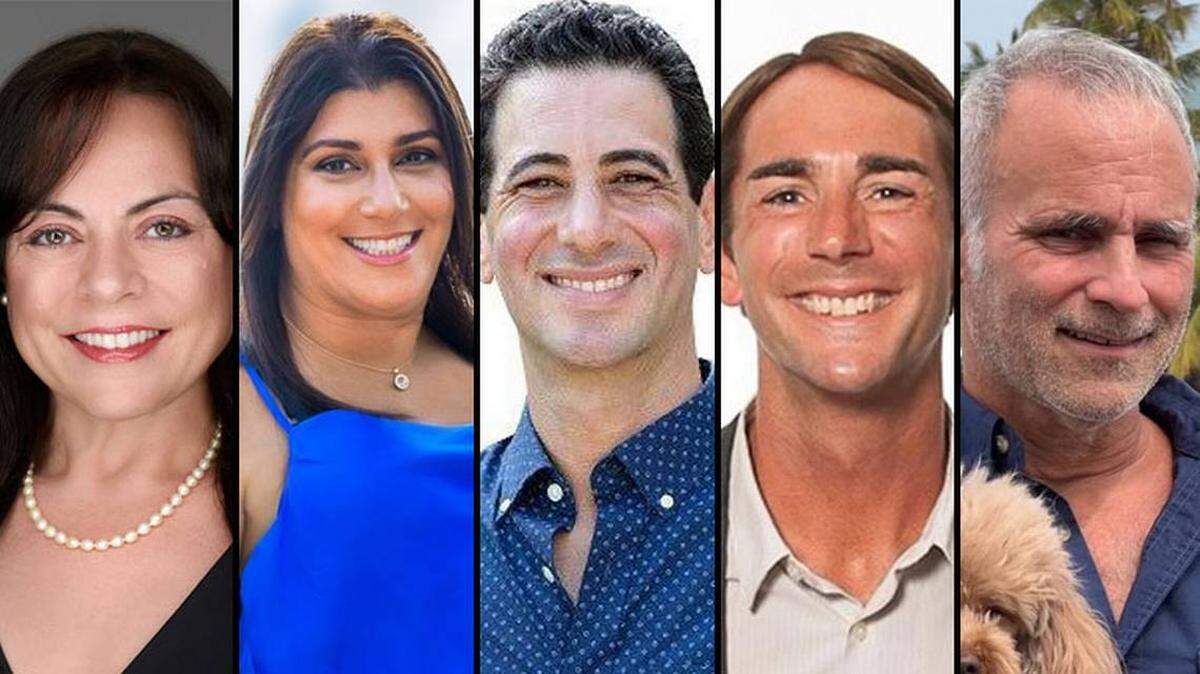
Here are the candidates: Sabrina Cohen, a disability-rights advocate; Stephen Cohen, who is no relation, is a real-estate investor; Laura Dominguez, a digital marketer and Samuelian’s “life partner;” Isaiah Mosley, an environmental scientist; and Mitch Novick, a hotel owner. All of them participated in the Editorial Board’s candidate interview, except for Mosley. He did not respond to several texts, phone calls and a Facebook direct message inviting him to participate.
All of the candidates are clear on the challenges the city, its residents and its businesses face.
Public safety and climate resilience topped the list, along with the lack of affordable housing.
“We do have a crime issue across the Beach, and it’s both in numbers and in perception,” Dominguez told the Board. “So many people are saying that they don’t feel safe.
Steve Cohen said, “Like everybody else, No. 1 is public safety, because we definitely have a crime problem in Miami Beach — not only in Ocean Drive. I’ve lived in North Beach, and it’s increasing over there.”
Sabrina Cohen told the Board she wants to see a stronger police presence. “But in addition to that, I think we need to create organized programs that can help different people in our community, and most important, make our residents feel safe again. That’s is a big priority for our residents.”
She also decried the implied racism of an ordinance that imposed a 20-foot buffer around police responding to incidents — two Black men were brutally arrested, and the ordinance has been suspended. She wants to revisit the ordinance to find a balance between fairness and ensuring that people know that breaking the law will not be tolerated.
The issue of climate resilience also rose to the top of the candidates’ must-do lists. “We have aging infrastructure,’ Dominguez said. “Some of the stormwater drains and sewer pipes underneath our roads are 40, 50, 60 years old, and we need to make sure that we have those projects prioritized, funded, scheduled and executed, because we need to keep our resiliency moving forward.”
Novick, frustrated at the pace of upgrades, despite the water-rate increases, said, “Our infrastructure should have been gold-plated by now.”
Sabrina Cohen pointed out that raising streets in the Sunset Harbor neighborhood has been successful in the fight against sea-level rise. In this race, we are giving our recommendation to Ms. Cohen. She is the only candidate who included development — overdevelopment, really — in her top three list of major concerns that the Beach should address. And she deftly tied it to residents’ satisfaction level in the city.
“Really, looking at what projects will bring a better quality of life to our residents versus just more developments in the city — particularly addressing and creating work, live, play communities, I believe, will just help grow our community and make it a more safe and easily accessible environment . . . for our residents,” she told the Board.
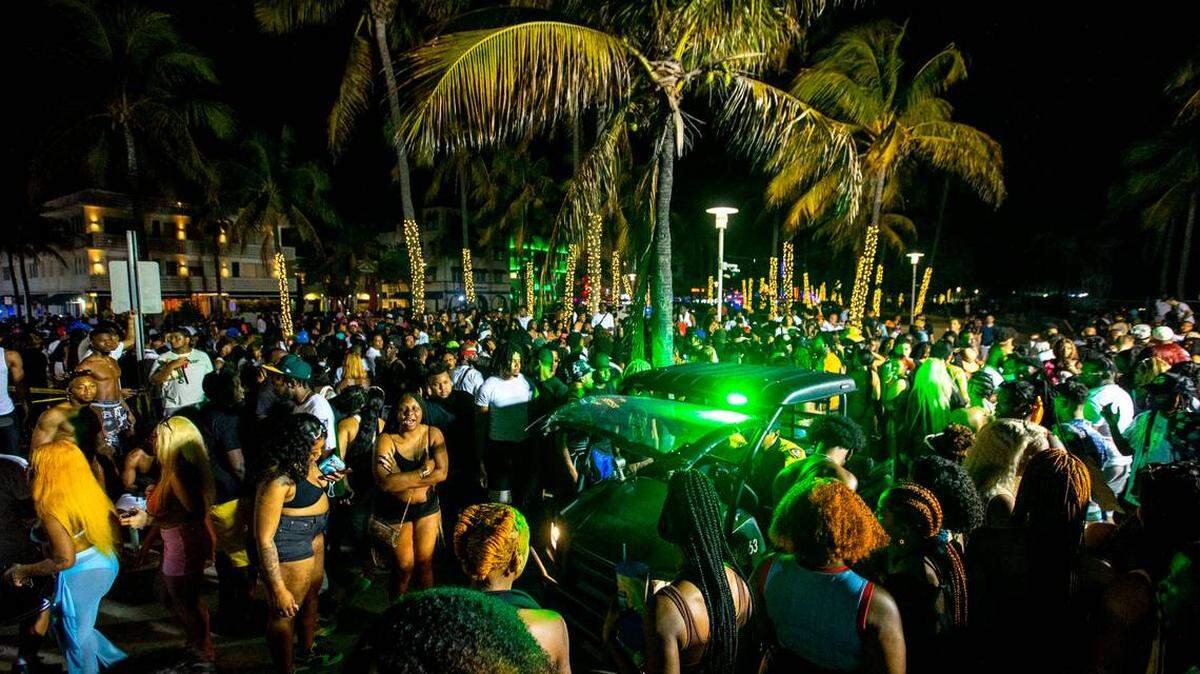
The city of Miami Beach is looking for its next identity. It has evolved from the glamour of the grand hotels hosting A-list entertainers of the ’50s and early ‘60s to retiree magnet to the economic doldrums after suburban malls opened and urban crime moved — to its rejuvenation as party central. A lot of people are sick of it and want to ratchet down the noise, the traffic and the crime. And development has played a role in some of this, and could put more pressure on Miami Beach, its residents, its streets and its services.
Ms. Cohen, like her challengers, sees the need for workforce housing in the city, and praised an initiative across from the Miami City Ballet that could provide such housing for artists, city employees and others priced out of the Beach.
Like Mayor Dan Gelber, she supports the creation of an arts and entertainment district to tone down the party atmosphere and attract a broader group of people, especially alienated residents of Greater Miami.
And her goal of “live, work, play” neighborhoods will get more people out of their cars — and get more cars off the streets.
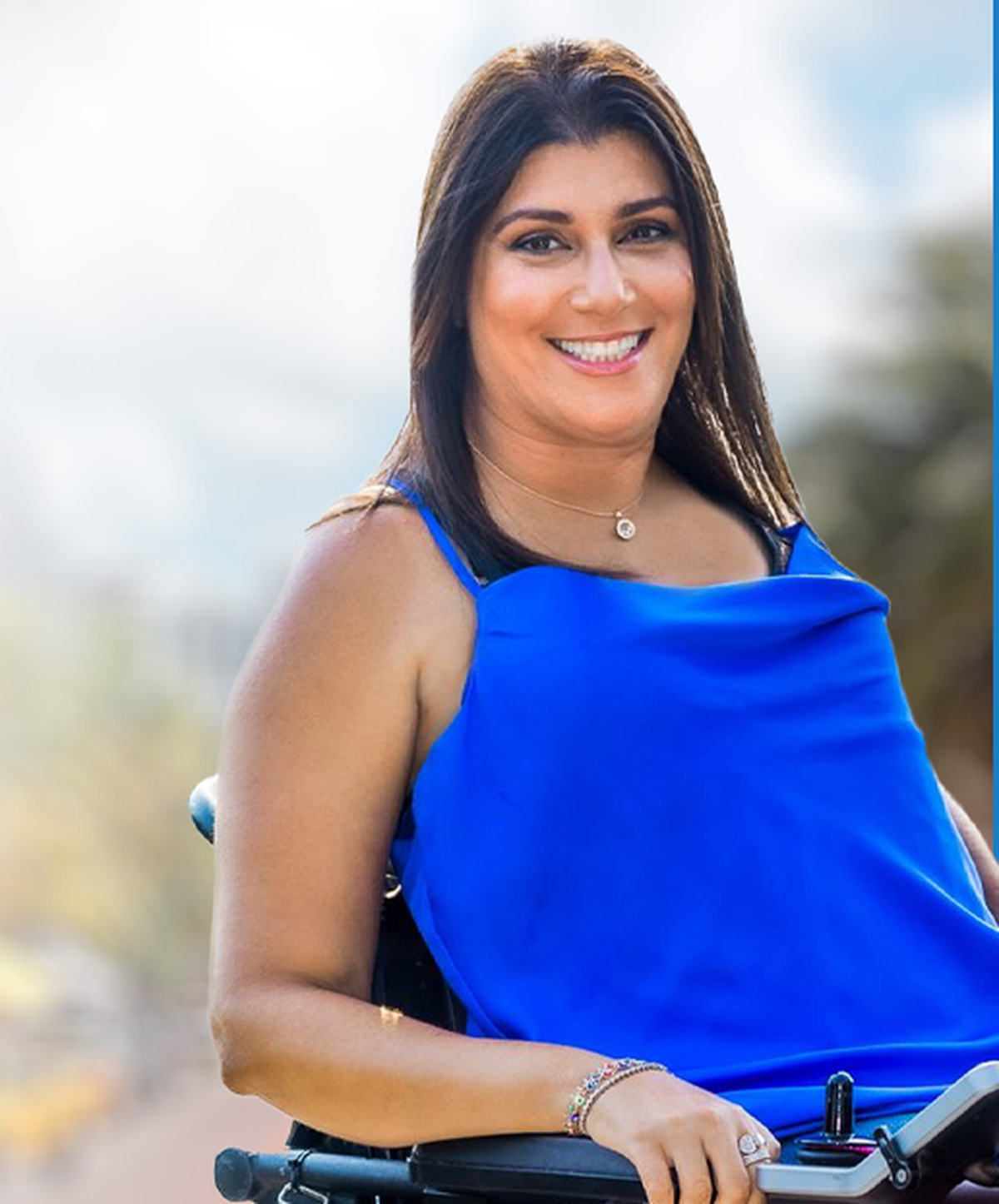
Ms. Cohen’s use of the words “easily accessible” likely resonate deeply with her. when she was 14, she suffered a spinal cord injury and uses a wheelchair. She heads the nonprofit Sabrina Cohen Foundation, which she established in 2006. The foundation advocates for accessible outdoor spaces, including creating a program to help people with disabilities visit the beach.
The foundation is now working with the city to build a recreation facility for people with mobility challenges. Last year, the City Commission agreed to donate $2.5 million toward its construction.
The Board asked Ms. Cohen how she would handle any potential conflict of interest as a recipient of city funds. She responded: “I met with the city attorney, literally, right before I filed. . . . Should there be a conflict of interest down the road, should I be honored to be commissioner, I will address all those issues.”
In all, Ms. Cohen brings an encouraging depth of knowledge about the workings of Miami Beach. She’s current on what is happening now, and what needs to happen to make the city more livable. We think her life experiences will bring another dimension of community awareness to the commission dais.
The Miami Herald Editorial Board recommends SABRINA COHEN for the Miami Beach City Commission.
BEHIND THE STORY
MOREWho decides the political endorsements?
In advance of local and state elections, Miami Herald Editorial Board members interview political candidates, as well as advocates and opponents of ballot measures. The Editorial Board is composed of experienced opinion journalists and is independent of the Herald’s newsroom. Members of the Miami Herald Editorial Board are: Amy Driscoll, editorial page editor; and editorial writers Isadora Rangel and Mary Anna Mancuso. Read more by clicking the arrow in the upper right.
What does the endorsement process look like?
The Miami Herald Editorial Board interviews political candidates to better understand their views on public policy and how their policies will affect their constituents. Board members do additional reporting and research to learn as much as possible about the candidates before making an endorsement. The Editorial Board then convenes to discuss the candidates in each race. Board members seek to reach a consensus on the endorsements, but not every decision is unanimous. Candidates who decline to be interviewed will not receive an endorsement.
Is the Editorial Board partisan?
No. In making endorsements, members of the Editorial Board consider which candidates are better prepared to represent their constituents — not whether they agree with our editorial stances or belong to a particular political party. We evaluate candidates’ relevant experience, readiness for office, depth of knowledge of key issues and understanding of public policy. We’re seeking candidates who are thoughtful and who offer more than just party-line talking points.
This story was originally published October 25, 2022 at 3:35 PM.
.png)
.png)
.png)
.png)
.png)
.png)
.png)
.png)
.png)
.png)
.png)
.png)
.png)
.png)
.png)
.png)