Herald recommends: One Democrat is better prepared in Florida House District 106 primary | Editorial
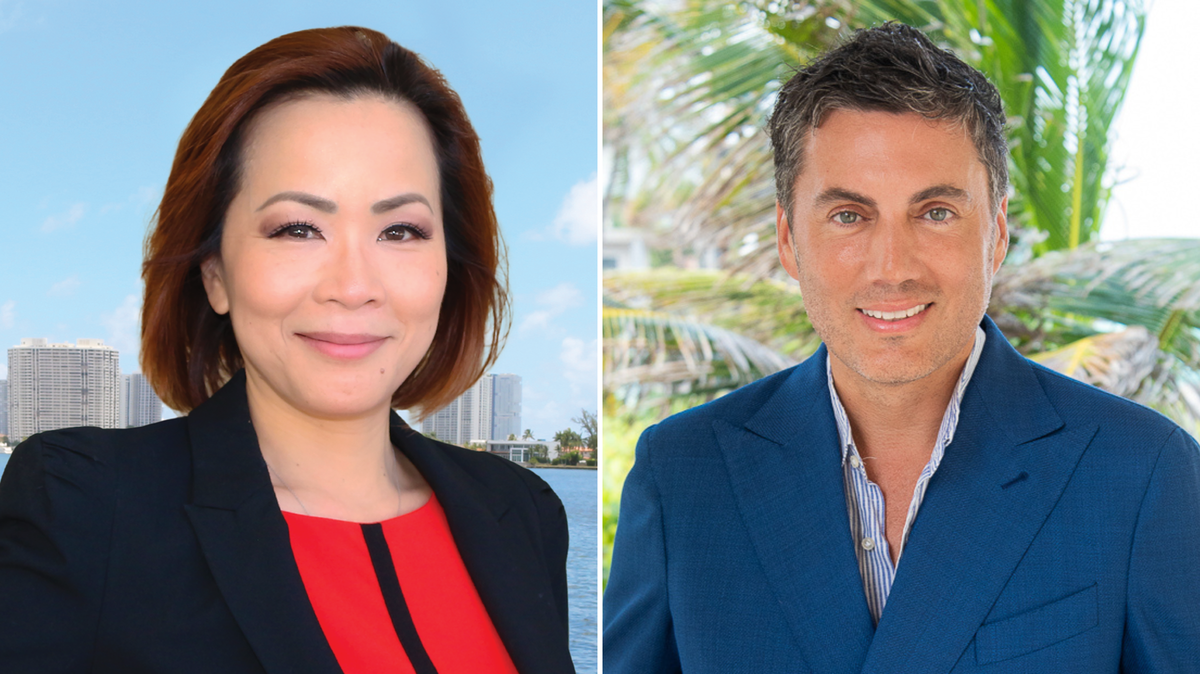
.png "Former Bay Harbor Islands councilman Jordan Leonard (left) competes against special education teacher Gustavo Ortega for the Democratic primary in Florida House District 106.")
READ MORE
Miami Herald Editorial Board Election Recommendations
In advance of local and state elections, the Editorial Board interviews political candidates to better understand their views on various issues and how their policies will affect their constituents. The goal is to give voters a better idea of who’s the best candidate for each race. Read our 2022 recommendations below:
Expand All
The Democratic primary for an open seat in Florida House District 106 pits a former Bay Harbor Islands councilman against a special education teacher dabbling in politics for the first time.
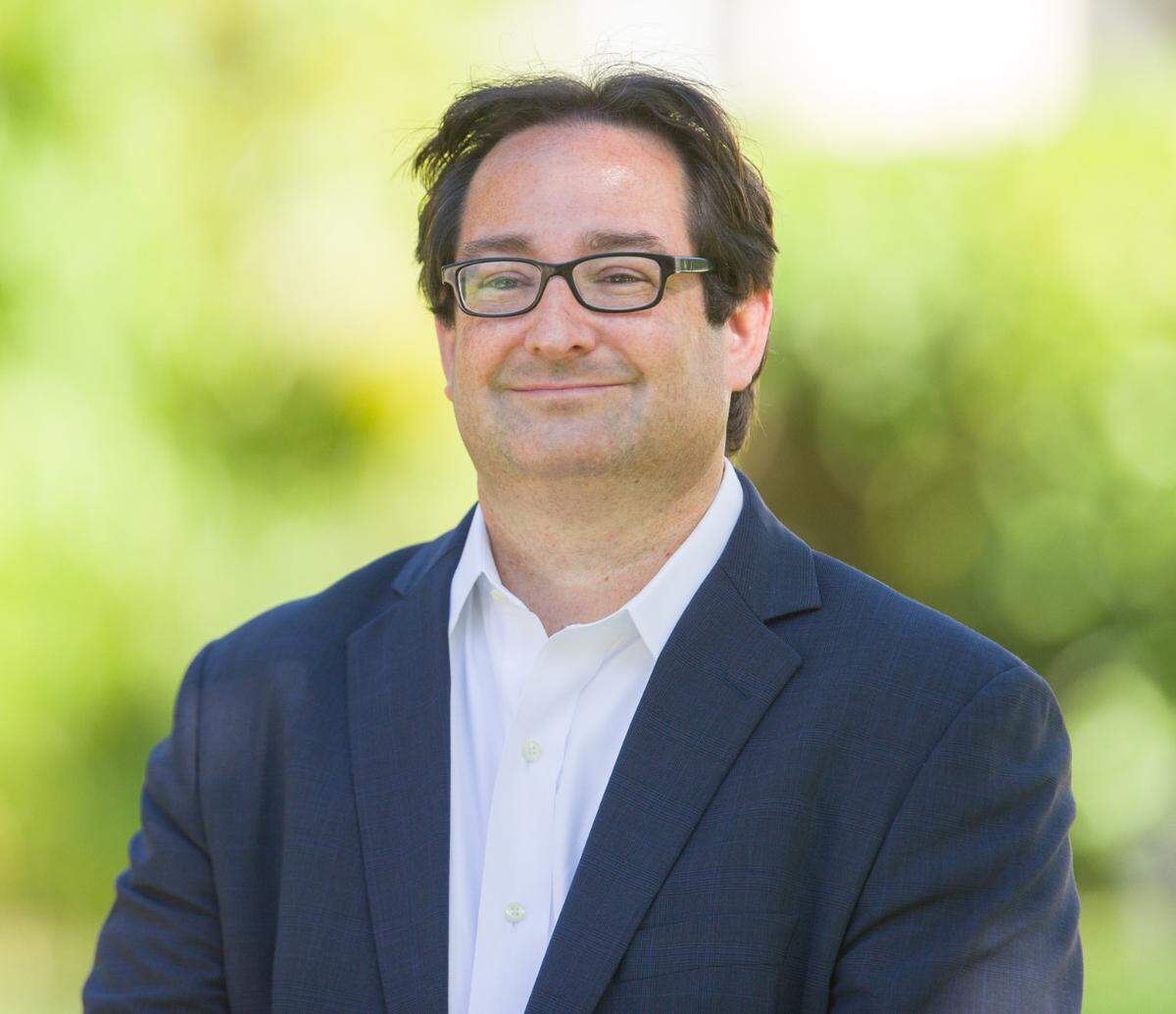
Jordan Leonard served on the Bay Harbor Town Council from 2008 until this year. He’s the perceived front runner, vastly outraising his opponent, Gustavo Ortega, and garnering endorsements. Leonard’s campaign and his political committee have brought in $363,000 compared to Ortega’s $4,800. Leonard co-owns Pediatric Therapy Center Inc. with his wife and is a managing director at a commercial real estate company.
Leonard has the upper hand on knowledge of issues affecting the newly drawn District 106, which covers Miami-Dade’s coastal areas, including Miami Beach. This Democratic-leaning district is one of the most vulnerable to sea-level rise in Florida and needs a representative who can bring home dollars for projects to alleviate flooding. Leonard touted his work as a councilman in helping secure $1.5 million from the state for infrastructure projects in Bay Harbor.
Both Leonard and Ortega support big Democratic priorities — Leonard would like an assault-weapons ban, and Ortega wants to expand Medicaid for the working poor. But those issues will not see the light of day in the GOP-controlled Florida House. If elected, they will have to focus on bipartisan solutions for pressing issues like the lack of affordable housing. Leonard is best equipped to do that.
Leonard’s campaign made a bad call when it sent out a mailer that stated he “always donated” his councilman’s salary to charity. The flyer misled voters by not mentioning that salary was only $1 per year. He told the Herald in June that he didn’t write the mailer, but it was paid for and approved by his campaign, so he should’ve known better. He vowed to do better next time.
Despite that lapse in judgment, Leonard came to an interview with the Herald Editorial Board with well-thought-out policy proposals (he is a former policy analyst for the County’s Task Force on Urban Economic Revitalization). He said the exorbitant cost of land for new construction is driving up housing prices. One of the bills he would sponsor would allow community redevelopment agencies, created by local governments to revitalize blighted areas, to convert vacant or abandoned properties into land for affordable housing through a process known as “land banking.”
Ortega, also of Bay Harbor Islands, teaches students with autism and said he decided to run because of a lack of candidates focused on education. He points to the impact the shortages of teachers, bus drivers and school personnel have on public education and said Florida needs to better fund K-12. He also wants to increase solar power in the state.
Ortega is running a grassroots campaign and appears to still be learning about the issues. But we encourage him to stay involved and perhaps run for a local office.
For his policy know-how, the Herald recommends JORDAN LEONARD in the Democratic primary for Florida House District 106.
BEHIND THE STORY
MOREWho decides the political endorsements?
In advance of local and state elections, Miami Herald Editorial Board members interview political candidates, as well as advocates and opponents of ballot measures. The Editorial Board is composed of experienced opinion journalists and is independent of the Herald’s newsroom. Members of the Miami Herald Editorial Board are: Amy Driscoll, editorial page editor; and editorial writers Isadora Rangel and Mary Anna Mancuso. Read more by clicking the arrow in the upper right.
What does the endorsement process look like?
The Miami Herald Editorial Board interviews political candidates to better understand their views on public policy and how their policies will affect their constituents. Board members do additional reporting and research to learn as much as possible about the candidates before making an endorsement. The Editorial Board then convenes to discuss the candidates in each race. Board members seek to reach a consensus on the endorsements, but not every decision is unanimous. Candidates who decline to be interviewed will not receive an endorsement.
Is the Editorial Board partisan?
No. In making endorsements, members of the Editorial Board consider which candidates are better prepared to represent their constituents — not whether they agree with our editorial stances or belong to a particular political party. We evaluate candidates’ relevant experience, readiness for office, depth of knowledge of key issues and understanding of public policy. We’re seeking candidates who are thoughtful and who offer more than just party-line talking points.
This story was originally published August 3, 2022 at 8:44 AM.

.png)
.jpg)
.jpg)
.jpg)
.jpg)
.png)
.png)
.png)
.png)
.png)
.png)
.png)
.png)
.png)
.png)
.png)
.png)
.png)
.png)
.png)
.png)