Herald endorsement: Our choice for U.S. House District 27 | Opinion
READ MORE
Editorial Board’s General Election Endorsements
In advance of the upcoming general elections on Tuesday, Nov. 5, 2024, the Editorial Board interviewed and researched candidates to better understand their views on various issues and how their policies will affect their constituents. The goal is to give voters a better idea of who’s the best candidate for each race.
Expand All
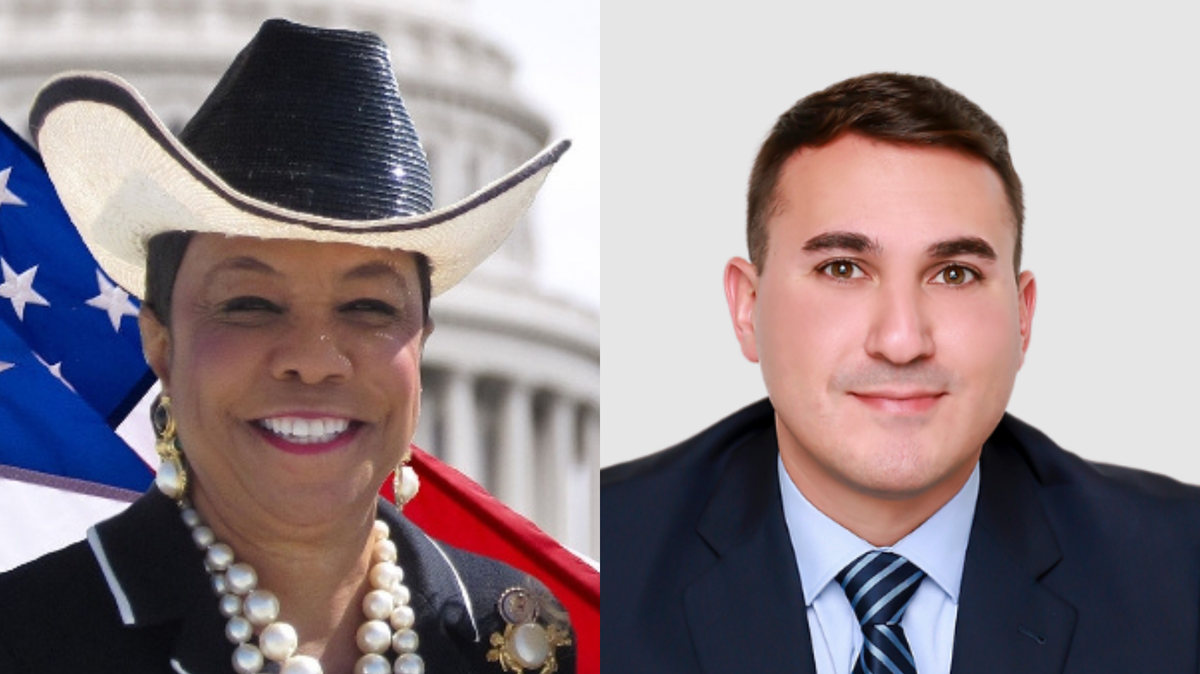
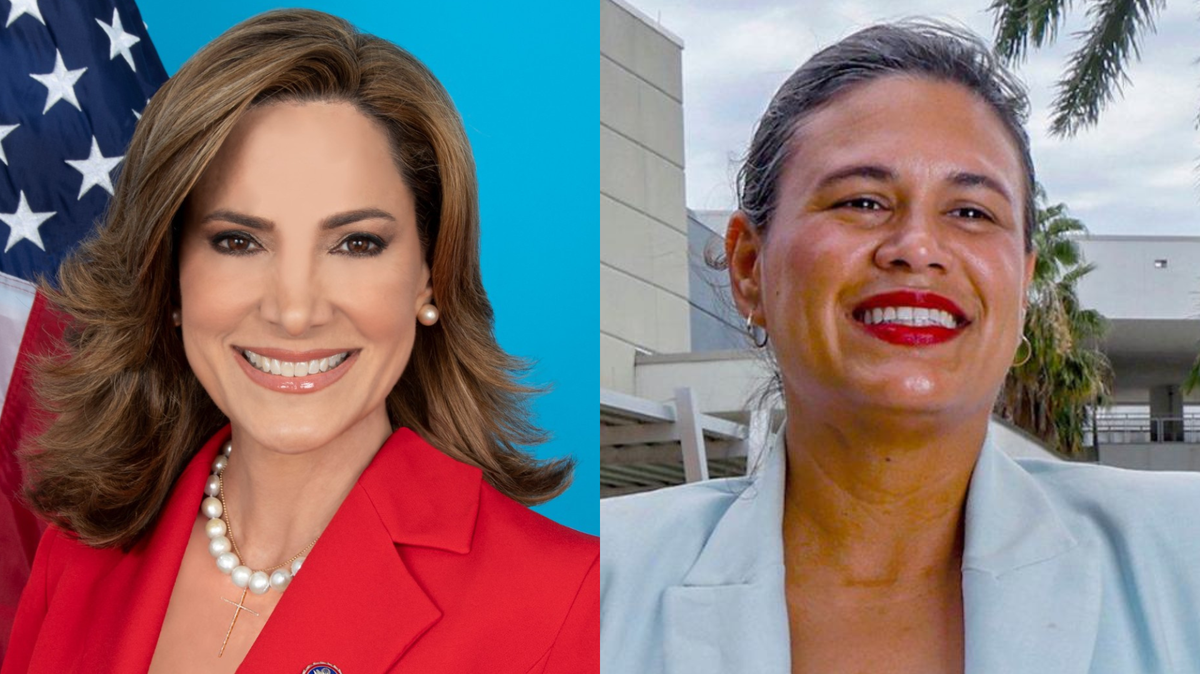
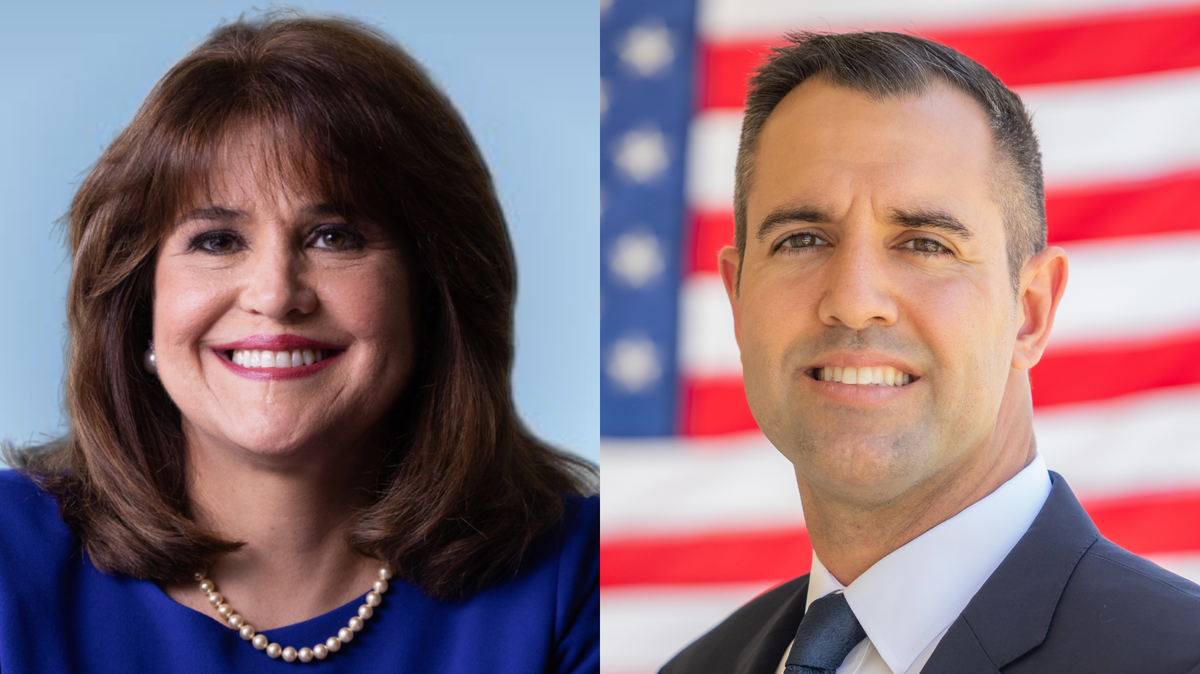
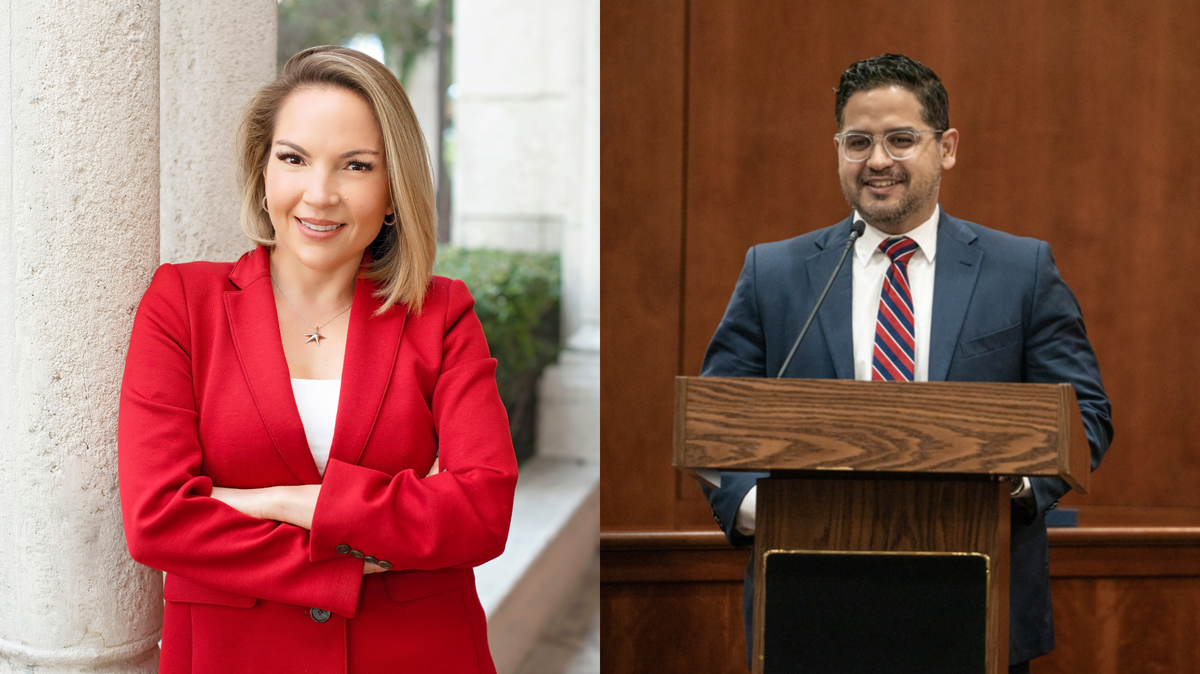
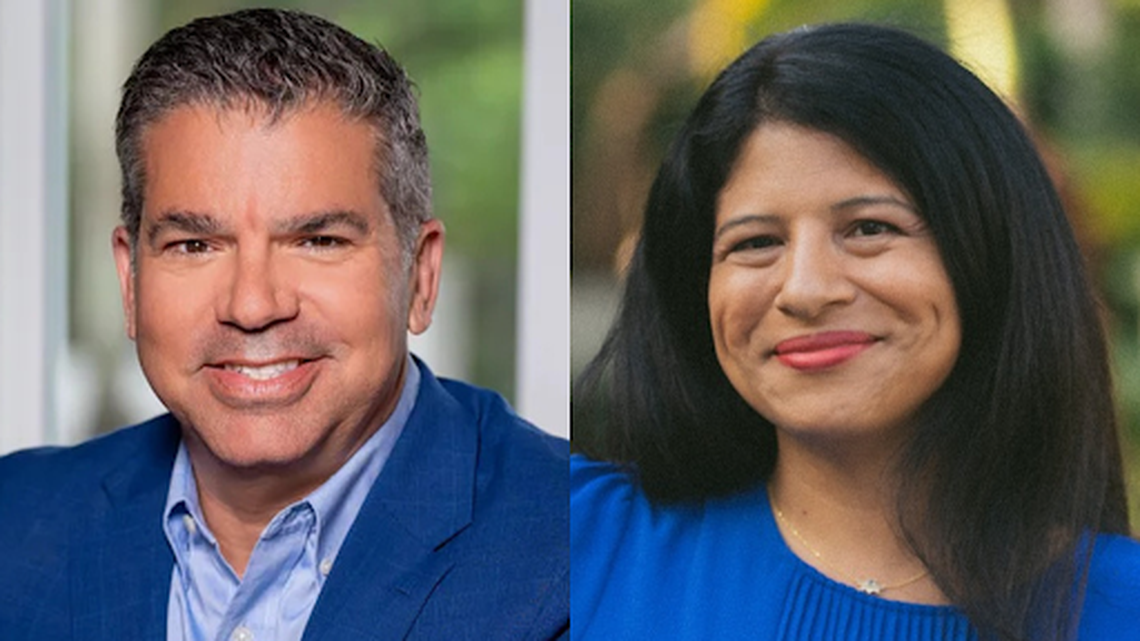
The November election for U.S. House District 27 is the most competitive congressional race in Miami-Dade — even if mildly. Republican incumbent U.S. Rep. Maria Elvira Salazar faces Miami-Dade County School Board member Lucia Baez-Geller, a Democrat.
Salazar, a former Spanish-language TV journalist, has the upper hand in fundraising and name recognition in the district she narrowly won for the first time in 2020 and then by a landslide in 2022.
The Herald Editorial Board’s pick is the underdog in this race, Baez-Geller.
Salazar, 62, has tried to tread the line between being a MAGA firebrand rallying against socialism across Latin America — and disingenuously claiming that it is infiltrating the U.S. through the Democratic Party — and representing a diverse district that stretches from downtown Miami and Little Havana to Key Biscayne, Coral Gables, Kendall and Cutler Bay.
Salazar did not respond to several text messages inviting her for an interview with the Herald Editorial Board despite initially saying she would like to schedule one.
As the Herald reported, Salazar’s voting record is somehow moderate despite her alignment with Donald Trump, whom she endorsed in February.
She was among the few House Republicans who voted to create a commission to investigate the Jan. 6, 2021, insurrection at the U.S. Capitol. She voted to raise the age to buy an assault-style rifle from 18 to 21. She’s proposed a bipartisan immigration reform bill that would provide a pathway to citizenship for undocumented immigrants while also protecting the border.
But Salazar also has sometimes speaks out of both sides of her mouth and hasn’t dealt well with criticism and scrutiny.
She has taken credit for millions for local projects financed by bills she voted against, such as a bipartisan infrastructure bill and the CHIPS and Science Act that expanded semiconductor research in the U.S. When pressed by CBS Miami host Jim Defede, she said she couldn’t remember how she voted on those bills.
Salazar, who’s Cuban-American, rails against anti-democratic regimes in Latin America, such as Cuba and Nicaragua, as long as they are leftists. Yet she attended the inauguration this year of Salvadoran right-wing President Nayib Bukele, who’s taken steps to dismantle the country’s constitutional court and calls himself the “world’s coolest dictator.”
Baez-Geller, 41, is a former teacher at Miami Beach Senior High elected to the School Board in 2020. Whereas Salazar has distanced herself from the issue of abortion, Baez-Geller has taken a stance, writing a column for the Herald about her experience terminating a non-viable pregnancy and defending a federal law to legalize abortion rights nationwide.
Baez-Geller, whose father fled Cuba during the Mariel boatlift, understands the dynamics of this heavily Hispanic district.
“There’s no learning curve for me,” Baez-Geller told the Editorial Board. “I live the issues. I walk the issues. I talk the issues... being a Latino working mother, I feel very ready” to serve.
On the School Board, she has been a strong opponent of Florida’s efforts to control local public education with culture-war laws that ban what teachers can discuss in the classroom and to divert dollars away from traditional public education. She’s been a staunch supporter of LGBTQ+ students, even when it drew public backlash, as her failed proposal to observe LGBTQ+ history month did.
Baez-Geller said the biggest issue facing District 27 is the affordability crisis. She wants to expand the childcare tax credit and work with federal agencies “to make sure that we have affordable and attainable housing” and to hold polluters accountable for runoff that ends up in Biscayne Bay.
On Cuba, she said the embargo is not “perfect” but she supports it. She said the U.S. must “empower the residents of Cuba” and ensure that remittances from relatives in the U.S. “get directly to the people.”
As a School Board member, Baez-Geller said she represents a large Jewish constituency — and her husband is Jewish. She said she supports “Israel’s right to defend itself” after the Oct. 7, 2023 attacks, and that, for the war in Gaza to end, “We must return the (Israeli) hostages and make sure that Hamas is eradicated.”
She faces a tough battle to unseat a well-funded incumbent, but constituents deserve an alternative.
The Herald Editorial Board endorses LUCIA BAEZ-GELLER for U.S. House District 27.
BEHIND THE STORY
MOREWho decides the political endorsements?
In advance of local and state elections, Miami Herald Editorial Board members interview political candidates, as well as advocates and opponents of ballot measures. The Editorial Board is composed of experienced opinion journalists and is independent of the Herald’s newsroom. Members of the Miami Herald Editorial Board are: Amy Driscoll, editorial page editor; and editorial writers Isadora Rangel and Mary Anna Mancuso. Read more by clicking the arrow in the upper right.
What does the endorsement process look like?
The Miami Herald Editorial Board interviews political candidates to better understand their views on public policy and how their policies will affect their constituents. Board members do additional reporting and research to learn as much as possible about the candidates before making an endorsement. The Editorial Board then convenes to discuss the candidates in each race. Board members seek to reach a consensus on the endorsements, but not every decision is unanimous. Candidates who decline to be interviewed will not receive an endorsement.
Is the Editorial Board partisan?
No. In making endorsements, members of the Editorial Board consider which candidates are better prepared to represent their constituents — not whether they agree with our editorial stances or belong to a particular political party. We evaluate candidates’ relevant experience, readiness for office, depth of knowledge of key issues and understanding of public policy. We’re seeking candidates who are thoughtful and who offer more than just party-line talking points.
This story was originally published October 21, 2024 at 12:02 PM.
.png)




.png)




.png)