Herald endorsement: No good choice in the Florida Senate District 39 race | Opinion
READ MORE
Editorial Board’s General Election Endorsements
In advance of the upcoming general elections on Tuesday, Nov. 5, 2024, the Editorial Board interviewed and researched candidates to better understand their views on various issues and how their policies will affect their constituents. The goal is to give voters a better idea of who’s the best candidate for each race.
Expand All
Only two Florida Senate seats in Miami-Dade County are being contested in the Nov. 5 election.
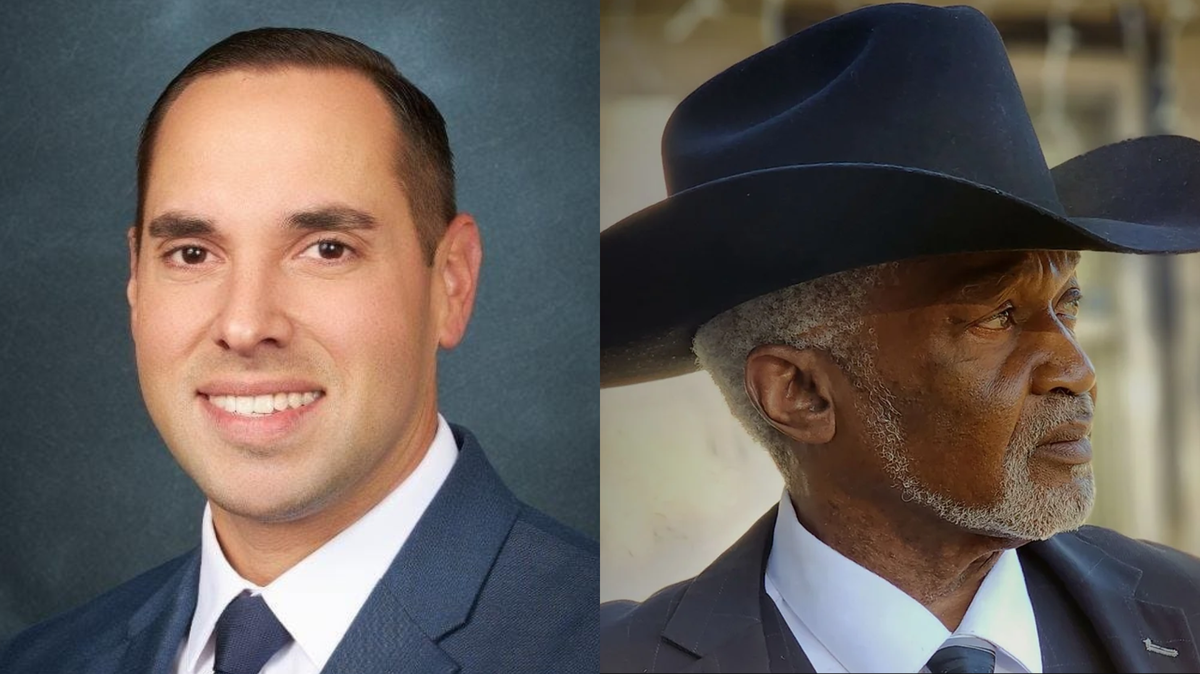
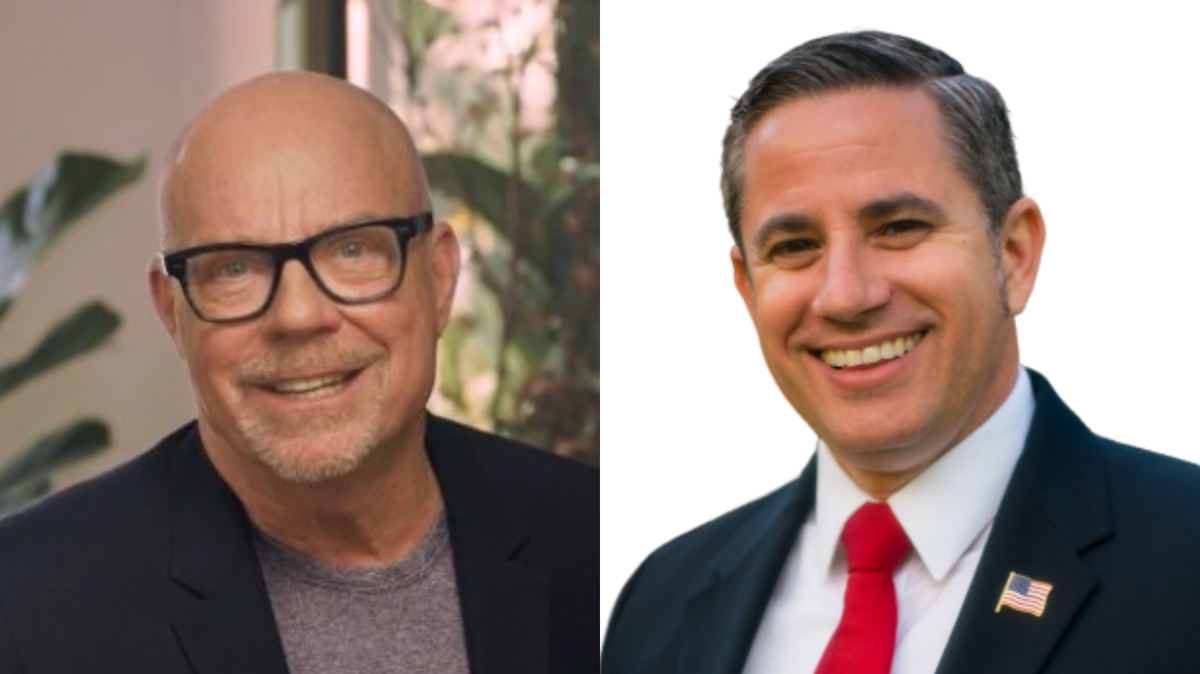
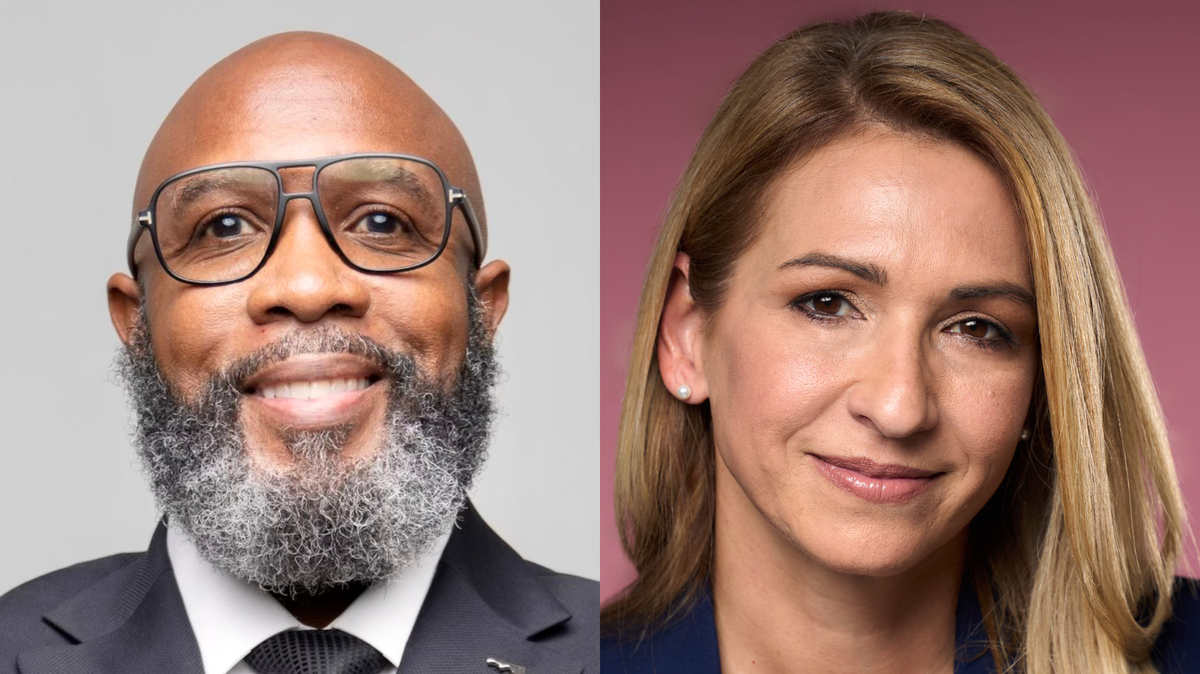
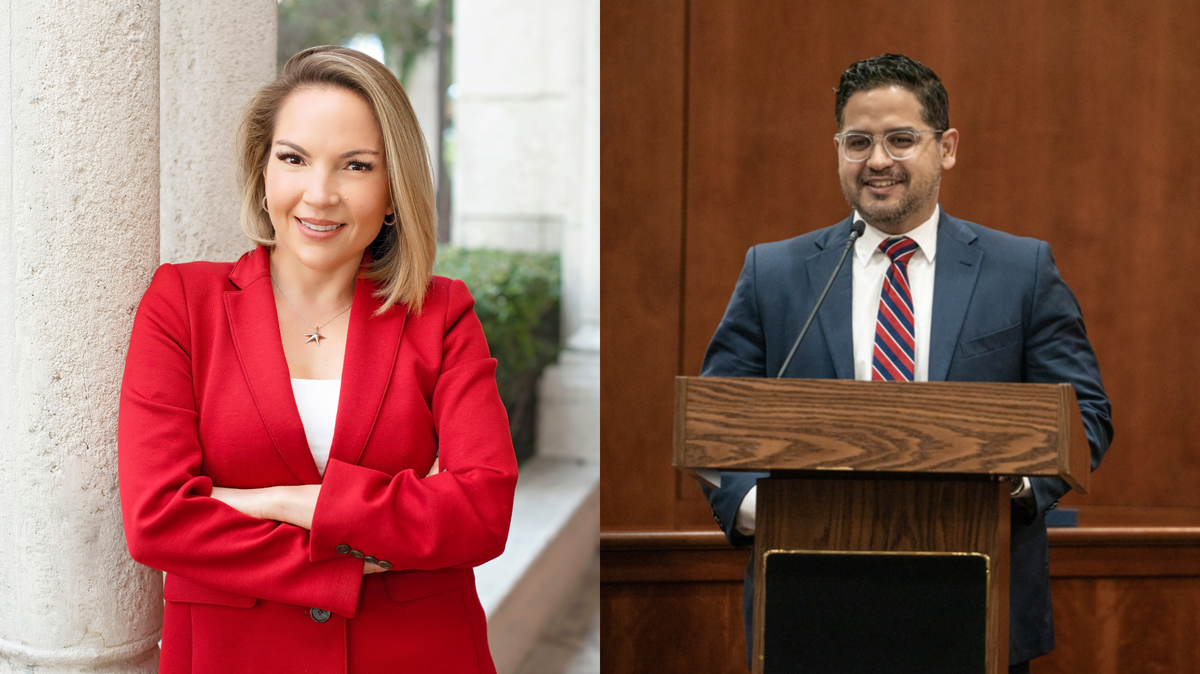
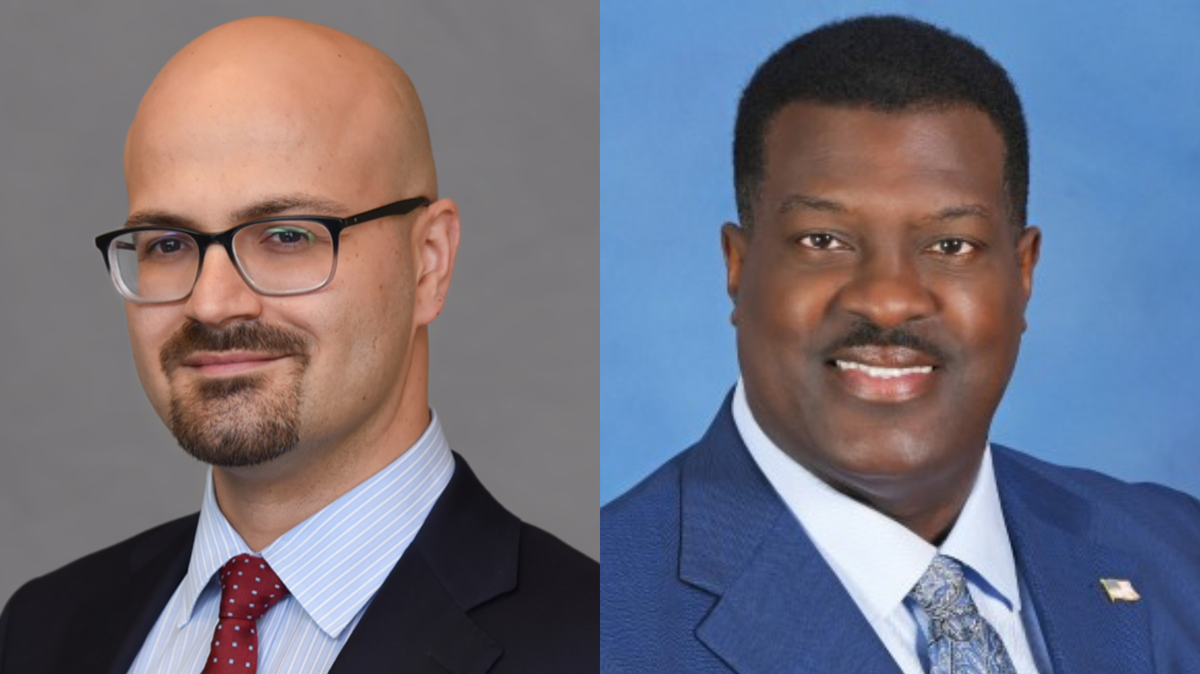
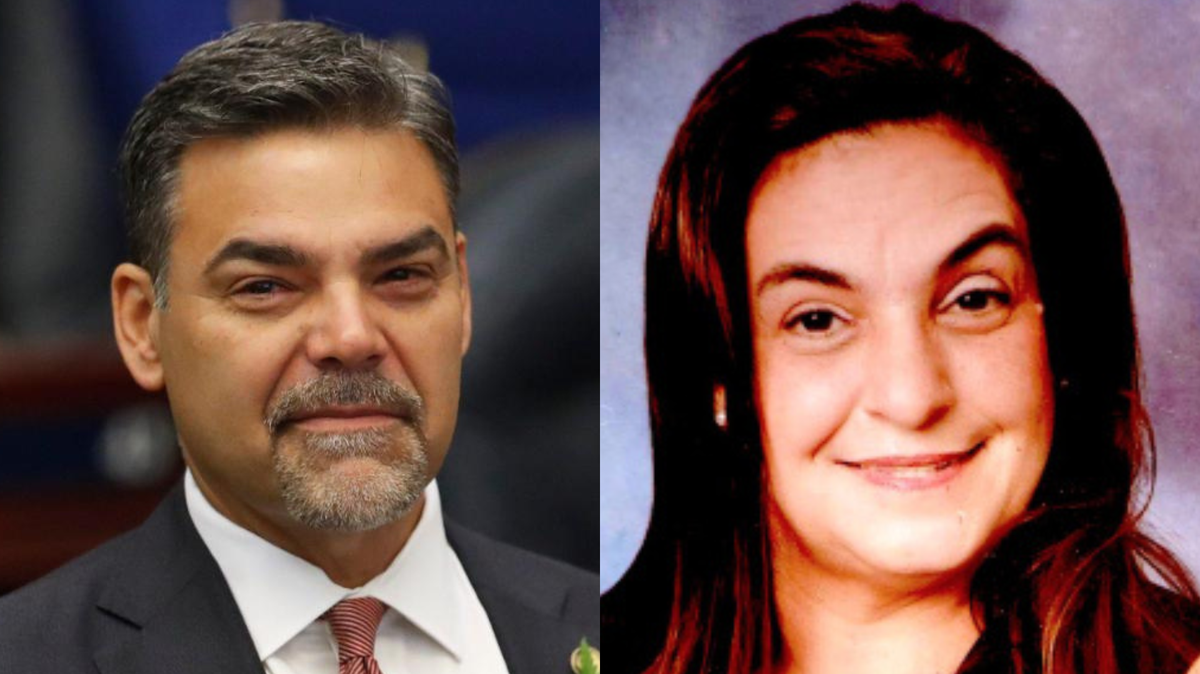
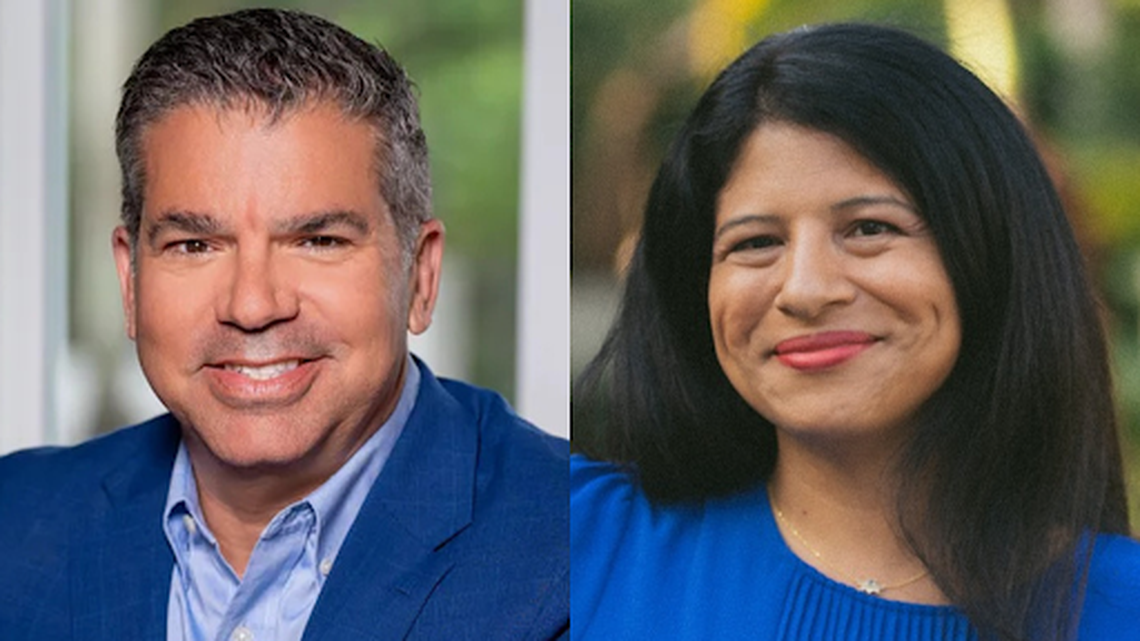
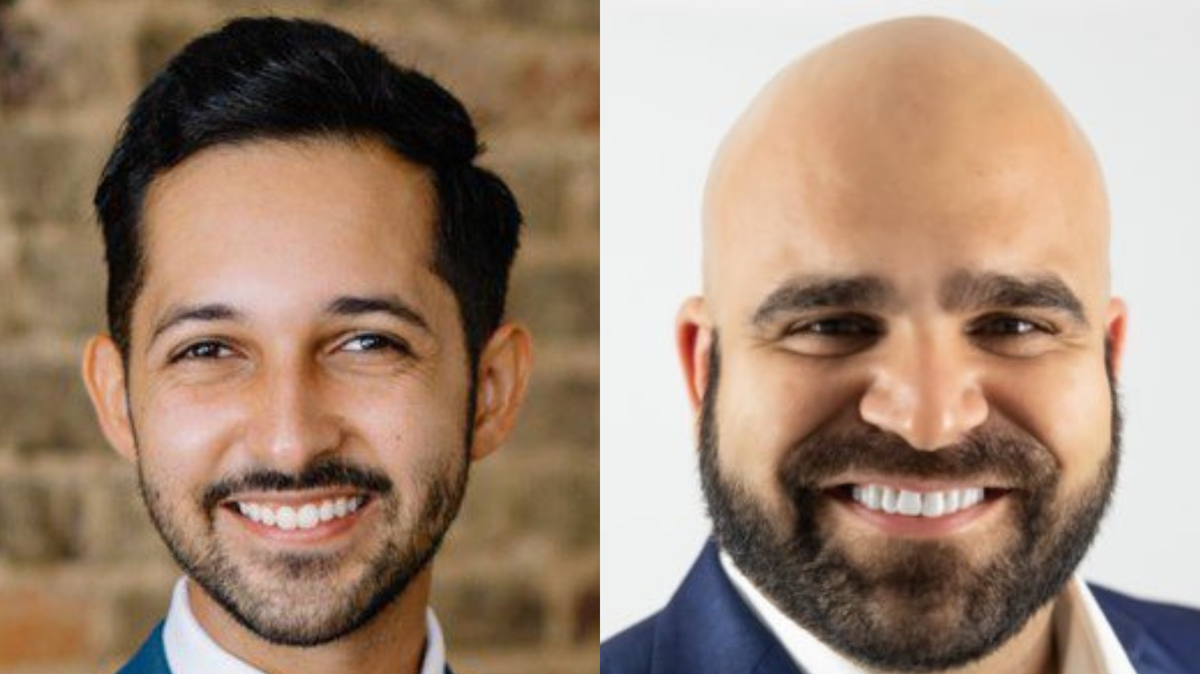
Republican Bryan Avila of Miami Springs currently holds the District 39 seat. He’s being challenged by Democratic political newcomer Charles A. Lewis, of Tallahassee, a veteran. The district encompasses Hialeah, Sweetwater, Miami Springs, Virginia Gardens and a section of Miami Gardens.
If Lewis wins, he told the Editorial Board, he will move to Miami-Dade, as the law requires. Lewis has the endorsement of the Miami-Dade Democratic party.
Avila was first elected to the Florida House in 2014 and then to the Senate in 2022, where he has been a largely low-key, loyal member of the Republican majority. He has served as chair of the Governmental Oversight and Accountability committee and as part of the Appropriations Committee on Health and Human Services, Ethics and Elections and the Select Committee on Resiliency.
Avila sponsored a controversial law that strips municipalities of the power to prevent the leveling of historic buildings. The law allows such buildings to be torn down in certain areas if they do not meet FEMA flood codes, are deemed unsafe or are ordered to be demolished by a local government.
The legislation, which was slightly rejiggered before it was approved this year, fails in two key points: It interferes with home rule by limiting a municipality’s power to stop demolition of historic properties, and it favors developers. It could impact the affordable housing market in Miami-Dade by possibly making older buildings, especially some of the Art Deco properties in Miami Beach, targets of developers.
The law says that local governments cannot stop the demolition of such buildings if it poses a clear public safety risk. They must allow for replacement structures to be built according to specific state regulations, with minimal additional local restrictions or public hearings required.
Avila declined to be interviewed by the Editorial Board. Lewis did meet with the Board to explain his hopes to be elected, though his campaign is based on $2,500 he loaned himself. Lewis told the Board that he has relatives living in the district and is campaigning in South Florida five days a week.
We cannot reasonably make a recommendation in this race without interviewing Avila, and his legislation to take away power from the local communities he’s supposed to represent puts at risk historic buildings that define parts of Miami-Dade. Lewis has limited experience and questionable ties to the district.
The Herald makes NO ENDORSEMENT in the Florida Senate District 39 race.
BEHIND THE STORY
MOREWho decides the political endorsements?
In advance of local and state elections, Miami Herald Editorial Board members interview political candidates, as well as advocates and opponents of ballot measures. The Editorial Board is composed of experienced opinion journalists and is independent of the Herald’s newsroom. Members of the Miami Herald Editorial Board are: Amy Driscoll, editorial page editor; and editorial writers Isadora Rangel and Mary Anna Mancuso. Read more by clicking the arrow in the upper right.
What does the endorsement process look like?
The Miami Herald Editorial Board interviews political candidates to better understand their views on public policy and how their policies will affect their constituents. Board members do additional reporting and research to learn as much as possible about the candidates before making an endorsement. The Editorial Board then convenes to discuss the candidates in each race. Board members seek to reach a consensus on the endorsements, but not every decision is unanimous. Candidates who decline to be interviewed will not receive an endorsement.
Is the Editorial Board partisan?
No. In making endorsements, members of the Editorial Board consider which candidates are better prepared to represent their constituents — not whether they agree with our editorial stances or belong to a particular political party. We evaluate candidates’ relevant experience, readiness for office, depth of knowledge of key issues and understanding of public policy. We’re seeking candidates who are thoughtful and who offer more than just party-line talking points.
This story was originally published October 17, 2024 at 4:33 PM.
.png)


.png)
.png)