Herald endorsement: Our recommendation on homelessness tax in Miami Beach, Bal Harbour | Opinion
READ MORE
Editorial Board’s General Election Endorsements
In advance of the upcoming general elections on Tuesday, Nov. 5, 2024, the Editorial Board interviewed and researched candidates to better understand their views on various issues and how their policies will affect their constituents. The goal is to give voters a better idea of who’s the best candidate for each race.
Expand All
Editor’s note: On Oct. 30, the Miami Beach Commission voted to cancel this referendum.
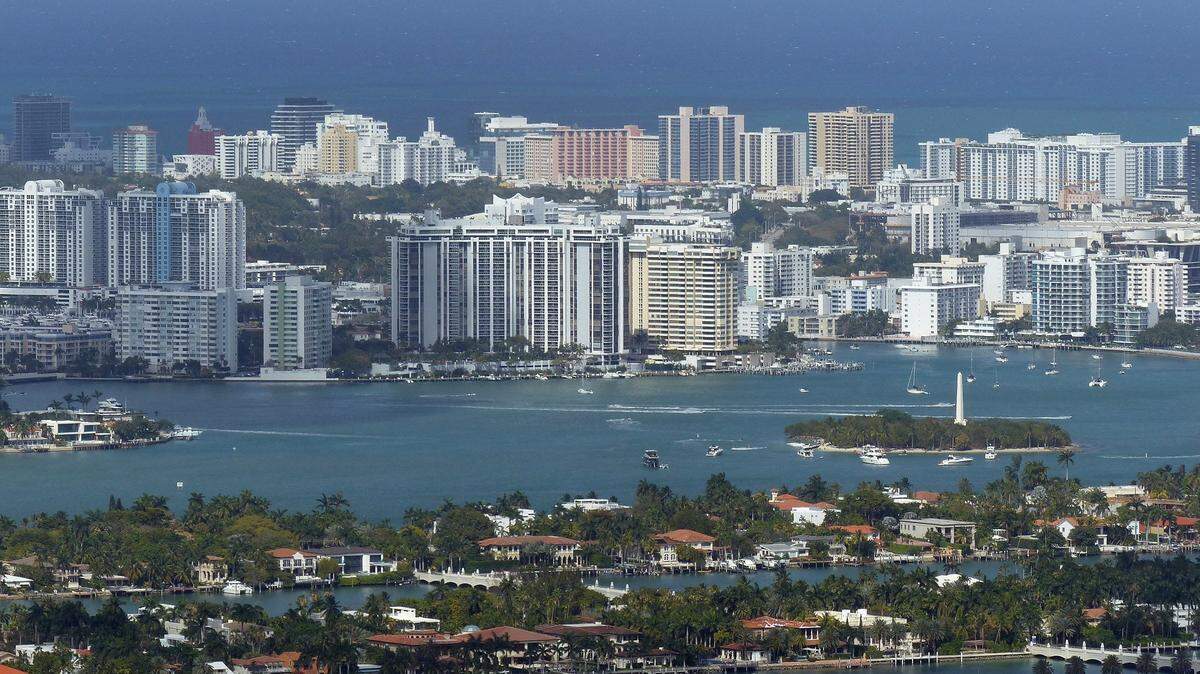
Miami Beach and Bal Harbour voters will decide in November whether to levy a 1% tax on food and beverage sales to fund services for the homeless and domestic violence victims. The two municipalities — out of 34 in Miami-Dade — are among three that don’t have the tax to support the county’s Homeless Trust.
Approving the tax is a matter of fairness because homelessness is a regional issue. People living on the streets aren’t necessarily confined to city limits so all should pitch in.
But also there’s a practical reason.
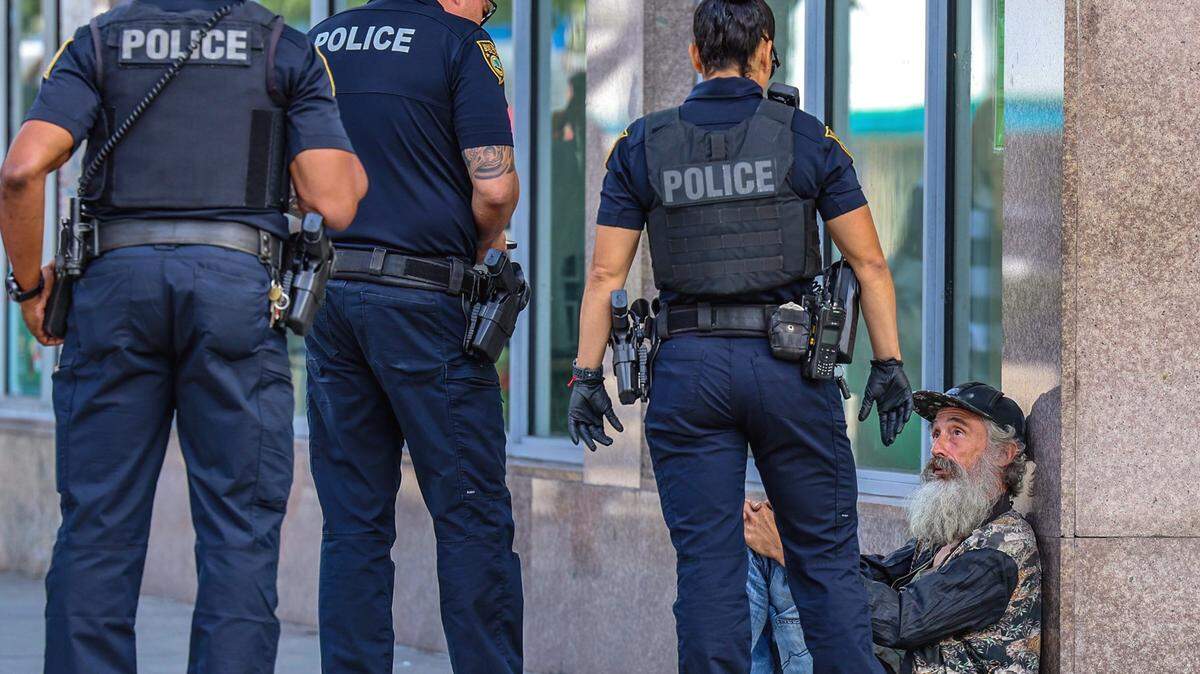
A new Florida law and Miami Beach’s updated homelessness ordinance have added pressure on local leaders to find solutions to the issue. The state now bans sleeping or camping on public property and local governments risk facing lawsuits if they fail to prevent that. The Beach allows law enforcement to arrest people sleeping outside if they refuse to go to a shelter.
Arresting people for being homeless is not a long term solution. It is expensive and creates a vicious cycle of incarceration and return to the streets. The issue requires resources — not only more shelter beds but also medical, mental health and other types of assistance.
If approved by voters in Miami Beach and Bal Harbour, the sales tax would generate $10-$12 million to provide those services and, most importantly, permanent housing for people living on the streets, Homeless Trust Chair Ron Book told the Herald Editorial Board. Book said that’s enough money to get “everyone off the streets who’s willing to come off” in up to two years. A summer homeless count by the Trust found just over 1,000 unsheltered people in Miami-Dade, he said.
The sales tax would apply only to sales at establishments licensed to sell alcoholic beverages that gross over $400,000 annually, except for hotels and motels. Therefore, smaller and mom-and-pop establishments would be exempt.
In 1992, when the Legislature approved the food and beverage tax, Miami-Dade became the first place in the country to have a source of funding for homelessness through a tax. Eight-five percent of the proceeds go toward preventing homelessness and 15% toward domestic violence.
At the time, lawmakers exempted Miami Beach, Bal Harbour and Surfside from the tax. The municipalities have contributed lump sums to the Homeless Trust over the years.
In subsequent years, the Legislature allowed those municipalities to ask their voters to impose the tax. Surfside is the only who did not put the question on the ballot this year — and it must do so as soon as possible.
We can pay for homelessness through tax dollars to house people in jail and send police to arrest them, or to help them get off the streets.
The Herald Editorial Board recommends a YES on the homelessness referendums in Bal Harbour and Miami Beach.
BEHIND THE STORY
MOREWho decides the political endorsements?
In advance of local and state elections, Miami Herald Editorial Board members interview political candidates, as well as advocates and opponents of ballot measures. The Editorial Board is composed of experienced opinion journalists and is independent of the Herald’s newsroom. Members of the Miami Herald Editorial Board are: Amy Driscoll, editorial page editor; and editorial writers Isadora Rangel and Mary Anna Mancuso. Read more by clicking the arrow in the upper right.
What does the endorsement process look like?
The Miami Herald Editorial Board interviews political candidates to better understand their views on public policy and how their policies will affect their constituents. Board members do additional reporting and research to learn as much as possible about the candidates before making an endorsement. The Editorial Board then convenes to discuss the candidates in each race. Board members seek to reach a consensus on the endorsements, but not every decision is unanimous. Candidates who decline to be interviewed will not receive an endorsement.
Is the Editorial Board partisan?
No. In making endorsements, members of the Editorial Board consider which candidates are better prepared to represent their constituents — not whether they agree with our editorial stances or belong to a particular political party. We evaluate candidates’ relevant experience, readiness for office, depth of knowledge of key issues and understanding of public policy. We’re seeking candidates who are thoughtful and who offer more than just party-line talking points.
This story was originally published October 11, 2024 at 11:35 AM.
.png)

.png)
.png)