Herald endorsement: Our recommendation on Florida’s Amendment 2 vote | Opinion
READ MORE
Editorial Board’s General Election Endorsements
In advance of the upcoming general elections on Tuesday, Nov. 5, 2024, the Editorial Board interviewed and researched candidates to better understand their views on various issues and how their policies will affect their constituents. The goal is to give voters a better idea of who’s the best candidate for each race.
Expand All
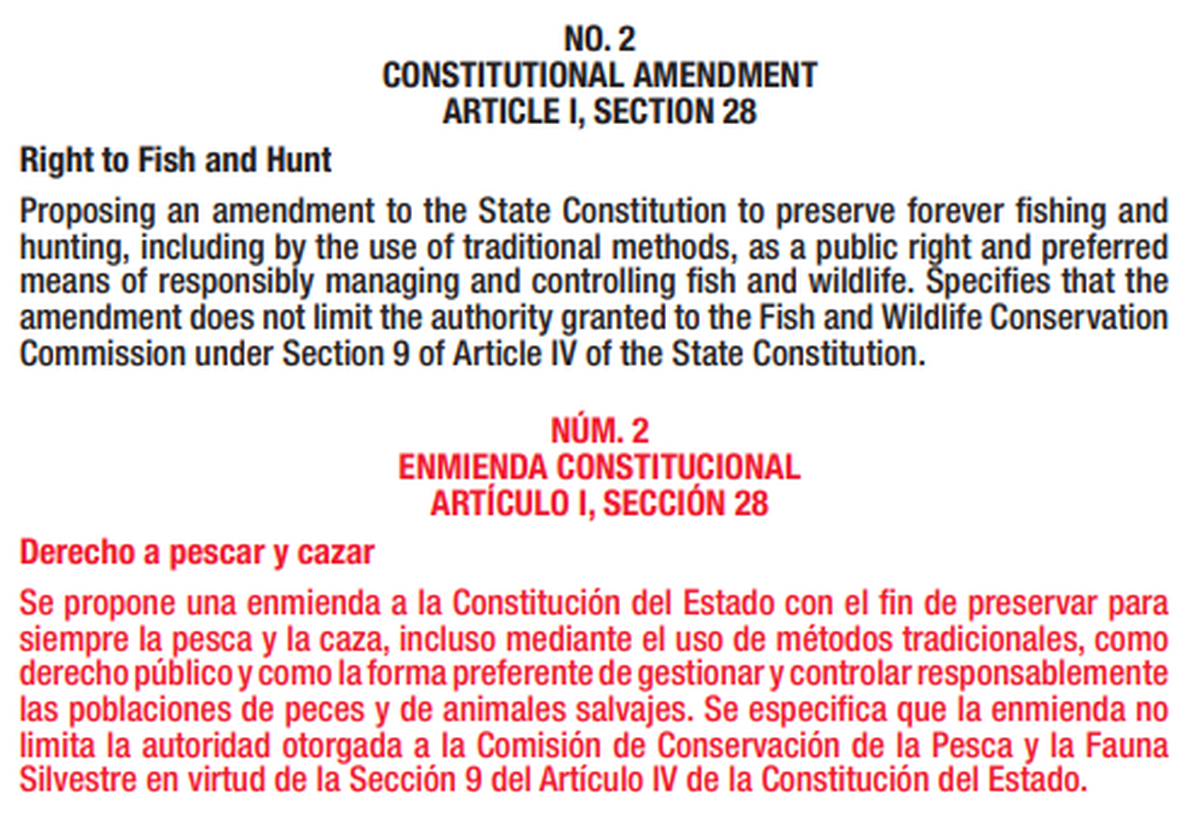
There’s not necessarily a need for Florida voters to enshrine the right to hunt and fish into the state constitution via Amendment 2 — especially when the potential consequences of the measure outweigh its benefits.
The measure on the Nov. 5 General Election ballot preserves the right to “forever fishing and hunting, including by the use of traditional methods, as a public right and preferred means of responsibly managing and controlling fish and wildlife.”
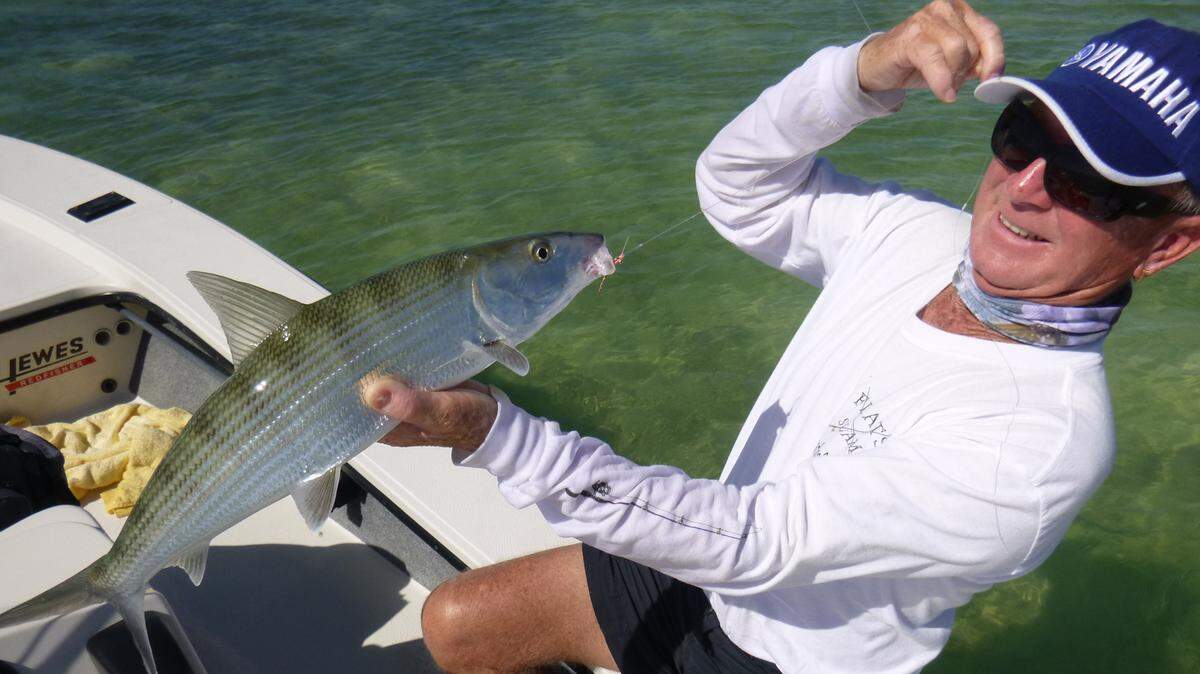
Florida law already protects those rights, but proponents say a constitutional amendment is necessary to prevent efforts to ban or curtail them. However, there are no credible proposals to stop Floridians from hunting or fishing. Even if there were, it’s virtually impossible that the conservative Legislature or state regulators would go along.
That’s part of the reason Amendment 2 is misleading.
Another reason is that, if approved by at least 60% of voters, the amendment could be used to challenge even the most common-sense regulations on hunting and fishing, even though the ballot language states that it “does not limit the authority granted to the Fish and Wildlife Conservation Commission,” the main regulatory agency for such activities.
Opponents say Amendment 2’s biggest issue is how it protects “the use of traditional methods” of hunting and fishing as the “preferred means” of controlling wildlife. That means that inhumane and outdated practices considered “traditional” could be preferred over more more modern methods that control but also protect wildlife. That’s crucial as Florida continues to grow and urbanized areas encroach on natural lands, creating more opportunities for humans to come into contact with wild animals.
For example:
“If there are issues in the neighborhood, and they can prevent any conflicts with bear-proof [trash] cans, that’s not the preferred means” if Amendment 2 passes, Kate MacFall, Florida state director for the Humane Society, told the Herald Editorial Board.
“The preferred means is hunting. So that’s why that’s so powerful and harmful. That traditional way, from way back when, is the preferred.”
The right to fight and hunt will still exist if Amendment 2 fails. If it’s approved, there’s a potential risk to wildlife.
The Herald Editorial Board recommends voting NO on Amendment 2.
BEHIND THE STORY
MOREWho decides the political endorsements?
In advance of local and state elections, Miami Herald Editorial Board members interview political candidates, as well as advocates and opponents of ballot measures. The Editorial Board is composed of experienced opinion journalists and is independent of the Herald’s newsroom. Members of the Miami Herald Editorial Board are: Amy Driscoll, editorial page editor; and editorial writers Isadora Rangel and Mary Anna Mancuso. Read more by clicking the arrow in the upper right.
What does the endorsement process look like?
The Miami Herald Editorial Board interviews political candidates to better understand their views on public policy and how their policies will affect their constituents. Board members do additional reporting and research to learn as much as possible about the candidates before making an endorsement. The Editorial Board then convenes to discuss the candidates in each race. Board members seek to reach a consensus on the endorsements, but not every decision is unanimous. Candidates who decline to be interviewed will not receive an endorsement.
Is the Editorial Board partisan?
No. In making endorsements, members of the Editorial Board consider which candidates are better prepared to represent their constituents — not whether they agree with our editorial stances or belong to a particular political party. We evaluate candidates’ relevant experience, readiness for office, depth of knowledge of key issues and understanding of public policy. We’re seeking candidates who are thoughtful and who offer more than just party-line talking points.
This story was originally published October 5, 2024 at 5:00 AM.


.png)



.png)






.png)