Herald endorsement: Our choice in Florida’s U.S. Senate race | Opinion
READ MORE
Editorial Board’s General Election Endorsements
In advance of the upcoming general elections on Tuesday, Nov. 5, 2024, the Editorial Board interviewed and researched candidates to better understand their views on various issues and how their policies will affect their constituents. The goal is to give voters a better idea of who’s the best candidate for each race.
Expand All
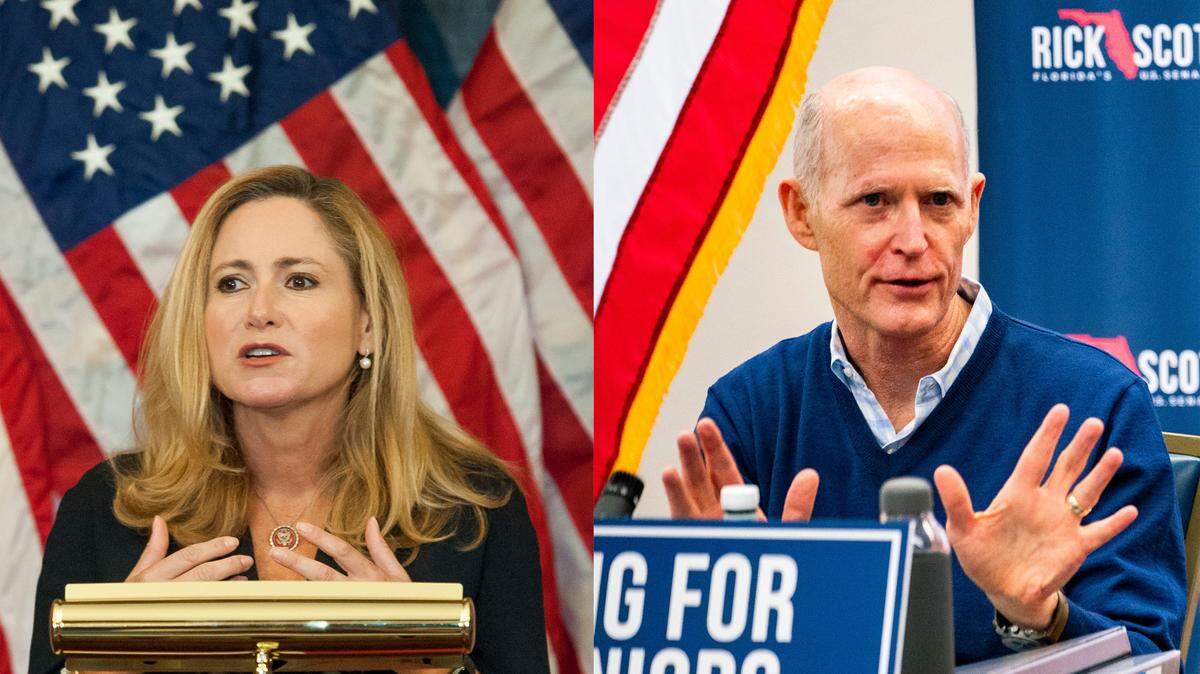
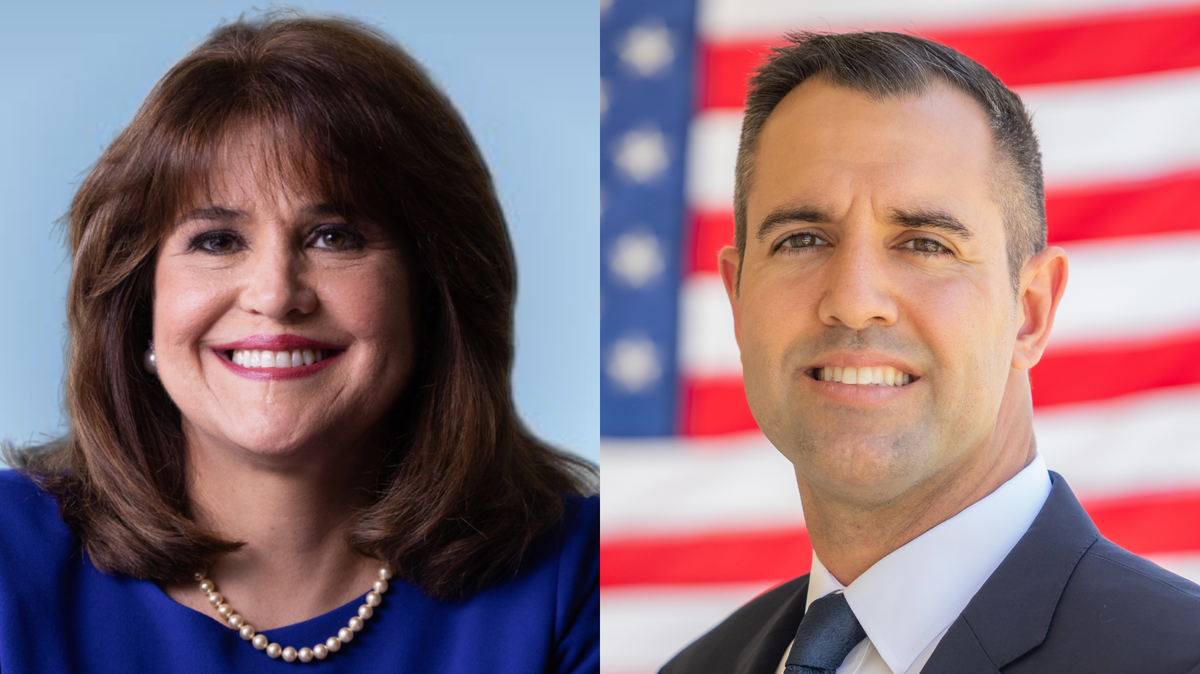
Republican U.S. Sen. Rick Scott is running for reelection for the first time since winning his seat six years ago by 10,033 votes out of more than 8 million cast.
Scott has done his job as if he represented a MAGA congressional district rather than one of the most diverse states in the nation.
A staunch ally of Donald Trump, he voted to decertify the 2020 presidential election results in Pennsylvania and has repeated conspiracy theories about the electoral process. He released a “Plan to Rescue America” in 2022 that initially proposed taxing low-income people who are currently exempt from paying federal income taxes and sun-setting all federal legislation, including Social Security and Medicaid, after five years. Backlash from his own party forced him to reverse those stances. He’s blocking the appointment of a widely recommended Miami-Dade lawyer to fill a federal judicial vacancy left by the death of a pioneering Black judge in South Florida.
Florida voters have a better choice in the Nov. 5 general election: former South Florida Democratic U.S. Rep. Debbie Mucarsel-Powell.
Born in Ecuador, Mucarsel-Powell represented southern Miami-Dade and the Florida Keys before she lost her first reelection in 2020 to then-County Mayor Carlos Gimenez.
In 2020, Mucarsel-Powell, 53, was the target of the disingenuous Republican strategy to label Democrats “socialists,” which Scott is using again in 2024. She describes herself as “center-left:” progressive on most social issues and more conservative on fiscal ones. She’s more in line with the diverse Florida electorate than Scott is.
Scott’s campaign did not return emails from the Miami Herald Editorial Board asking him for an interview. But his record is well known.
Scott, 71, banned state employees from using the term “climate change” in official communication when he was Florida’s governor from 2011 to 2019 and gutted environmental protection programs. In the Senate, he voted against green-energy incentives included in the 2022 Inflation Reduction Act while voting for an amendment to the bill to strike funding to regulate greenhouse gas emissions. Mucarsel-Powell wants Congress to address climate change and build climate-resilient infrastructure.
Scott voted against a 2021 bipartisan infrastructure package, saying it cost too much, but later took credit for Everglades restoration funding included in it. Mucarsel-Powell said she would have voted for a bipartisan border security bill Scott opposed. The bill died earlier this year after Trump told Republicans to vote against it.
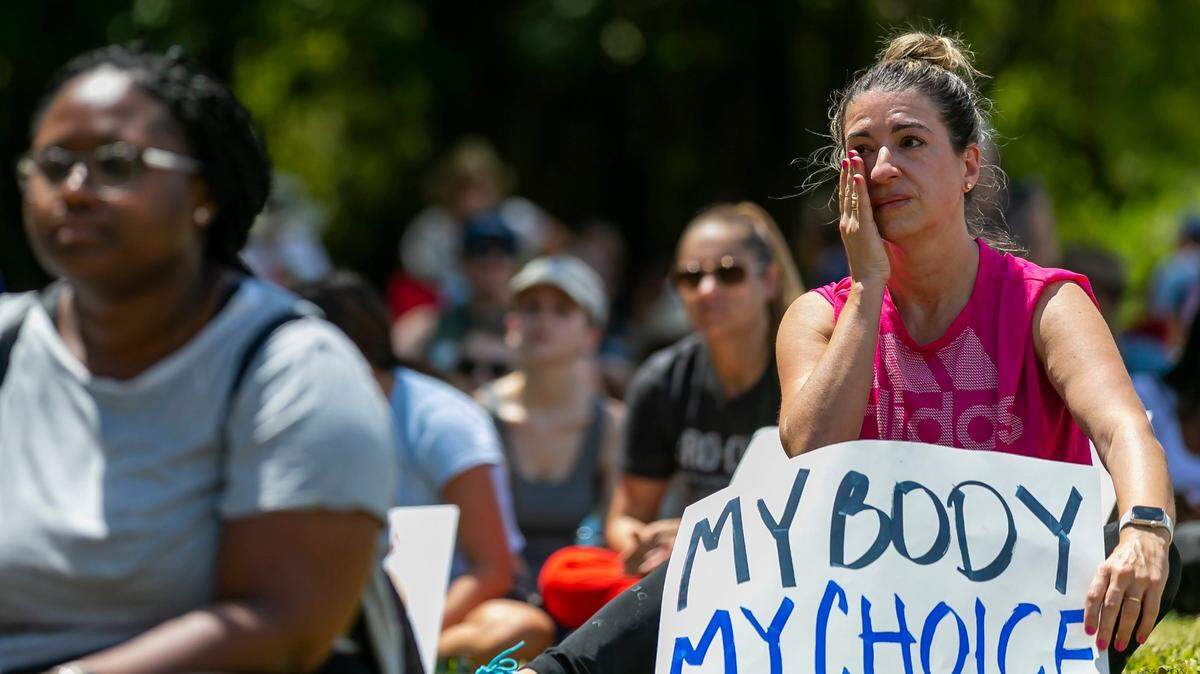
Mucarsel-Powell favors abortion rights up to viability. Scott has said he would have signed Florida’s six-week ban if he were still governor, though he prefers a 15-week limit with some exceptions.
If elected, Mucarsel-Powell’s priority will be to fund mental health and help Florida address its property insurance crisis with legislation sponsored by Broward County’s U.S. Rep. Jared Moskowitz that would use federal bonds to offset the costs of reinsurance that insurance companies must buy and help lower premiums. She says the crisis started under Scott when he was governor, but industry experts told the Tampa Bay Times there are many factors involved.
Mucarsel-Powell’s two-year tenure in Congress was short and it can take years for members to become effective. But she said she helped secure $200 million for Everglades restoration and worked on a bipartisan bill to ban the use of sunscreen that contains chemicals that are harmful to coral reefs in places like the Florida Keys.
Scott has been a staunch opponent of the undemocratic regimes in Cuba and Venezuela, a crucial point in his appeal to Hispanic voters in South Florida. He’s filed several bills dealing with the topic. He was a critic of the Biden administration’s decision this year to remove the regime from the list of of nations not cooperating with counterterrorism efforts.
In 2016, when Mucarsel-Powell was running for the Florida Senate, she said at a forum she supported then-President Barack Obama’s plan to “open relations and dialogue” with Cuba, saying it would be beneficial to South Florida’s economy. In 2024, she broke with her party’s president by also opposing Biden’s decision to remove Cuba from that list. She said the U.S. needs to support “the Cuban people” but she doesn’t favor ending the embargo on the island.
Whereas Scott offers hyper-partisanship, she offers a more nuanced issues-based approach.
The Herald Editorial Board endorses DEBBIE MUCARSEL-POWELL for the U.S. Senate.
BEHIND THE STORY
MOREWho decides the political endorsements?
In advance of local and state elections, Miami Herald Editorial Board members interview political candidates, as well as advocates and opponents of ballot measures. The Editorial Board is composed of experienced opinion journalists and is independent of the Herald’s newsroom. Members of the Miami Herald Editorial Board are: Amy Driscoll, editorial page editor; and editorial writers Isadora Rangel and Mary Anna Mancuso. Read more by clicking the arrow in the upper right.
What does the endorsement process look like?
The Miami Herald Editorial Board interviews political candidates to better understand their views on public policy and how their policies will affect their constituents. Board members do additional reporting and research to learn as much as possible about the candidates before making an endorsement. The Editorial Board then convenes to discuss the candidates in each race. Board members seek to reach a consensus on the endorsements, but not every decision is unanimous. Candidates who decline to be interviewed will not receive an endorsement.
Is the Editorial Board partisan?
No. In making endorsements, members of the Editorial Board consider which candidates are better prepared to represent their constituents — not whether they agree with our editorial stances or belong to a particular political party. We evaluate candidates’ relevant experience, readiness for office, depth of knowledge of key issues and understanding of public policy. We’re seeking candidates who are thoughtful and who offer more than just party-line talking points.
This story was originally published October 9, 2024 at 5:06 PM.
.png)


.png)
.png)