Herald endorsement: Our recommendations on Miami Beach referendums | Opinion
READ MORE
Editorial Board’s General Election Endorsements
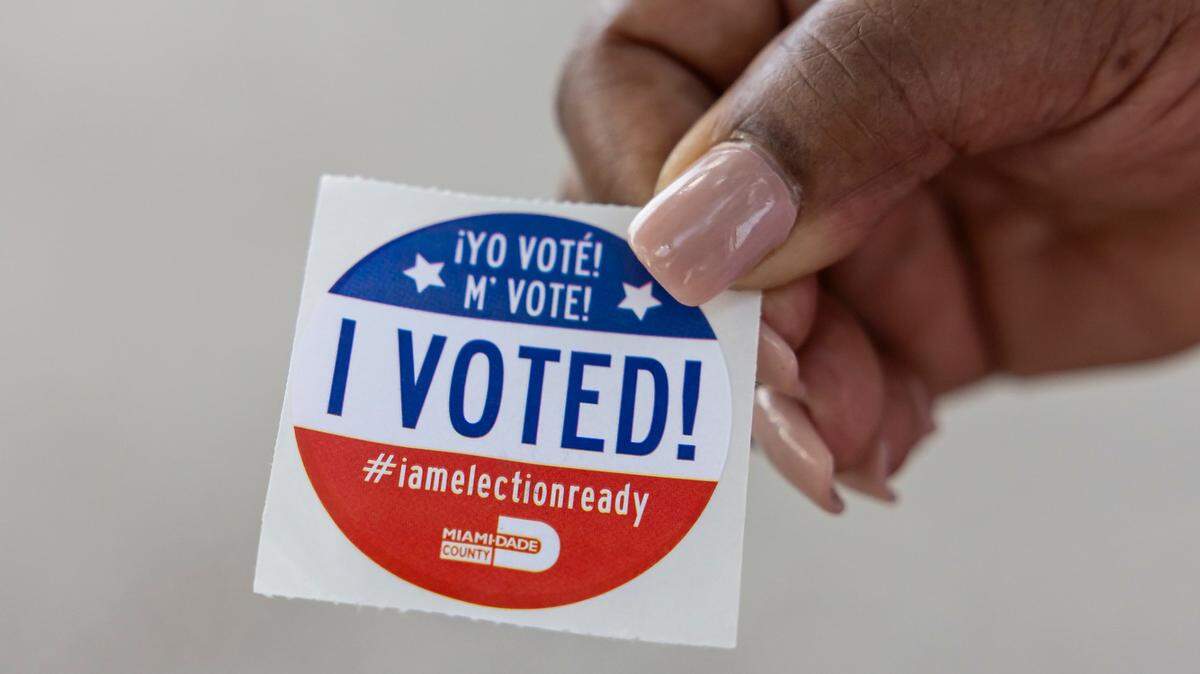
In advance of the upcoming general elections on Tuesday, Nov. 5, 2024, the Editorial Board interviewed and researched candidates to better understand their views on various issues and how their policies will affect their constituents. The goal is to give voters a better idea of who’s the best candidate for each race.
Expand All
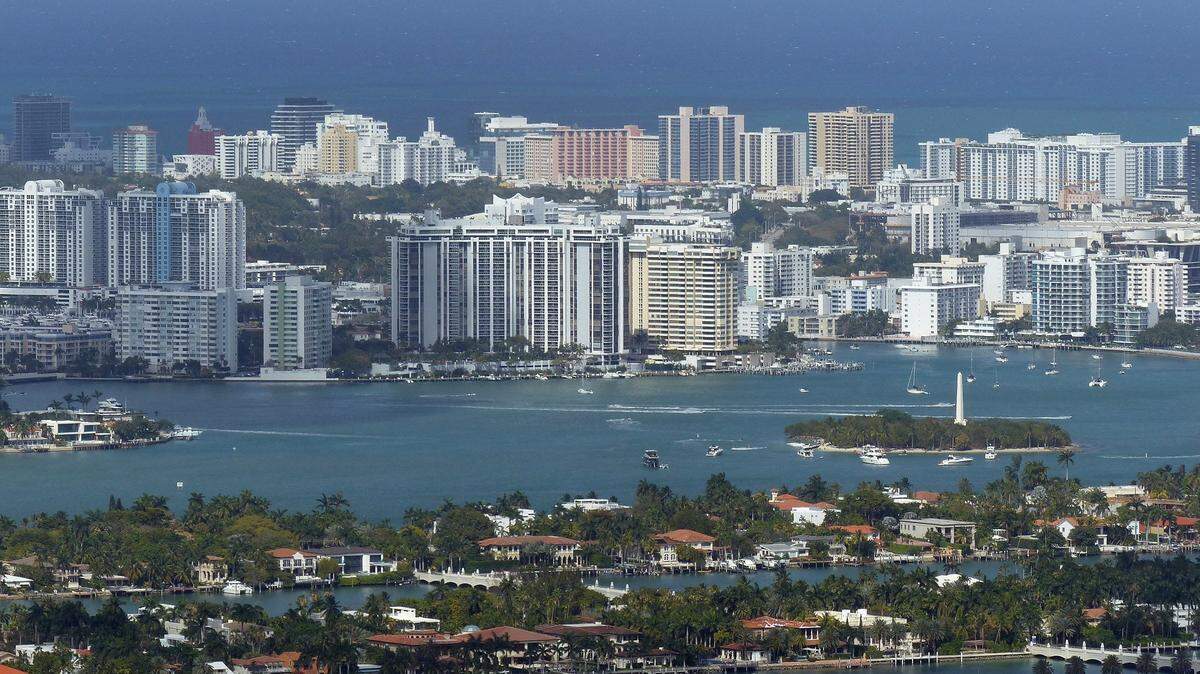
Miami Beach residents will have to decide a slew of ballot questions on Nov. 5, many of them confusing and bureaucratic. But some are very important to running the city. Here is our take on how to vote:
REFERENDUM 1 — Currently, if someone feels as though the Miami Beach’s Citizens Bill of Rights has been violated, their remedy is a lawsuit, which can be expensive. This measure allow for violations to go to the Miami-Dade County Commission on Ethics for enforcement. This referendum also would make it easier for people to obtain public records and it helps safeguard a citizen’s rights to appear before the city commission and to be notified about issues that impact their area of the city. We recommend YES on Referendum 1.
REFERENDUM 2 — Currently, if elected officials or employees violate the Citizens Bill of Rights, there is a mandatory requirement for the courts to consider forfeiture of their office or employment. This measure would allow the court more discretion to consider whether the violations were repeated and willful before considering forfeiture. Any forfeiture would also be subject to any collective bargaining agreement that applies. We recommend YES on Referendum 2.
REFERENDUM 3 — This would standardize the ways to sell, lease or enter into a management agreement of public properties for 10 years or more. Such agreements would be subject to majority voter approval as well as advisory Planning Board review and competitive bidding, among other provisions. We recommend YES on Referendum 3.
REFERENDUM 4 — This would move the Miami Beach runoff date from two weeks after the general election to about four weeks after the election — the second Tuesday in December. This comes at the request of the Miami-Dade County supervisor of elections. This measure also would also set the installation date of commissioners for the Monday following the runoff election, and it would extend expiring commissioners’ terms in 2025 and 2027 by a few weeks to accommodate the new December installation date. We recommend YES on Referendum 4.
REFERENDUM 5 — This measure would require two public hearings instead of one on most proposed city ordinances, which would slow down government processes — the last thing most people want. This measure makes exceptions for emergency ordinances but, even in non-emergency cases, one public hearing is generally sufficient. The referendum would also give the city the option of publishing notices of proposed ordinances on a publicly accessible website rather than a newspaper with general circulation in the city. Based on the potential to slow down government, we recommend NO on Referendum 5.
REFERENDUM 6 — This would specify that an election will be held to fill a vacancy on the city commission unless commissioners appoint someone within 30 days. The issue came up in 2022, when the sudden death of Miami Beach Commissioner Mark Samuelian left the commission in a 3-3 deadlock over whether to hold an election or appoint someone to fill his remaining term. The measure also would require a super-majority vote if the commission wants to fill the seat by appointment. These are necessary safeguards, as we have learned. We recommend YES on Referendum 6.
REFERENDUM 7 — This would specify that, in order to run for office, a candidate must have lived in the city for at least one year “immediately” prior to qualifying. It also would help to protect the city’s human rights ordinance by requiring voter approval before the city commission could water down the ordinance. We recommend YES on Referendum 7.
REFERENDUM 8 — On Oct. 30, the Miami Beach Commission voted to cancel this referendum.
This measure asks residents whether they want to levy a 1% tax on food and beverage sales to fund services for the homeless and domestic violence victims, bringing the city into line with much of the rest of the county. We recommend YES on Referendum 8. Read more here.
BEHIND THE STORY
MOREWho decides the political endorsements?
In advance of local and state elections, Miami Herald Editorial Board members interview political candidates, as well as advocates and opponents of ballot measures. The Editorial Board is composed of experienced opinion journalists and is independent of the Herald’s newsroom. Members of the Miami Herald Editorial Board are: Amy Driscoll, editorial page editor; and editorial writers Isadora Rangel and Mary Anna Mancuso. Read more by clicking the arrow in the upper right.
What does the endorsement process look like?
The Miami Herald Editorial Board interviews political candidates to better understand their views on public policy and how their policies will affect their constituents. Board members do additional reporting and research to learn as much as possible about the candidates before making an endorsement. The Editorial Board then convenes to discuss the candidates in each race. Board members seek to reach a consensus on the endorsements, but not every decision is unanimous. Candidates who decline to be interviewed will not receive an endorsement.
Is the Editorial Board partisan?
No. In making endorsements, members of the Editorial Board consider which candidates are better prepared to represent their constituents — not whether they agree with our editorial stances or belong to a particular political party. We evaluate candidates’ relevant experience, readiness for office, depth of knowledge of key issues and understanding of public policy. We’re seeking candidates who are thoughtful and who offer more than just party-line talking points.
This story was originally published October 11, 2024 at 6:48 PM.


.png)





.png)







.png)