Live updates: In Florida, prayers for peace as Venezuelans remain in fear
READ MORE
Strike on Venezuela
What to know about the U.S. military action in Venezuela and the removal of leader Nicolas Maduro.
Expand All
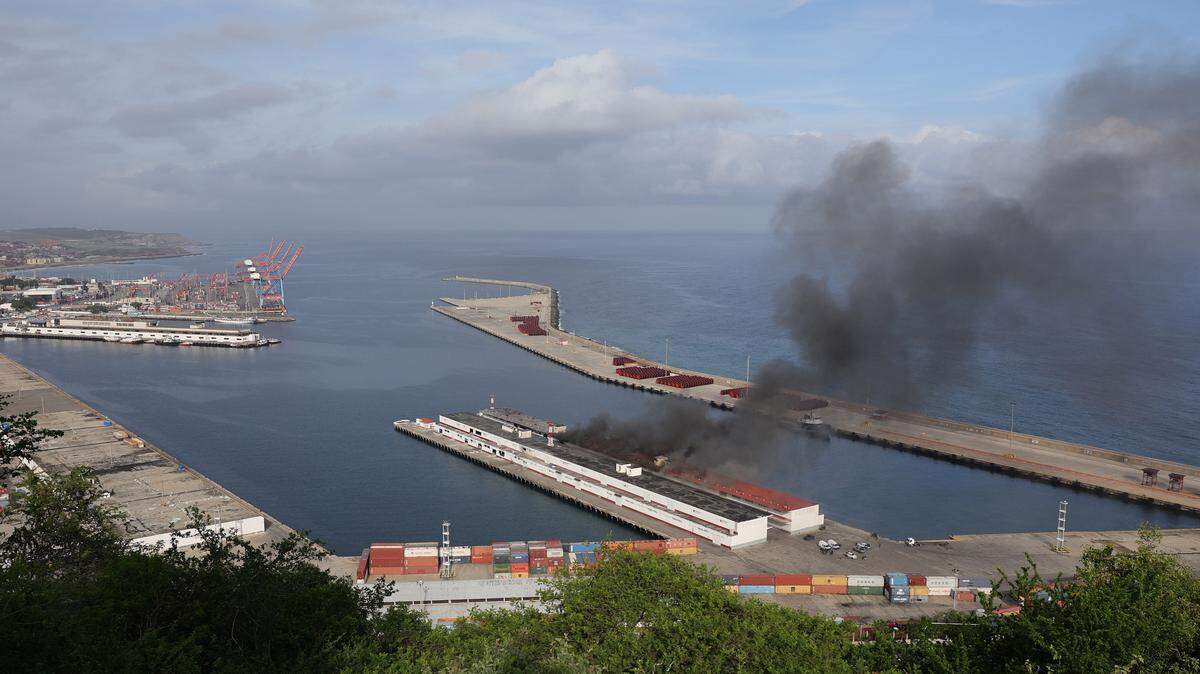
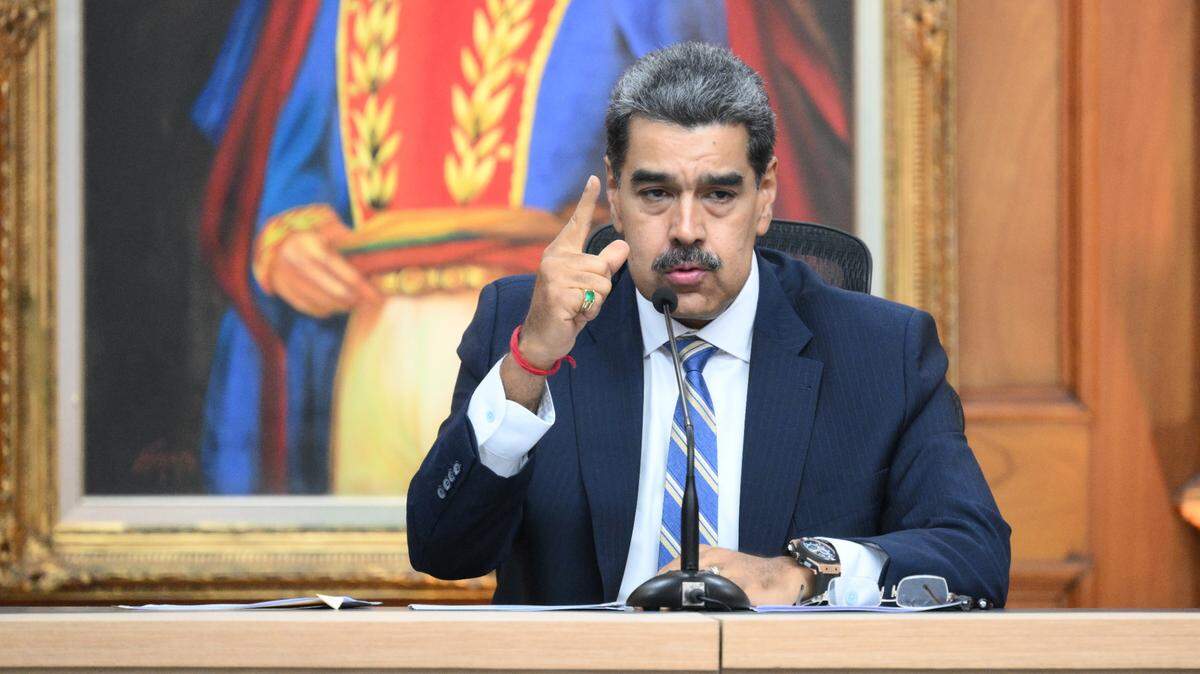
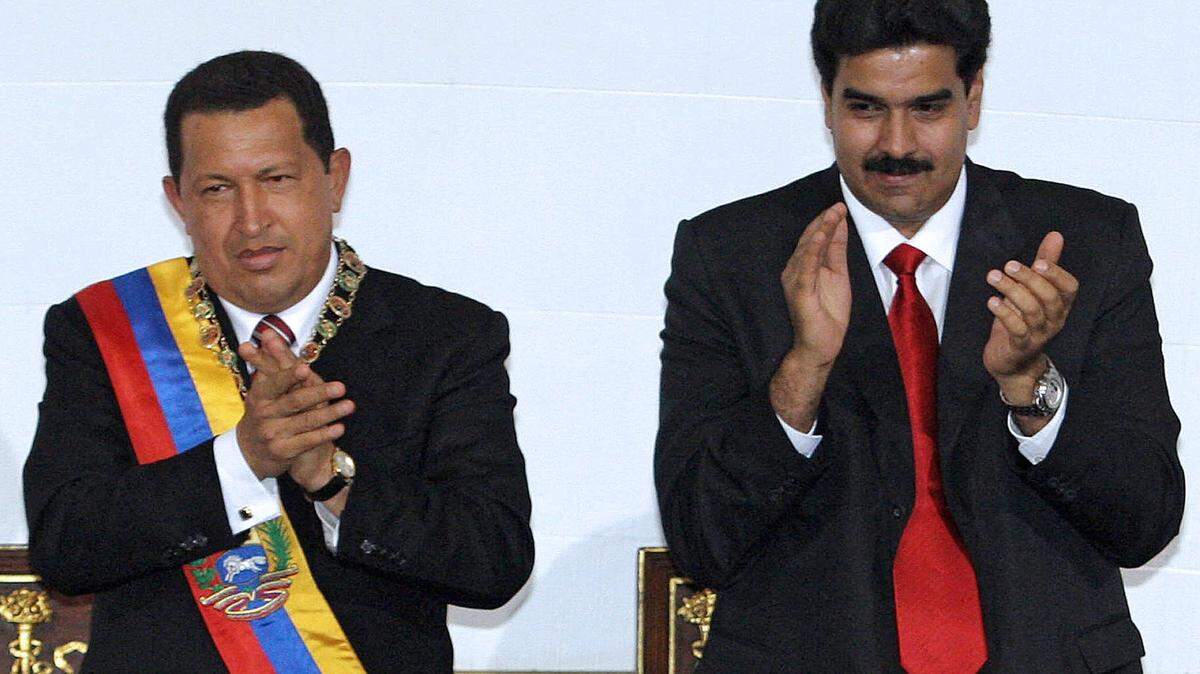
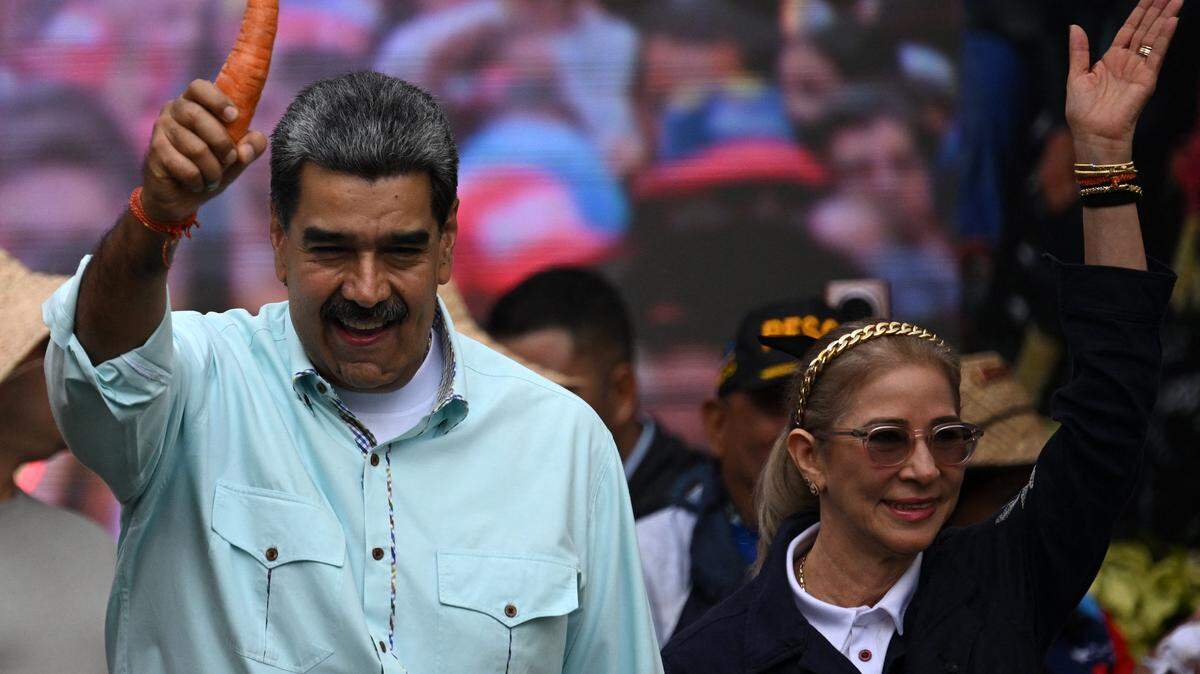
Venezuelan strongman Nicolás Maduro now sits behind bars in New York after American forces captured the socialist leader in a dark of night raid early Saturday. The political future of the country — and its oil industry — remains in question.
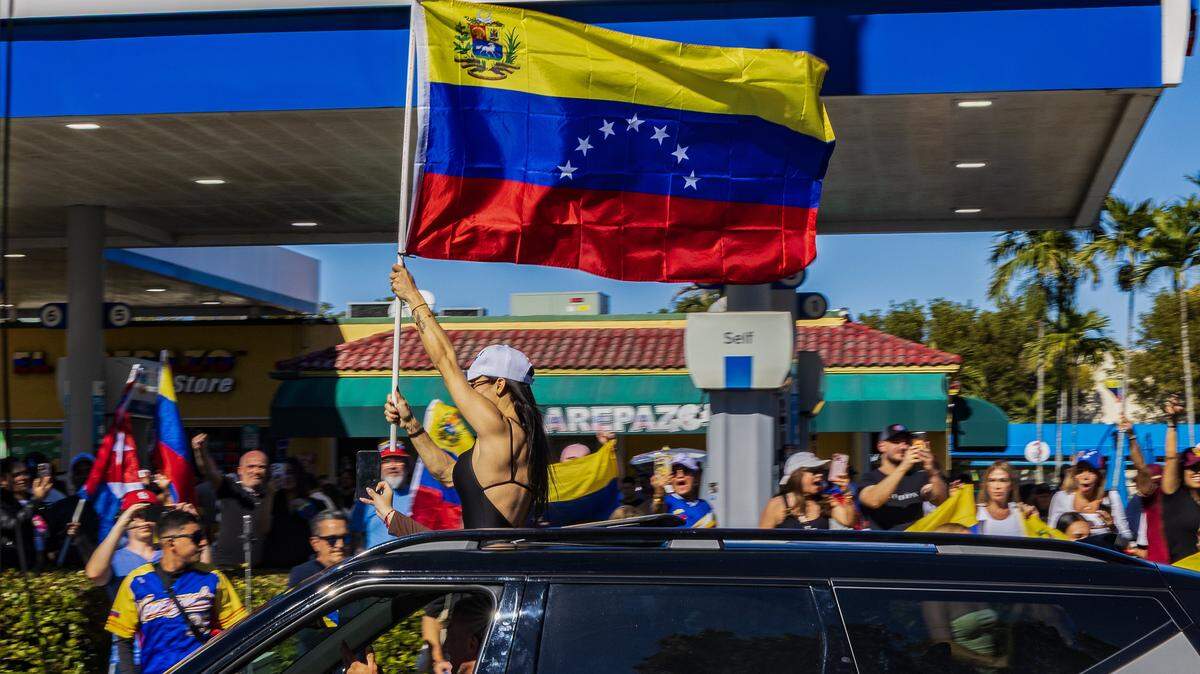
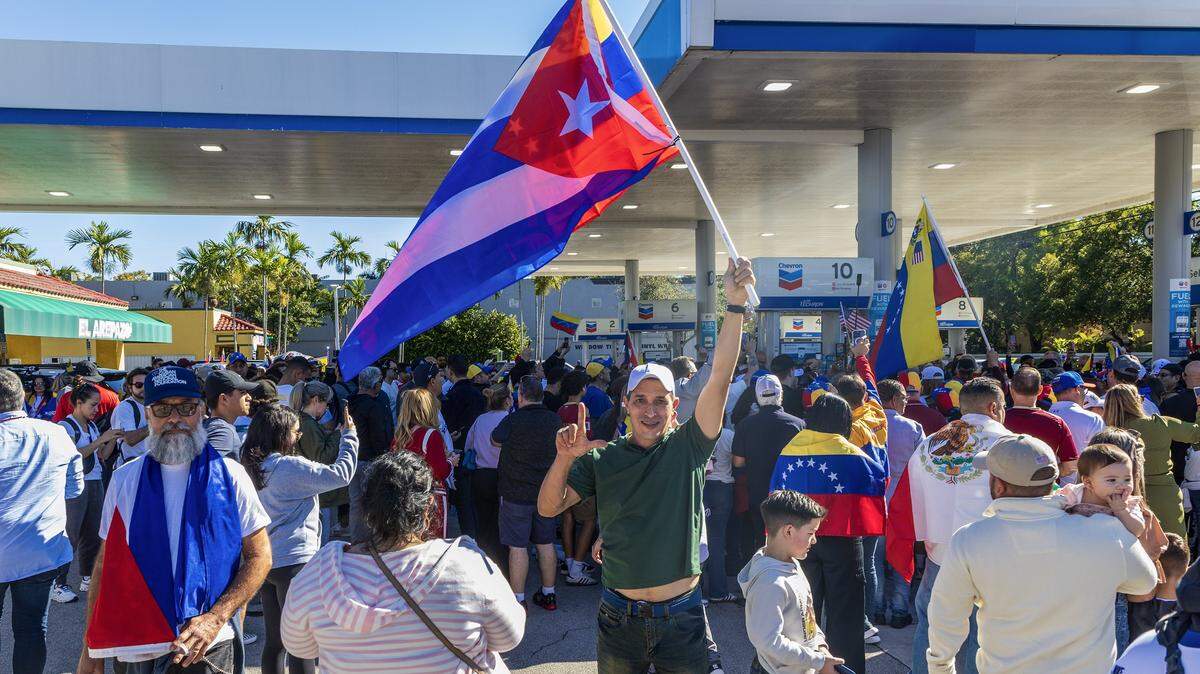
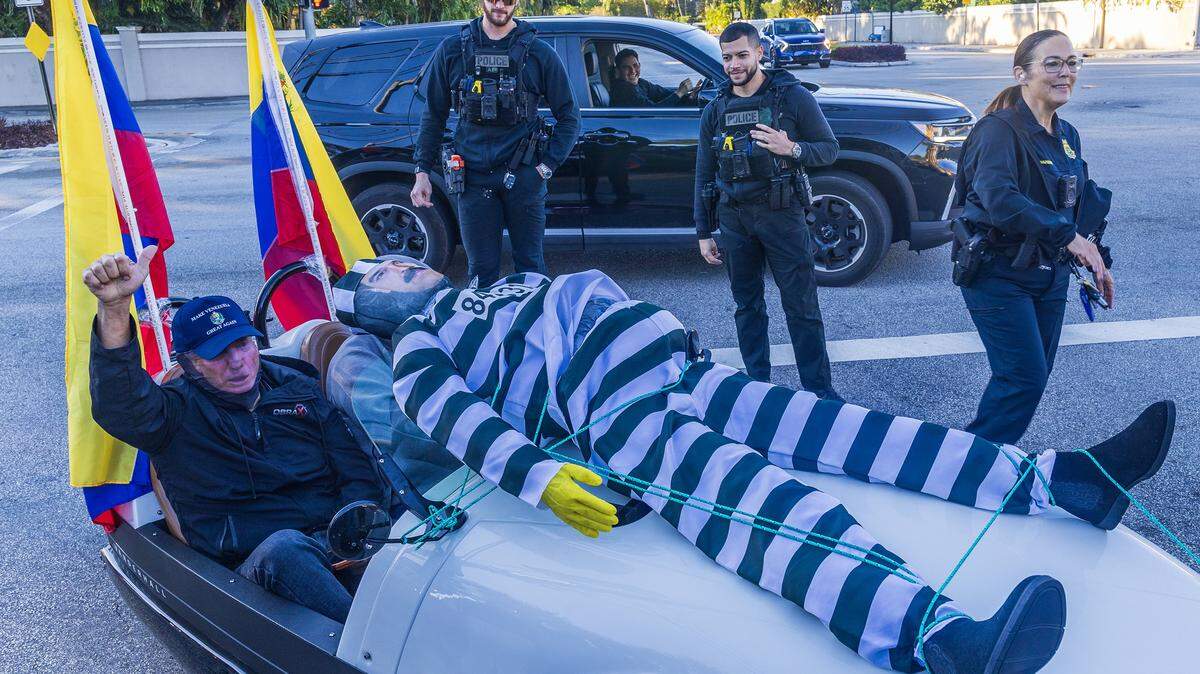
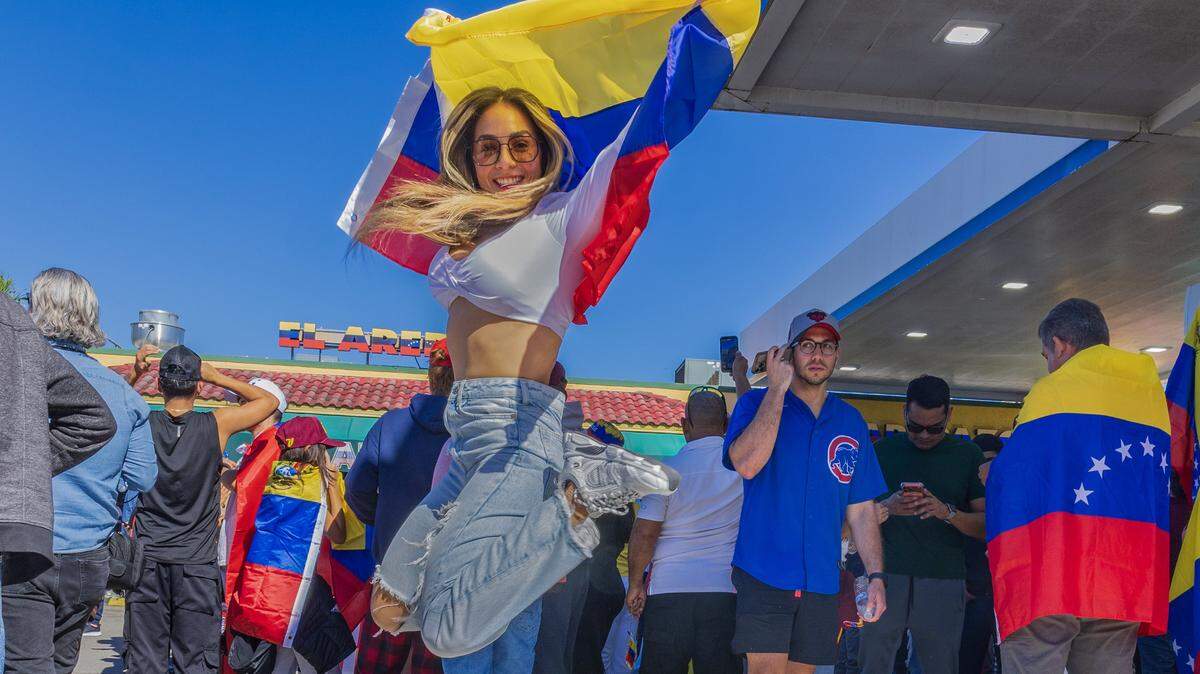
In South Florida, Venezuelan (and Cuban) immigrants cheered Maduro’s fall and gathered to worry and pray about what comes next for the troubled nation. In Venezuela, detractors of Maduro said they were scared to celebrate publicly.
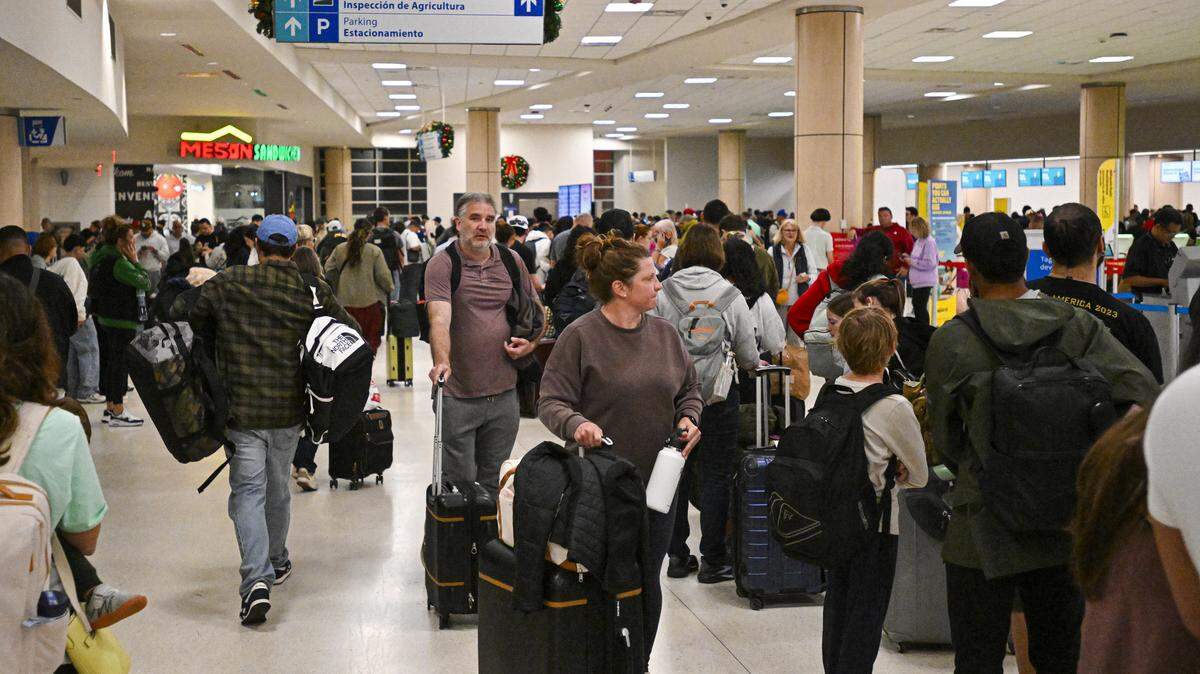
As the political implications of the military strike continued to unravel Sunday, travel within the Caribbean and South America largely resumed, despite President Donald Trump’s threat of additional military action within Venezuela.
Maduro set to see U.S. judge for first time on Monday
An initial hearing is set for noon Monday for Nicolás Maduro to appear in front of a New York judge, his first appearance after his late-night arrest.
He was captured by U.S. armed forces in an overnight raid and brought to America to face four criminal charges including narco-terrorism conspiracy, cocaine importation conspiracy, possession of and conspiracy to possess machine guns and destructive devices, according to his indictment.
— Sofia Saric
Read the whole story: Venezuelan leader Maduro to face judge in first US court hearing Monday
Venezuelans in America are scared to return amid political uncertainty
Katiuska Villegas, a former Miami resident who now lives in Austin, Texas, said she sees little reason to celebrate while the same political figures remain in control.
“People are celebrating that Maduro was captured, but Rodríguez is still ruling,” Villegas said. “So what exactly are we celebrating?”
Villegas questioned why there was little public outrage when the Trump administration revoked Temporary Protected Status for 600,000 Venezuelans earlier this year, the largest mass termination of legal status in U.S. history, based on the administration’s position that conditions in Venezuela had improved.
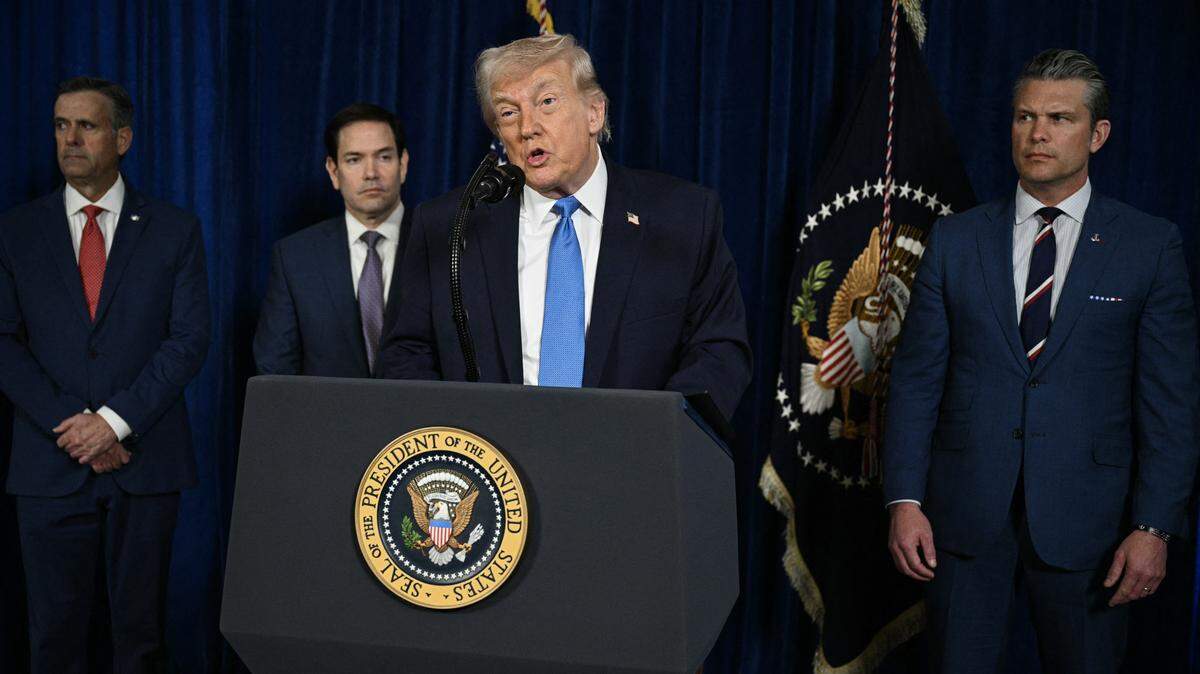
“When TPS was eliminated, there weren’t protests in Doral like there were last night,” she said. “Trump didn’t even acknowledge [opposition leader] María Corina Machado or her popular support. He didn’t talk about democracy. He only talked about oil.”
—Verónica Egui Brito
Read the whole story: ‘We are not free; we just changed the regime’s leader’: Venezuelans in U.S. remain uncertain
Post-Maduro, U.S. considers a once-unthinkable pact with Venezuela
Following the removal of Nicolás Maduro and a series of extraordinary U.S. military and legal moves, Washington now appears open to a scenario that would have once been politically unthinkable: working with remnants of the Maduro regime — particularly his vice president, Delcy Rodriguez, and her brother, Jorge Rodríguez — to stabilize, administer and reorient Venezuela without first installing a democratic government.
The arrangement could simultaneously serve the interests of the remaining Chavista leadership —which is, above all, staying in power — and those of the United States, which include reclaiming influence over Venezuela from Russia, Iran and China, and pressuring Venezuelan officials to curb drug trafficking, without plunging the South American nation into turmoil.
The price, however, could be paid by ordinary Venezuelans eager to reclaim democracy after two decades of authoritarian socialist rule that coincided with economic collapse, mass emigration and institutional decay.
— Antonio María Delgado
Read the whole story: The U.S. gamble on Chavismo: How a once-unthinkable pact could stabilize Venezuela
In Venezuela, residents fear public celebration of Maduro’s downfall
News about Maduro’s downfall was celebrated with greater enthusiasm by exiles in dozens of other countries than by Venezuelans at home, who on Sunday mostly remained sheltered in their houses.
“We’re joyful, but we can’t say it” for fear of a new wave of repression and political persecution against dissidents, a 63-year-old Maracaibo woman said. “It is the greatest feeling that they took out that son of a b--tch.”
Oswaldo, an activist who belongs to one Venezuela’s main opposition political parties and asked the Herald not to use his last name for fear of reprisals, said people in his neighborhood “are quiet” out of fear.
They do not want to be victims of paramilitary groups that support the government.
— Special to the Miami Herald
Read the whole story: ‘We’re joyful, but we can’t say it’: Maduro’s gone, but Venezuelans remain fearful
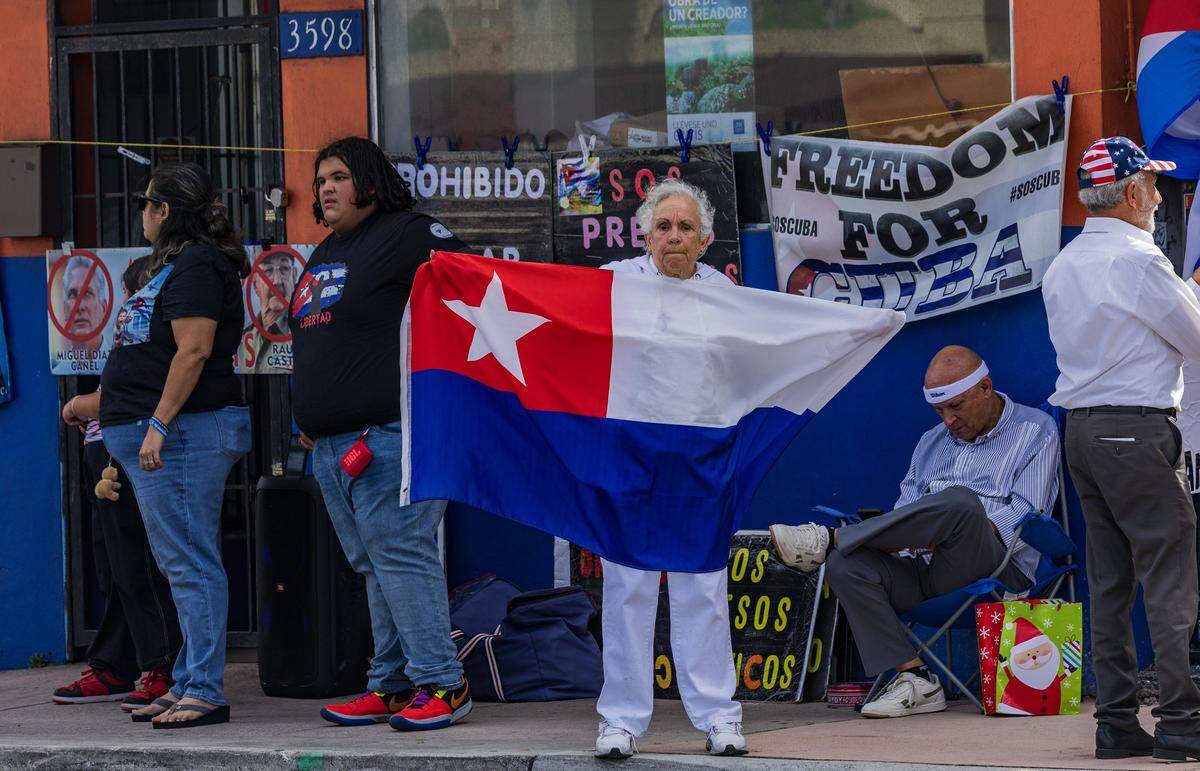
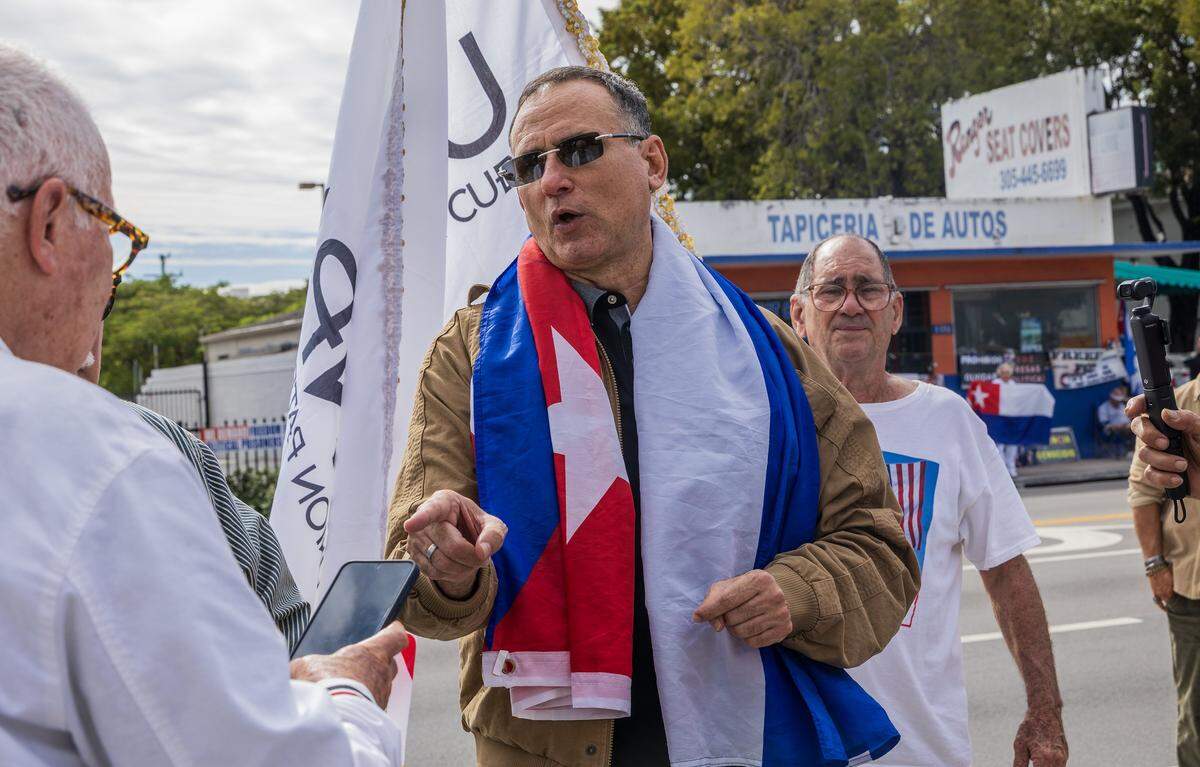
At Versailles, Cubans rally in support of Venezuelans
At Versailles Restaurant in Miami, home base for the Cuban exile community, some Cubans held a vigil in support of Venezuelans. On Saturday, President Trump mentioned that the U.S. could consider military action on Cuba next.
Maduro’s guard killed ‘in cold blood,’ Venezuela says
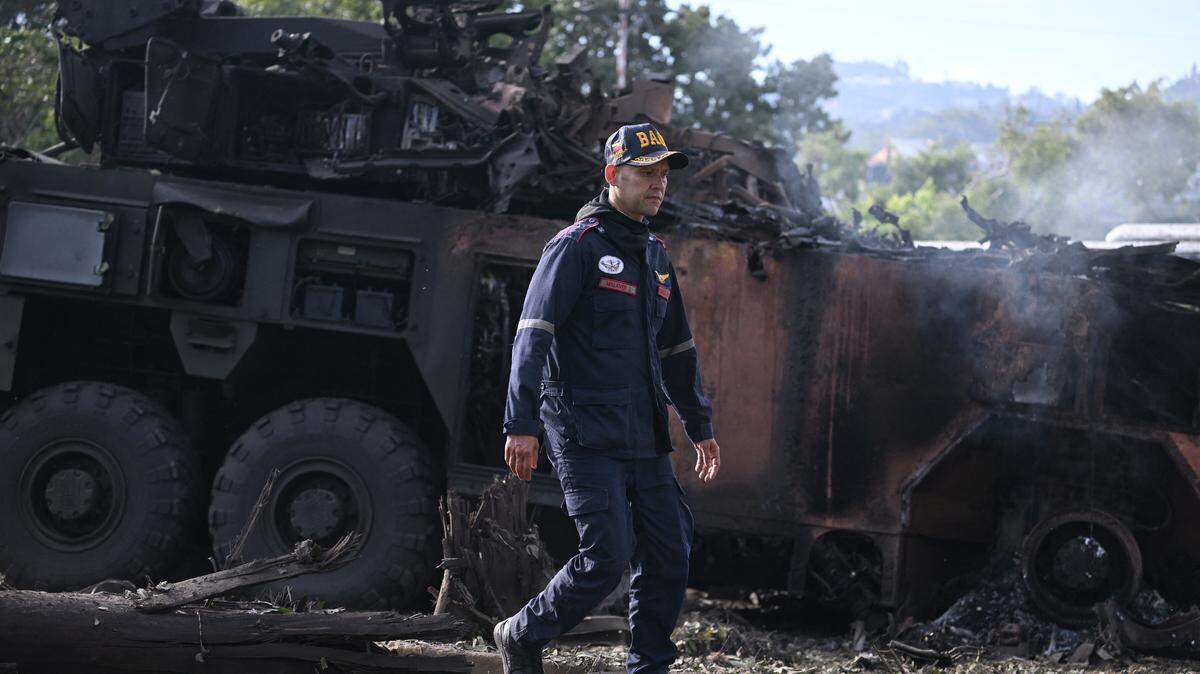
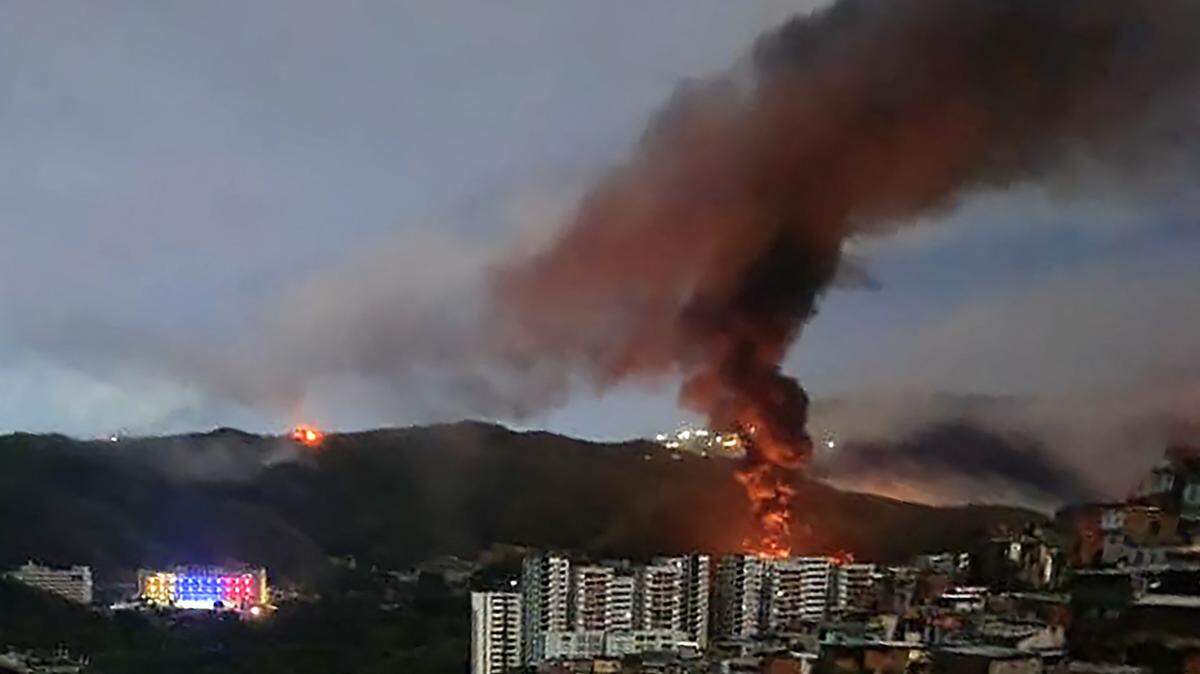
In a nationally televised address, Defense Minister Vladimir Padrino López said the abduction of Maduro and his wife, Cilia Flores, occurred on Saturday after “the cold-blooded murder of a large part of his security team — soldiers, both men and women, and innocent civilians.”
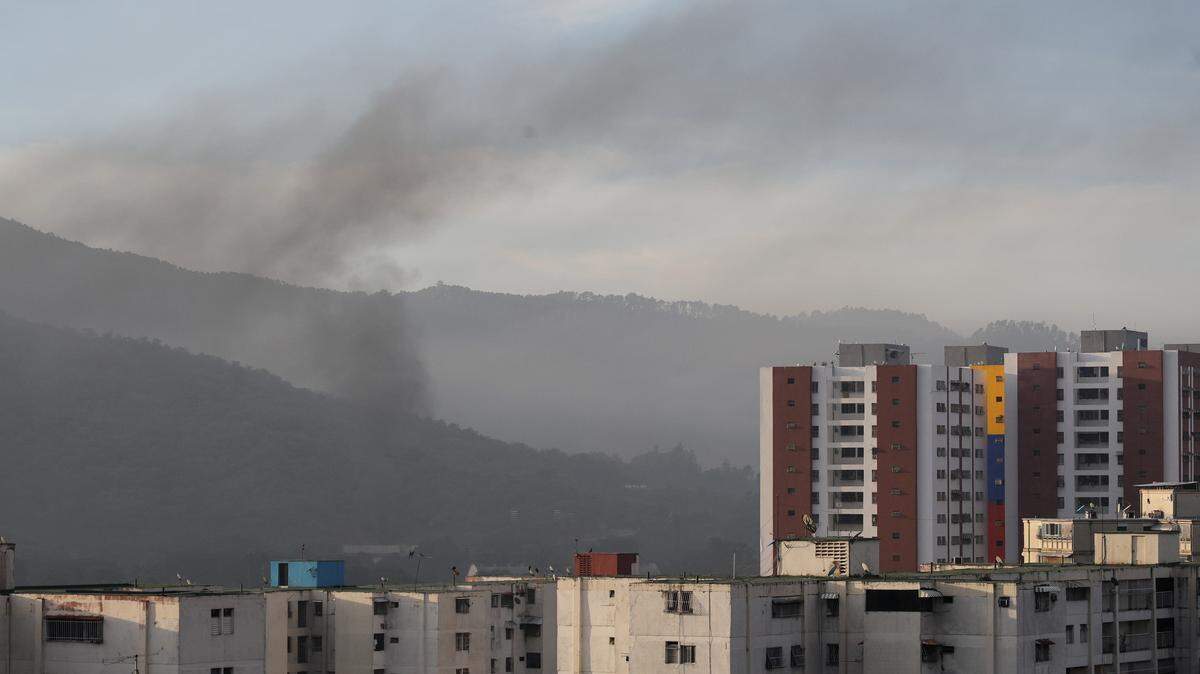
The Venezuelan newspaper Tal Cual, citing unofficial reports from security forces, said at least 25 people were killed during the U.S. military attacks on Caracas in the early hours Saturday. As of 6 a.m. Sunday, only one of the confirmed victims had been identified as a civilian, according to those reports.
— Antonio María Delgado
Read the whole story: Venezuela military says U.S. killed Maduro’s guards ‘in cold blood’ before snatching him
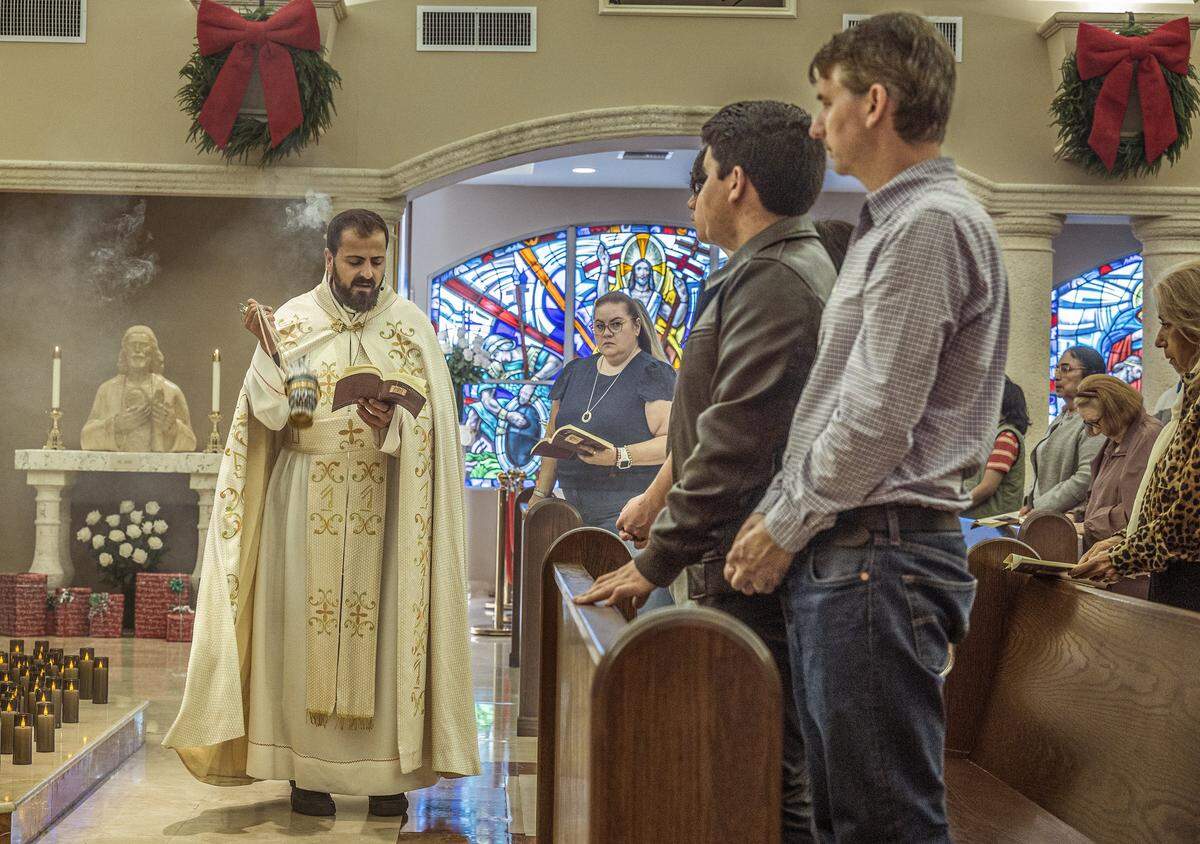
A crowded mass in Doral all about peace in Venezuela
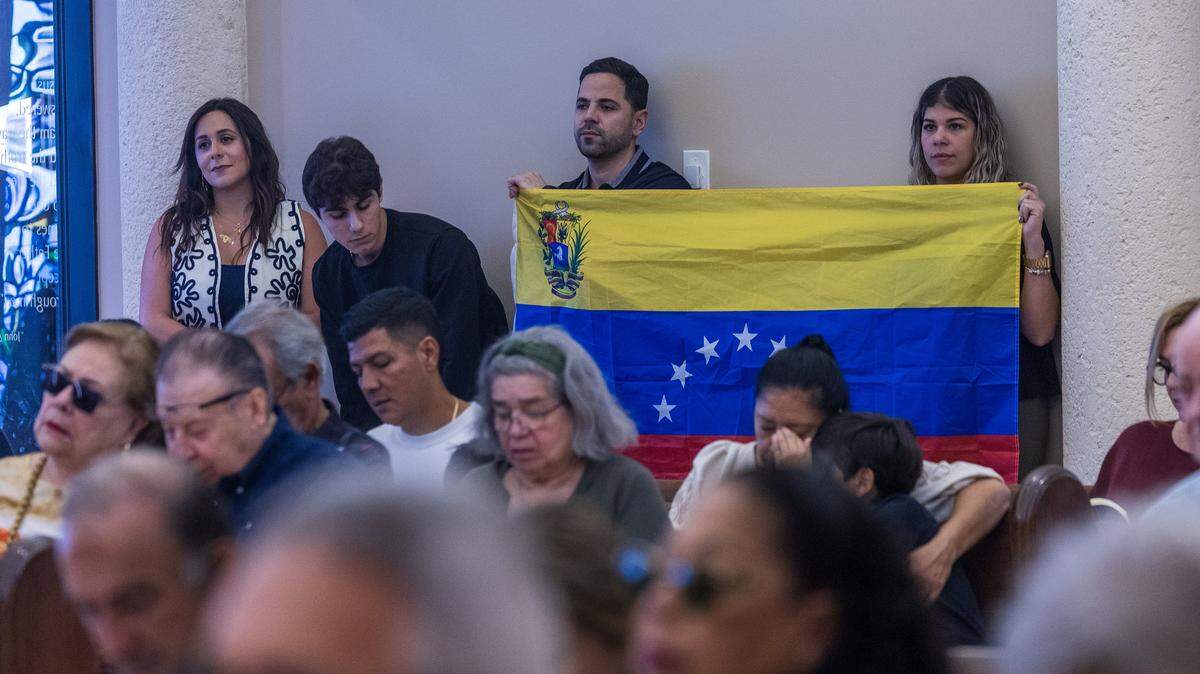
More than a thousand people gathered for a Sunday morning Catholic mass in Doral, a hub for Venezuelan immigrants in South Florida, to pray for the future of their former nation.
“I think today, we’re all Venezuelans, right?” Rev. Israel Mago, who is also Venezuelan, said at the beginning of the Sunday Mass. The attendees, many decked out in Venezuelan flags on their shirts and hats, immediately clapped.
Nmanuel Roman, 53, who immigrated from Venezuela around ten years ago and worked in the oil industry, said that the news of Maduro’s capture was welcomed, but that now was the time to wait and see what happens.
“We need to wait to see how the political scenario moves to not make mistakes,” he said, adding that in the past Venezuelans and politicians have made mistakes trusting blindly in political figures.
— Ana Claudia Chacin
Read the full story: ‘Today, we’re all Venezuelans’: In Doral, prayers for peace post-Maduro
Caribbean travel goes back to business as usual after military-related freeze
In the immediate aftermath of the U.S. strike on Venezuela, flights across the Caribbean were disrupted and stalled. But as of Sunday morning, the majority of flights resumed their usual patterns with minimal delay at Miami International Airport.
On Sunday at MIA, more than a dozen flights had departed as of 11:30 a.m., according to the airport’s tracker. Six flights were cancelled due to recovery from the airspace restrictions, Greg Chin, communications director for Miami-Dade Aviation Department, told the Herald.
On Saturday, 107 flights were canceled at MIA due to airspace restrictions, said Chin.
On Sunday at Miami International Airport, more than a dozen flights had departed as of 11:30 a.m., according to the airport’s tracker. Six flights were cancelled due to recovery from the airspace restrictions, Greg Chin, communications director for Miami-Date Aviation Department, told the Herald.
On Saturday, 107 flights were canceled at MIA due to airspace restrictions, said Chin.
— Vinod Sreeharsha
Read the full story: Flights to the Caribbean resuming after Venezuela-related restriction lifts
This story was originally published January 4, 2026 at 1:18 PM.