Live updates: Venezuelans in Miami eager to rebuild: ‘This is the moment’
READ MORE
Strike on Venezuela
What to know about the U.S. military action in Venezuela and the removal of leader Nicolas Maduro.
Expand All
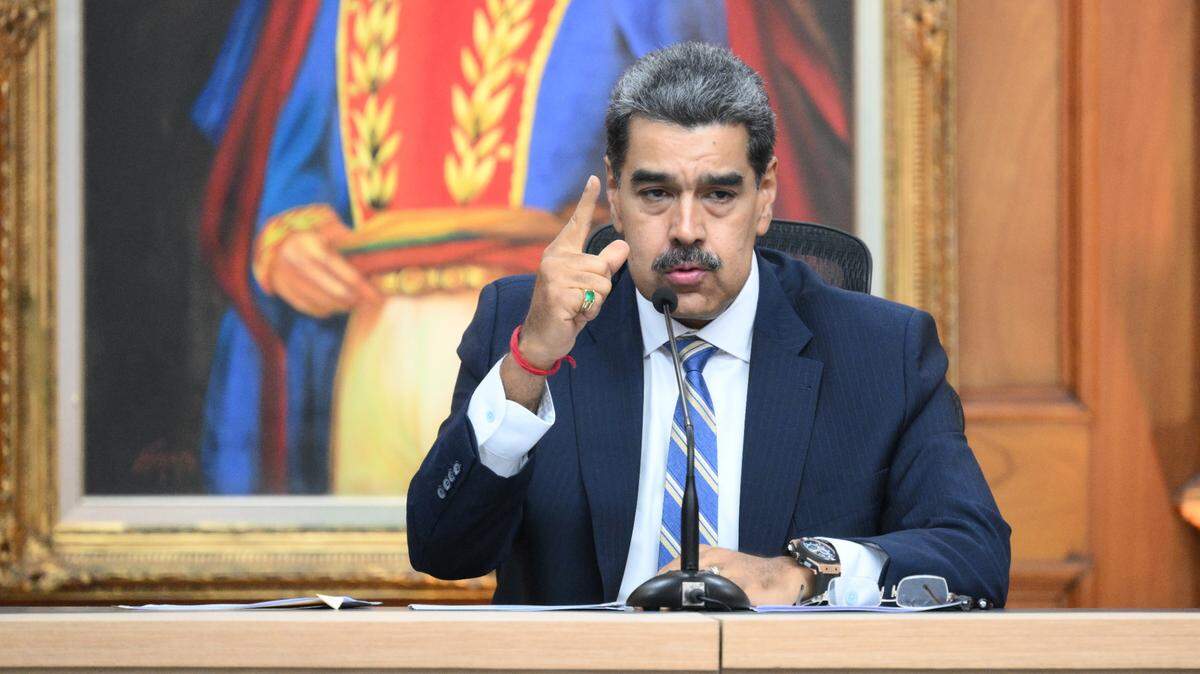
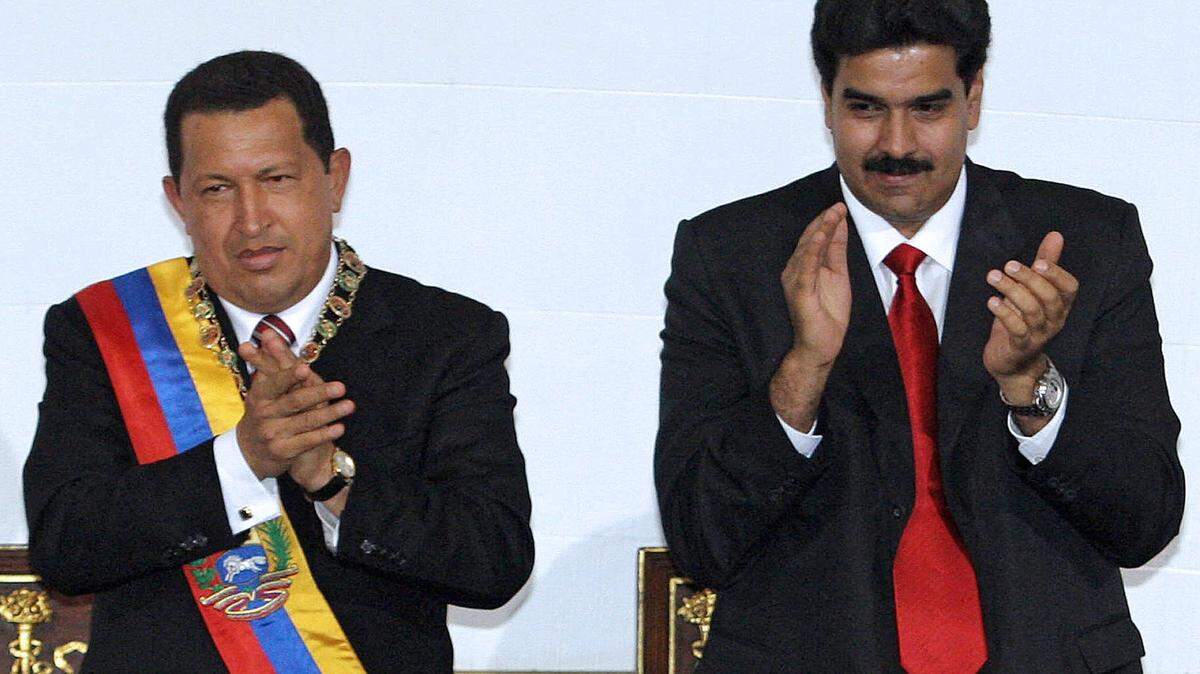
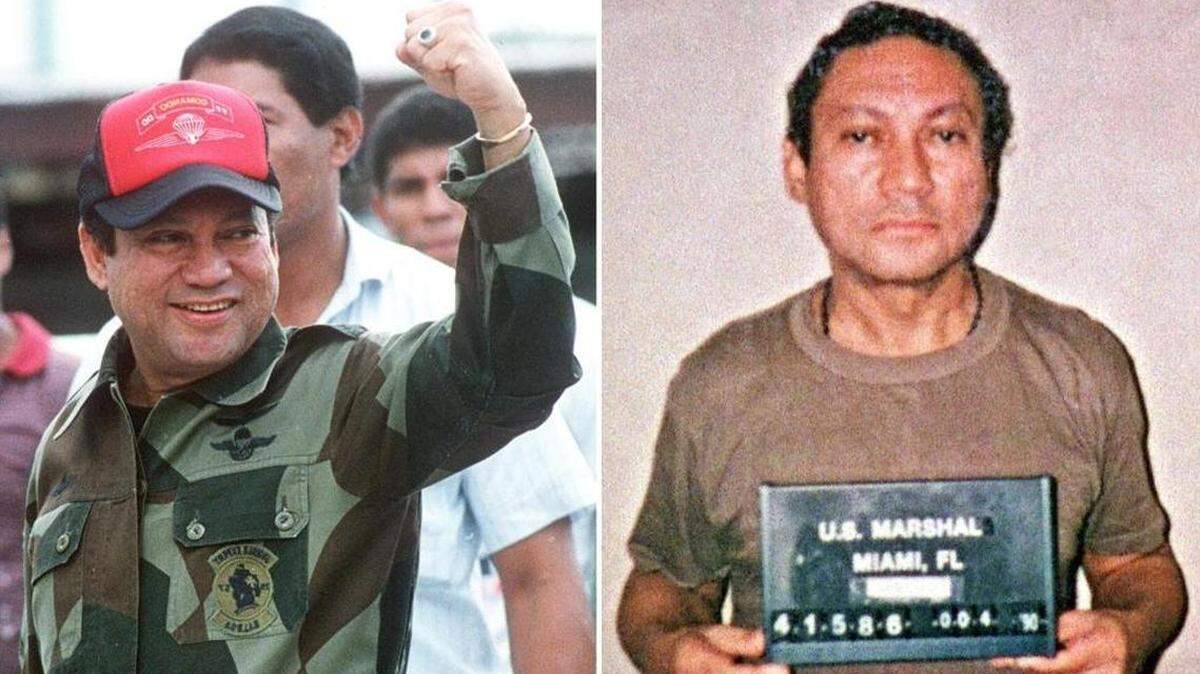
The United States carried out a large-scale strike against Venezuela’s socialist regime early Saturday morning, bombing several military and key government installations and capturing strongman Nicolás Maduro, who was flown out of the country along with his wife, President Donald Trump announced on social media.
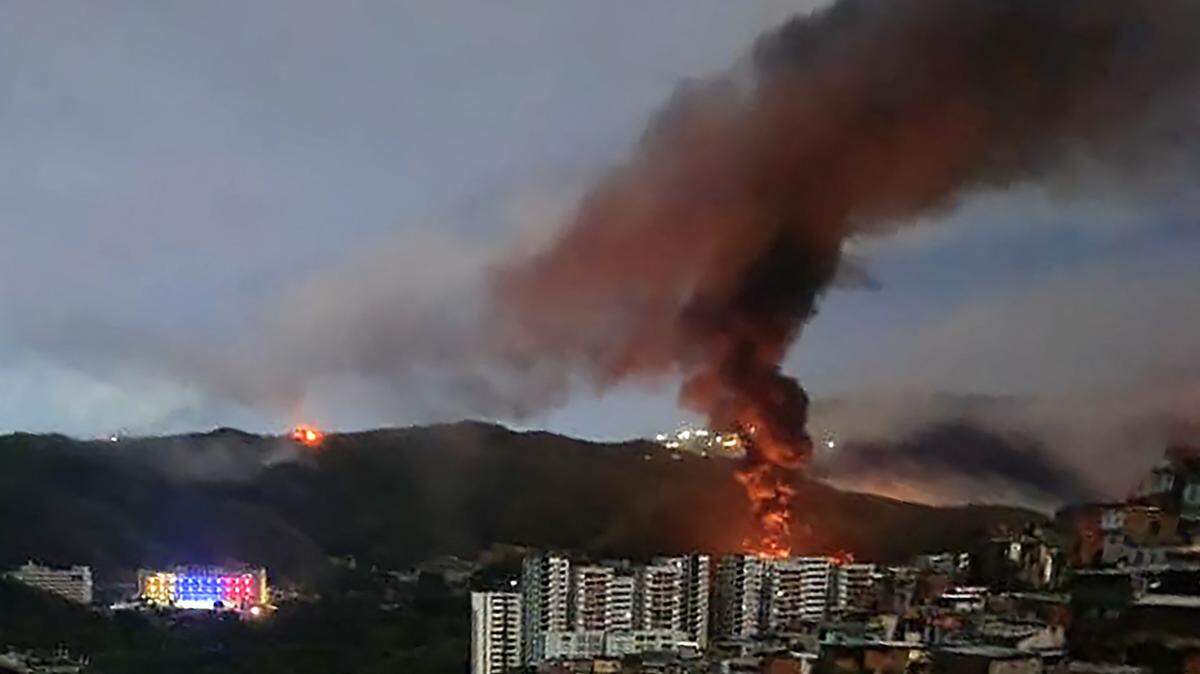
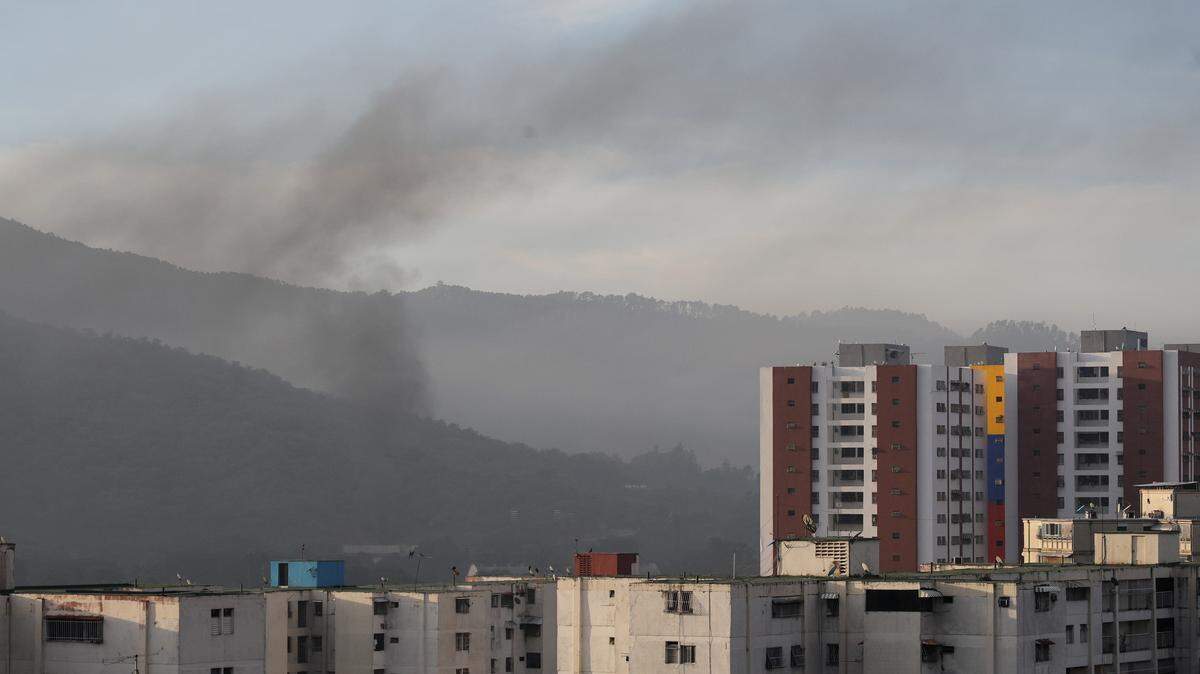
Reports from Venezuela say at least 17 aircraft crossed the skies of Caracas among the many explosions, which appeared to target the airport of La Carlota, the 23 de Enero neighborhood, the Fuerte Tina military headquarters and the area of Higuerote. Images from Venezuela reveal damage to military targets and a rush on foot by many Venezuelans to cross the border into Colombia.
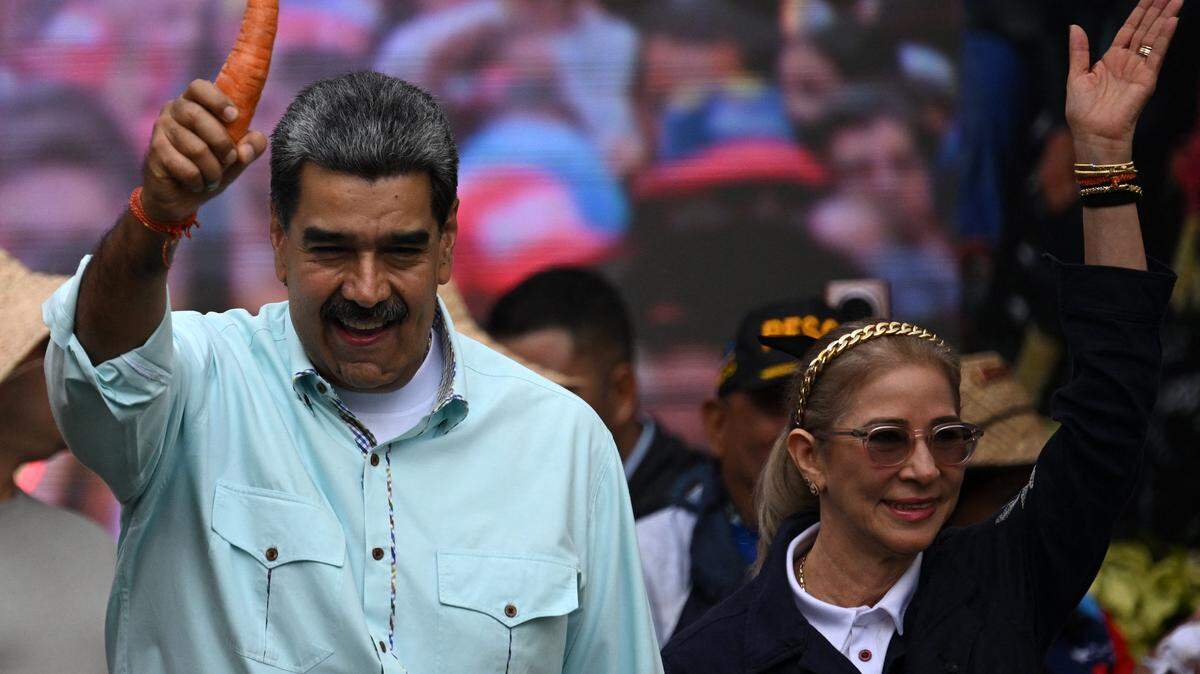
Maduro and his wife, Cilia Flores, were transported to New York to face criminal charges. In an interview on Fox News, Trump described the mission as a “surgical” strike carried out after days of preparation, multiple failed attempts to secure Maduro’s surrender and what he called an escalating national security threat tied to drug trafficking.
Trump said Maduro will be indicted in New York.
Read the full story: A blackout, a fortress, a helicopter hit: Trump details how Maduro was snatched
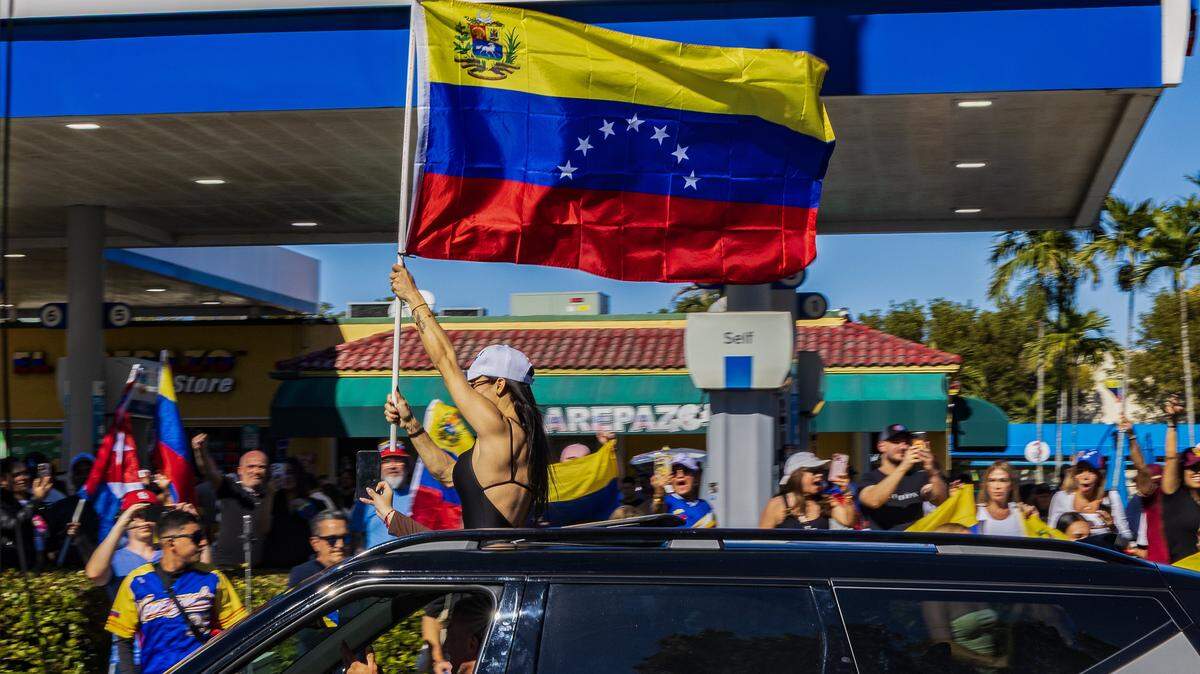
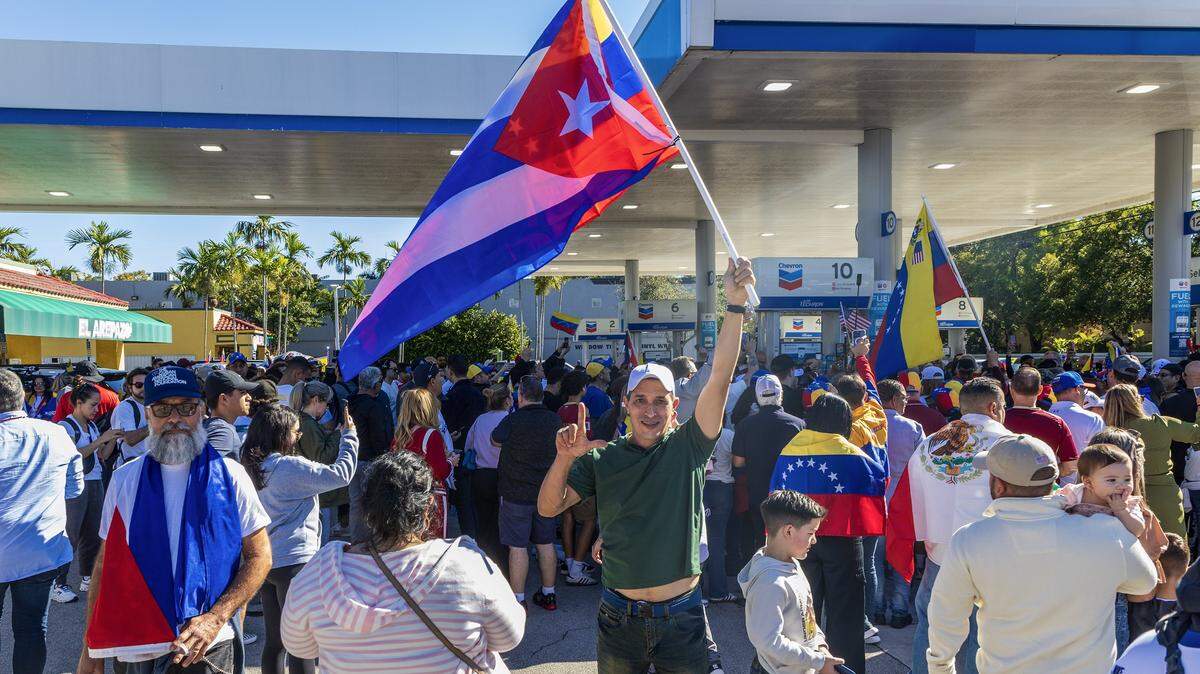
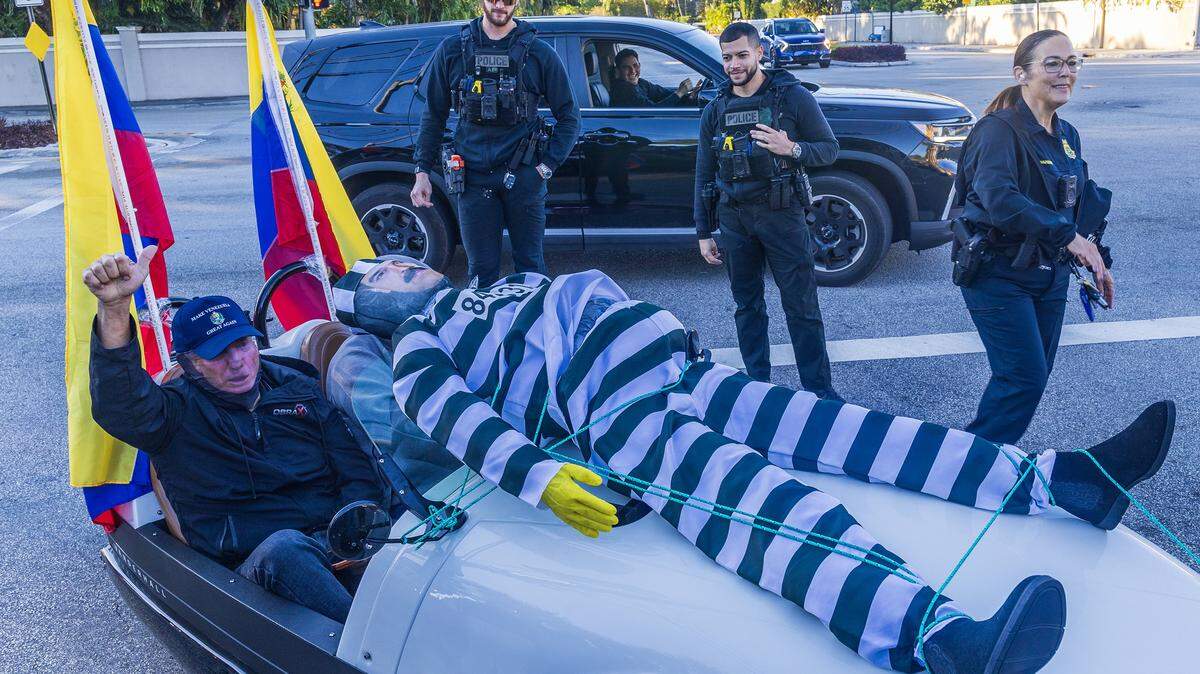
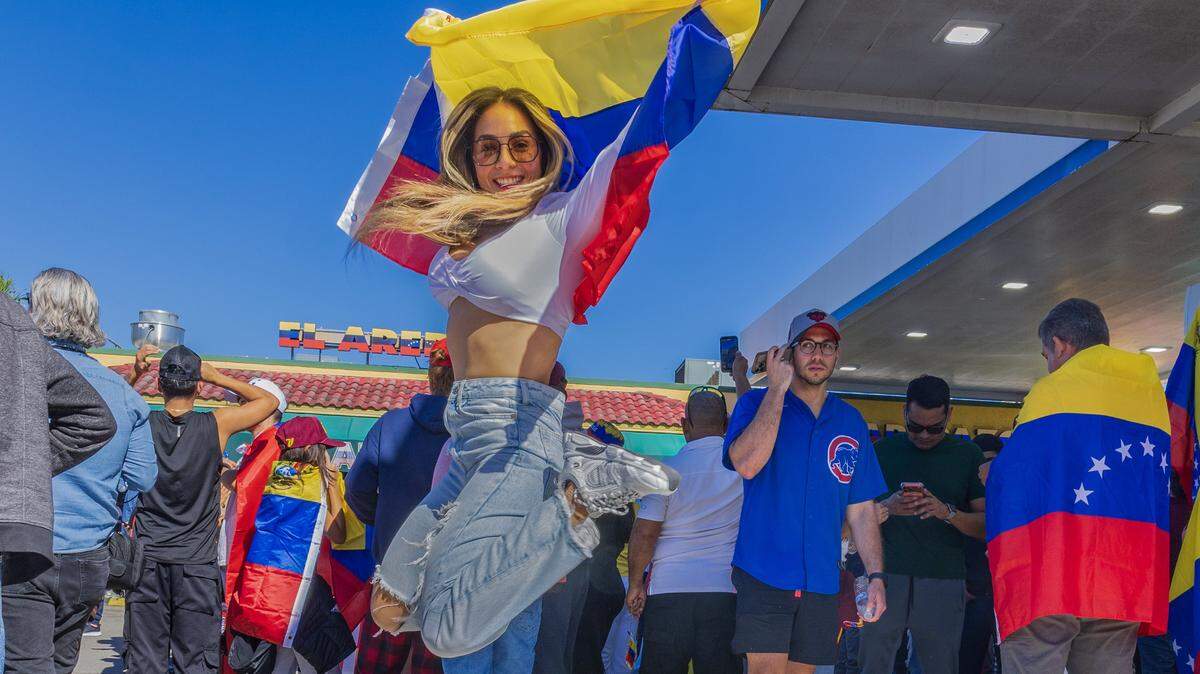
In Miami, Venezuelan exiles headed to El Arepazo in Doral in the early hours to celebrate the ouster of Maduro, while political leaders chimed in with support of the action by the Trump administration.
Here are live updates: After Maduro’s capture, Venezuelans in South Florida dream of going home
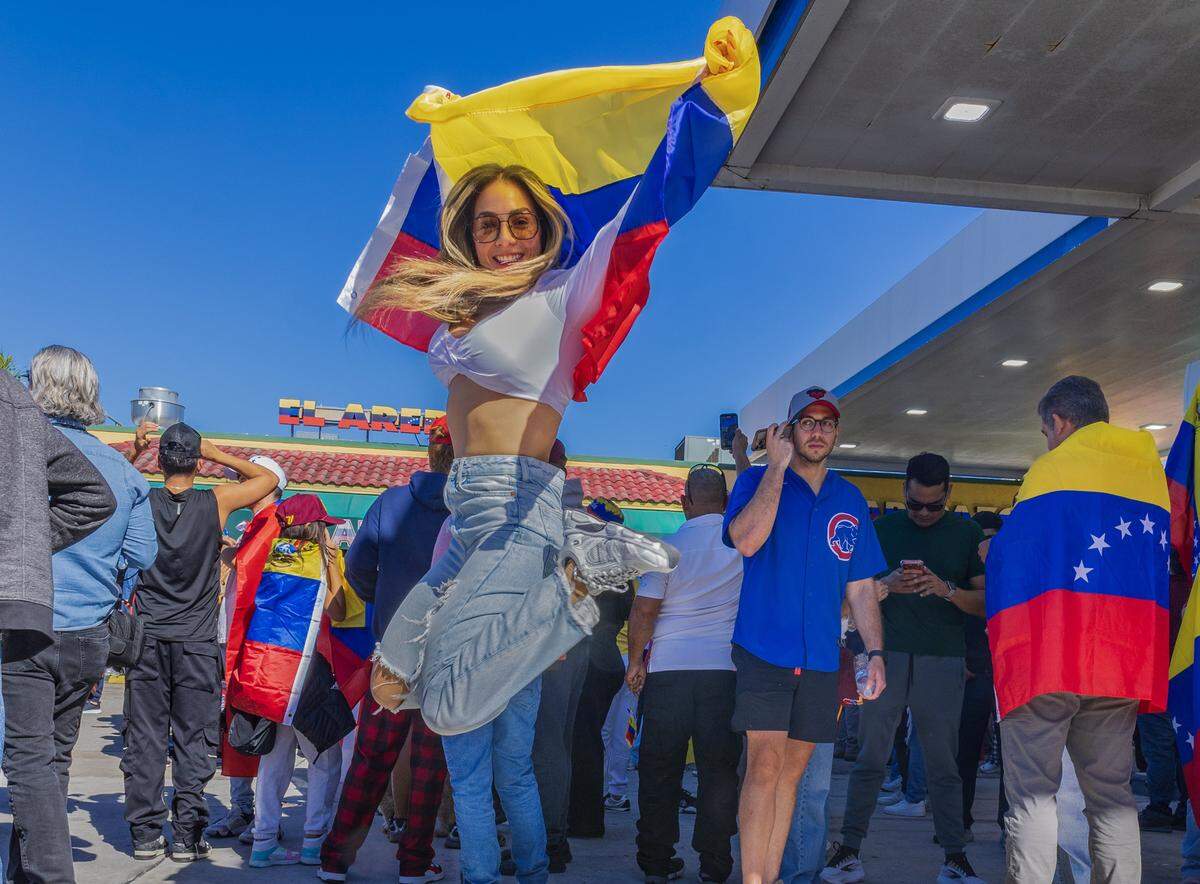
But despite the questions looming over the country and its people, the strongman’s expulsion has left many immigrants who found sanctuary in South Florida wondering whether, sooner rather than later, they will be able to go home. To help their country prosper, to reunite with their loved ones, to live and die on the land in the land they were born.
Irasel Carpavirez, 50, a former lawyer, celebrated on Saturday at El Arepazo, the Venezuelan restaurant in Doral, alongside hundreds of her countrymen. Nearly everyone was draped in Venezuelan flags or wearing hats and jerseys in the national colors, turning the crowd into a sea of red, blue and yellow.
She told the Miami Herald she is ready to return and hopes doctors, lawyers, engineers, teachers and other professionals will too.
“I think this is the moment to return to Venezuela and rebuild,” she said. “Everyone has to come back because Venezuela has to rise from the ashes.”
Read the full story: After Maduro’s capture, Venezuelans in South Florida dream of going home
Why did U.S. forces capture Venezuelan leader Maduro’s wife?
When U.S. special forces captured Venezuelan leader Nicolas Maduro early Saturday morning, he wasn’t snatched alone: His wife, Cilia Flores, was taken as well, and put on an American warship ultimately bound for New York.
The reason: Flores as well as her husband faces drug-trafficking charges in the United States, along her son and other high-ranking members of the Venezuelan government accused of participating in a long-running drug trafficking conspiracy.
Cilia Adela Flores de Maduro, a political figure in her own right, was named alongside the president’s son, Nicolás Ernesto Maduro Guerra, in a superseding indictment unsealed Saturday in federal court in Manhattan. The four-count indictment, which also names the former South American leader and his interior minister, Diosado Cabello, was unsealed after U.S. officials said they had captured Maduro and his wife in U.S. military operations in Caracas.
Read the full story: Why U.S. forces snatched Venezuelan leader Maduro’s wife: She faces drug charges too
After U.S. attacks, Venezuelans rush to buy food, water, gas
After the bomb blasts and explosions from a U.S. military attack finally ended Saturday morning, Venezuelans rushed to the streets.
Not to support their nation’s socialist leader, the opposition or even President Donald Trump: They sprinted to pharmacies, supermarkets and stores for what some called a “nervous shopping” run.
Many residents bought water, corn flour, butter, cheese, bread, rice, and non-perishable food such as tuna — supplies to get them through in case the fighting lasted several days. Everyone wanted to return home soon, to take refuge, amid fears of possible looting that failed to materialize.
Read the full story: After U.S. attacks, Venezuelans rush to buy food, water, gas amid fear and shuttered streets
Trump open to the idea of helping the people of Cuba
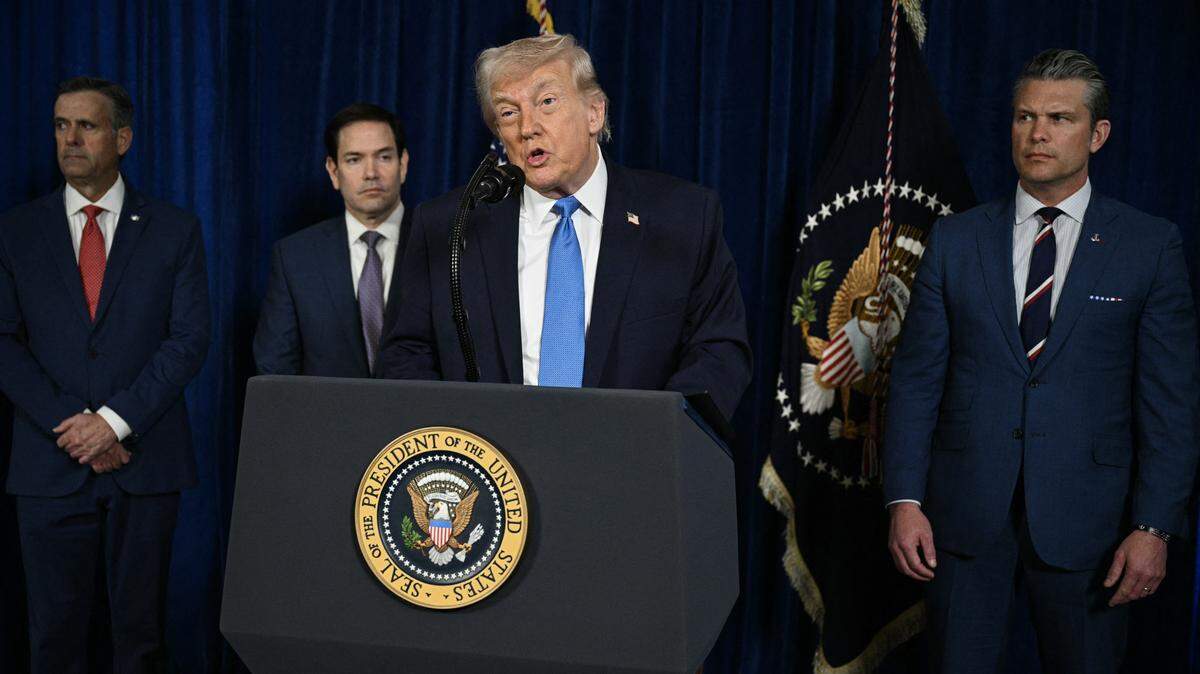
After announcing that the U.S. would “run“ Venezuela following the capture of the country’s strongman, Nicolás Maduro, President Donald Trump said Saturday his administration will likely discuss the situation in Cuba, the close Maduro ally that the president described as a “failing” nation.
“I think Cuba is going to be something we’ll end up talking about, because Cuba is a failing nation right now, very badly failing nation,” he said in a press conference from his Mar-a-Lago home. “It’s very similar [to the Venezuelan case] in the sense that we want to help the people in Cuba, but we want to also help the people that were forced out of Cuba and living in this country.”
Read the full story: With Maduro in U.S. custody, Trump says he now wants to help the people of Cuba
A deal with Venezuela’s VP?
Following the capture of Venezuelan strongman Nicolás Maduro by U.S. forces on Saturday, President Donald Trump announced that the United States is going to effectively “run” the country until a political transition takes place, in a deal with members of the regime that appears to sideline opposition leader María Corina Machado.
The remarks suggest Washington has reached an understanding with remaining leaders of Venezuela’s socialist regime on how the country will be governed in the aftermath of Maduro’s capture.
Read the full story: Trump’s deal to ‘run’ Venezuela after Maduro’s capture sidelines Machado, focuses on oil
World leaders react to U.S. action in Venezuela
The United Nations, European leaders and many Latin American governments condemned U.S. use of force in its campaign to extract Maduro as a violation of international law and warning it set a dangerous precedent, even as President Donald Trump hailed the raid as a swift and flawless success.
Mexico, Colombia, Brazil and others denounced the action as an assault on sovereignty and regional stability, while several Caribbean nations expressed alarm and sought to distance themselves from the operation.
Iran and Russia also criticized the intervention, and European leaders urged de-escalation and dialogue, underscoring deep international divisions over the dramatic U.S. move to remove the Venezuelan leader.
Argentina’s president was among the few to applaud it. Read the full story: Calls for restraint, condemnation: World leaders react to U.S. action in Venezuela
Mayors call on Trump to reinstate TPS protections for Venezuelans
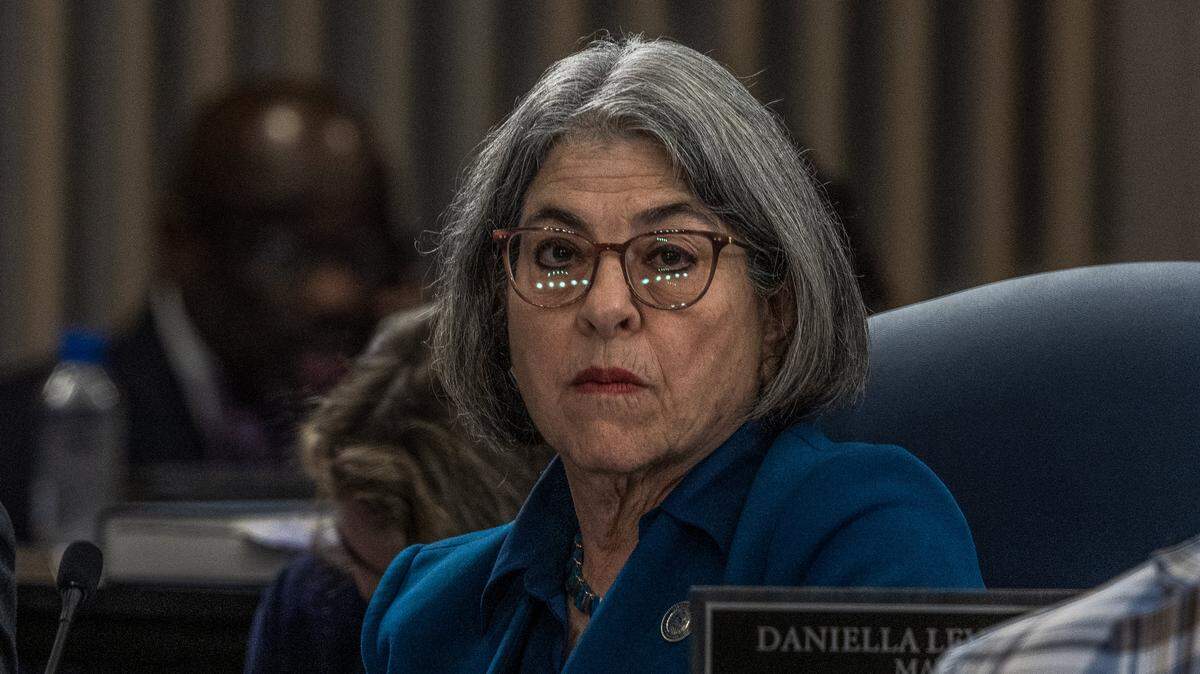
Miami-Dade Mayor Daniella Levine Cava on Saturday criticized President Donald Trump’s military strikes in Venezuela and the capture of Nicolás Maduro, saying the action showed troubling “military aggression” and was carried out without congressional approval, while also urging the administration to reverse its crackdown on legal Venezuelan migrants whose Temporary Protected Status was revoked.
Miami Mayor Eileen Higgins avoided directly criticizing the strikes but joined Levine Cava in condemning the end of TPS, calling it reckless and urging Trump to reinstate protections, while expressing solidarity with Venezuelans who see the developments as a moment of hope amid uncertainty.
Read the full story: Miami-Dade’s Democratic mayor ‘concerned’ by Trump’s military attack in Venezuela
Trump says U.S. military will stay in Venezuela
President Trump committed Saturday to U.S. military rule in Venezuela for the foreseeable future after an early morning military strike and ground operation captured Maduro, who is being transported to New York to stand trial on narco-trafficking charges.
“We’re going to run it essentially until such time as a proper transition can take place,” Trump told reporters around noon.
Read the full story: ‘We’re going to run it’: Trump says military to stay in Venezuela for now
‘Just the first step’: Miami’s Venezuelan exiles optimistic about future
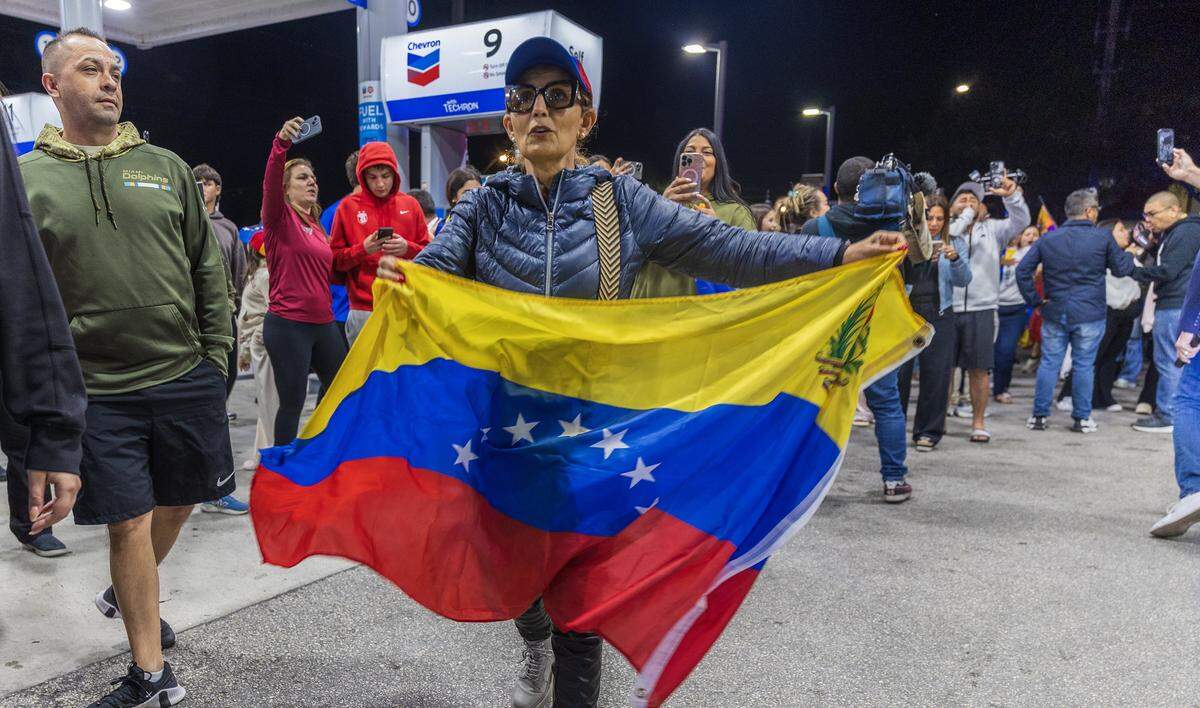
Venezuelans in South Florida celebrated with joy, tears and cautious hope after President Donald Trump announced that U.S. forces had captured Maduro, a moment many exiles see as long-delayed justice after years of repression, economic collapse and forced migration.
Hundreds gathered outside El Arepazo in Doral, sharing stories of lives upended by political violence, shortages and imprisonment, and expressing hope for freedom and a chance to rebuild their country.
At the same time, uncertainty looms over what comes next, with key regime figures still in Venezuela, opposition leaders in exile, and unresolved questions about a political transition, even as advocates and local officials hailed the action as a decisive step toward accountability, democracy and human dignity
Read the full story: Venezuelans in South Florida celebrate Maduro’s capture, hope for return to democracy
Attack on Venezuela causes flight cancellations throughout Caribbean
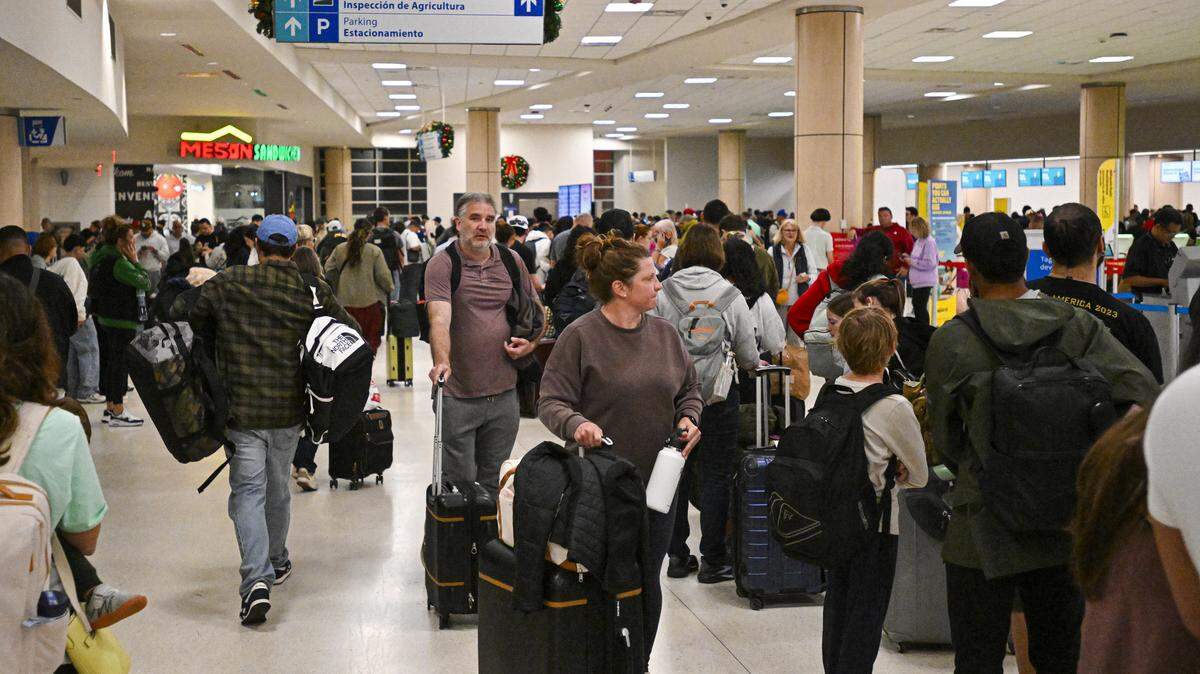
Dozens of flights were canceled to Caribbean destinations as the FAA closed airspace after the U.S. military strike on Venezuela.
American Airlines says the airspace shutdown is affecting flights to 19 destinations in the Eastern Caribbean, including Aruba, Curaçao, San Juan, Puerto Rico, St. Thomas in the U.S. Virgin Islands and Trinidad and Tobago.
Passengers crowded the terminal at Luis Munoz Marin International Airport in Puerto Rico after flights were canceled following the U.S. military action in Venezuela.
Read the full story: Travel alert: Caribbean flights canceled as airspace closed near Venezuela
‘A big day for Venezuela’: Congressman Gimenez weighs in
United States Rep. Carlos Gimenez posted on social media shortly after 5:30 a.m. his support of the military action in Venezuela.
“Today’s decisive action is this hemisphere’s equivalent of the Fall of the Berlin Wall,” Gimenez wrote. “It’s a big day in Florida, where the majority of Venezuelan, Cuban & Nicaraguan exiles reside. This is the community I represent & we are overwhelmed with emotion and hope.”
“President Trump has changed the course of history in our hemisphere,” Gimenez wrote. “Our country & the world are safer for it.”
In an interview, Gimenez said Maduro’s vice president, Delcy Rodriguez, appears to now be in charge of Venezuela’s government. But the congressman also said he hoped the removal of Maduro would lead to momentum for the free and fair elections that the seized dictator had blocked.
“This is a big day for Venezuela. It’s the first step. Hopefully this will lead to the restoration of democracy,” he said. “But there is work to be done.”
Read the full story: In Miami, seizing of Maduro hailed as historic move that puts Cuba on notice
See Miami’s Venezuelan community celebrate Maduro’s capture
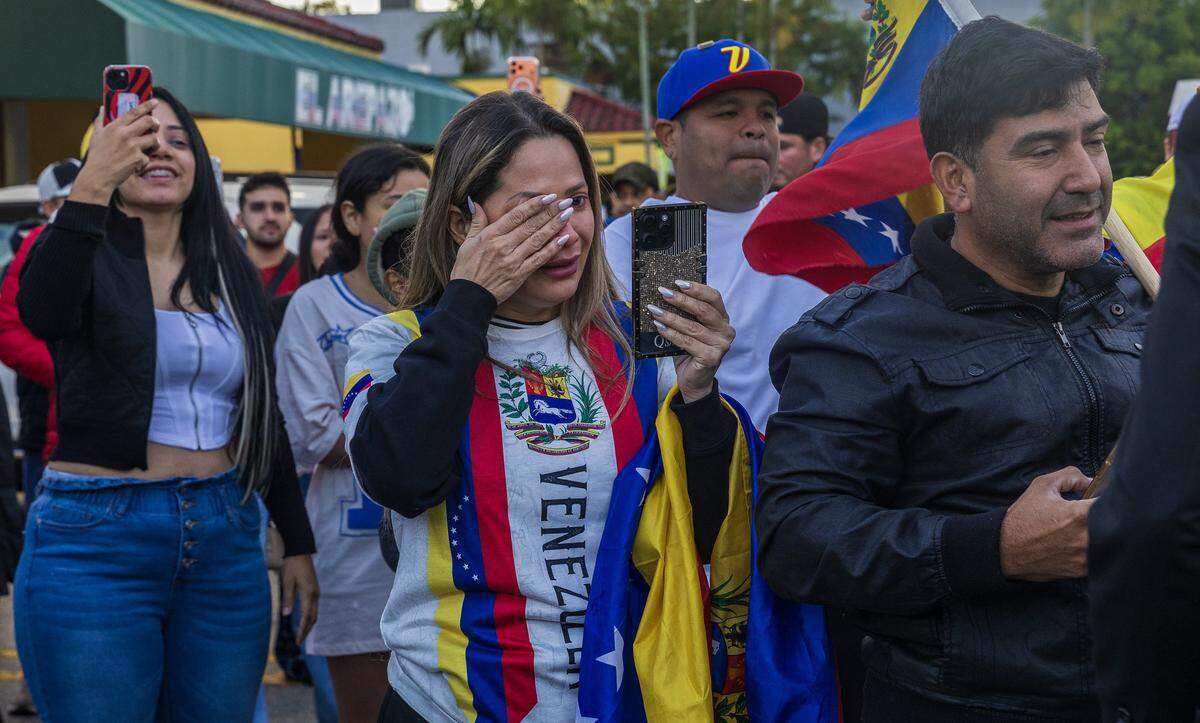
A sea of Venezuelan flags and hundreds of people could be seen gathered outside of El Arepazo in Doral before the sun rose on Saturday morning.
Many cheered, danced, cried and embraced each other as they celebrated the capturing of Venezuelan strongman Nicolas Maduro, something they say will bring long needed change and liberation for the country.
Jennifer Santillan, 48, now lives in Doral after she left Venezuela five years ago, leaving behind a career as a lawyer and her work for Foro Penal, a Venezuelan human rights organizations that serves political prisoners.
Santillan said she feels unimaginable happiness that the Venezuelan people will “finally have freedom.”
“Our young people will know a different type of government,” she said adding that she wants to see “all the innocent people who are unjustly imprisoned” be freed.
Kirvin Suarez, 49, said she has been waiting for this day for years.
Her brother, Yormi Suarez, was killed in 2004 while protesting the Chavez regime, she said. He was shot and killed by a sniper, according to Suarez. He was 22.
“They took a brother, a son, an uncle,” Suarez said. “They took everything from us.”
Suarez described Venezuelans as fighters and hardworkers who want to return to their country.
“I know that all Venezuelans are going to rebuild are country,” she said.
A look at the aftermath of the U.S. attack on Venezuela
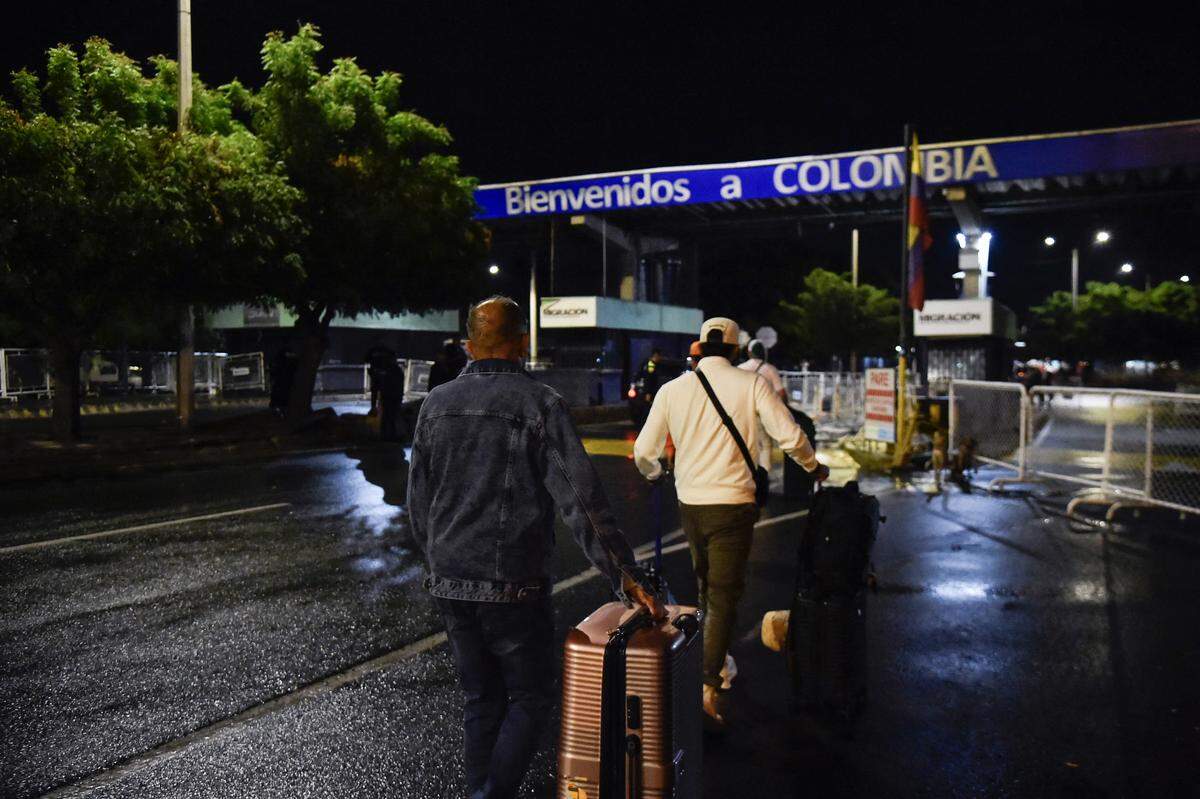
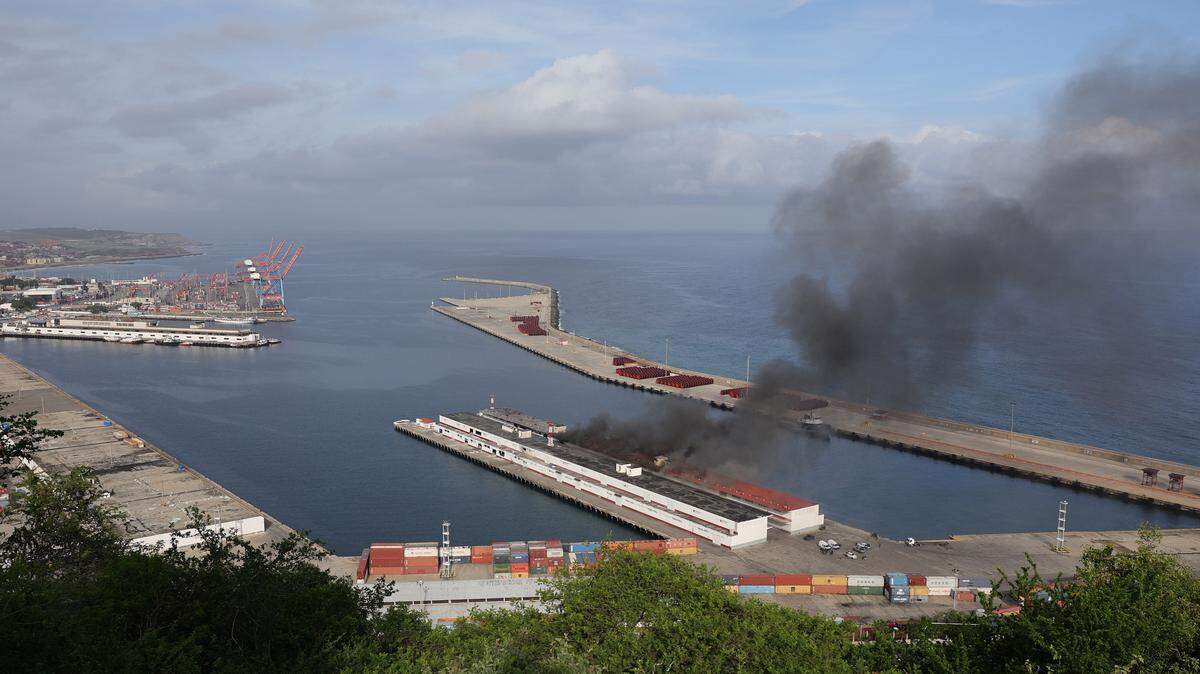
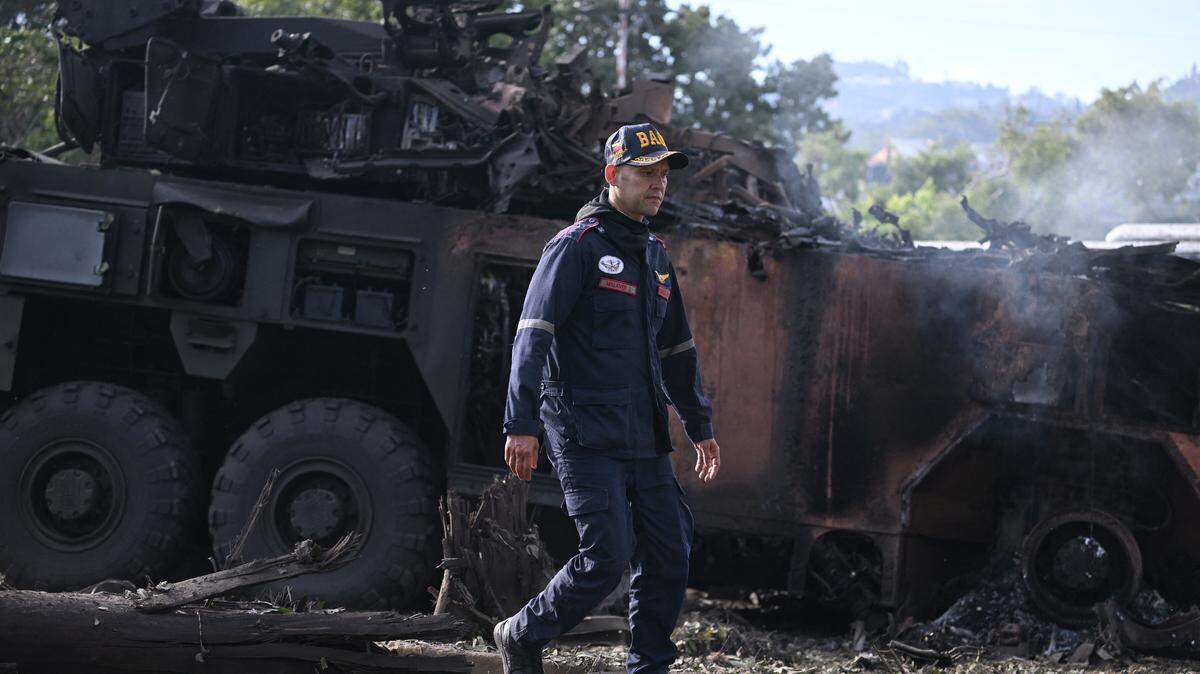
Photographers on the ground in Venezuela document the effects of the U.S. airstrikes on Venezuelan targets including damage to La Carlota airbase and Venezuelan citizens race to flee to Colombia.
See the images here.
Venezuelans in Caracas shocked by U.S. attack
Around 2 a.m. Venezuelans began sharing videos on social media of helicopters and aircraft flying over Caracas at low altitude. Other videos showed tall columns of fire and smoke rising through the darkness.
According to people in Caracas and nearby towns, deafening explosions began to be heard in the Venezuelan capital and around the headquarters of the Nicolas Maduro government.
“I was awakened by the bombs. I felt the windows rumbling and the house was shaking,” said a resident of San Antonio de Los Altos, a town located on the outskirts of Caracas. “I still hear the airplanes flying over the skies”, she added around 3 a.m.
Read the full story: ‘We turned off the lights and hid’: Venezuelans shocked by U.S. attacks in Caracas
Trump says Maduro captured, flown out of Venezuela after U.S. strikes shake Caracas
Early Saturday the United States allegedly launched coordinated strikes on military and government targets in the capital city Caracas and several Venezuelan states, with President Donald Trump claiming on social media that strongman Nicolás Maduro and his wife were captured and flown out of the country. The move follows a U.S. pressure campaign on a regime Washington considers illegitimate and tied to drug trafficking.
Residents across Caracas described loud explosions, low-flying aircraft, fires near key military bases, and widespread fear amid limited verifiable information. Maduro later appeared on state media denouncing the attacks as a grave U.S. military aggression, declaring a nationwide state of emergency, mobilizing security forces, and appealing to international bodies for condemnation, while neighboring Colombia and other regional actors urged de-escalation and warned of risks to regional stability against the backdrop of long-simmering U.S.-Venezuela tensions.
Read the full story: Trump says Maduro captured, flown out of Venezuela after U.S. strikes shake Caracas
This story was originally published January 3, 2026 at 5:57 AM.