‘We’re going to run it’: Trump says military to stay in Venezuela for now
READ MORE
Strike on Venezuela
What to know about the U.S. military action in Venezuela and the removal of leader Nicolas Maduro.
Expand All
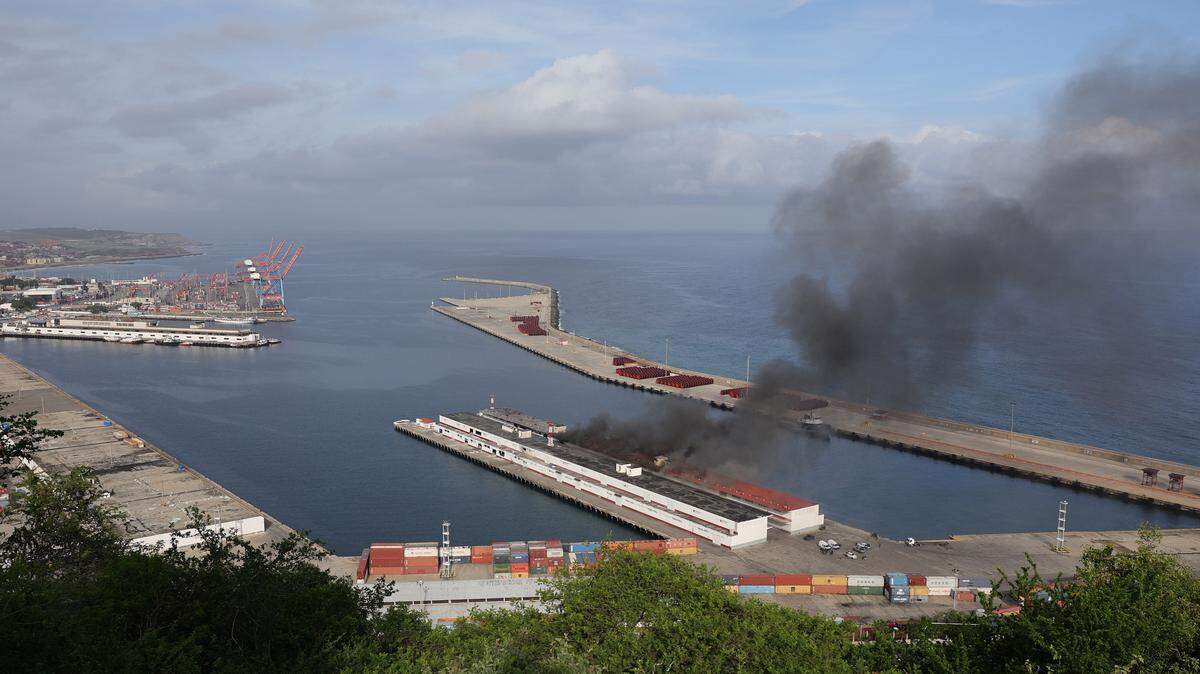
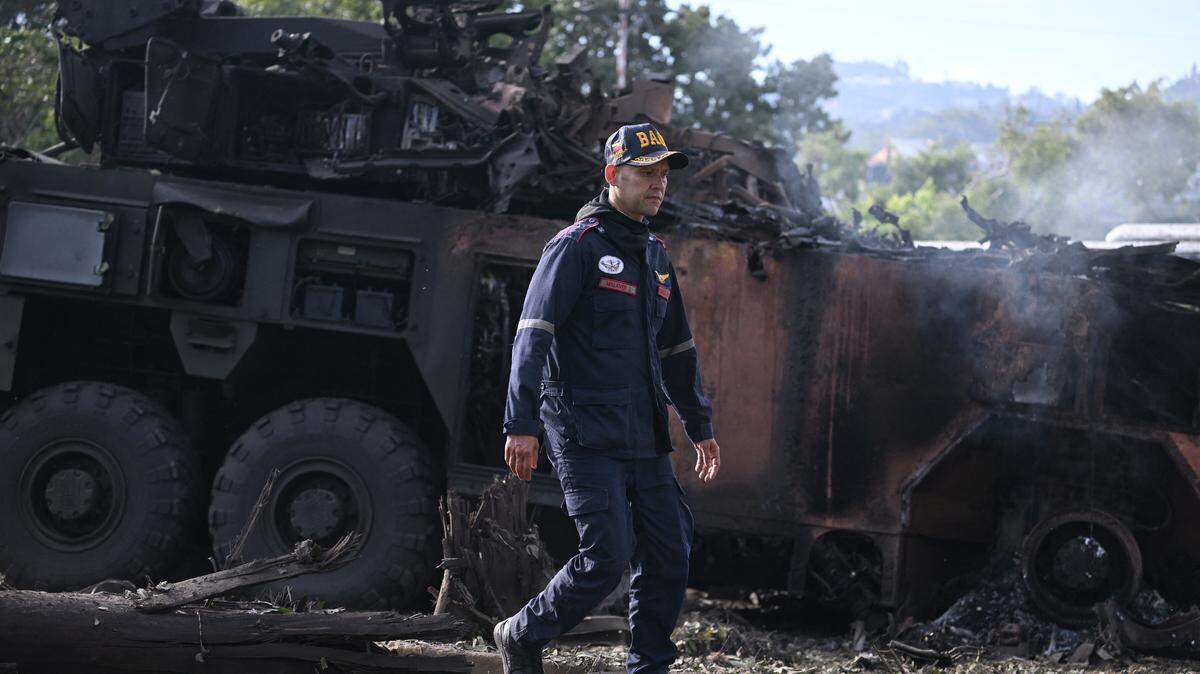
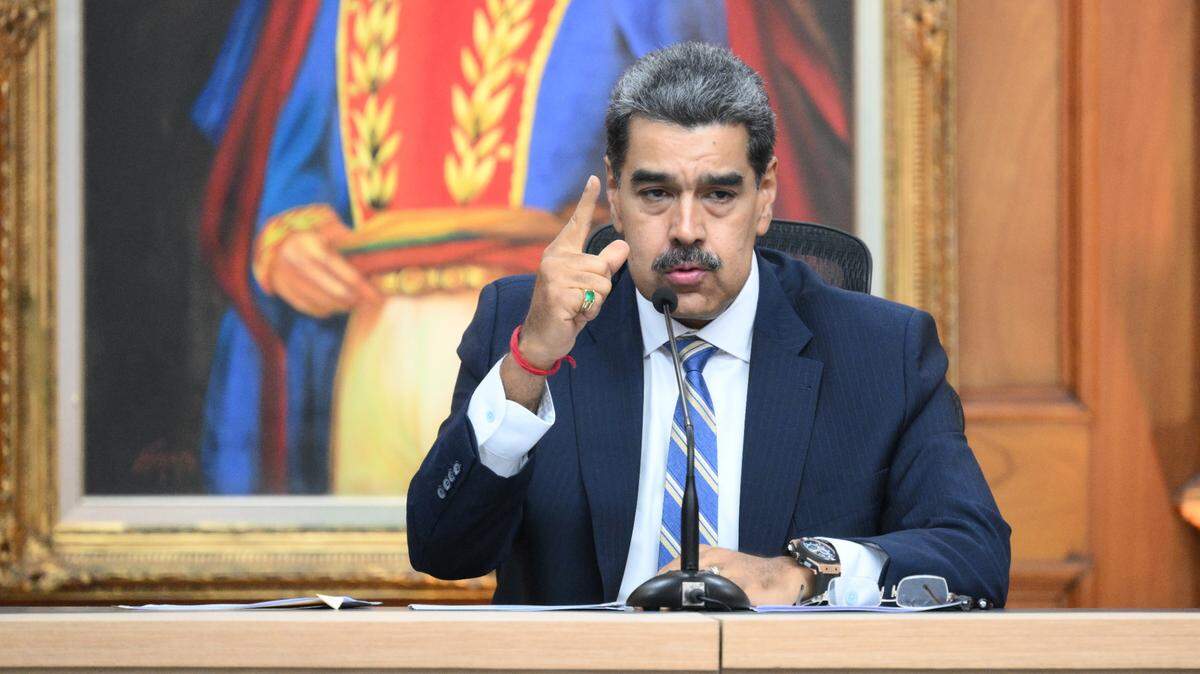
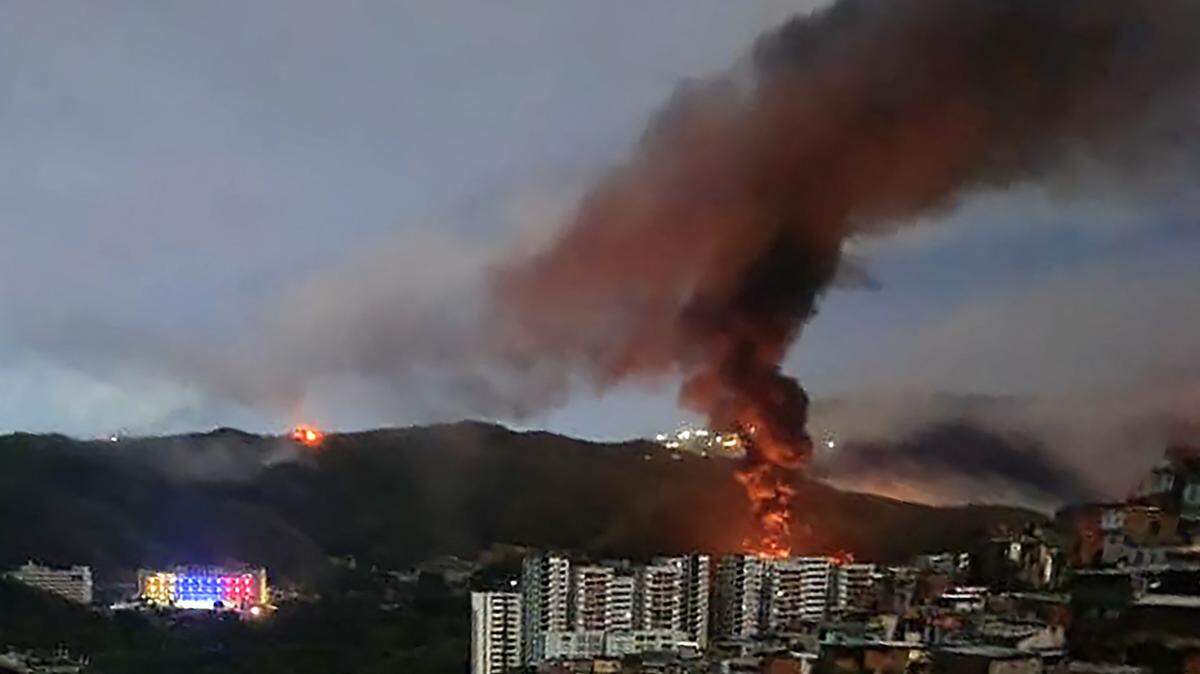
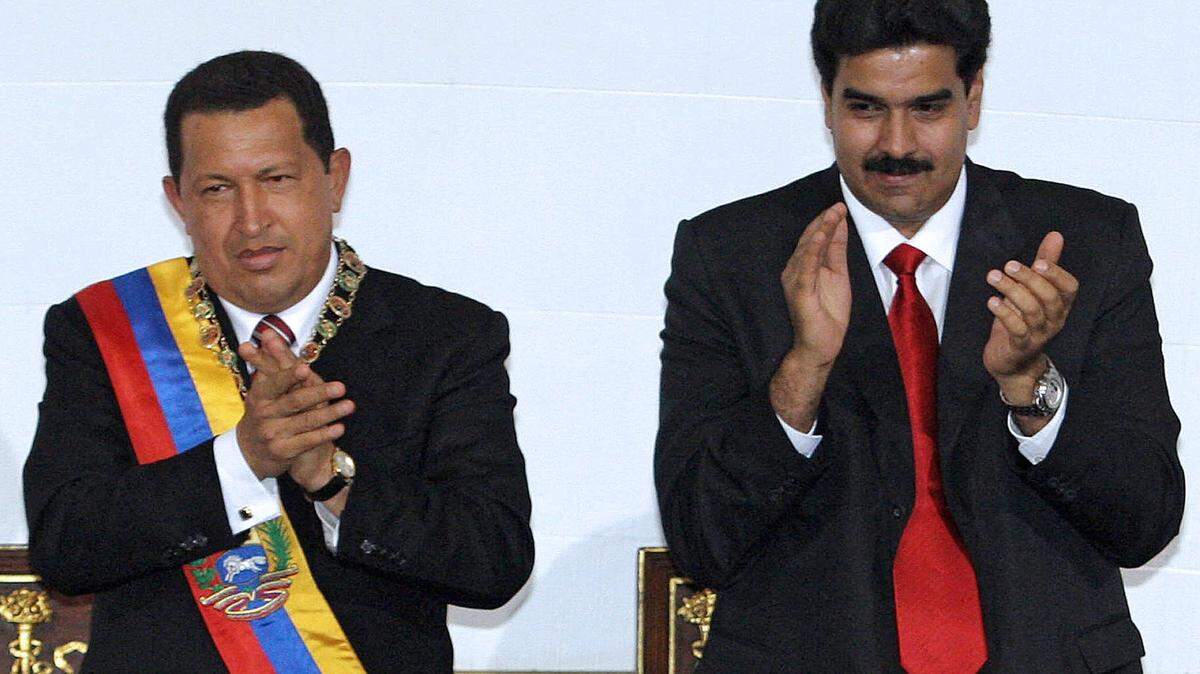
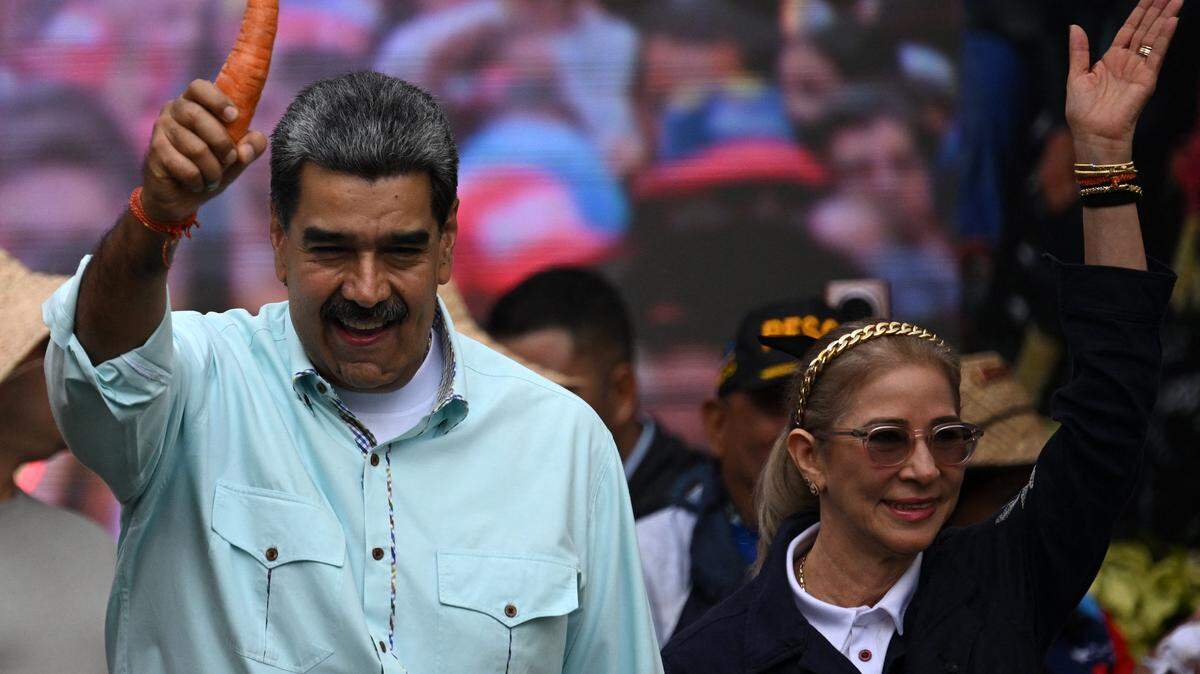
President Donald Trump committed Saturday to U.S. military rule in Venezuela for the foreseeable future after an early morning military strike and ground operation captured authoritarian ruler Nicolás Maduro, who is being transported to New York to stand trial on narco-trafficking charges.
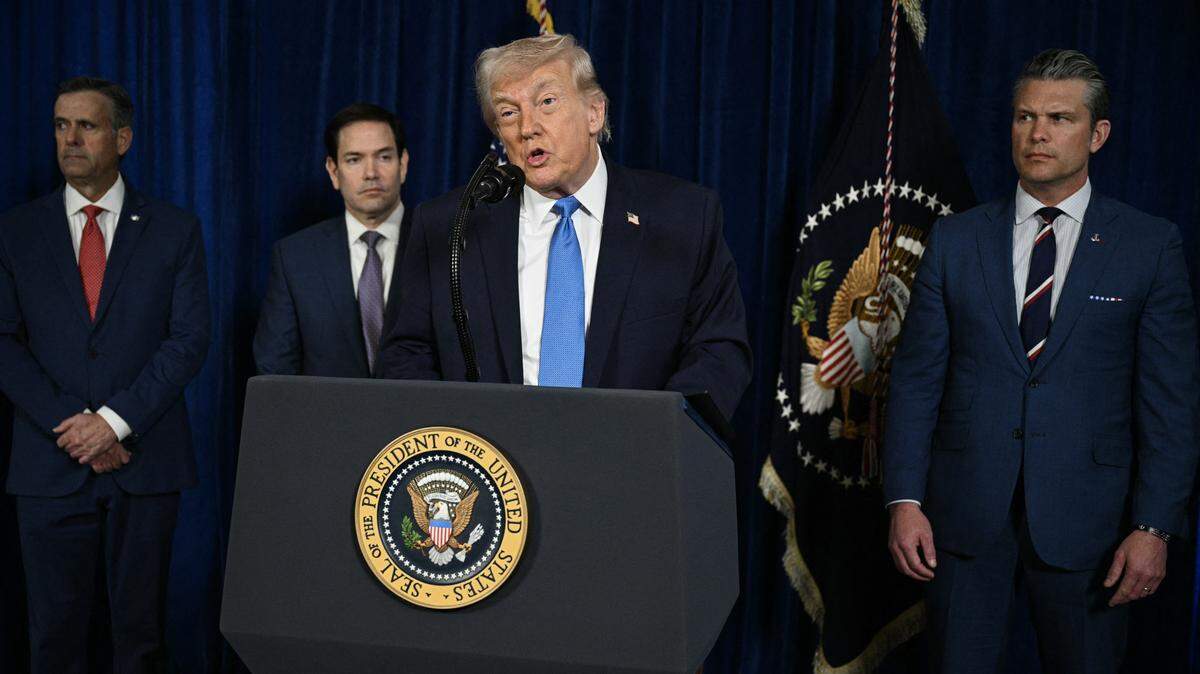
“We’re going to run it essentially until such time as a proper transition can take place,” Trump told reporters gathered around noon at his Mar-a-Lago estate in Palm Beach.
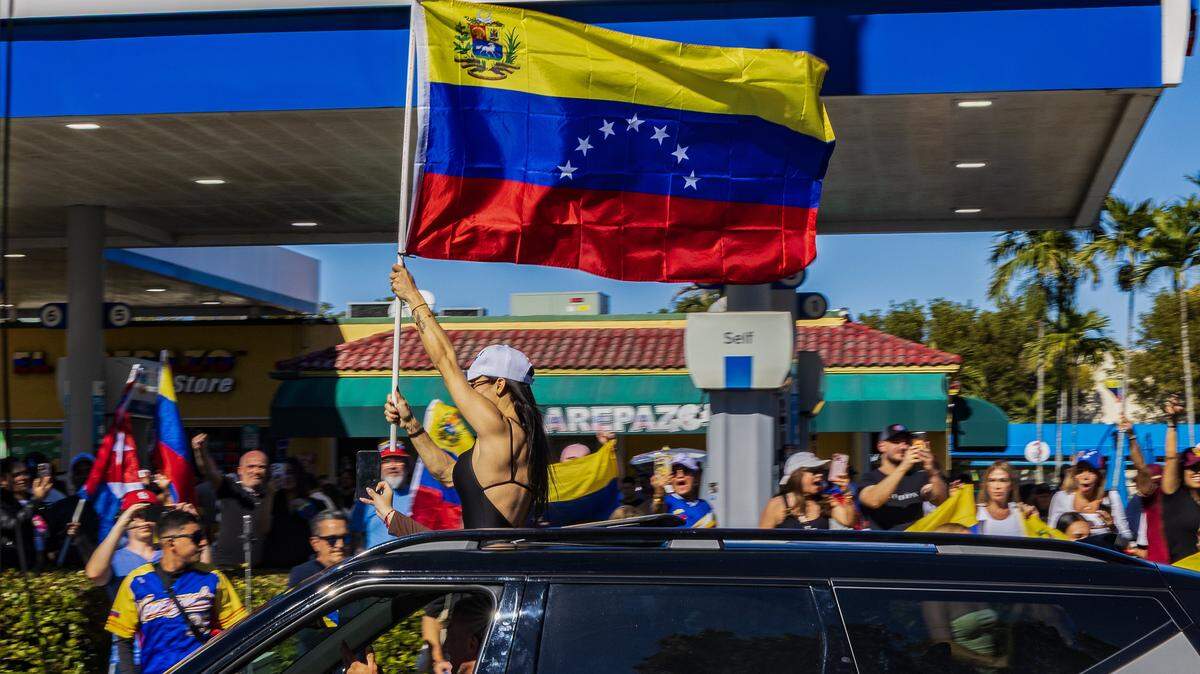
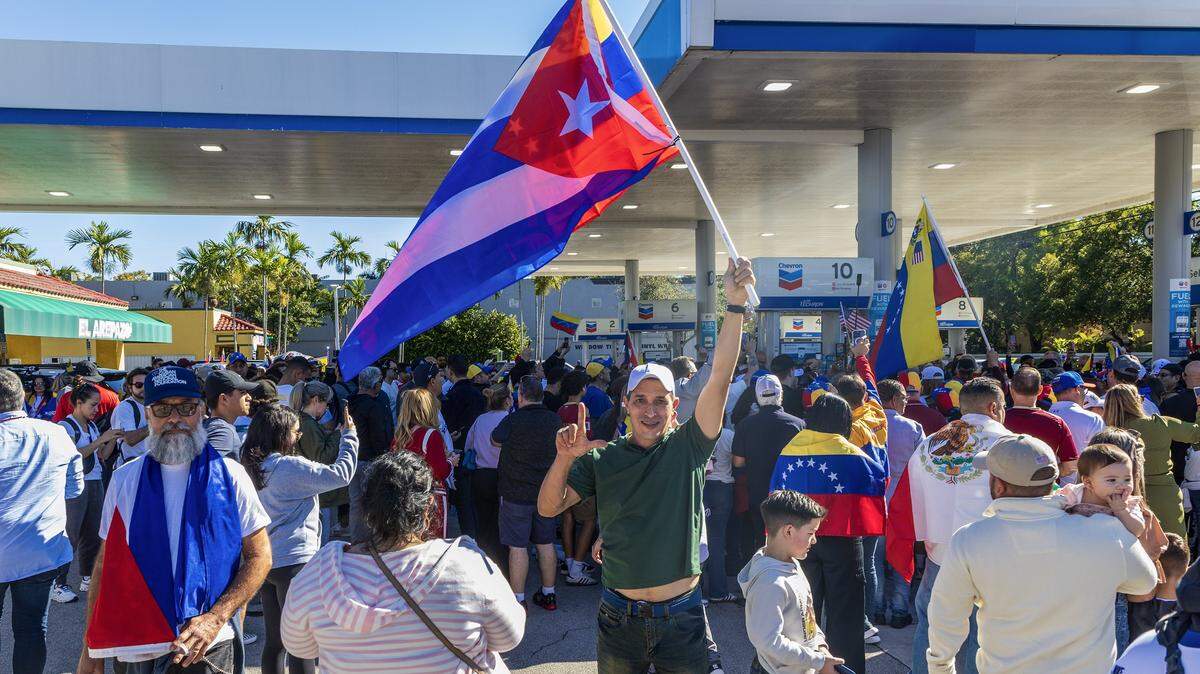
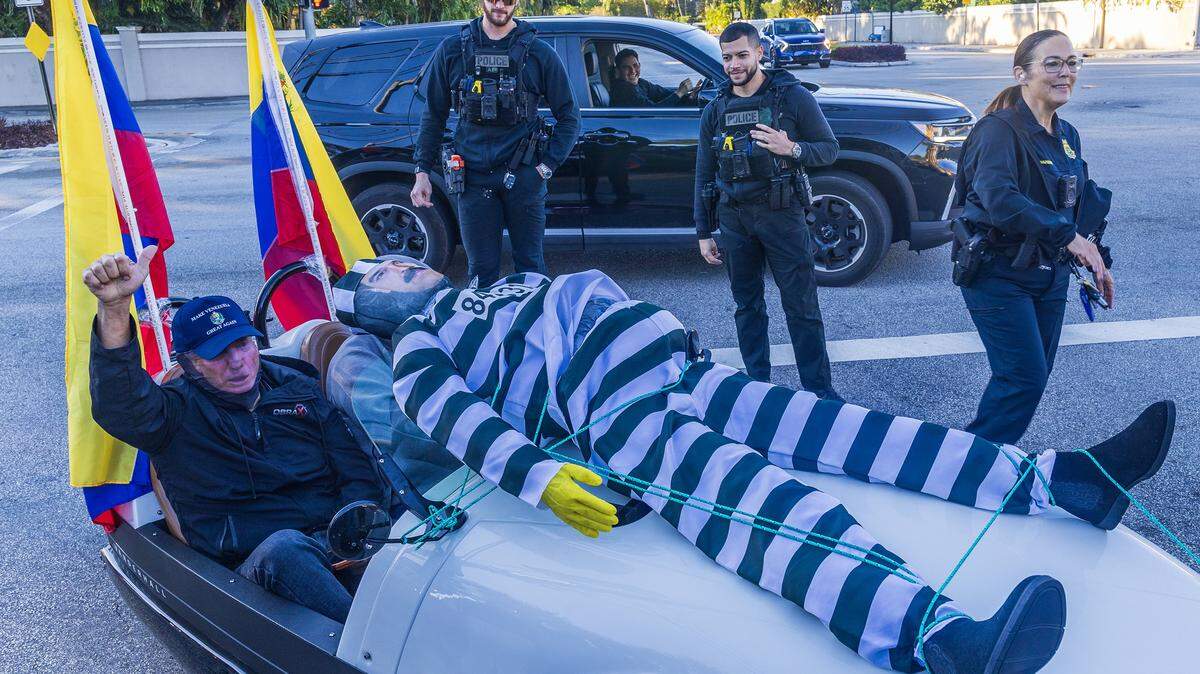
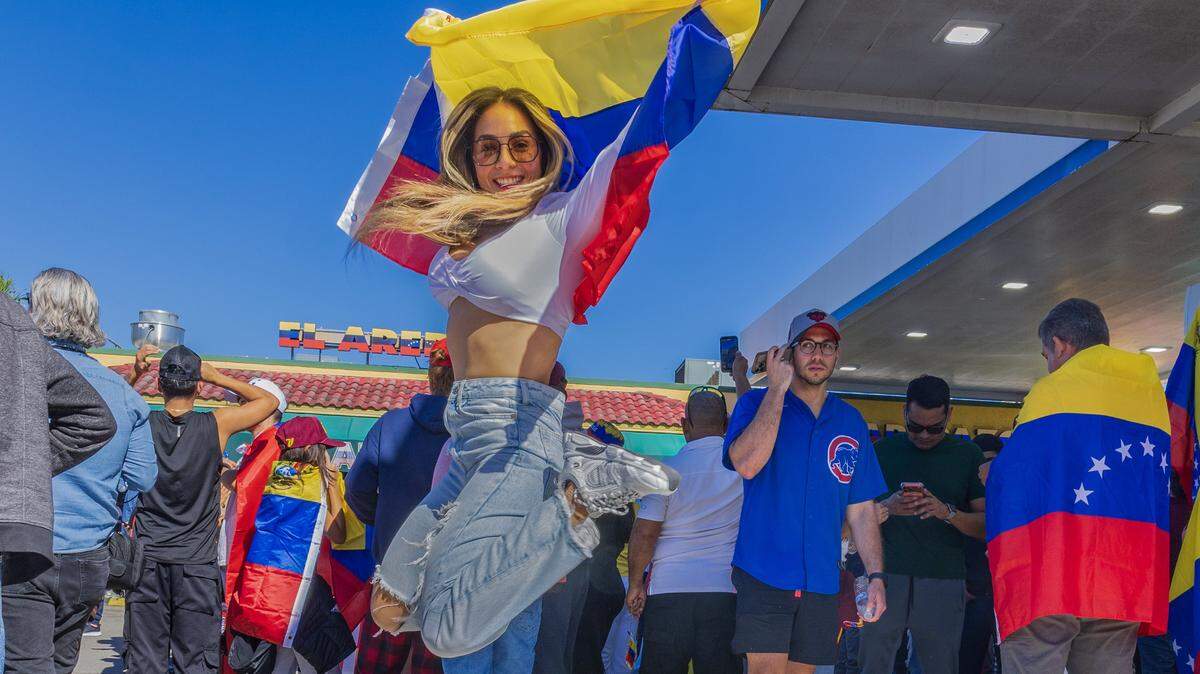
Live updates: Miami’s Venezuelan community celebrates Maduro’s capture
He focused heavily throughout his remarks on plans for U.S. oil companies to build extraction infrastructure, marking a sharp departure from his past focus on drug trafficking and Attorney General Pam Bondi and Secretary of State Marco Rubio’s framing of Saturday’s capture as a “law enforcement” action.
“We’re gonna be running it with a group and we’re gonna make sure it’s run properly,” Trump said. “We’re going to rebuild the oil infrastructure, which will cost billions of dollars which will be paid for by the oil companies.”
He also suggested the U.S. military presence in Venezuela will be paid for by oil money. After a reporter asked if the United States could end up administering Venezuela for years, Trump did not shoot down the possibility.
“It won’t cost us anything because the money coming out of the ground is very substantial,” he said. “So it’s not gonna cost us anything.”
Trump did not discuss whether the military plans to install Edmundo González, who U.S. leaders have said legitimately won the 2024 Venezuelan presidential election. Trump said Saturday that opposition leader María Corina Machado — the winner of the 2025 Nobel Peace Prize — doesn’t have the “respect” to lead the country.
“I think it would be very tough for her to be the leader. She doesn’t have the support within or the respect within the country,” he said. “She’s a very nice woman, but she doesn’t have the respect.”
Trump instead suggested his administration plans to work with Maduro’s vice president, Delcy Rodríguez, who he said was sworn in as president after Maduro’s capture and spoke with Secretary of State Marco Rubio this morning.
“She’s essentially willing to do what we think is necessary to make Venezuela great again, very simple,” Trump claimed.
Trump framed his plans for ongoing U.S. military presence in Venezuela as protection for Venezuelan people and said the U.S. is prepared for a “much bigger wave” of military strikes “that we probably won’t have to do.”
“We can’t take a chance that someone else takes over Venezuela that doesn’t have the good of the Venezuelan people in mind, decades of that, we’re not going to let that happen,” Trump said. “We’re there now.”
Trump’s focus on oil extraction was in sharp contrast to Rubio’s insistence during the same press conference that Saturday’s capture was narrowly executed in response to a grand jury indictment. That indictment, unsealed and released by the DOJ Saturday morning, makes no mention of oil.
“It’s largely a law enforcement function. Remember, at the end of the day, at its core, this was an arrest of two indicted fugitives of American justice and the Department of War supported the Department of Justice in that job,” Rubio said in response to questions about why congressional leaders weren’t notified of the military plans.
Republican Kentucky Rep. Thomas Massie said on social media that Trump’s plans for oil extraction and sustained U.S. military presence “doesn’t seem the least bit consistent with the earlier characterization” from Bondi and Rubio.
The unsealed indictment charges Maduro with narco-terrorism conspiracy, conspiracy to import cocaine and possession of machine guns and other weapons. The U.S. posted a $50 million reward for his capture earlier this year.
Earlier in the day, Trump said Maduro’s capture was necessary because the U.S. is at “war” with Venezuela over drugs — a narrative more closely resembling Bondi and Rubio’s justifications for the military action.
“We had to do it because it’s a war. We’re losing 300,000 people a year,” Trump said on Fox News Saturday morning. It was not immediately clear what number he was citing. There were about 80,000 drug overdose deaths in 2024, down from about 110,000 the previous three years, according to the CDC.
“The real number is 300,000, in my opinion,” he said earlier in the Fox News interview, also acknowledging Venezuela is not the source of most drugs in the U.S. “They come in through the Southern border, mostly the Southern border.”
Like other South Florida Republicans on Saturday morning, Rubio hailed the strike as a potential prelude to change in Cuba, which has helped prop up Maduro in Venezuela.
“This poor island took over Venezuela in some cases. One of the biggest problems Venezuelans have is they have to declare independence from Cuba,” Rubio said after Trump announced the plans for a U.S. administration of Venezuela. “If I lived in Havana and I worked in the government, I’d be concerned, at least a little bit.”
This story was originally published January 3, 2026 at 12:13 PM.
.jpg)