After U.S. attacks, Venezuelans rush to buy food, water, gas amid fear and shuttered streets
READ MORE
Strike on Venezuela
What to know about the U.S. military action in Venezuela and the removal of leader Nicolas Maduro.
Expand All
After the bomb blasts and explosions from a U.S. military attack finally ended Saturday morning, Venezuelans rushed to the streets.
Not to support their nation’s socialist leader, the opposition or even President Donald Trump: They sprinted to pharmacies, supermarkets and stores for what some called a “nervous shopping” run.
Most shops in Venezuela remained closed until dawn, with some opening late, close to midday. “I don’t know if we will open,” confided the owner of one of the grocery stores, saying some of his workers hadn’t shown up as a crowd outside lined up in queues.
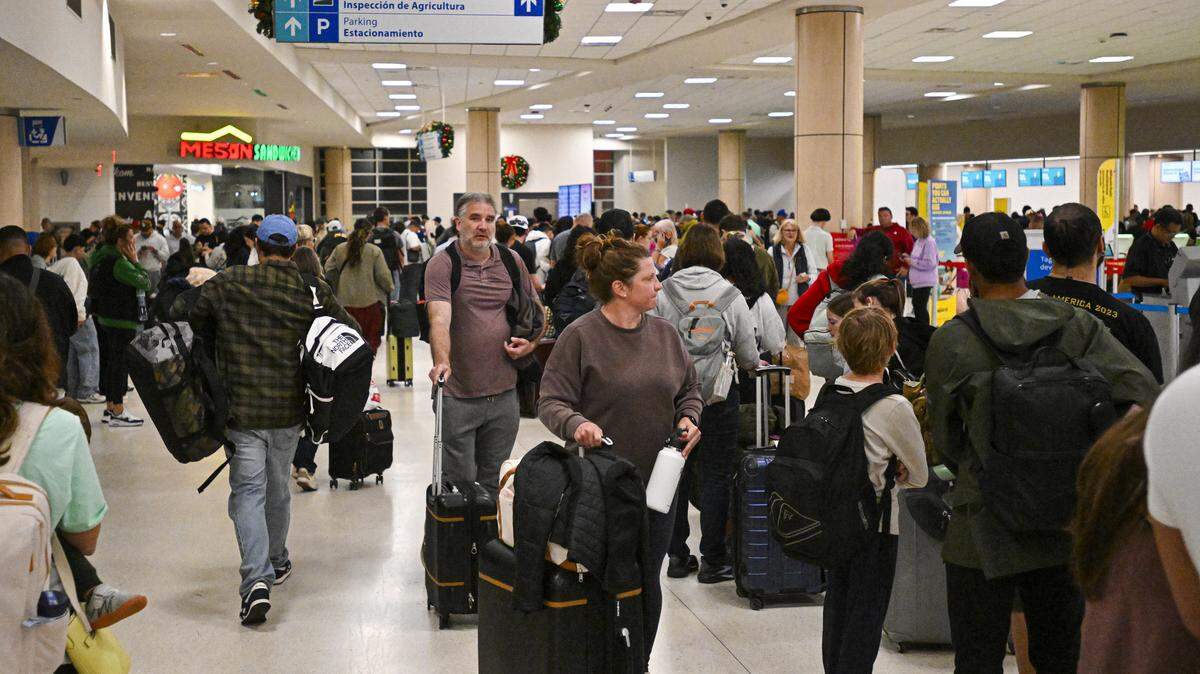
Many residents bought water, corn flour, butter, cheese, bread, rice, and non-perishable food such as tuna — supplies to get them through in case the fighting lasted several days. Everyone wanted to return home soon, to take refuge, amid fears of possible looting that failed to materialize.
In Maracaibo, Venezuela’s second-largest city, residents took the opportunity to fill up their cars at gas stations. There was enough fuel for hundreds of cars, bikes and trucks. As in recent times, trucks from the state-owned PDVSA oil company arrived to fill the tanks of gas stations.
Promised counterattacks?
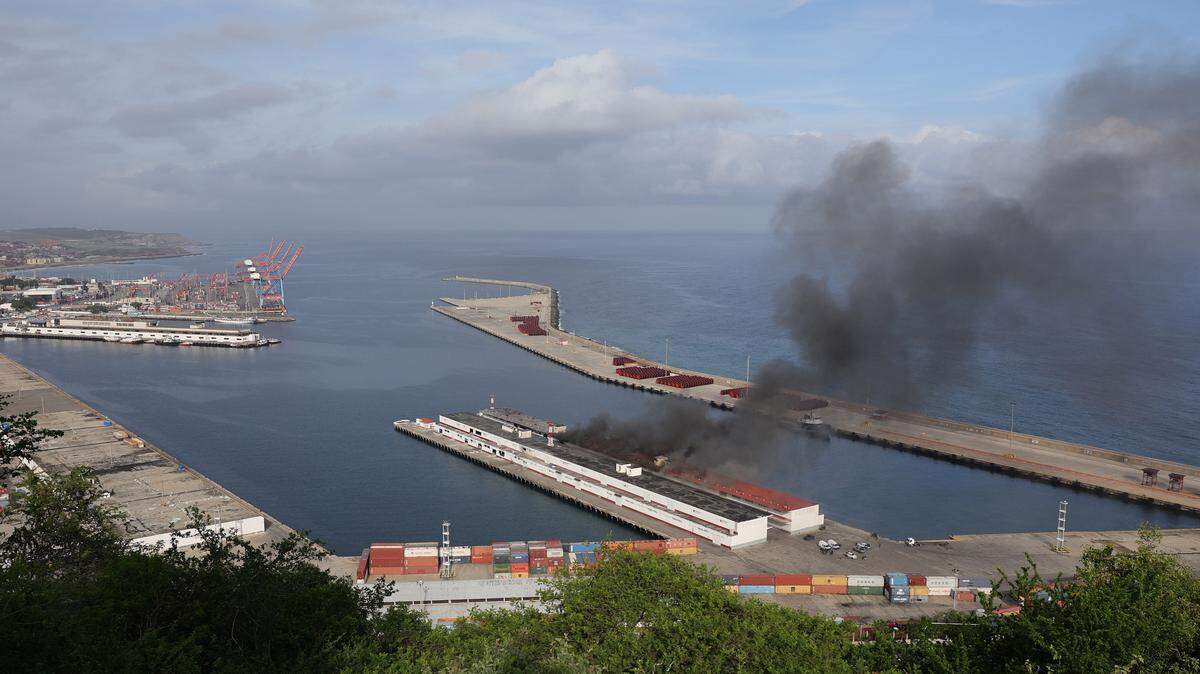
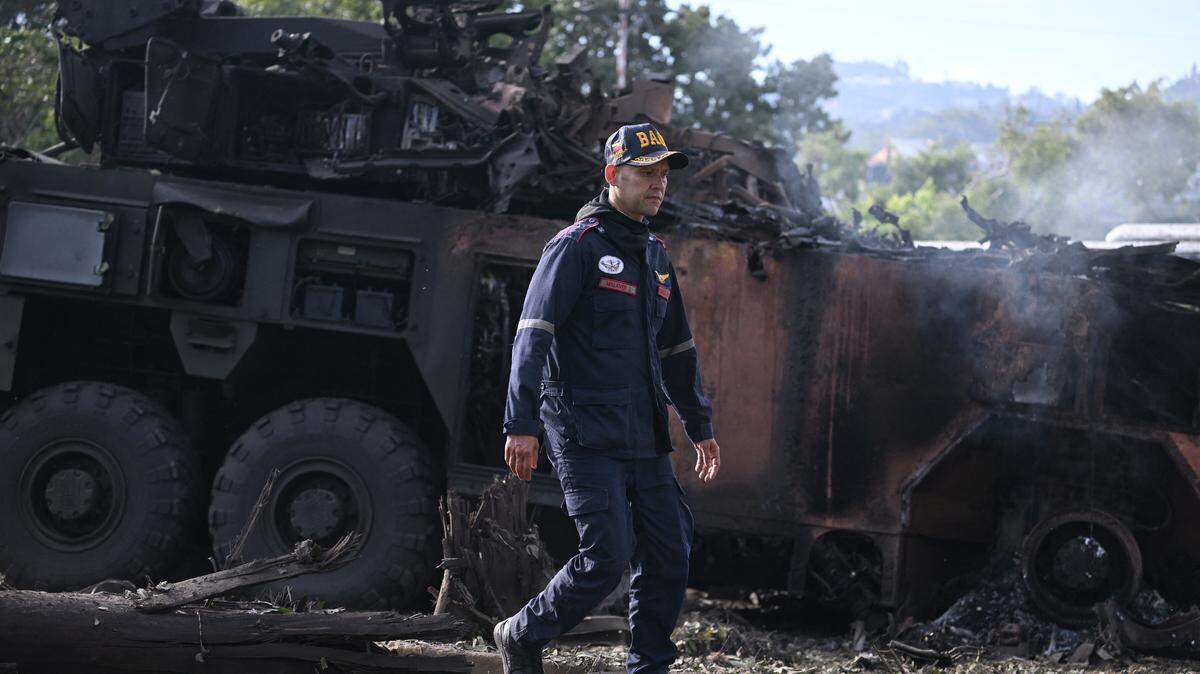
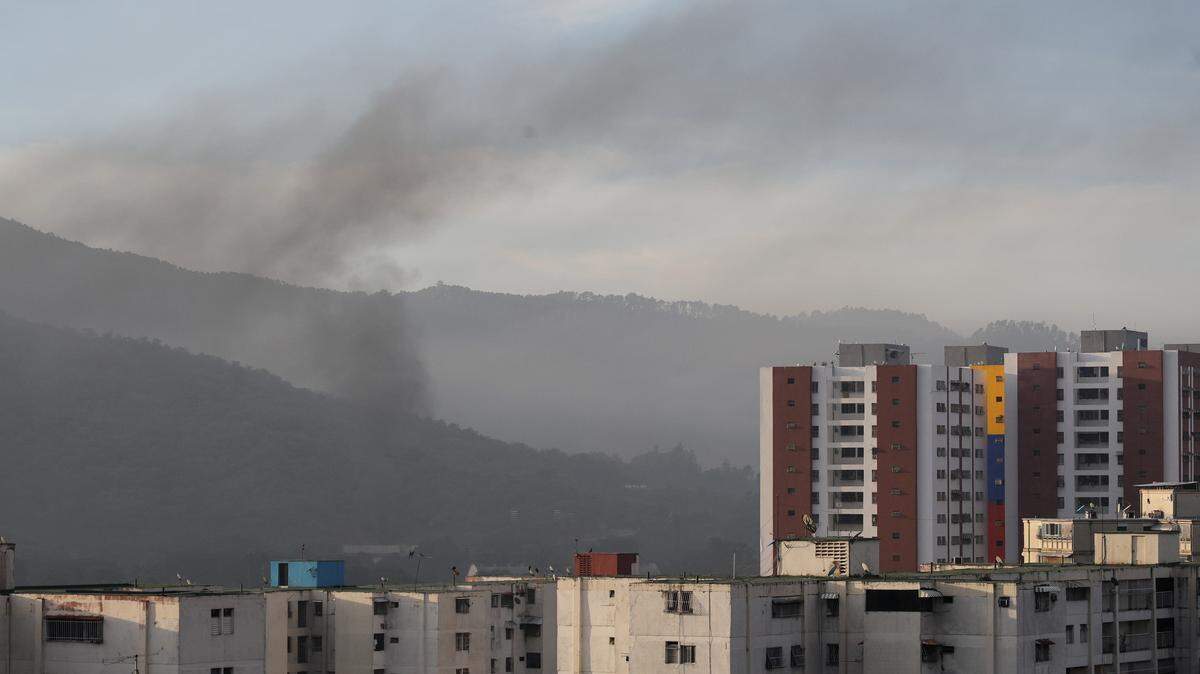
The bombardment in the Venezuelan capital by U.S. forces lasted just over two hours, beginning around 2 a.m. In the midst of the explosions many Venezuelans waited for the promised counterattacks by strongman Nicolas Maduro’s armed forces and paramilitaries.
But the counteroffensives from the Venezuelan government were largely missing in action.
As daylight broke in Caracas and cities like Maracaibo, Barquisimeto, Valencia, Ciudad Bolívar and Margarita throughout the country the sunshine revealed desolate streets and shuttered businesses.
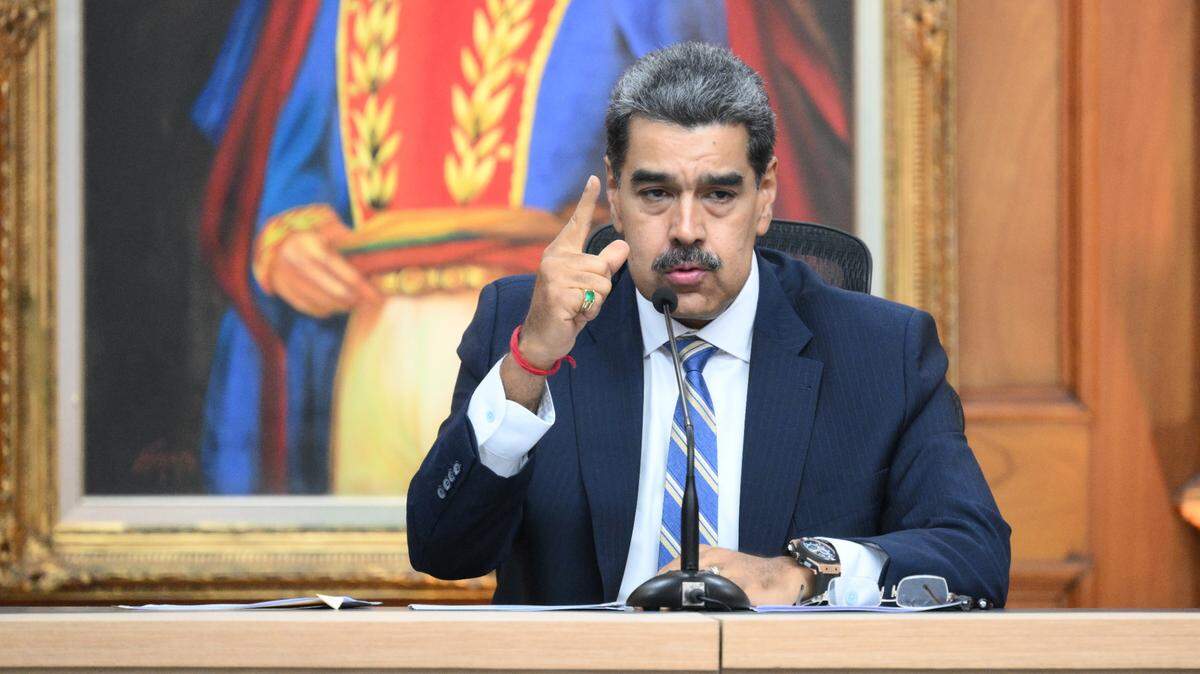
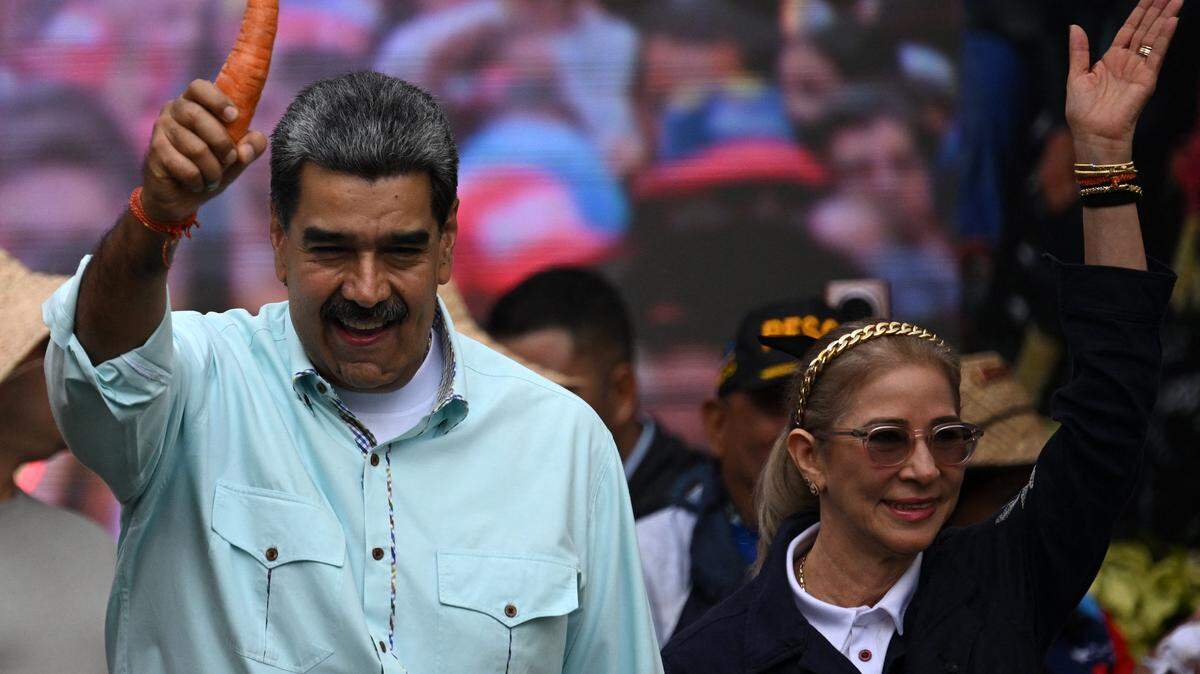
Then came the news from Trump, posted on social media, that Maduro and his wife, Cilia Flores, had been captured by U.S. military forces in Caracas and flown out of the country to face criminal charges of “narco-terrorism.” The image of Trump’s post on Truth Social spread like wildfire among the chats and messaging groups of thousands of Venezuelans in and outside the country.
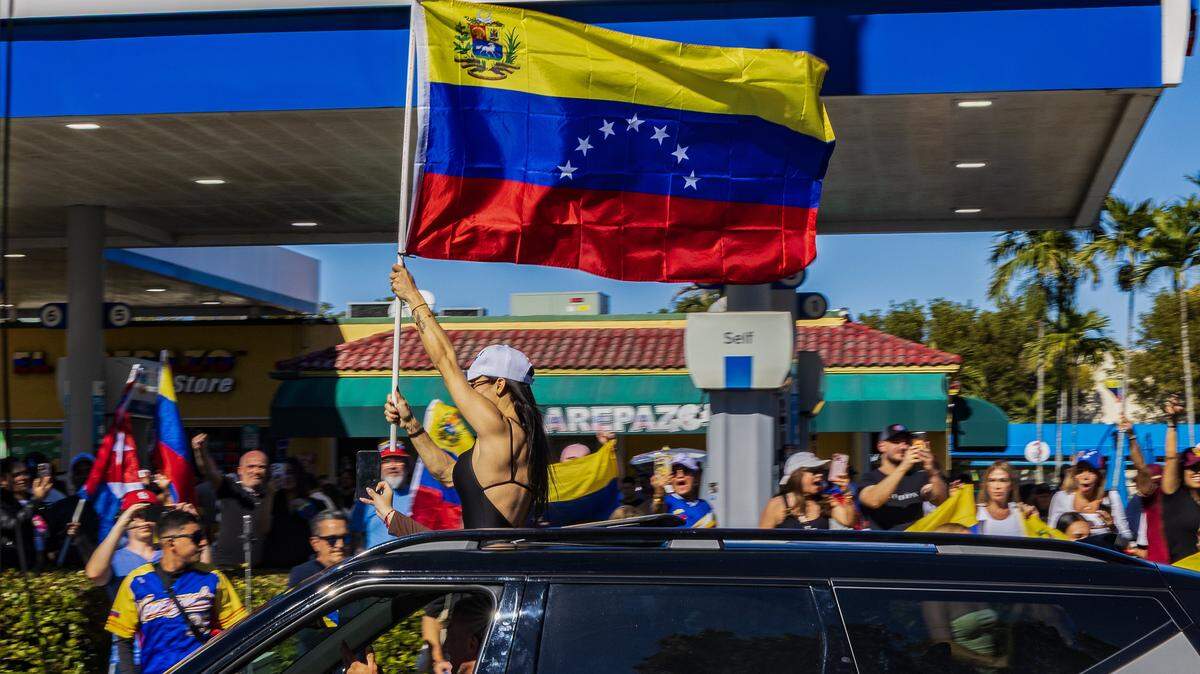
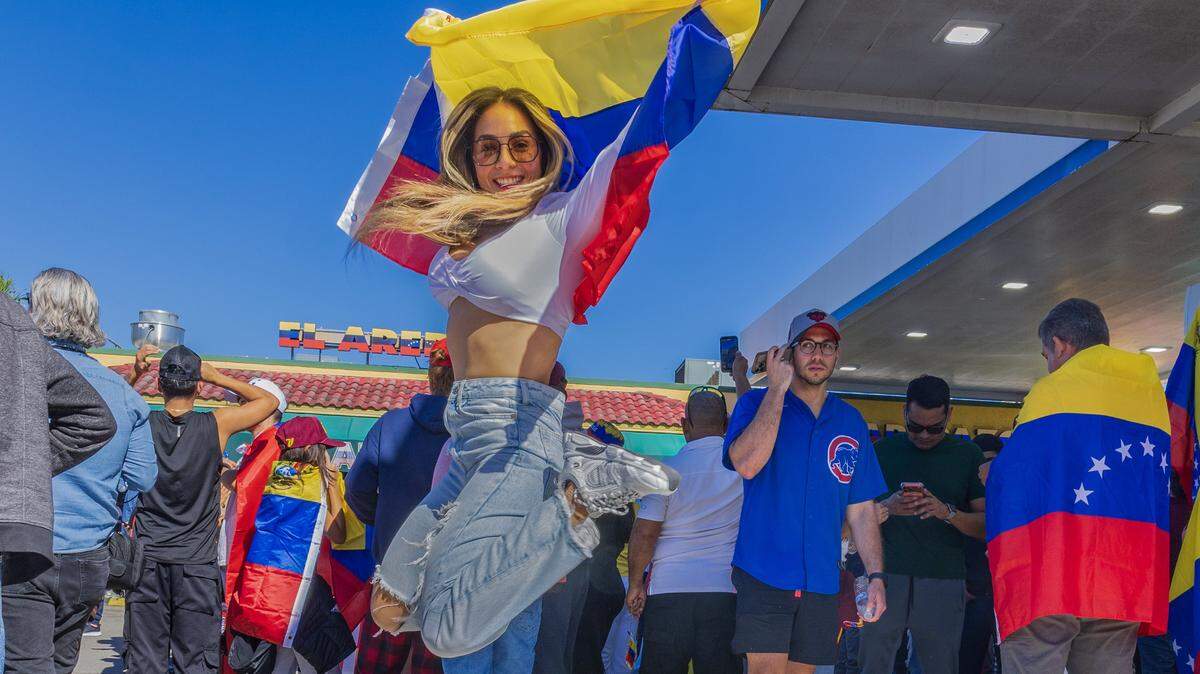
One woman said that she cried with happiness. Another was cautious, waiting for the political history of his country to change again all at once.
Few people appeared to understand the early pronouncements after the bombings by the top leaders of Maduro’s collaborators: Interior Minister Diosdado Cabello called for calm; Defense Minister Vladimir Padrino promised loyalty in the face of a “despicable” attack; Vice President Delcy Rodríguez demanded that the U.S. prove Maduro was still alive.
There were no countermeasures by the armed forces, nor were Venezuelans called to begin a guerrilla campaign in the name of the countgry’s socialist project, as Maduro had announced in the event of foreign aggression. It was as if the enemy had vanished and there was no one to fight anymore in the middle of the day.
“Take shelter, be prudent at home,” a Venezuelan man advised his friends and family in Maracaibo. There was fear of expressing themselves freely on social networks and friends recommended to each other to delete chats if they left their homes, because police might check their phones for signs of disloyalty..
On the state channel Venezolana de Televisión, statements from governors and mayors allied with Maduro demanding his release were broadcast along with live transmissions of uniformed men and dozens of government sympathizers condemning the U.S. attack.
But as the hours passed, silence reigned in the streets. There were no crowds, no calls for war or revenge against opponents.
‘Crazy’ and confused
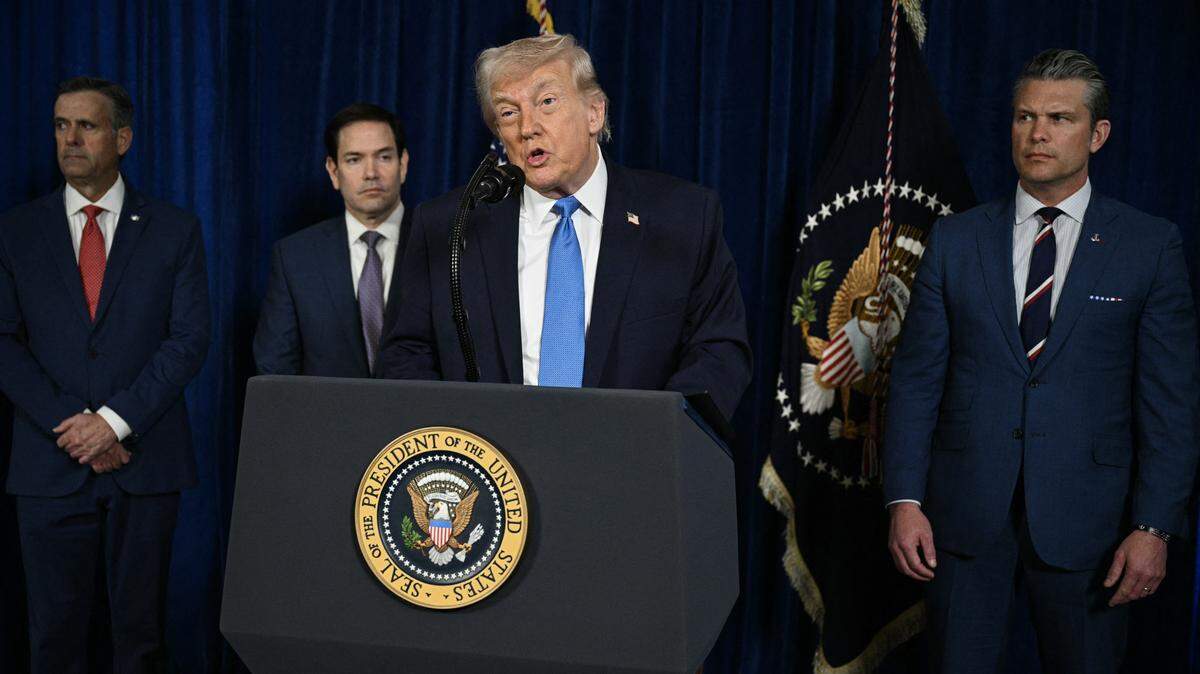
Shortly after noon, many watched Trump’s press conference from his residence in Mar-a-Lago, in which he confirmed the military operation to capture Maduro and his wife in a Caracas fortress and announced that the United States would govern the country with a “team” and its military force until a safe transition is reached.
Trump’s announcement thousands of miles away wiped away uncertainties about the effectiveness of the military operation in Caracas, but created new multiple doubts about the political future of the country, said political scientist Carmen Beatriz Fernández during a long-televised program for independent media outlets.
Trump’s comment dthat Secretary of State Marco Rubio would work together with Vice President Delcy Rodríguez to “do what we consider necessary to make Venezuela excellent again” created confusion among Venezuelans.
Many of those who has been expecting for years the end of the Maduro regime said they were puzzled by the events. “I was crazy and confused,” confided a 45-year employee of a private oil company in response to Trump’s statements about Rodríguez and his interest in Venezuelan oil.
“How is it that Delcy is going to remain as president?” asked one woman, a public employee, who spoke of the accusations against Rodriguez of human rights violations and the country’s dismal economy.
One of the woman’s friends speculated in a private chat trying to console her and to convince herself that the U.S. president’s words made sense: “She accepted Trump’s terms,” she said. “She gave up.”
This story was originally published January 3, 2026 at 5:05 PM.