After Maduro’s capture, Venezuelans in South Florida dream of going home
READ MORE
Strike on Venezuela
What to know about the U.S. military action in Venezuela and the removal of leader Nicolas Maduro.
Expand All
Seven years ago, Lucy Mimo left behind the instability that had marred her family’s comfortable life in Caracas. She hoped the United States would offer her daughter a better future.
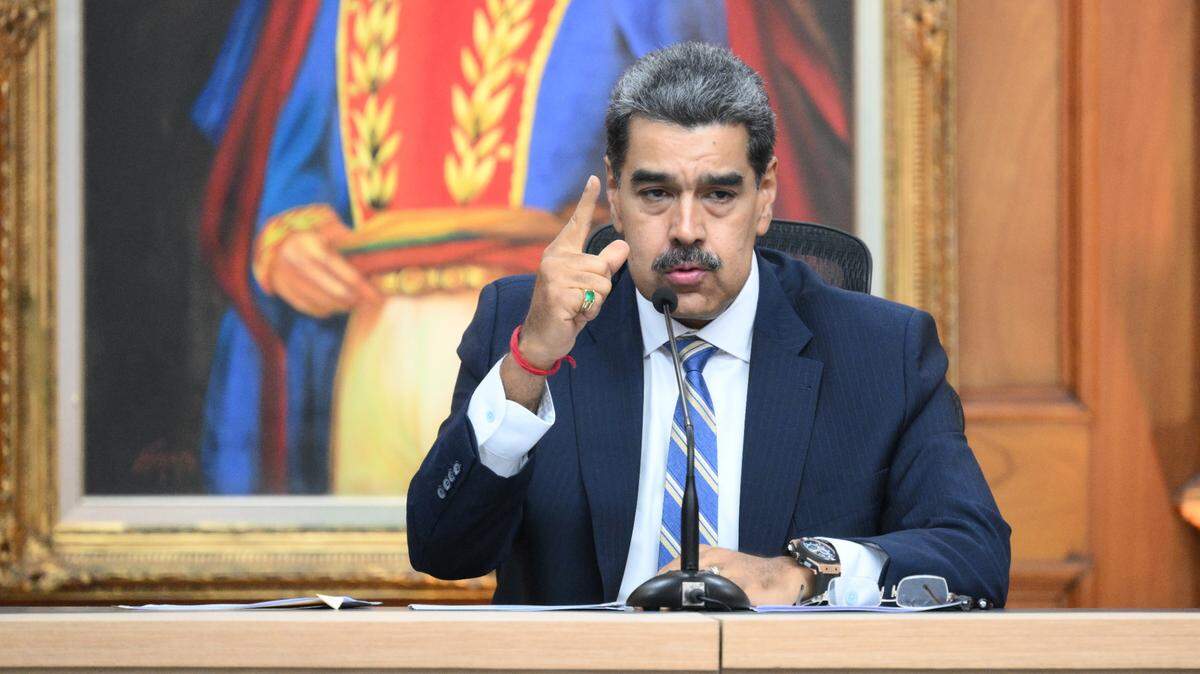
In the years since, Mimo, 47, has become a U.S. citizen. Her child, now 12 years old, has spent most of her life in the United States. But the American-orchestrated capture of Venezuelan Nicolás Maduro on Saturday morning is a moment, she said, for which she’s been waiting for years
Now, she’s watching how things unfold over. But she’s ready to figure out a plan that returns her family to their home and loved ones in Venezuela’s capital as soon as possible.
“Many families have been separated, divided, and scattered across the world,” she said. “It’s time to fight for our country and move it forward.”
Since 2014, nearly 8 million Venezuelans have fled a raging humanitarian crisis. They have suffered inconsistent water and electricity services, fuel shortages, food insecurity, crumbling infrastructure, inadequate healthcare under a government that violates human rights, stifles political opposition and restricts civil liberties.
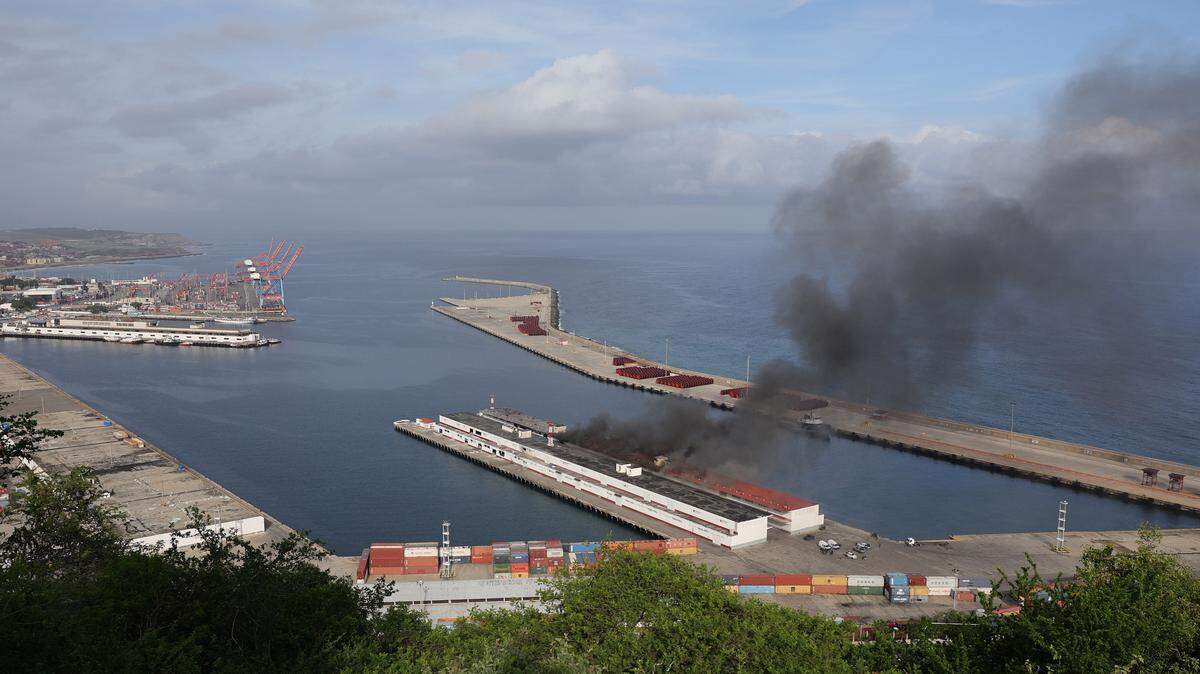
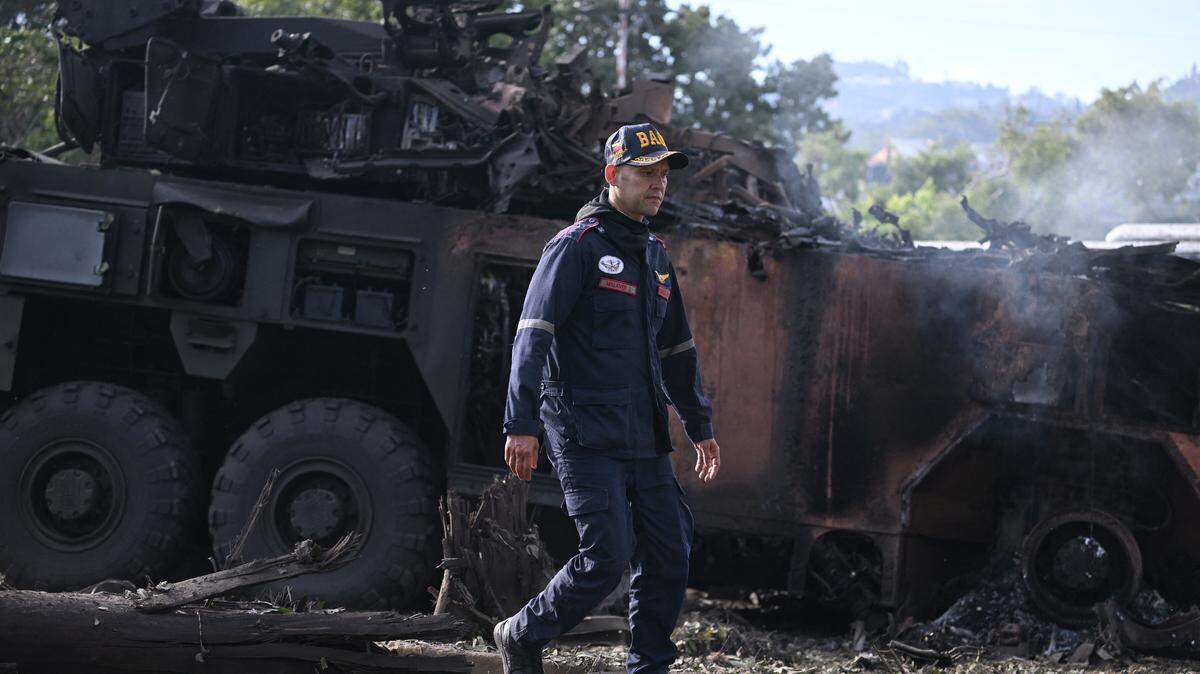
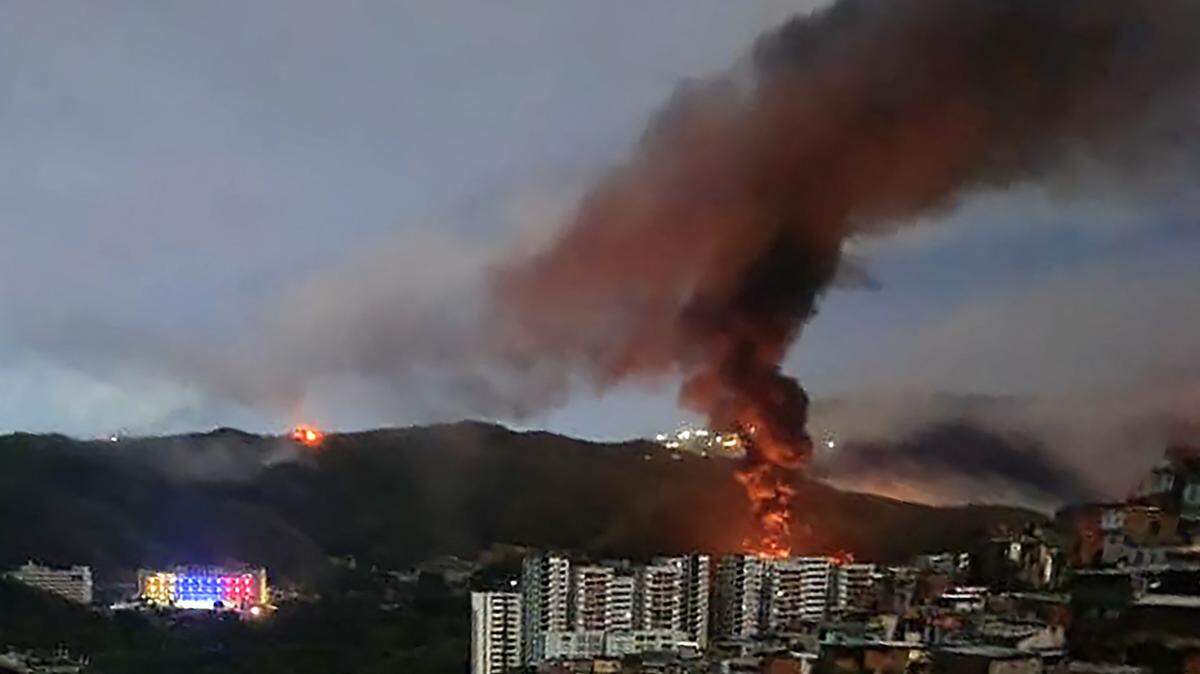
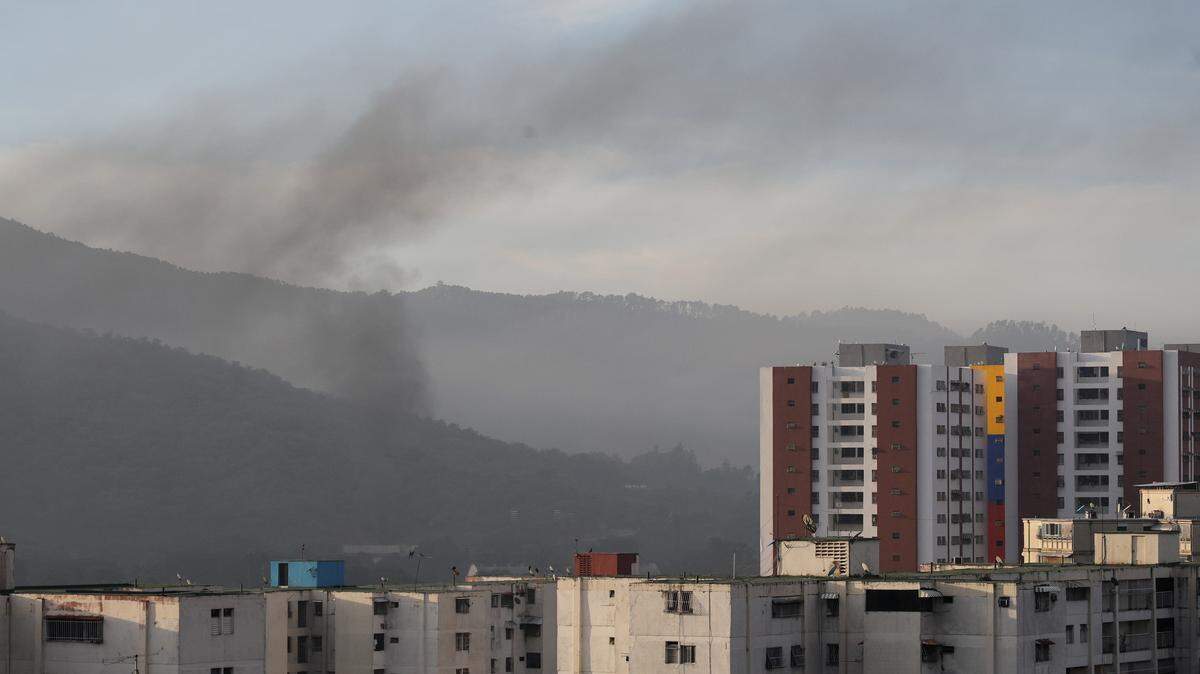
As plumes of smoke from U.S. military attacks dissipated in the night sky of Caracas, the news of Maduro’s capture reached American shores. How the forced ousting of Maduro will play out is unclear, as is what President Donald Trump means when he said Saturday afternoon that the U.S. will “run” Venezuela for now. Many Venezuelans feel like they are now standing on a precipice with no idea what lays below.
But despite the questions looming over the country and its people, the strongman’s expulsion has left many immigrants who found sanctuary in South Florida wondering whether, sooner rather than later, they will be able to go home. To help their country prosper, to reunite with their loved ones, to live and die on the land in the land they were born.
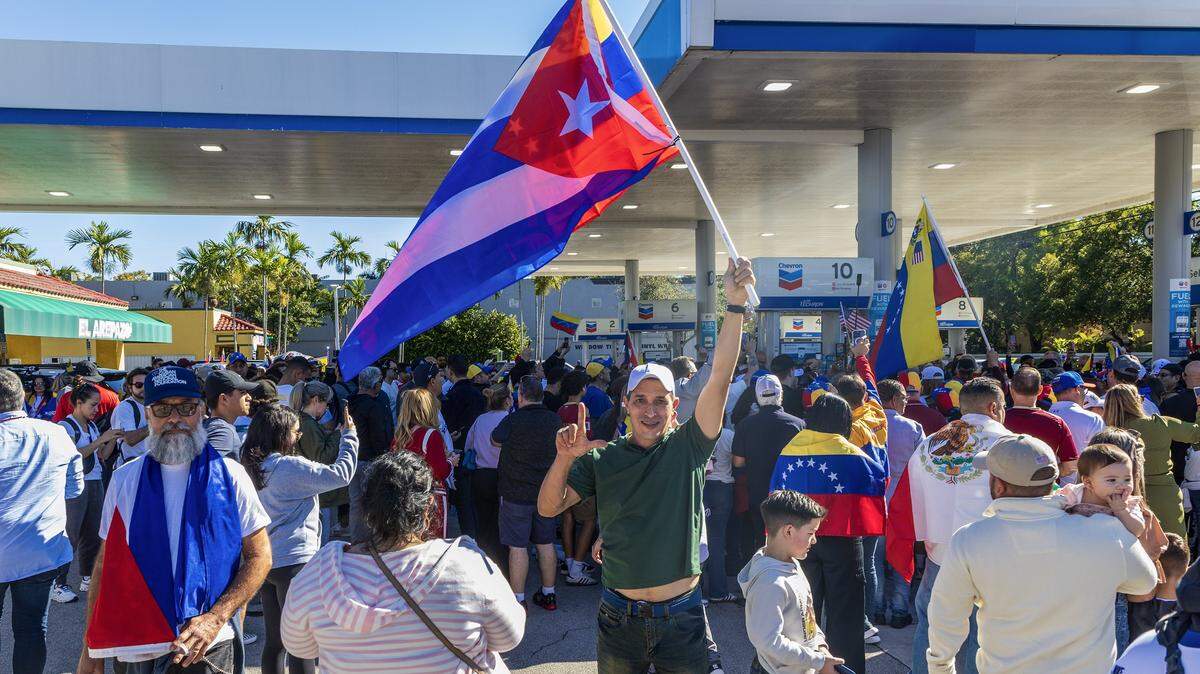
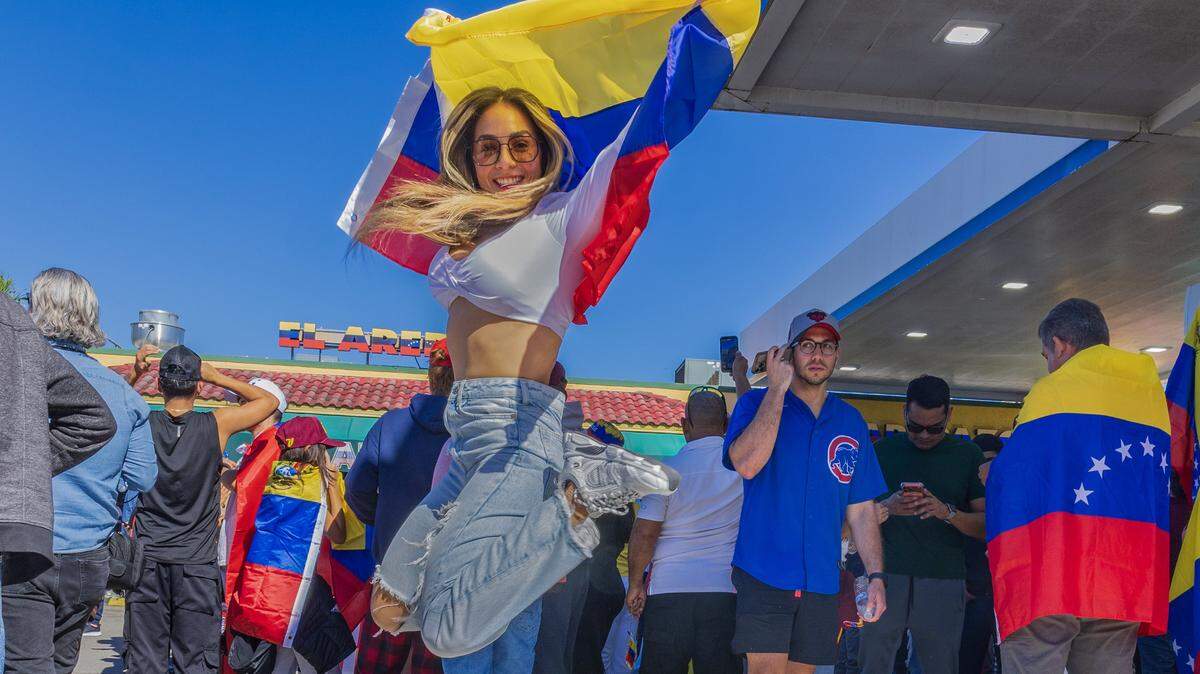
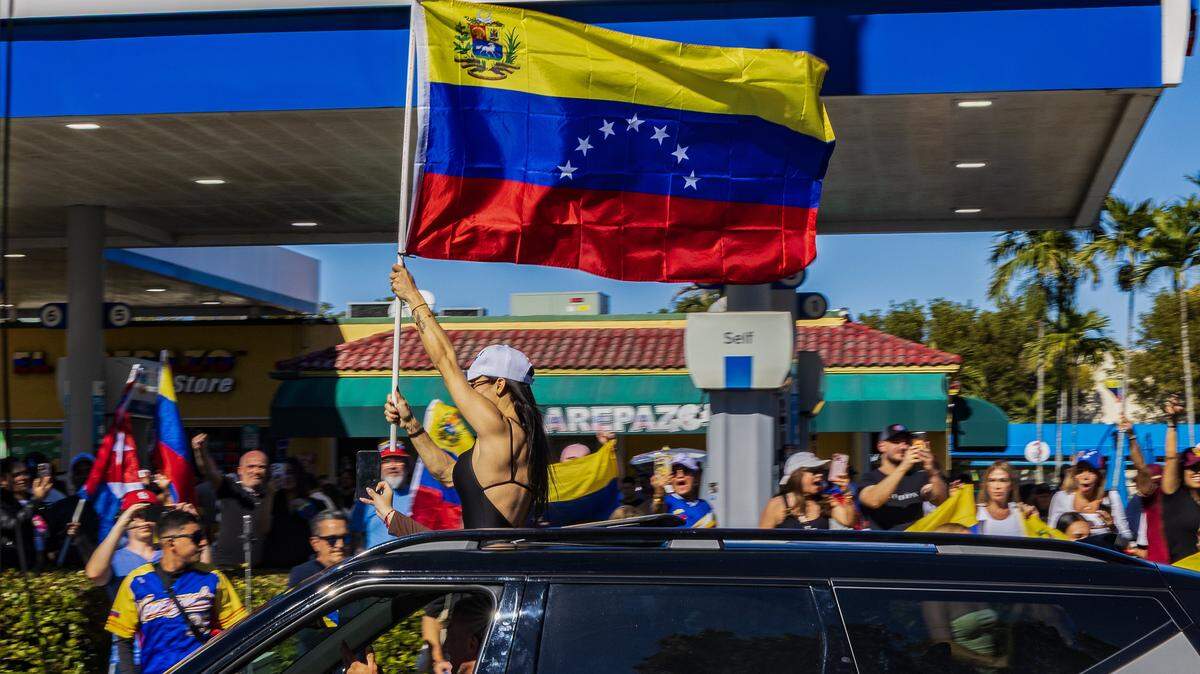
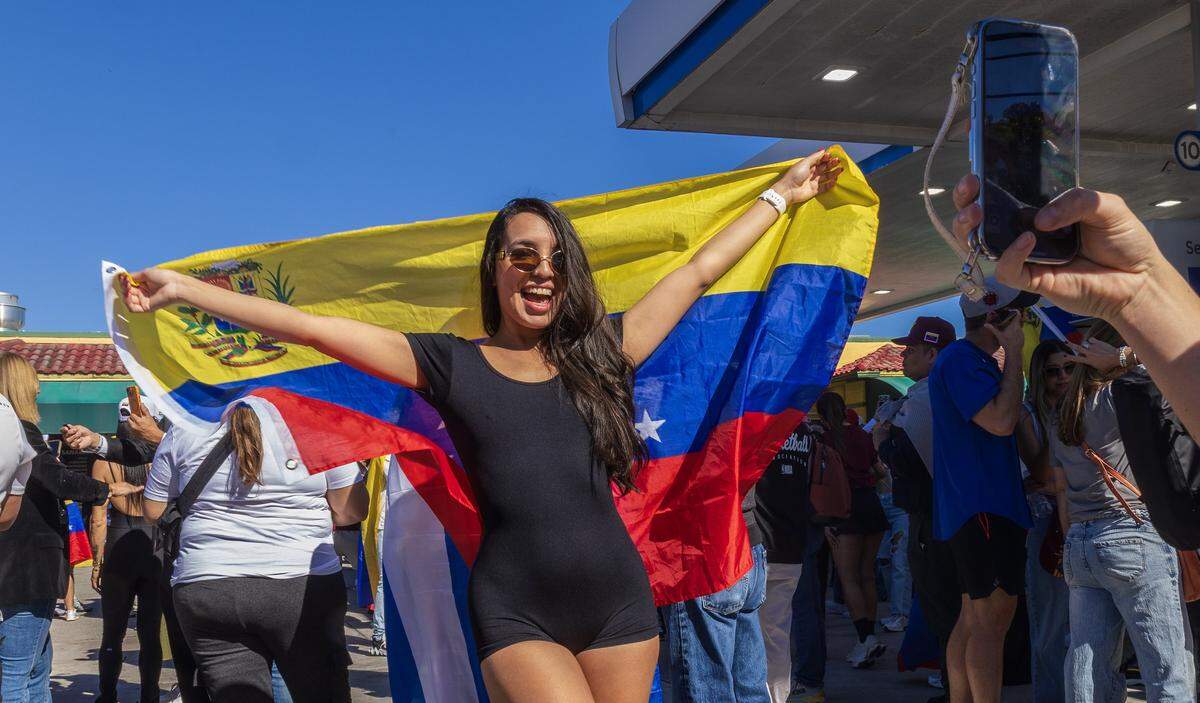
Irasel Carpavirez, 50, a former lawyer, celebrated on Saturday at El Arepazo, the Venezuelan restaurant in Doral, alongside hundreds of her countrymen. Nearly everyone was draped in Venezuelan flags or wearing hats and jerseys in the national colors, turning the crowd into a sea of red, blue and yellow.
She told the Miami Herald she is ready to return and hopes doctors, lawyers, engineers, teachers and other professionals will too.
“I think this is the moment to return to Venezuela and rebuild,” she said. “Everyone has to come back because Venezuela has to rise from the ashes.”
‘We’re going to run the country’
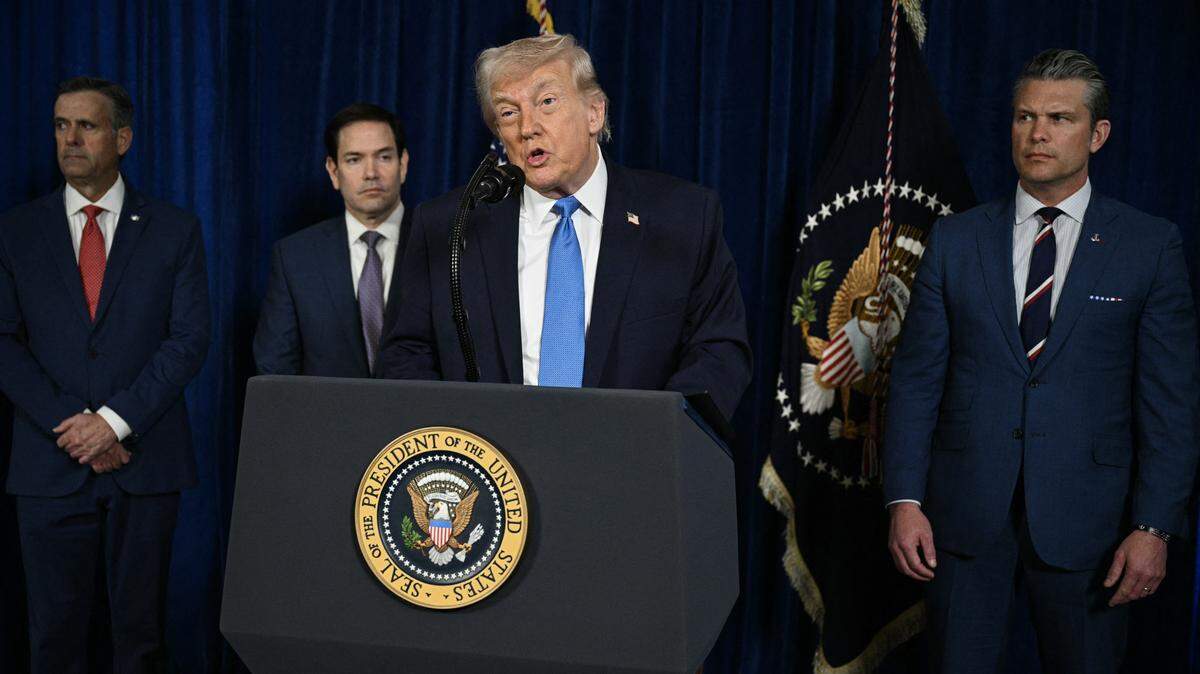
During a press conference on Sunday, Trump said the United States would “run the country” until a “proper” transition of power can occur and that American companies would build out the oil infrastructure.
“We want peace, liberty, and justice for the great people of Venezuela. And that includes many from Venezuela that are now living in the United States and want to go back home,” he said.
But later during the same press conference, he accused Maduro, without evidence, of sending mental asylum patients and prisoners to the United States, what he described as their “worst and most violent monsters.” He also sidelined Maria Corina Machado, the Nobel Peace Prize winner at the helm of Venezuela’s opposition movement, calling her a “very nice woman” but dismissing that she has what it takes to lead Venezuela.
Trump’s comments about Venezuelan immigrants in the United States highlight the contradictions of how his administration has largely targeted Venezuelan immigrants while also calling the country a narcostate run by a dictator.
Only days after returning to the White House in 2025, Trump began his efforts to strip over 600,000 Venezuelans from deportation protections and work permits under Temporary Protected Status. His administration said Venezuela was safe enough for their return, even as the State Department issued “do not travel” advisories for American citizens. His government also invoked a wartime act to deport Venezuelan men, mostly without criminal records in the United States, to a notorious Salvadorean prison and accused them of being gang members.
“I don’t know what other directions this could take, but they certainly are not going to start accepting Venezuelan refugees or restarting Temporary Protected Status. They’ve made clear that regardless of the facts on the ground they are going to pursue their deportation agenda,” said Dave Bier, the director of Immigration Studies at the Cato Institute.
Between February and November 2025, the U.S. conducted 73 deportation flights to Venezuela and sent back 13,656 of its nationals, according to Human Rights First, which tracks removal flights. But as tensions with Venezuela escalated, the Venezuelan government announced that the U.S. had suspended the flights in mid-December.
That could soon change as part of any negotiations between Washington and Caracas, where former Vice President Delcy Rodriguez is now in charge.
“Expect an increase in deportation flights to Venezuela as a condition that the U.S. will require Delcy Rodriguez to meet. These regular deportation flights have been one of the few points of cooperation with Venezuela over the course of the last year,” said Jason Marczak, vice president and senior director of the Atlantic Council.
‘Wait and see’
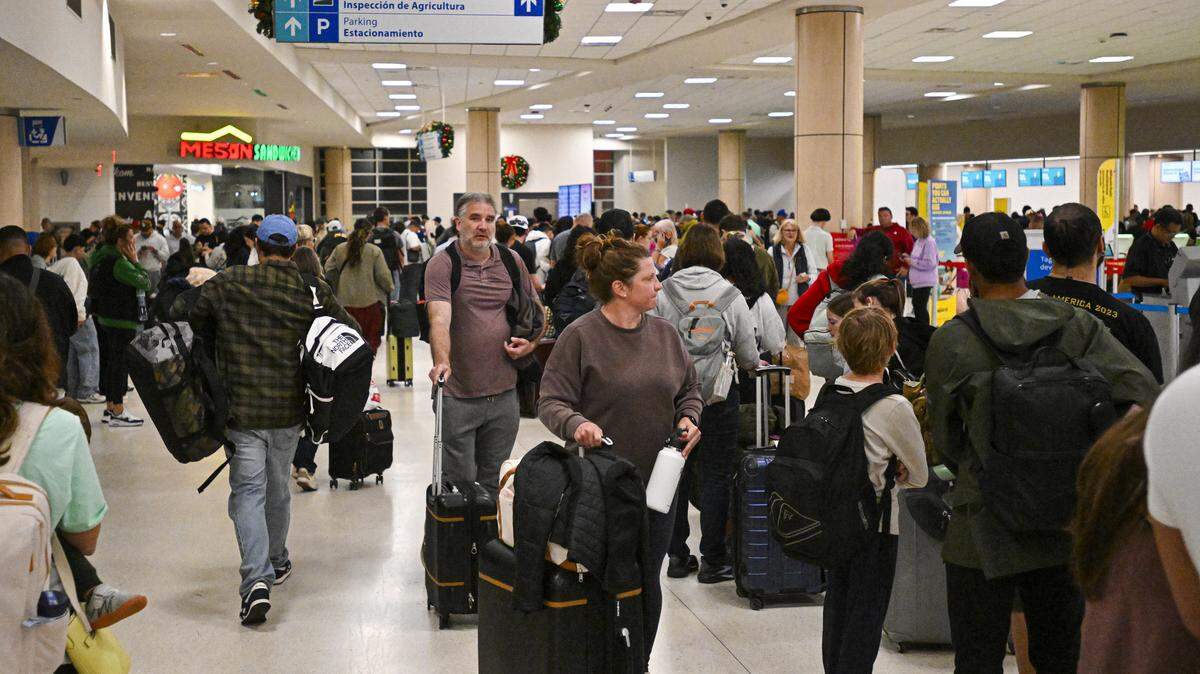
Some Venezuelans in South Florida echoed the uncertainty. In the aftermath of the U.S. operations in Caracas, Venezuelans in South Florida are now weighing what comes next for themselves and their country. What does going home look like? Is it still the same place that I left? Do I stay in the United States, the home I have adopted? Will we be able to take the reins of our homeland’s future?
American immigration policy and ongoing relations between the two countries they call home looms large in their lives.
The first thing Ross Basmadji thought when she heard about the U.S. attack on Venezuela’s capital and the capture of Nicolás Maduro was that she might finally be able to hug her sisters again after eight long years of separation.
Basmadji never wanted to leave Venezuela. But she was targeted for her work in opposition politics and journalism, she told the Herald while speaking El Arepazo, her young daughter in tow. She fled to the United States in 2017.
She’s unsure of when going back might be possible, or how, especially as her own immigration process plays out in the United States.
“We have to wait and see what situation everything ends up in and how things turn out for all of us—the people who are seeking asylum,” she said.
‘I feel I am already part of this country’
Beyond the doubts and confusion, many Venezuelans also felt deep relief at the news of the ousting of Maduro — whose government watchdog groups and independent monitors manipulated the 2024 presidential election to secure victory.
The multitude of emotions and opinions that Venezuelans are living through was on full display at El Arepazo. Venezuelans came together to laugh, cry, dream, and talk about the homeland and heritage they share.
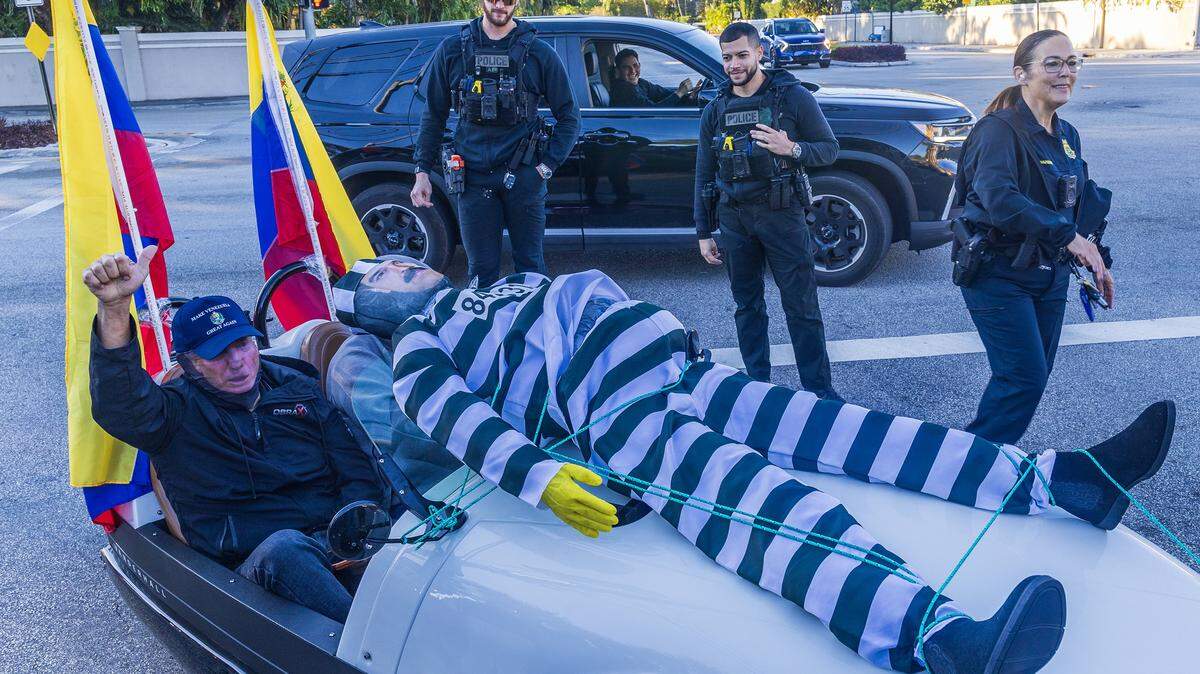
By 3:30 PM, the party had raged for over 12 hours, showing no signs of slowing down. Loud music blared as hundreds of people sang and danced under a heavy police presence. The festivities shut down the surrounding roads.
Among the people celebrating was Rosario Garcia, a 43-year-old lawyer who used to handle domestic violence cases and crimes related to the military justice system. Practicing law in Venezuela was fraught with fear, she said.
“You could be persecuted if you didn’t deliver the kind of justice that a tribunal or a court wanted, you could go to jail if you didn’t applaud a corrupt government,” she said.
In 2016, García moved to the United States. She’s since gotten her green card. For now, she hopes to stay here to earn her American citizenship and contribute to the nation that has given her family safety and opportunity. “I feel I am already part of this country” she said.
But one day, she hopes to return and help rebuild the country’s legal institutions. She said her goal is to teach at a police academy, helping train officers to uphold the law with integrity. “I want to bring the example of this country to Venezuela,” she said, “and help form public servants who truly respect the law.”
Her daughter, a sonography student at Miami-Dade College, hadn’t stopped crying since the morning.
“This means being able to reunite with her grandparents in Venezuela,” García said.
This story was originally published January 3, 2026 at 6:12 PM.