How we reported the Guilty of Grief series
READ MORE
Guilty of Grief
A Miami Herald series about a police shooting of a young man lays bare Florida’s broken mental health system.
Expand All
An important note about how we reported our Guilty of Grief series about Gamaly Hollis’ clashes with Miami-Dade police and the criminal justice system after an officer killed her mentally ill son.
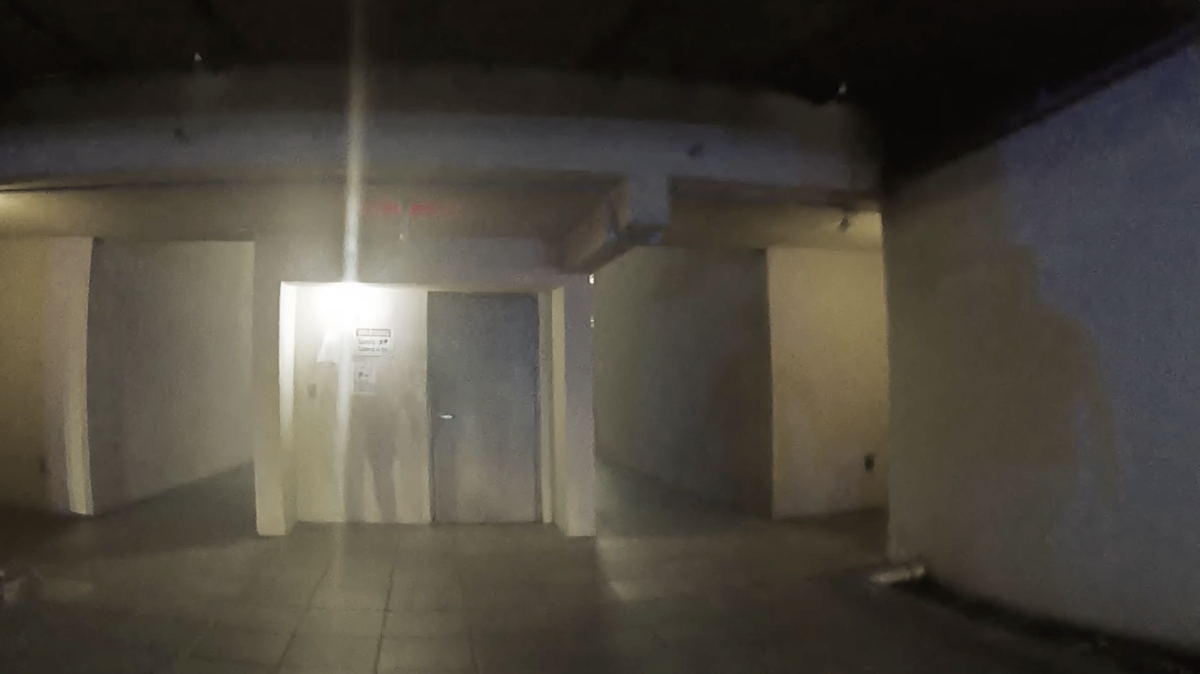
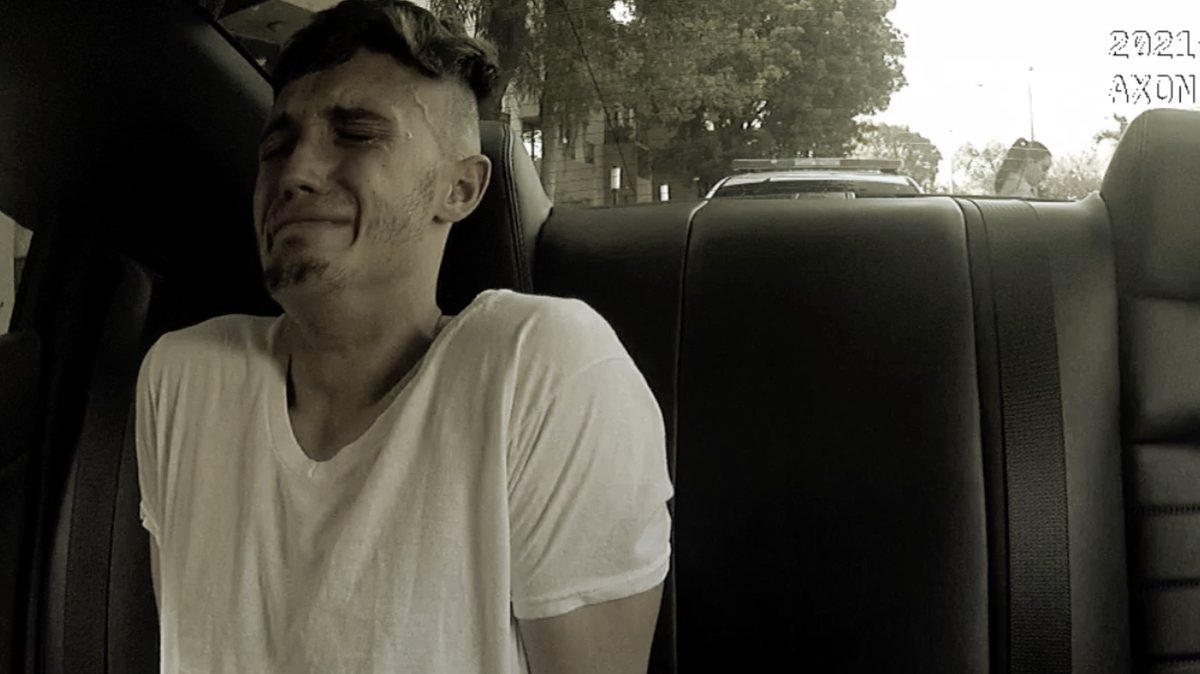
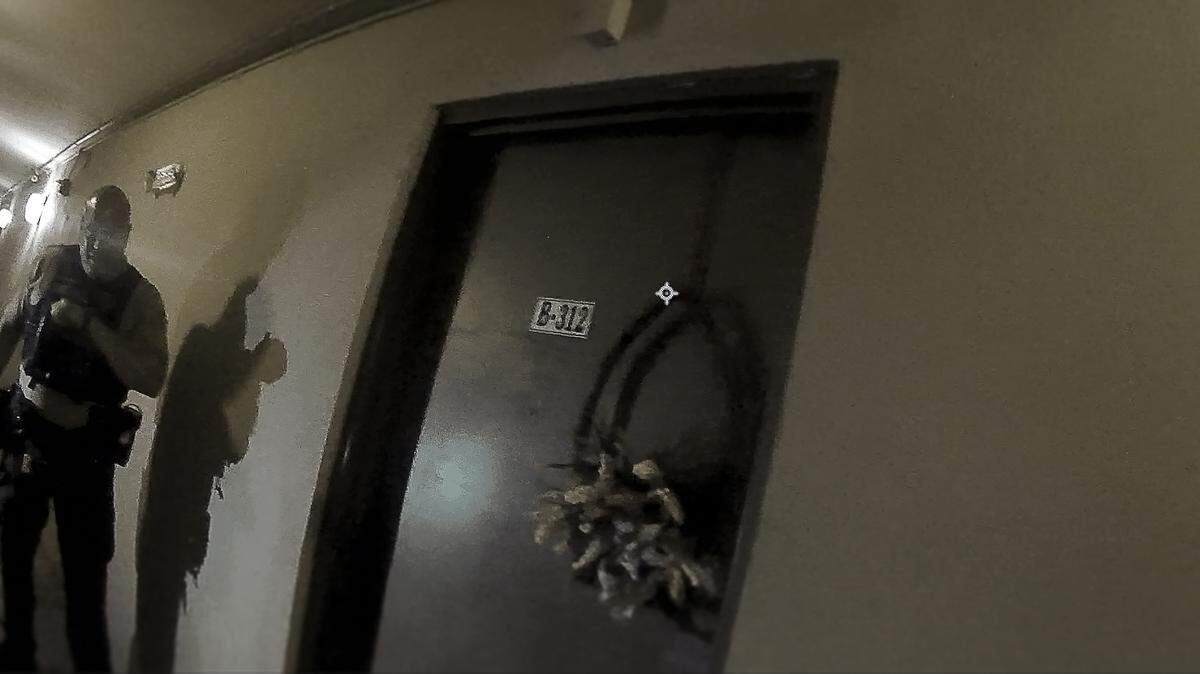
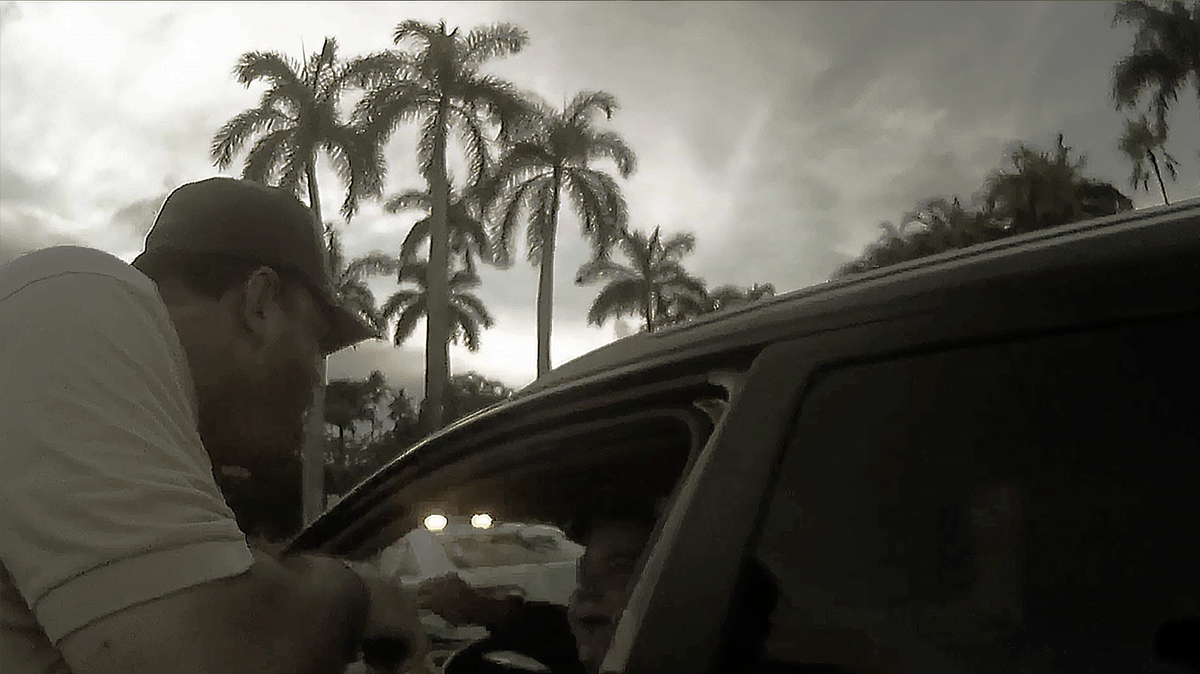
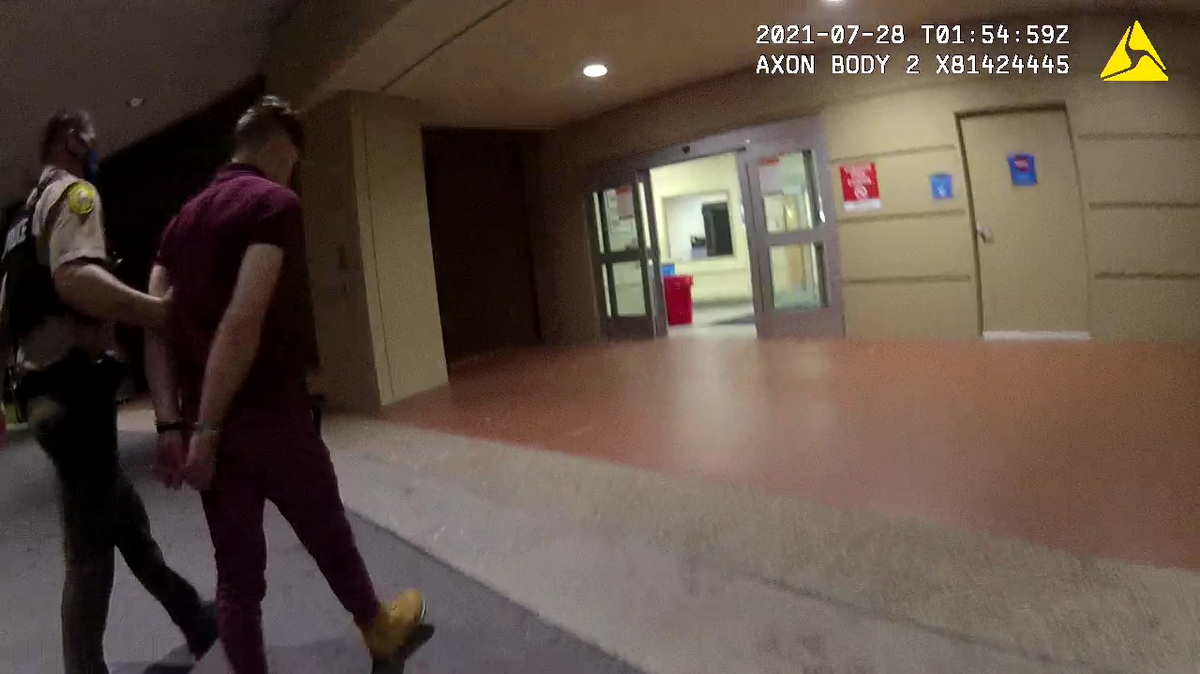
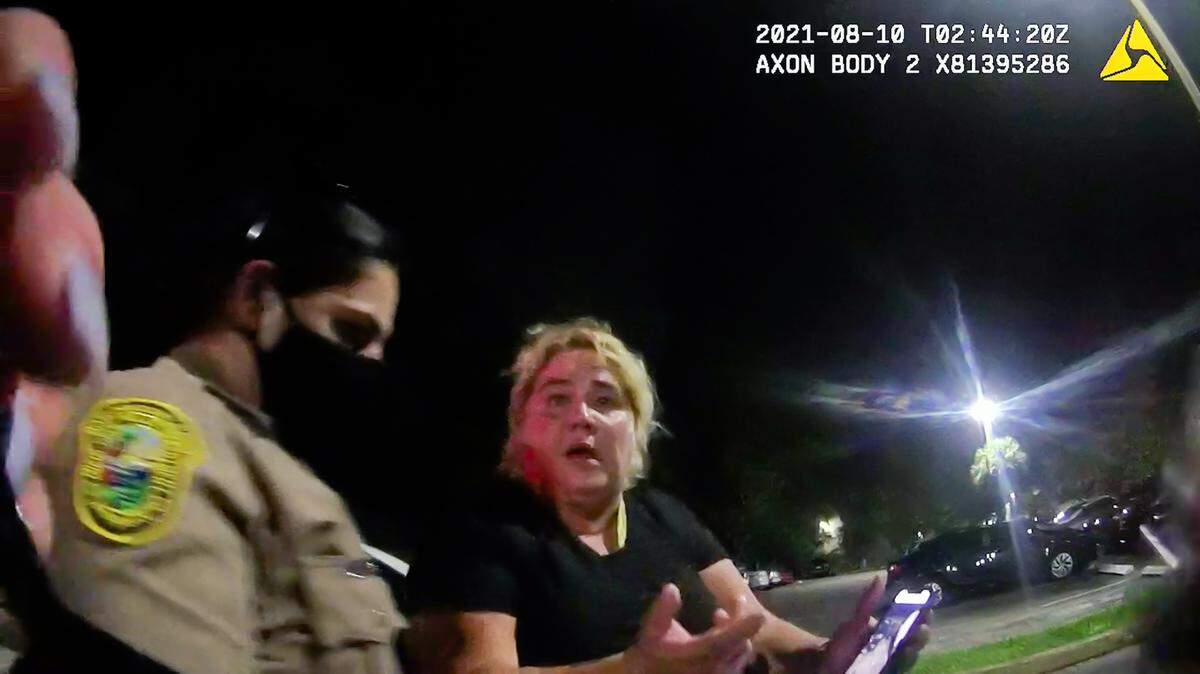
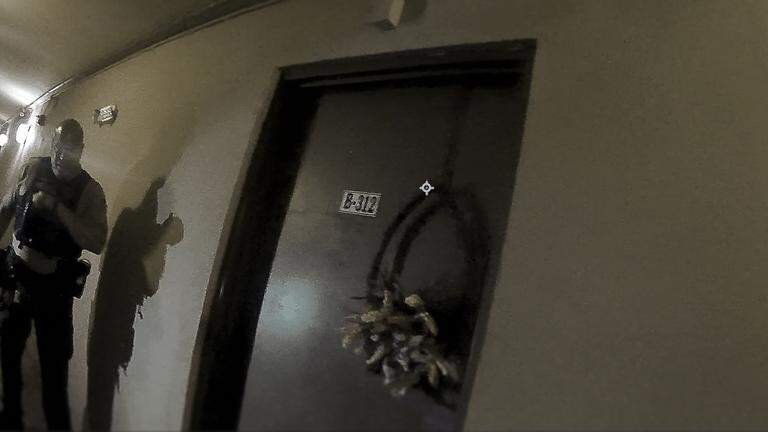
The scenes that are depicted in this series read like Miami Herald reporters were in the Hollis apartment, in the complex’s parking lot, at the Miami-Dade Police Department’s Hammocks District and elsewhere when events occurred. No journalist was in room when an officer kicked in the Hollis apartment door and shot her son, Richard.
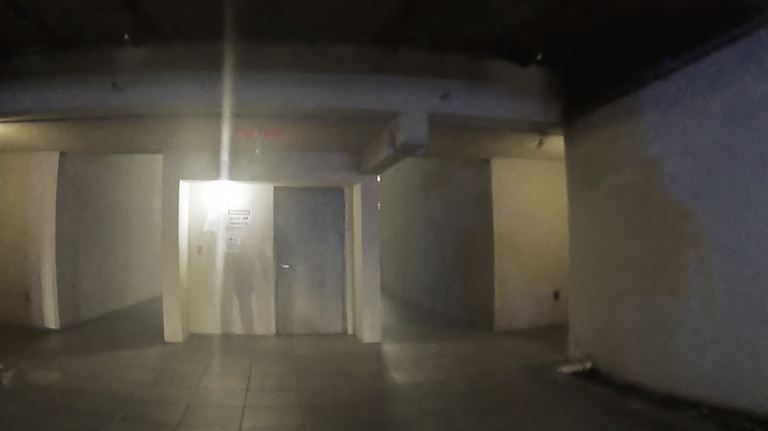
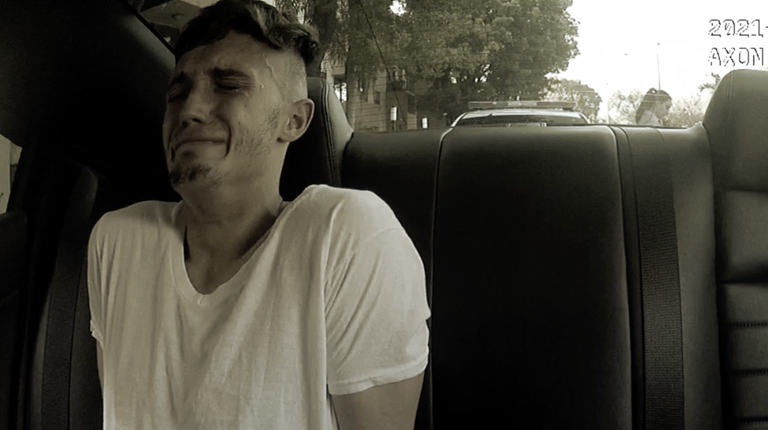
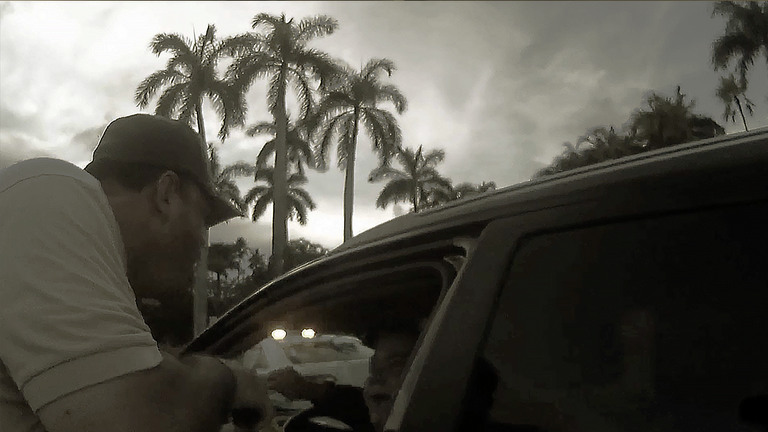
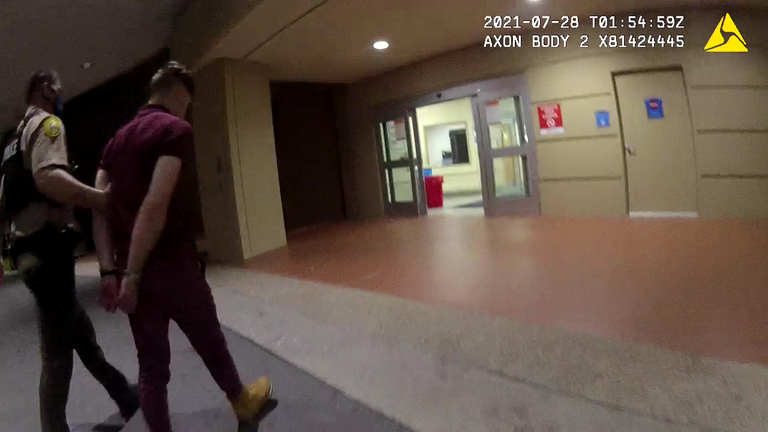
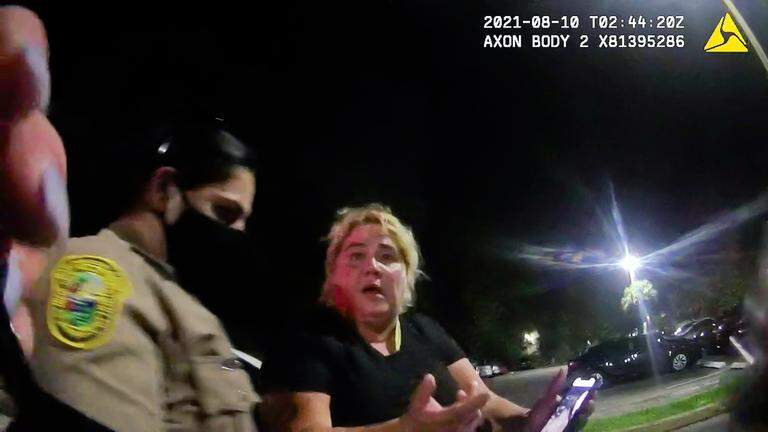
But these critical episodes were recorded on more than a dozen police body-worn camera videos — sometimes offering multiple views — obtained by The Miami Herald. Our reporters spent months examining and transcribing hours of footage that provide the verbatim dialogue for police exchanges with Gamaly and Richard Hollis and enabled us to describe these scenes with immediacy and intimacy. As part of this series, we also are posting all videos in their entirety.
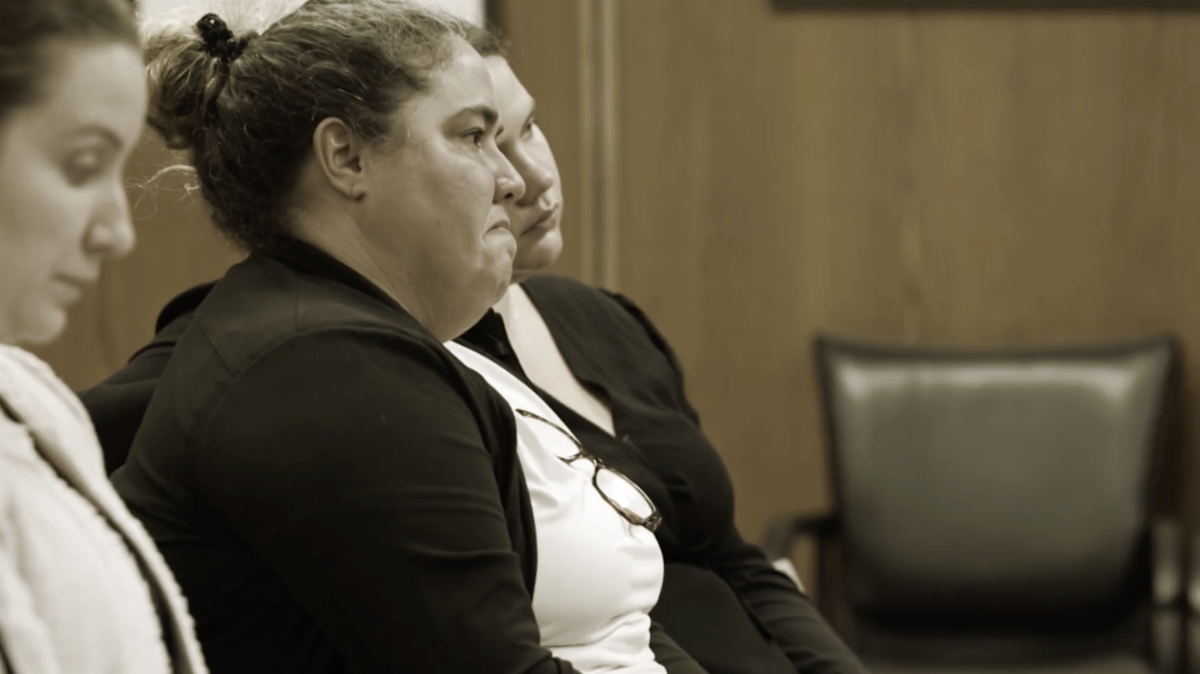
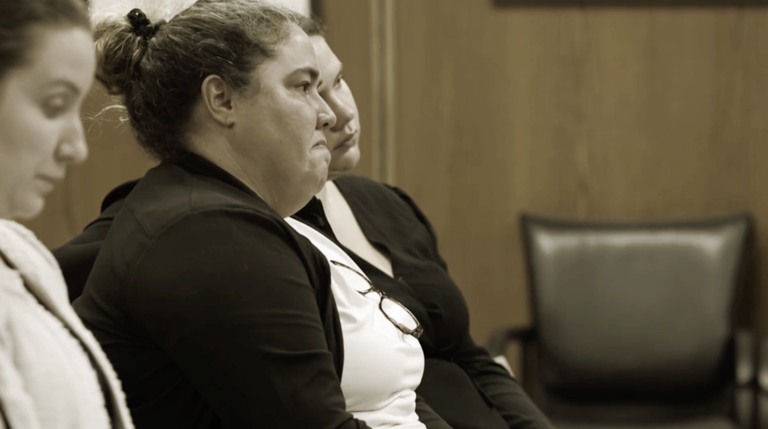
To document Hollis’ experiences with Miami-Dade prosecutors and courts,The Herald reviewed official transcripts of legal hearings, such as Gamaly Hollis’ trial and sentencing, and attended additional hearings in person.
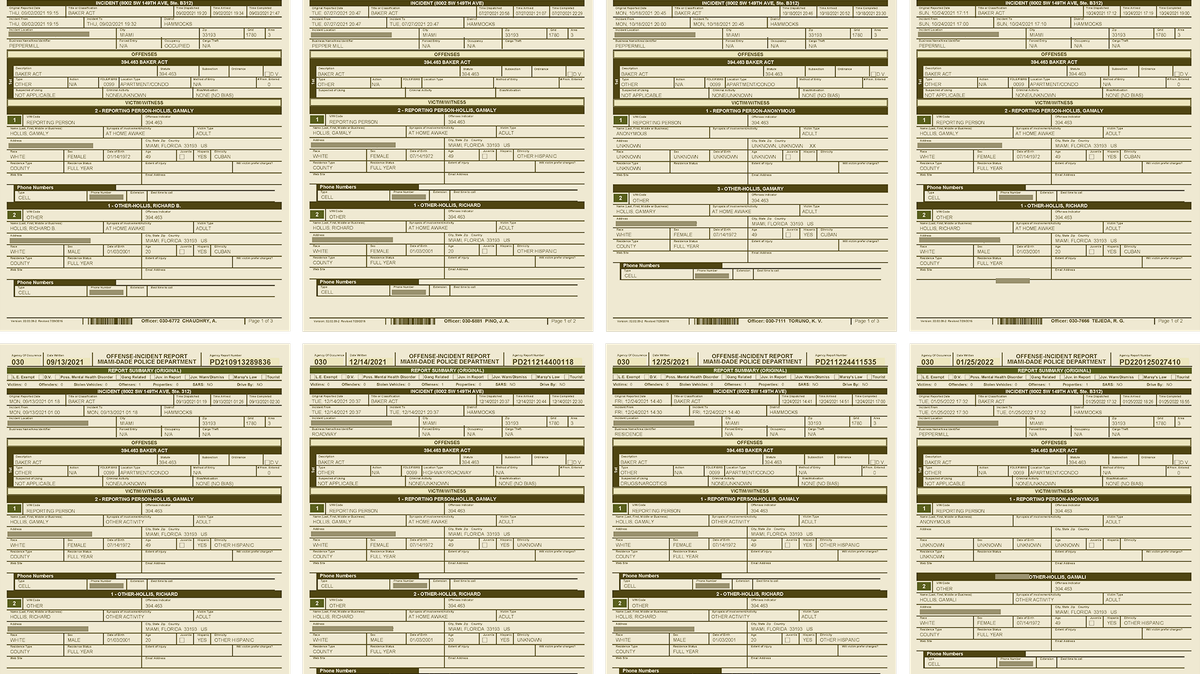
Details of Richard Hollis’ struggles with mental illness were found in 2,000 pages of Richard’s psychiatric records from Kendall Regional Hospital and Southern Winds Hospital, a psychiatric facility in Hialeah – as well as records documenting police encounters ending with a hospitalization under the Baker Act. Richard Hollis’ medical records were shared by his mother.
The Herald interviewed Gamaly Hollis multiple times over several months. Reporters also interviewed Hollis’ neighbors and friends and experts on mental health, policing and the criminal justice system.
To assess the unusual severity of Hollis’ 364-day jail sentence reporters obtained a detailed dataset from the Florida Office of the State Courts Administrator containing more than 4,700 prosecutions for stalking protection order violations across Florida.
Using a spreadsheet generated from those data — most of which did not include sentencing information — the Herald analyzed hundreds of cases from Miami-Dade and Broward counties, looking at the seriousness of charges and the severity of sentences. The Miami-Dade cases were more difficult, because the Clerk’s Office does not make criminal records available online. The Herald therefore relied upon sentencing information culled from records kept by the Public Defender’s Office. Data from both counties were strikingly consistent, showing Hollis’ sentence was unusually harsh.
The Herald also reviewed a variety of other records: Richard Hollis’ autopsy report, Officer Jaime Pino’s personnel file, other police and court records, and social media, among others.
The Herald, in emails and calls, also sought interviews with Pino, and three other officers involved in this story, as well as prosecutors and the judge who presided over Hollis’ trial on charges of violating a stalking protection order.
Through a spokesman, Detective Artemis Colome, Miami-Dade Police Director Stephanie Daniels declined to speak with reporters. “Unfortunately, we are unable to comment or discuss cases when attorneys are involved,” Colome said, noting Gamaly Hollis had filed a wrongful death suit against the department.
Colome said officers who work for the department would not be permitted to speak with reporters, either, as they, too, are bound by the department’s policies.
Ed Griffith, a spokesman for Miami-Dade State Attorney Katherine Fernandez Rundle, said neither Fernandez Rundle nor other leaders would discuss the case. Griffith did give reporters a recent Miami appeals court decision concerning police misconduct, as well as a memo written by Fernandez Rundle’s staff outlining the office’s decision not to file charges against Pino for perjury, as the Public Defender’s Office had sought. “We believe that the materials we have sent you answer all of the issues previously raised,” Griffith wrote in an email.
Eunice Sigler, a spokeswoman for the Miami-Dade judiciary, told the Herald County Court Judge Cristina Rivera Correa, who tried and sentenced Hollis, could not discuss the case. “Judge Correa thanks you for the opportunity to comment; however, judicial ethics rules prohibit her from speaking about a pending case,” Sigler wrote in an email. Sigler provided the Herald a transcript of Hollis’ sentencing hearing, as well as an opinion from the Third District Court of Appeal affirming Hollis’ conviction.
This story was originally published November 14, 2024 at 5:00 AM.