Tragedy on body cam: Miami-Dade police killed her son. Her questions cost her everything
READ MORE
Guilty of Grief
A Miami Herald series about a police shooting of a young man lays bare Florida’s broken mental health system.
Expand All
Warning: This series includes scenes of graphic violence and language.
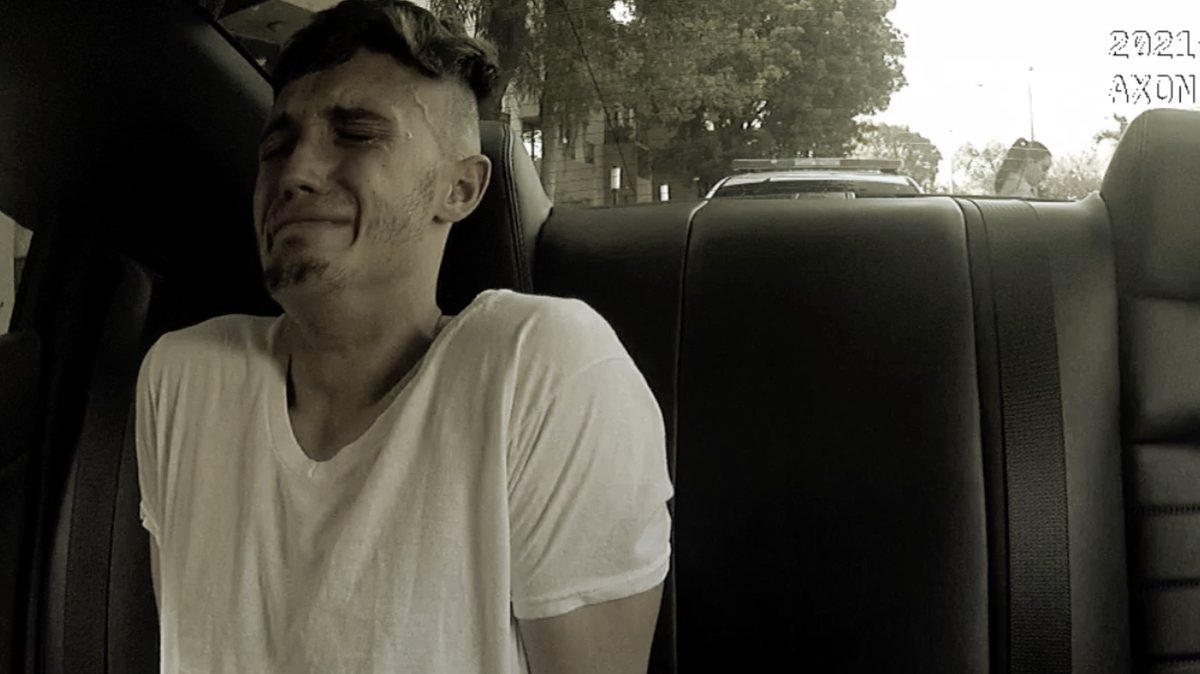
Gamaly Hollis fights to pry a steak knife out of the hands of her suicidal son Richard as he argues with exasperated police officers outside their West Kendall apartment, shrieks about chemicals poisoning food and – terrified of another trip to the psych ward in handcuffs – howls that he is “not mentally f—-ing ill.”
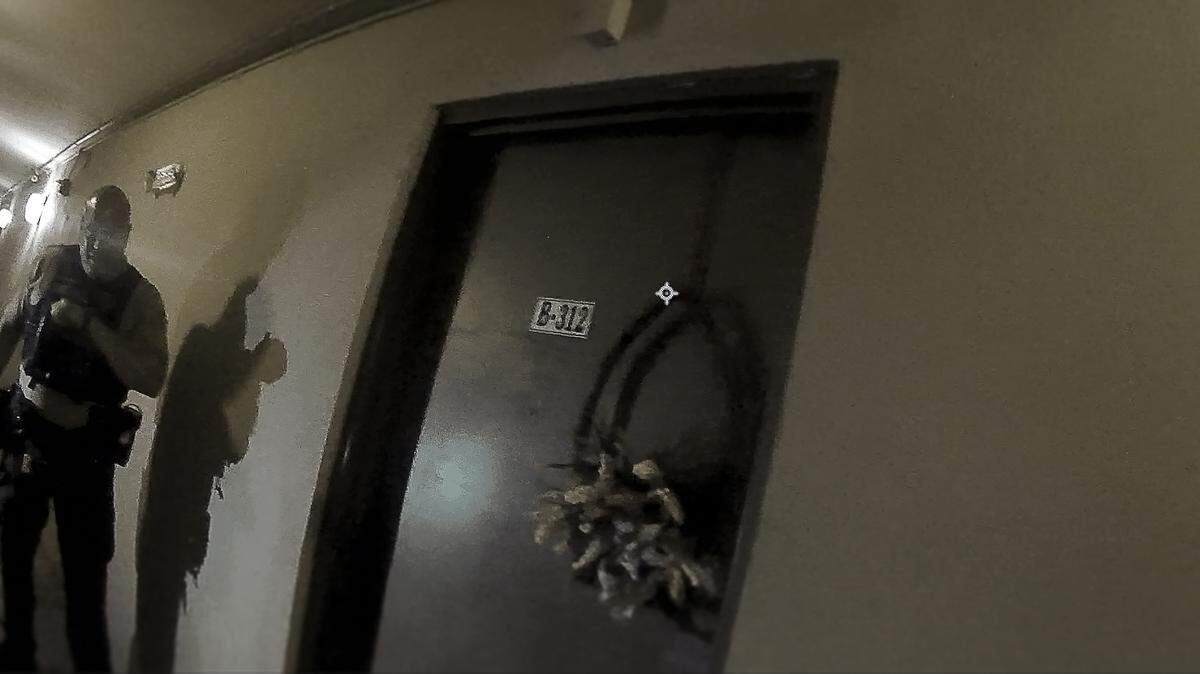
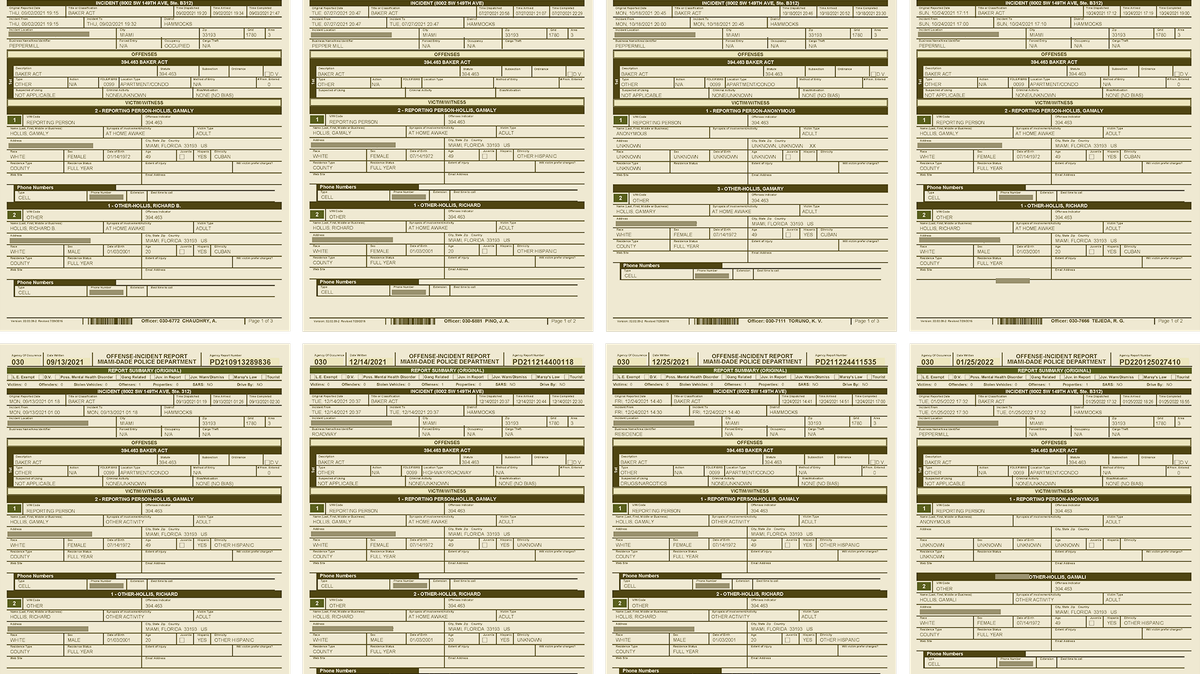
For the 34th time in two years cops have been called by frightened neighbors or Hollis herself to quell the volcanic quarrels inside Peppermill Apartments unit B-312.
But on this night in June 2022, Hollis senses death at the door.
Miami-Dade Police Officer Jaime Pino had warned her 10 months earlier, delivering a prophecy about Richard, a drug-abusing 21-year-old who pinballed in and out of psychiatric care. If Richard everthreatened officers with a gun or BB gun,Pino told her, “I’m gonna kill your son.”
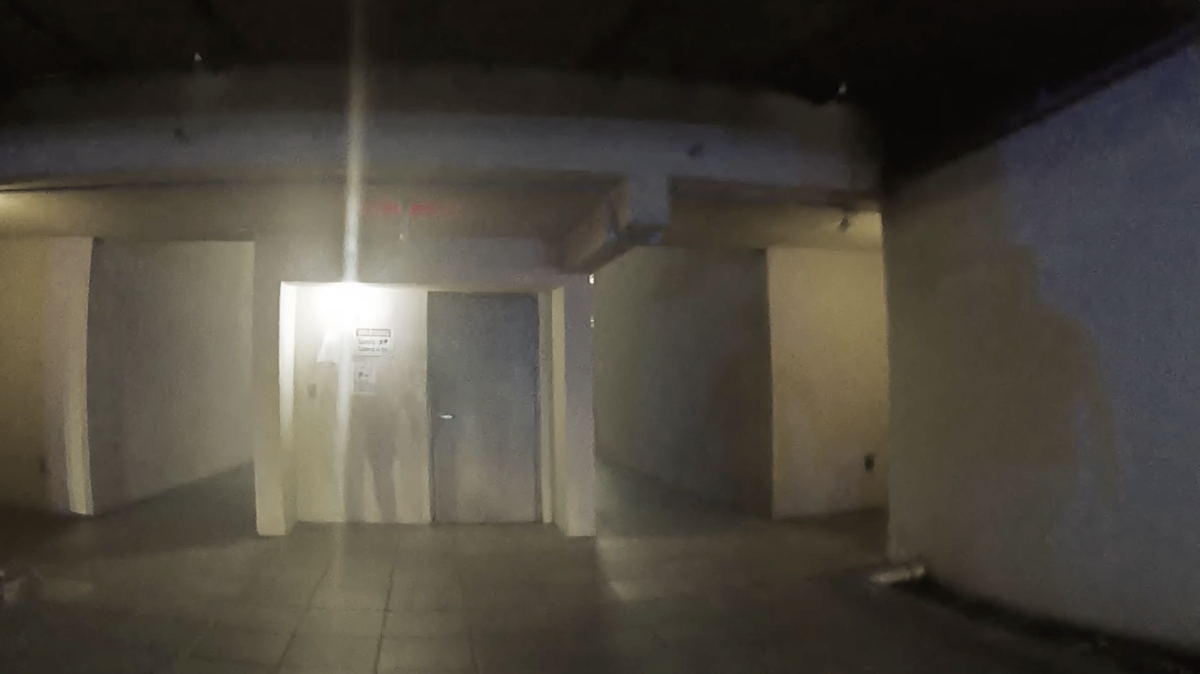
Now, it’s Pino himself marching down the dim hallway and kicking in her door.
During a harrowing 29 seconds captured on police body cameras, Hollis positions herself at the threshold, a human barricade between police and Richard. In the clamor of shouting cops, yelping dogs, scuffling shoes, squawking radios and Hollis’ pleas, Pino commands, “Drop it, or I’m gonna f—--g shoot you.”
Five pistol shots pop like firecrackers in the small kitchen as Hollis watches her only child slump to the floor, his blood pooling on the white tile.
“You killed my son!” Hollis sobs, an accusation that became her mantra.
Unfolding in an extraordinary series of raw, real-time police body camera videos,the family’s interactions with police provide a case study in how Florida’s dysfunctional mental health system serves as a revolving door that seldom leads to lasting help for people like Richard.
The breakdown often starts with street cops like Pino, first responders to volatile psychiatric crises that officers are poorly equipped – by training and instinct – to handle. Pino admits it, telling Hollis, “We’re not social workers.” He and fellow officers largely ignore tactics to de-escalate tensions and inflame them instead.
The Gamaly Hollis saga illustrates what can happen when a powerless person — a 52-year-old widow who makes a meager living selling avocados and mangoes — dares to challenge the largest police department in the Southeastern U.S. and the state attorney’s office.
She made herself into a stubborn pest. The entire Miami-Dade criminal justice system crushed her like one.
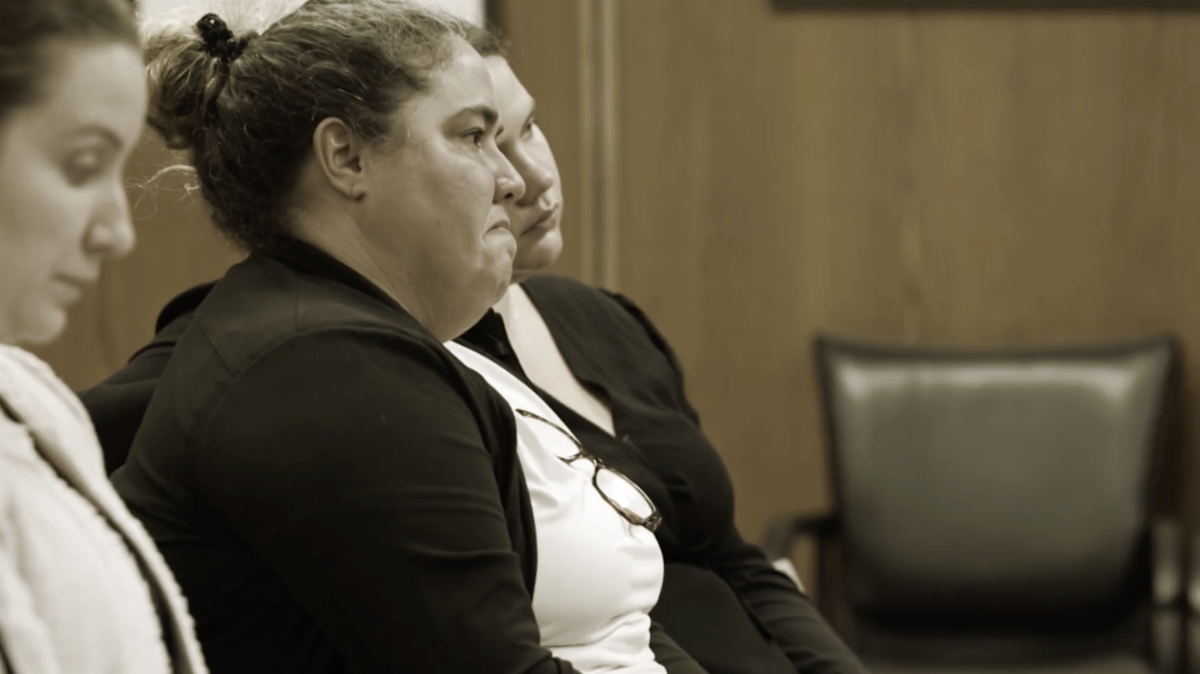
Hollis was arrested for stalking the same police officer who killed Richard. She was condemned by a prosecutor as a mother who failed her child. She was scolded by a judge because she could not “move past” her son’s bloody death. She was jailed for nearly a year for posting Facebook messages hardly anyone read. She served a harsher sentence, the Herald found, than all but a handful of South Floridians convicted of the same offense, among them men who beat their wives or children.
Prosecutors have branded Hollis an “inherent danger to the community.” In a pending trial,they want to put her back behind bars.
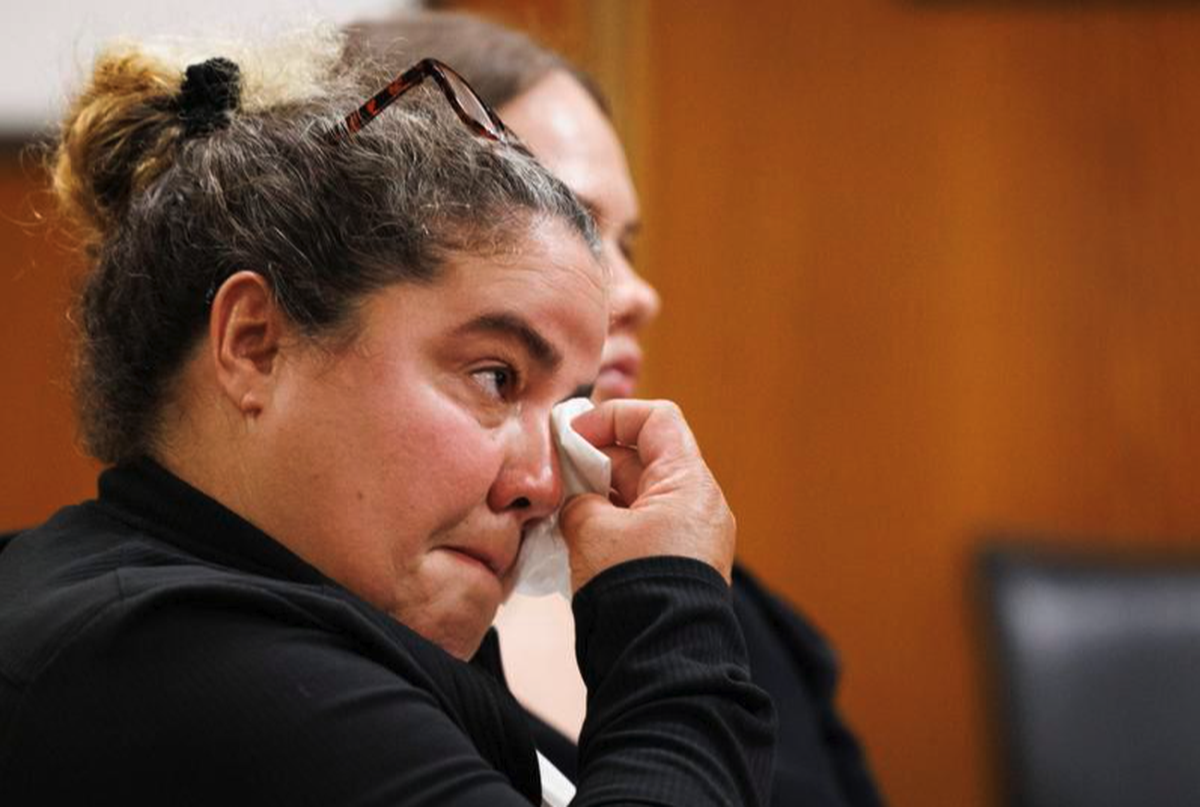
Hollis is the real victim, argue her attorneys in the Public Defender’s Office, failed by one system and punished by another.
Out on bond, Hollis refuses to be silenced.
“Officer Pino killed the love of my life, the pride of my eye, my family tree. He killed me, too,” Hollis told the Miami Herald. “They tried to shut my mouth, but it’s my duty as a mother to expose the murder of my son. I want justice. This is my purpose.”
The Hollis case is a tragedy in four chapters – documented in hours of sometimes excruciating police body cam videos that are the source of most of the dialogue in this Miami Herald series, thousands of pages of court documents and transcripts, police reports and medical records, and interviews with neighbors, witnesses and legal and mental health experts.
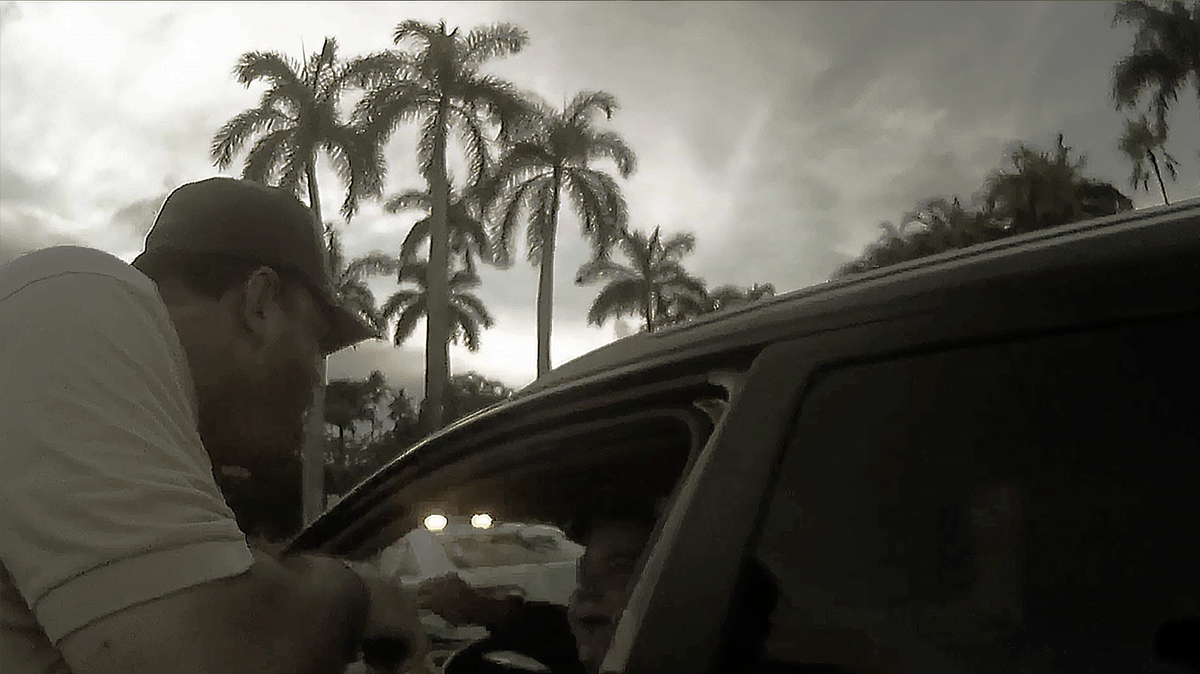
It beginsin August 2021 with a fateful encounter in the parking lot of Peppermill Apartments.
A problem that won’t go away brings police to a West Kendall apartment complex: Richard Hollis, a 21-year-old who has cycled in and out of psych wards in Florida’s dysfunctional mental health crisis system, is causing trouble again.
As officers confront his mother Gamaly, officer Jaime Pino vents his frustration: “We’re not social workers. We’re police officers.” He also issues a warning that would prove tragically prophetic. If Richard posed a threat, Pino would kill him.
Instead of employing tactics that might defuse a standoff with Richard, police break down the door to the Hollis apartment. First in, Pino fires five times and kills the young man, backed into a corner clutching steak knives, before his mother’s eyes.
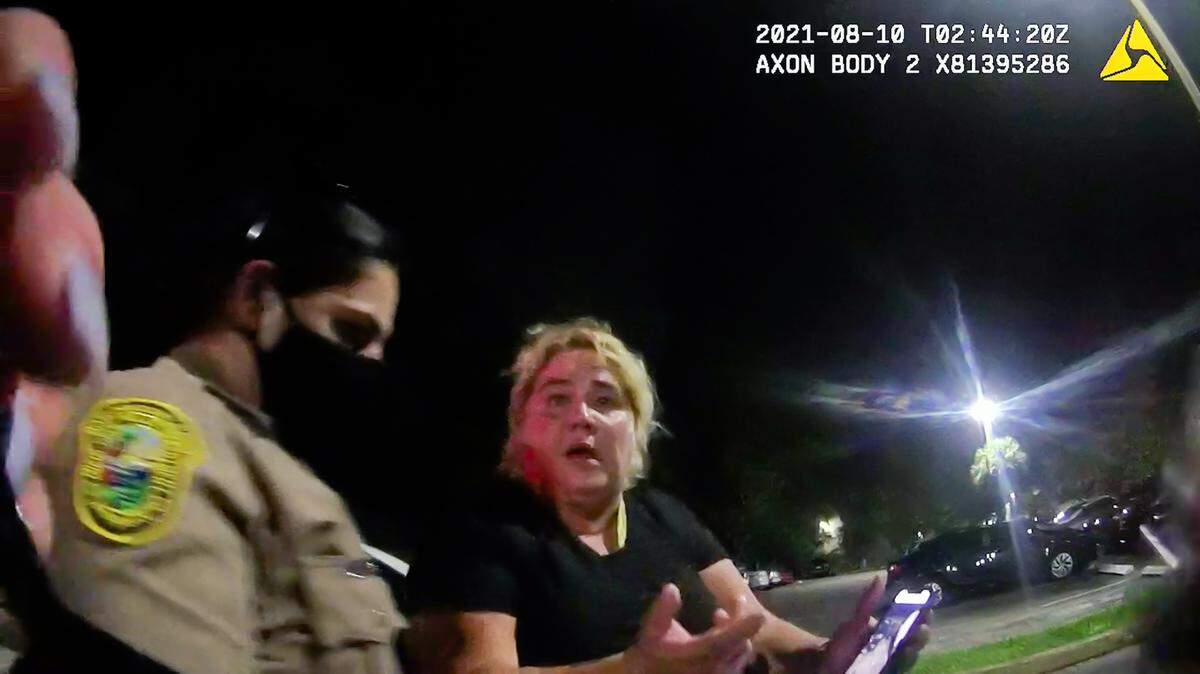
As officers usher her away, Hollis repeats words that would launch her on a lonely crusade and cost her everything: ‘Mataste mi hijo. You killed my son.’
Police push back as the grieving mother makes herself an annoyance. She shows up at the Hammocks precinct with questions, then at a crime scene to call Pino a “murderer” to his face. He hurls a stinging insult, blaming her for Richard’s fate.
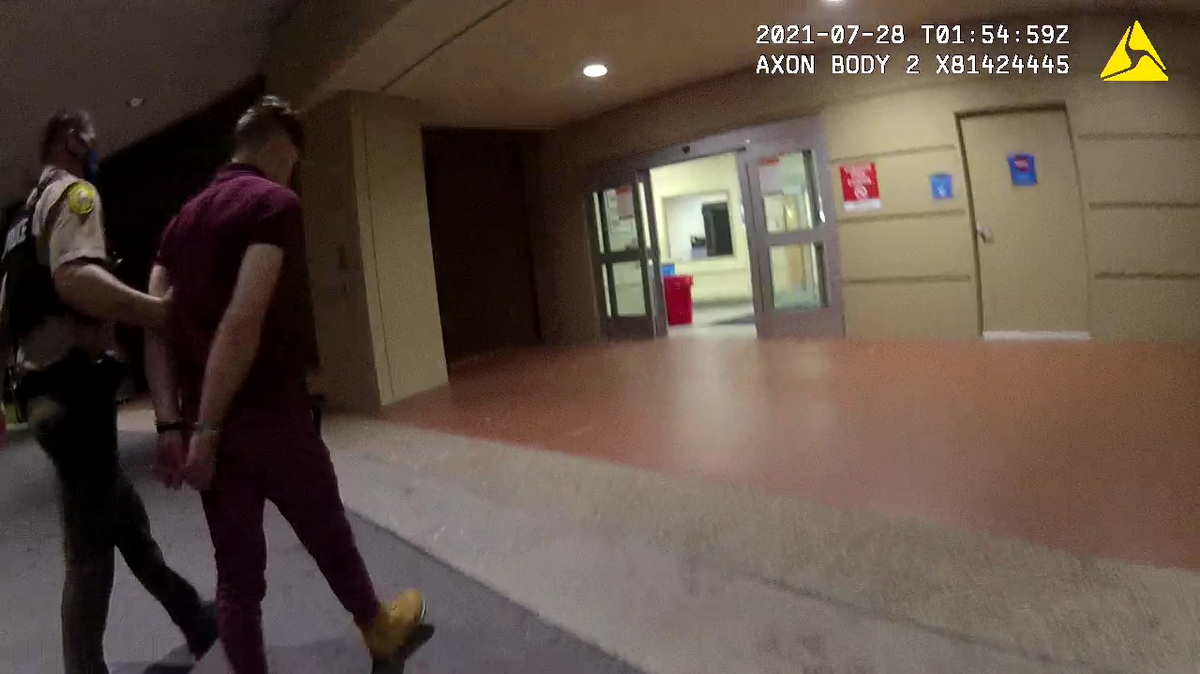
Fellow officers forcefully leap to his defense. The encounter leads to a trip to jail for Hollis. It would not be her last.
Prosecutors accuse Hollis of a vendetta against Pino, who was cleared in the shooting of her son. A judge imposes the maximum sentence after Hollis violates a restraining order by posting her accusations on Facebook.
Though her attorneys argue her threats have been exaggerated by police and she has a right to criticize officers, an unapologetic Hollis faces additional stalking charges that could put her back behind bars.
This story was originally published November 14, 2024 at 5:00 AM.