In Florida, residents can be involuntarily examined. How the state’s Baker Act works
READ MORE
Guilty of Grief
A Miami Herald series about a police shooting of a young man lays bare Florida’s broken mental health system.
Expand All
Florida’s involuntary commitment law took effect in 1972. Called the Baker Act, it was named in honor of Maxine Baker, a state lawmaker and advocate for Floridians with mental illnesses. It was intended to protect the rights of people with mental illness while providing an avenue for examination and treatment that some individuals may refuse to accept.
For people who will not voluntarily accept treatment, there are two separate involuntary procedures under the Baker Act: an involuntary examination conducted at a facility and longer term involuntary inpatient and outpatient treatment ordered by a court.
Read More: Miami-Dade police killed her son. Her questions cost her everything
This is how the law works:
Involuntary examinations
Floridians can be forced into a hospital or designated crisis unit for an involuntary examination. Adults or minors can be detained for no longer than 72 hours, though that time frame can vary if the examination includes a weekend or legal holiday. To meet criteria for an involuntary exam, a person must be believed to have a mental illness and either 1) be a danger to self or others, or 2) be seriously self-neglecting. The involuntary exam is initiated in one of three ways:
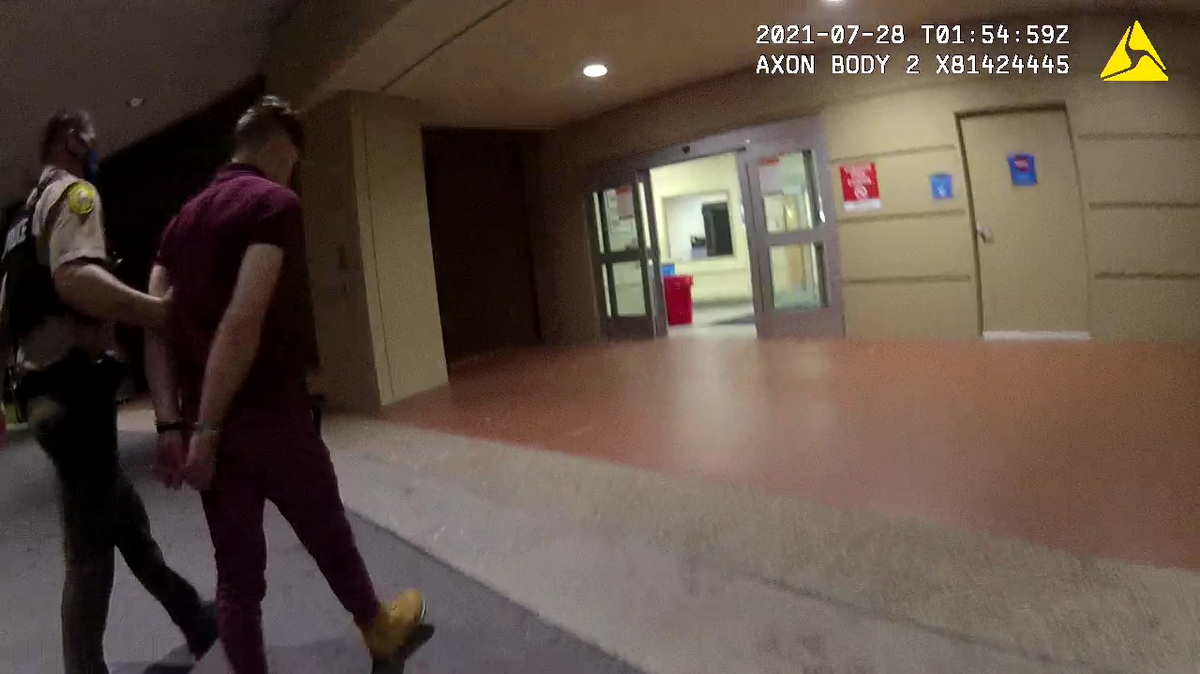
▪ A law enforcement officer has the authority to initiate an examination and transport a person in crisis directly to a state designated Baker Act receiving facility or hospital. The law requires that the person be taken to the nearest such facility or the most appropriate facility as stipulated in a county’s Baker Act transportation plan.
▪ A physician, physician assistant, clinical psychologist, psychiatric nurse, advanced practice registered nurse registered under state statute, a mental health counselor, a marriage and family therapist, or a clinical social worker has the authority to initiate an involuntary exam when they believe a person meets the law’s criteria. In such cases, authorized mental health professionals must rely on law enforcement or county authorized medical personnel to transport the person – also to a receiving facility.
▪ Anyone can file a Baker Act petition with the Clerk of Court, based on sworn testimony. To do so, a concerned citizen must sign an affidavit that explains why the person in question meets criteria for an involuntary exam and file the petition at court. A judge then decides whether the examination is necessary. If so, the judge will sign an order requiring law enforcement to transport the person to the designated receiving facility.
Involuntary treatment
Once a person is examined for up to 72 hours, here’s what happens next:
A person may transfer from involuntary to voluntary status at the facility to get treatment – if he or she is willing to do so, and is competent to consent.
If a person declines to do so:
▪ They must be discharged by a receiving facility unless that person is found by two authorized mental health professionals to meet criteria for involuntary inpatient or involuntary outpatient service.
▪ If the person is found by two authorized mental health professionals to be a danger to self or others or seriously self-neglectful, the receiving facility administrator must petition the court to hold the person longer. The petition must also certify that no less-restrictive level of treatment, such as a nursing home, is appropriate.
Finally, a judge or magistrate, usually in Probate Court, will hold a hearing within about a week. At this hearing, the patient will be represented by an attorney – in most cases by the local Public Defender’s Office, unless by private counsel. Following the testimony of at least one of the facility’s doctors, the judge will either order the person’s release or require that he or she undergo inpatient or outpatient treatment.
An order for involuntary inpatient or outpatient treatment can last up to six months before the person must be either released or appear before a judge or magistrate again to determine whether he or she still meets criteria for involuntary treatment.
This story was originally published November 14, 2024 at 5:00 AM.