Chapter 2: ‘You killed my son!’ Tense standoff with Miami-Dade police ends in horror for mother
READ MORE
Guilty of Grief
A Miami Herald series about a police shooting of a young man lays bare Florida’s broken mental health system.
Expand All
Warning: This series includes scenes of graphic violence and language.
Another morning begins with another argument between Gamaly Hollis and her son Richard. He demands to know where she has hidden the steak knives he likes to call his “weapons.”
Richard Hollis, a 21-year-old with a history of psychiatric problems, complains he needs them to cut the raw meat that has become the staple of his diet. His mother stashed the knives above a kitchen cabinet for her and Richard’s safety.
Richard, in navy blue medical scrubs, heads to school at Miami Dade College, where he is studying biomedical engineering. Hollis drives to Homestead to buy the avocados she sells out of her car trunk.
But Richard makes an ominous announcement before he departs: “Today is the day police are going to kill me.”
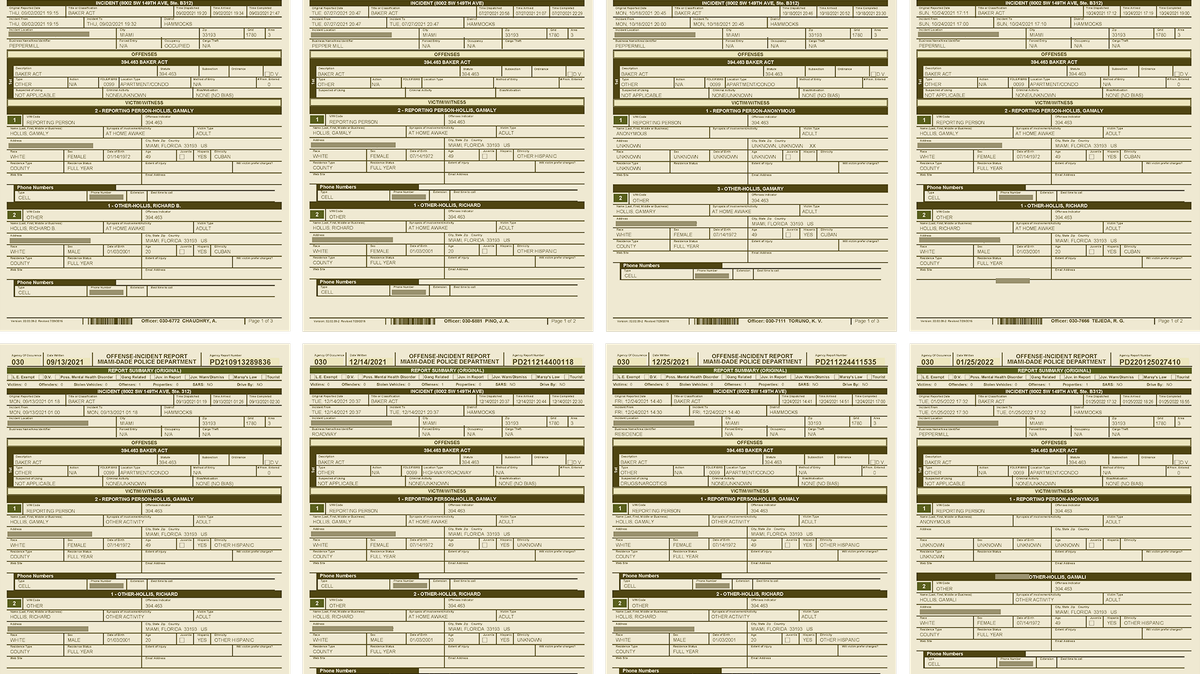
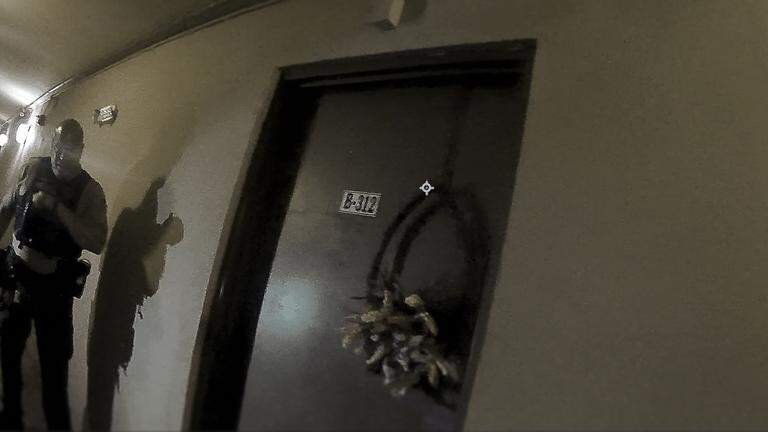
It’s June 15, 2022. He will be dead by night’s end, shot five times by Miami-Dade Police Officer Jaime Pino. It will be the 34th and final callto Peppermill Apartments unit B-312.
It’s impossible to say if Richard was executing a calculated plan or blurting out another paranoid delusion. But suicidal thoughts are well-documented in the 2,000 pages of Richard’s mental health records. If Richard wanted to die, suicide-by-cop is sometimes a choice for those who are desperate and depressed.
People with mental illness have a far greater risk of dying in an encounter with police — 16 times more likely according to the Virginia-based Treatment Advocacy Center. A Johns Hopkins Bloomberg School of Public Health study found that 23 percent of the 10,308 police shootings studied between 2015 and 2020 involved a person with a behavioral health problem. And 67 percent of all shootings by police involving a person with mental illness were fatal.
De-escalation makes a difference
Most police departments and sheriff’s offices in the U.S., including Miami-Dade, have implemented an educational program called Crisis Intervention Training. It’s also called the Memphis Model, after the police agency that developed it in 1988 in response to the killing of a knife-wielding man with mental illness.
Pino’s Miami-Dade Police Department personnel file shows one reference to such training. He completed a 16-hour training course titled “Managing Encounters w/Mentally Ill” 19 years ago.
While most law enforcement agencies provide “de-escalation” training to avoid fueling tension between officers and people who are in psychiatric crisis, not every officer gets trained. And while some officers embrace training, others fall back on what they know best – confrontational tactics that work on the street.
There is one thing on which officers like Pino and mental health advocates agree: Police aren’t social workers.
“This kind of work requires very special people,” said Frank Rabbito, the now-retired head of Miami’s largest mental health treatment center. “We hire for that. Police are hiring for something different.”
Still, there is plenty of evidence that cops better trained in de-escalation techniques produce better results. In 2020, University of Cincinnati researchers working with the Louisville Metro Police Department documented a 28 percent reduction in use-of-force, a 26 percent decrease in citizen injuries, and a 36 percent decline in officer injuries attributed to rigorous de-escalation training. The reduction in use of force was as high as 52 percent, according to the report, endorsed by the National Policing Institute.
“These tactics could very well have made a difference in this case,” said Darrel Stephens, a widely respected policing expert and retired police chief of St. Petersburg who headed a national association of police administrators. Stephens reviewed body camera footage of the shooting of Richard Hollis for the Herald.
“The presence of a mental health clinician could also have helped,” he said. “I doubt you would have seen a door get kicked in immediately followed by deadly force.”
As an alternative to relying on armed police, the city of Durham, N.C., in 2022 launched a 50-member team, made up of mental health counselors, social workers and citizens who have undergone treatment for mental illness and substance abuse. The team coordinates with 911 call centers to respond to mental health crises, with an emphasis on de-escalation, empathy and compassion. Nobody carries a weapon. A Care Navigator follows up. The experiment has been so successful that, 84,000 calls later, it’s been expanded. Cities with similar programs designed to reduce potentially explosive interactions with police include Denver and San Francisco.
Police at the door ‘ready to rock and roll’
No social workers come to Gamaly Hollis’ door on the night of June 15, 2022, only police officers — who have been there before.
Richard has not answered his phone that afternoon, so Hollis is already worried when she returns home to find him eating his raw slab of meat with the two steak knives she had hidden. They resume arguing where they left off, Richard smashing his cell phone, then pushing and hitting his mother. Hollis screams for help and one of her neighbors, hearing her through the walls, calls the police.
Officer Carle Blum is the first to arrive, at 8:23 p.m., knocking on the door and announcing herself. Blum’s body camera records Hollis saying to her son, twice: “You’re not going to stab yourself.” Then, in Spanish, Hollis tells the officer outside her door: “El dice que se va encajar el cuchillo.” He says he’s going to stab himself with the knife.
“I’m outside. I’m ready to go,” Blum says into her radio. But if she intends to confront Richard alone, Pino dissuades her.
The man, Pino says via his radio, is a “violent 43” – a person with mental illness who could become dangerous. “Wait for the units.”
Blum announces herself five more times, and orders Richard to open the door.
“If you don’t got a warrant, get the f–k outta here. Now!” Richard yells back.
Blum replies that she’s concerned about his mother. “Open the door, bro. I gotta check to make sure she’s good.” Richard curses again, threatening Blum.
Blum is having none of it, saying five times: “What you gonna do to me?”
As Richard becomes more antagonistic, so does Blum: “I’m not going the f–k nowhere, bro. Open the door. You tell me what the f–k I’m gonna do. Open the door.”
Blum declares she’s had enough of Richard Hollis as another officer arrives by her side. “I’m ready to rock and roll,” she says.
“You either open the door or I’m gonna break the door in. One or the other,” she tells Richard.
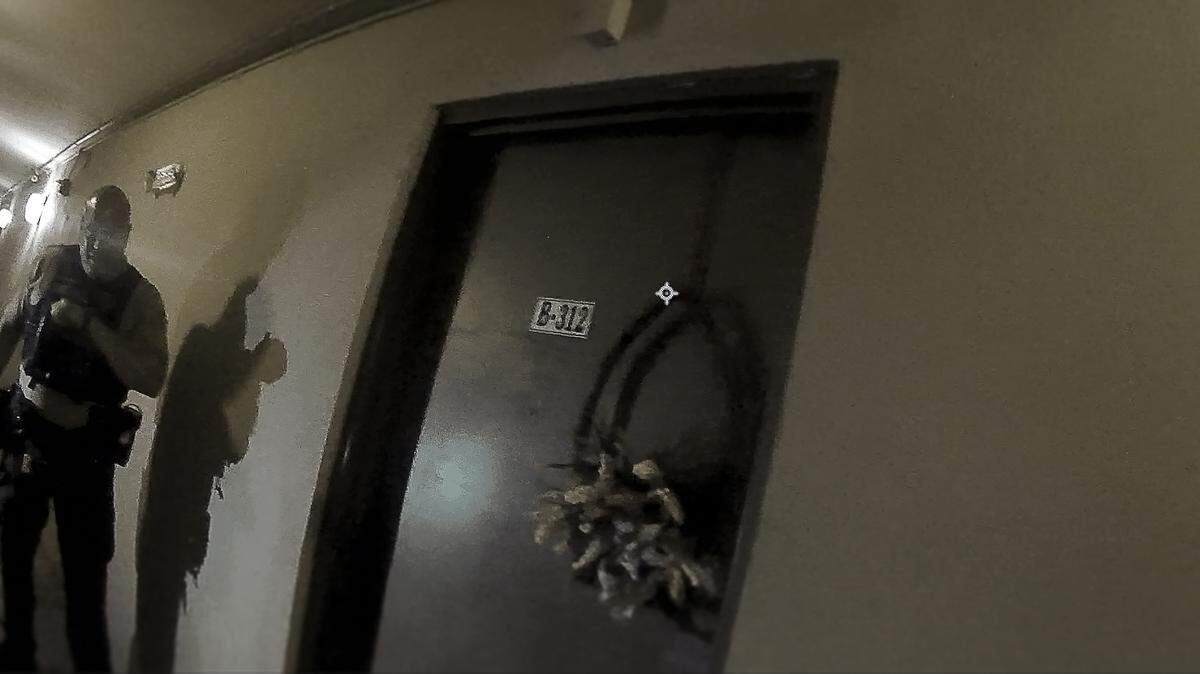
Within five minutes, there are four officers outside the apartment contemplating a fraught judgment call — wait out Richard’s rage, and risk that he stabs his mother, or bust down the door. The negotiation to unlock it goes nowhere, turning into a volley of crude taunts.
Richard: “You don’t have a warrant…You can get the f–k out.”
Blum: “Bro, ain’t nobody going nowhere. You gotta open the door so I can make sure you’re okay.”
Richard: “Bullshit. F–k you.”
Blum: “F–k you, too.”
Richard: “Alright bitchass ho.”
Blum: “Alright bitchass. Open up the door. Let’s go.”
Richard: “F–k you.”
Blum: “Come on, show me what you got, big man.”
When the Miami-Dade State Attorney’s Office reviewed the police response and shooting, the exchange was described as “banter” – “banter” that would not be taught in any de-escalation training class.
Inside B-312, Hollis pleads for Richard to drop the knife. At 8:30, Richard yells to the officers, “Just so the cameras can listen to this. I know that society is poisoning people with a lot of f—--g chemicals in their food, including corn, wheat, soy.”
“I’m not mentally f—--g ill!” he screeches.
“It sounds like it,” Blum replies.
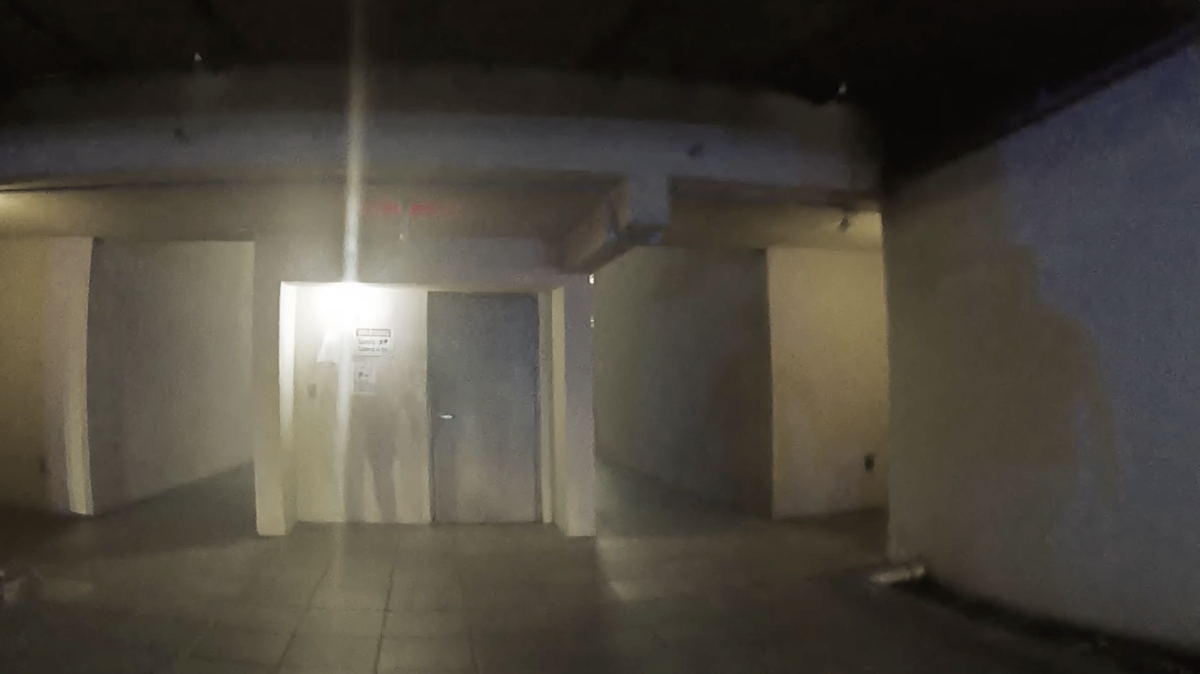
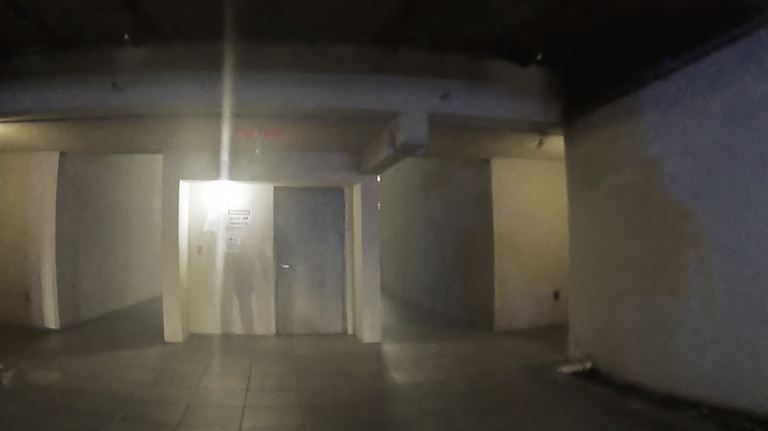
At 8:31 p.m., eight minutes after Blum, Pino arrives at the complex. His body camera records his shoes squeaking on the sticky floor as he strides down a dark hall. He knows the way.
As Pino parts the group of officers, Blum cautions him: “Wait. Wait. Possible knife.”
Pino doesn’t wait. Without saying a word, he kicks at the door. On the second kick, Gamaly Hollis’ wreath falls to the ground. Three. Four. Five.
With the sixth kick, the door bursts open. Two of Hollis’ Yorkshire terriers yap frantically. Hollis is reaching across the doorway, grasping for a knife Richard clutches in his hands.
“I’ll fight back,” Richard shouts. “I don’t mind f—--g dying.”
The hallway outside the Hollis apartment by now is complete bedlam: Drop the f—--g knife! Drop it! Drop it!,” Pino shouts. Then, “Drop it, or I’m gonna f—-n shoot you.”
Another officer orders Hollis to “get out of the way.” As Hollis releases her son’s hand and backs into the kitchen, Richard shrieks at Pino. “You f—-d up!”
Pino reaches around the door and, aiming blindly, shoots his yellow taser but misses.
Five seconds later, Pino wheels around the door into the small apartment and sees Richard squatting in the corner with two knives. The officer plants his feet, aims his Glock 17 with both hands and squeezes the trigger five times, leaving six wounds.
Exactly 29 seconds elapsed from Pino busting down the door to shooting Richard, prosecutors noted.
Two bullets strike Richard’s upper right arm. One round pierces Richard’s abdomen. A bullet strikes Richard’s right thigh, another his left thigh. A bullet also hits his left hand.
Richard crumples to his knees against the wall, his back to Pino, as blood begins to seep across the floor. He’s not moving, but Pino is still shouting, his gun trained on the still body: “Stay down, bro! Don’t move! Don’t move!... Drop the knife!” Blum adds: “Drop it!”
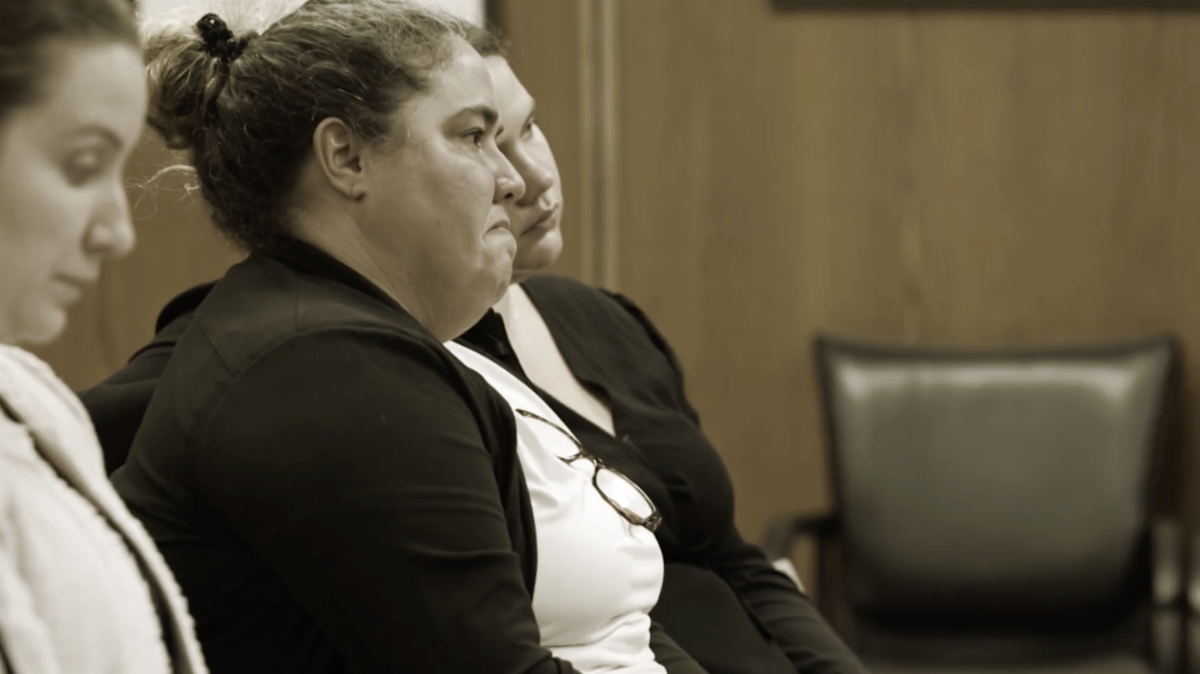
Officers have pulled Hollis into the kitchen, but she gets a glance at her son. Her face awash in anguish, she unleashes a primal wail. “No. No. No. Please, no. No.” An officer next to her tells her: “Relax. Relax.”
“He’s killed. He’s killed,” Hollis cries, as officers restrain her, one holding her up against the refrigerator. “Tranquilo,” he says. Calm down.
“You killed my son,” Hollis keeps repeating.
Blum gives an order: “Get her out. You need to get her out. Her out.” Hollis is led through the door as an officer drags Richard out of the corner by the collar of his navy blue medical scrubs. His blood smears the white tile floor. Richard is not moving or speaking. Officers handcuff him behind his back.
Blum looks directly at Pino and enunciates, four times in a row, “Not a word.”
Pino’s camera records Richard lying facedown, handcuffed, while Blum steps over his legs. No one renders aid until Blum instructs an officer to begin CPR.
Nearly two-and-a-half minutes pass before an officer begins to pump Richard’s chest. The word “POLICE” on his bulletproof vest bobs up and down with each thrust.
“Good job. Good job. Good job. Good job. Good job,” Blum says to a colleague as he informs her he’s found a pulse. Blum waves off Pino. “Don’t say a word to anybody.”
Richard’s blood has left a trail in the hall. Officers step over it as they tramp through the apartment.
Six Yorkies bark incessantly. Pino paces the hallway, his breathing heavy on the audio, and looks into the apartment. Blum shoos him away. A moment later, Pino turns off his camera.
Next door, neighbor Guillermo Lansas has heard the gunshots. He’s heard arguments about drugs, Richard’s threats to kill his mother, Richard’s threats to get a rifle and kill everyone in the building, Richard’s threats to get a knife and stab him. But never gunshots.
It was inevitable, Lansas thinks. Richard has killed his mother.
He is wrong. Pino’s prophecy of killing Richard has come to pass.
‘Tranquilicese’
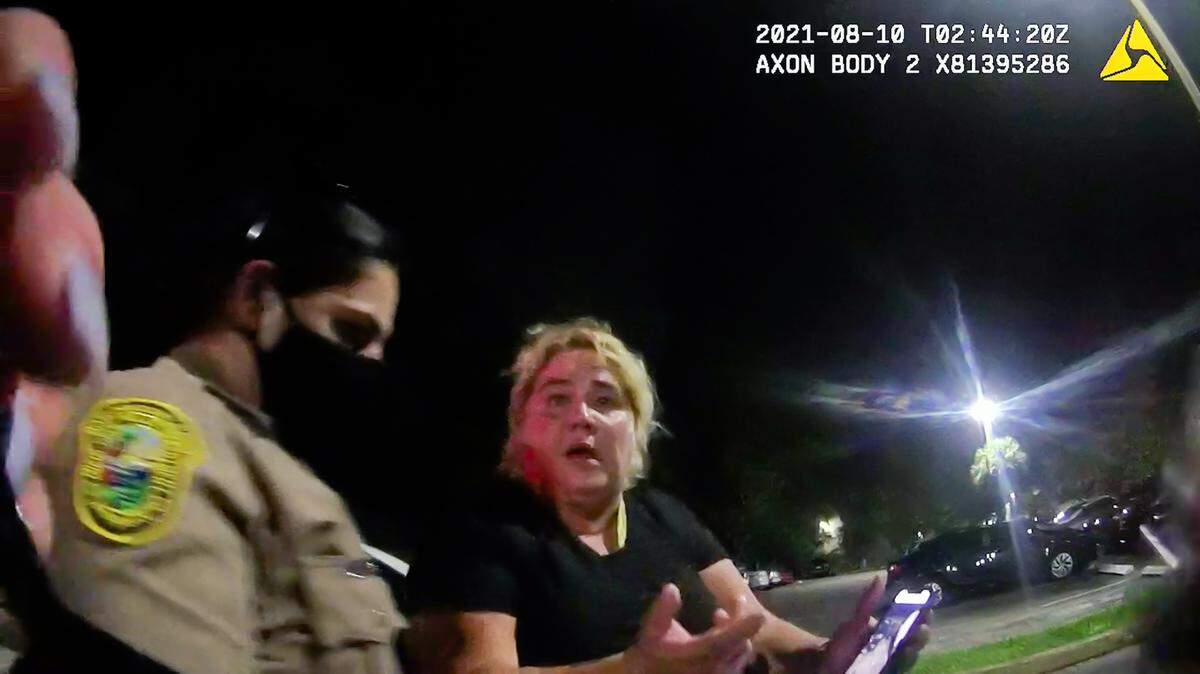
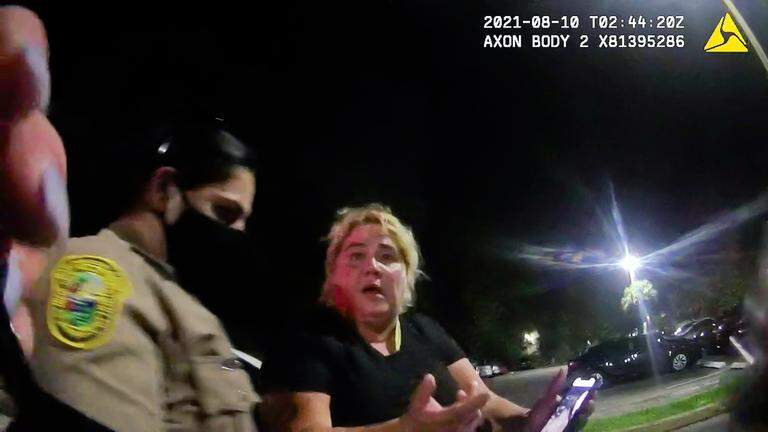
While police await paramedics, officers escort Hollis to the parking lot. They form a somber semi-circle around her. One wipes away tears. As red and blue squad car lights strobe behind her, Hollis, shifting between English and Spanish, keeps repeating, “You killed my son.” In 45 minutes, she says it 42 times.
Hollis, who appears to be in a state of shock, asks if she can return to their apartment, what Richard’s condition is, whether she can accompany him to the hospital, if she can walk her dogs.
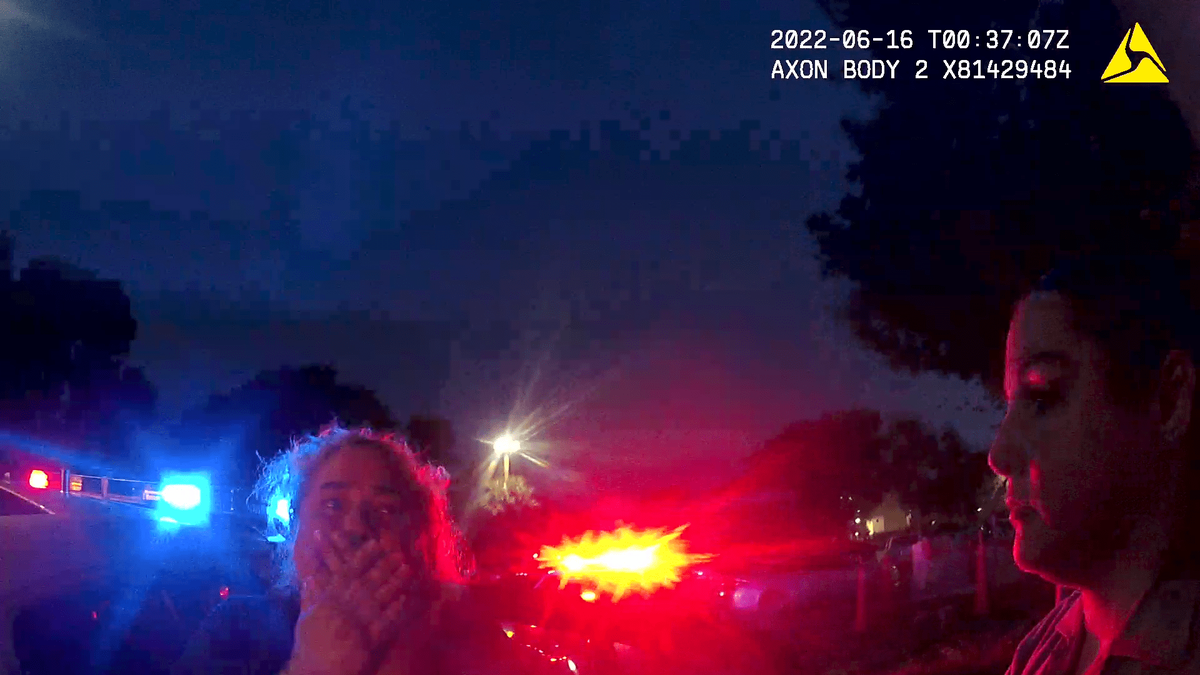
“Tranquilicese,” the cops tell her. “Calm down.”
“But let me see him, mi amor,” Hollis says. “I am his mother.”
Hollis watches a gurney roll down the sidewalk to an ambulance. She grabs the officer’s hands.
“Stay calm,” he says.
Another police officer walks over. Hollis recognizes him. He’s responded to calls to B-312.
“This has been coming for years now,” he says. “Same story as always.”
The officers offer Hollis a bottle of water. One officer, identified as Rolando, puts his hand on her shoulder.
“Let’s pray that he comes out OK.”
“Desafortunadamente, se lo busco por lo que hizo.” Unfortunately, he brought this on himself.
Officer Pino cleared in shooting
The Florida Department of Law Enforcement and Miami-Dade State Attorney’s Office, in reviews that are standard following any fatal police shooting, found the shooting justified. Florida law gives police, who often must make split-second decisions, wide latitude to use deadly force if they perceive a threat.
Richard had two knives and was yelling threats in close quarters. Prosecutors, in a memo documenting State Attorney Katherine Fernandez Rundle’s decision to not prosecute the officer, found “Richard Hollis’ statements and actions that night presented a clear threat to Officer Pino and Gamaly Hollis.”
The role of prosecutors is limited to determining whether Pino committed a crime, the memo said.
In August, The Herald requested a copy of the Miami-Dade Police Department’s Internal Affairs review of the shooting.By early November, they had not responded to that request. The department also declined requests to speak to officers or commanders familiar with the Hollis case.
The department did supply his personnel file, which contains no red flags over a two-decade career. Pino’s supervisors filed 30 commendations for perseverance, investigative skills, professionalism, reduction of crime, dedication to duty and team spirit. There are no accusations of excessive use of force or questionable use of a weapon. There is a single complaint about interactions with the public –a rudeness citation for an insensitive comment he made to Hollis two months after Richard’s shooting.
Steadman Stahl, president of the Miami-Dade police union, the Police Benevolent Association, defended Pino’s actions, saying “the officer was acting within the scope of his duty.” It was “unfortunate that a life was taken, and no officer relishes that or wants that to happen,” he told The Herald in April.
In the days after the shooting, Pino is placed on paid administrative leave, standard protocol. He would be expected to be offered psychological or trauma counseling. He’s soon back on the streets, and appointed to train rookies.
Hollis can’t reset her shattered life. She has no colleagues to turn to for comfort or therapists to help her process the trauma.
After the detectives and crime scene investigators depart a few hours before dawn, she wraps a rag around the wooden T of a Cuban mop to clean her son’s blood from the floor. Alone. Then, on her knees, she scrubs the carpet.
The flecks and splatter prove too stubborn. After she is evicted, the landlord rips out the rug.
This story was originally published November 14, 2024 at 5:00 AM.