Chapter 3: She confronted the Miami-Dade officer who shot her troubled son. She wound up in jail
READ MORE
Guilty of Grief
A Miami Herald series about a police shooting of a young man lays bare Florida’s broken mental health system.
Expand All
Warning: This series includes scenes of graphic violence and language.
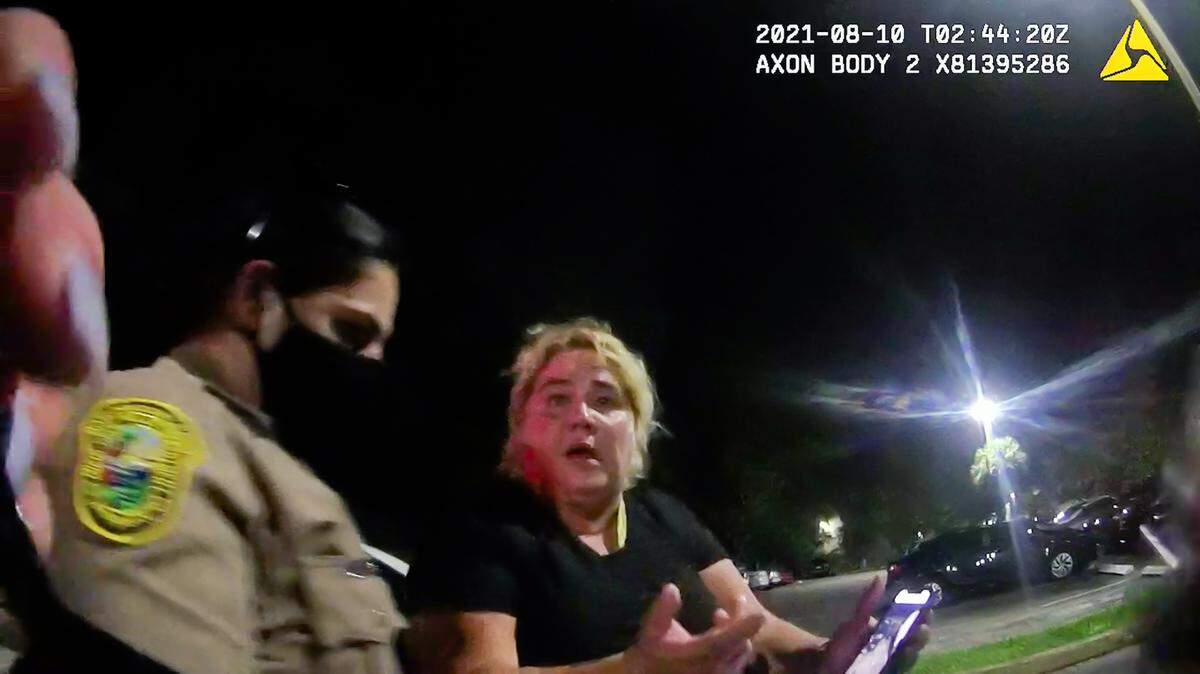
Four days after witnessing her son shot dead in her kitchen by Miami-Dade Police Officer Jaime Pino, Gamaly Hollis makes her third visit to the Hammocks precinct.
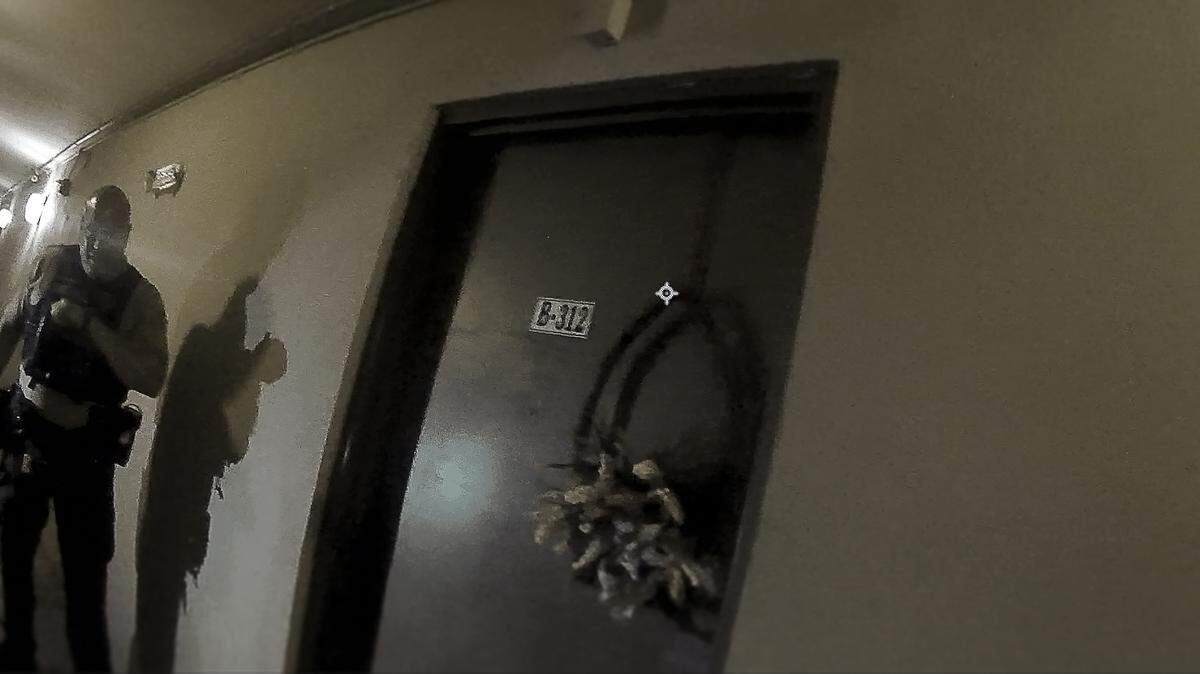
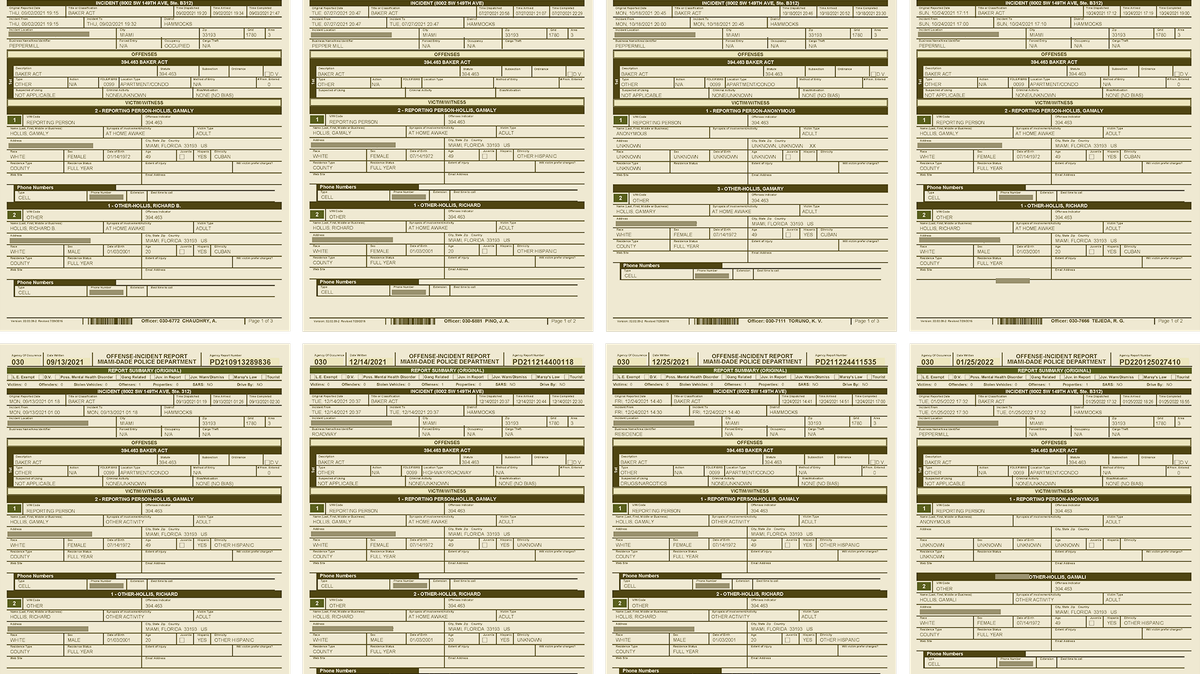
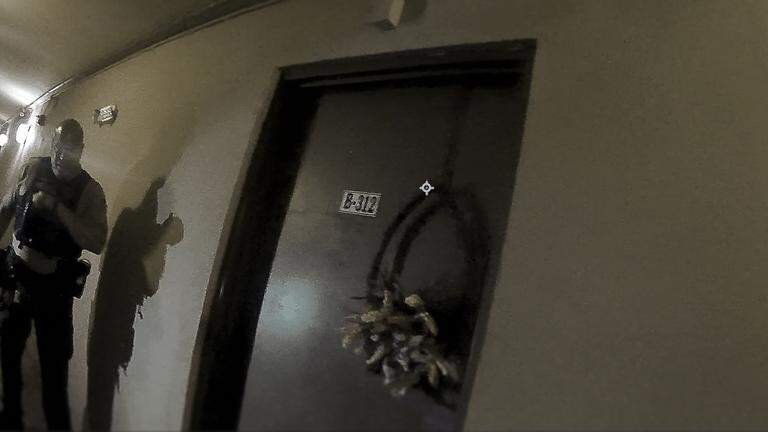
Everybody at the station knows what happened — and their guard is up. She’s regarded as a headache by officers who had responded to 34 calls over the past two years at Peppermill Apartments unit B-312.
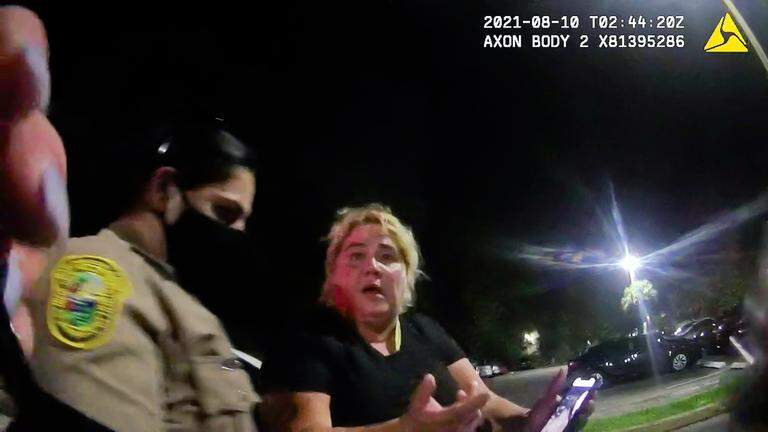
Sgt. Stephanie Llamas, from the driver’s seat of her squad car, questions Hollis in the parking lot. Hollis tries to put Llamas at ease.
“I’m not threatening anyone,” she says.
“No. Nobody thinks you’re threatening anyone,” Llamas replies.
Maybe not yet. But she’s flashing on the radar as potential trouble. Police would soon describe the short, plump 52-year-old as a dangerous threat to one of their own, and treat her that way.
“I don’t understand why you want to see him right now,” Llamas says. “Rather than come here to the station and allow there to be any misunderstanding or get into a situation where you do threaten the officer, or you say something that maybe shouldn’t be said.”
“Coming here every day isn’t going to help you,” Llamas says. “It’s not going to help anybody. I just don’t want you to find yourself in a bad situation coming here every day.”
Hollis asks why the situation is bad.
“Now, you’re threatening me,” she says.
“No, I’m not threatening you, ma’am,” Llamas replies. “We don’t know. We don’t know if you want to hurt one of our officers, or if you just want to talk to the officer.”
Hollis insists five times in nearly nine minutes that she means no harm. She is asking for records of police calls to her apartment, explaining that the officer who killed Richard had threatened to shoot her son during a previous call. She wants to know his name.
“I’m not threatening anyone. I want answers for my questions.”
She didn’t get any.
If a different officer had come through her door that night, maybe her only child would still be alive, maybe her questions wouldn’t burn so deeply.
Hollis had no money for a lawyer to make her case, no clout, no platform. No Ben Crump flying to Miami and holding televised news conferences to amplify her plight. She ached to call attention to her lost son, to expose a shooting she felt was unjustified. Challenging the police was bound to get her into trouble, but she had nothing left to lose. If she saw Pino, she could tell him, face to face, what she thought of him.
Hollis, traumatized and grieving, embarked on a path that would lead to the fortress police build around their comrades. Her missteps cost her everything she had left.
Two months after Pino shot her son, a random arrest in West Kendall gives Hollis a chance to confront him. Hollis says she was driving home from a visit to Richard’s grave when she came upon a pack of police cars at the entrance to the Charlestowne neighborhood.
There’s an outsized police presence for a traffic infraction – a half-dozen squad cars, 10 officers milling about. They exchange fist bumps and “Hey, bro” greetings.
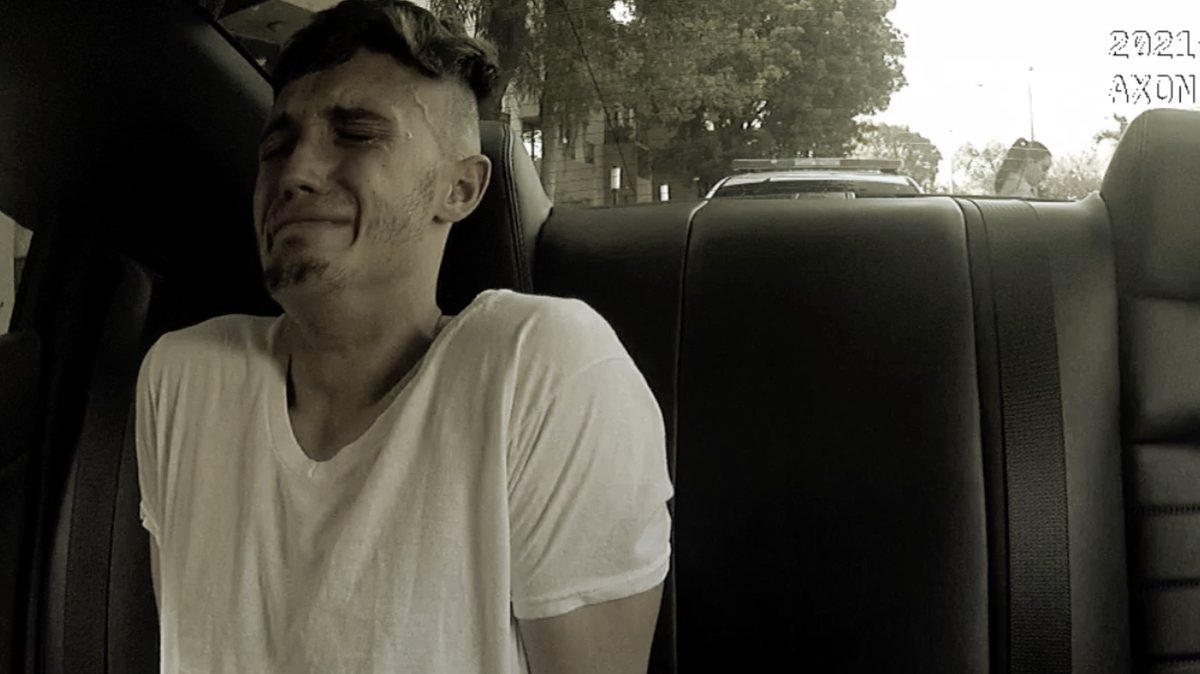
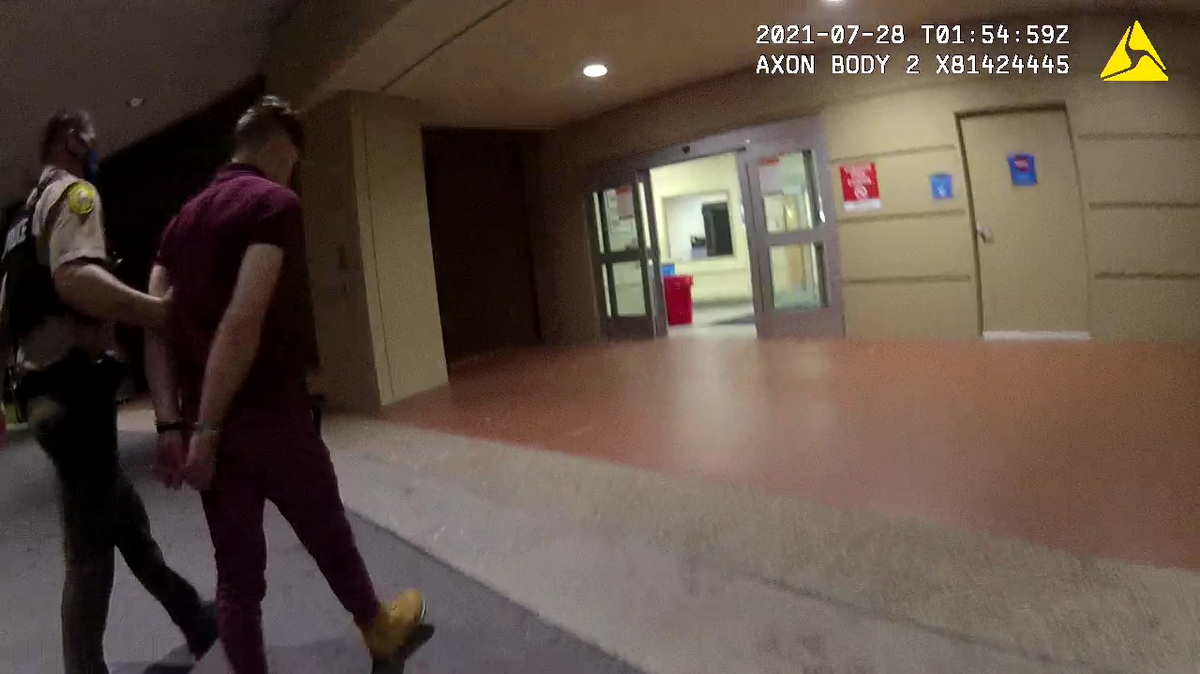
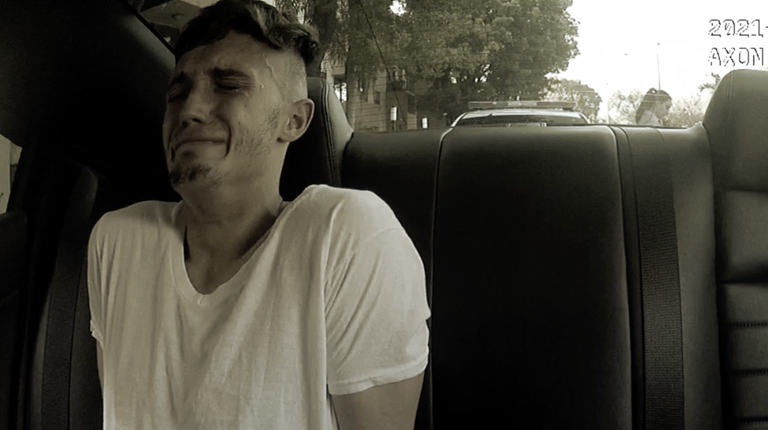
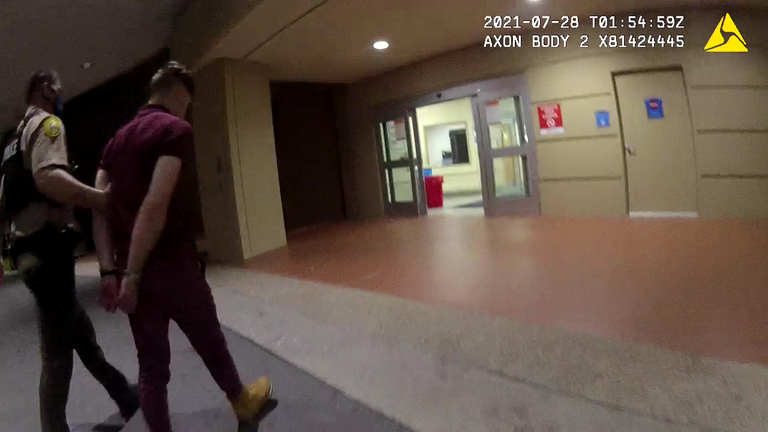
Police have collared 20-year-old Daniel Taveras for trying to enter his subdivision from the wrong traffic lane, flipping off a cop, and resisting arrest. Wearing black shorts, shirt and socks, he’s sitting on a curb by the gatehouse, his hands cuffed behind his back.
Pino saunters over, and looks down at Taveras with an air of contempt.
“What’s up, man?” Taveras says.
“Acting crazy, as usual?” Pino replies.
Taveras complains that an officer broke his eyeglasses. Pino reaches down to pick them up but then appears to grind his boot into the pavement as if he’s smushing an insect. He apologizes.
“You stepped on them!” Taveras says.
“And I said I’m sorry,” Pino says.
“You keep changing what you’re saying every five seconds,” Taveras replies, glowering at Pino. “Is that what cops do?”
“Does that hurt your feelings?” Pino says.
“Does it hurt my feelings?” Taveras says. “You’re acting like a 15-year-old. Aren’t you like 45?”
“Are your feelings hurt?” Pino says.
“What the f–k is wrong with you?” Taveras says.
“I think you’re overreacting a little bit,” Pino says.
Christian Santos, Pino’s trainee, stands silently nearby, shifting his feet.
Pino can’t seem to resist needling Taveras. Hekeeps saying that Taveras is mentally ill and won’t take his meds. Taveras insists he hasn’t been prescribed anything.
“You have a little bit of a potty mouth, huh?” Pino says, “Why don’t you act like that when we’re around and you don’t have handcuffs, because now I can’t do s–t to you but you talk that kind of s–t when the handcuffs are off and I slap the s–t out of you for being rude and disrespectful.
“Then you’re going to be crying like a little bitch in front of your mom.”
Santos turns his back and walks away, having learned nothing about de-escalation on his first training day with Pino.
Pino taunts Taveras: “I would slap the f–k out of you. Without your handcuffs, we’ll just go at it… Don’t run your mouth like you’re a badass, because you’re not.”
Taveras with the comeback: “Is that what you think you are?”
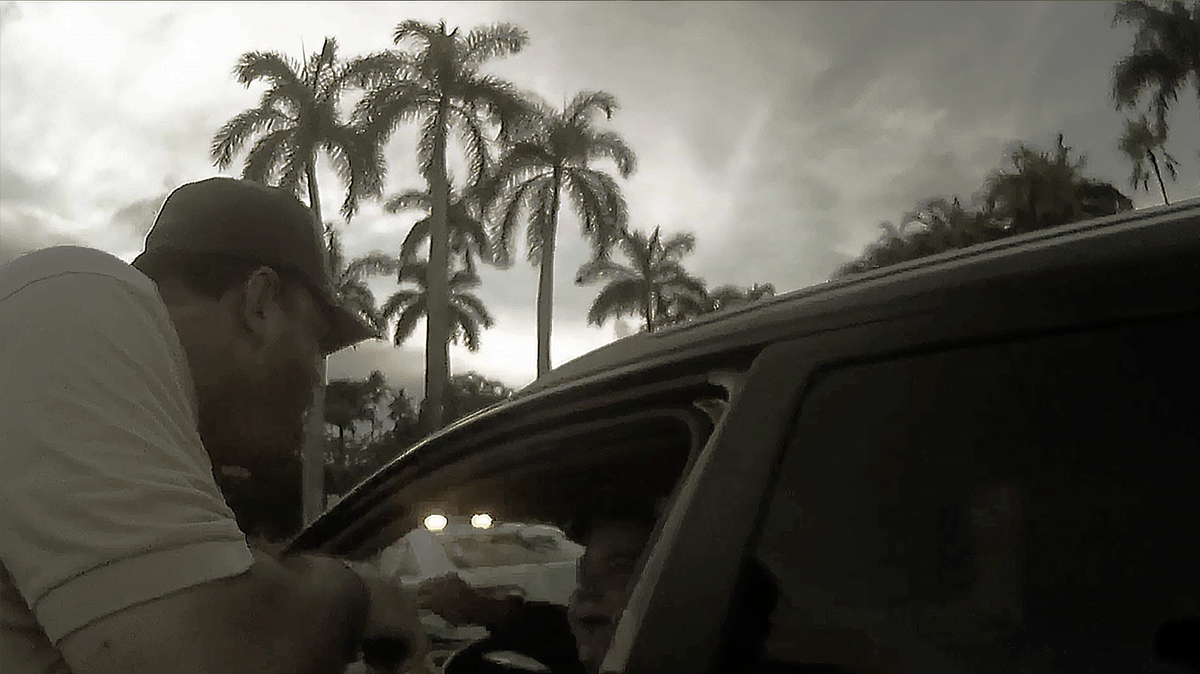
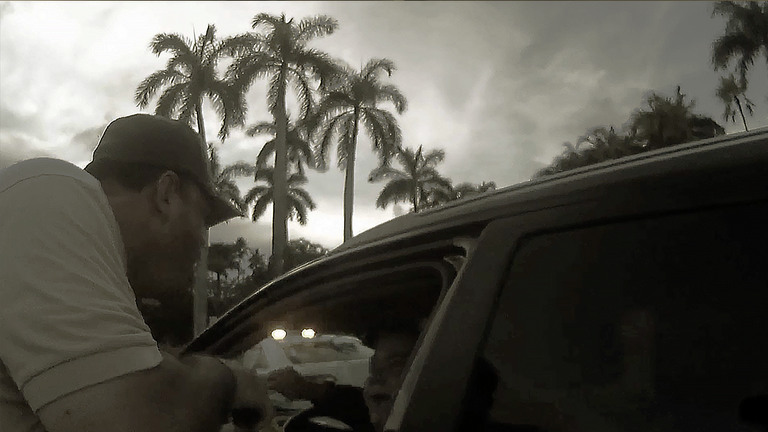
About 30 minutes after Pino arrives, Hollis shows up, pulling into the Charlestowne entryway in her black Buick Enclave SUV. She rolls down her window, points to where Pino is standing several yards away and quietly declares, “Mataste mi hijo.”
She has finally found the cop who shot Richard.
“You killed my son,” Hollis says again, louder.
Pino, moving his fingers in an exaggerated wave, tells her, “You can go bye.”
“Mataste mi hijo,” Hollis hisses. “Asesino.” Killer.
As she slowly backs away in her car, Pino mocks her: “Yeah, I did.
“Maybe if you did a better job there wouldn’t be a problem.”
To Hollis, Pino’s insult was a shot in the gut, like he was killing her, too. It was the most painful judgment any parent can hear. She was a mother who had failed her only child, a mother whose ineptitude caused her son’s death – decreed by the man who killed him.
What had she done that was so wrong? She’d made mistakes, lost her temper. But even the best mothers can’t cure mental illness.
Like anyone responsible for a loved one who has behavioral problems, Hollis faced a heart-breaking dilemma. The Baker Act was a bandaid – and committing Richard to hospitals he feared was contrary to her maternal instincts. Under Florida’s involuntary commitment law, both she and the police could send Richard to the psych hospital again and again, but it was the doctors there, not her, who decided whether to hold him for long-term care. They never did.
The grim step of taking out a restraining order on her own son would be an act of abandonment. If he violated it, Richard could be marked as a criminal and sent to jail, or exiled to a life on the streets, where two-thirds of the population suffers from mental illness, according to an April study in a major medical journal.
In Miami-Dade, 70 percent of the jail population has been diagnosed as in need of mental health treatment, making it the largest de facto psychiatric facility in the state, according to Miami-Dade County Associate Administrative Judge Steve Leifman, who has played no role in the Hollis case but sees similar ones every day as head of Miami’s Mental Health Court.
“No one fixed anything by cruelly punishing this mom,” Leifman said. “That’s her child; she loves him no matter what. He can’t acknowledge that he’s sick because he’s sick. He doesn’t want to take meds because of the side effects, and she can’t make him.”
Hollis’ attempts to enforce Richard’s treatment plans were unsuccessful because, as is often the Catch-22 with people who have mental illness, they refuse to go to therapy sessions or stick with their medication regimens. She said she was only able to talk to one doctor about Richard, who always discarded his referral documents before she could see them.
“Committing him is almost impossible because the criteria in Florida are so high – not because we are civil libertarians but because we don’t want to pay for it. There are no beds. And taking out a restraining order is an emotionally gutting decision that causes a family fissure,” Leifman said.
“The whole system is, well, it’s not a system. We end up with tragedies.”
‘She’s going to jail’
Reeling from Pino’s ridicule, Hollis repeats her accusation. Officers order her to leave the entryway at Charlestowne.
“Keep backing up,” one officer commands her.
“We’re gonna have a problem,” Pino says. “We’re gonna take you to jail, too.” It’s the second time Pino has threatened to arrest Hollis.
Though her Buick is crawling away, officers seem concerned Hollis might run Pino over.
“Pino, get out of the way!” one says.
Another dramatically takes a protective stance in front of Pino. “Come on, man,” he says, but Pino pushes his arm away.
“Let her hit me with the car so I can shoot her,” Pino says.
Another officer bangs his fist on Hollis’ window and attempts to pull open her door before she slowly drives off.
Seven minutes later, Hollis is back on the road outside the gate, shouting, “Asesino.”
“Oh, she’s back,” an officer says. Pino has left. Hollis is sitting in her car in bumper-to-bumper traffic on Southwest 104th Street.
“Ay, ya,” another officer replies. He’s already decided what will happen. “She’s going to jail.”
It’s the most awful, humiliating day of Daniel Taveras’ young life. He can see and hear the middle-aged, blond-haired woman squabbling with the cops, and suspects her day will be worse.
“I was praying they don’t do to me what they did to her,” Taveras later tells the Herald. “I was worried they would shoot her.”
Four officers surround her, yelling in unison, “Get out of the car now. Get out of the f—--g car!” They open her door. Hollis won’t budge. Her Rottweiler Rollie sits in the passenger seat. “Watch the dog,” one officer calls out.
“I don’t have anything. I don’t have anything. I don’t have anything. I don’t have anything,” Hollis pleads. Things escalate. One officer aims a gun at her, and withdraws it. Another points a taser at her and the barking dog and threatens to kill Rollie.
“Unlock your seatbelt now!” an officer orders, waving the yellow taser in her face. “You’re about to have a dead dog!”
“I’m driving [to] my home! I’m driving [to] my home!” Hollis screams.
Hollis refuses to follow officers’ commands to get out of the car, and they turn more aggressive, as if someone has turned up the heat.
One tases her, pulls out a blade and slices through her seatbelt. Another trains his taser on Rollie.
Another drags Hollis out of the car by her feet, in the middle of 104th Street, as commuters honk and gawk at a woman with barbed darts clinging to her body pinned face-down on the sidewalk and handcuffed by four officers.
Rollie jumps to the ground and stands by like a good dog.
Hollis, who is unarmed, is taken by squad car to the Hammocks precinct and told to “shut the f–k up.”
Next stop: Jail.
As for Pino, supervisors would insert a “discourtesy” reprimand in his personnel file for his insult that Hollis’ son might be alive if she’d done a better job as a mother. The officer was supposed to be “informally counseled” as a consequence. It’s unclear whether he received any counseling, informal or otherwise.
This story was originally published November 14, 2024 at 5:00 AM.