‘Missing middle’ housing plan for Miami Beach has caused a stir — could it work? | Opinion
READ MORE
Shrinking Middle
The Shrinking Middle is a series by the Miami Herald Editorial Board that explores how South Florida’s housing crisis has impacted the middle class, as well as solutions to our housing shortage.
Expand All
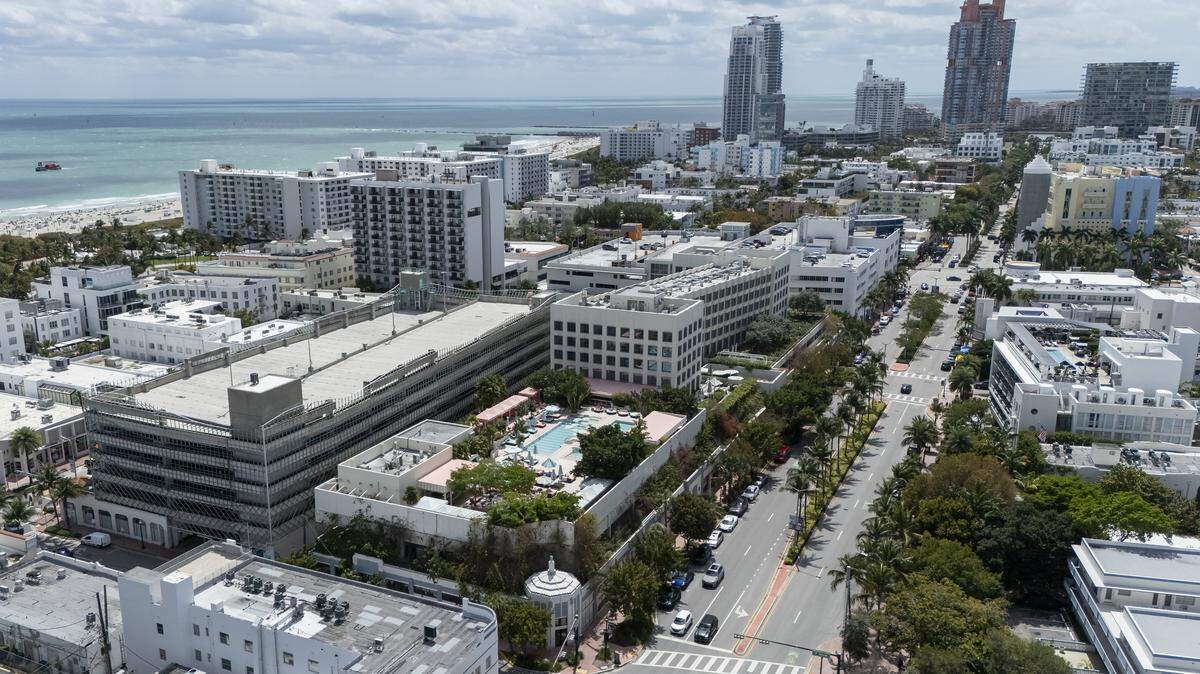
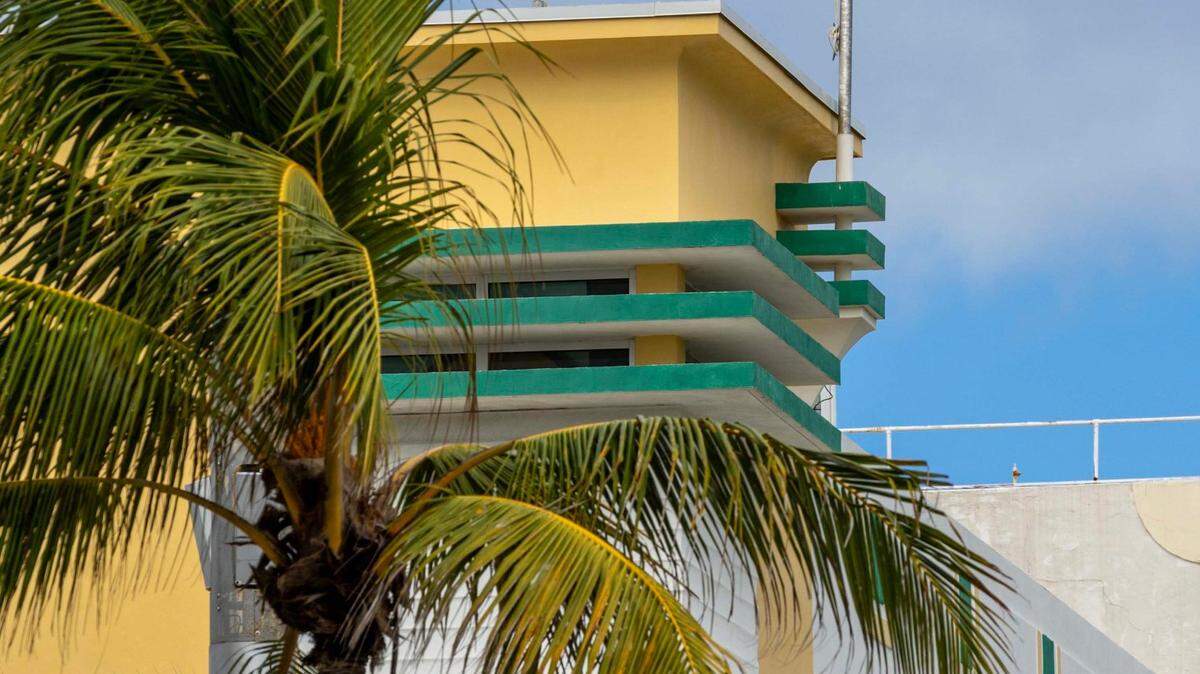
There’s a consensus among many Miami Beach officials: Washington Avenue, in the heart of South Beach’s historic Art Deco district, needs a revamp. Complaints about empty storefronts, homelessness and unsavory types of businesses, such as smoke shops, along the strip are not new.
The question is whether an upzoning proposal for the thoroughfare goes too far — and it might. But it’s at least spurring an important discussion, and we hope it will force officials to actually follow through with their campaign promises to create affordability.
Miami Beach is a tourist destination so the city has, for years, offered incentives for hotel construction along Washington Avenue. That hasn’t paid off as expected, so it’s time to reimagine the vision for this important corridor. At the same time, the city’s lack of housing for middle-income residents is pushing workers out of the Beach, contributing to traffic congestion.
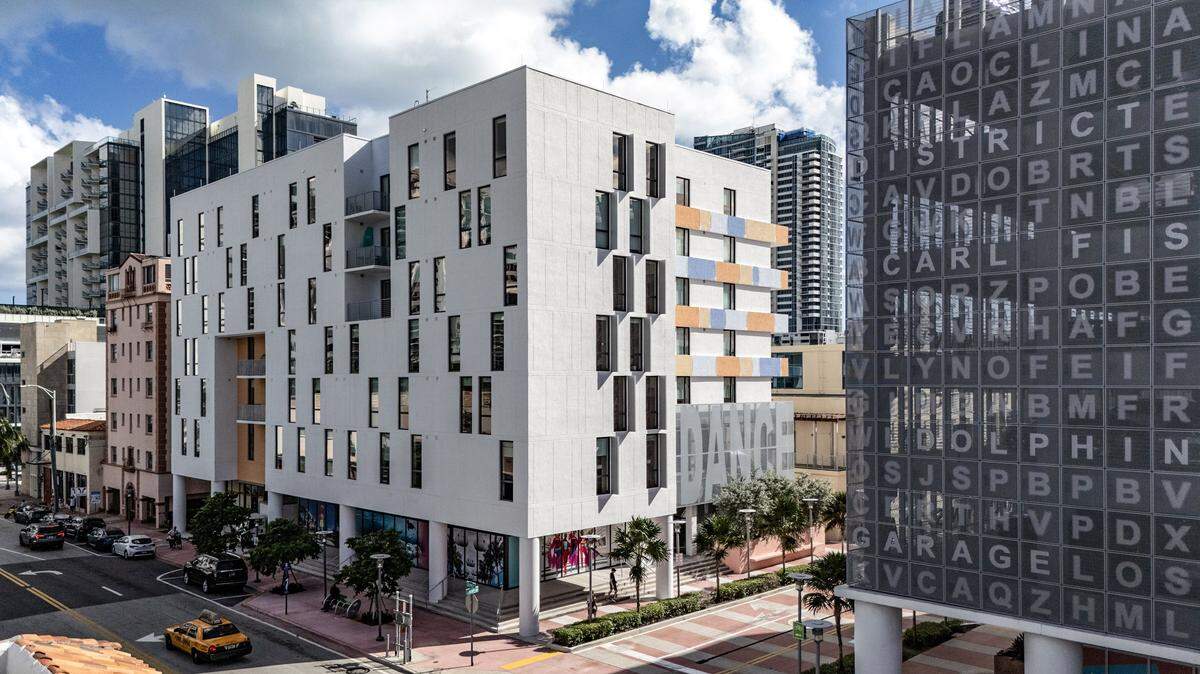
As a concept, Commissioner David Suarez’s proposal, in the works for two years, gets to the core of the problem. He wants to allow more density and height on Washington to make it feasible for developers to build “missing middle” housing — multifamily developments (apartment buildings, in other words) that fill the gap between single-family homes and luxury high-rises.
Much of South Florida suffers from a lack of affordable and workforce housing. This idea from Miami Beach could be a test for other communities.
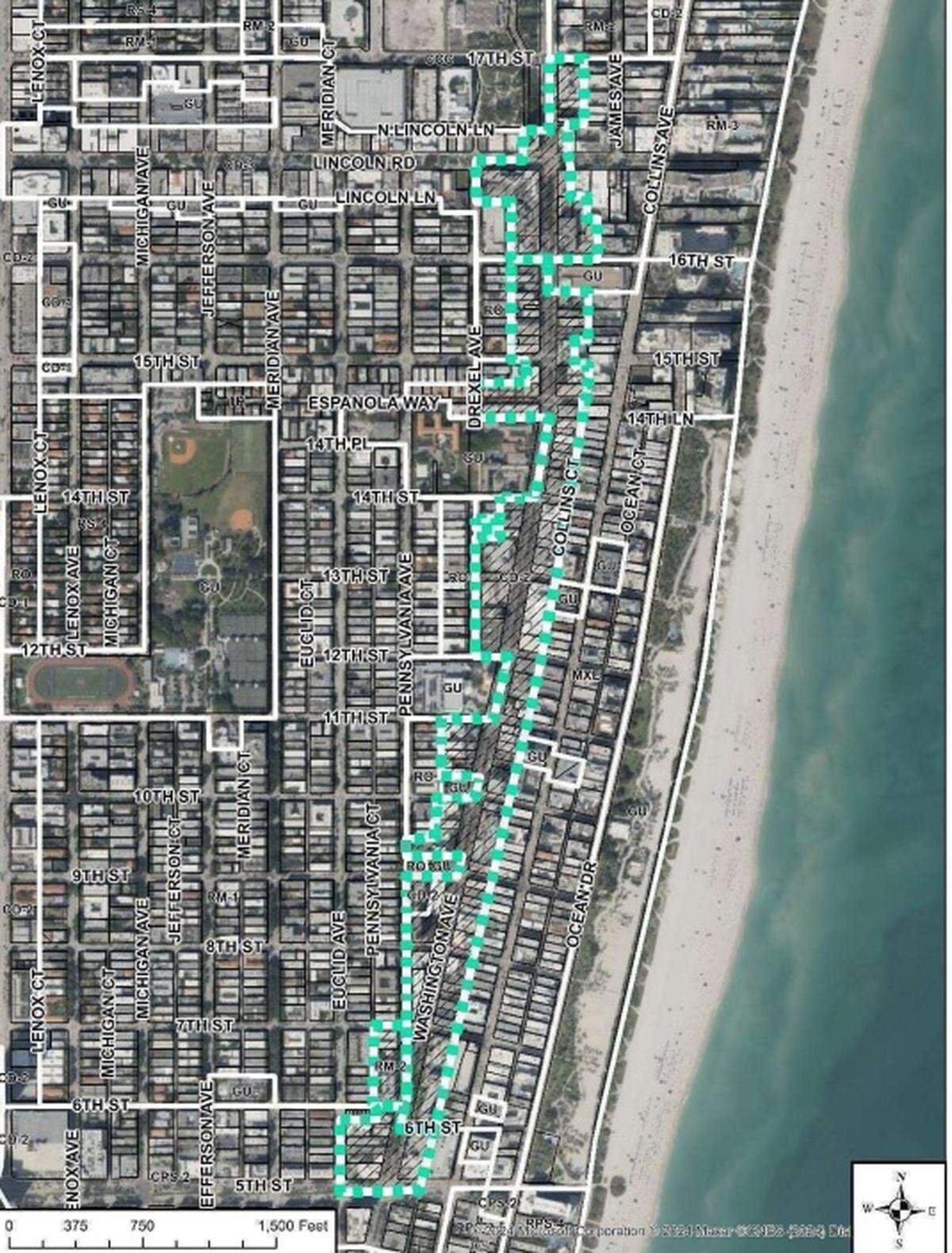
The key components of Suarez’s proposal are, when certain criteria are met: doubling the maximum allowed “floor area ratio,” or FAR, a type of zoning regulation that determines development density; increasing the maximum residential building height from 50 feet to 75 feet (roughly seven stories) and allowing more housing units per acre. Developers would have until 2032 to use these allowances.
The proposal would reduce parking requirements and establish unit and lot size regulations to prevent the construction of larger, luxury apartments — the maximum apartment size allowed would be 1,300 square feet, city documents show.
Crucially, developers could not use the extra zoning to build vacation and short-term rentals that have taken up housing inventory on the Beach.
The intention is to create “mixed-use housing on a walkable corridor targeted toward young professionals, small families, and retirees who may not need cars,” Suarez told the Herald Editorial Board in an email.
In a February commission meeting, Suarez presented some concerning figures: While more than 1,200 hotel units were added to Miami Beach from 2017 to 2025, 749 housing units were built over the same period — and only 338 of those are smaller than 1,000 square feet. The shortage of attainable housing supply might explain why the city’s population has dropped since 2010, according to the U.S. Census.
“Right now Miami Beach is polarized between luxury housing, subsidized housing, and aging apartments,” Suarez told the Editorial Board. “There’s very little for the missing middle, and that’s what this proposal is trying to address by encouraging more modest housing in the heart of South Beach.”
This is a worthy goal, but is a blanket upzoning of an entire mile between 5th and 17th streets the answer? Other commissioners are right to ask tough questions. In February, the city commission sent the proposal to a committee to be ironed out, and Suarez said he’s continuing to refine it to build consensus before it’s heard again.
Commissioner Alex Fernandez told the Editorial Board he’s concerned that the measure would immediately inflate property values on Washington Avenue, leading to land speculation. He worries the city would be leaving too much on the table by automatically granting zoning benefits to developers without negotiating community benefits.
Under the proposal, up to 2,400 new housing units could be created — with an estimated 6,100 new residents and 1,700 new peak-hour daily car trips, according to a city staff analysis.
This could lead to a large-scale transformation of part of a barrier island where space is limited and land is expensive, which leads to the question of how affordable these “missing-middle” units would be, given the high cost of construction.
Fernandez said that “we all want to see transformation” on Washington Avenue but would rather award higher density on a case-by-case basis. He said Miami Beach could lower the current minimum 6-7 city commission vote required for FAR increases.
In the end, the solution may fall somewhere in between Fernandez’s restrained proposal and Suarez’s more radical approach. A word of advice to Miami Beach commissioners: Doing nothing to advance “missing-middle” housing should be a non-starter.
BEHIND THE STORY
MOREWhat's an editorial?
Editorials are opinion pieces that reflect the views of the Miami Herald Editorial Board, a group of opinion journalists that operates separately from the Miami Herald newsroom. Miami Herald Editorial Board members are: opinion editor Amy Driscoll and editorial writers Isadora Rangel and Mary Anna Mancuso. Read more by clicking the arrow in the upper right.
What's the difference between an op-ed and a column?
How does the Miami Herald Editorial Board decide what to write about?
The Editorial Board, made up of experienced opinion journalists, primarily addresses local and state issues that affect South Florida residents. Each board member has an area of focus, such as education, COVID or local government policy. Board members meet daily and bring up an array of topics for discussion. Once a topic is fully discussed, board members will further report the issue, interviewing stakeholders and others involved and affected, so that the board can present the most informed opinion possible. We strive to provide our community with thought leadership that advocates for policies and priorities that strengthen our communities. Our editorials promote social justice, fairness in economic, educational and social opportunities and an end to systemic racism and inequality. The Editorial Board is separate from the reporters and editors of the Miami Herald newsroom.
How can I contribute to the Miami Herald Opinion section?
The Editorial Board accepts op-ed submissions of 650-700 words from community members who want to argue a specific viewpoint or idea that is relevant to our area. You can email an op-ed submission to oped@miamiherald.com. We also accept 150-word letters to the editor from readers who want to offer their points of view on current issues. For more information on how to submit a letter, go here.
This story was originally published April 7, 2026 at 1:52 PM.
.jpg)
.JPG)