That Airbnb next door might not just be a nuisance. It might raise your rent | Opinion
READ MORE
Shrinking Middle
The Shrinking Middle is a series by the Miami Herald Editorial Board that explores how South Florida’s housing crisis has impacted the middle class, as well as solutions to our housing shortage.
Expand All
The Instagram video promoting a new luxury condo tower called Palma Miami Beach Residences, with units starting at $600,000, promises that “126 fully approved short-term rentals are available... no rental restrictions.” Another new tower nearby, called 72 Park Miami Beach, brands itself as the “one of the few Miami Beach condominiums allowing for short-term rentals.”
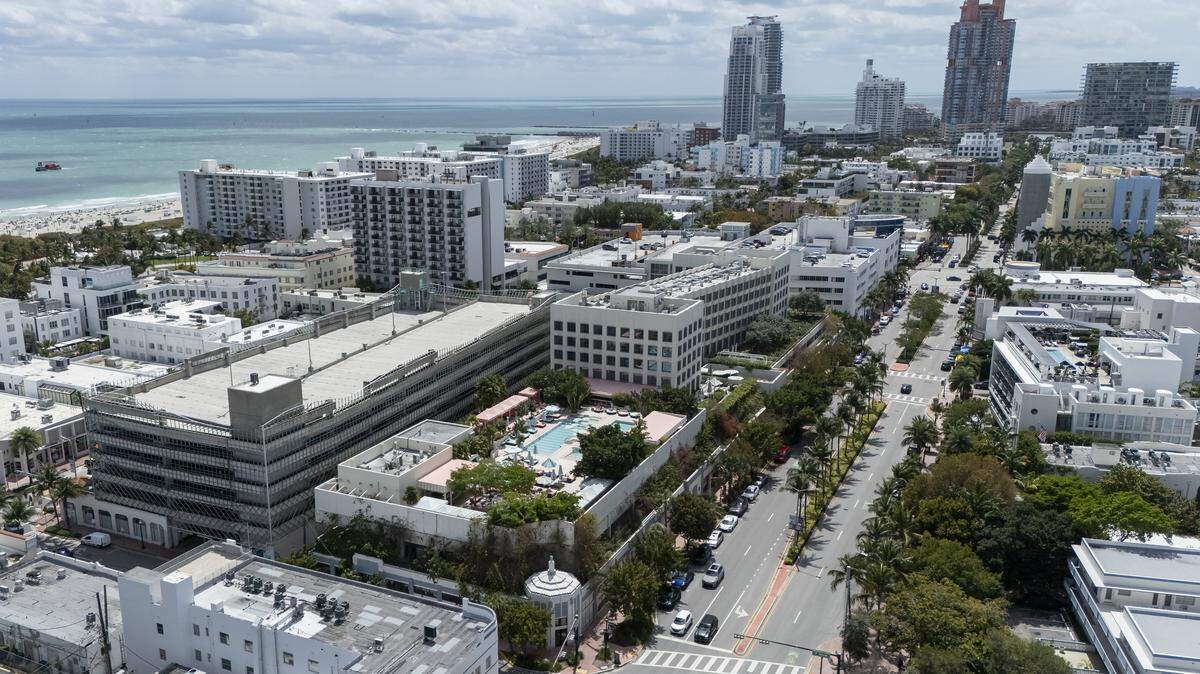
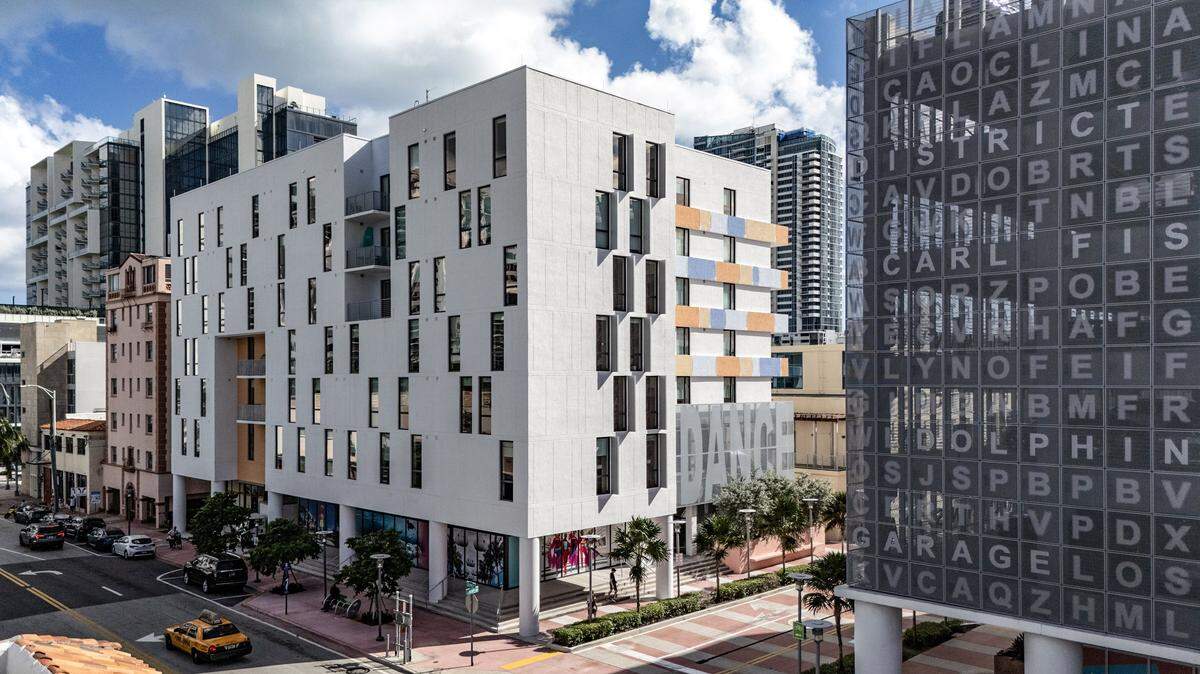
On the north side of Miami Beach, 1,000 residential units were approved by the city’s Design Review Board since 2019, but city officials have no control over whether they will become true residences or short-term/vacation rentals that tourists rent on sites like Airbnb, Commissioner Alex Fernandez told the Herald Editorial Board.
That’s because more than a decade ago, Florida lawmakers preempted most regulations by cities and counties on the industry. That has driven an explosion of these rentals across South Florida.
This is not only a challenge for the neighbors who have to live next to what are essentially mini hotels clustered in residential areas. Many Miami Beach officials also say short-term rentals are removing housing units from the market and driving rents up. That pushes middle-and-working-class residents to move away from the barrier island, which, in turn, creates more traffic as workers have to commute to jobs in the city.
A 2023 study commissioned by the city found there were about 5,800 vacation rentals on Miami Beach, with as many as 10,000 during high season, Fernandez said. With 50,725 total housing units in the city that year, vacation rentals could represent anywhere from about 11% to 20% of Miami Beach homes.
Fernandez’s concern is that many of these rentals are located in residential areas like South of Fifth, West Avenue and the more affordable North Beach. In most cases, he said, these aren’t your mom-and-pop operations — a homeowner making extra money by renting out their home or a room. The Beach’s short-term rental industry is driven by investors who are buying up properties in bulk, he added.
If this is happening in Miami Beach, it’s probably happening across South Florida and the rest of the state in areas that are hot spots for tourism. In fact, residents in Europe’s most popular destinations are starting to protest the impact that tourism has had on housing costs. That drove the government in Barcelona, Spain, to ban all short-term rentals starting in 2029.
We cannot only blame Airbnb, Booking.com or Vrbo for Florida’s shortage of housing and rising home values. A big reason the U.S. doesn’t have enough housing is that construction has not returned to pre-Great Recession levels, said Cicely Hodges, housing and community development policy analyst at the Florida Policy Institute. So, yes, more development might be needed, but when investors buy new units to convert them into short-term rentals, that raises prices for everyone else, she said.
It’s hard to put exact numbers on the impact vacation rentals have had on the housing market in Florida but studies done elsewhere offer a clue. Research published in the Harvard Business Review in 2019 found that the growth of Airbnb listings “contributes to about one-fifth of the average annual increase in U.S. rents and about one-seventh of the average annual increase in U.S. housing prices.”
This is a piece of the housing crisis that’s been largely ignored in Tallahassee, where lawmakers in 2011 tied the hands of local governments to regulate short-term rentals in the name of property rights.
Fernandez said he believes there’s momentum to convince the Florida Legislature to allow cities to regulate the industry again. Under state law, local governments have the ability to control things like noise and parking, but they cannot prohibit vacation rentals or regulate the duration or frequency of rentals, unless those rules were in place before June 2011. Gov. Ron DeSantis vetoed a bill last year that would have prevented “local governments from enforcing existing ordinances,” he wrote in his veto message.
With Republicans controlling Tallahassee, it’s hard to see how they would allow vacation rentals to be completely banned and kill an entire industry. That’s understandable. But the problem with state preemptions has always been that they offer a one-size-fits-all solution for a large and diverse state. Lawmakers must now look at individual communities, such as Miami Beach, where vacation rentals are a specific threat to affordability and residential neighborhoods, and give them more flexibility.
BEHIND THE STORY
MOREWhat's an editorial?
Editorials are opinion pieces that reflect the views of the Miami Herald Editorial Board, a group of opinion journalists that operates separately from the Miami Herald newsroom. Miami Herald Editorial Board members are: opinion editor Amy Driscoll and editorial writers Isadora Rangel and Mary Anna Mancuso. Read more by clicking the arrow in the upper right.
What's the difference between an op-ed and a column?
How does the Miami Herald Editorial Board decide what to write about?
The Editorial Board, made up of experienced opinion journalists, primarily addresses local and state issues that affect South Florida residents. Each board member has an area of focus, such as education, COVID or local government policy. Board members meet daily and bring up an array of topics for discussion. Once a topic is fully discussed, board members will further report the issue, interviewing stakeholders and others involved and affected, so that the board can present the most informed opinion possible. We strive to provide our community with thought leadership that advocates for policies and priorities that strengthen our communities. Our editorials promote social justice, fairness in economic, educational and social opportunities and an end to systemic racism and inequality. The Editorial Board is separate from the reporters and editors of the Miami Herald newsroom.
How can I contribute to the Miami Herald Opinion section?
The Editorial Board accepts op-ed submissions of 650-700 words from community members who want to argue a specific viewpoint or idea that is relevant to our area. You can email an op-ed submission to oped@miamiherald.com. We also accept 150-word letters to the editor from readers who want to offer their points of view on current issues. For more information on how to submit a letter, go here.
This story was originally published October 13, 2025 at 6:00 AM.
.jpg)
.JPG)