What’s ‘workforce housing’? It might not be as affordable as you think in Miami | Opinion
READ MORE
Shrinking Middle
The Shrinking Middle is a series by the Miami Herald Editorial Board that explores how South Florida’s housing crisis has impacted the middle class, as well as solutions to our housing shortage.
Expand All
“Workforce housing” has become a buzz word lately, with state and local governments touting it as an answer — a partial one, anyway — to Florida’s affordability crisis.
The term evokes images of workers — teachers, cashiers, firefighters — not having to worry about making their rent every month. “Workforce housing” has become such a priority that the Florida Legislature passed a controversial “Live Local Act” law in 2023 that allows developers to bypass some local zoning restrictions if they build projects that have a component of it.
But people may be shocked by how much it can cost to live in workforce housing.
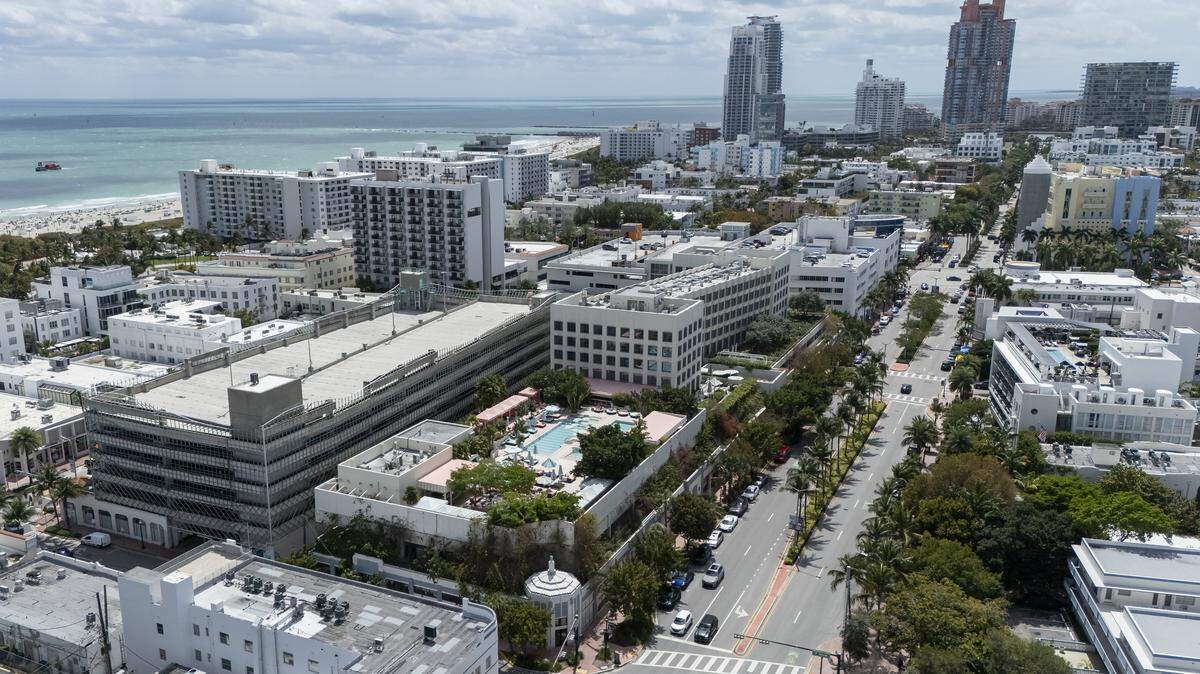
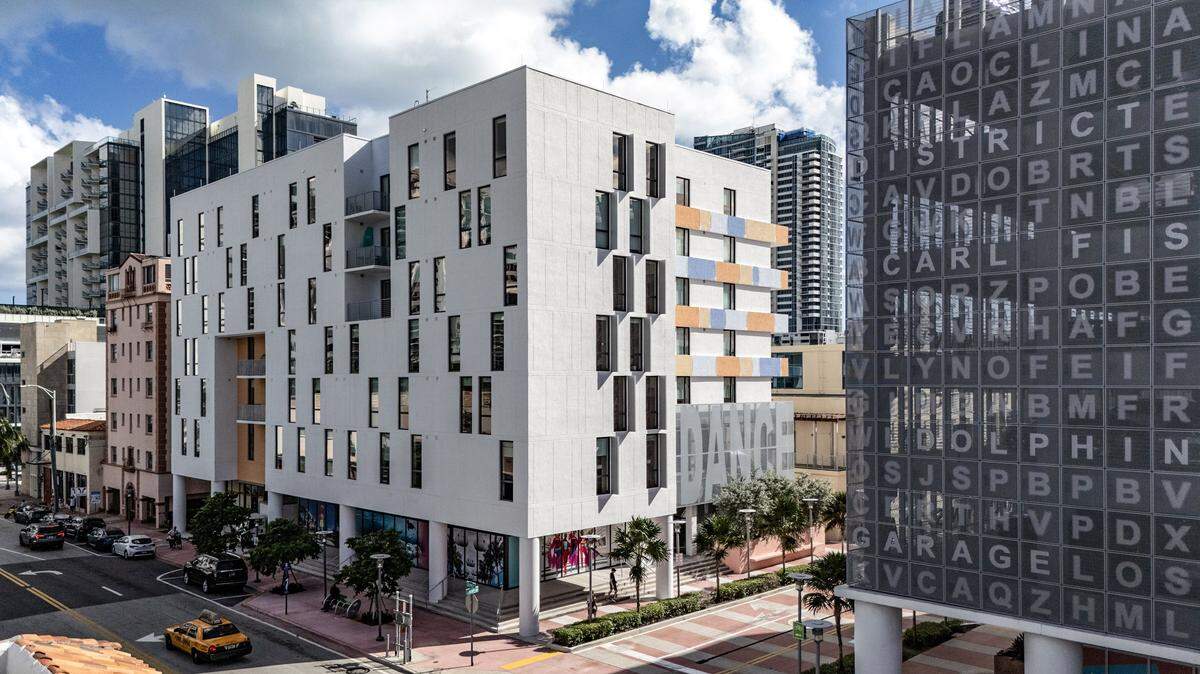
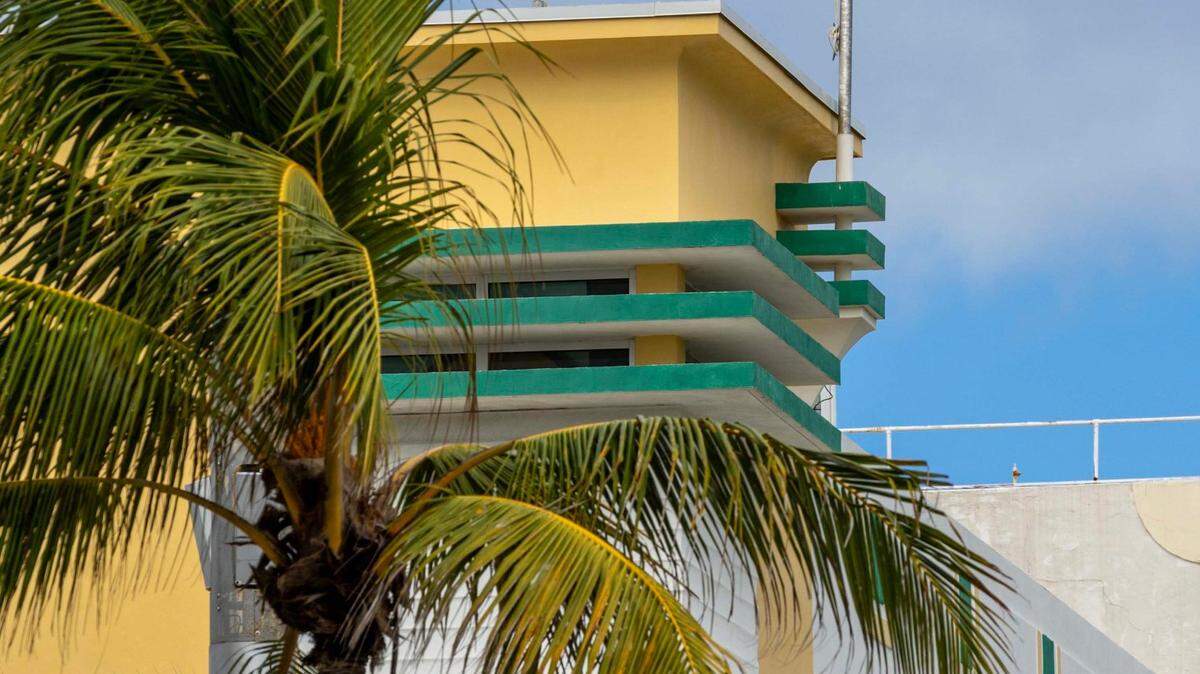
That’s what happened at the recently-completed Anamar at Collins Park, built on public land with financial support from Miami Beach taxpayers in the heart of the city’s cultural center. The complex has been promoted as housing for local artists — an idea we support — but several candidates running for city commission in the Nov. 4 election expressed frustration to the Herald Editorial Board that rents weren’t affordable enough.
With 80 workforce housing units at Collins Park, Axios reported in February that a one-bedroom apartment was going for $2,554 per month. That was slightly below the median asking price for similar apartments in the city.
Since then, rents have gone down at the Anamar. That’s positive. A one-bedroom apartment of up to 501 square feet ranges from a starting point of $1,990 to $2,338 as of Wednesday, according to the project’s website. A studio starts at $1,875 and a two-bedroom at $3,045.
To understand how those prices are set, it’s important to understand what “workforce housing” actually means.
The Anamar apartments are reserved for households making up to 120% of the Area Median Income (AMI), though, right now, they are serving residents between 100% and 110% AMI, Angel Rivera, executive vice president at developer Servitas told the Editorial Board via email. Paying almost $2,000 for a small one-bedroom apartment might not meet many people’s definition of affordability, but Anamar units are “more affordable than approximately 80% of the available Collins Park units” nearby, Rivera said.
The 120% AMI cap is common for workforce housing initiatives. In Miami-Dade County, that’s an annual income of up to $104,160 for one person, $118,920 for two people and $133,800 for a household of three, according to the Florida Housing Finance Corporation.
These are middle-income households, not the working-class folks many people may envision when they hear “workforce housing.”
But that housing still counts as affordable in exorbitant South Florida, where have even a six-figure salary isn’t luxury living for a single person. But most people in Miami-Dade County do not even make that much: 60% of county households earn $75,000 annually or less, according to Annie Lord, executive director of Miami Homes for All.
In fact, Miami-Dade needs 80,000 additional homes for households making up to 80% of the AMI (around $69,000 for one person), Lord told the Herald Editorial Board.
Fewer units — 17,000 — are needed for those making up to 120% AMI, which is also the affordability target under Florida’s Live Local Act. The state law allows developments in commercial and industrial districts to surpass density and height limits if 40% of units are reserved for residents who meet that income requirement.
The point isn’t that projects like the Anamar or laws like Live Local shouldn’t exist. With most construction on the Beach now centered on luxury condos, the Anamar can still help those who are priced out of new development.
“Servitas and the City were able to add rental units to a City that has seen a steady decline of rental units over the last 15 years. In addition, the new units are offered at a substantial discount to the market,” Rivera wrote in a statement.
The Collins Park complex has retail and cultural spaces and a floor dedicated to student dancers at the nearby Miami City Ballet, which was much needed. The building is owned and operated by a nonprofit, with surplus revenue going back to the city of Miami Beach, which will own the property once the project debt is paid off.
The jury is still out on whether the Live Local Act will help solve Florida’s housing crisis. Lord said the law, which includes other types of incentives to increase affordability, has taken “big steps forward in encouraging more housing construction” but that she would like to see more attention to creating more housing under that 80% AMI threshold. The act also takes control away from local governments in density decisions that impact quality of life.
The larger picture is that “workforce housing” is not the silver bullet to solve South Florida’s affordability problems, and elected officials should not tout it as such. True affordability is going to require investments by local and state governments to help people who need it the most.
BEHIND THE STORY
MOREWhat's an editorial?
Editorials are opinion pieces that reflect the views of the Miami Herald Editorial Board, a group of opinion journalists that operates separately from the Miami Herald newsroom. Miami Herald Editorial Board members are: opinion editor Amy Driscoll and editorial writers Isadora Rangel and Mary Anna Mancuso. Read more by clicking the arrow in the upper right.
What's the difference between an op-ed and a column?
How does the Miami Herald Editorial Board decide what to write about?
The Editorial Board, made up of experienced opinion journalists, primarily addresses local and state issues that affect South Florida residents. Each board member has an area of focus, such as education, COVID or local government policy. Board members meet daily and bring up an array of topics for discussion. Once a topic is fully discussed, board members will further report the issue, interviewing stakeholders and others involved and affected, so that the board can present the most informed opinion possible. We strive to provide our community with thought leadership that advocates for policies and priorities that strengthen our communities. Our editorials promote social justice, fairness in economic, educational and social opportunities and an end to systemic racism and inequality. The Editorial Board is separate from the reporters and editors of the Miami Herald newsroom.
How can I contribute to the Miami Herald Opinion section?
The Editorial Board accepts op-ed submissions of 650-700 words from community members who want to argue a specific viewpoint or idea that is relevant to our area. You can email an op-ed submission to oped@miamiherald.com. We also accept 150-word letters to the editor from readers who want to offer their points of view on current issues. For more information on how to submit a letter, go here.
This story was originally published October 27, 2025 at 6:00 AM.
.jpg)
.JPG)