Florida is selling property tax cuts as salvation, while ignoring the details | Opinion
READ MORE
Florida’s Tax Gamble
Florida’s proposed property tax cuts can have many hidden costs. The Herald Editorial Board explores how.
Expand All
The hard reality of what proposed property tax cuts may actually look like has begun to dawn on Florida’s Republican lawmakers.
As the Herald reported, they have started raising concerns about how the loss of tax revenue could impact access to neighborhood parks, and one Republican raised the possibility that parks might have to charge for certain services.
Alas, it’s an election year and the Legislature has plowed ahead to fulfill Gov. Ron DeSantis’ plan, whose details and consequences he has spent little time discussing. DeSantis, of course, won’t have to eat his own cooking if voters approve deep cuts. He’ll be safely out of office at the end of this year.
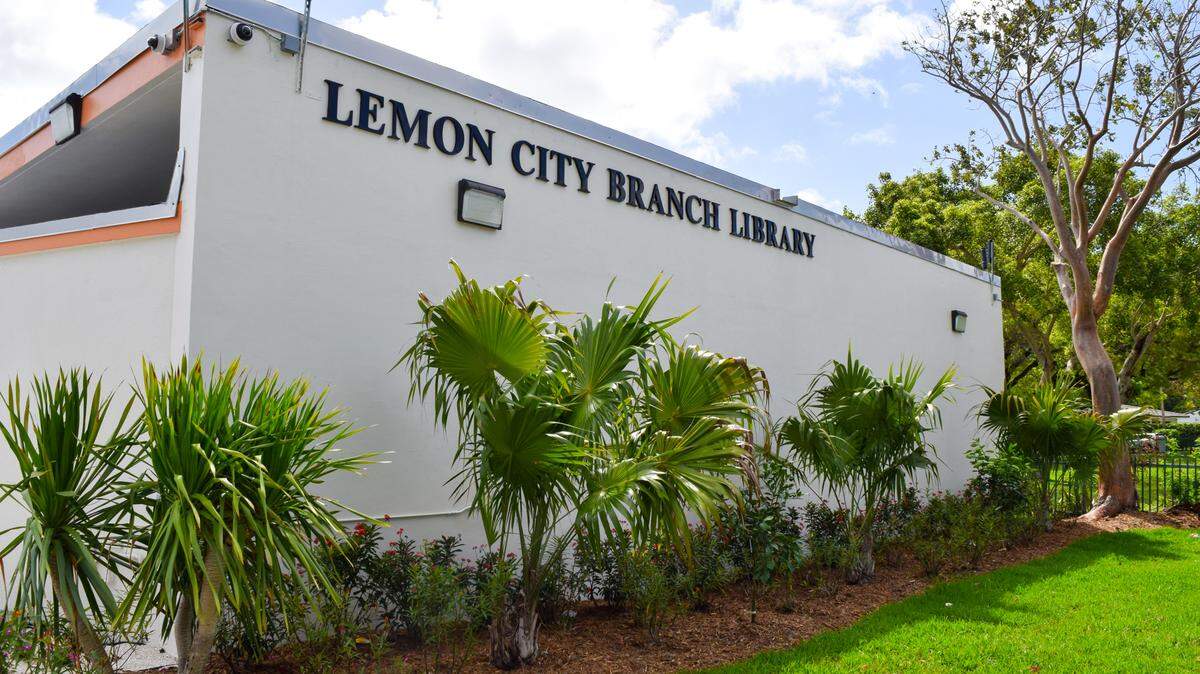
Pushing government to live within its means isn’t a bad thing. But the responsibility for making ends meet — and the backlash when beloved services like libraries are cut — will fall on the people elected to run counties and cities, not the Legislature. This fiscal-responsibility rhetoric also ignores that a huge chunk of property tax revenue pays for public safety, which is sacrosanct for Republicans and citizens alike.
It’s unclear yet what version of tax cuts will emerge from the 2026 legislative session. At least 60% of voters would have to approve it in November for final passage.
The Florida House is considering eight different proposals. They range from the extreme phase out of non-school property taxes for primary residences that have a homestead exemption to a more reasonable approach of creating a $200,000 homestead exemption for properties that have homeowners’ insurance.
Depending on what type of cuts lawmakers push forward, they could deliver a fiscal nuclear bomb to local communities. Eliminating taxes on homesteaded properties would create a $900 million shortfall for Miami-Dade, or a loss of about 28% of the county’s total property tax revenue in 2026, the Herald reported.
Lawmakers are right that park funding is a concern, but it is not the most serious one. The Miami-Dade County parks department relies on property taxes for about one-third of its budget, the Herald reported. Other services, such as libraries and public transportation, would be hit harder if homesteaded property taxes were eliminated.
County commissions and local councils would either have to cut services or find other revenue streams by assessing additional fees or raising taxes on properties not affected by the proposed cuts: commercial and non-homesteaded residential properties. Those costs that would likely be passed onto renters, worsening affordability for them.
All of this is made harder by the fact that lawmakers want to cut taxes while also prohibiting local governments from reducing their spending on law enforcement, fire safety and first responders. (That still doesn’t guarantee that spending will necessarily grow to accommodate higher salaries or the higher cost of fire trucks.)
Preserving public safety funding is responsible, but consider how Miami-Dade pays for county services. The $13.3 billion budget for the current fiscal year sounds large but a third of it is reserved for construction and capital projects. What’s left is called the “operating budget,” and half of it comes from fees tied to specific services such water, sewer and trash pickup, according to a county budget presentation.
The other half is what matters in this conversation. That’s the $4.3 billion raised from taxes — mostly property taxes but also gas and sales taxes. Two-thirds of this money already pays for policing, fire and the county jail.
That leaves $1.7 billion for other expenses, such as Jackson Health System, Miami-Dade’s public health system; public transit; animal services; the medical examiner; the elections office and road maintenance and libraries in unincorporated areas and 27 cities in Miami-Dade, according to the county budget presentation.
If a large portion of the funding for these items is gone, then what happens? Do libraries close, does Jackson lose out or does Miami-Dade cut something else?
That will partly depend on what the Legislature actually passes — and, hopefully, the measure that ends up before voters isn’t radical.
State leaders should have analyzed this issue to death before making decisions, but DeSantis vetoed $1 million to study the impact of eliminating property taxes last year. So, if this happens, local communities will be left on their own to figure out what to do.
BEHIND THE STORY
MOREWhat's an editorial?
Editorials are opinion pieces that reflect the views of the Miami Herald Editorial Board, a group of opinion journalists that operates separately from the Miami Herald newsroom. Miami Herald Editorial Board members are: opinion editor Amy Driscoll and editorial writers Isadora Rangel and Mary Anna Mancuso. Read more by clicking the arrow in the upper right.
What's the difference between an op-ed and a column?
How does the Miami Herald Editorial Board decide what to write about?
The Editorial Board, made up of experienced opinion journalists, primarily addresses local and state issues that affect South Florida residents. Each board member has an area of focus, such as education, COVID or local government policy. Board members meet daily and bring up an array of topics for discussion. Once a topic is fully discussed, board members will further report the issue, interviewing stakeholders and others involved and affected, so that the board can present the most informed opinion possible. We strive to provide our community with thought leadership that advocates for policies and priorities that strengthen our communities. Our editorials promote social justice, fairness in economic, educational and social opportunities and an end to systemic racism and inequality. The Editorial Board is separate from the reporters and editors of the Miami Herald newsroom.
How can I contribute to the Miami Herald Opinion section?
The Editorial Board accepts op-ed submissions of 650-700 words from community members who want to argue a specific viewpoint or idea that is relevant to our area. You can email an op-ed submission to oped@miamiherald.com. We also accept 150-word letters to the editor from readers who want to offer their points of view on current issues. For more information on how to submit a letter, go here.
This story was originally published January 28, 2026 at 1:58 PM.