Florida’s tax cuts won’t lower rent — they could raise it by shifting costs | Opinion

READ MORE
Florida’s Tax Gamble
Florida’s proposed property tax cuts can have many hidden costs. The Herald Editorial Board explores how.
Expand All
Renters account for more than half of Miami-Dade households, yet they have been forgotten in the discussion about slashing property taxes in Florida.
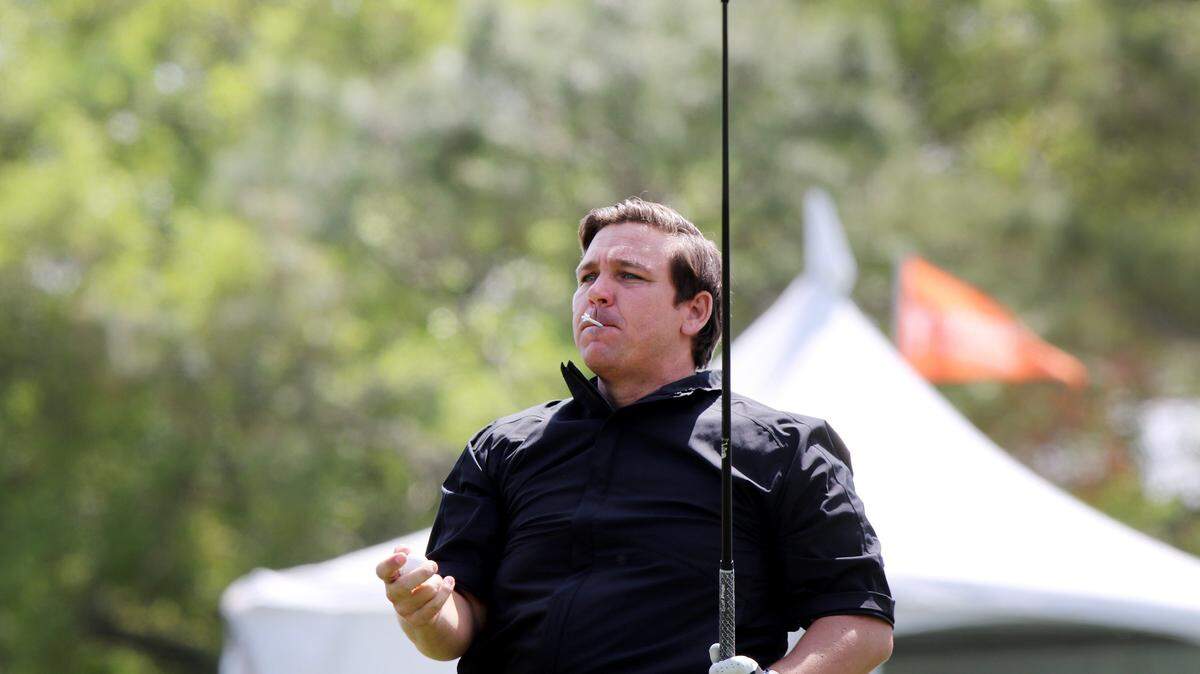
Those renters lived in about 515,000 housing units out of more than one million in the county, according to 2025 data from the Miami-Dade Beacon Council. They are among the most cost-burdened in the nation, but will get no relief under Gov. Ron DeSantis’ proposal to increase the state’s homestead tax exemption for owner-occupied homes.
We’re not necessarily surprised the conversation of tax cuts is centered on homeowners who pay those taxes. The bigger problem is that renters could end up paying more if municipalities and counties raise tax rates and fees to make up for the loss of property tax revenue that funds schools, public safety, parks, libraries and other basic local functions. Rental and commercial properties would bear the brunt of any tax increase and the costs could be passed on to tenants.
That’s one of the potential hidden costs of DeSantis’ sweeping yet half-baked proposal to increase Florida’s homestead exemption to $150,000 next year and $250,000 the year after. It’s unclear whether legislation filed last week would lead to the full elimination of those taxes.
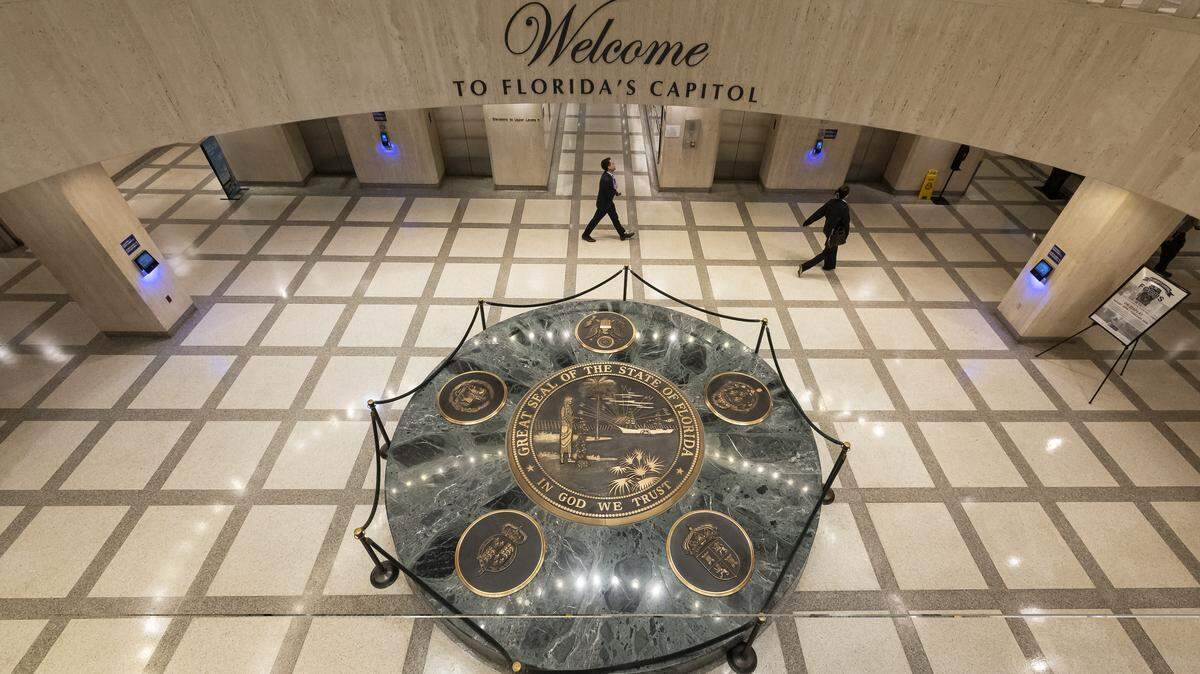
Lawmakers have until Wednesday to pass the legislation to put the item on the November ballot for voter approval. That’s not enough time to consider a measure that’s so unprecedented — not without a study of its fiscal impacts.
We doubt renters will be a focus of the deliberations that began in Tallahassee Monday.
Senate Joint Resolution 2F, filed by Miami Republican Sen. Bryan Avila, addresses rental properties indirectly. The legislation includes a 5% cap, starting in 2027, on the annual increase of the taxable value of non-homestead properties such as rental and second homes, stores and vacant land.
That would limit potential tax increases on those properties, but not completely prevent them. For renters already financially strapped, any hike in their monthly costs can make a difference, especially when the price of gas, food and everything else is also high.
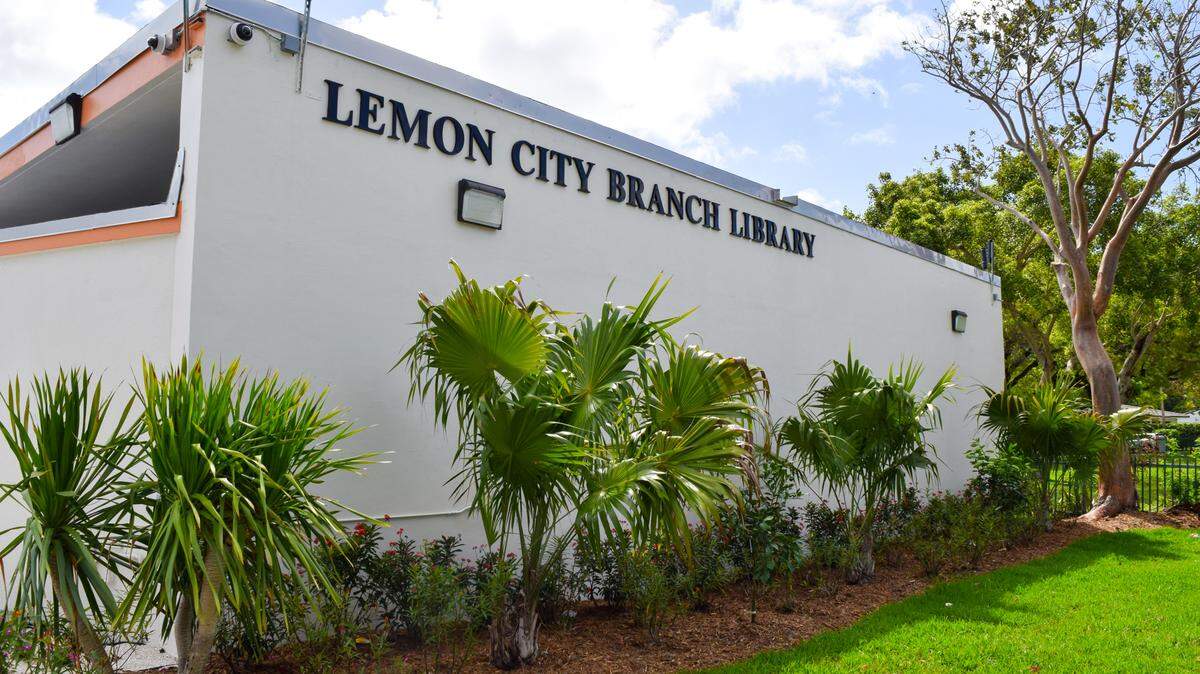
That’s one of the reasons critics of the tax cuts call them a tax shift. The other reason is the potential of governments creating new fees and other revenue streams to pay for services — imagine paying for your library card or to use parks and sports fields. Who would hurt the most? Lower-income residents.
“To offset the revenue loss, localities would have to increase taxes and fees and/or make budget cuts, effectively leading to a cost shift as Floridians either pay more for or lose vital public services,” Florida Policy Institute Director of Research Esteban Santis wrote in an analysis of Avila’s legislation.
Lower taxes could motivate some renters to buy homes but don’t address other factors driving housing costs up: expensive home prices, high mortgage rates and unaffordable homeowners’ insurance premiums — which the Legislature has neglected to address beyond reforms meant to drive down the costs of insurance litigation in Florida.
The governor and lawmakers should be looking for ways to create new homeowners, who have been sidelined by the rising cost of housing, particularly in South Florida. A better way to do that would have been to create tax breaks or incentives for first-time homebuyers without handicapping local governments as much as the current plan.
Let’s not forget that renters are also often voters — and the tax-cut proposal needs 60% voter approval, not an easy threshold. DeSantis and lawmakers will try to sell the idea as a win-win for all Floridians, but voters must look for the fine print.
BEHIND THE STORY
MOREWhat's an editorial?
Editorials are opinion pieces that reflect the views of the Miami Herald Editorial Board, a group of opinion journalists that operates separately from the Miami Herald newsroom. Miami Herald Editorial Board members are: opinion editor Amy Driscoll and editorial writers Isadora Rangel and Mary Anna Mancuso. Read more by clicking the arrow in the upper right.
What's the difference between an op-ed and a column?
How does the Miami Herald Editorial Board decide what to write about?
The Editorial Board, made up of experienced opinion journalists, primarily addresses local and state issues that affect South Florida residents. Each board member has an area of focus, such as education, COVID or local government policy. Board members meet daily and bring up an array of topics for discussion. Once a topic is fully discussed, board members will further report the issue, interviewing stakeholders and others involved and affected, so that the board can present the most informed opinion possible. We strive to provide our community with thought leadership that advocates for policies and priorities that strengthen our communities. Our editorials promote social justice, fairness in economic, educational and social opportunities and an end to systemic racism and inequality. The Editorial Board is separate from the reporters and editors of the Miami Herald newsroom.
How can I contribute to the Miami Herald Opinion section?
The Editorial Board accepts op-ed submissions of 650-700 words from community members who want to argue a specific viewpoint or idea that is relevant to our area. You can email an op-ed submission to oped@miamiherald.com. We also accept 150-word letters to the editor from readers who want to offer their points of view on current issues. For more information on how to submit a letter, go here.