‘It would destroy us:’ Your South Florida city could bear the brunt of tax cuts | Opinion
READ MORE
Florida’s Tax Gamble
Florida’s proposed property tax cuts can have many hidden costs. The Herald Editorial Board explores how.
Expand All
When Florida Gov. Ron DeSantis and others talk about eliminating property taxes, their pitch seems straight-forward: We’ll fix Florida’s affordability crisis and cities and counties will be forced to live within their means.
It’s not so simple.
The need for affordability is real — though lawmakers should instead address high property insurance costs — and people are rightly suspicious of government spending. But here’s what DeSantis and lawmakers aren’t saying: These proposed cuts would not impact every community the same. Yours might be the one that ends up worst off.
Just look at Miami-Dade County’s 34 municipalities — some of them so small you may not know they exist — and see how some communities could suffer much deeper cuts to revenue than others. Some residential communities known for their quality of life — from Miami Shores to Cutler Bay — would be hit the hardest.
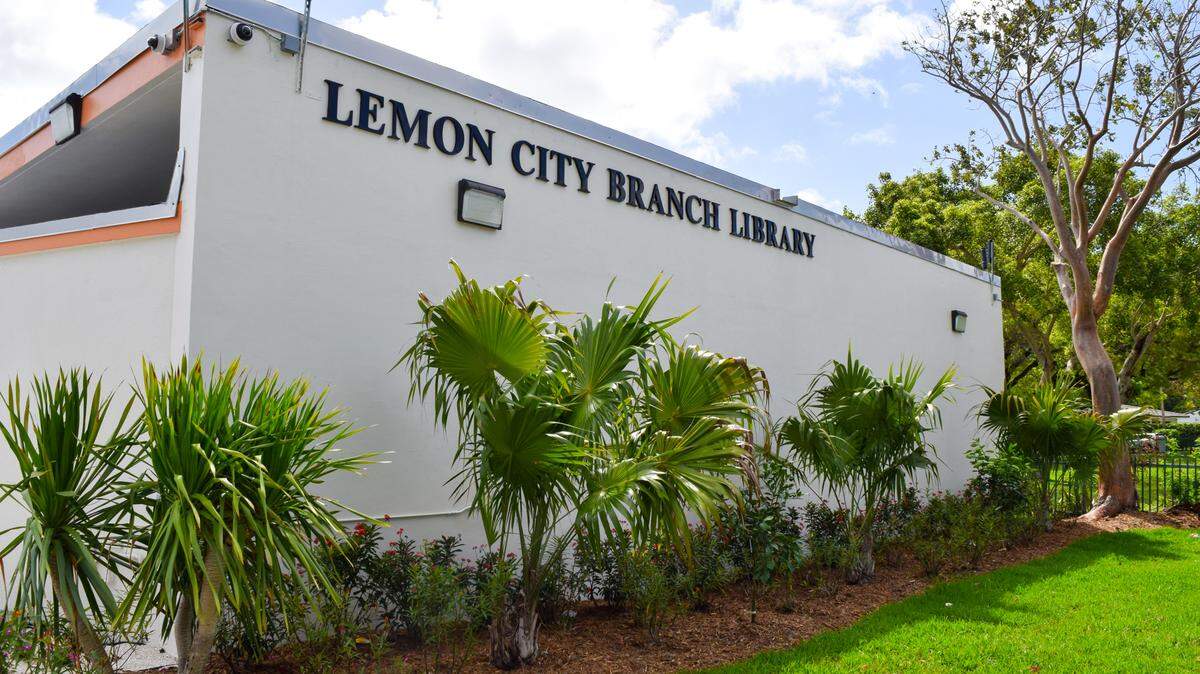
If municipalities lose that revenue, they either jack up fees or cut services. Think of parks, sports fields, municipally-run libraries and basic city hall functions, such as addressing constituents’ problems or planning for future growth.
It’s because of these services that many South Florida communities incorporated as municipalities decades ago. They felt county government alone was not responsive to their needs.
It’s unclear what type of tax cuts lawmakers could put on the November ballot. All the bills under consideration focus on rolling back taxes for properties that are homesteaded, meaning they are someone’s primary residence (and already get some tax breaks).
Among the cities that could get hurt the most: Miami Shores, Palmetto Bay, Pinecrest, Biscayne Park, Cutler Bay, El Portal, Miami Springs, Coral Gables, Golden Beach and Miami Lakes, the 10 municipalities in Miami-Dade where homesteaded properties make up the largest portion of the tax base, according to a tally by the Florida League of Cities.
We’re not surprised by this list. Bigger cities, like Miami, and counties, like Miami-Dade, have a diverse tax base that includes businesses, industrial and warehouse districts and commercial properties. That’s not the case for many bedroom communities that might not even have a downtown.
Take Palmetto Bay. The affluent village of 25,000 residents in South Miami-Dade, incorporated in 2002, is a quiet suburban area with lots of green space — and the village recently purchased a new park, Mayor Karyn Cunningham told the Herald Editorial Board.
More than 57% of Palmetto Bay’s total tax values comes from homesteaded properties, meaning deep cuts “would destroy” the village, Cunningham said.
While public safety absorbs the most tax dollars, Palmetto Bay spends about $350,000 annually on events, like a camping and movie night meant to foster community connections, she said. This is the type of spending Tallahassee might scoff at, but local voters put officials like Cunningham in office to make these decisions.
The tax-cut bills advancing include the extreme HJR 201 to eliminate taxes on all homesteaded properties in Florida, except taxes that pay for schools. A similar measure would do the same but over a 10-year period. Another creates a $200,000 homestead exemption for insured homes, and it also excludes school taxes.
These bills would ban local governments from reducing spending on public safety. That may be responsible, but it creates an unfunded mandate.
Public safety spending takes up a significant chunk of Florida property tax dollars — 60% to 65% on average, according to Charles Chapman, a League of Cities legislative advocate. With significant cuts, once police and fire are funded, there may be little left for the other things.
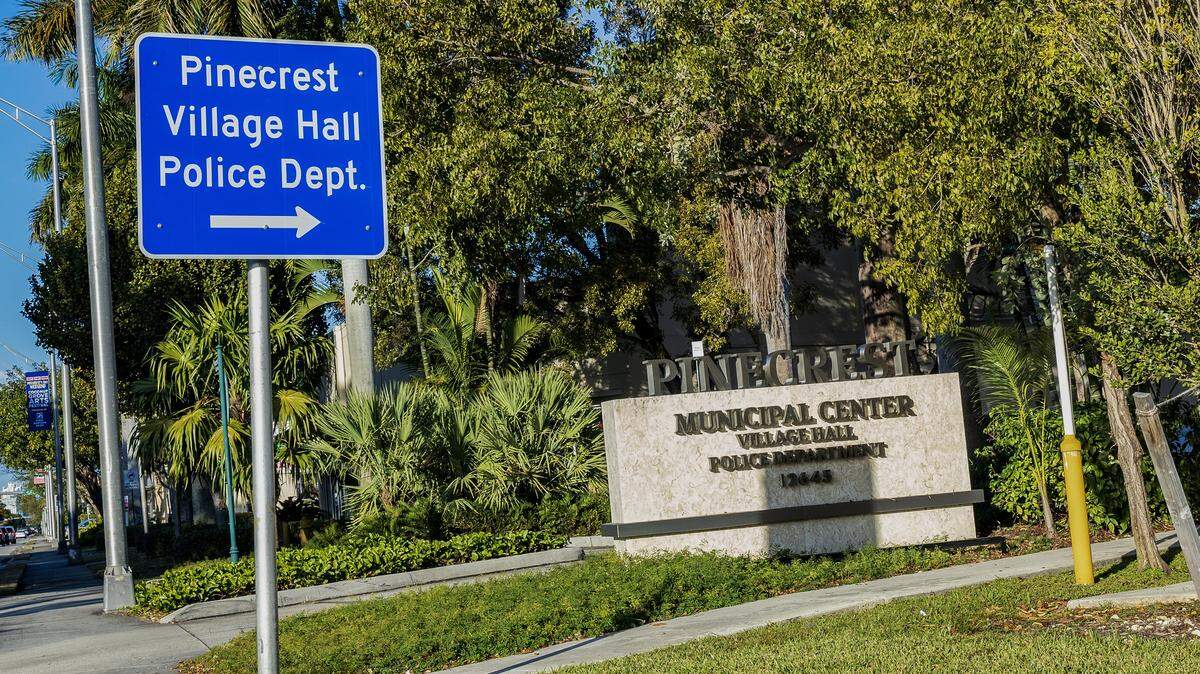
In Pinecrest, taxpayers have come to expect a “concierge level” of municipal services, Mayor Joseph Corradino told the Editorial Board. For example, when Pinecrest decided to open parks one hour later to save money around 2008, residents complained and officials reversed course within a week, he said. Property taxes make up almost half of the village’s budget, according to municipal data.
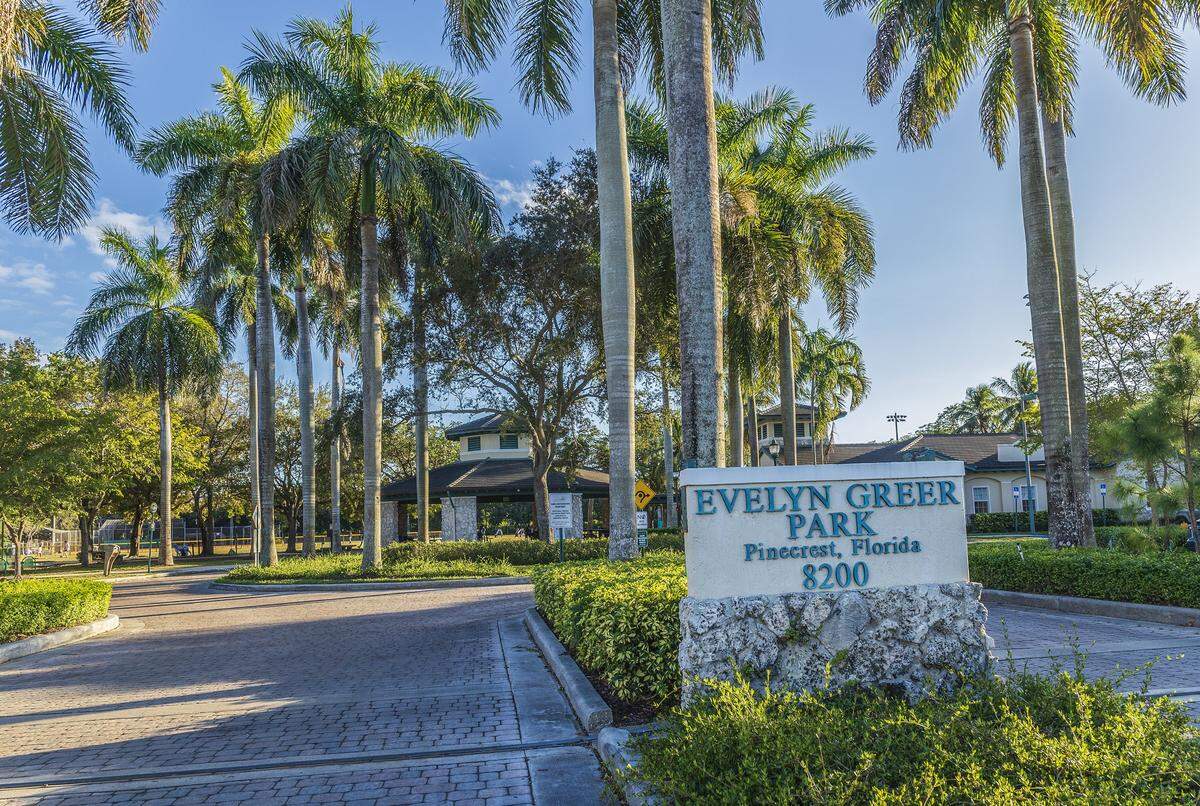
Floridians may want to pay less in taxes, but they won’t like it when their parks look worse or no one returns their call to city hall. Some cities may even be abolished and fold back into the county government.
Perhaps the intent of DeSantis and lawmakers is to force property taxes to pay for the bare minimum: law enforcement, fire and little more. This may sound like a small-government conservative dream, but it is out of touch with the reason many South Florida cities exist.
BEHIND THE STORY
MOREWho decides the political endorsements?
In advance of local and state elections, Miami Herald Editorial Board members interview political candidates, as well as advocates and opponents of ballot measures. The Editorial Board is composed of experienced opinion journalists and is independent of the Herald’s newsroom. Members of the Miami Herald Editorial Board are: Amy Driscoll, editorial page editor; and editorial writers Isadora Rangel and Mary Anna Mancuso. Read more by clicking the arrow in the upper right.
What does the endorsement process look like?
The Miami Herald Editorial Board interviews political candidates to better understand their views on public policy and how their policies will affect their constituents. Board members do additional reporting and research to learn as much as possible about the candidates before making an endorsement. The Editorial Board then convenes to discuss the candidates in each race. Board members seek to reach a consensus on the endorsements, but not every decision is unanimous. Candidates who decline to be interviewed will not receive an endorsement.
Is the Editorial Board partisan?
No. In making endorsements, members of the Editorial Board consider which candidates are better prepared to represent their constituents — not whether they agree with our editorial stances or belong to a particular political party. We evaluate candidates’ relevant experience, readiness for office, depth of knowledge of key issues and understanding of public policy. We’re seeking candidates who are thoughtful and who offer more than just party-line talking points.
This story was originally published February 9, 2026 at 12:14 PM.