Lower property taxes sound great — until your library is on the chopping block | Opinion
READ MORE
Florida’s Tax Gamble
Florida’s proposed property tax cuts can have many hidden costs. The Herald Editorial Board explores how.
Expand All
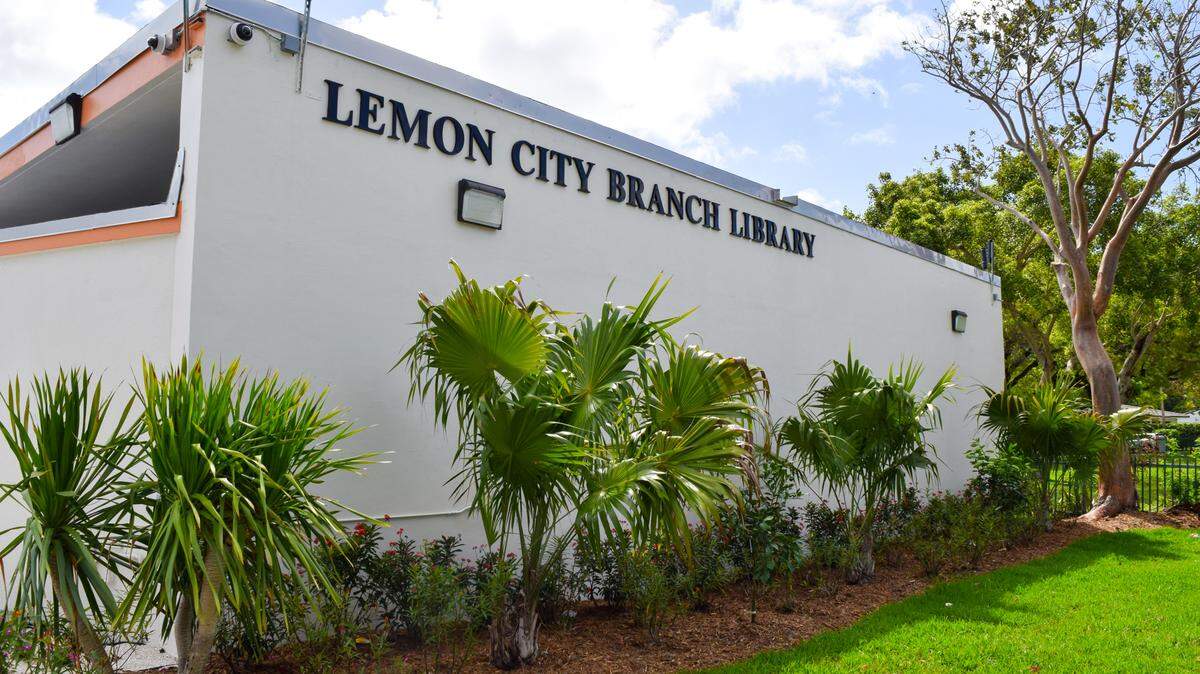
The Lemon City Library — the oldest library in Miami, dating back to 1894 — held its grand reopening last week. Brand-new books lining the shelves and more than half a dozen computer stations waiting to be used showed what a nearly $3 million investment in the Miami-Dade County library system can provide for the local community.
But it also reminds us of what could be lost if property taxes are cut.
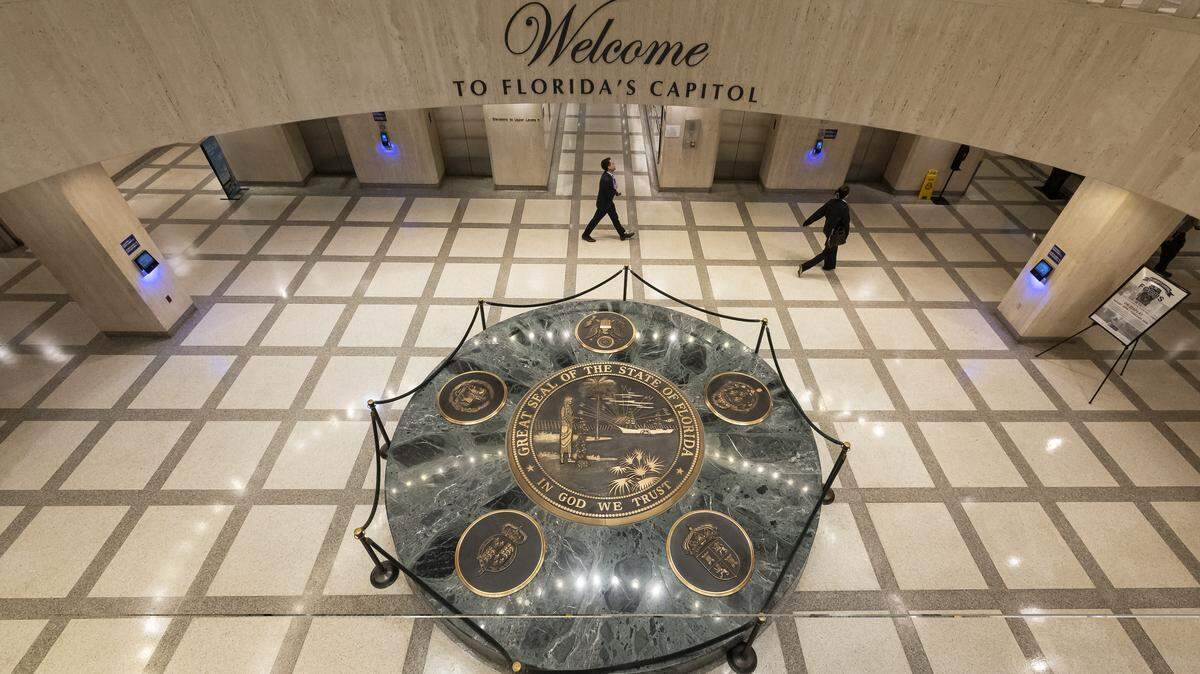
There’s been an intense debate recently over Florida Gov. Ron DeSantis’ push to trim or repeal taxes on homesteaded properties in the state. Much of the discussion has focused on what might happen to emergency services, first responders and cities without a broad tax base. But another essential service depends on property taxes: the public library system.
In Miami-Dade, the library system is funded by a special library taxing district that gets its revenue from property taxes. This fiscal year, the system’s budget is over $122 million. The county library system operates 50 physical branch locations and serves more than 2.7 million county residents.
If property taxes are eliminated for people 65 and older — one idea of many being discussed — the library system could lose an estimated 20% of that funding, the Miami Herald reported. That’s a significant hit to a service many rely on daily.
Libraries matter. They’re more than places to borrow books or read periodicals. They’re a connection point. They also serve as polling locations during elections, host programming for the community and provide students with a quiet place to study.
Libraries offer diverse and important services: smartphone basics for seniors, writing clubs, homework help and tutoring, to name a few.
“Libraries are essential… for access to the internet, to outside resources, to the world — and also spaces for gathering,” county Mayor Daniella Levine Cava said at the Lemon City Library reopening.
The renovation of the Lemon City library, which is in Little Haiti, is part of a broader county initiative to “modernize library spaces, enhance technology access, and better serve the growing needs of Miami-Dade County residents,” according to Levine Cava’s office.
In an email to the Editorial Board, the mayor’s office outlined other renovation projects that are under way: refurbishing the South Dade Regional Library, construction of a new Doral branch library and, in Allapattah, a library branch that’s being closed with a replacement to be built in an affordable and workforce housing development.
But the work to build new libraries and renovate those that already exist requires stable funding.
The Library Taxing District funds day-to-day operations, but it also covers a portion of the long-term capital improvements across the county. The mayor’s office acknowledged what’s at stake if property taxes are cut: “Any potential changes to property tax structures could impact future funding decisions. While it is too early to determine specific outcomes, such changes would likely have implications for the library’s capital improvement program.”
Tax relief as a way to tackle affordability for Floridians is a legitimate discussion. But it shouldn’t be rushed — tax cuts aren’t cost-free. They come with tradeoffs, and those trade-offs deserve an honest accounting.
Residents should weigh in. Where do you think your community should trim? Reach out to your local elected officials and tell them.
In Miami-Dade, the trade-offs for reduced property taxes could mean that local libraries like the Lemon City branch could lose programming or have to cut back hours or be unable to renovate when it’s needed.
“The power of opening a library in someone’s community changes generations,” said Rosie Augustine Jean-Louis, chief of staff for county commission District 3, said at the Lemon City branch reopening.
If property taxes are cut, the consequences will be more than just dollars and cents. They’ll be felt in neighborhoods where libraries are lifelines. Lawmakers need to think carefully about what they’re proposing. The tax cuts they promote today could result in cutbacks their constituents regret tomorrow.
BEHIND THE STORY
MOREWhat's an editorial?
Editorials are opinion pieces that reflect the views of the Miami Herald Editorial Board, a group of opinion journalists that operates separately from the Miami Herald newsroom. Miami Herald Editorial Board members are: opinion editor Amy Driscoll and editorial writers Isadora Rangel and Mary Anna Mancuso. Read more by clicking the arrow in the upper right.
What's the difference between an op-ed and a column?
How does the Miami Herald Editorial Board decide what to write about?
The Editorial Board, made up of experienced opinion journalists, primarily addresses local and state issues that affect South Florida residents. Each board member has an area of focus, such as education, COVID or local government policy. Board members meet daily and bring up an array of topics for discussion. Once a topic is fully discussed, board members will further report the issue, interviewing stakeholders and others involved and affected, so that the board can present the most informed opinion possible. We strive to provide our community with thought leadership that advocates for policies and priorities that strengthen our communities. Our editorials promote social justice, fairness in economic, educational and social opportunities and an end to systemic racism and inequality. The Editorial Board is separate from the reporters and editors of the Miami Herald newsroom.
How can I contribute to the Miami Herald Opinion section?
The Editorial Board accepts op-ed submissions of 650-700 words from community members who want to argue a specific viewpoint or idea that is relevant to our area. You can email an op-ed submission to oped@miamiherald.com. We also accept 150-word letters to the editor from readers who want to offer their points of view on current issues. For more information on how to submit a letter, go here.
This story was originally published May 1, 2026 at 3:26 PM.