The biggest losers in Florida property tax cuts? Look at renters | Opinion
READ MORE
Florida’s Tax Gamble
Florida’s proposed property tax cuts can have many hidden costs. The Herald Editorial Board explores how.
Expand All
There has been a lot of discussion about cutting property taxes in Florida.
The basic argument is an appealing one: Cutting taxes on homesteaded properties — considered a person’s primary residence — would offer much-needed relief to homeowners who have seen their taxes rise along with their property values. But proposals to eliminate or roll back taxes don’t address the impact in important areas that need to be considered, including the likely effect on renters and business owners.
In Miami-Dade County — where renters make up a large portion of households, according to the nonprofit Miami Homes for All — that matters.
First, renters wouldn’t directly benefit from a property tax cut.
Second, a study done by the Florida League of Cities found that commercial and rental properties would possibly see higher taxes as a result of homesteaded property cuts. According to the study, “for renters, higher property taxes translate into higher rental rates, disproportionately burdening lower-income households and other vulnerable residents.”
In other words, we could see a tax shift: Remove property taxes from one set of people, hike taxes and fees on other folks, like renters and business owners.
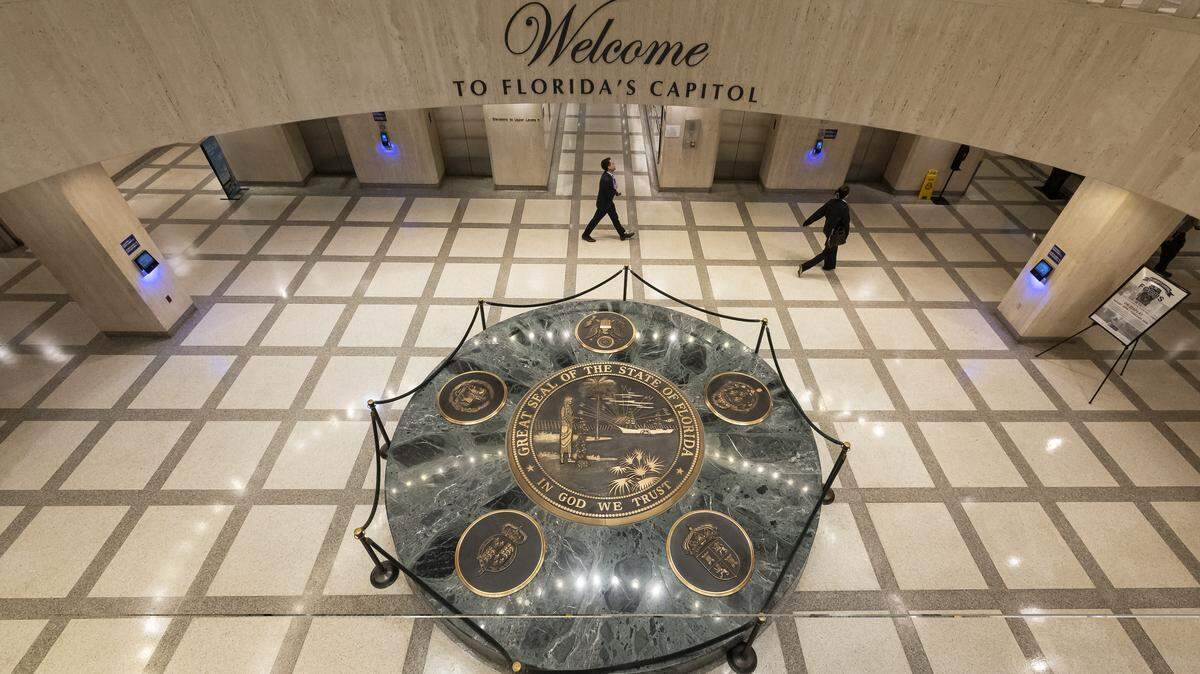
The Florida Legislature is considering several proposals to create a ballot measure to cut property taxes — the Florida House passed a bill Thursday to repeal property taxes on everything except for those funding schools — and voters would have to approve any such measure by at least 60% in November. Those taxes are the backbone of municipalities and counties, and the loss of revenue could leave them trying to fill budget gaps, especially for public safety. Local governments would have to make tough choices — cut services, increase fees or raise tax rates (known as millage rates) on rental and commercial properties.
Jeff Brandes, former state senator and president of the Florida Policy Project, noted, “The first thing counties will do is to look at millage rate, their capacity to increase [taxes] on non-homesteaded properties in order to backfill their revenues.”
If taxes on non-homesteaded properties are raised, property owners would likely pass that cost onto residential and commercial tenants. For businesses, that could mean either increasing their prices or closing.
Brandes summed up the impact, telling the Editorial Board, “This is two-thirds of Floridians raising takes on one-third of Floridians that rent. This means a regressive tax on renters who receive no benefit and ultimately pay higher rents.”
In Miami-Dade, businesses have already seen an increase in office rent. Over the course of 2025, rents rose 4.2%, the Herald reported. Last year, a family-owned restaurant in downtown Miami was forced to close after 45 years due in part to rising rental costs.
For businesses already struggling with rising insurance premiums and payroll costs, property tax cuts won’t provide relief. Instead, they may face another financial burden potentially passed down to consumers.
Renters are even more exposed. According to the U.S. Department of Housing and Urban Development, the average monthly rent of a two-bedroom apartment in Miami has increased more than 21% since 2024, though there have been recent signs of a slight cooling off in the rental market. Overall, though, there hasn’t been another metro area that has seen such a steep increase.
As the Miami Herald reported, the Census Bureau’s 2023 American Communities Survey found that nearly 60% of renters in Miami are cost-burdened, meaning they spend at least 30% of their monthly income on housing — including rent and utilities.
Annie Lord, executive director of Miami Homes for All, told the Editorial Board, “Miami-Dade is a predominantly renter community. The proposed property tax exemptions do nothing to support renters and will likely make their lives less affordable.”
She added: “Overall, the tax cuts will mostly benefit a wealthier minority of residents, without helping those who are struggling the most with housing costs: renters.”
Property tax proposals focused on homesteaded properties and may seem like good policy — especially in an area where home values have skyrocketed and homeowners are on the hunt for relief. But without a replacement strategy, eliminating property taxes is more than a gamble. It’s a reshuffle of who is paying.
“This isn’t a tax cut. It’s a tax shift,” Brandes said.
Renters and small businesses could shoulder the burden, leading to deeper inequity. This probably wouldn’t solve Florida’s affordability crisis — and it could worsen it for many Floridians.
True reform should reduce costs for all Floridians, not a select few. Otherwise, it isn’t reform. It’s redistribution.
BEHIND THE STORY
MOREWhat's an editorial?
Editorials are opinion pieces that reflect the views of the Miami Herald Editorial Board, a group of opinion journalists that operates separately from the Miami Herald newsroom. Miami Herald Editorial Board members are: opinion editor Amy Driscoll and editorial writers Isadora Rangel and Mary Anna Mancuso. Read more by clicking the arrow in the upper right.
What's the difference between an op-ed and a column?
How does the Miami Herald Editorial Board decide what to write about?
The Editorial Board, made up of experienced opinion journalists, primarily addresses local and state issues that affect South Florida residents. Each board member has an area of focus, such as education, COVID or local government policy. Board members meet daily and bring up an array of topics for discussion. Once a topic is fully discussed, board members will further report the issue, interviewing stakeholders and others involved and affected, so that the board can present the most informed opinion possible. We strive to provide our community with thought leadership that advocates for policies and priorities that strengthen our communities. Our editorials promote social justice, fairness in economic, educational and social opportunities and an end to systemic racism and inequality. The Editorial Board is separate from the reporters and editors of the Miami Herald newsroom.
How can I contribute to the Miami Herald Opinion section?
The Editorial Board accepts op-ed submissions of 650-700 words from community members who want to argue a specific viewpoint or idea that is relevant to our area. You can email an op-ed submission to oped@miamiherald.com. We also accept 150-word letters to the editor from readers who want to offer their points of view on current issues. For more information on how to submit a letter, go here.