Herald recommends: Mudslinging aside, one candidate builds consensus in House District 120 GOP primary | Editorial
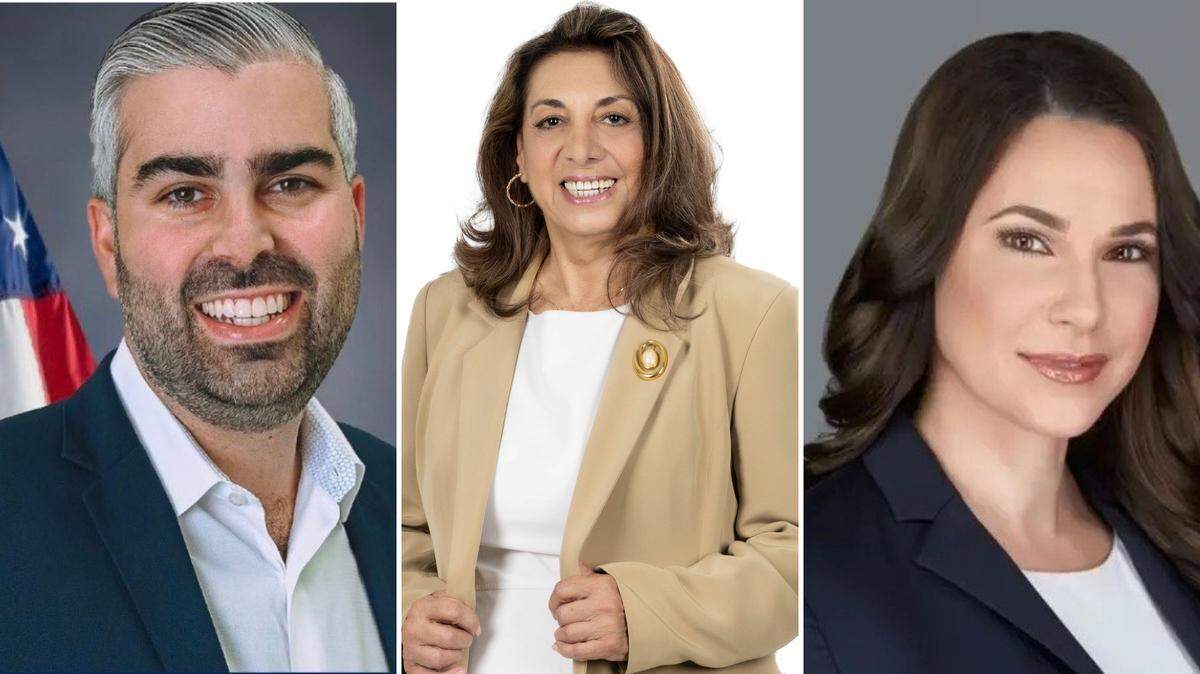
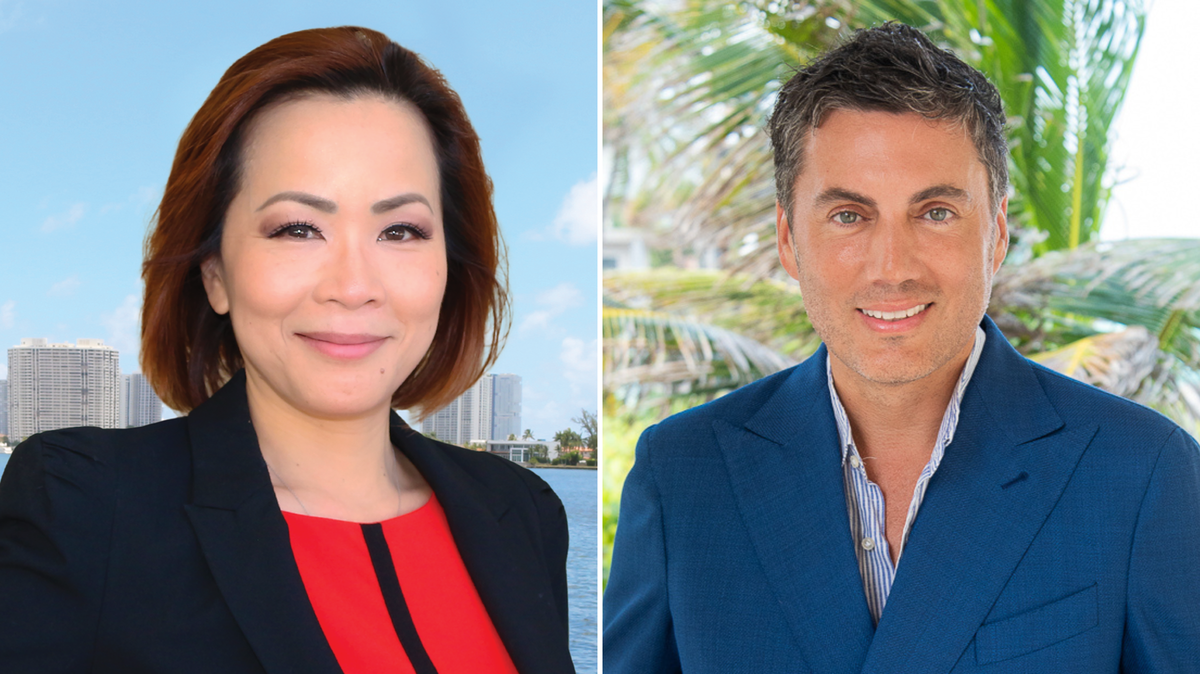
.png "In Florida Keys’ District 120, James Mooney (left) faces Rhonda Rebman Lopez and Robert Scott Allen (not pictured) in the Republican primary.")
READ MORE
Miami Herald Editorial Board Election Recommendations
In advance of local and state elections, the Editorial Board interviews political candidates to better understand their views on various issues and how their policies will affect their constituents. The goal is to give voters a better idea of who’s the best candidate for each race. Read our 2022 recommendations below:
Expand All
The Republican primary for Florida House District 120 may be the most contentious legislative race on the Miami-Dade County ballot. Voters will have to sift through a lot of mudslinging.
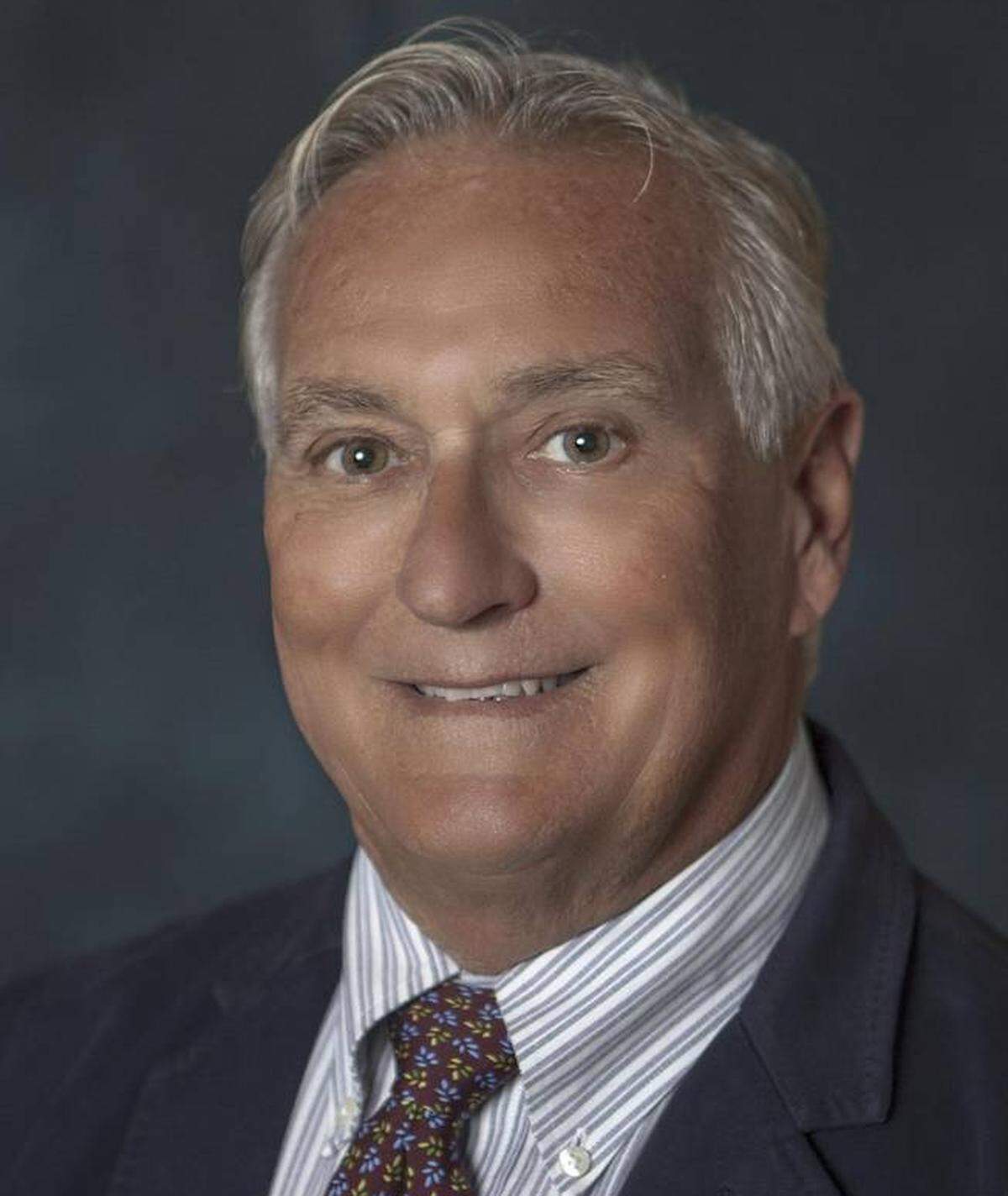
Incumbent James “Jim” Mooney, 71, is a former Islamorada mayor first elected to the Legislature in 2020. His main opponent on Aug. 23 is Rhonda Rebman Lopez, who lost the 2020 primary to Mooney by 148 votes. A third candidate, Robert Scott Allen, is a Keys painting contractor who’s out of his depth in this race. The main issue in his platform is opposing the use of machines to count votes in Florida.
District 120 covers all of the Florida Keys and Monroe County and the southernmost portion of Miami-Dade, including part of the Homestead area. It leans slightly Republican but is moderate and staunchly pro-environment and clean water. In 2019, Key West voters limited cruise ships at the city’s port to protect the area’s delicate eco-system. At the urging of the cruise industry, the Legislature reversed the will of voters last year. Mooney was the only Republican to oppose that usurpation of local control.
Rebman Lopez, 57, vowed to defend the environment and home rule (she also opposes the Keys cruise ship bill). She wants to address sky-rocketing property insurance rates and expand Florida’s parental rights bill, commonly known as “Don’t say gay,” which banned classroom instructions about sexual orientation and gender identity in K-3. “I wouldn’t want it just to stop at third-grade,” she said. Her family owns PECO International Electric.
Rebman Lopez shows a good grasp of the issues facing District 120, but she often attracts attention for the wrong reasons.
In 2020, she came under fire when ugly campaign mailers went out suggesting Mooney was a “communist sympathizer.” She denied any involvement, saying she’s a “Christian woman,” but at least one of the mailers came from a political committee for which she was the registered chairwoman. She told the Herald Editorial Board the mailer went out without her permission.
In a weird twist, Rebman Lopez this year is getting help from a Democrat-run PAC that’s running ads saying Mooney didn’t defend Gov. Ron DeSantis’ agenda. Her own campaign began running ads that share a stark resemblance with the Democratic-backed ones — they both use the same stock art, Florida Politics reported. She has vehemently denied working with Democratic operatives.
In 2020, there were questions about whether she lived in District 120 because her husband had a homestead exemption — a property tax break for someone’s primary residence — on a home outside the district. Just two years earlier, she had run in a different House district that stretched approximately from Cutler Bay north to Miami Springs. At the time, she dropped her middle name and ran as Rhonda Lopez, an apparent attempt to pander to Hispanic voters. She told the Herald Editorial she currently lives in District 120, in a Key Largo home registered to a trust.
House Republican leadership is backing Mooney and has put out attack ads against Rebman Lopez, calling her a “RINO” (Republican in name only). We have no doubt that she is a conservative.
Rebman Lopez criticized Mooney for voting for two anti-environment bills. House Bill 349 would allow developers seeking permits to build projects that destroy seagrass to buy credits in “mitigation banks” to cover the cost of restoration somewhere else. Environmentalists say those banks don’t have a good success rate. Mooney voted for the bill in its first committee hearing. He called it a “soft yes” intended to allow the sponsor to improve the bill — something lawmakers commonly do. The bill died before Mooney could vote on it again.
He also voted for Senate Bill 2508, later vetoed by DeSantis, which would have put agricultural interests ahead of Everglades restoration by taking away flexibility from the state’s water managers. The bill was a concession to the sugar industry and, although it was pared down from its original version, it was still unnecessary.
Rebman Lopez also attacked Mooney for voting against the “Don’t say gay” bill. But his vote falls in line with the moderate nature of District 120, which has a vibrant LGBTQ community.
“That bill was very vague. That bill put teachers in a very precarious position, as it did school boards,” Mooney told the Editorial Board. We agree. For example, it’s unclear whether a teacher could run afoul of the law for answering student questions about his or her same-sex partner.
In another good move, Mooney voted against anti-home rule legislation that would allow some businesses to sue cities and counties if they lost at least 15% of their profits because of a local ordinance. Dubbed the “the mother of all preemption bills,” SB 620 would have encouraged frivolous lawsuits and hurt efforts to restrict the sale of products that harm the environment. DeSantis vetoed it.
Mooney said his priority if reelected will be to help the Keys navigate a moratorium on new building permits the state imposed in the 1970s to control development in the environmentally sensitive archipelago. When the moratorium goes into effect in 2023, local governments expect a torrent of lawsuits from owners of vacant lots that cannot be developed.
Mooney hasn’t had a perfect record or made an impact in Tallahassee. But he appears to be consensus builder. Rebman Lopez would be a wild card.
The Herald recommends JIM MOONEY in the Republican primary in Florida House District 120.
BEHIND THE STORY
MOREWho decides the political endorsements?
In advance of local and state elections, Miami Herald Editorial Board members interview political candidates, as well as advocates and opponents of ballot measures. The Editorial Board is composed of experienced opinion journalists and is independent of the Herald’s newsroom. Members of the Miami Herald Editorial Board are: Amy Driscoll, editorial page editor; and editorial writers Isadora Rangel and Mary Anna Mancuso. Read more by clicking the arrow in the upper right.
What does the endorsement process look like?
The Miami Herald Editorial Board interviews political candidates to better understand their views on public policy and how their policies will affect their constituents. Board members do additional reporting and research to learn as much as possible about the candidates before making an endorsement. The Editorial Board then convenes to discuss the candidates in each race. Board members seek to reach a consensus on the endorsements, but not every decision is unanimous. Candidates who decline to be interviewed will not receive an endorsement.
Is the Editorial Board partisan?
No. In making endorsements, members of the Editorial Board consider which candidates are better prepared to represent their constituents — not whether they agree with our editorial stances or belong to a particular political party. We evaluate candidates’ relevant experience, readiness for office, depth of knowledge of key issues and understanding of public policy. We’re seeking candidates who are thoughtful and who offer more than just party-line talking points.
This story was originally published August 4, 2022 at 11:34 AM.

.png)
.jpg)
.jpg)
.jpg)
.jpg)
.png)
.png)
.png)
.png)
.png)
.png)
.png)
.png)
.png)
.png)
.png)
.png)
.png)
.png)
.png)
.png)