Herald recommends: District 2 Commission candidate empowers Miami-Dade families | Editorial
READ MORE
Miami Herald Editorial Board Election Recommendations
In advance of local and state elections, the Editorial Board interviews political candidates to better understand their views on various issues and how their policies will affect their constituents. The goal is to give voters a better idea of who’s the best candidate for each race. Read our 2022 recommendations below:
Expand All
Six candidates have jumped into the race to replace Jean Monestime on the Miami-Dade County Commission. Monestime, the first Haitian American elected to County Hall — serving as commission chair from 2014 to 2016 — has bumped up against term limits.
District 2
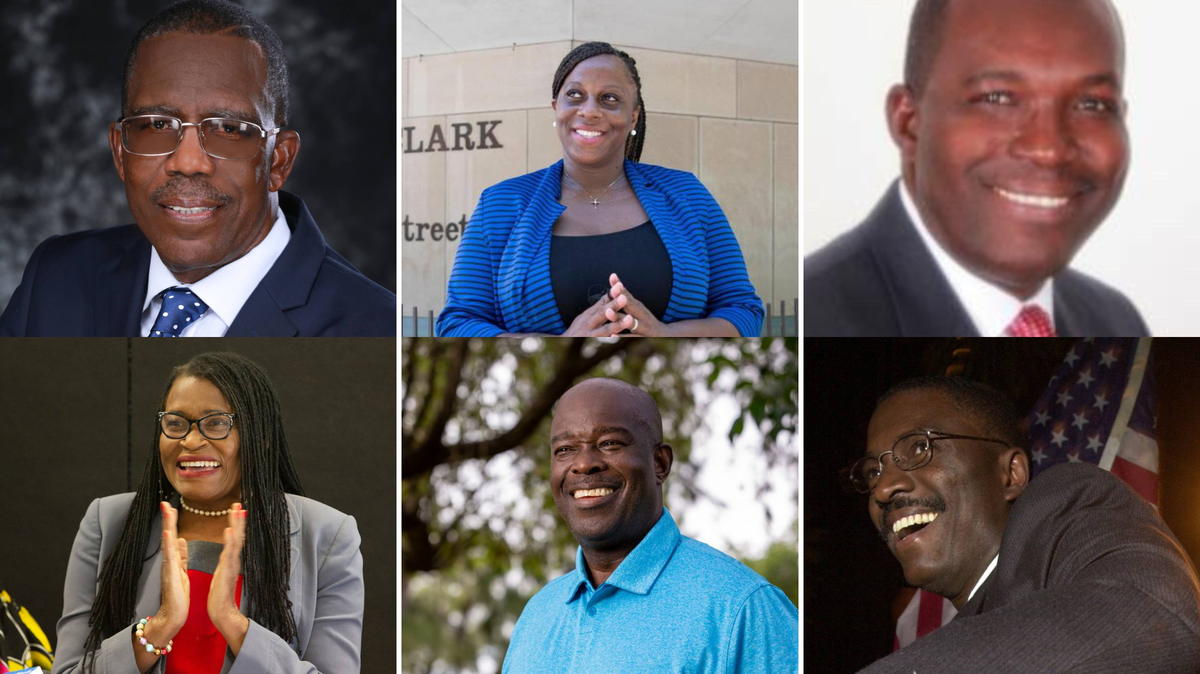
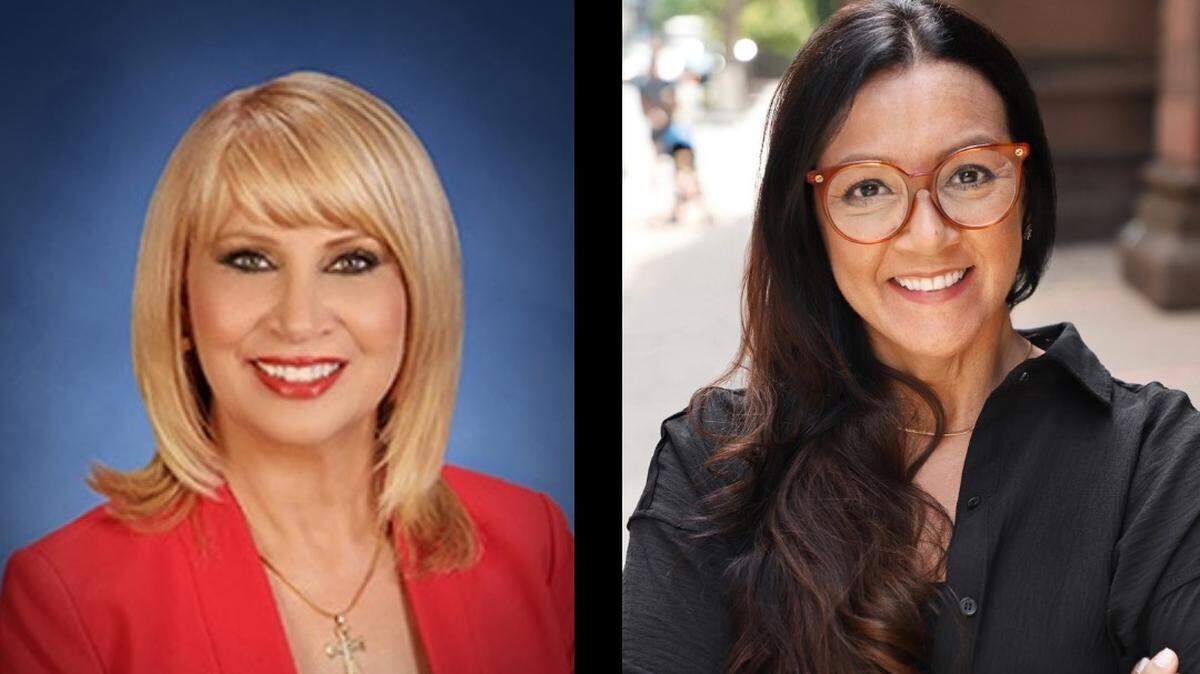
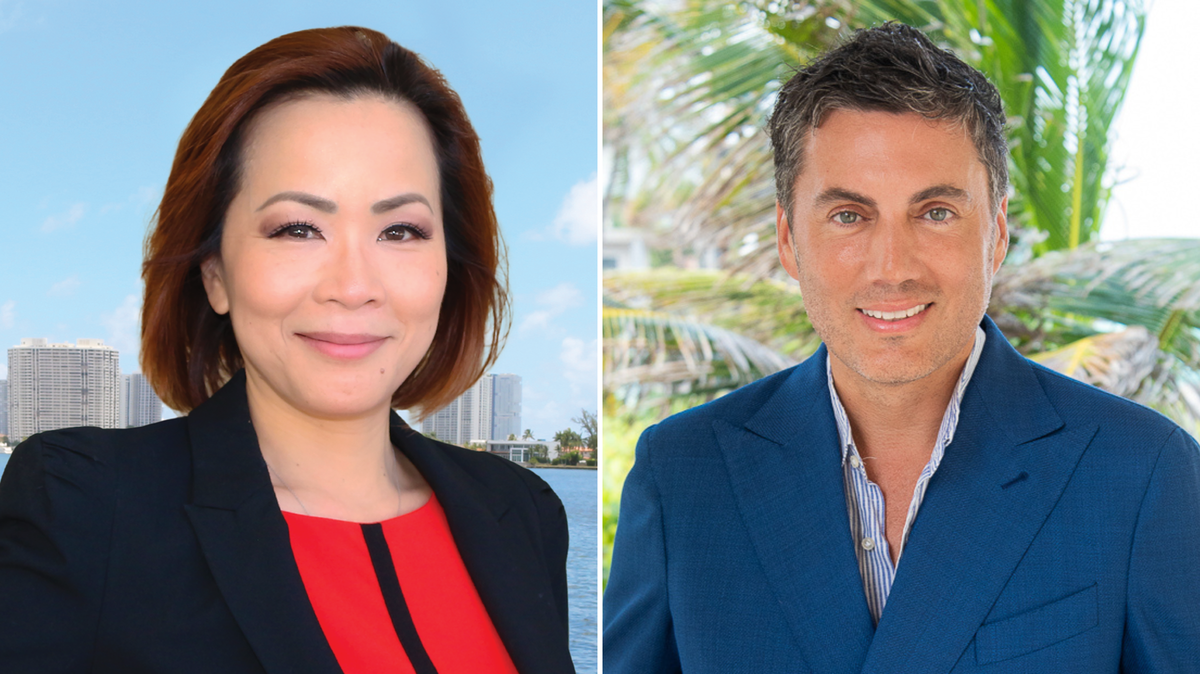
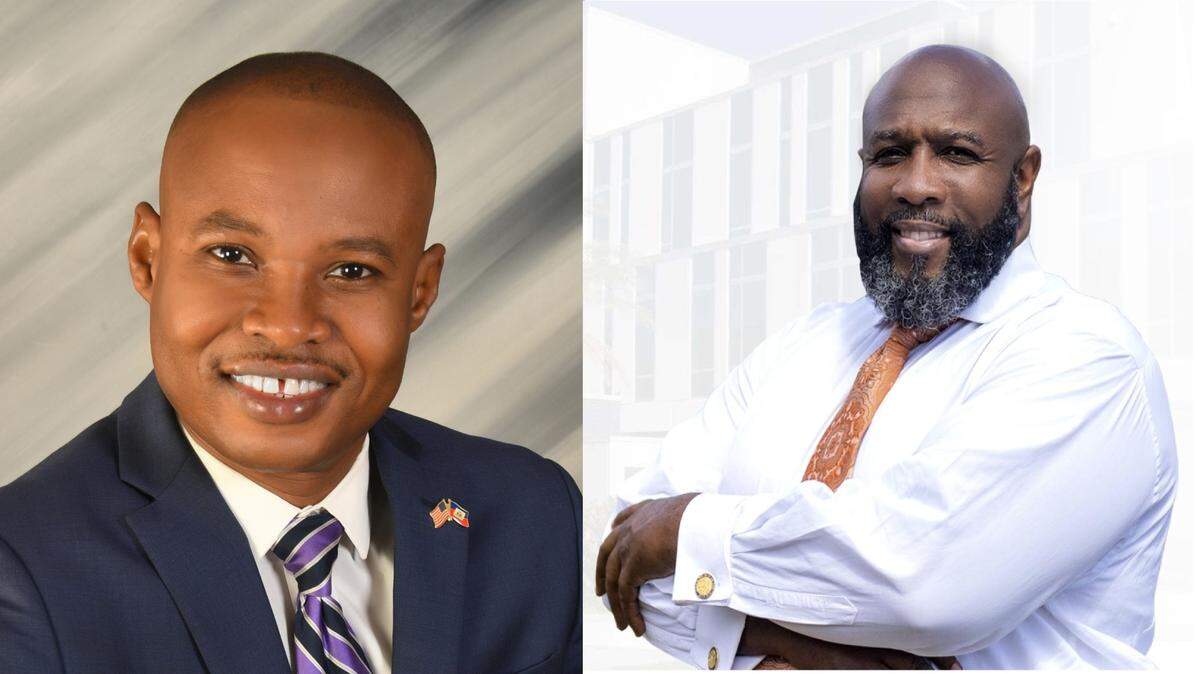
The six people running to represent District 2 are: Wallace Aristide, Monique Barley-Mayo, Marleine Bastien, Philippe Bien-Aime, Joe Celestin and William D.C. Clark.
All of them are steeped in the challenges facing the district and most of them are already deeply engaged in helping residents clear the hurdles in this predominantly low-income, working-class and middle-class district.
District 2 comprises portions of Miami, North Miami, North Miami Beach, Opa-locka, Hialeah and unincorporated areas of Liberty City, Biscayne Gardens and central North Dade.
Barley-Mayo is making her second run for office, after period of homelessness and harder times in Charlotte, North Carolina. In 2020, she sought to become mayor of Miami-Dade County. Though she can articulate some the district’s problems, she was ill-prepared, as she was in 2020, to offer details and solutions when she spoke to the Editorial Board.
Celestin, who owns an engineering firm, is a former mayor of North Miami. This is his second run for this commission seat, having lost to the incumbent Monestime. He told the Editorial Board that, “My political experience combined with my education will help me guide District 2 in a new direction.” Celestin says he would not necessarily support Miami-Dade Mayor Daniella Levine Cava’s proposal to cut property taxes until he sees the entire budget. He does not support rent control to rein in soaring housing costs. Rather, he suggests the county float bonds to help to finance construction and negotiate with developers to provide a certain amount of affordable housing.
The Herald reported that Celestin filed for personal bankruptcy protection last year over unpaid court judgments stemming from the 1990s. In addition, he says he was unaware of unpaid taxes on his home. Once a reporter asked about it, Celestin produced an image of a check for $25,254 sent to the tax collector earlier this month.
Bien-Aime is the current, two-term mayor of North Miami. He has run into some problems, including being accused of sexual harassment by a city employee. The case was settled for an undisclosed amount. The mayor also has an entanglement of ongoing property-tax troubles.
He says that 60% of North Miami residents are renters, and that they spend more than 60% of their income to pay to keep a roof over their heads. The district needs a comprehensive plan before addressing the housing crisis,” he told the Board, while at the same time addressing the need for jobs.
Clark is a retired county paramedic who rightly wants to be a bridge between the Haitian and African-American communities in the district, communities that have not always fully understood each other. His care and compassion for this community are evident through his decades of activism for fairness and mentoring — for instance, leading his school alumni chapter in the fight to help low-performing schools. Like others in the race, his priorities are securing affordable housing and economic development. However, his sobering comment about truly life-and-death issues in the district makes clear the challenges: “As I lay down on my floor from hearing gunshots outside my window the other night [I knew] safety had to be the top priority. Everything comes out that.”
We think that the final two candidates in the race for District 2 are the best prepared.
Aristide is the former principal of Miami Northwestern Senior High School, an institution he helped lift out of the spiral of failure, something of which he is rightly proud. Now he’s principal of iTech magnet high school. He says he works for the people of the district already, becoming the go-to volunteer who can get things done, helping struggling families find food or running interference on behalf of residents whose streets have flooded.
He knows firsthand that training students for technical jobs can help them escape poverty. Training and jobs also help ensure safer communities, he says, citing those “dangerous” after-school hours when some students get into trouble. He would move cautiously in giving the elected county sheriff, slated to start in 2024, all the power over law-enforcement, corrections and fire-rescue.
“We’ve never done it before. We’ve got to be reasonable how we bring this in gradually,” he told the Board. He added, “We’ve got to respect the will of the voters, but also make sure we have some things in place, so we don’t have a sheriff run amok.”
Aristide is not a fan of rent control, preferring to lower housing costs somehow without government mandates and noting that sometimes landlords must raise rents to cover their costs. Aristide has been criticized for the number of campaign donations he has received from the real-estate industry. He needs to make clear the degree to which he feels beholden to developers who might not be building affordable housing in District 2. That said, special interests always make campaign donations, and candidates accept them.
We think Aristide brings the right boots-on-the-ground perspective for what ails the district and to see its potential.
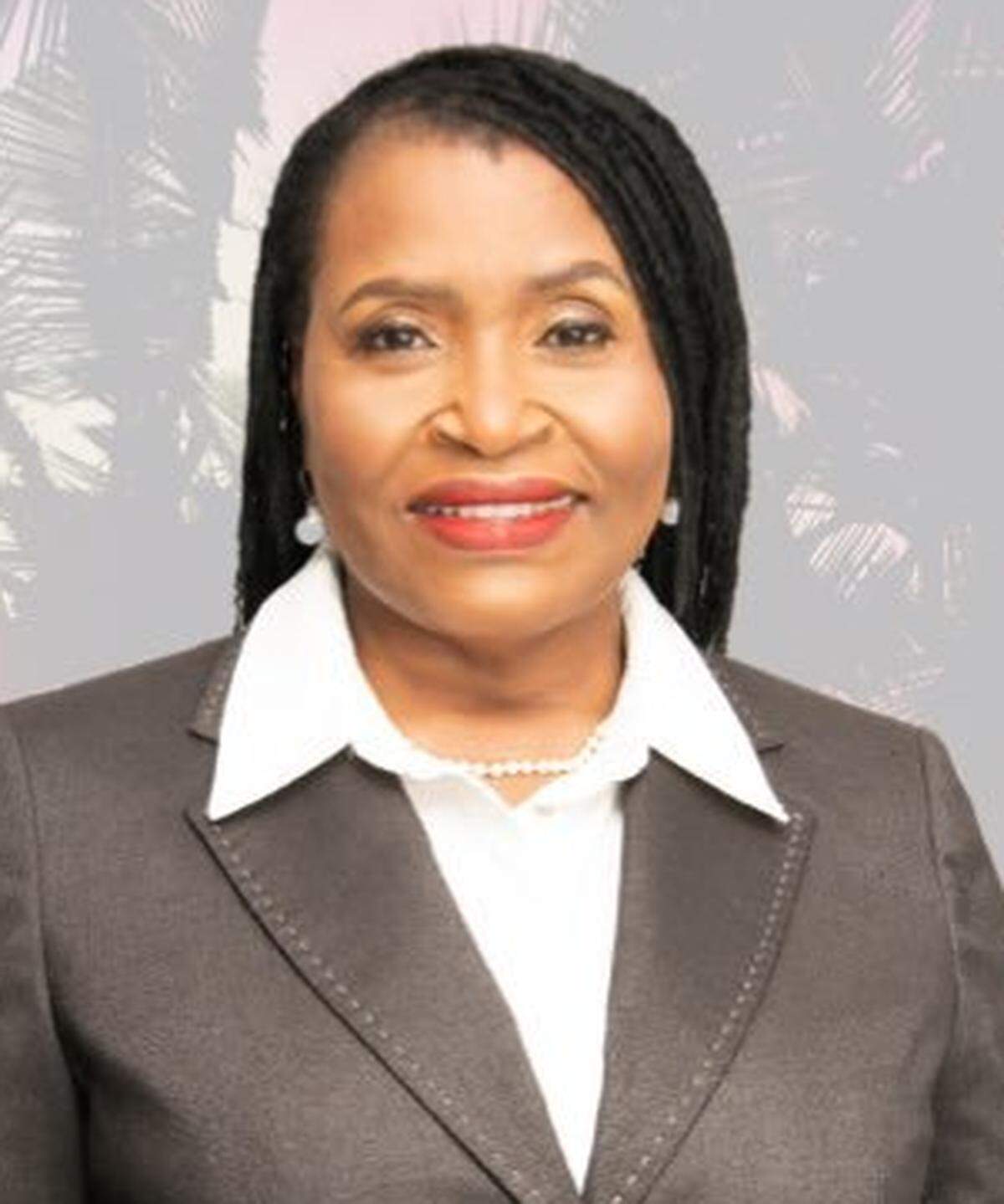
We think the same about the final candidate in this race, Bastien. And it’s to her we give the nod.
She is the founder and director of the nonprofit Family Action Network Movement, a respected and accomplished social services center. It began as Haitian Women of Miami in 1991. With a budget of more than $2 million, FANM offers adult literacy programs, immigration help, parenting classes and after-school care.
And, through Bastien’s perseverance and vision, it provides something else: a firm foundation from which low-income families eventually can launch and soar on their own. “We believe that strong families make strong communities,” which FANM helps create by providing “wraparound services.” “But we also give them the tools to contribute to their own transformation and empowerment,” she told the Board.
It’s a smart and compassionate philosophy of a “hand up, not handout.”
She arrived in Miami 40 years ago. “I started as a volunteer. Then I moved to the Haitian Refugee Center where I started and then where I worked for five years as a paralegal. I was trained by some of the best lawyers in the country,” she said. “Then I moved on to Jackson Memorial Hospital. For 13 years, I worked with families making sure that when they are discharged from the hospital, that they got the care that they deserve.”
That’s when she realized that, for people in poverty, “The disease is not the most important challenge in people’s lives.”
Bastien’s campaign is grassroots, her donations coming from small business, working-class residents and professionals — Haitian Americans and others — in her orbit. This speaks well of her ability to reach the broader community.
She wants the county to explore rent control to help residents being priced out of their units. “Everybody wants to come here. But we also need to bring equity in housing,” she said. “We also need to create opportunities for those whose work sustains our economy, who work in our hotels, schools, hospitals, a lot of immigrants. We have to create an opportunity for them to work where they live.”
And she’s in line with those county commissioners who would not move the Urban Development Boundary, instead providing housing on vacant land within the UDB. Her organization, she said, sees housing issues every day: “They can cannot pay rent, they cannot pay the mortgage. Some of them are being pushed out completely from their environment.”
She noted that she sees much of District 2 ill-served by public transportation, to the detriment of residents and to the economy. As for the county mayor’s proposed tax cut? Bastien, like others, needs to see a fuller picture.
In all, Bastien presented herself as a well-informed candidate who can serve a broad base of constituents. She’ll have to. Every county commissioner must think beyond their district lines. Through her four decades of work and activism, she has had the ear of everyone from elected officials to residents building better lives for themselves. She will bring that heft to the dais.
The Miami Herald recommends MARLEINE BASTIEN for for Miami-Dade Commission, District 2.
BEHIND THE STORY
MOREWho decides the political endorsements?
In advance of local and state elections, Miami Herald Editorial Board members interview political candidates, as well as advocates and opponents of ballot measures. The Editorial Board is composed of experienced opinion journalists and is independent of the Herald’s newsroom. Members of the Miami Herald Editorial Board are: Amy Driscoll, editorial page editor; and editorial writers Isadora Rangel and Mary Anna Mancuso. Read more by clicking the arrow in the upper right.
What does the endorsement process look like?
The Miami Herald Editorial Board interviews political candidates to better understand their views on public policy and how their policies will affect their constituents. Board members do additional reporting and research to learn as much as possible about the candidates before making an endorsement. The Editorial Board then convenes to discuss the candidates in each race. Board members seek to reach a consensus on the endorsements, but not every decision is unanimous. Candidates who decline to be interviewed will not receive an endorsement.
Is the Editorial Board partisan?
No. In making endorsements, members of the Editorial Board consider which candidates are better prepared to represent their constituents — not whether they agree with our editorial stances or belong to a particular political party. We evaluate candidates’ relevant experience, readiness for office, depth of knowledge of key issues and understanding of public policy. We’re seeking candidates who are thoughtful and who offer more than just party-line talking points.
This story was originally published July 28, 2022 at 7:23 AM.


.png)
.jpg)
.jpg)
.jpg)
.jpg)
.png)
.png)
.png)
.png)
.png)
.png)
.png)
.png)
.png)
.png)
.png)
.png)
.png)
.png)
.png)
.png)
.png)