Herald recommends: Choose accomplishment over intolerance in Florida Senate District 34 | Editorial
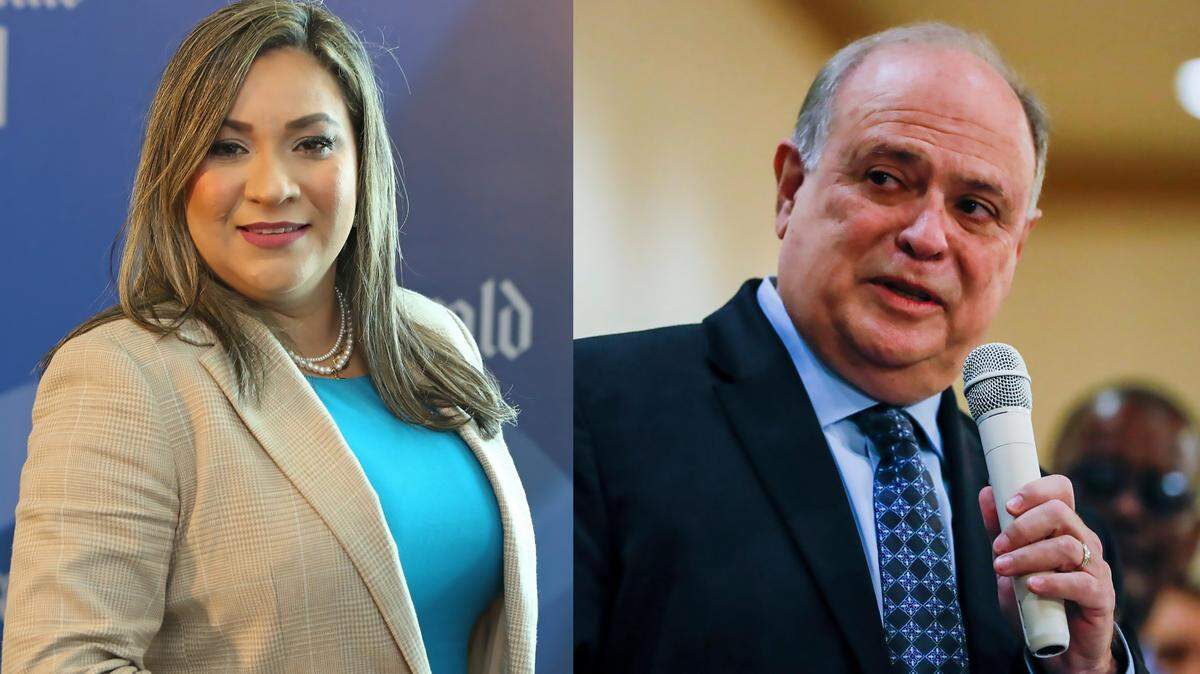
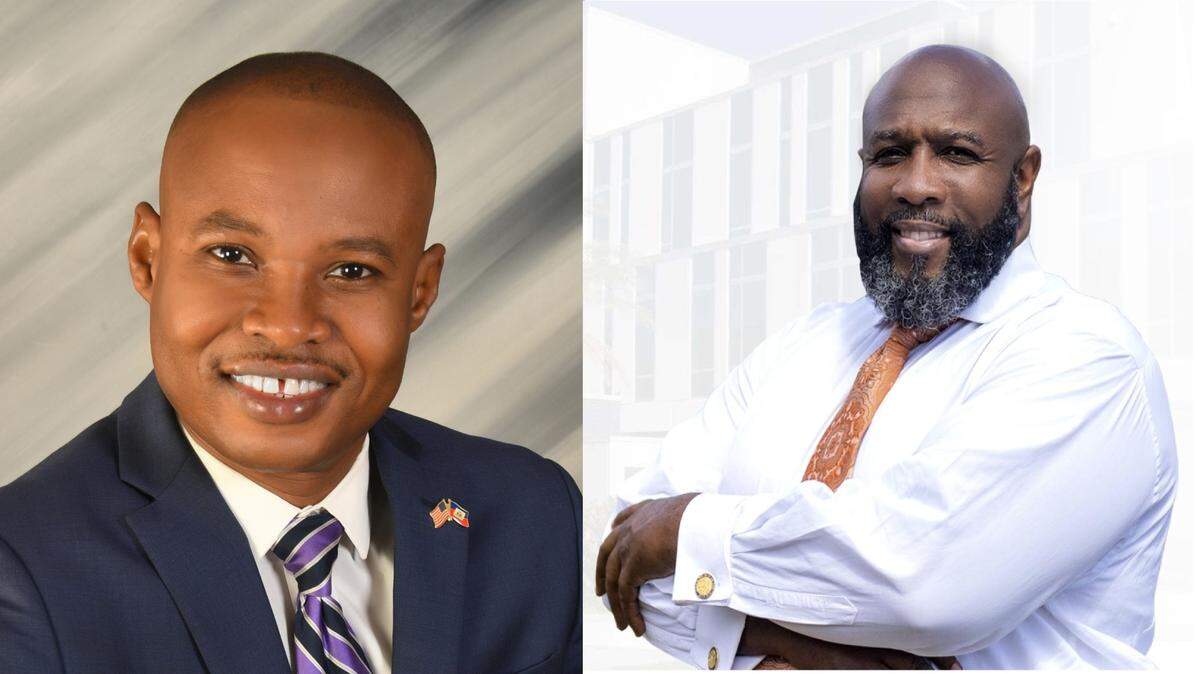
.png "Three candidates — from left, state Sen. Shevrin Jones, Pitchie Escarment, and former Miami Gardens Vice Mayor Erhabor Ighodaro — are vying for the state Senate District 34 seat.")
READ MORE
Miami Herald Editorial Board Election Recommendations
In advance of local and state elections, the Editorial Board interviews political candidates to better understand their views on various issues and how their policies will affect their constituents. The goal is to give voters a better idea of who’s the best candidate for each race. Read our 2022 recommendations below:
Expand All
A state senator faces a smart political novice and a former Miami Gardens councilman who has obliquely targeted the incumbent’s sexual orientation.
District 34
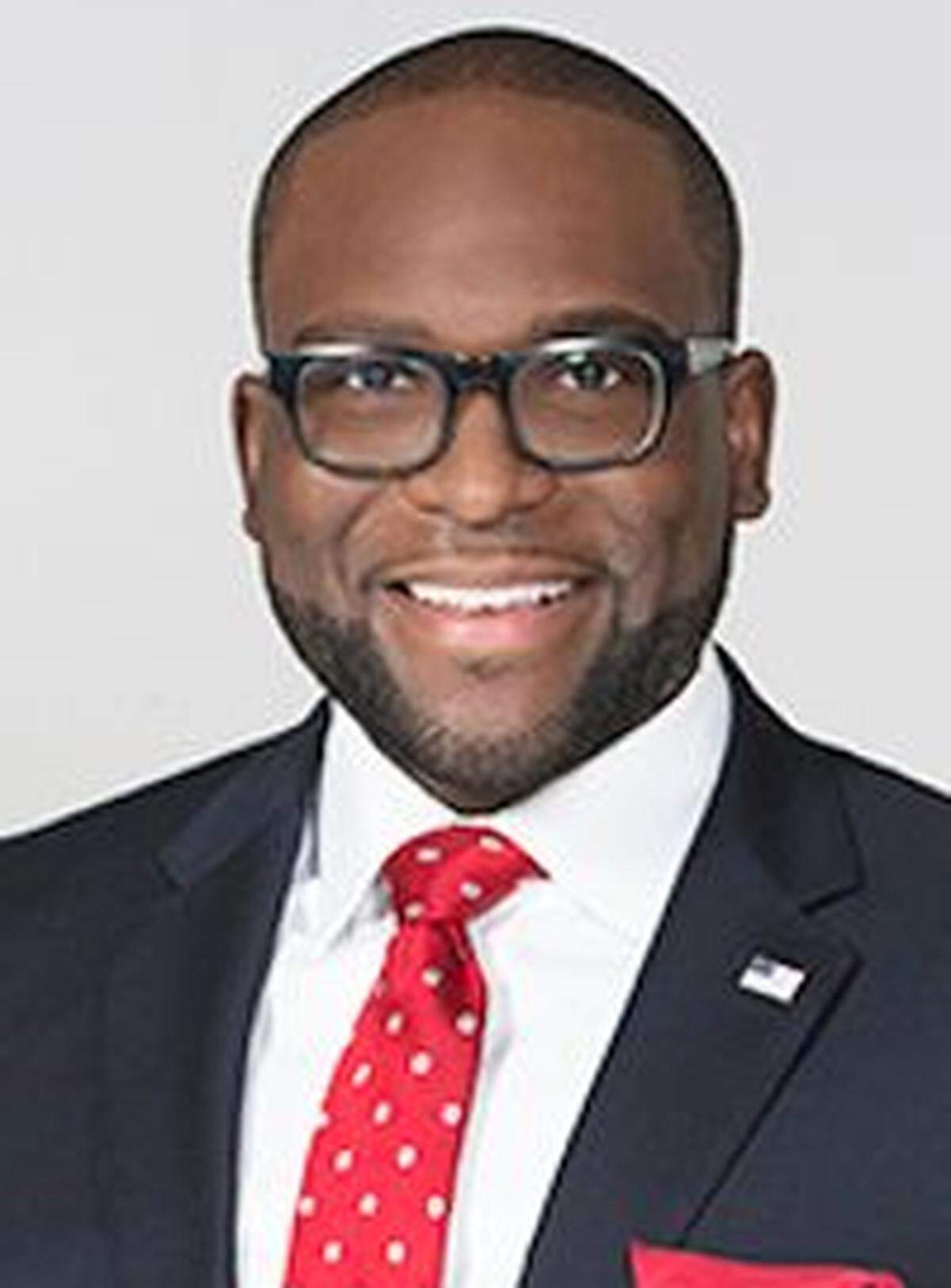
Give State Sen. Shevrin Jones a lot of credit for his willingness to serve. In the past few years, he has seen his Republican colleagues reject who he is at his very core.
But Jones has garnered enough respect that he has been an effective lawmaker who has brought millions of dollars back to his district over the years. He was elected to the state House in 2012, and to the Senate in 2020, representing what was District 35.
Though he is running for a newly configured district that has none of his traditional Broward County base, he has earned the chance to represent the new district that is contained wholly in Miami-Dade County. It reaches from County Line Road south to Allapattah in Miami, and from Northwest 57th Avenue east to the ocean.
It also spans an income range — with a 40% poverty rate in some areas but a median income of $100,000 in Bay Harbor Islands.
Jones has two challengers in the Democratic primary: Pitchie Escarment and Erhabor Ighodaro.
Escarment is a political newcomer. She spent more than 20 years as a corrections officer and now heads her own consulting firm. She has a firm grip on some of the district’s challenges. Those that most concern her are the crisis in affordable housing, exacerbated by gentrification; the shortage of teachers, despite Gov. Ron DeSantis’ salary increases for them, and the breakdown between law enforcement and some of the district’s communities of color. She wants to find some middle ground to alleviate disdain for the police while also addressing mistrust of law enforcement in the community.
She would work for “real community policing. . . . And I believe this will also address some of the crisis we’re facing in school shootings, as well as children bringing in weapons.”
She told the Editorial Board that she jumped into the race because she saw it as the “perfect opportunity” to enter politics. She added that she didn’t even know of Jones before the race, and is not intentionally running against him. She just wants the chance to serve the public as an elected official.
We like her “nothing personal” approach and encourage her stay civically engaged on a local level.
Unfortunately, the third candidate in this race has gone personal, attacking Jones’ sexual orientation — he is gay — and cloaking it in religious beliefs. But Ighodaro’s language is hateful, and runs counter to the law mandating the separation of church and state, even as religious belief has propelled the Republican-led Legislature’s policies on abortion and other issues.
Ighodaro is a former Miami Gardens councilman and vice mayor. He told the Editorial Board that he also is a pastor. He is a former Miami-Dade public school teacher who currently teaches criminal justice at Florida Memorial University. He, too, knows district residents’ main concerns. “Basically it’s about the economy,” Ighodaro told the Editorial Board. “The high cost of food, people can’t pay their rent and the landlords are jacking up the prices.”
Though he, too, knows the issues well, we must draw the line at Ighodaro’s homophobic statements targeting Jones. It was unacceptable in 2020 when, running against Jones for the first time, he told voters, “There is an image that God says a marriage should look like, that families should look like. And that’s what we’re gonna fight for.”
And it’s unacceptable now. This time around, he declared, more obliquely, “I don’t believe that people should not recognize the difference between a male and female. I don’t believe in 110 pronouns. No!”
When the Editorial Board asked him to address those statements, he first responded that, “I don’t care about nobody’s sexuality alone. I don’t deal with that. I’m dealing with access to resources for our community.” But he later returned to the question, saying: “First of all, I was talking in reference to me as a man of God. I’m a preacher. I believe in the Bible. That’s what I preach. I live my life by the tenets of what I preach. I’ve been married for 22 years to a woman. I love my wife. I’m staying in my lane. I don’t care about nobody else.”
His explanation didn’t help.
Jones, as a Black, openly gay elected official, has seen the Legislature stifle both of these communities with laws and policies that have diluted Black voting power and muzzled all talk about sexual orientation in early grades in public schools.
Still, Jones perseveres and has brought home money for his district, which is what really counts. In the most recent legislative session. Jones secured $27 million for District 34. Among the beneficiaries were children who are developmentally delayed and pregnant women who are incarcerated, who will have the chance to be released to give birth and be allowed to be with the infants for 12 weeks. (Both decisions are up to a judge.)
Opa-locka, Miramar and West Park were among the municipalities that received funds from Jones’ efforts.
Jones is an accomplished lawmaker who has the savvy and know-how to address the housing crisis, the teacher shortage and other issues of importance to this new district — even as a member of the minority party. The Miami Herald recommends SHEVRIN JONES for Florida Senate, District 34.
BEHIND THE STORY
MOREWho decides the political endorsements?
In advance of local and state elections, Miami Herald Editorial Board members interview political candidates, as well as advocates and opponents of ballot measures. The Editorial Board is composed of experienced opinion journalists and is independent of the Herald’s newsroom. Members of the Miami Herald Editorial Board are: Amy Driscoll, editorial page editor; and editorial writers Isadora Rangel and Mary Anna Mancuso. Read more by clicking the arrow in the upper right.
What does the endorsement process look like?
The Miami Herald Editorial Board interviews political candidates to better understand their views on public policy and how their policies will affect their constituents. Board members do additional reporting and research to learn as much as possible about the candidates before making an endorsement. The Editorial Board then convenes to discuss the candidates in each race. Board members seek to reach a consensus on the endorsements, but not every decision is unanimous. Candidates who decline to be interviewed will not receive an endorsement.
Is the Editorial Board partisan?
No. In making endorsements, members of the Editorial Board consider which candidates are better prepared to represent their constituents — not whether they agree with our editorial stances or belong to a particular political party. We evaluate candidates’ relevant experience, readiness for office, depth of knowledge of key issues and understanding of public policy. We’re seeking candidates who are thoughtful and who offer more than just party-line talking points.
This story was originally published August 2, 2022 at 4:00 AM.


.png)
.jpg)
.jpg)
.jpg)
.jpg)
.png)
.png)
.png)
.png)
.png)
.png)
.png)
.png)
.png)
.png)
.png)
.png)
.png)
.png)
.png)
.png)