Herald Editorial Board recommends these judicial candidates for Miami-Dade County Court | Editorial

READ MORE
Miami Herald Editorial Board Election Recommendations
In advance of local and state elections, the Editorial Board interviews political candidates to better understand their views on various issues and how their policies will affect their constituents. The goal is to give voters a better idea of who’s the best candidate for each race. Read our 2022 recommendations below:
Expand All
The judges in Miami-Dade County Court preside over what has come to be called “the people’s court.” They hear civil and misdemeanor cases — minor crimes — and, generally, ensure justice is done by making everyone who enters their courtroom feel that they have been heard, their complaints have been taken seriously and, to the extent possible, they leave that courtroom whole.
Judicial races are nonpartisan and will appear on the Aug. 23 primary ballot.
The Editorial Board queried judicial candidates on their thoughts on the current hybrid world of in-person and virtual courtrooms; how they manage — or would manage — their judicial calendar and docket; their legal knowledge and courtroom demeanor. Here are our recommendations in Miami-Dade’s county court races:
Group 5
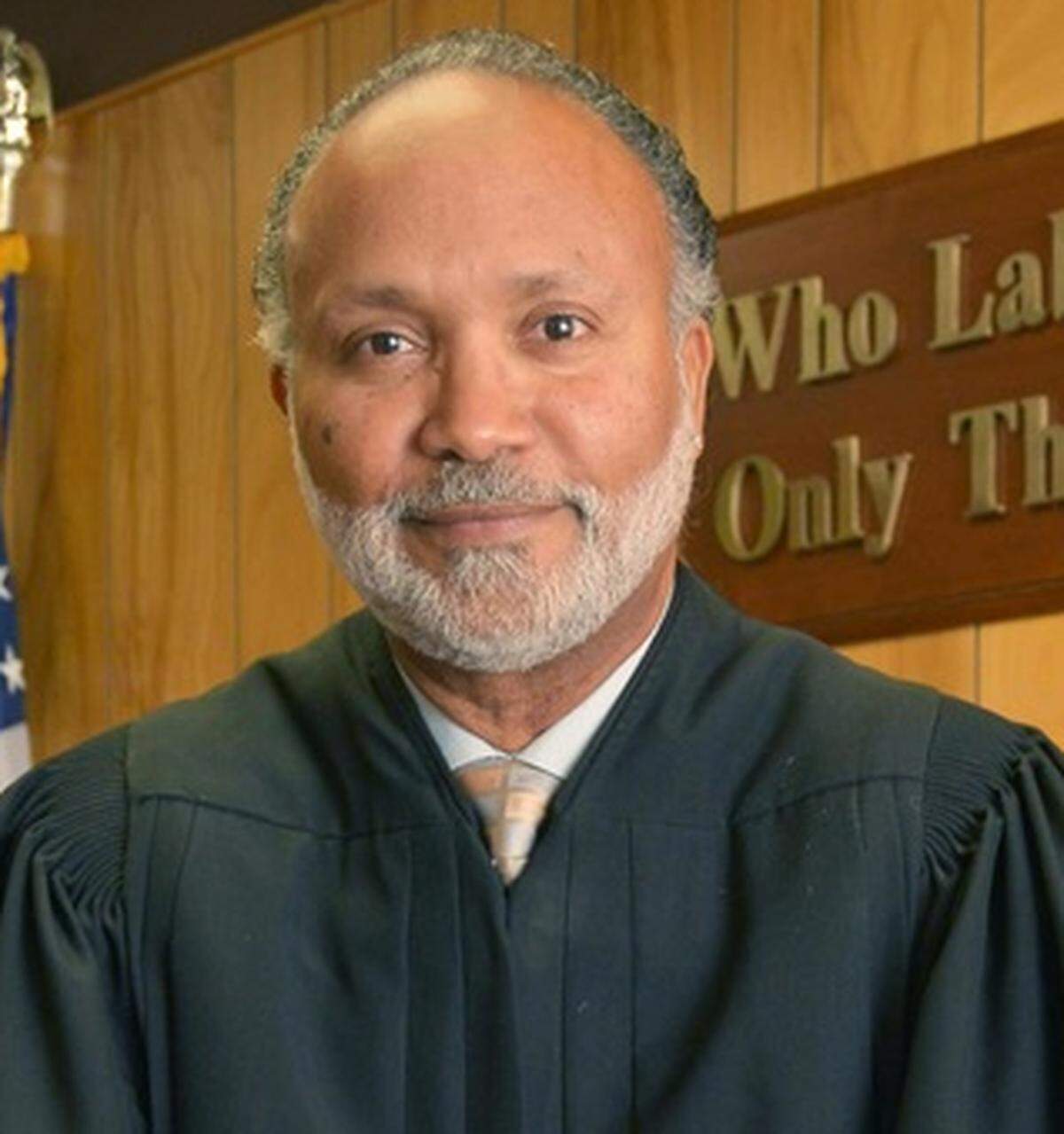
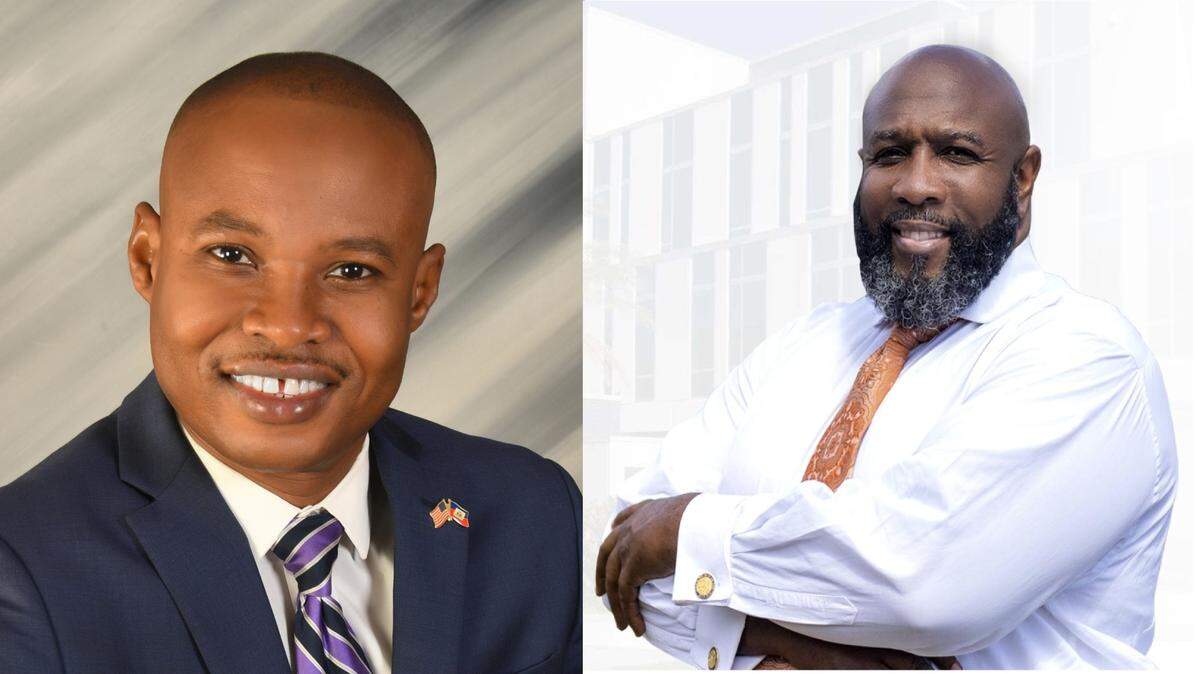
In the race for Miami-Dade County judge Group 5, a longtime judge with a reputation for being cranky faces a familiar politician with his own baggage and strong connections to Republican circles.
Judge Fred Seraphin made history in 2001 when he became the first Haitian-American judge in the county, appointed by then-Gov. Jeb Bush. He said being a judge is a calling spurred by personal experiences with injustice. He said he was wrongly arrested for an armed robbery in New York in the early 1980s. The experience of being put in handcuffs inspired Seraphin, then a senior in college, to help people with no money navigate the legal system — first as a public defender. In Haiti, his father, a political opponent of dictator François “Papa Doc” Duvalier, was murdered, and no killer was ever tried.
Seraphin brings institutional knowledge to this race. He previously presided over only criminal cases and recently changed his assignment to domestic-violence cases, misdemeanors (such as possession of marijuana), civil injunctions and criminal traffic cases, he told the Herald Editorial Board.
His temperament has been called into question by his 2016 challenger and his current opponent, Renier Diaz de la Portilla. In 2015, Seraphin refused to accommodate an assistant public defender’s request for breaks during a trial so she could pump breast milk. That was a serious mistake, one for which Seraphin took responsibility during his interview, saying “I will never be able to apologize enough for my reaction.”
Diaz de la Portilla, a former Republican state representative and Miami-Dade School Board member, is part of a political dynasty known for its influence as well as controversy and dirty political tricks. His brother Alex is a Miami commissioner. Diaz de la Portilla himself is a perennial candidate — he ran for three different offices and lost in the past, including for circuit judge in 2014. If elected, we worry politics could seep into the courtroom.
Diaz de la Portilla was a public defender for three years and currently runs his own law firm. He said his ultimate goal is to become a circuit judge presiding over juvenile cases to “help young children.” He points to Seraphin’s “impatience with litigants and with parties in front of him,” but Diaz de la Portilla also has displayed poor judgment in the past.
He was famously involved in a brawl outside Radio Mambi in 2000 with a political foe who accused his father of being a drug dealer on air. According to news reports at the time, Diaz de la Portilla banged on the station’s door while the show was on air, prompting listeners to call 911. No charges were filed. Diaz de la Portilla told the Board, “I was attacked under the cloak of night by a group of operatives and justifiably defended myself at age 30.”
In 2011, Miami-Dade’s inspector general said Diaz de la Portilla violated rules and procurement procedures when he sent a mailer to voters in 2009 from his School Board account. Many of the mailers didn’t go to his School Board district, but to Republican voters in the Florida Senate district his brother Miguel was running to represent. Diaz de la Portilla said at the time he got the OK for the mailer from the School Board attorney. No charges were filed, but his actions smacked of using public resources for political benefit.
We take Seraphin at his word in apologizing for his misstep in 2015 and, given his more than 20 years of experience, think he is the better candidate in this race.
The Herald recommends FRED SERAPHIN in Group 5.
READ NEXT: Here are the Herald Editorial Board’s recommendations for Miami-Dade Circuit Court
Group 19
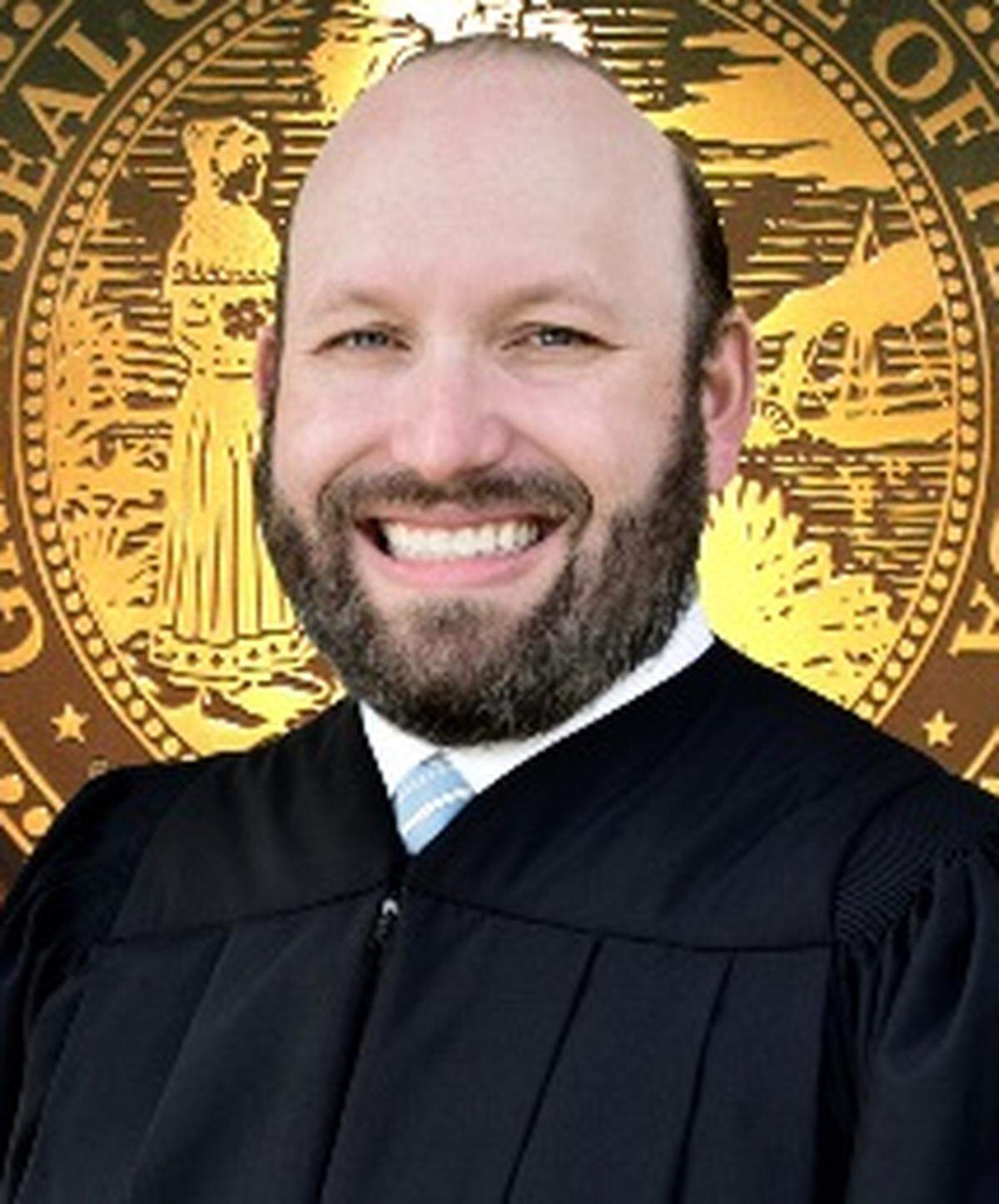
Incumbent County Judge Jeffrey Kolokoff, who was appointed to the post in 2020 by Gov. Ron DeSantis, will face election for the first time this year in the Group 19 race. His challenger, Lissette De La Rosa, is an insurance attorney.
Kolokoff worked as an assistant state attorney in Miami-Dade County for 6½ years and was in private practice for eight years, working at Beighley, Myrick, Udell & Lynn. Because he was appointed to the county court seat — to fill the vacancy created when Robert Watson was elevated to a higher court — he has been through the Judicial Nominating Commission process.
Kolokoff is well funded, though much of it comes from loans to himself, including a recent $250,000 chunk. By July, he had raised at least $390,000, compared to De La Rosa’s approximately $68,000.
De La Rosa has grassroots appeal. She said her parents came from Cuba to Miami to give her a better life. She was born and raised in Miami-Dade and has worked as an attorney in county court — or as she calls it, “the people’s court.” In her work as a civil attorney, she has represented insurance companies but also plaintiffs suing insurance companies. She’s a member of the Cuban American Bar Association.
When asked why she’s running, she mentioned her 20 years of experience as a lawyer. She also noted that Kolokoff was appointed, and that, “The people have the right to choose who they want to administer law.”
We appreciated her view on how county court should be run, that anyone appearing in her courtroom should walk out saying, “I felt heard. I had my day in court.”
Kolokoff handles primarily misdemeanor cases in both criminal court and the mental-health diversion court. He says he is expert at managing his court calendar, calling himself “the most efficient trial judge in county court” due to his low caseload.
Speed aside, Kolokoff also seems to understand the gravity of his work. He noted that he sees “some of our most forgotten people, people who are seriously mentally ill, who oftentimes are untreated, and [tries] to help them.”
He presides over a large number of cases involving suspended licenses, a serious issue in Miami-Dade where as many as 600,000 people have suspended licenses. He said he tries to look at those cases holistically and figure out what the offenders need to do to get their licenses reinstated “so that they don’t have to go to jail for something as minor as driving around.”
Though he has only been on the bench for a little over two years, we believe Kolokoff’s experience makes him the best qualified in this race. The Herald recommends JEFFREY KOLOKOFF in Group 19.
Group 42
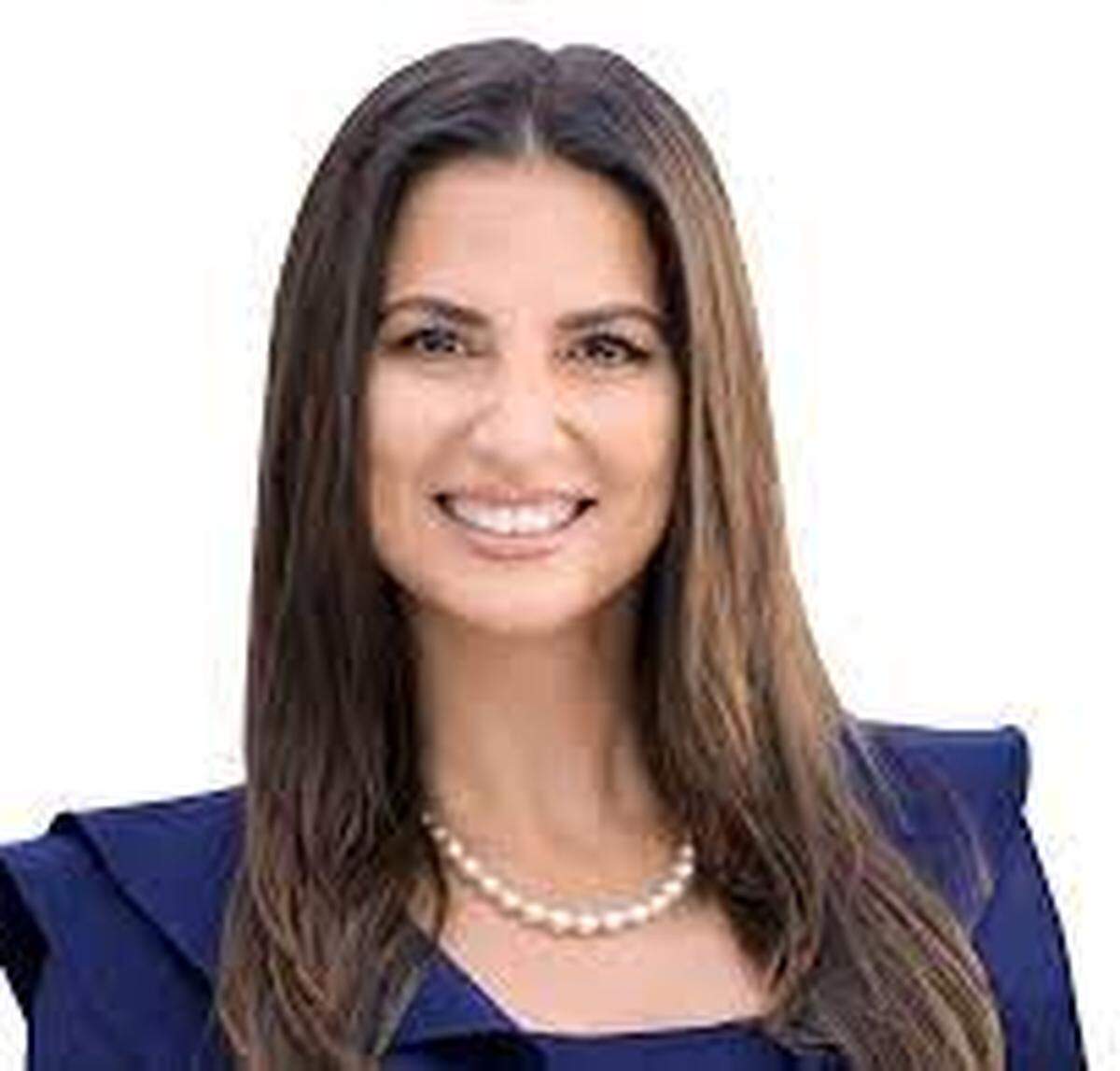
In the race for county judge Group 42, a Ron DeSantis appointee faces a local prosecutor.
This is the first time Judge Scott Janowitz will be on the ballot since his appointment in April 2020 to fill a vacancy. He has a formidable opponent in Miami-Dade Assistant State Attorney Alicia Garcia Priovolos.
Janowitz, a University of Miami School of Law graduate, started his career in 2006 as a prosecutor in Broward County and previously owned a law firm that represented people and small businesses against insurance companies. He touts his efficiency in handling his docket as a judge and said since joining the court’s civil division his case load dropped from 9,500 to 6,200. As a member of the court’s internal technology committee, he helped judges transition to video conferencing during the COVID-19 pandemic.
Garcia Priovolos has been a prosecutor for 17 years, working on homicide cases and, as of 2018, as the director of the Miami-Dade State Attorney’s human trafficking unit. Her job entails talking to victims, who are often suspicious of the judicial system, and working with law enforcement to change how those victims, who might have had their own run-ins with police, are treated. She touts her work helping secure a $1.875 million federal grant for services for child victims of sex trafficking in the county. She partnered with the host committee for Super Bowl LIV, which took place in Miami Gardens in 2020, on an awareness campaign that she said resulted in the recovery of 20 victims of human trafficking.
Janowitz and Garcia Priovolos are both fine choices for county judge. As the incumbent, Janowitz has acquired institutional knowledge, currently presiding over insurance, eviction, small claims and personal debt cases.
But Garcia Priovolos’ resume and engagement in the community tip the scale in her favor. County judges aren’t just court officers, but also stakeholders in the community. Since 2018, she says she has given more than 30 presentations to raise awareness about human trafficking to different organizations.
“One thing that I have been very active in throughout my entire career is really going out to the community and speaking to people, educating, and that’s the one thing that I would like to continue doing especially as a judge,” Garcia Priovolos told the Herald Editorial Board.
The Herald Editorial Board recommends ALICIA GARCIA PRIOVOLOS in Group 42.
BEHIND THE STORY
MOREWho decides the political endorsements?
In advance of local and state elections, Miami Herald Editorial Board members interview political candidates, as well as advocates and opponents of ballot measures. The Editorial Board is composed of experienced opinion journalists and is independent of the Herald’s newsroom. Members of the Miami Herald Editorial Board are: Amy Driscoll, editorial page editor; and editorial writers Isadora Rangel and Mary Anna Mancuso. Read more by clicking the arrow in the upper right.
What does the endorsement process look like?
The Miami Herald Editorial Board interviews political candidates to better understand their views on public policy and how their policies will affect their constituents. Board members do additional reporting and research to learn as much as possible about the candidates before making an endorsement. The Editorial Board then convenes to discuss the candidates in each race. Board members seek to reach a consensus on the endorsements, but not every decision is unanimous. Candidates who decline to be interviewed will not receive an endorsement.
Is the Editorial Board partisan?
No. In making endorsements, members of the Editorial Board consider which candidates are better prepared to represent their constituents — not whether they agree with our editorial stances or belong to a particular political party. We evaluate candidates’ relevant experience, readiness for office, depth of knowledge of key issues and understanding of public policy. We’re seeking candidates who are thoughtful and who offer more than just party-line talking points.
This story was originally published July 20, 2022 at 6:00 AM.

.png)
.jpg)

.jpg)
.jpg)

.jpg)
.png)
.png)
.png)
.png)
.png)
.png)
.png)
.png)
.png)
.png)
.png)
.png)
.png)
.png)
.png)
.png)
.png)