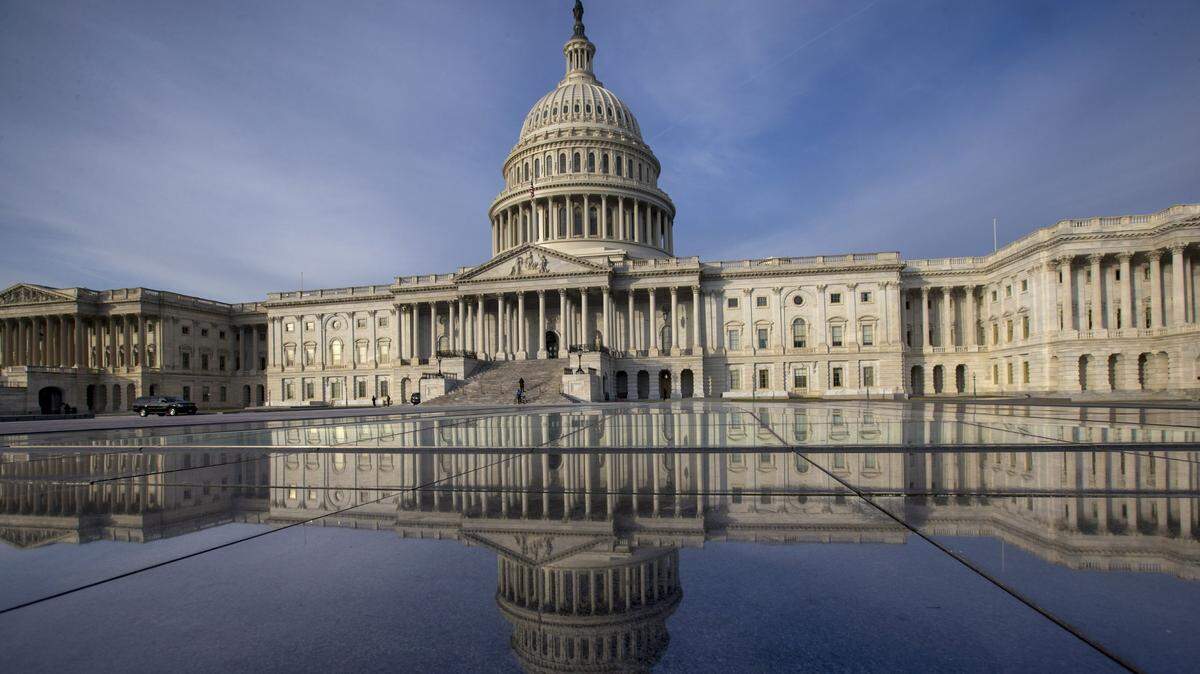
Here are the Herald Editorial Board’s recommendations for Miami-Dade Circuit Court | Editorial

READ MORE
Miami Herald Editorial Board Election Recommendations
In advance of local and state elections, the Editorial Board interviews political candidates to better understand their views on various issues and how their policies will affect their constituents. The goal is to give voters a better idea of who’s the best candidate for each race. Read our 2022 recommendations below:
Expand All
The races for judgeships in Miami-Dade, for both county and circuit courts, have been marked by appeals to voters of various ethnicities — unfortunate, but not unusual — and, more unsettling, the intrusion of politics into races in which the candidates are required, by judicial canon, to be non-partisan and neutral, without a whiff of political bias. That was not always the case this time around. Such partisan creep only bolsters the Editorial Board’s long-time call for merit retention of judges. Here are our recommendations:
GROUP 3
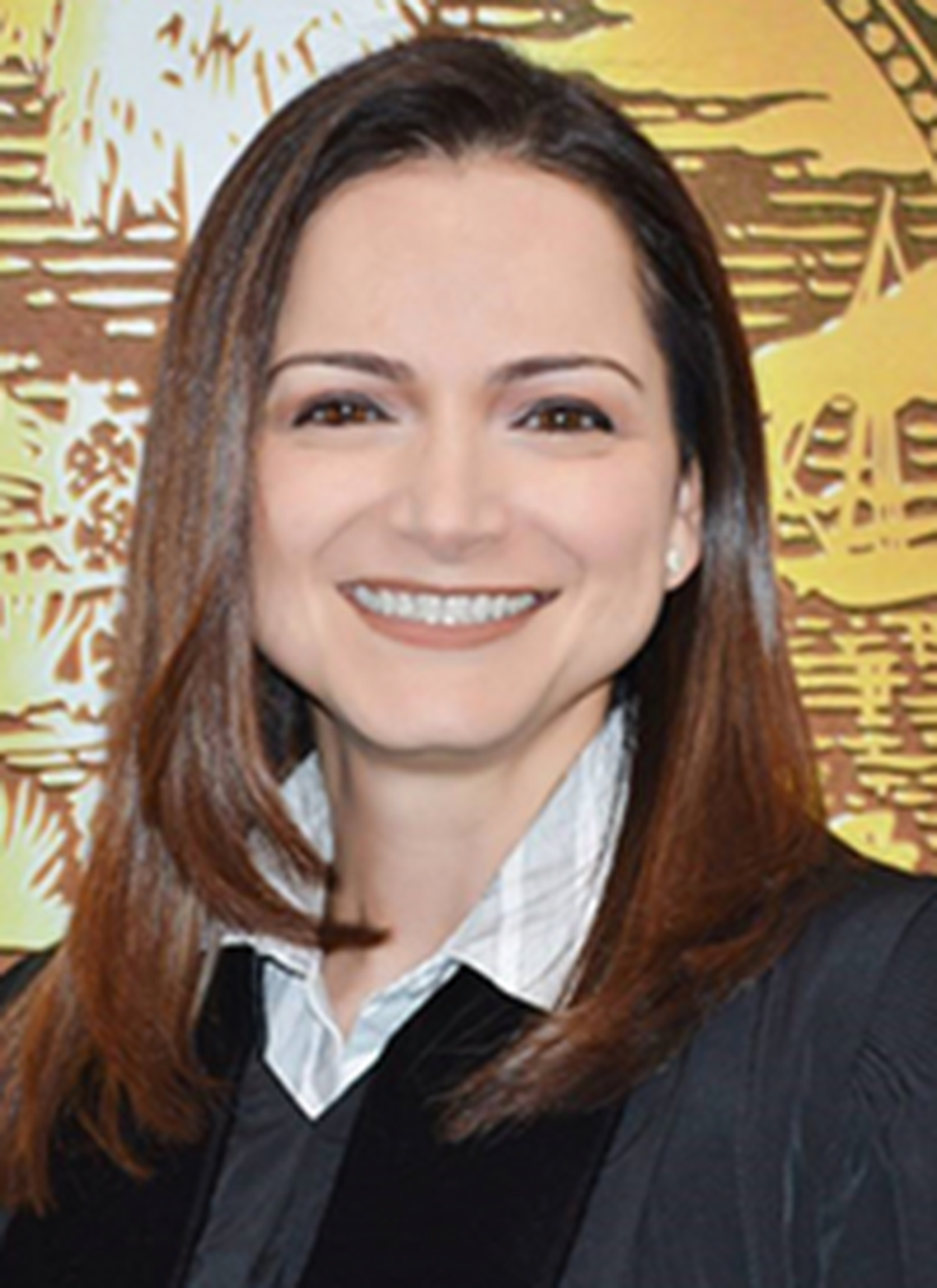
The appointed vs. elected question is front and center with the challenge to Miami-Dade Circuit Judge Lody Jean, the first Haitian-American woman to serve as a judge in Miami-Dade and only one of two Haitian Americans on the local bench. The other is County Judge Fred Seraphin, who was appointed by Jeb Bush and has also drawn a challenger this year.
Jean is a former Miami-Dade state attorney and supervising felony division chief who went into private practice, specializing in immigration, deportation and criminal defense matters.
In 2018, she was tapped by Gov. Rick Scott to fill an open seat in Miami-Dade county court; in 2020, she was elevated by Gov. DeSantis to the circuit court, where she serves on the criminal division.
Jean dismisses any hint that her appointment by Republican governors could compromise her.
”I can tell you that I have never been asked to take any position because I was appointed,” she told the Board.
Still, among the campaign fliers she has sent out, there is one featuring a large photo of DeSantis and the text reminds voters that “ I was appointed by our Gov. DeSantis.”
Jean says she has also mailed out similar fliers showing her endorsements from SAVE Dade and the United Teachers of Dade.
“While I was appointed by a conservative governor, my appeal is no way limited to any one political ideology, but across the political spectrum because I am here to follow the law and to be a judge for all residents of the county,” Jean emailed the Board.
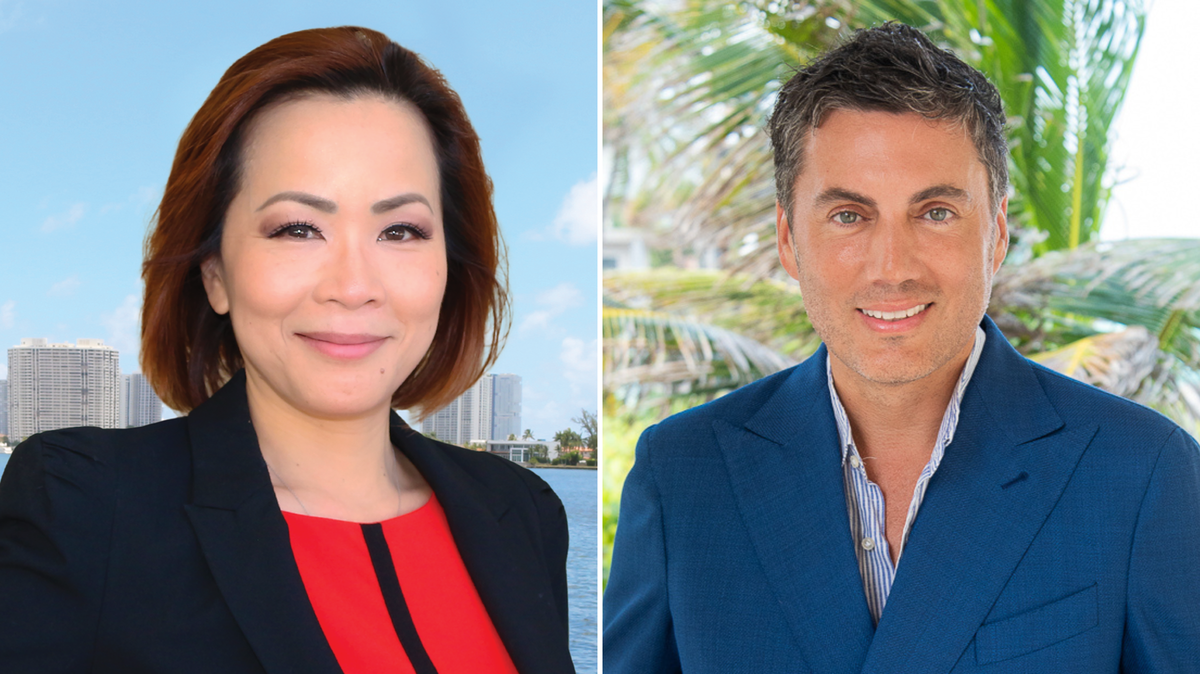
Jean is being challenged by Teressa Cervera, a sole practitioner with a civil practice since 2012, making her first run at public office. Cervera is also a certified court mediator.
She told the Board her experience is mainly with bench trials and evidentiary hearings. That means that she has no experience making a case to a jury, only a judge, who makes the rulings in bench trials.
Unfortunately, Cervera’s campaign has been clouded with accusations, first aired in the Judicial Blog, that she has gone professionally by another name, Teressa Tylman, until she decided to run.
Cervera denied attempting to Hispanicize her last name to improve her chances of election. She told the Board that Cervera is her married name and the change was precipitated by her son’s questions about her name, not the election.”
That’s my legal married name, and that’s all there is to it,” she said, but she added that her name in the Florida Bar was Teressa Tylman. She appears on the August ballot as Teressa Maria Cervera. That it’s her legal married name is not in dispute. Voters should know, however, that playing “name game,” sometimes to appeal to Hispanic voters, is a tried and true route to election. Asked why she chose to run against Jean, Cervera said: “This judge was appointed and has never been on a ballot. I think the voters should elect judges.”
We think Cervera’s legal resume is thin, especially when compared to that of incumbent Jean. In legal circles, Jean is known as an impartial, qualified and well-prepared jurist who keeps a tight calendar. Voters should return this smart judge to the bench. The Miami Herald recommends LODY JEAN for Miami-Dade Circuit Court, Group 3.
GROUP 20
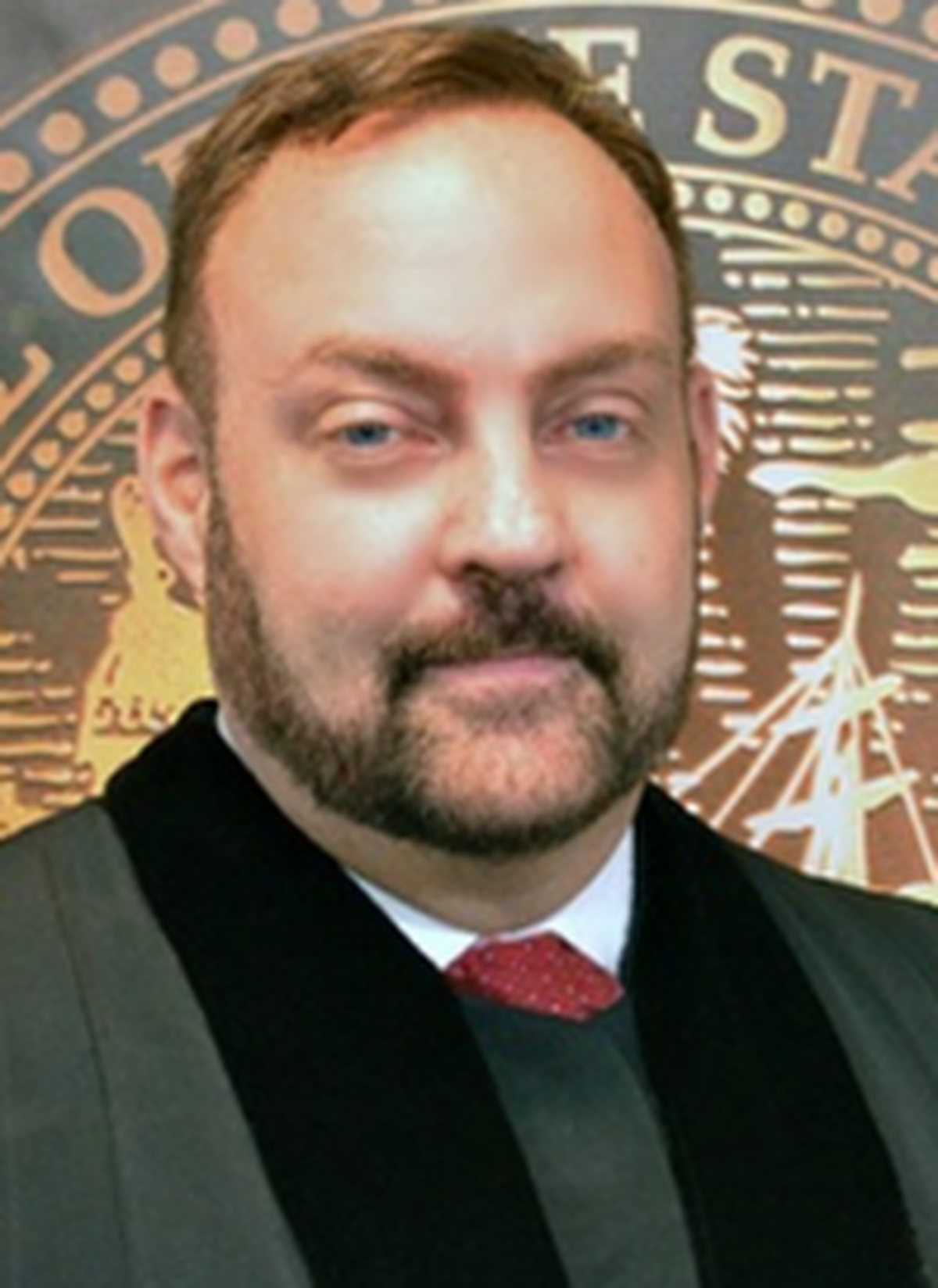
Incumbent Circuit Court Judge Robert Watson is also facing a challenger over his appointment in 2019 to the County Court and, 11 months later, to Circuit Court by Gov. DeSantis. And in this race, too, the ethnicity of a candidate’s name is in question. Watson is facing off against civil attorney Brenda Guerrero, who is a former child-support division prosecutor in Miami-Dade and has had her own private practice for nearly a decade.
Guerrero has also practiced as Brenda Gitchev Guerrero, and appears on the ballot as Brenda Guerrero. Guerrero, who is of Dominican descent, denies trying to Hispanicize her name for votes. She, too, says the reason she’s running against Watson is because he was appointed and not elected by the people of Miami-Dade.
Watson is assigned to the criminal division. Watson has presided over several high-profile cases. Most recently, he rejected a self-defense claim by a Kendall man who infamously killed a neighbor in 2015 over a dog-poop dispute.
Before his appointment, Watson was a federal prosecutor with the U.S. Attorney’s Office for the Southern District of Florida with extensive trial experience. He prides himself on running an efficient courtroom. “My morning calendar is meant to help those appearing before me,”
Guerrero, too, told the Board she has taken part in more than 1,500 trials as an attorney. “In my courtroom, the defendant would feel heard and respected,” she said.
In her campaign literature, Guerrero tells of her immigrant background.
Watson told the Board he brings diversity to the bench, describing himself as an openly gay judge. Though Guerrero brings solid legal experience, we think Watson is doing a good job and should be elected to the bench. The Miami Herald recommends ROBERT WATSON for Miami-Dade Circuit Court, Group 20.
READ NEXT: Herald Editorial Board recommends these judicial candidates for Miami-Dade County Court
Group 34
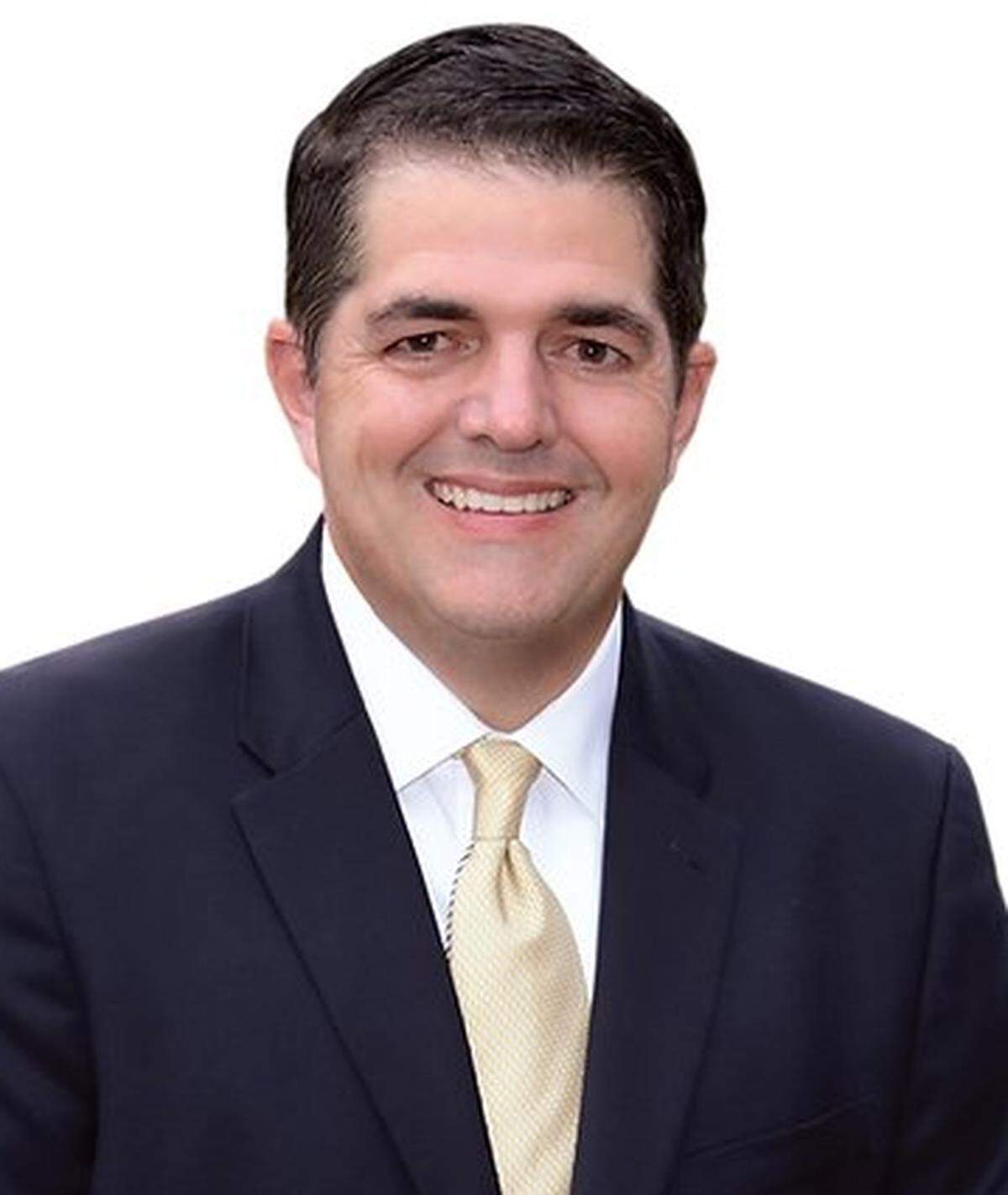
This race for circuit court judge is between incumbent Judge Mark Blumstein and Ariel Rodriguez, a bankruptcy attorney.
Blumstein was elected in 2016. At that time, the Editorial Board recommended another candidate. When she did not make it into the runoff, and Blumstein did, we recommended him.
This time around, however, with Blumstein’s number of reversals by appellate courts, the Board, unfortunately, can’t do so with the same confidence.
Blumstein is a former attorney with the U.S. Navy Judge Advocate General’s Corps. In his campaign banners around town, he is wearing his Navy cap — as he did in 2016 — but, he says, not his full uniform. Judicial-ethics experts say the image is a possible violation of a Defense Department directive banning the use of an image in uniform as a “primary graphic representation” on a campaign ad. In addition, the directive says photos must have a “prominent and clearly displayed” disclaimer explaining that there is no military endorsement.
Blumstein’s disclaimer runs across the bottom of the banner in extremely small type. There’s nothing “prominent” about it — especially to drivers whizzing by. He might be able to get away with it, but we think, as a judge, he’s wrong to do so.
Blumstein also is a former commissioner from the town of Surfside.
He brought to the bench broad experience as an attorney, having practiced criminal and civil law, commercial litigation, family law, with some immigration work.
“I think that has served me well in terms of delivering justice, in a way that is practical and brings about finality to the parties,” he told the Editorial Board.
Once elected, he served in the criminal division before moving to civil in 2020.
Rodriguez, a South Florida native, has practiced law for 24 years in a variety of capacities. He is a graduate of Cornell University and Notre Dame law school, after which he clerked for a federal judge in Alexandria, Virginia. He currently works in the U.S. Trustee Office, a division of the U.S. Department of Justice.
“I’ve served as a law clerk. I was in private practice for about seven years and I’ve been serving with the U.S. Trustee Office since 2016,” he told the Editorial Board. He says that he understands the judiciary from his experience as a federal law clerk, a private practitioner and a public servant.
His focus at the Trustee Office is bankruptcy, which, he says, is complex and a “misunderstood field of practice.”
“We deal with many areas of the law such as corporate, family, real estate,” he said.
During its candidate interviews, the Editorial Board consistently asked judges about their reversal record at the appellate level. And the incumbents consistently knew. Blumstein, however, told the Board, “I don’t keep count. So I can’t tell you how many times I’ve been affirmed or reversed.”
During his time on the bench, according to Westlaw, an online legal research site, Blumstein has received 14 reversals. His rulings have been upheld by the appellate court at least 80 times.
However, this is not a numbers game. What concerns the Board is the quality of Blumstein’s rulings that were reversed.
To be clear, a reversal is not automatically a broad comment on a judge’s expertise or competency. It means the appeals court says that the judge made an error. Sometimes, the appeals court will kick the case back to the lower court without suggesting a fix; sometimes, the appellate court will provide a road map.
For instance, Blumstein empaneled a six-person jury in a murder case in which both defense and prosecution — which rarely act in concert — filed an emergency writ, insisting that the case required a jury of 12. The appellate court decided they were right, and the ruling was reversed.
In another, the appeals court found: “Trial court did not have basis to dismiss entire counterclaim without at least affording defendant notice or opportunity to correct deficiencies.”
And in a child-protection case: “Court misapplied the law in termination of parental rights case in finding that it could not conclude that contact between child and father was sexual abuse.”
In a controversial ruling in another child-abuse case, after the jury deadlocked — a hung jury — Blumstein summarily acquitted the mother, stunning the defense, upsetting prosecutors and jurors — and eliminating the possibility of a retrial.
In a follow-up call, Blumstein told the Editorial Board, “I pride myself on analyzing the facts in making rulings. The Third DCA may agree or disagree with the opinion. Of course, I honor the mandate of the court.”
However, our conversations with disinterested legal professionals led us to question the degree to which Blumstein is steeped in the law, or taking the time to educate himself before making rulings. Judges are obligated to do their homework as the law evolves or as legislative decisions change the law.
Again, it’s a matter of the quality of his rulings and knowledge of the law. Despite his long experience, we are concerned he’s getting the legal basics wrong.
As a result, we think his challenger has earned a shot at this position. The Miami Herald Editorial Board recommends ARIEL RODRIGUEZ for Circuit Court judge, Group 34.
Group 52
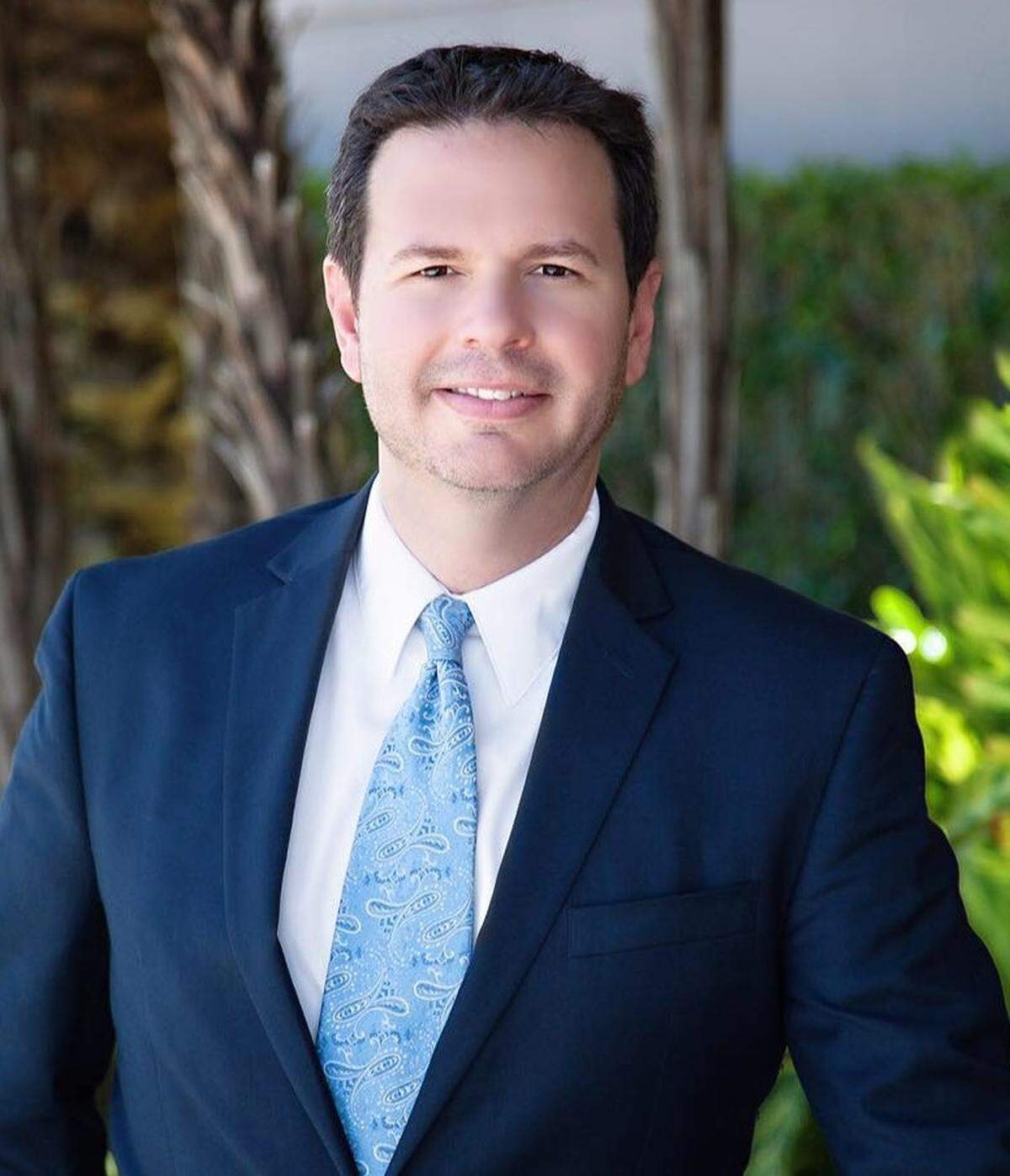
An unusual match-up in the Group 52 contest pits a sitting circuit judge, Oscar Rodriguez-Fonts, against a former judge, Jason Bloch.
Both candidates have strong qualifications. Rodriguez-Fonts was an assistant Miami city attorney and an assistant Miami-Dade public defender before he was elected to the bench in 2016. He serves in the family division.
Bloch was a Miami-Dade assistant county attorney for 20 years before he was appointed to the bench in 2014 by Gov. Rick Scott to fill a vacancy. He lost his bid for a full term in 2016.
Since then, Bloch — who is independently wealthy and is self-funding his campaign — has been doing mostly pro bono work for nonprofits or in eviction cases. He’s also a member of the Miami Civilian Investigative Panel, providing oversight of the Miami Police Department, and a board member of Legal Services of Greater Miami, which provides free legal services for low-income residents.
Being a judge is a way to give back, he said, noting that he has been “very fortunate in my life in many, many ways.”
He was on the bench for two years. His tenure was notable for at least one case, a decision in 2016 to grant bond and an ankle monitor for a teen accused of murdering a rabbi. Despite prosecutors’ claims of strong evidence — including a crude, eyewitness sketch of the killer that became the butt of jokes — Bloch concluded after a three-day hearing that the evidence was shaky at best, granting bond.
It seems he was right. In 2017, prosecutors dropped the charges.
Bloch made an ill-advised choice to file suit against his opponent after he lost the 2016 election, accusing Marcia del Rey of failing to properly disclose income from a motel she owned in Puerto Rico and trying to get her removed from the ballot after the election. He lost. The judge ruled Bloch should have filed an ethics complaint and that removing del Rey after the election would have disenfranchised voters.
The incumbent judge, Rodriguez-Fonts, has the most diversity of experience — as an assistant city attorney and an assistant public defender — and he’s been a judge for almost six years. His decisions have only been reversed by appellate courts 3 1/2 times, he said.
He said the most important thing for litigants in his court is that they walk out feeling “that the judge was impartial, that the judge treated them with respect and, as well, that they had the opportunity to be heard.”
There is an issue voters must grapple with when considering Rodriguez-Fonts. Last month, he attended the Christian Family Coalition Florida’s annual Legislative Victory & Candidates Breakfast — which happened to be held one day after the Supreme Court’s Roe v. Wade decision. The CFC’s Twitter account called it “a morning of rejoicing.”
Judges are required under Canon 7 of Florida’s Code of Judicial Conduct to “refrain from inappropriate political activity” and also “act in a manner consistent with the impartiality, integrity, and independence of the judiciary.”
Rodriguez-Fonts said it was planned as a meet-the-candidate event, long before the Supreme Court ruled. At the breakfast, he said he gave a short speech, asking for votes but steering clear of any political statements. He also said he took out an ad in the program, making sure it was under the “advertiser” section, not the “supporter” section. The Christian Family Coalition Florida, which lobbied for Florida’s 15-week abortion ban in the Legislature last spring, has given him their “highly qualified” rating.
In a statement to the Editorial Board, he said, in part, that: “I am forbidden from endorsing any political position and will strictly abide by the rules set forth by the judicial canons. Accordingly, my attendance at an event should not be construed as my endorsement of any political ideology.”
He said he knows that, as a judge, he represents “the entire community” and that as a candidate, he is “taking my message to all groups in this community that invite me to speak.” He vowed to continue to do his job “in a fair and neutral manner.”
Certainly, we are well aware of the conflict inherent in electing judges; they’re supposed to remain removed from politics and yet also campaign for votes in election years. The Editorial Board has repeatedly advocated for a merit retention system for circuit and county judges, the system used for appellate judges. This is an illustration of that conflict.
Based on discussions with judicial-ethics experts, we don’t believe Rodriguez-Fonts’ conduct is a clear violation of his ethical obligations. He says he didn’t espouse a political opinion in his speech, and we believe him.
But there’s more to it. His appearance at that breakfast on that particular day — a Herald story from the event says the ballroom was “brimming with unapologetic pride” over the abortion decision — brings his judgment into question. He didn’t have to go, or stay. But he did, and even made a short speech.
None of the other judges we have recommended attended this breakfast. We understand that candidates for judge do get endorsed by various groups that have a political agenda. That’s not the problem here.
The problem is this: By going to what had turned into overtly political event, and staying, and speaking, he gave every appearance of being aligned with this group on the issue of abortion and perhaps on the rest of their positions as well.
No matter how much he insists he will be fair in court — where he wields enormous power — anyone appearing before him in an abortion-related case might well wonder whether he would be impartial. And that will start with defense lawyers. He serves in circuit court, where abortion-related cases could easily come before him.
If this were a different kind of organization, one that espoused gay rights, say — a cause the Editorial Board supports — would we question whether a judge should attend a celebratory breakfast on the morning after the Supreme Court’s same-sex marriage decision in 2015? If that judge might hear cases on the topic, the same reasoning would apply and, yes, we would decry that judge’s attendance.
Judges enjoy enormous trust and power. Voters have every right to expect that they pay scrupulous attention to ethics, obeying not just the letter of the law but also its spirit. Pushing back on the creep of politics into our local courts is crucial, and worth fighting for. An independent judiciary is one of the basic underpinnings of democracy. Without it, the rule of law breaks down.
Rodriguez-Fonts says he didn’t do anything that violated judicial ethics. We think he should have used common sense to recognize that attending the CFC event — one that became a celebration of a momentous legal decision in one of the most contentious and highly politicized issues of our time — would give the appearance that he was taking a side.
Judges are unique in the political world. While city council candidates can attend political events to their heart’s content, judges must avoid anything that makes it look like they are taking a political position. And that’s as it should be: Judges are placed in positions of such trust, protectors of our most precious rights, that they need to avoid even the perception that they are staking out political positions.
The Preamble to the Code of Judicial Conduct spells out their responsibility to the judicial system as a whole, saying “. . . judges, individually and collectively, must respect and honor the judicial office as a public trust and strive to enhance and maintain confidence in our legal system. The judge is an arbiter of facts and law for the resolution of disputes and a highly visible symbol of government under the rule of law.”
It comes down to this: Either Rodriguez-Fonts was utterly oblivious to the political ramifications of what he was doing or he thought it was OK to align himself with those values. Either way, though he served well for six years, he has now damaged his credibility as an impartial arbiter of facts on the bench.
His opponent is far from perfect. Bloch was appointed to the bench and then spent just two years there before voters chose not to return him to the seat. As a judge, he was known to be difficult to work with and sometimes seemed to avoid making decisions. If voters return him to the judiciary, we hope he has used this interim to grow and reflect on what he can do better.
The Miami Herald recommends JASON BLOCH for Circuit Court judge, Group 52.
BEHIND THE STORY
MOREWho decides the political endorsements?
In advance of local and state elections, Miami Herald Editorial Board members interview political candidates, as well as advocates and opponents of ballot measures. The Editorial Board is composed of experienced opinion journalists and is independent of the Herald’s newsroom. Members of the Miami Herald Editorial Board are: Amy Driscoll, editorial page editor; and editorial writers Isadora Rangel and Mary Anna Mancuso. Read more by clicking the arrow in the upper right.
What does the endorsement process look like?
The Miami Herald Editorial Board interviews political candidates to better understand their views on public policy and how their policies will affect their constituents. Board members do additional reporting and research to learn as much as possible about the candidates before making an endorsement. The Editorial Board then convenes to discuss the candidates in each race. Board members seek to reach a consensus on the endorsements, but not every decision is unanimous. Candidates who decline to be interviewed will not receive an endorsement.
Is the Editorial Board partisan?
No. In making endorsements, members of the Editorial Board consider which candidates are better prepared to represent their constituents — not whether they agree with our editorial stances or belong to a particular political party. We evaluate candidates’ relevant experience, readiness for office, depth of knowledge of key issues and understanding of public policy. We’re seeking candidates who are thoughtful and who offer more than just party-line talking points.
This story was originally published July 24, 2022 at 6:00 AM.

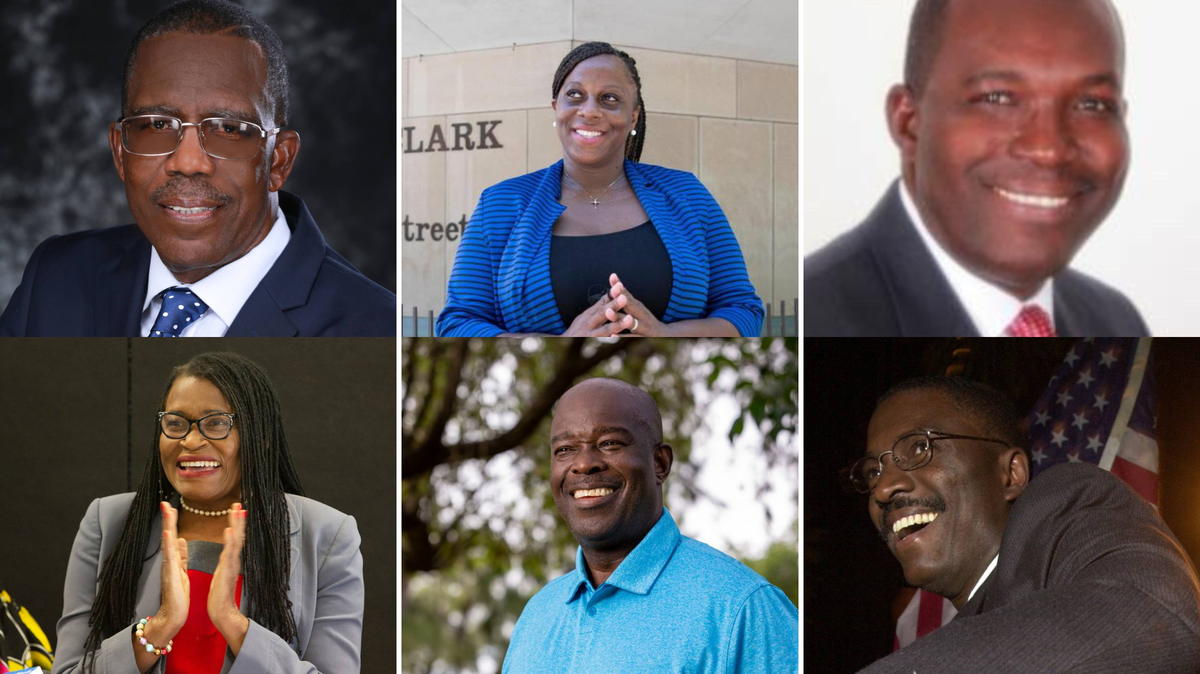
.png)
.jpg)
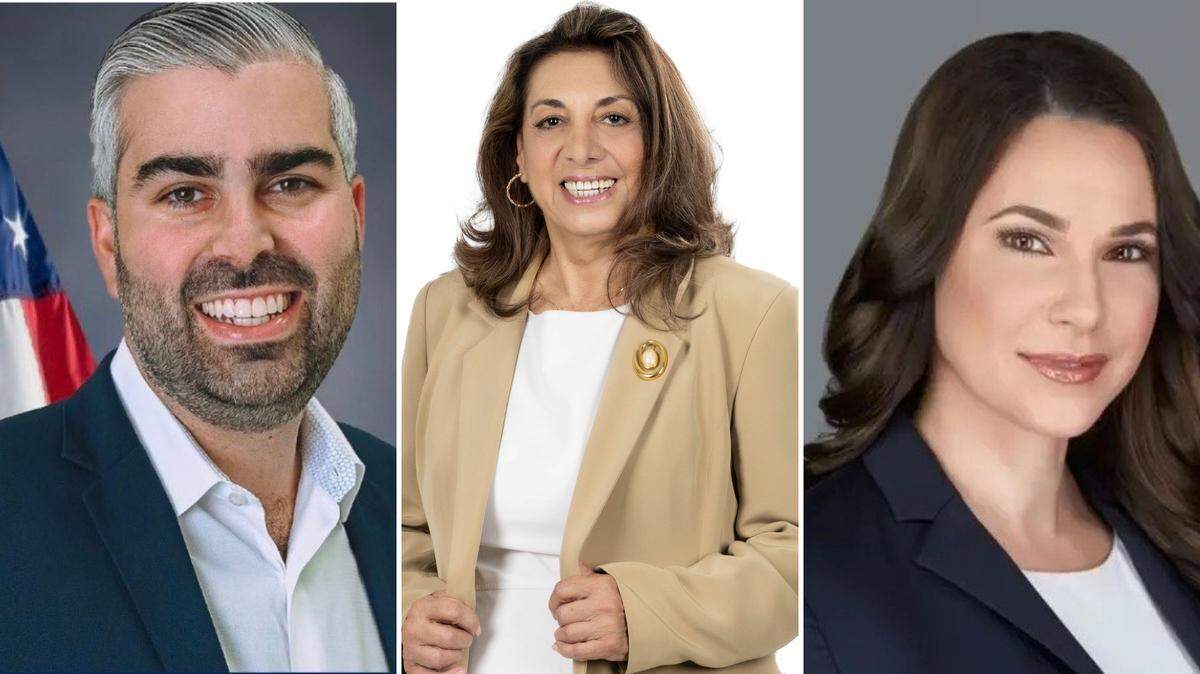
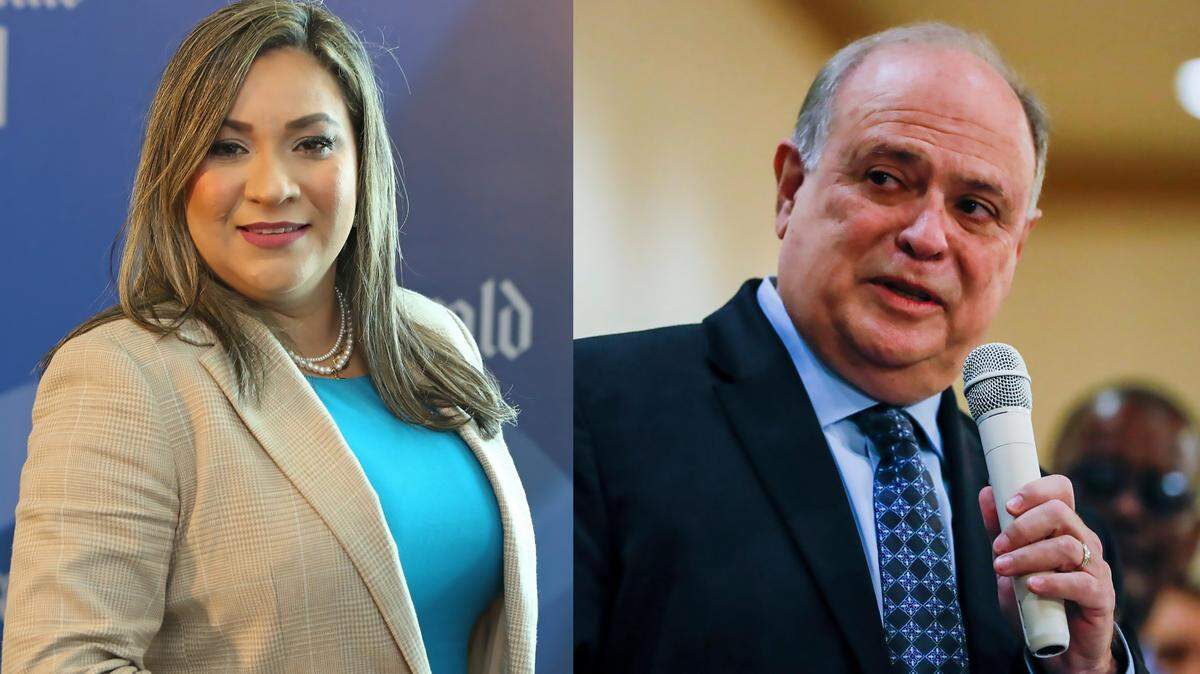
.jpg)
.jpg)

.jpg)
.png)
.png)
.png)
.png)
.png)
.png)
.png)
.png)
.png)
.png)
.png)
.png)
.png)
.png)
.png)
.png)
.png)