How this Miami ICU’s war on COVID was caught on video in unsparing detail
READ MORE
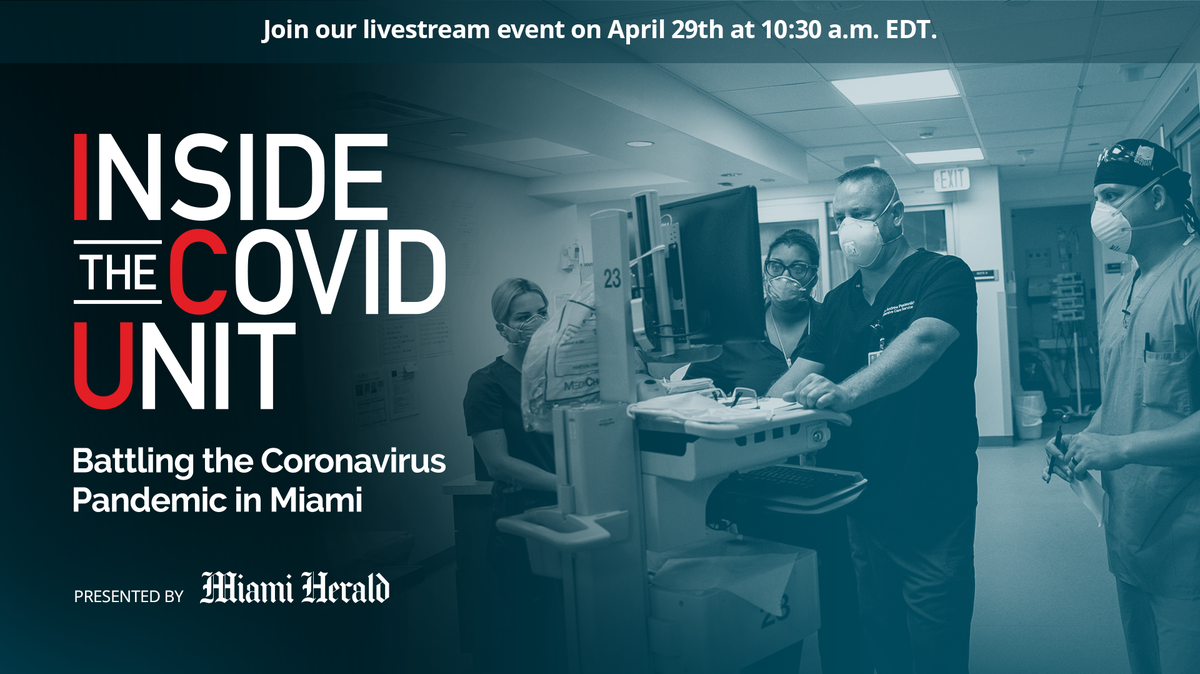
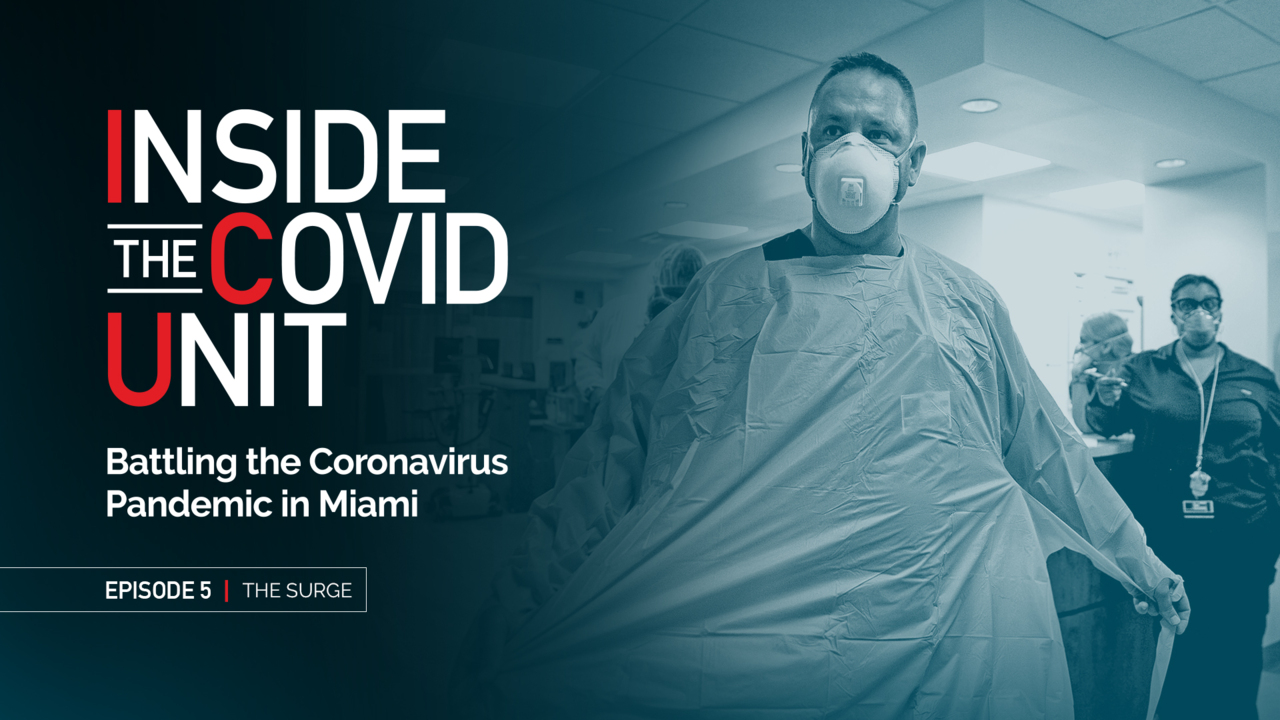
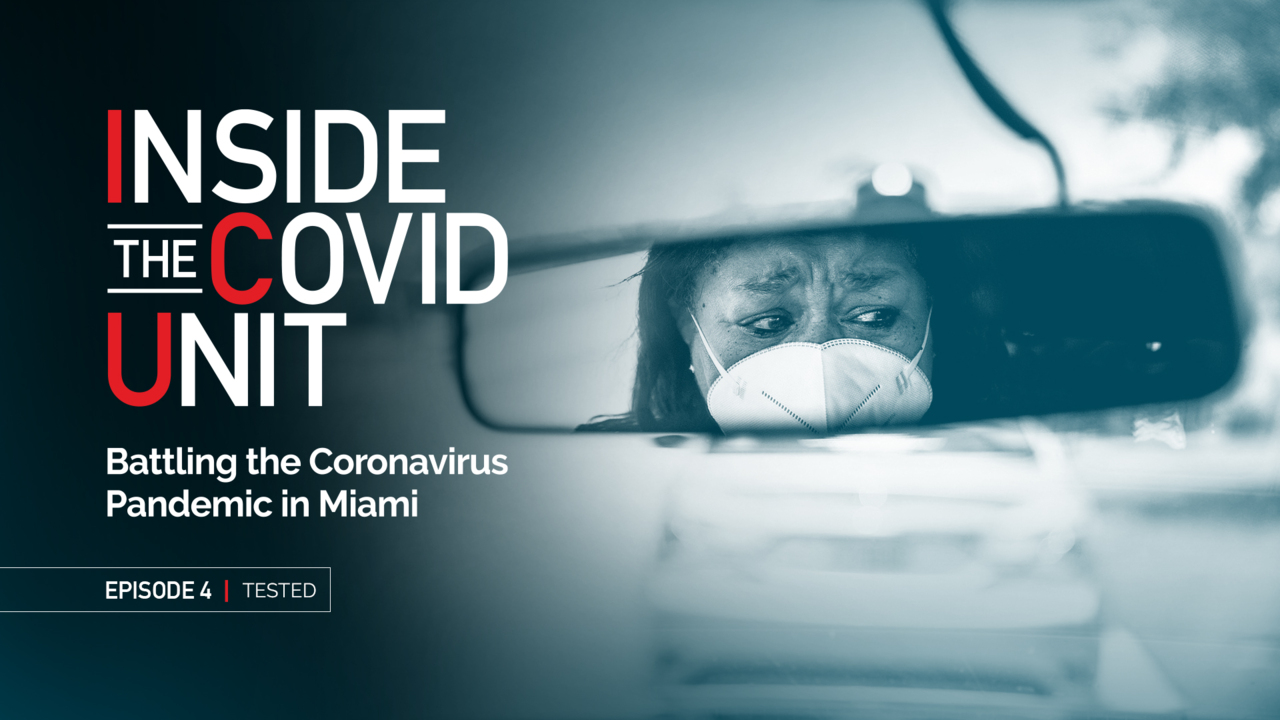
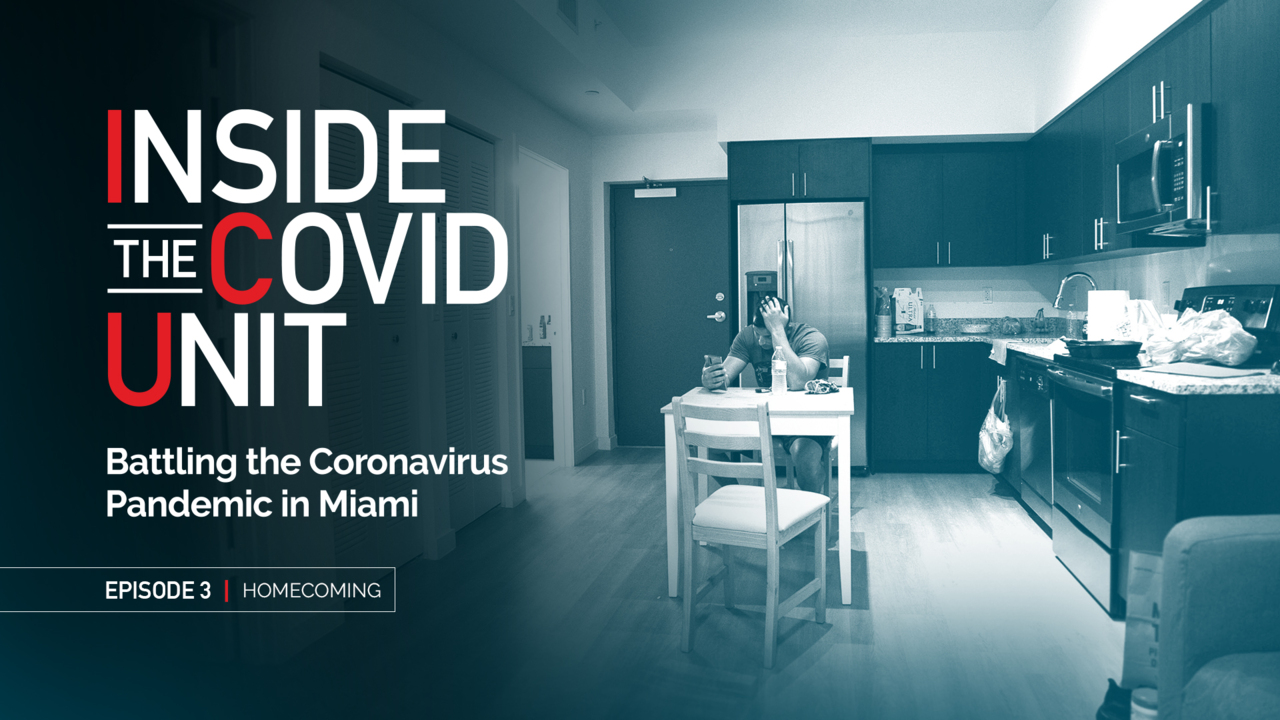
Inside the COVID Unit: Battling the Coronavirus Pandemic in Miami
A five-part documentary series that documents what happened beyond the swinging doors of the COVID-19 unit at Jackson South, as Miami emerged as a national hot spot for infection.
Expand All
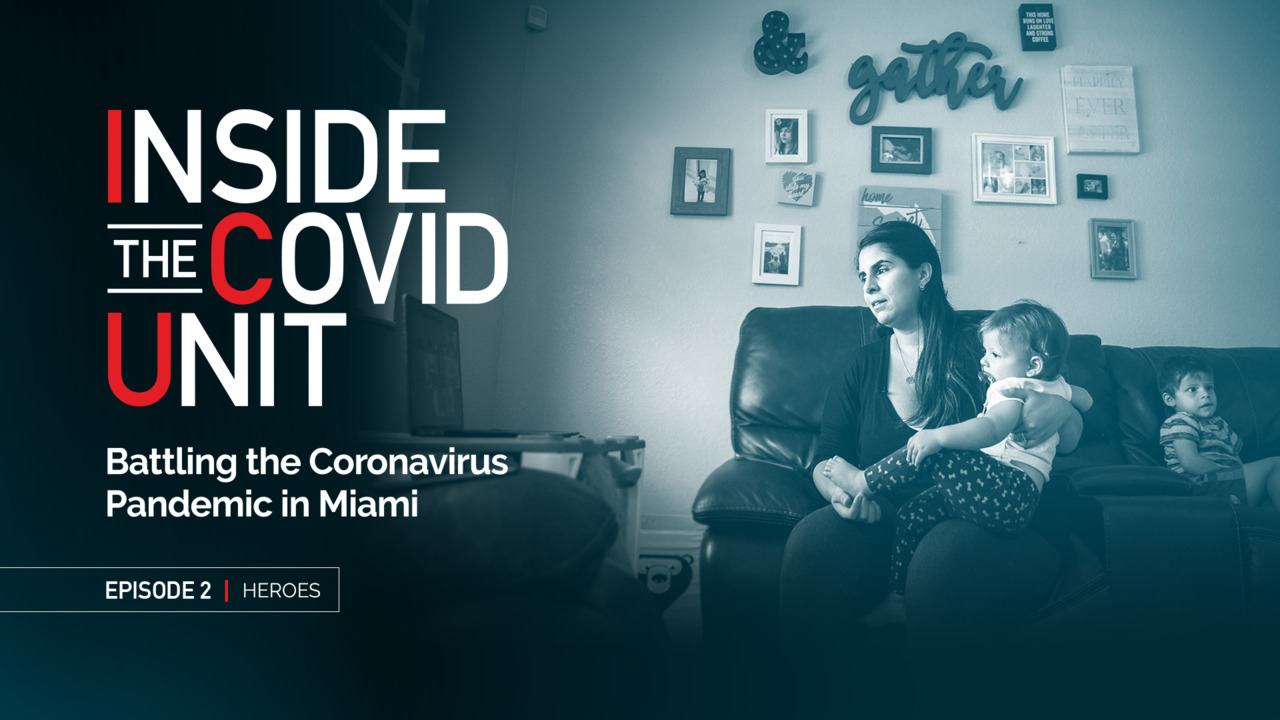
Inside the COVID Unit: Battling the Coronavirus Pandemic in Miami, a five-part Miami Herald/McClatchy documentary, tells the remarkable stories of front-line healthcare workers, their patients and their families in one small public hospital as the coronavirus pandemic hit Florida in 2020.
Granted extraordinary access at Jackson South Medical Center in Miami-Dade County, the Miami Herald and McClatchy documented the hopes and heartbreak of those deep inside the battle against a new and deadly disease. The series, filmed with the help of doctors and nurses working in the Jackson South COVID unit, shows viewers what went on past the swinging doors of the ICU in the months after COVID-19 forced hospitals to close to visitors.
Visual journalist Reshma Kirpalani asked Jackson Health System, Miami-Dade’s public hospital system, for permission to go inside the hospital to record the unfolding crisis in March.
It was a lot to ask. The pandemic had brought health systems around the world to their knees. Florida wouldn’t be spared. And if the hospital system agreed, Kirpalani knew she would be risking her life alongside the healthcare workers.
“I never expected to hear back from them,” Kirpalani said. “But I did.”
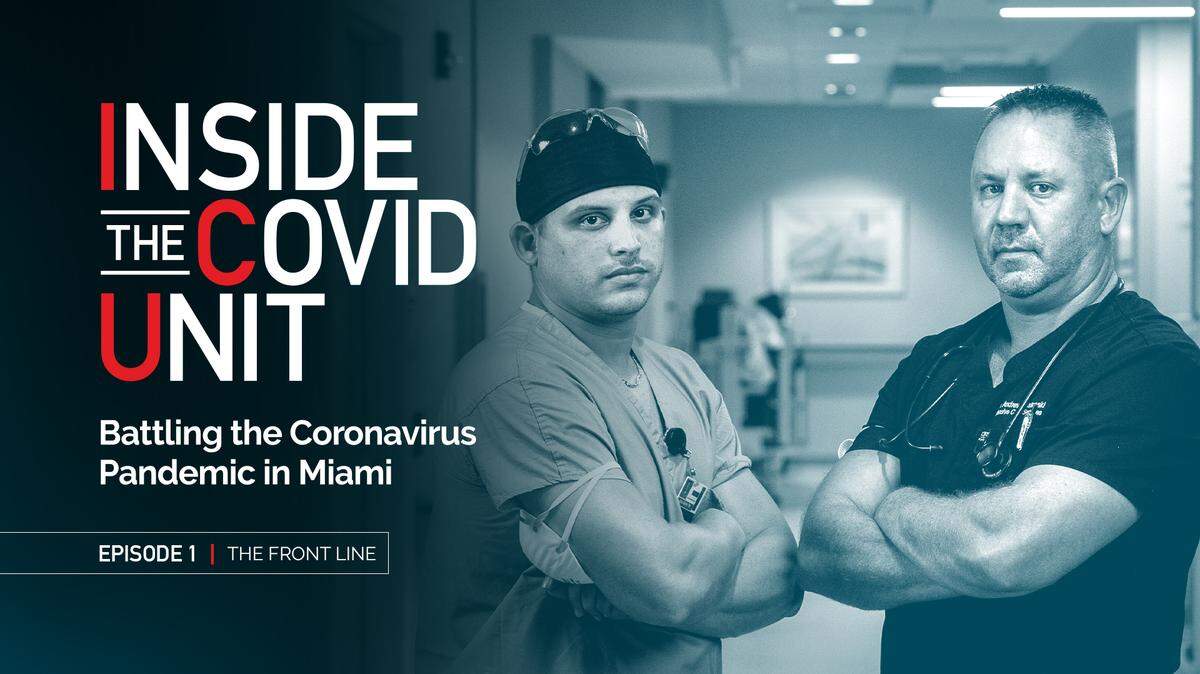
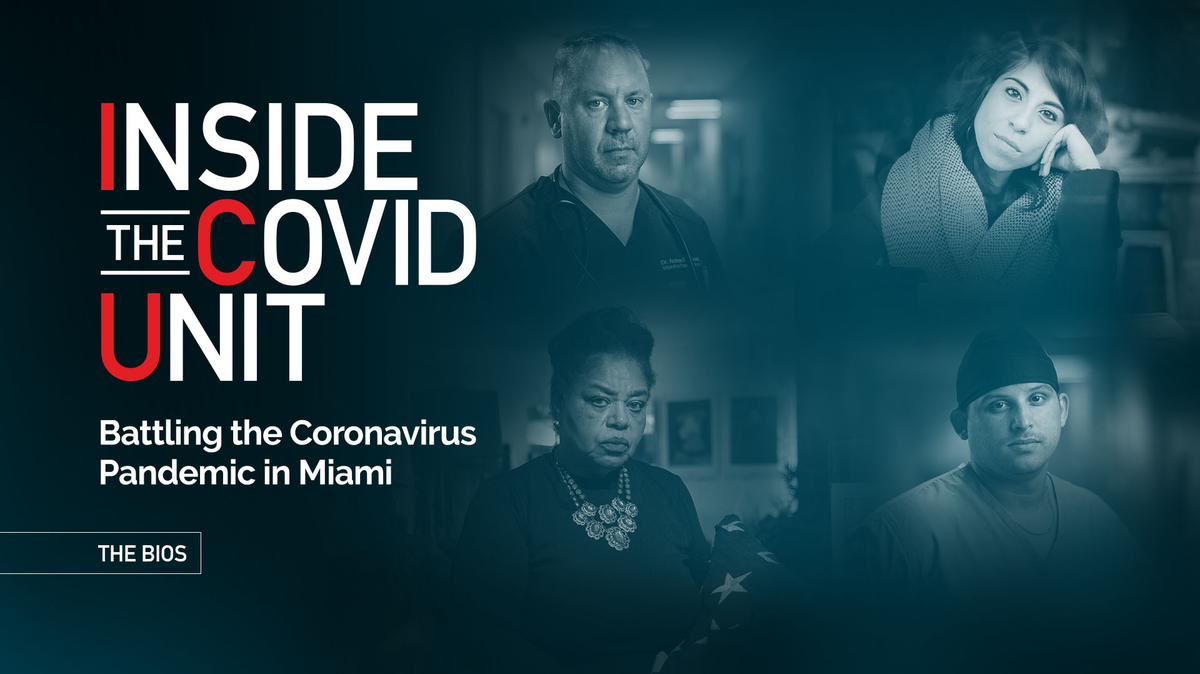
But Jackson said yes, and Kirpalani began talking with Jackson’s doctors and nurses about participating. The medical director of the Intensive Care Unit at Jackson South, Andrew Pastewski, agreed to help. Through him, Kirpalani learned of a nurse, Julio Valido, who had volunteered to work with COVID patients from the start and was living at a Quality Inn near the hospital to keep his family safe.
Both agreed to shoot footage on their phones from inside, as long as the recording did not disclose the identities of patients or others without their consent. The Miami Herald and its parent company, McClatchy, had also specified that only those who gave permission would be identifiable on video.
The Jackson staff captured moments of poignancy, as the families of patients spoke to their loved ones on iPads, nurses volunteering over and over to make the connection. They showed the measures being taken to save lives — turning patients on stomachs to help them breathe, intubating as a last resort. At times, the clips served as a rough video diary, catching medical workers as they tried to keep their own spirits up, with no end to the crisis in sight.
“I’ve been so proud of my hospital on every level. We’re part of a big system but we’re not a big hospital,” Pastewski said. “To have to go through this kind of battle with these people, they just make me so proud. No one thought it would get as big as it did, but they made me proud every day.”
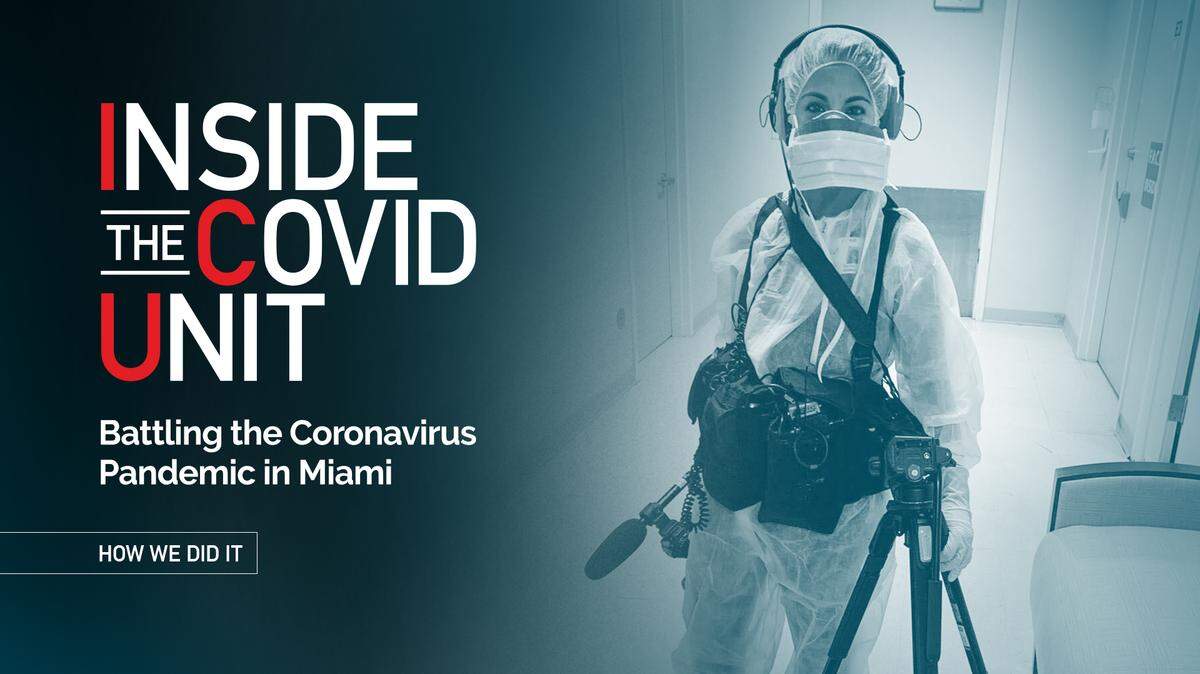
Kirpalani, suited and masked from head to toe, also spent a day recording inside the ICU in October. “I felt it was important to film firsthand,” she said, though she knew she was putting herself at risk.
Outside the hospital, Kirpalani spent hours with Pastewski and Valido’s families, where the strain was apparent. Children missed their parents. Parenting became much tougher. Some were reluctant to have their personal lives exposed on camera. But they agreed that it was important to show, in unsparing detail, the risks healthcare workers were taking to treat COVID patients, how hard they fought for every life and how much they cared.
Kirpalani spent time with a South Florida woman whose son and husband both contracted COVID-19 — but she couldn’t go into the hospital to sit at their bedsides.
Dianne Washington, 70, said she’ll be forever grateful that a nurse held up an iPad repeatedly so she could see and talk to her husband, Kenneth. She was able to write a report every day to family and friends who were holding vigils for him, and she was able to see him right before he died, when he finally opened his eyes for a moment.
“I cannot tell you how much solace that has given me. What angels these doctors and nurses are,” she said.
After her husband died, one of the nurses — Teresita Stanley, known to Washington as nurse Terry — left a plant, a lily, on her porch. “She left me a note that said, we may never meet but I want you to know that I care,” Washington said. “That meant the world to me. And that’s my favorite flower. But I can tell you, one day, I will meet her to thank her.”
She said being part of the documentary was important to her: “I’ve never been a person who used social media or the media or anything like that. But the deception that was going forth — don’t wear masks, this isn’t real — but people are at risk. Silence is consent. ... Somebody has to tell the truth. That’s the way I looked at it.”
Video for the documentary starts in April and ends in October, spanning the summer, when South Florida experienced a surge in cases. Initially expected to take a matter of weeks, the project ended up taking almost a year to complete, with seven months of video and four months of editing.
“It was very clear how important it was to get the story out as accurately and completely as I could,” Kirpalani said. ”But as I was trying hard to make sure everything was accurate, I was painfully aware that they were busy fighting to save lives.”
And though the pandemic is far from over, the increasingly widespread distribution of vaccines has begun to offer hope after a very dark year.
Valido, who continues to work with COVID patients, said he wants those who see the documentary to know one thing.
“That this was real. There were a lot of people saying this was all fake, that it was being hyped up for no reason and people weren’t really sick — all these conspiracy theories going around,” he said. “And I would come into the hospital the next day. People need to know this is real.”
The documentary was directed by Kirpalani, with production help from Trevin Smith and graphics by Sohail Al-Jamea, both of McClatchy. The executive producers on the project are Marta Oliver Craviotto of the Miami Herald and Jason Shoultz of McClatchy.
This story was originally published March 25, 2021 at 11:18 AM.
BEHIND THE STORY
MOREHow a Miami ICU’s war on COVID was caught on video
Inside the COVID Unit: Battling the Coronavirus Pandemic in Miami, a five-part Miami Herald/McClatchy documentary, tells the remarkable stories of front-line healthcare workers, their patients and their families in one small public hospital as the coronavirus pandemic hit Florida in 2020.
Granted extraordinary access at Jackson South Medical Center in Miami-Dade County, the Miami Herald and McClatchy documented the hopes and heartbreak of those deep inside the battle against a new and deadly disease. The series, filmed with the help of doctors and nurses working in the Jackson South COVID unit, shows viewers what went on past the swinging doors of the ICU in the months after COVID-19 forced hospitals to close to visitors. Read more about how Inside the COVID Unit was produced.