Miami-Dade home rental costs explode. Oceanfront area leads with 2-year 115% spike.
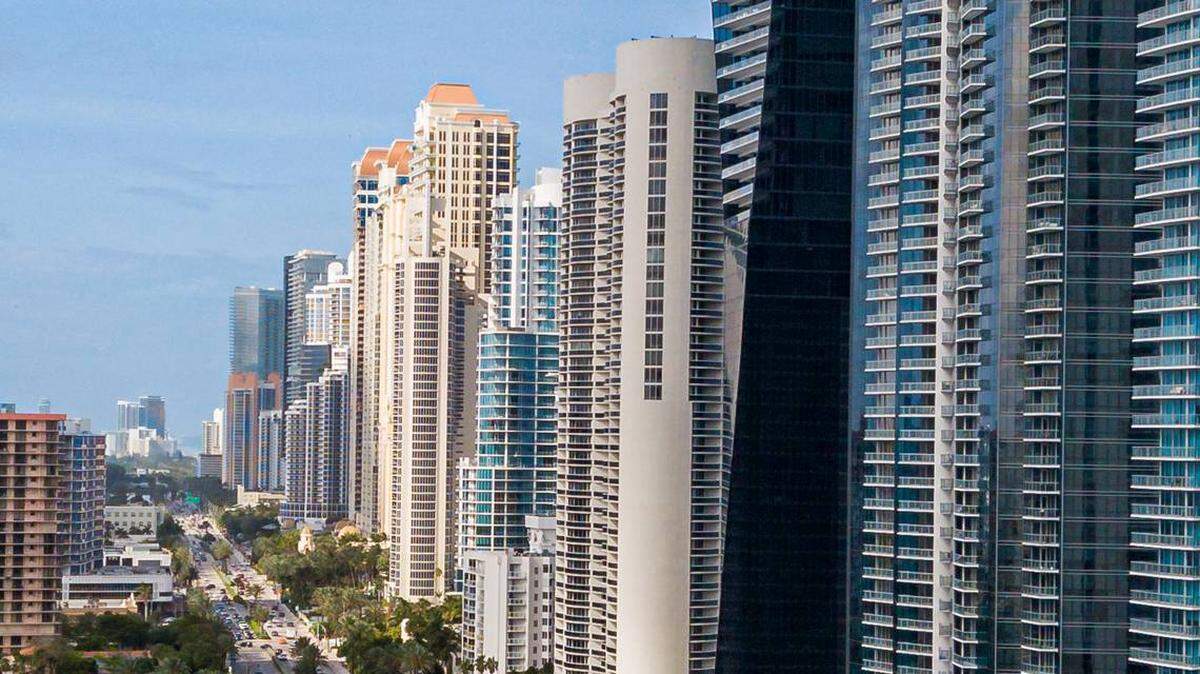
Most locals faced home rent hikes exceeding 50% in the two-year stretch since the start of the pandemic in Miami-Dade County, but landlords demanded even more money, increasing rents up to 115% in certain cities and neighborhoods.
The Miami Herald analyzed rental costs countywide and ranked the areas with the highest median rent increases between March 2020 — when the first COVID-19 cases were reported in Florida — and March of this year, according to data from the Multiple Listing Service and Ron Shuffield, CEO of Berkshire Hathaway HomeServices EWM Realty.
The new information shows why Miami-Dade has become by most national housing cost rankings the most expensive place to live in America right now, and it provides more convincing evidence of the home affordability crisis gripping the county.
The areas in the county included in the Herald’s residential rent analysis each had at least 20 lease deals monthly the past two years for apartments, condominiums, townhouses or standalone studios. Sunny Isles Beach topped the list of biggest increases with a 115% jump in median rental cost, followed by Miami Beach (72%), North Miami (69%), Edgewater (67%) and Doral (50%).
Except for Doral, residential rent inflation in these areas exceeded that of the city and Miami-Dade. County residents saw a 57% median increase over the two-year period, from $1,750 a month to $2,750, while people renting in the city saw a 55% boost — from $2,100 monthly to $3,250.
The places with the greatest home rent increases have a common thread, said Jack McCabe, the owner of Jack McCabe Expert Services in Deerfield Beach, known for real estate and economic research.
“They’ve had a large number of new luxury condominiums,” McCabe said. “They’ve increased the inventory, but also at the top end of the marketplace.”
That’s certainly the case for Sunny Isles Beach residents, due to the plethora of luxury options. The majority of rentals there are luxury condos carrying premium lease prices.
Affordable housing crisis
Renters across Miami-Dade have struggled long before the pandemic with the rising cost of living. The ongoing public health crisis, however, heightened financial woes and competition for limited housing supply to rent or buy. Local workers continue to compete with their stagnant wages against an influx of wealthy transplants from the Northeast and West Coast for home rentals.
In March and April, the city and the county declared respective states of emergency due to limited attainable affordable housing for the essential workforce, typically meaning teachers, firefighters, law enforcement, among others. The home affordability crunch here has reached an acute level, experts say, that’s diminishing the quality of life and hurting the local economy. Employers are increasingly having a tough time hiring and retaining workers as people try moving, often to Broward County, or further north to cheaper places to live.
Miami-Dade landlords are required to give tenants at least 60 days’ notice of rent increases, instead of formerly 30 days, when home rents are going up by 5% or more. The county is offering temporary rental assistance to those struggling most with mounting housing costs. Still, demand remains intense for apartment rentals, as prices soar in most parts of the county.
The earlier notices to people that rent is increasing hasn’t affected the overheated rental home market, Shuffield said.

Sunny Isles Beach
Conrad Lima and his wife have rented in Sunny Isles Beach the past four years. The landlord increased their rent by $1,000 a month this year, from $2,500 to $3,500 a month for a 2,000-square-foot three-bedroom, three-bathroom condo. The CEO and co-partner of the general contracting company Finish My Condo, Lima considers themselves lucky. They can afford to stay.
His Sunny Isles Beach-based business gave salary increases to the entire 12-member staff. “We’ve been doing this since the pandemic,” Lima said. “Everybody’s life became more expensive.”
Other residents aren’t as fortunate. Vasila Queen, the salon owner of Studio by Vasila, said she’s had clients leave the city over the past five months.
“People are leaving Sunny Isles Beach,” Queen said. “Most of them are early career professionals. They make the same amount of money as three, four, five years ago. They used to work two weeks to pay the rent, and now they can’t afford that.”
As of March, the median residential rent was $4,300 a month, more than double the $2,000 monthly median two years earlier.
The 2.5-mile long Sunny Isles Beach sits between Golden Beach and Haulover Park — a clothing-optional beach. Once known for its row of motels in the 1950s, developers stepped in during the late 1990s to replace the oceanfront boutique hotels with high-rise residences.
Condo towers line the beachfront and, on the other side of Collins Avenue, outdoor shopping centers, boutique hotels and houses populate the streets. The city has a population of about 22,000 people and a median household income of $50,617, according to the latest U.S. Census report.
The high-rises come with an array of luxury brand names like Porsche, Armani Casa and The Ritz-Carlton Residences and — like walk-ups in Manhattan — sit inches apart from one another on Collins. Their manicured landscaping and wide ramps obscuring any water views from the sidewalk. Luxury cars like BMW, Mercedes-Benz and Porsche speed down the avenue and past pocket parks that add a touch of greenery every few steps.
Lima often spends his free time at Newport Fishing Pier or shopping for groceries and takeout at Matryoshka Deli.
Matryoshka exemplifies the community’s melting pot of Eastern European cultures. Visitors often converse in Russian. Products have flags noting their origin adjacent to prices, often highlighting countries from across Eastern Europe. Any aisle contains a wide variety of food and eclectic options. The same aisle where a visitor will find over 50 options of biscuits and cookies — think hazelnut chocolate wafers from Macedonia, Butter Biscuits Peanuts from Romania to classic cocoa shell-shaped cookies from Croatia — they’ll find dried fish from Russia sealed in plastic packages adjacent to Lay’s chips.
Miami Beach
The iconic Miami Beach consists of three distinct neighborhoods: South Beach, Mid-Beach and North Beach. Once known as a sleepy retirement community in the 1960s, today Miami Beach thrives as a cultural and nightlife hub thanks to destinations like the New World Symphony and its Wallcast series, the Fillmore Miami Beach and Ocean Drive.
That has contributed to the 72% increase in residential rents the past two years. The median in March was $2,800 a month, up from $1,630 a month in March 2020.
Miami Beach is home to about 89,000 residents earning average household income of $57,211, according to U.S. Census data.
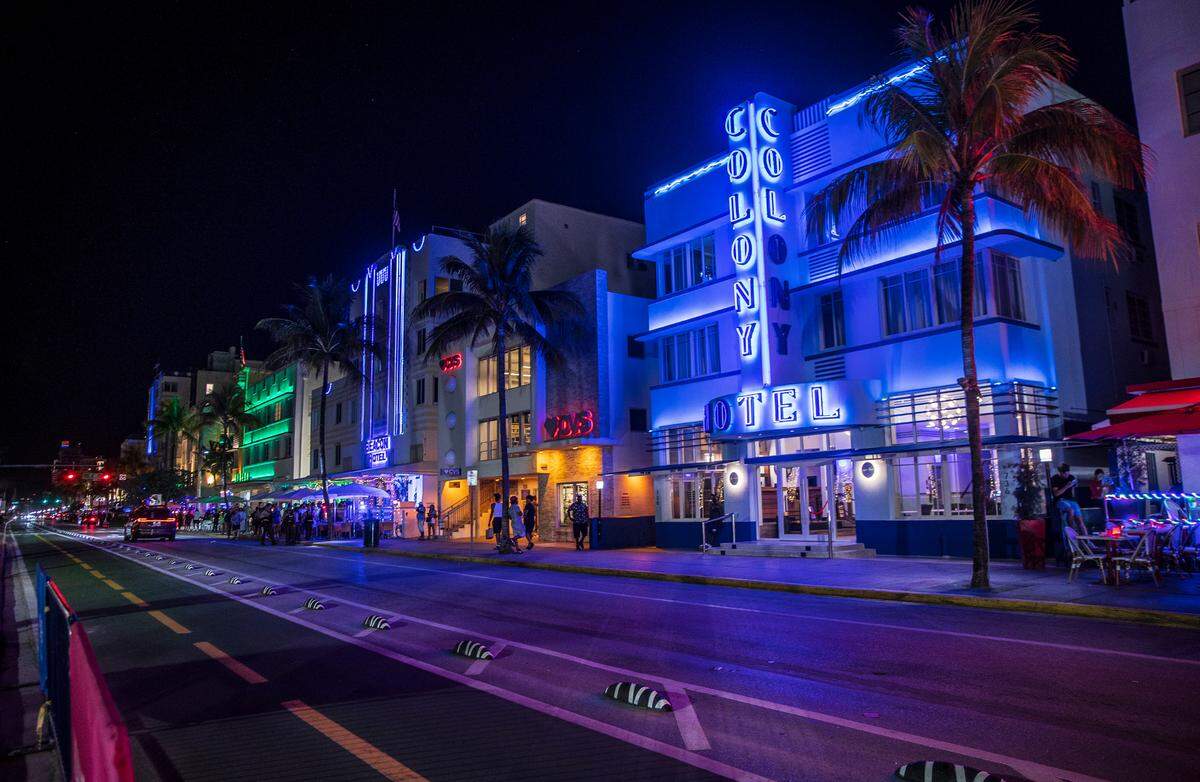
Daniel Royales, an assistant history professor at Florida International University, moved from Philadelphia to Miami in 2015. After a year living in Little Havana, Royales moved to a South Beach rental.
“As a Miami transplant, and someone who came here from the Northeast, the ability to walk and bike to places is paramount,” he said.
Today, Royales lives steps from Lincoln Road with his husband and Rocky, their cocker spaniel and Rottweiler mix. They bought an 850-square-foot, two-bedroom South Beach condo for $330,000 in 2021 with help from their family. The couple often go to Haulover Park, dine at Barceloneta at Sunset Harbor and visit Bar Gaythering for happy hour.
North Miami
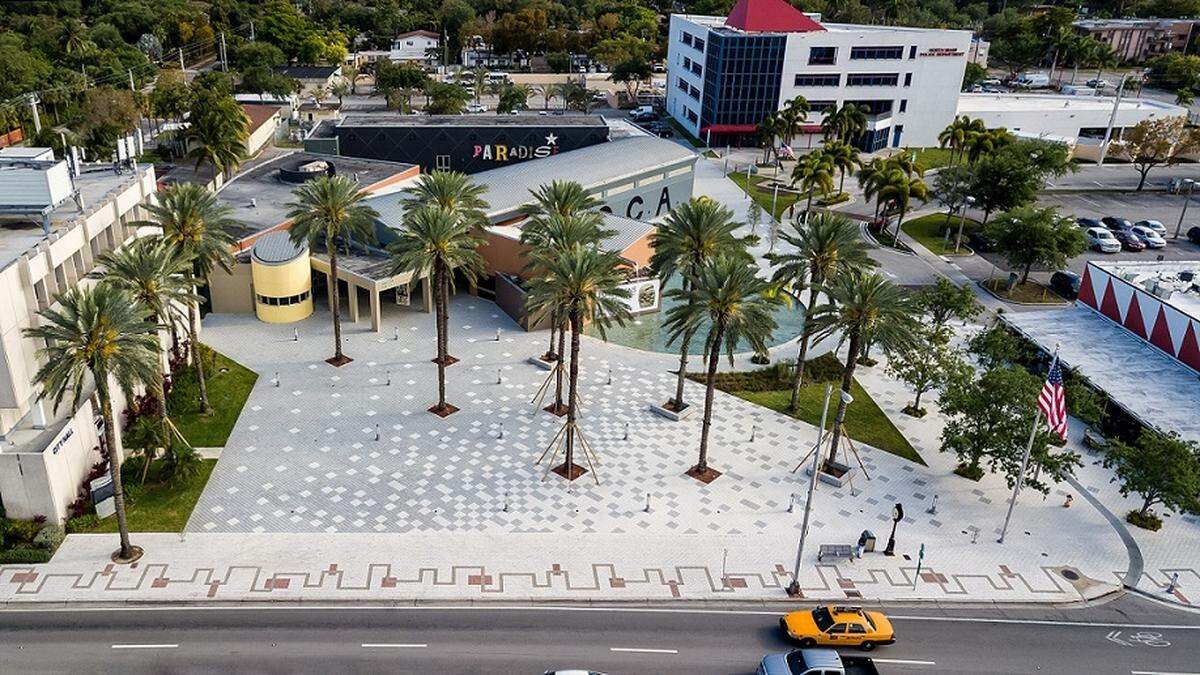
Bordering Miami Shores, North Miami is home to the Museum of Contemporary Art, Barry University and the elite private Miami Country Day School.
“It used to be a very blue collar, Haitian (community), and that’s reflected when you look at the difference in rents (compared to other areas),” said McCabe, the real estate analyst. “As more new buildings get built, these are not affordable housing. More poor people move out and more wealthy people move in.”
That’s reflected in the 69% two-year price increase in home rents, now at a $2,200 monthly median, up $900 from $1,300 a month in March 2020. The community has 62,000 residents, earning an average household income of $43,562, based on census data.
Edgewater
Edgewater spans the Miami bayfront from Northeast 15th Street to the Julia Tuttle Causeway, north of the city’s Arts & Entertainment District, Wynwood, Midtown and Miami Metrorail.
The arrival of the family-owned Melo Group in 2001 stimulated a fresh wave of redevelopment of boutique rental buildings into expensive high-rise towers. The walkable community includes Margaret Pace Park, the watering hole The Daily Creative Food Co., fine dining seafood restaurant Mignonette and steps into the Arts & Entertainment District, a Metrorail station that takes passengers for free throughout downtown Miami.
“It’s a 24/7 area. Edgewater has become a happening place for those in their 20s to 40s ... with good-paying jobs,” McCabe said.
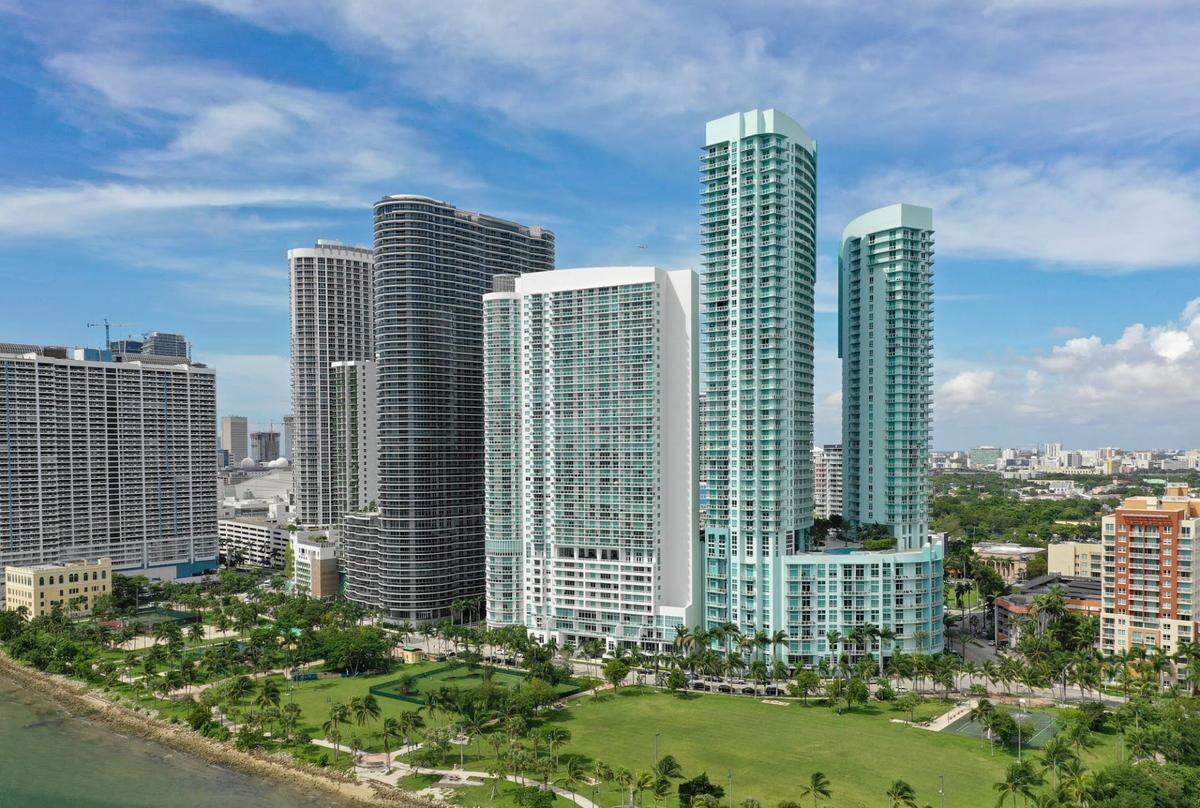
In 2021, RentCafe called Edgewater one of the most popular areas in the country based on the number of housing units built since 2017. With the demand and gentrification ongoing, residential rents have increased to a median of $3,800 a month, up 67% from $2,280 monthly in March 2020.
Doral
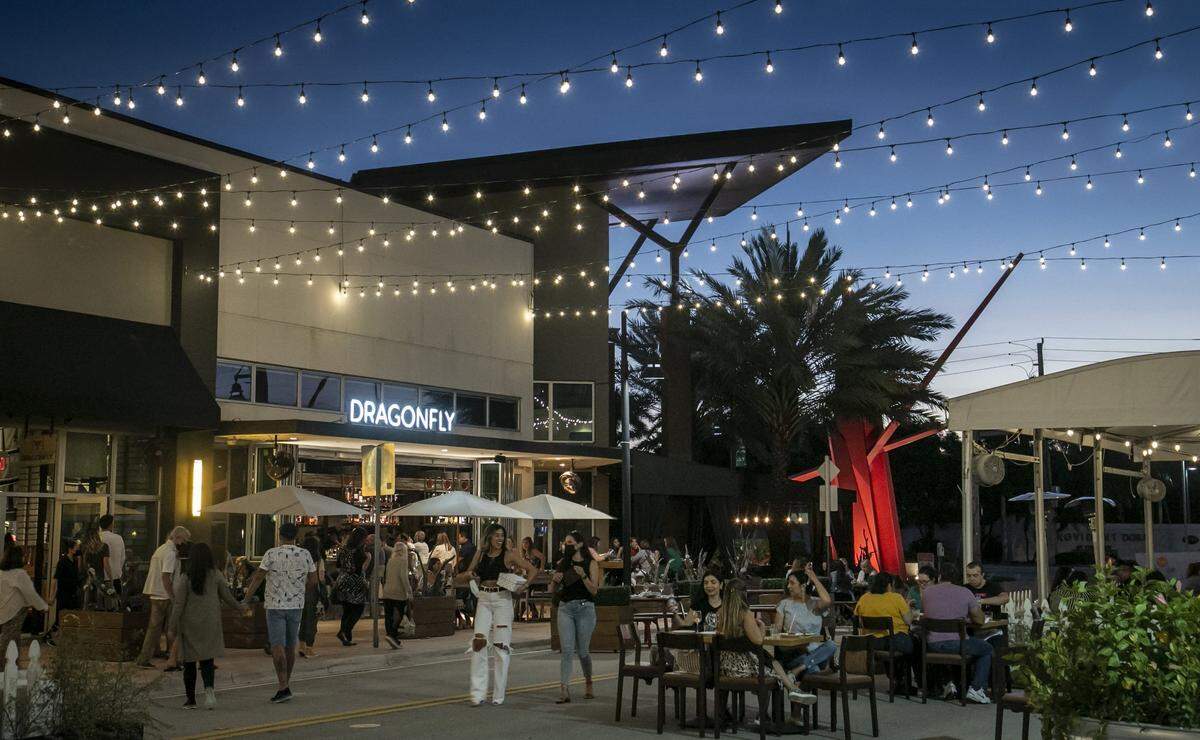
Doral has changed from an industrial suburb known as a logistics hub to a residential community over recent years.
Residents have access to two downtowns — the first created by Codina Partners by converting a former office park. It has a charter school, shops, restaurants and City Hall.
A second “downtown,” developed by the Related Group as CityPlace Doral, opened in 2017. It has shops, various dining options and apartment rentals. Known for its large Hispanic population, Doral has about 62,000 residents, and an average household income of $75,138, according to the latest U.S. Census report.
Home rents have jumped 50% in the western Miami-Dade suburb to a median of $2,850 a month, from $1,900 two years ago.
READ MORE Here’s where you can find cheapest rents in Miami-Dade
This story was originally published May 15, 2022 at 6:30 AM.