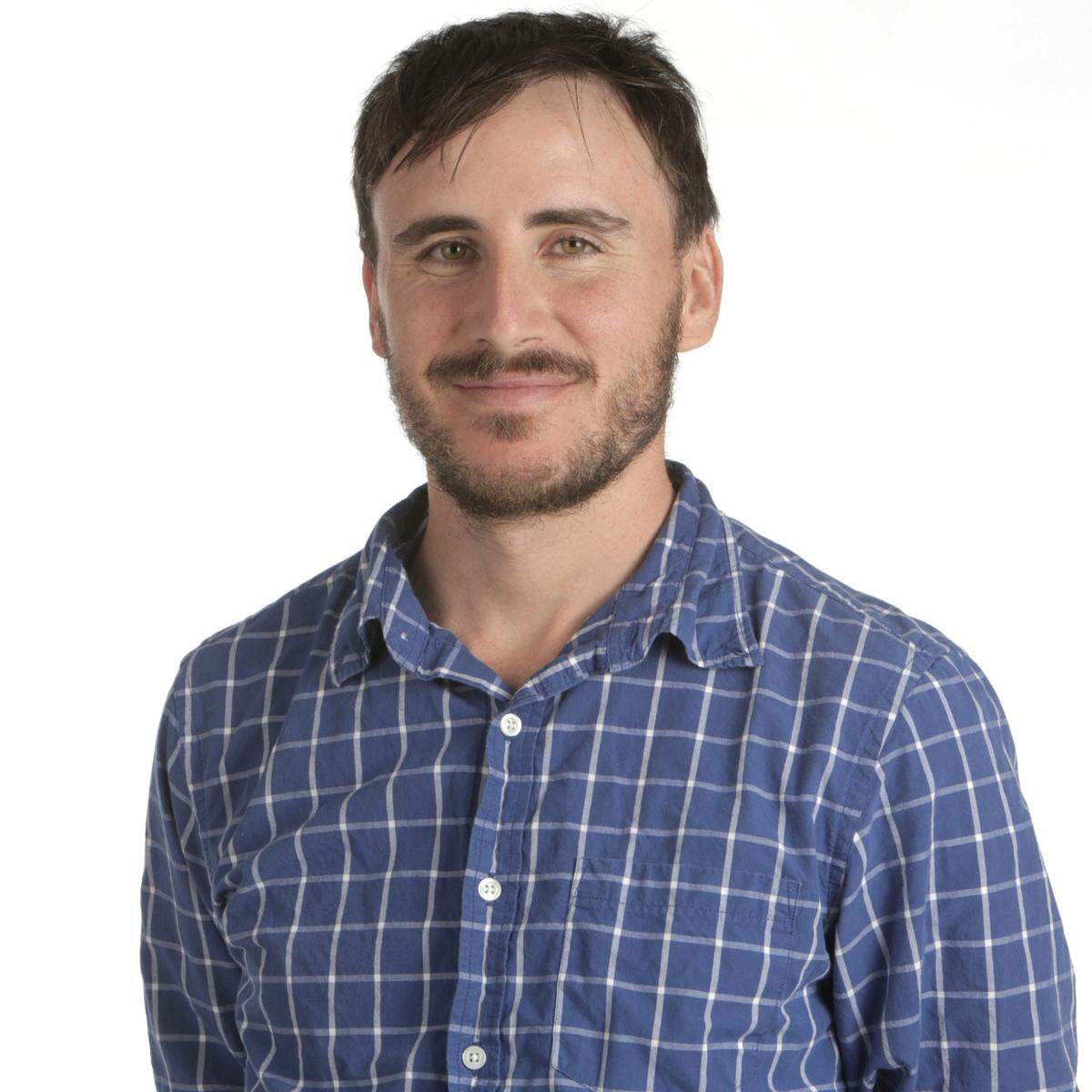
The Great Divide: Gap between Miami’s haves and have-nots widened during COVID
READ MORE
The Weath Gap
The COVID pandemic worsened an already glaring economic divide in South Florida.
Expand All
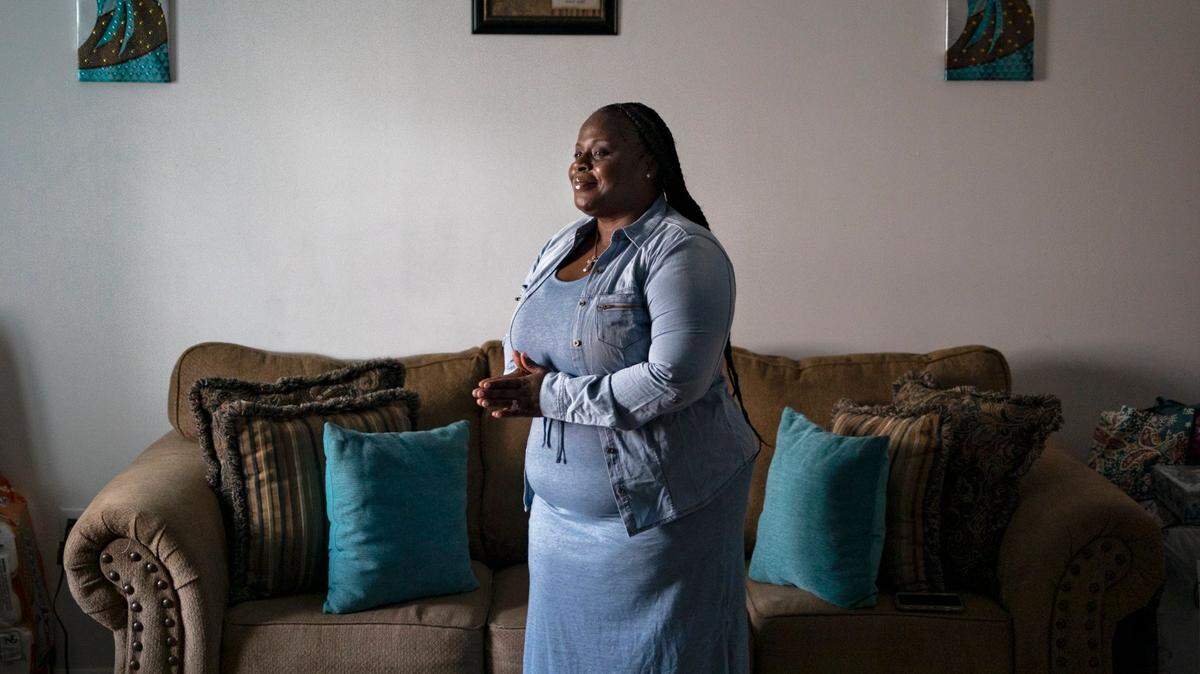
The Great Divide: Gap between Miami’s haves and have-nots widened during COVID
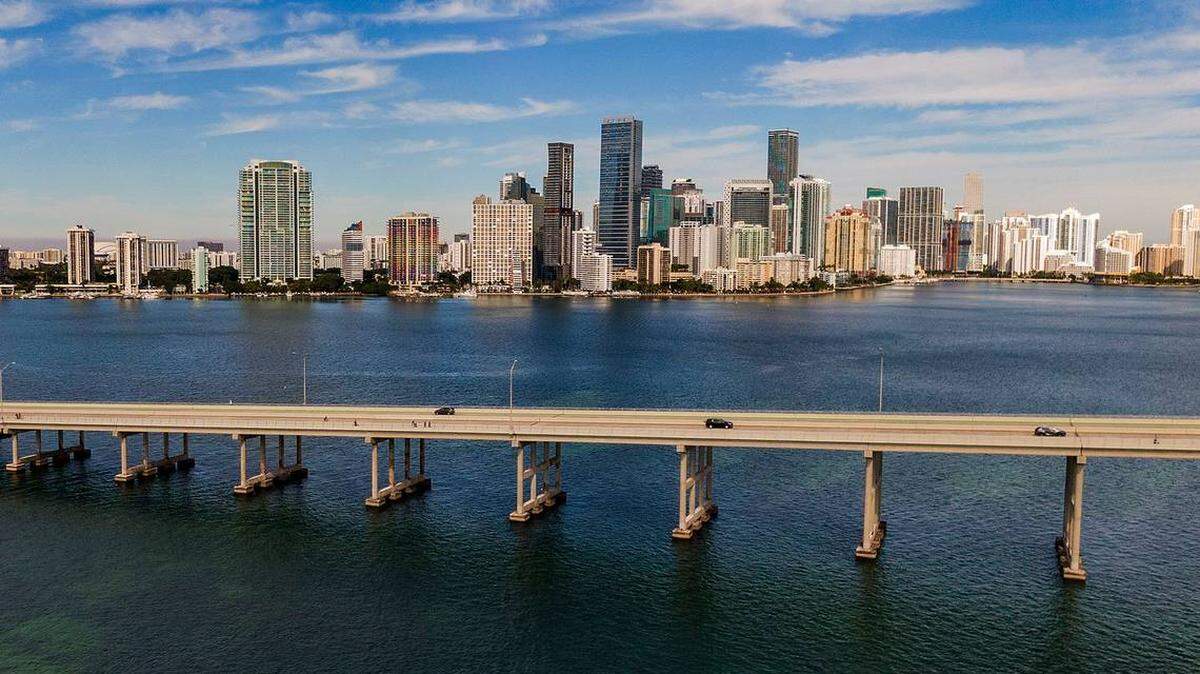
Rents going through the roof: Tech and the ‘San Francisco-ization’ of Miami
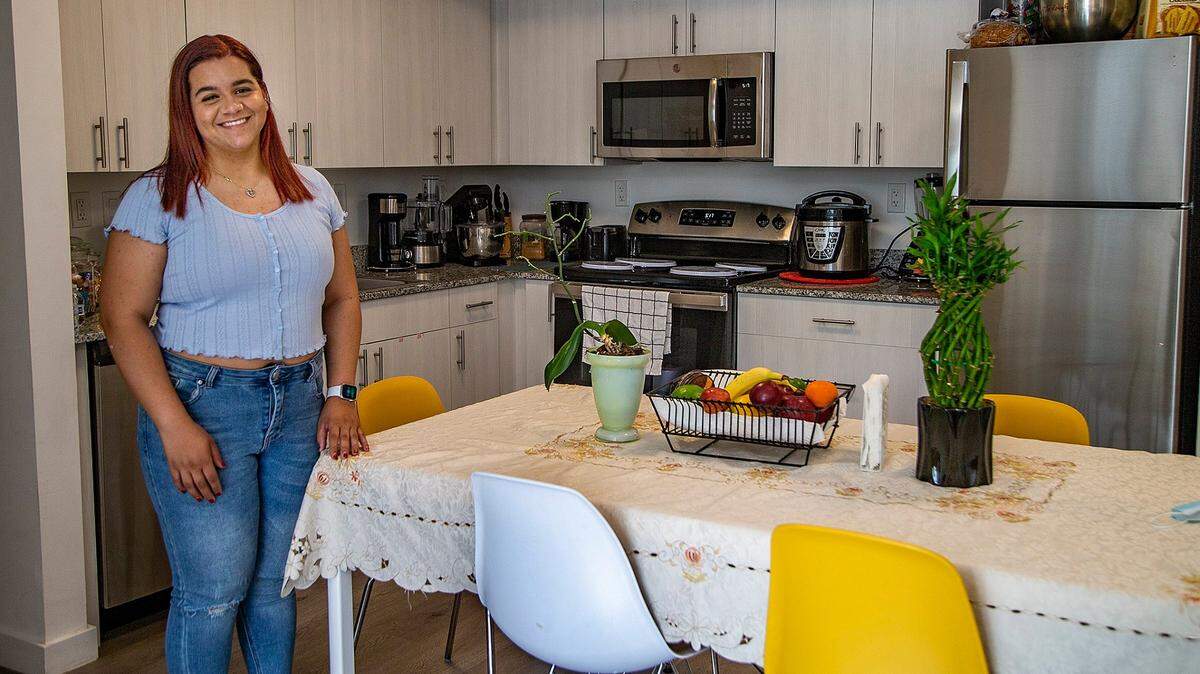
Tackling South Florida’s wealth gap: 8 proposals for reducing income inequality in Miami
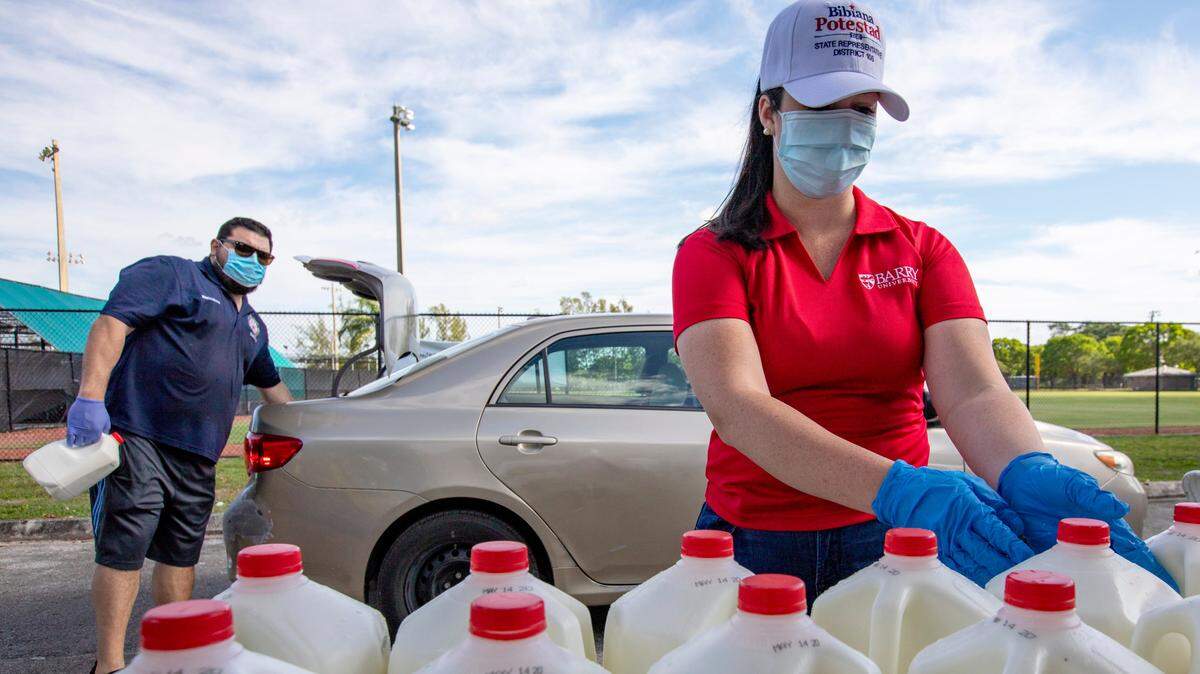
These resources are available to Miami-Dade residents who are struggling financially
In the throes of the COVID-19 pandemic, Vivian Smith, a worker at Amazon who lives in Liberty City, found herself forced to choose between risking getting infected on the job or losing what hours were still available to her.
“If you didn’t work, you don’t get paid, but people were really getting sick,” said Smith, a package sealer.
She decided to go back to the warehouse — and still wound up falling behind on her rent.
Hers is an often-heard story during COVID in the Miami area as experts say the pandemic worsened an already glaring local economic divide.
“[COVID] was the great accelerator,” said Ned Murray, associate director of the Metropolitan Center at Florida International University.
While many workers with jobs that could be performed remotely were spared from significant financial damage, many of those with lower-paying service jobs — occupations that dominate the South Florida economy — have faced hardship.
It’s a trend mirrored nationally: According to The Wall Street Journal, more than 70% of the increase in household wealth in 2020 went to the top 20% of income earners — with about one-third going just to the top 1%.
“These are often the people we consider the backbone of the U.S. workforce,” said Mark Mather, demographer and associate vice president of U.S. programs at the Population Reference Bureau, a research nonprofit. “They’re providing childcare support for kids. They’re working in grocery stores. They’re caring for aging parents. A lot of front-line workers weren’t making a lot before COVID, and were suddenly putting their health at risk during COVID. And many of them lost jobs. So those are the people most affected, in multiple ways.”
State employment rolls show there were more than 500,000 workers looking for work in July, while the overall labor force has shrunk since Spring of 2020. That is despite numerous “help wanted” signs now seen across South Florida and beyond.
As a result, even as people from wealthier parts of the country come to Miami to take advantage of its weather, lifestyle, looser COVID rules and relatively lower cost of living, existing disparities have grown worse. Among the troubling statistics highlighting the growing rich-poor gulf:
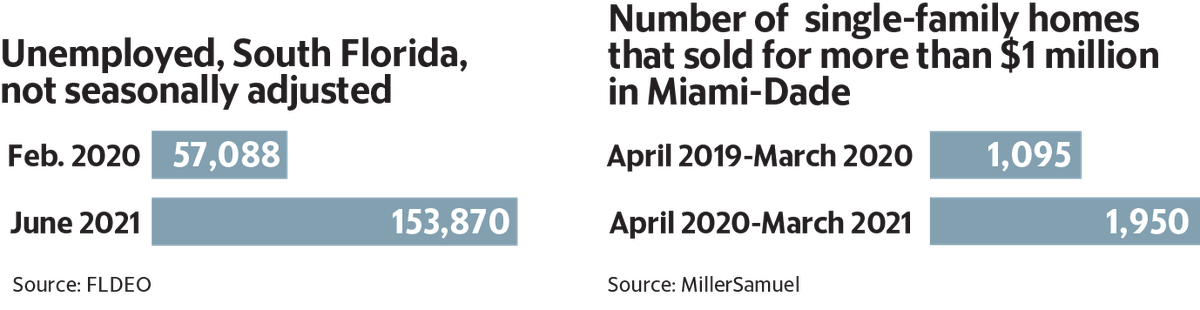
▪ In Miami-Dade County, the number of single-family homes that sold for more than $1 million increased dramatically — 78% — over the last year, to 1,950 from 1,095. In Broward County, the increase was 62%; in Palm Beach County, 63%.
▪ The number of single-family homes sold for at least $10 million in the last year has soared, to more than 170 in July.
▪ At roughly the same time, Census data show Miami-Dade experienced a loss of nearly 40,000 residents to other parts of the state or U.S. in 2020, even as the county gained population overall.
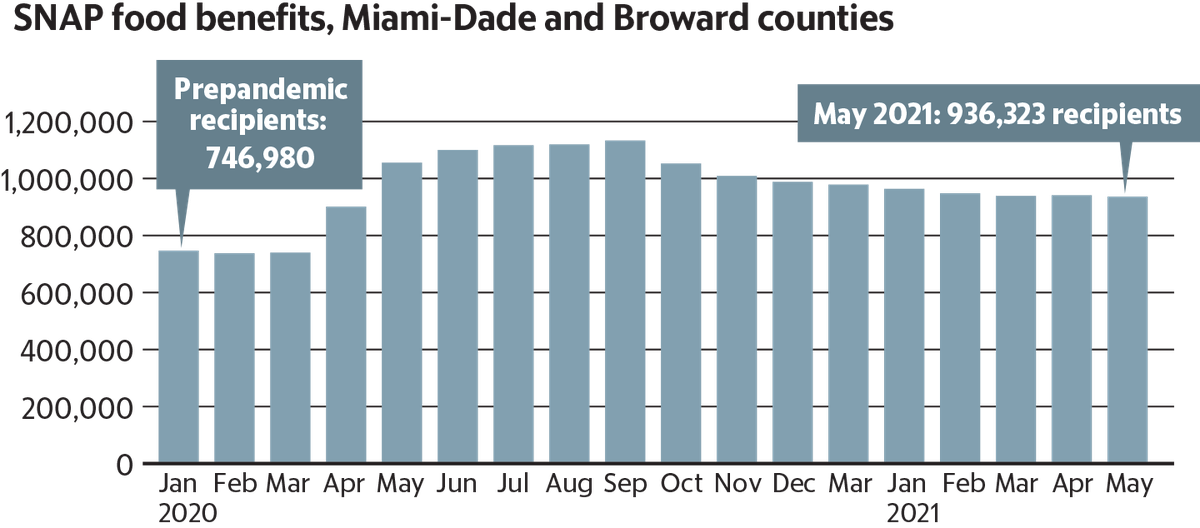
▪ Between February 2020 and June 2021, the number of county residents receiving supplemental nutrition assistance program (SNAP) food stamp benefits increased to 639,163 from 518,157. In Broward, it climbed to 297,160 from 219,585. (So-called “stabilizer” programs like these were responsible for spurring a new reduction in poverty during COVID.)
“Given all the indicators — job loss, labor force, and housing costs — it’s created a situation where people have had to get up and leave, even more so than what we were seeing before COVID,” said Murray.
Starting from behind
In Miami-Dade, high-cost, affluent areas sit adjacent to vast tracts of populations working lower-wage service jobs. Those poorer neighborhoods are often home to minority and immigrant populations.
Those living in less well-off neighborhoods are usually hampered by lower-performing, often segregated schools, long commutes on unreliable forms of transportation and higher crime.
Poorer neighborhoods also typically have less clout. As a result, wealthier areas are more apt to receive additional resources to address even the most minor issues — while broad-based problems like housing and transit fall by the wayside.
The pandemic has simply made it all worse.
FIU’s Murray observes that the Miami-Dade economy is still about 134,000 jobs short of where it was prior to the pandemic. The county now carries an unemployment rate of 7.1% compared with the statewide rate of 5%. At the same time, Dade’s entire labor force has shrunk by nearly 64,000 workers since the start of the pandemic.
Priscilla Moody is among those whose economic stability has been shaken. Before the pandemic, if you were a South Florida resident with a crick in your neck, Moody was your go-to.
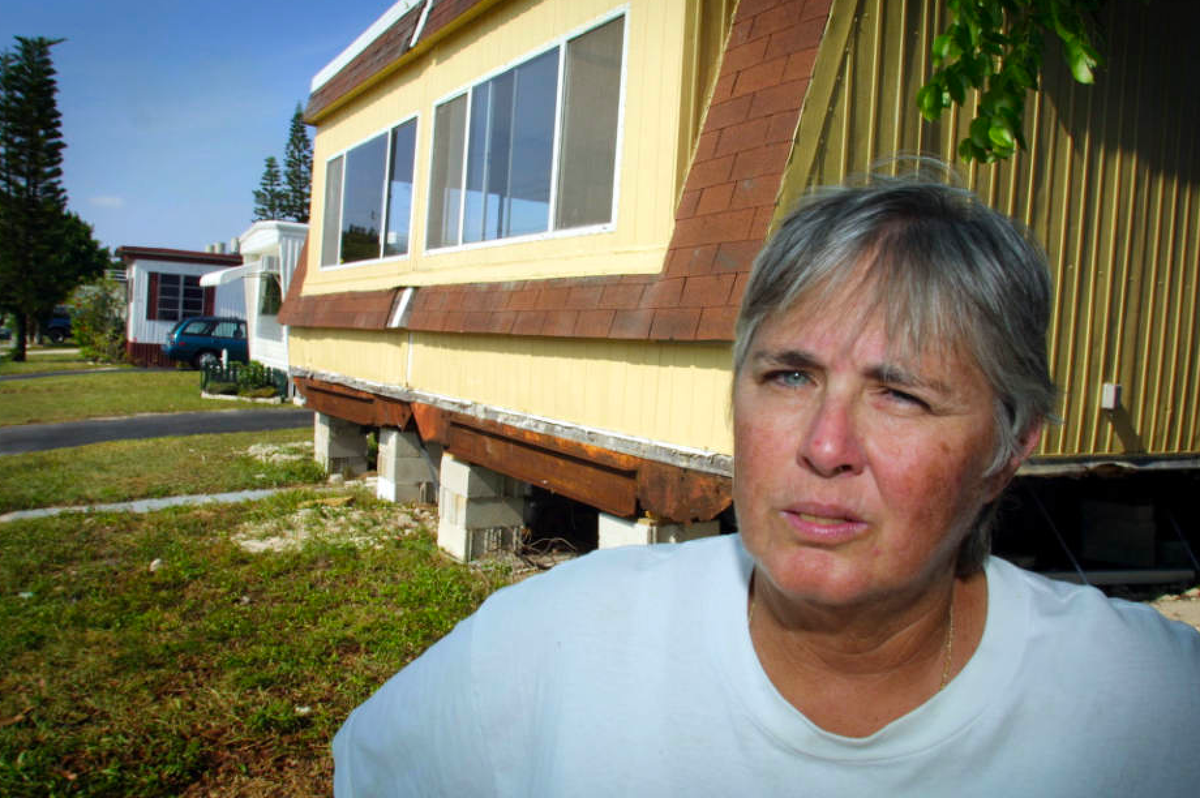
For two-and-a-half decades, she ran a chair-massage business for area workers chained to their desks. No client — or back muscle — was too tough: Her regulars included included top lawyers and accountants (and Miami Herald employees). While the pay was never great, the work was steady.
But when the pandemic hit last year, Moody’s business shut down — and it will likely never reopen. At the end of 2020, Moody made the wrenching decision that she could not afford to keep it going. She now works part time as a debt reduction professional, while taking odd jobs and surviving on Social Security.
“I was set up for four or five days a week and did that for 25 years,” Moody said. “And all of a sudden on March 12, 2020, that ended.”
Lacking the basics
Women, like Moody, as well as minorities, took the brunt of the economic impact from the coronavirus outbreak. About 50 percent of Black Miami metro residents experienced job loss during the pandemic, compared with about 40% of white residents, according to data compiled by the Brookings Institution.
The figure was even higher for Miami-area Hispanic workers — nearly two out of three experienced job loss. Among them was Julio Lopez, an employee at the Diplomat Beach Resort in Hollywood. Lopez was laid off for 14 months, and said in an interview that he nearly lost his house.
Florida’s unemployment system proved massively dysfunctional, and Lopez said that at one point he couldn’t even afford to get his wife and two children something to eat.
“It’s a real eye-opener when you can’t buy pizza,” Lopez said. “The kids don’t really comprehend; it’s something they’ve taken for granted their whole lives. It’s a reality check.”
Feeding South Florida CEO Paco Vélez said rising food prices are making it more difficult for families to end their reliance on his nonprofit organization’s services.
“We’ve always seen a pretty significant disparity, especially in South Florida, between the wealthy and the not wealthy,” said Vélez. “I think that continued — we continue to see families struggle, especially as prices go up — inflation is a little out of control right now.”
Although the most acute food needs have subsided from the height of the pandemic, Feeding South Florida says it is still working with about 1 million individuals in the Greater Miami region, compared with 706,000 before the pandemic.
During COVID, housing costs have also climbed. The number of single-family homes for sale for under $500,000 has been cut in half over the past year, according to Miller Samuel Real Estate Appraisers and Consultants, from 778 to 339 in July 2021. The number of condos in that price range dropped by 25% over the same period.
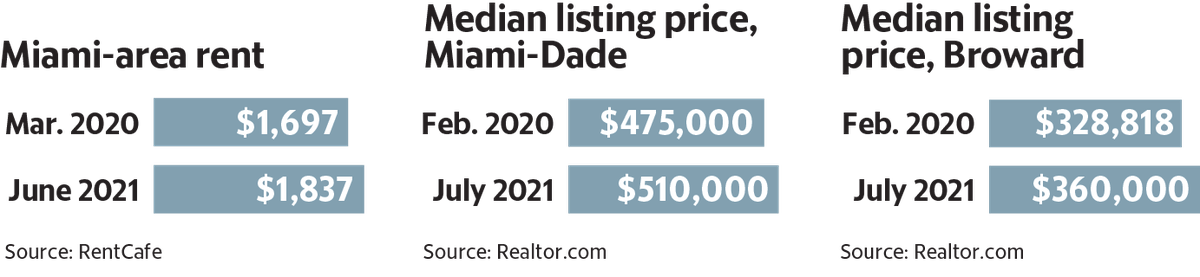
At the same time, multimillion-dollar home sales have surged during the pandemic. In addition to the boom in seven-figure homes, eight-figure home sales are also at records. In July, sales of single-family homes going for at least $10 million were up 159% year-on-year, to 171 contracts signed. And condos going for $5 million were up 186% year-on-year to 169.
Those increases have come as eviction notices have spiked: Between March 12, 2020, and July 9, 2021, 13,264 evictions were filed in Miami-Dade, according to The Miami Workers Center, which helps area women and minorities in low-wage jobs.
The center says it has seen unprecedented demand for assistance, especially for support of housing needs among workers who lost wages and could no longer afford rent.
Zaina Alsous, organizing and advocacy manager at the center, said the pandemic has forced evicted tenants to start living in their cars or move in with family members.
Evictions, she said, “are extremely violent and traumatizing.” And once an eviction becomes public record, it can be difficult to find other housing or get hired at a stable, full-time job.
“It becomes a scarlet letter,” Alsous said.
‘You will drive up inequality’
For decades, South Florida leaders have discussed ways to diversify the area’s economy away from service, tourism, and hospitality jobs and toward higher-paying, “creative-class” jobs.
For a time, there was no louder voice championing those kinds of diversification efforts than famed urbanist Richard Florida. Yet Florida has since pivoted, saying that these kinds of efforts can lead to the erosion of a city’s middle class and create a two-track economy.
His latest book, “The New Urban Crisis,” chronicles the spiraling cost of living in places with growing concentrations of his previously heralded creative class. Miami already ranked in the top 15 metros facing a “new urban crisis” when the book was published in 2017.
“If you want to build a modern tech, finance, real estate, knowledge economy — unless you are very intentional about it — you will drive up inequality,” Florida said in an interview. “The cities with the highest levels of the highest educated residents also have the highest levels of inequality.”
While the pandemic has put Miami at the forefront of migration trends among the economy’s winners, that same wave risks further alienating those less fortunate, Florida said.
“The people most likely to move here as a result of remote work are the super rich,” Florida said. “It’s the super rich who are looking to take advantage of differentials in taxes.”
Florida says economic development cannot be about creating tech and creative-class economy jobs alone. Instead, the lives of low-wage workers must also actively be supported and improved.
“Look what happened after World War II: We took manufacturing jobs, which were low wage, routine jobs and made them into good jobs, family-supporting jobs,” Florida said. “We got them to be more of an asset on the factory floor, learning on-the-job improvement, working more efficiently and, as a result, we could pay them more — and they could buy more. And we created a ‘virtuous cycle.’ ”
FIU’s Murray said that, even with job openings up substantially, there remain fewer workers to take them.
“Our take is that most of the 134,000 workers have left their former Miami-Dade County jobs, and probably Miami-Dade County as well,” Murray said.
He points out that there were half as many accommodation job holders in June 2021 compared to February 2020; 7% fewer retail job holders; and 8% fewer education and health services job holders over that period.
Murray’s thesis is borne out by initial data from housing data group CoreLogic that found the Miami metro area ranked 6th among regions seeing home buyers searching outside their areas compared with ones searching within the metro.
“Migration patterns away from expensive coastal metro areas to more affordable nearby suburbs and to less expensive secondary cities across Florida, Texas and North and South Carolina are anticipated to continue to impact housing markets,” CoreLogic said in its report.
‘Rich are the ones who get richer’
Among those who have contemplated leaving is Jeanne Moise. She moved with her family from Haiti to South Florida in 1997 and hoped she’d be coming to “paradise,” dreaming of becoming a model or police officer.
When that didn’t pan out, she found herself working as a chef in Sunny Isles, cooking at some of its most upscale hotels and resorts. Though stunned at the wealth she encountered, Moise said she was never resentful, relying on a saying in French whose English equivalent simply means, “The rich are the ones who get richer.”
She fortified herself knowing that however difficult her own situation was, others had it worse.
As the pandemic hit, Moise was poised to begin a new role earning commissions from a group that contracts with telecoms, as she sought to leave behind her culinary career. But that opportunity dried up as the coronavrius bore down, and she has struggled to find steady work since.
“It was all going to be destroyed — it felt like I had no doors left to knock,” Moise said.
She said God had sent the Miami Workers Center to her door to save her from eviction and provide material and psychological relief. She is unlikely to ever be able to afford to buy a house, she said, let alone scale the heights of Sunny Isles.
“I choose to live in Florida, but it’s very difficult — it’s very hard to make ends meet,” Moise said. “There is not enough work, and the job doesn’t pay you enough. Houses are so expensive, so you’re living in a rental, and you can never buy yours because you cannot save anything.”
This story was originally published August 22, 2021 at 6:00 AM.