‘Don’t Say Gay’ bill will make Florida dangerous for LGBTQ+ youth and their families | Opinion
READ MORE
‘Don’t say gay’ bill passes
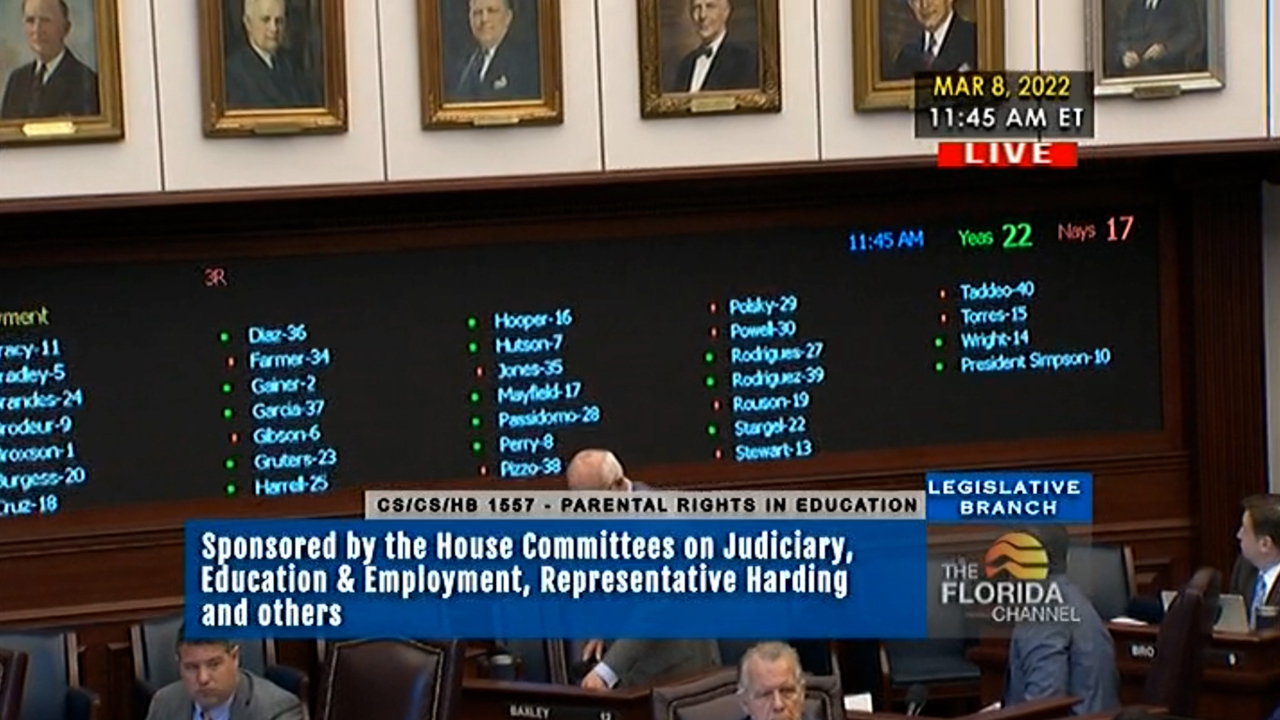
On Tuesday, March 8, The Florida Senate voted 22 to 17 to pass the measure dubbed the “don’t say gay” bill by opponents and the “parental rights in education” bill by Republican backers.
Expand All
When my 15-year-old patient told me she’d rather be placed in foster care than return home to be in the care of her parents, our team of pediatricians worried for her safety.
My patient had endured years of denial from family and friends about her gender identity and was having recurrent panic attacks and suicidal thoughts. As a pediatrician who has witnessed numerous cases like this, I am deeply concerned that the so-called “Don’t Say Gay” bill recently passed by the Florida Legislature will make Florida a more dangerous and unwelcoming place for my young patient and all LGBTQ+ youth.
For young people, having a safe place to turn is critical and could save lives. For many of the LGBTQ+ youth whom I have cared for, home is not a safe place, and many don’t feel comfortable being themselves. Aside from home, school is the next place where they spend most of their time. Unfortunately, schools are a common place for bullying and mistreatment of LGBTQ+ youth. In fact, more than half of LGBTQ+ youth reported feeling unsafe at school due to their sexual orientation.
To make matters worse, legislators have put forth House Bill 1557 that bans elementary schools from having classroom instructions related to gender orientation and sexual identity in grades K-3. The bill is now on Gov. Ron DeSantis’ desk to be signed into law.
This bill is a cruel attempt to push an anti-LGBTQ agenda and seems to respond to a problem that simply does not exist. There is currently no indoctrination of young people regarding gender and sexual identity. Additionally, the proposed legislation fails to consider basic facts about child development. Scientifically, we know that most children start understanding common characteristics associated with gender by age 2 and have an innate sense of their own gender by 4. Many youth whose gender differs from the sex they were assigned at birth have a sense of this early on, though this can occur at any point in one’s development.
The impact of this bill would be extremely detrimental to the ongoing mental health crisis of LGBTQ+ youth in our state and sends a message that they are not welcome in Florida. It will deny children the ability to grow up and flourish in the ways that feel the most natural to them.
Extensive research by groups like The Trevor Project and GLSEN document widespread mental health issues among LGBTQ+ youth. According to the Trevor Project, 42% of LGBTQ+ youth considered suicide in the last year, and more than half of transgender and non-binary youth considered suicide. This is more than four times the rate of their non-LGBTG+ peers. Given persistent discrimination against and stigmatization of gender and sexual-minorities, these facts are unsurprising.
Positive representations of LGBTQ+ in school curricula are associated with less hostile school environments, better mental health among LGBTQ+ youth and increased interest in high school graduation and post-secondary education.
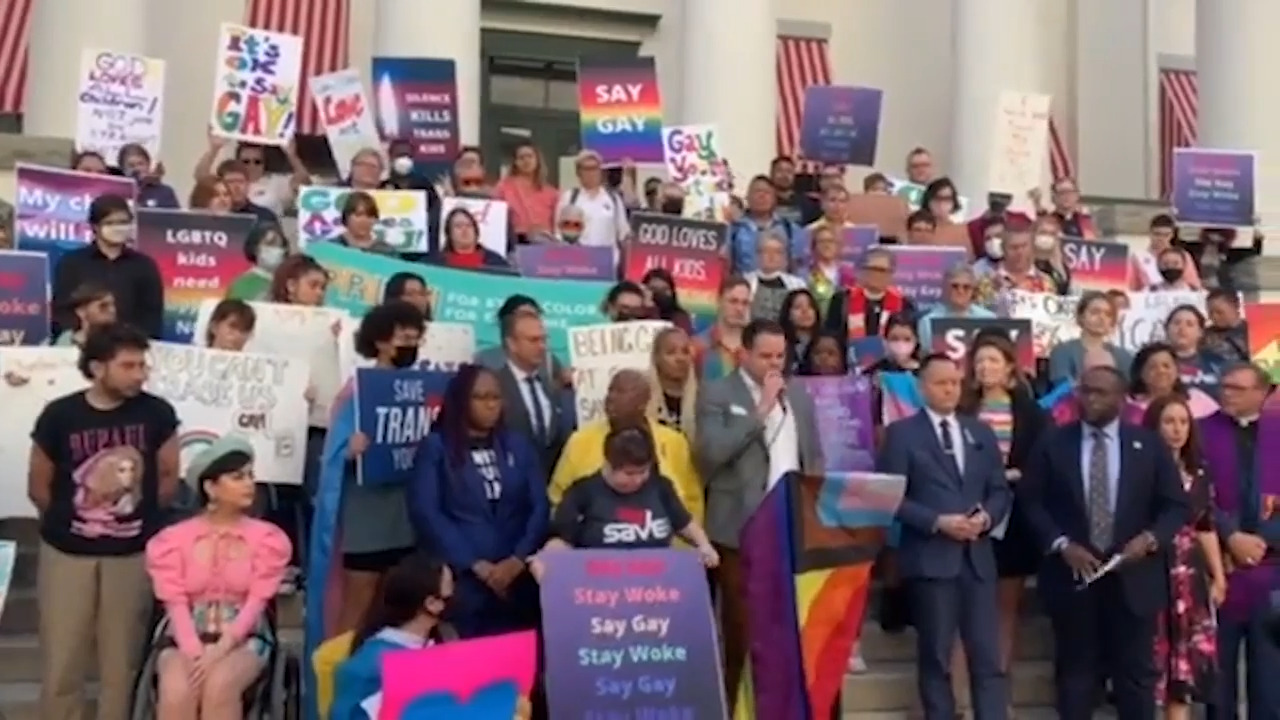
As a pediatrician, I’ve witnessed firsthand the detrimental impacts of youth not feeling welcomed or accepted for their identities. This bill would exacerbate the already poor mental health that many youth are experiencing. I am inspired by the thousands of young people across Florida who have organized against this devastating legislation.
We need to find ways to make schools safer and more welcoming for LGBTQ+ youth, which is the opposite of what this bad bill would achieve. It is alarming that this bill has passed the Legislature and is awaiting the governor’s signature to be signed into law.
For the health and safety of youth and families in Florida, I ask DeSantis to veto it.
Dr. Lily Ostrer is an internal medicine pediatrics physician at Jackson Memorial Hospital in Miami and regional vice president for SEIU local CIR/SEIU, the Committee of Interns and Residents.

This story was originally published March 10, 2022 at 1:12 PM.
.JPG)