How property tax cuts could make your life in Miami-Dade harder | Opinion

READ MORE
Florida’s Tax Gamble
Florida’s proposed property tax cuts can have many hidden costs. The Herald Editorial Board explores how.
Expand All
If the Miami-Dade County mayor is right, the county can’t afford the sweeping property tax cuts that the DeSantis administration is pushing.
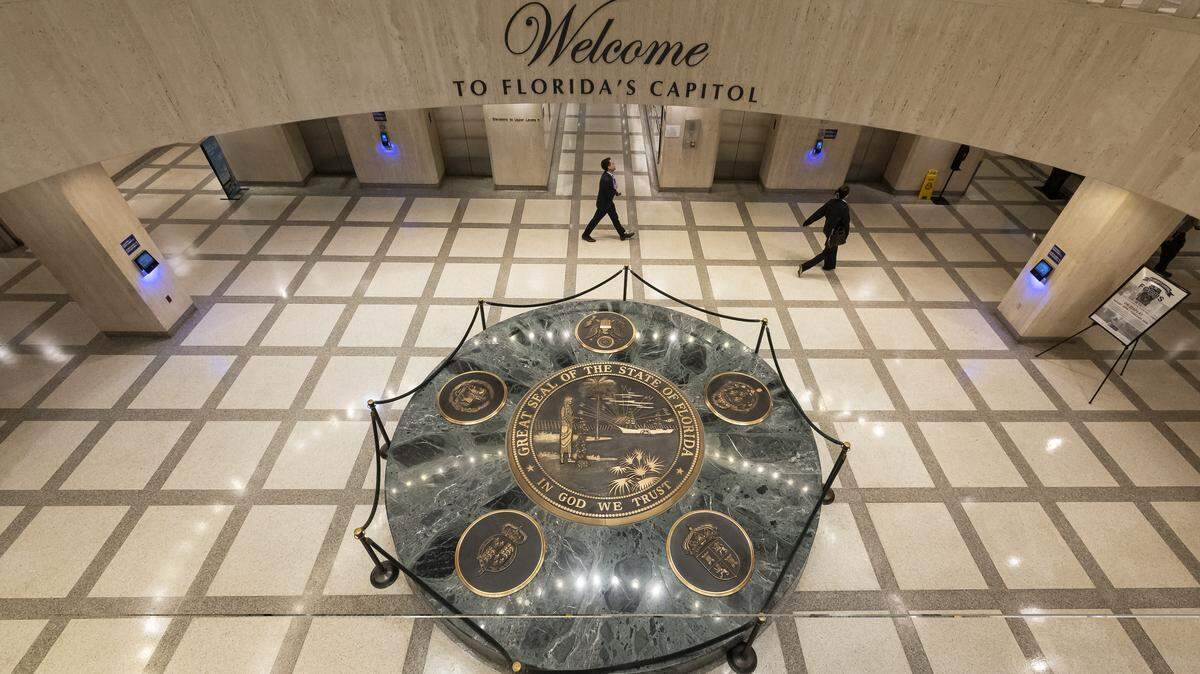
The governor’s proposal, if the Florida Legislature agrees, would upend the state’s entire tax system, an enormous undertaking without any real study of the impacts. And Florida residents and local officials would be left to figure it all out if 60% of voters approve the proposal in November.
“Eliminating or severely gutting property taxes would be catastrophic for Miami-Dade County,” Mayor Daniella Levine Cava wrote in an opinion article for the Miami Herald Editorial Board published Monday, hours before state lawmakers in Tallahassee were supposed to take up the issue in a special legislative session called by Gov. Ron DeSantis last week.
She said “your safety, your children’s schools and the quality of life you have built here” are all at stake.
There are a lot of numbers being tossed around now and more numbers are no doubt being crunched by cities and counties. But according to the mayor, Miami-Dade would suffer a massive hit: a loss of nearly $386 million in 2027 and $697 million over two years.
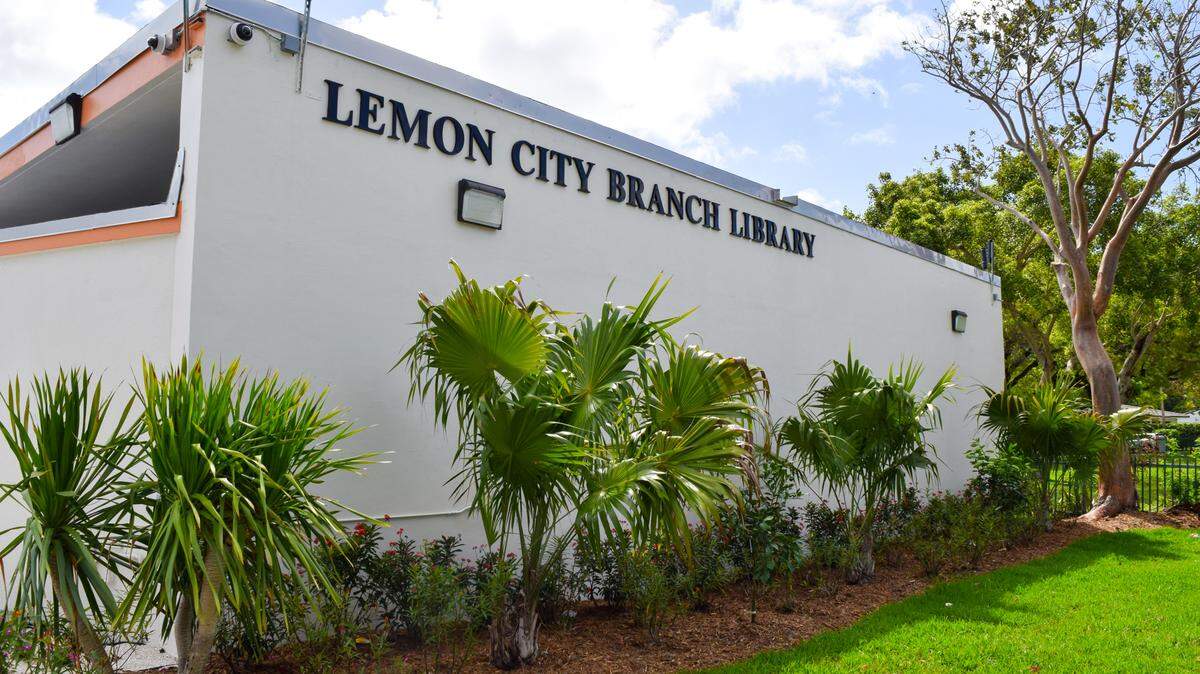
If the county’s numbers are even close to correct, the impacts to quality of life in Miami-Dade and South Florida would become obvious. Residents should prepare for parks and sports fields that fall into disrepair, shuttered libraries and school programs that disappear.
Local governments would be under pressure to maintain current funding for police and fire, but it would become more difficult to pay for the growing costs of staff and equipment like fire trucks and police cars.
The county based its numbers on Senate Joint Resolution 2F, filed by Miami Republican Sen. Bryan Avila. It contains the proposal the governor’s office sent to the Senate. It includes proposed homestead exemption increases of $150,000 next year and $250,000 the year after. The legislation left the question open of whether property taxes will be abolished entirely, something DeSantis has discussed.
The legislation also includes non-homestead property value cap reductions on rental homes, second homes, vacant land and retail stores. They could go up no more than 5% over the previous year’s assessment starting in 2027.
What would all of that look like on the ground? Levine Cava said the county is looking at big cuts to services such as fire rescue, libraries and Jackson Health, which is our safety-net public hospital system.
Schools would suffer, too, because there’s no carve out in the current legislation. According to an analysis done by the non-partisan Florida Policy Institute, Miami-Dade public schools would lose over $500 million a year under the $250,000 homestead exemption and $1 billion a year if property taxes are fully eliminated, the Herald reported. Schools in Broward County would lose almost as much: $473.8 million a year under a $250,000 exemption and $875 million a year under a full property tax elimination.
DeSantis announced his plan on May 27, less than a week ago, and called the special session for a few days later, June 1-3. There is no fiscal analysis available from the state. DeSantis killed a bill to study the issue last year. Lawmakers have been left in the position of considering a proposal that no one has thoroughly vetted.
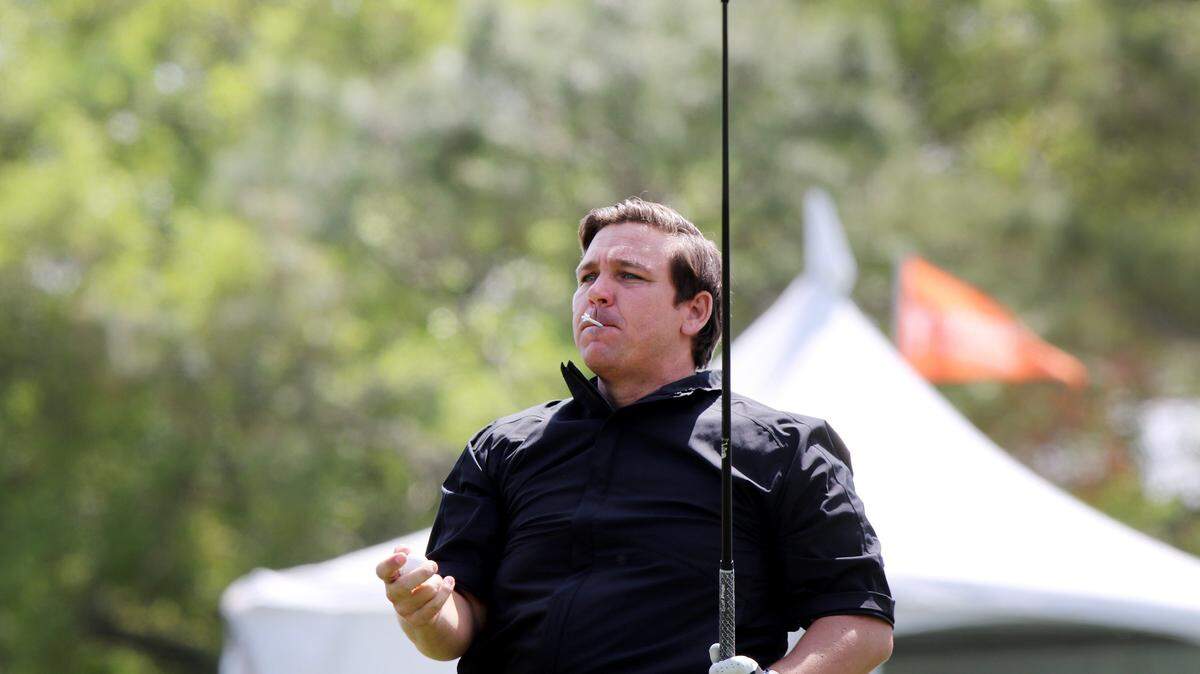
And one reminder: DeSantis is term-limited out of office by the end this year. Why is he pushing the proposal so hard before he heads out the door? He’s a politician; most likely, he’s looking for his next gig, maybe even in the White House.
If this passes, DeSantis won’t be here to pick up the pieces. Mayors and city and county commissions will bear the brunt of his idea — and residents ultimately will pay the biggest price with their quality of life.
BEHIND THE STORY
MOREWhat's an editorial?
Editorials are opinion pieces that reflect the views of the Miami Herald Editorial Board, a group of opinion journalists that operates separately from the Miami Herald newsroom. Miami Herald Editorial Board members are: opinion editor Amy Driscoll and editorial writers Isadora Rangel and Mary Anna Mancuso. Read more by clicking the arrow in the upper right.
What's the difference between an op-ed and a column?
How does the Miami Herald Editorial Board decide what to write about?
The Editorial Board, made up of experienced opinion journalists, primarily addresses local and state issues that affect South Florida residents. Each board member has an area of focus, such as education, COVID or local government policy. Board members meet daily and bring up an array of topics for discussion. Once a topic is fully discussed, board members will further report the issue, interviewing stakeholders and others involved and affected, so that the board can present the most informed opinion possible. We strive to provide our community with thought leadership that advocates for policies and priorities that strengthen our communities. Our editorials promote social justice, fairness in economic, educational and social opportunities and an end to systemic racism and inequality. The Editorial Board is separate from the reporters and editors of the Miami Herald newsroom.
How can I contribute to the Miami Herald Opinion section?
The Editorial Board accepts op-ed submissions of 650-700 words from community members who want to argue a specific viewpoint or idea that is relevant to our area. You can email an op-ed submission to oped@miamiherald.com. We also accept 150-word letters to the editor from readers who want to offer their points of view on current issues. For more information on how to submit a letter, go here.
This story was originally published June 1, 2026 at 12:40 PM.