From the sky, the ground, the sea. The three ways South Florida gets flooded
READ MORE
Floods of Trouble
A series exploring how real estate and climate change collide in South Florida.
Expand All
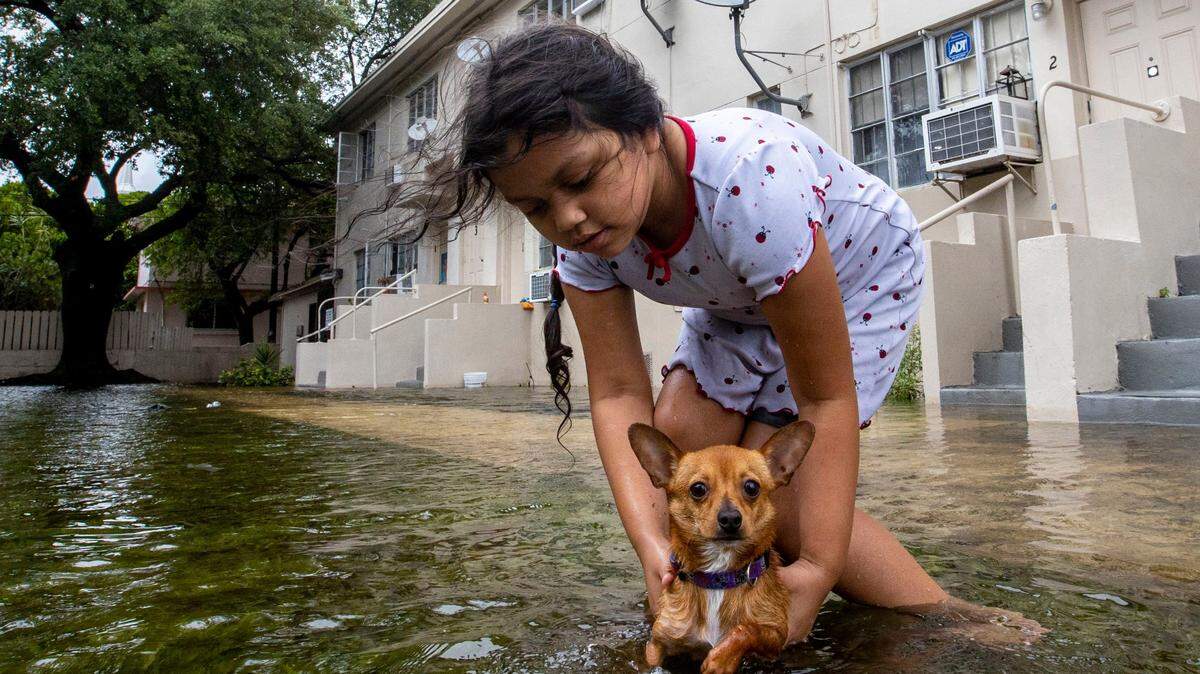
Climate change has already brought more coastal flooding to South Florida. You see it during many annual king tides, pushing salt water over sea walls and docks and filling streets from the Florida Keys to Miami Beach and Fort Lauderdale.
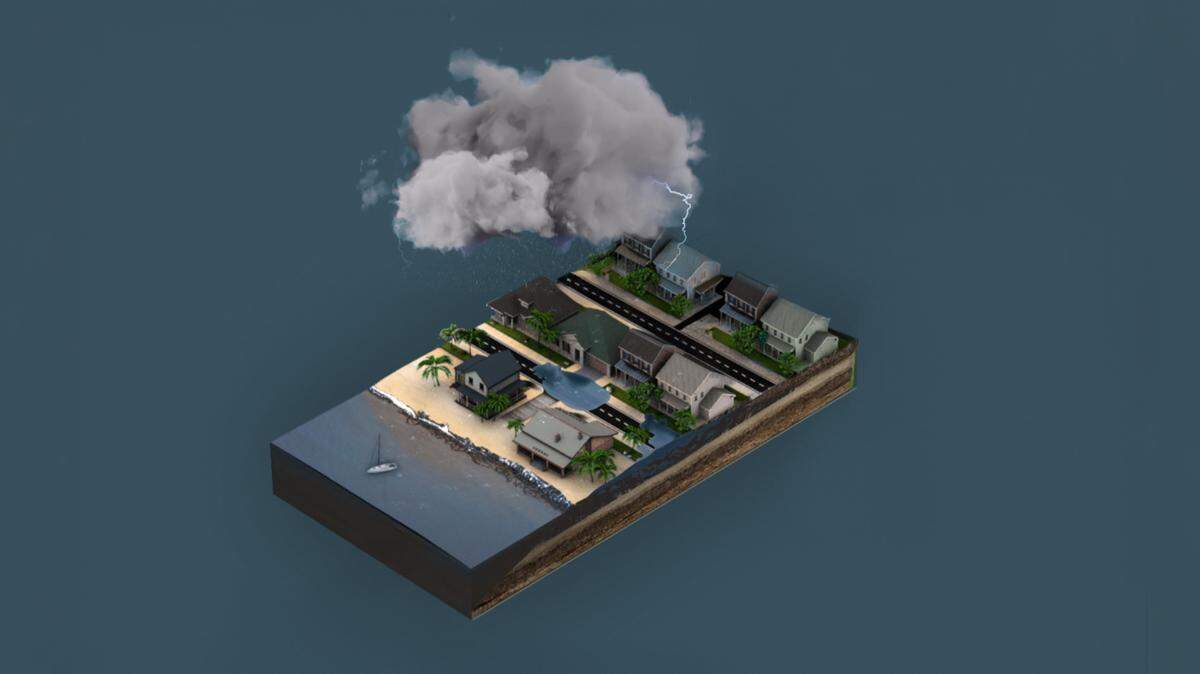
But the growing risk of what’s known as compound flooding extends far inland and isn’t just from rising seas. It’s a triple threat that will add to the region’s challenges of staying dry this year and many years to come.
Here are the three different flood types:
Tidal flooding
Fish swimming in the streets. An octopus in a parking garage. Both have happened in South Florida and this is why:
High tides invade coastal communities, parks, yards and even some homes – most often during seasonal king tides, the highest tides of the year. They are a natural phenomenon and nothing new but, unfortunately for low-lying South Florida, research shows they’re getting supercharged by climate change. Tides creeping deeper inland are one of the clearest signs we have that sea levels are rising as the world warms.
In Miami, scientists say sea levels have already risen about 8 inches since 1992. In 30 more years, they predict another foot of rise — meaning higher tides and more inland flooding. And worse, the next foot of sea rise could take less than 10 years after that as the impacts of global warming accelerate.
READ MORE: Sea levels are starting to rise faster. Here’s how much South Florida is expecting
About 100,000 people in Florida live in homes that could be affected by just two feet of sea level rise, mostly in Miami-Dade. That’s $8.7 billion in property value at risk in Miami-Dade alone, according to Climate Central’s calculations.
Those projections aren’t set in stone. If the world burns more fossil fuels, we are likely to see even more sea level rise. Reducing the greenhouse gases we burn — by switching to electric vehicles and public transportation, for example — could also reduce flooding impacts.
Rainfall flooding
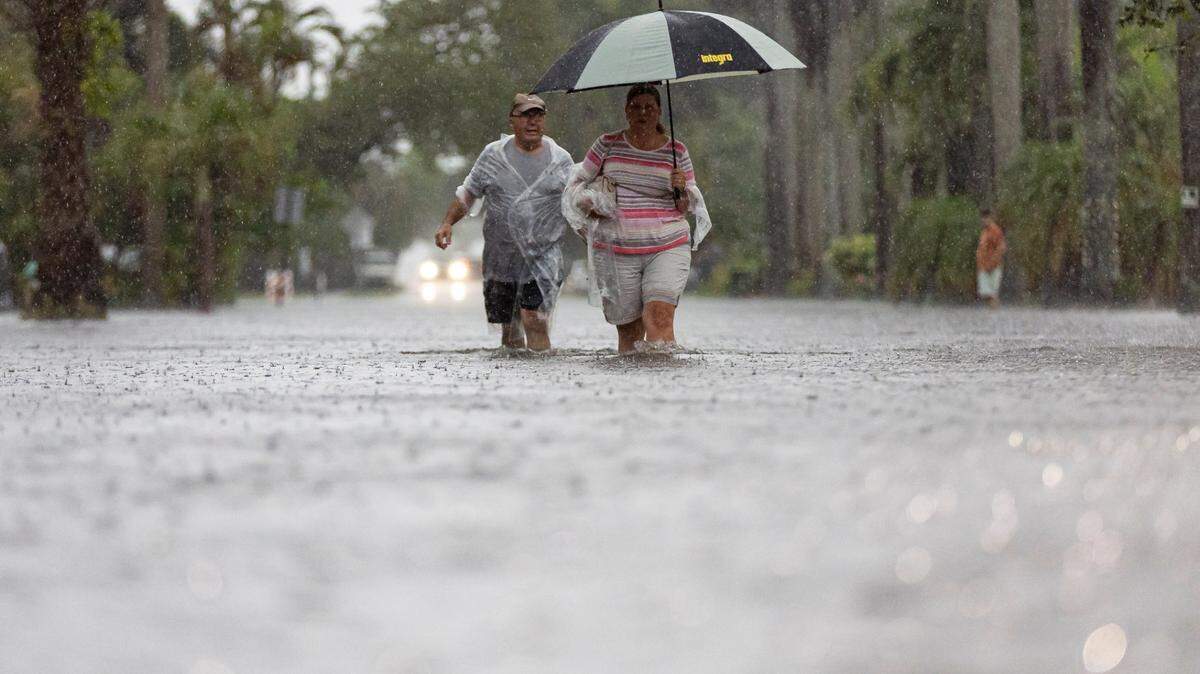
South Florida’s summer afternoon rainstorms are as dependable as clockwork. But longtime residents may notice more intense thunderstorms, dropping more rain and causing more flooding than decades ago.
Research suggests that as the climate warms, the chances of stronger, wetter rainstorms are rising. As anyone sweating through a humid August day in Miami knows, hotter air can hold more moisture. But exactly how much stronger our summer storms could get is still uncertain. The same intensifying effect can apply to hurricane rainfall as well.
Broward County is now planning for storms that will drop about 20% more water, roughly the same amount the South Florida Water Management District is predicting the region could see.
READ MORE: Climate change could make freak events like Fort Lauderdale’s rain bomb more common
There’s still a big problem, though. Much of South Florida’s streets were built long ago and designed to handle a fraction of what the region already sees regularly.
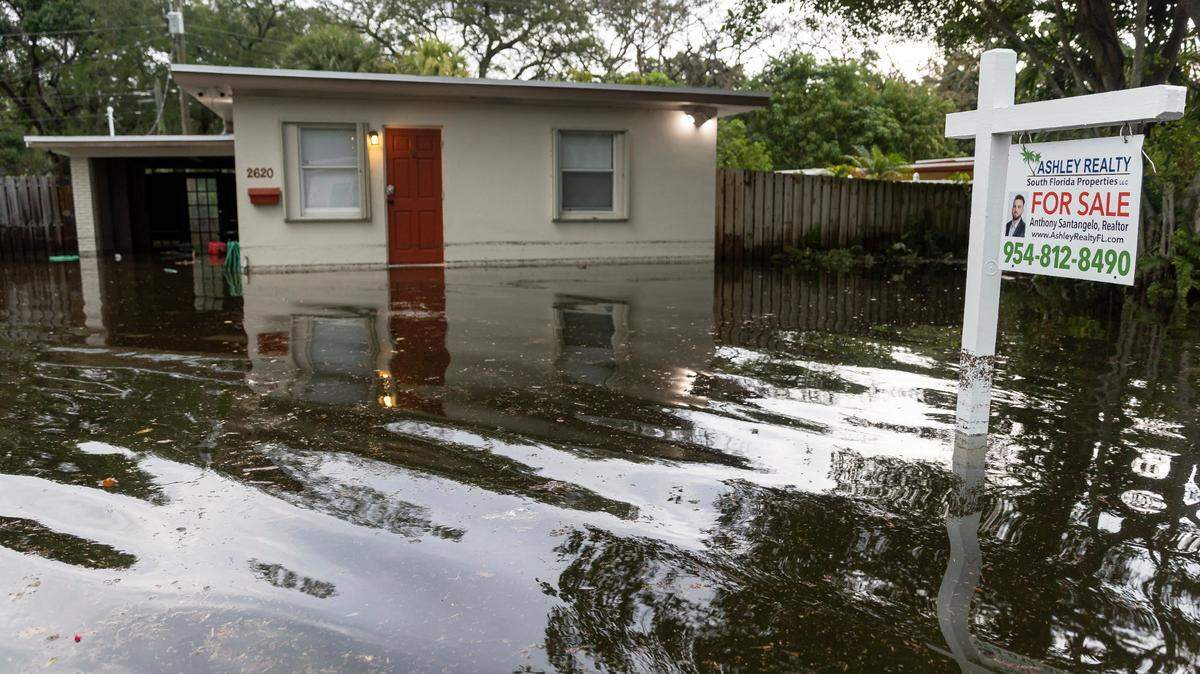
In Fort Lauderdale, for instance, many streets in older neighborhoods can take only 3 inches of rain before they begin to flood. The city’s newest and best-performing streets are now designed to handle about 7 inches in a day. So it’s easy to see why that historic “rain bomb” that deluged the city with up to 25 inches in a single day in 2023 proved such a disaster, drowning homes and cars and shutting down an entire airport.
Such unprecedented storms may remain rare, but even storms with a third of that volume will overwhelm drainage systems in South Florida.
Groundwater flooding
Dig beneath a sidewalk in some spots in South Florida, and it won’t take long to hit water. That’s because of what’s underneath the feet of the region’s 3 million-plus residents — oolitic limestone.
Holes and pockets in the porous rock hold groundwater, which is also our drinking water. While water tables sit 20 to 30 feet underground in other places in the country and state, it’s near the surface here – just two feet down in some western areas of Miami-Dade. That leaves little space to absorb rain and storm runoff.
READ MORE: Threat from below: Sea rise is pushing up groundwater — and flood risks for South Florida
In the rainy season, the underground sponge shrinks even further. U.S. Geological Survey monitoring wells show that groundwater levels can rise a stunning five feet after a single rainstorm.
And research shows that as sea level rises, so too does South Florida’s groundwater. That one-two punch is why some communities far inland, like Sweetwater or Hialeah, could see flooding in streets and parks even on a perfectly sunny day during high tide.
Put it all together — higher tides, more intense rains and less dry ground to absorb it — and it’s a recipe for more flooding in South Florida, a lot more.
This story was originally published June 10, 2025 at 5:30 AM.