Is your South Florida street flooded? How to let the right people know
READ MORE
Floods of Trouble
A series exploring how real estate and climate change collide in South Florida.
Expand All
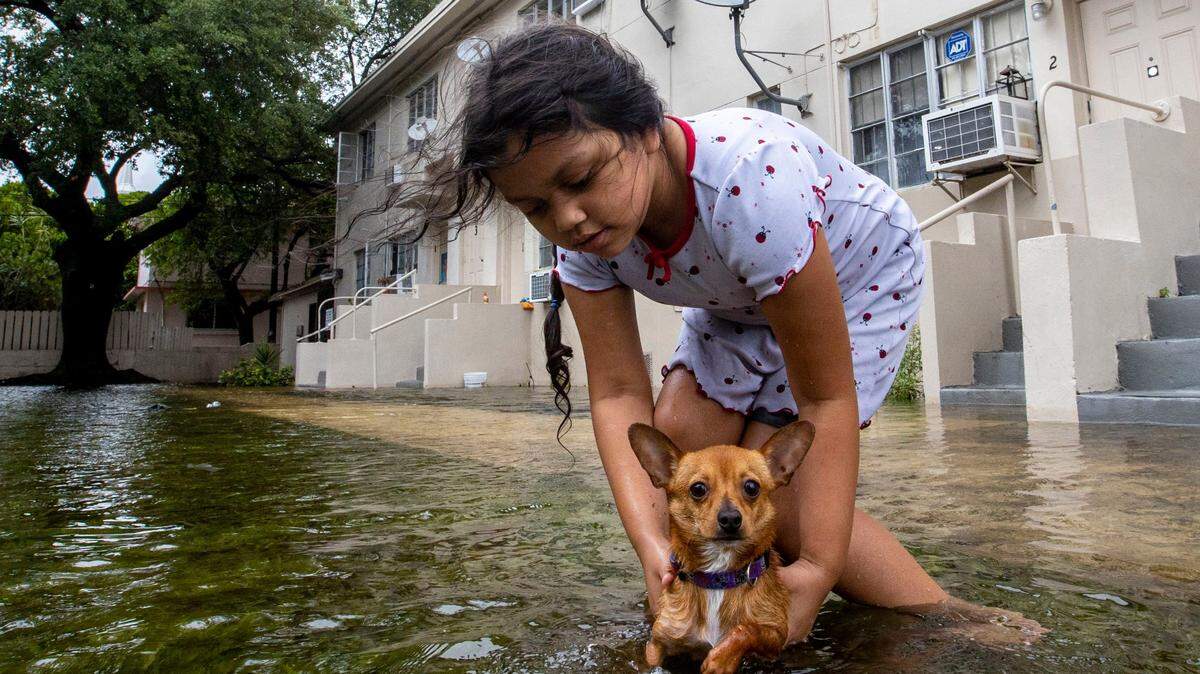
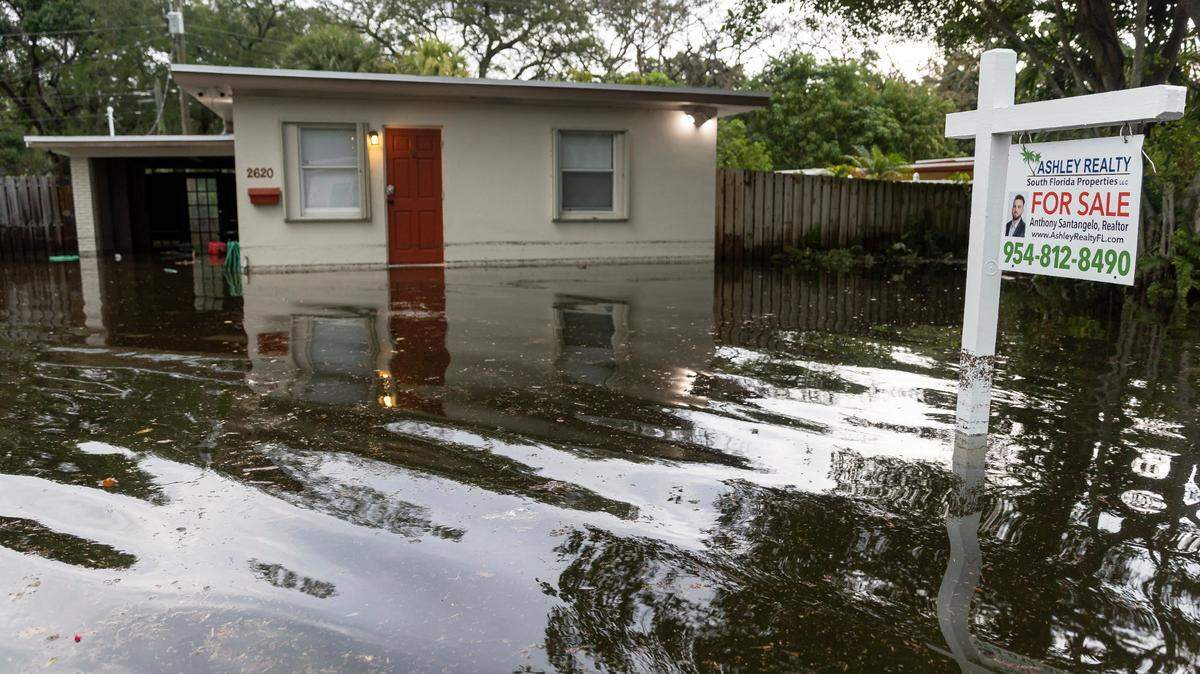
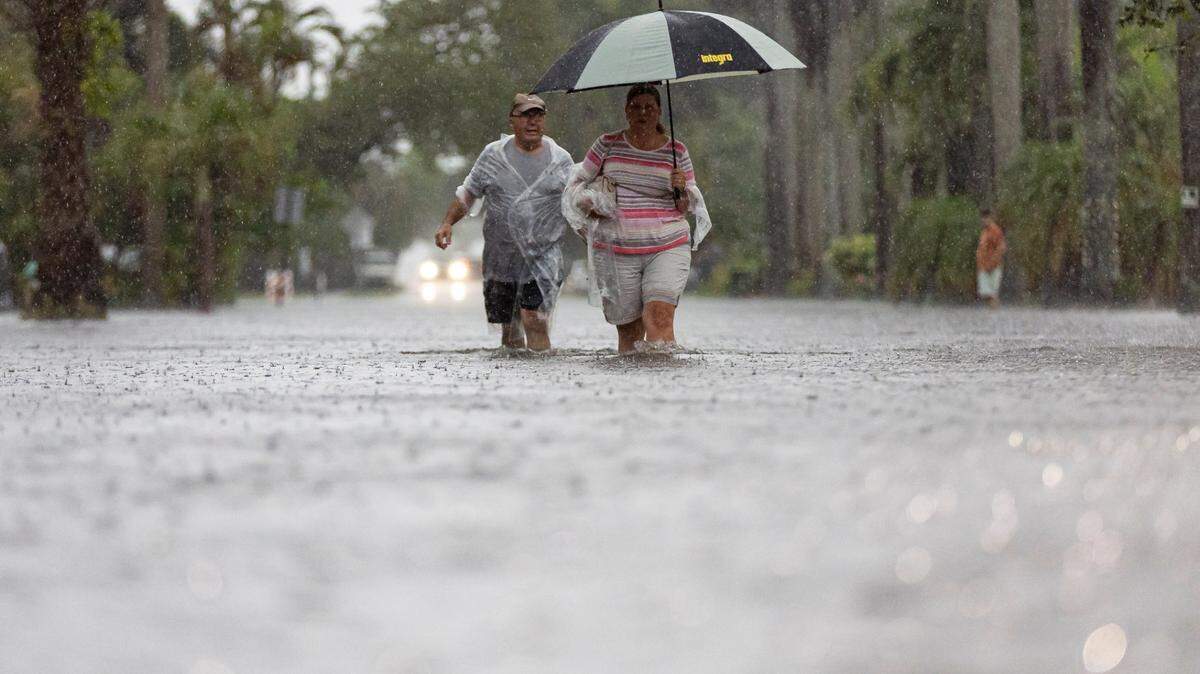
To fix a problem, you have to understand it. There’s no disputing flooding is a problem in South Florida, where a summer rainstorm can swamp roads, cars and even homes.
But understanding it? Not all that well, it turns out.
The folks who live in flood-prone areas are all too aware — but that’s not necessarily the case with people in charge of fixing persistent flooding problems. There are no systems of sensors, satellites or drones that track which spots flood, how often and how much. Instead — if they track it at all — communities largely rely on residents to report problems in a patchwork system.
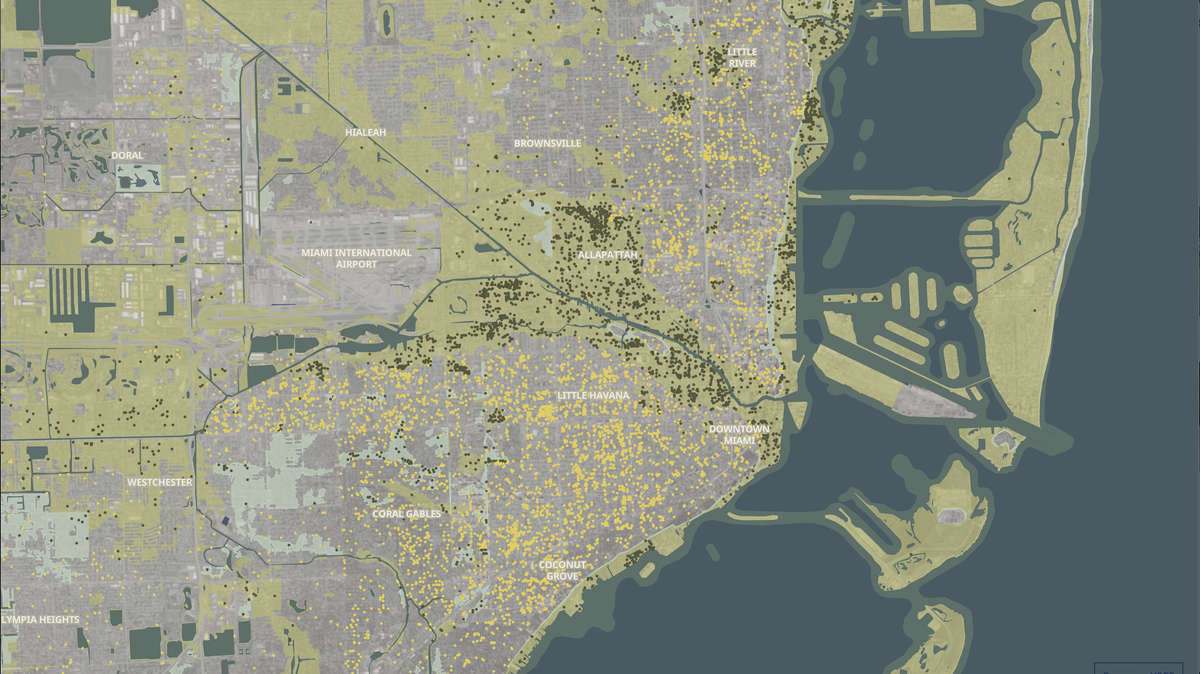
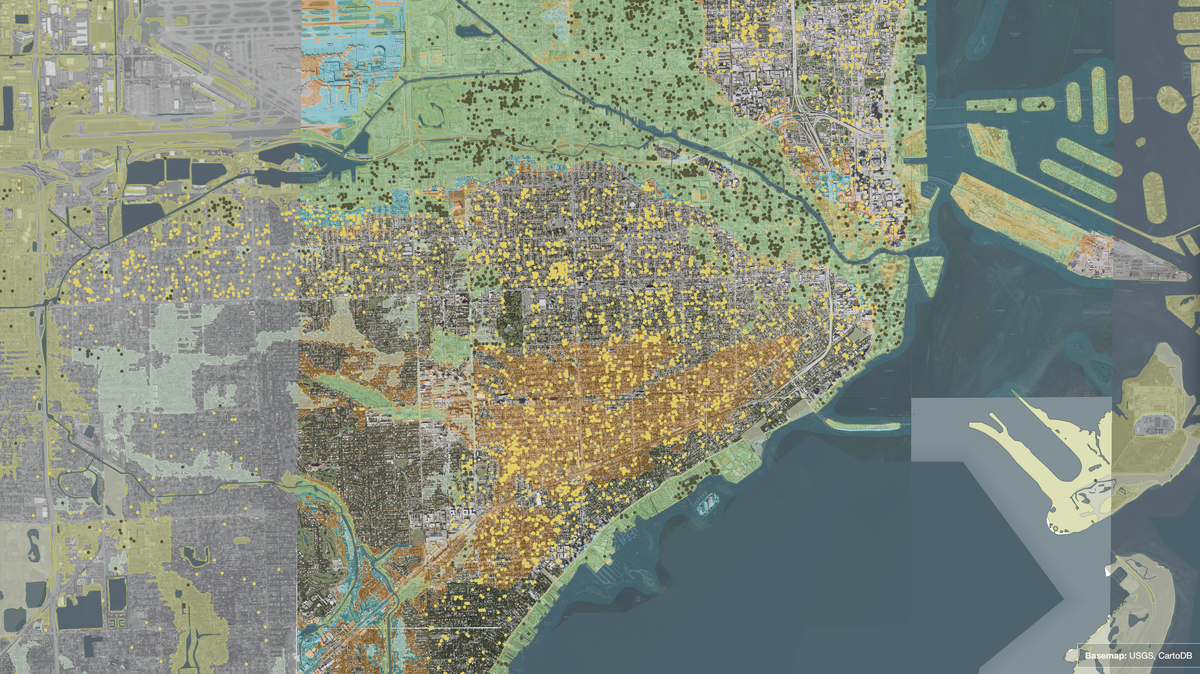
But, as the Miami Herald reported in the latest story in its Floods of Trouble series, most communities don’t make it easy for resident to report and when you do, few keep track of the complaints. The city of Miami may be the best at it, collecting complaints in several ways and keeping diligent track of flooding hotspots. However, places like North Bay Village or Miami Shores don’t collect complaints at all. And other places, like unincorporated Miami-Dade County or spots in Broward County, only have a handful of flood complaints on the books.
So if you want your community to fix that flooding problem, you better let them know about. That’s how drainage projects get planned and paid for.
Here’s a guide to getting your flood complaint to the right person:
Miami-Dade County
The best first stop for most people in Miami-Dade is easy. Just call 3-1-1, the same number where residents can report other quality of life issues like a pothole or illegal dumping on their street. The more detail provided about the flooding, the better.
Miami-Dade is also collecting flood complaints directly through its stormwater utility and encourages residents to report flood issues by calling 305-372-6688.
Miami
In addition to 311, the city of Miami collects complaints through its Flood Tracker, a partnership with the company ISeeChange. The simple survey asks how many inches of flood water are visible, for photos and a location as well as a description of the issue.
Residents can also download the ISeeChange app or access it on their desktop to both report flooding issues and see other local flood issues reported by their neighbors.
Miami Beach
The city of Miami Beach collects flood complaints at the phone number 305-673-7625, at the email address flooding@miamibeachfl.gov or through the city’s app.
Coral Gables
Residents can submit a flood or drainage complaint via the city’s web portal or by calling 305-460-5000 between 8 a.m. and 5 p.m. Monday through Friday.
Miami Gardens
Miami Gardens collects flooding and stormwater issues through a brief survey form on the city website.
Broward County
Broward County’s Document the Floods project has been crowdsourcing photos and stories of flooding since 2016. It’s collected nearly 1,000 reports so far.
Fort Lauderdale
Residents can report flooding by calling 954-828-8000, emailing FixItFTL@fortlauderdale.gov or using the FixItFTL app.
Hollywood
Hollywood residents are asked to report King Tide flooding by calling 954-764-4357.
Oakland Park
Residents can report flooding in their area by calling 954-630-4435.
South Florida
Not sure who to contact? The South Florida Water Management District has a handy tool where residents can enter their address and find out the phone numbers and email addresses for their local flood control officials.
Scroll down to the ‘map’ section to enter your address and find out who to reach out to here: sfwmd.gov/flood-control
While the first priority should be reporting flooding to your local drainage department, the water management district is also collecting flood complaints to help it understand how its 80-something-year-old drainage system should be improved.
Residents can fill out a brief survey, including pictures, at this link.