Attorneys spar over George Pino boat crash as defense seeks to dismiss case

READ MORE
The investigation into 2022 boat crash that killed a high school student
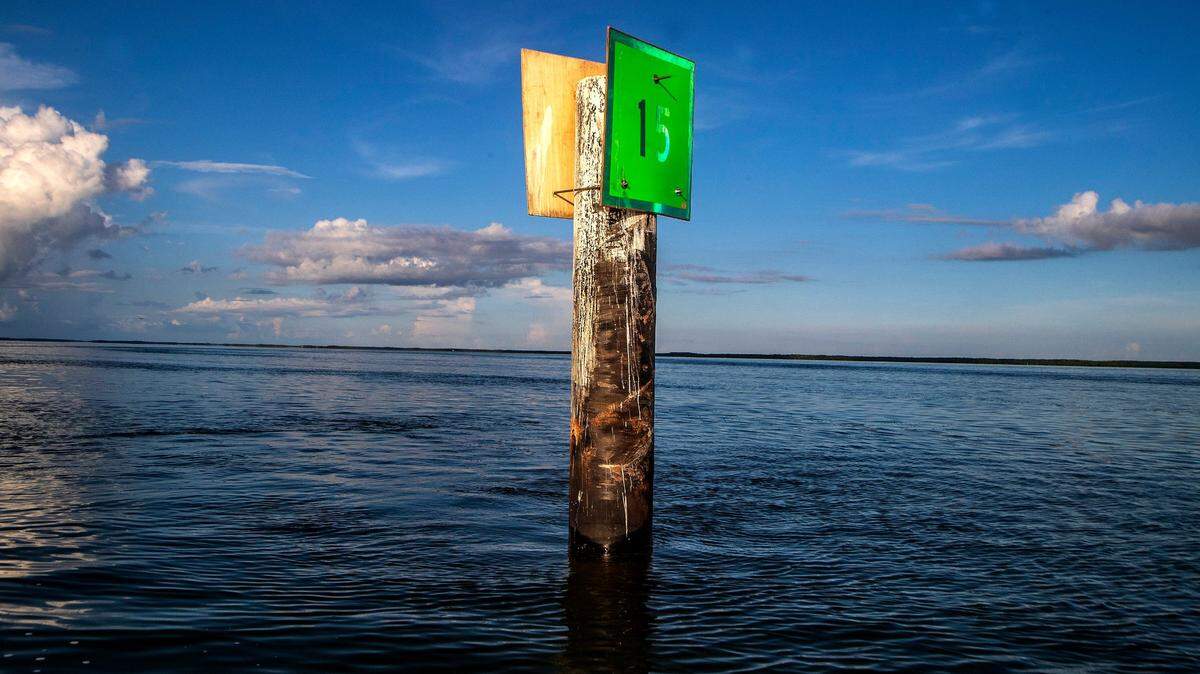
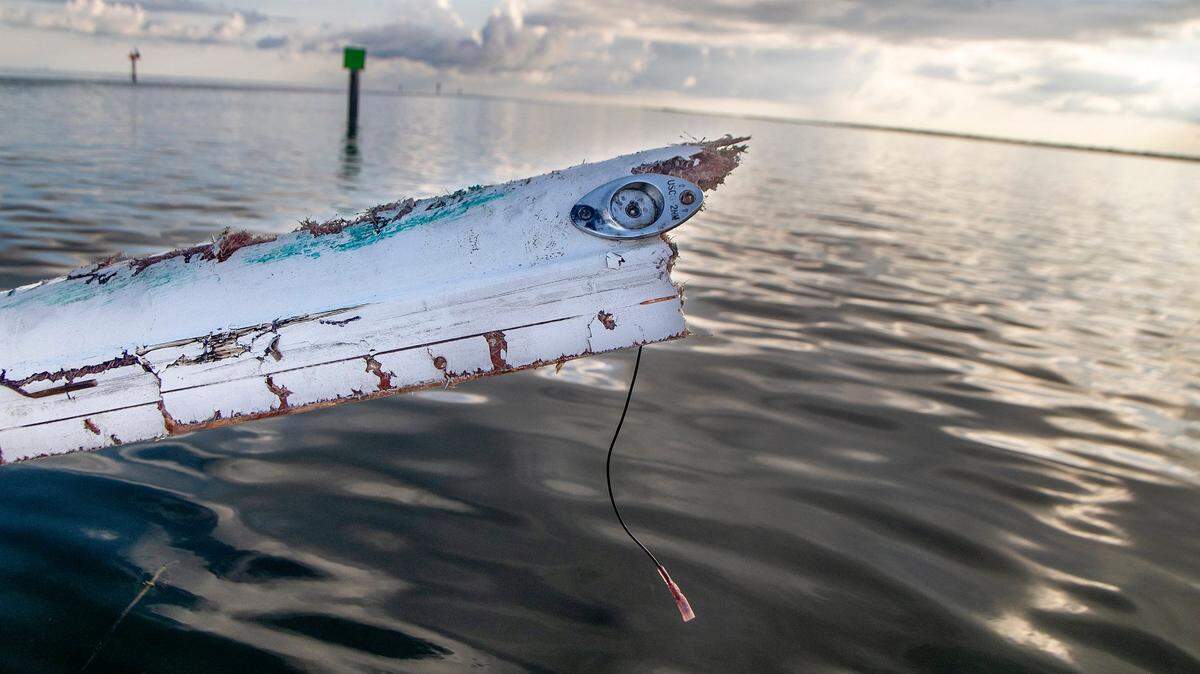
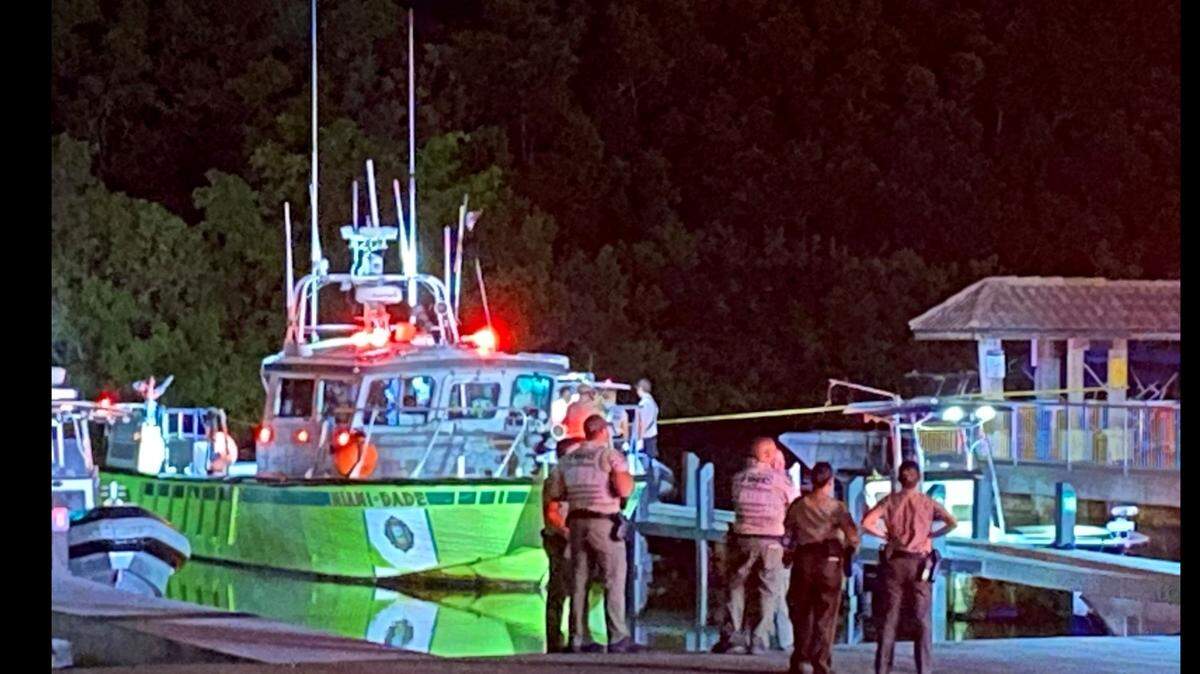
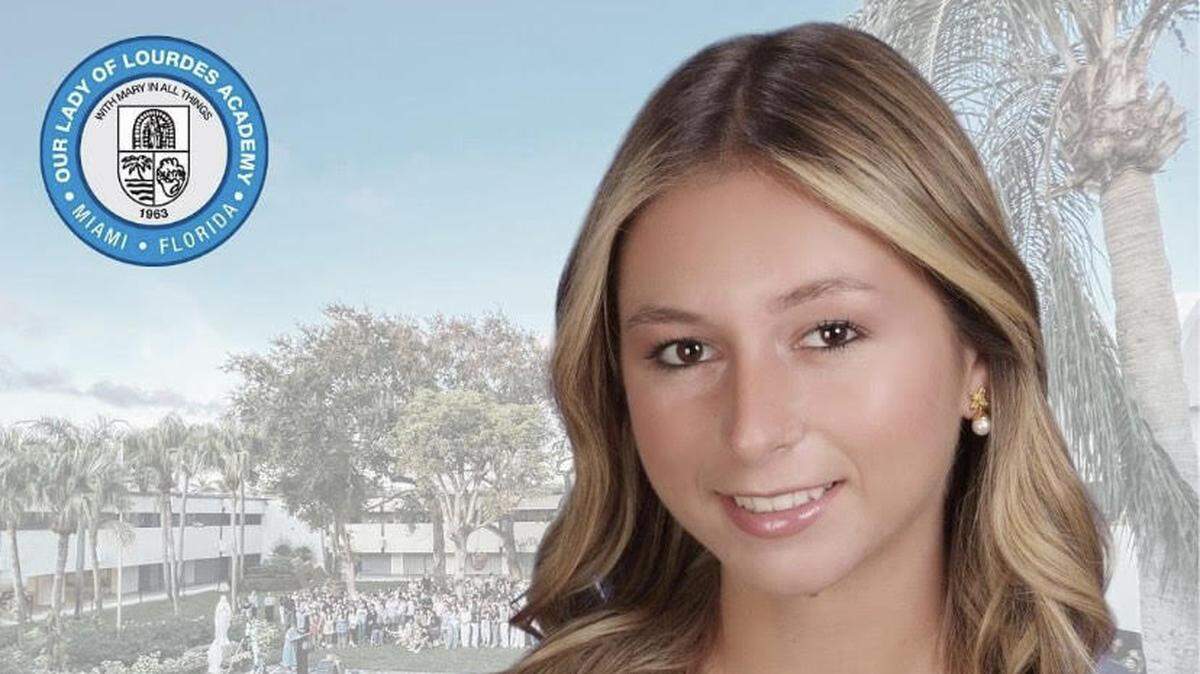
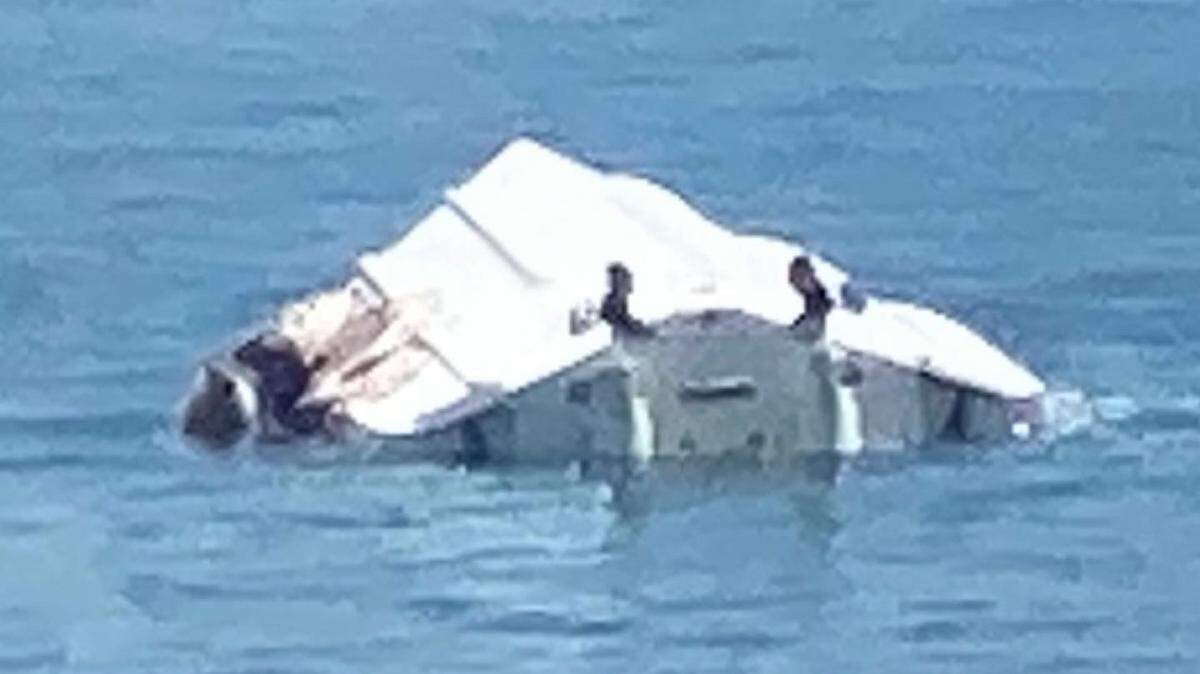
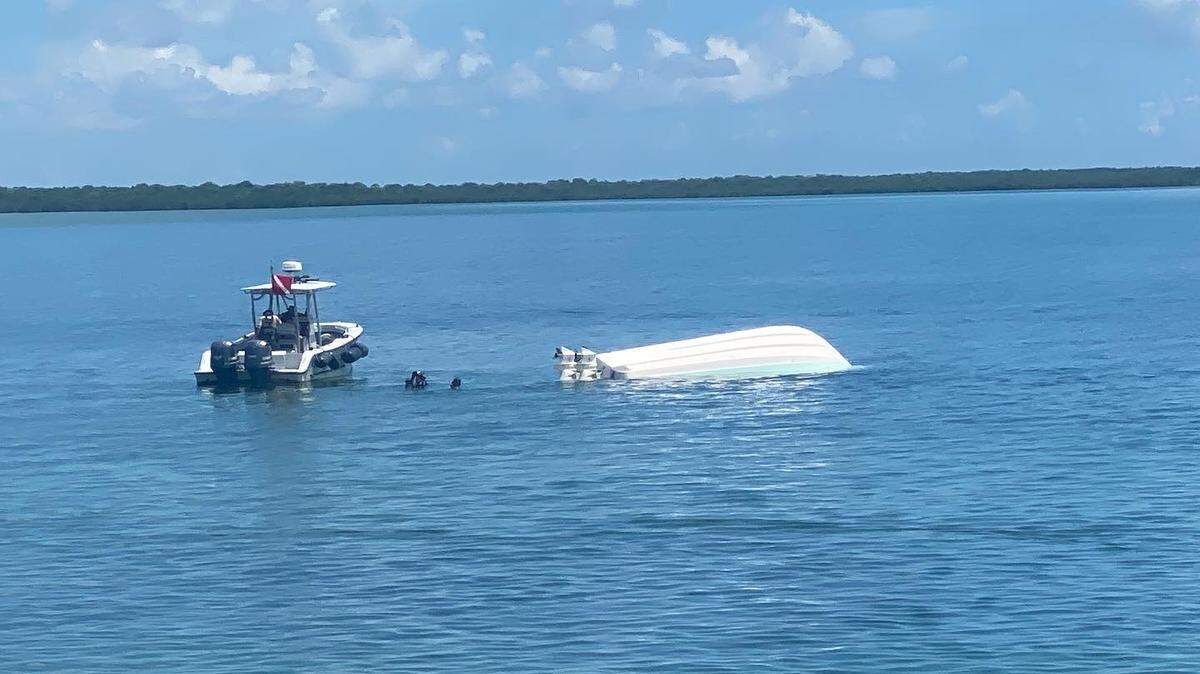
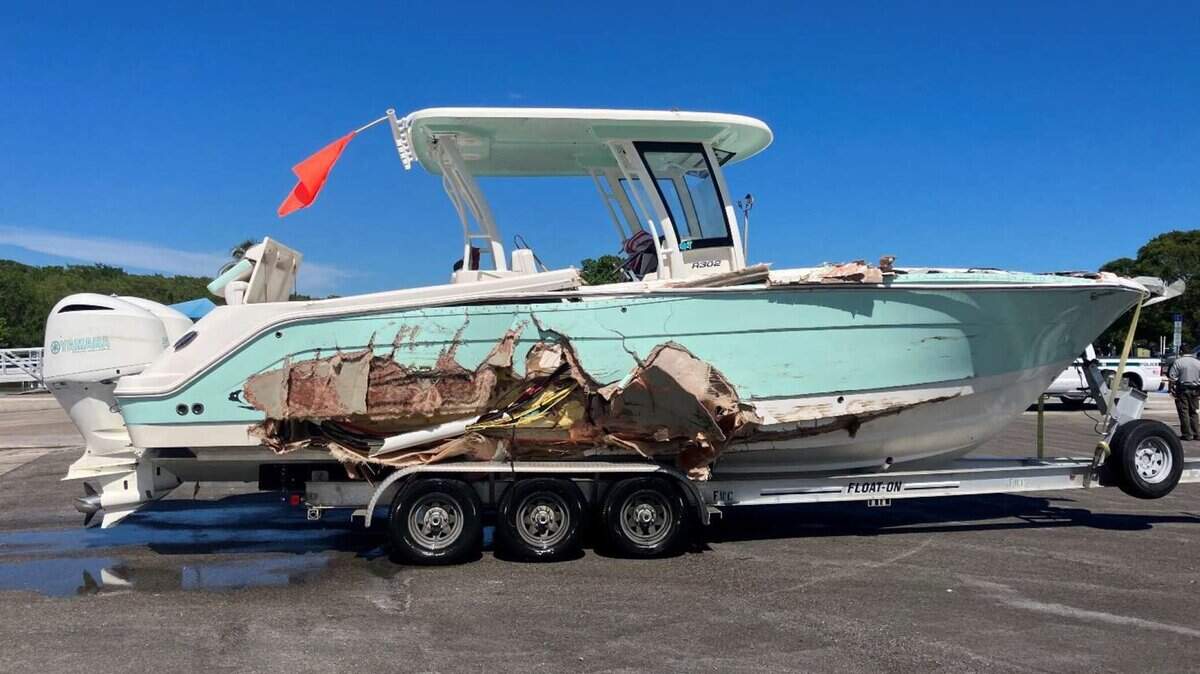
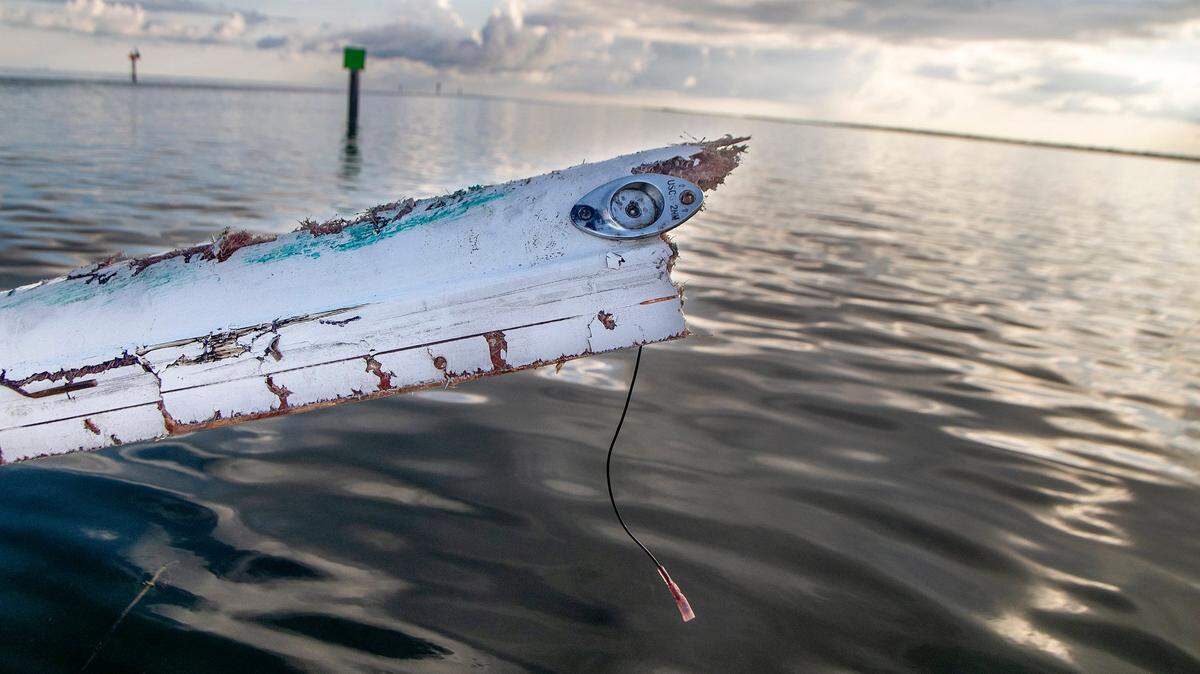
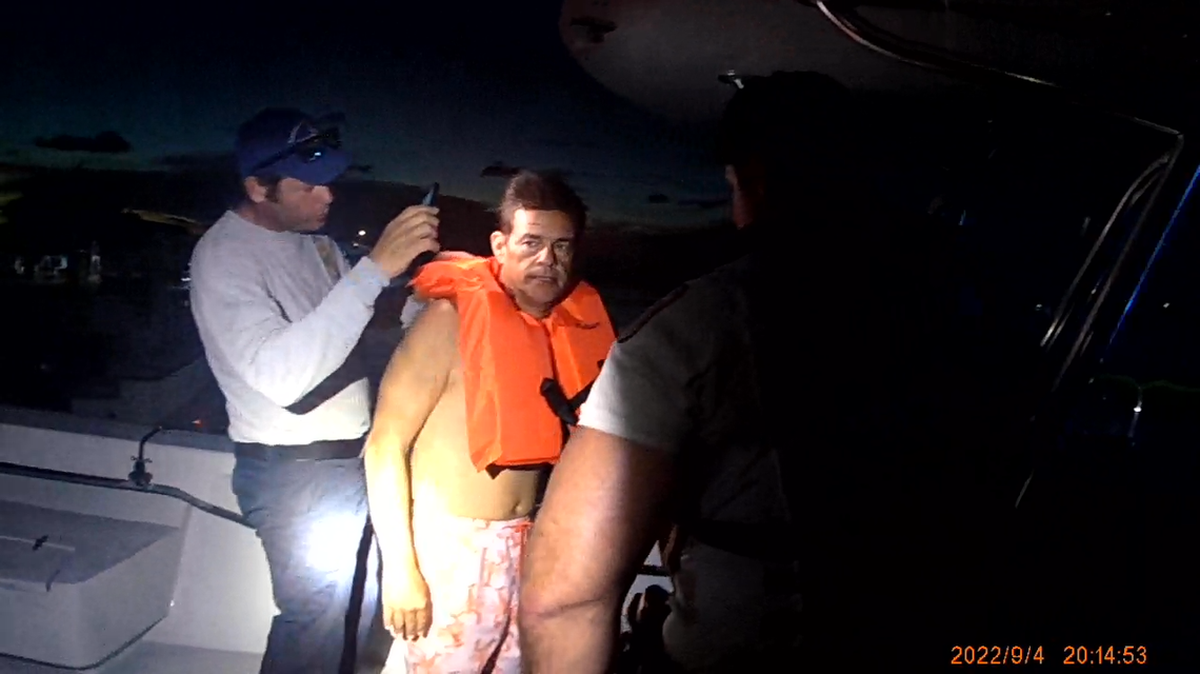
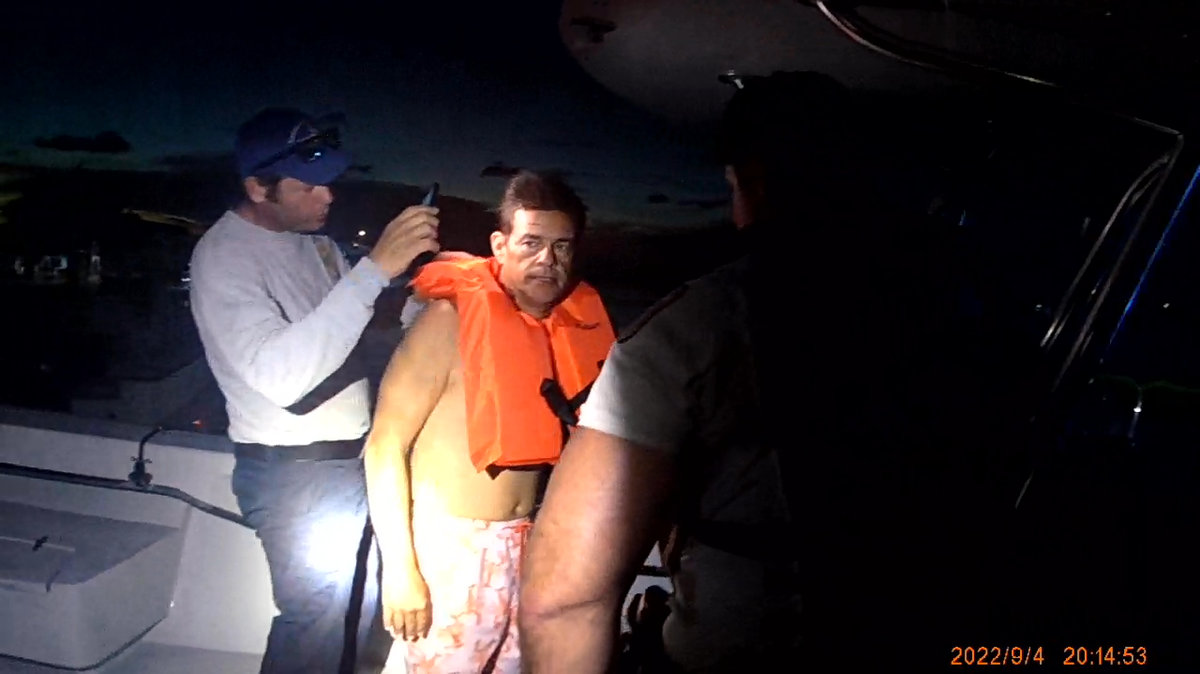
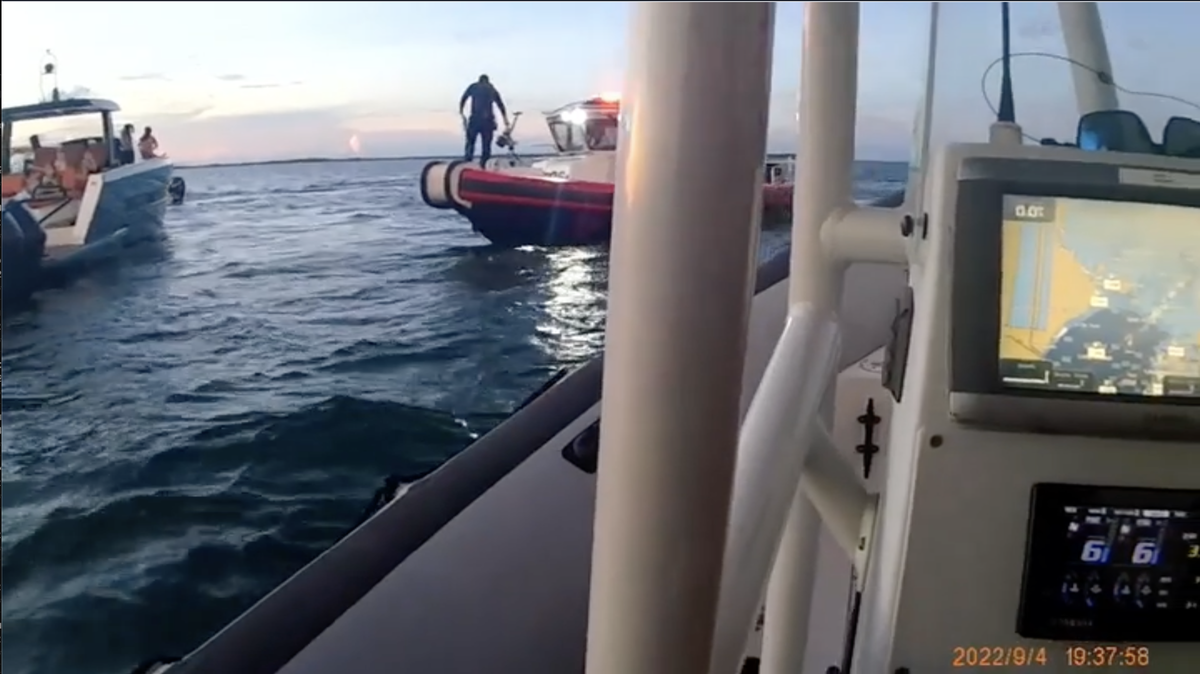
On Sept. 4, 2022, a boat operated by real estate broker George Pino crashed in Biscayne Bay, killing 17-year-old Lucy Fernandez.
Expand All
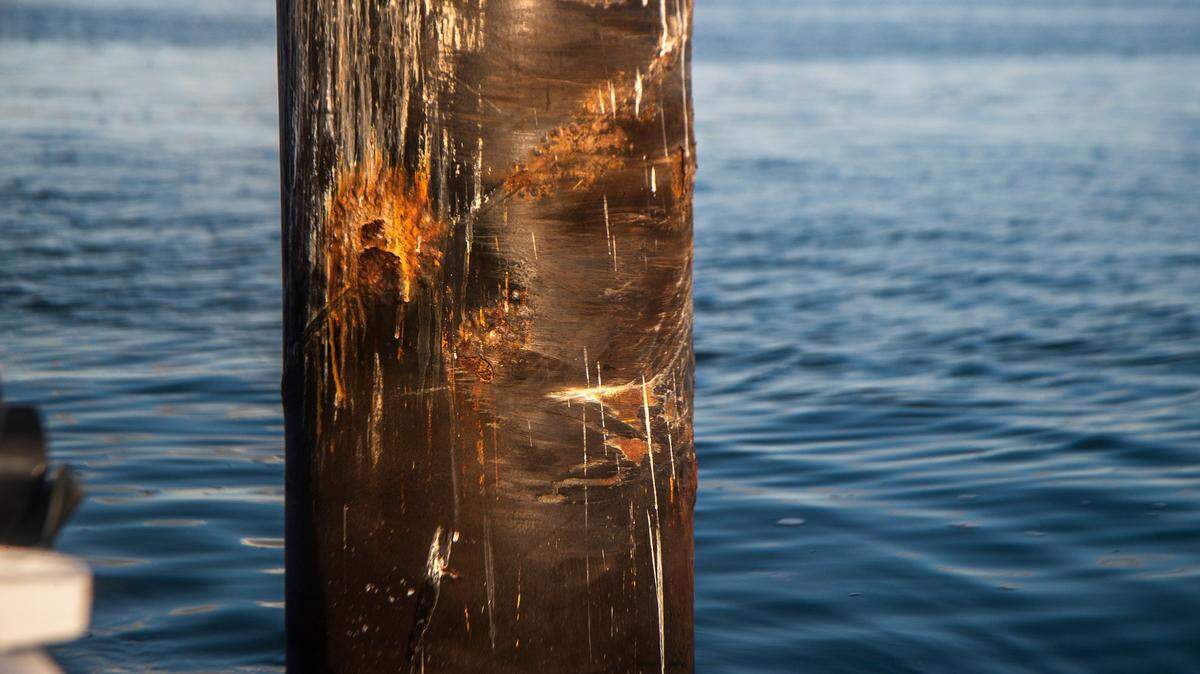
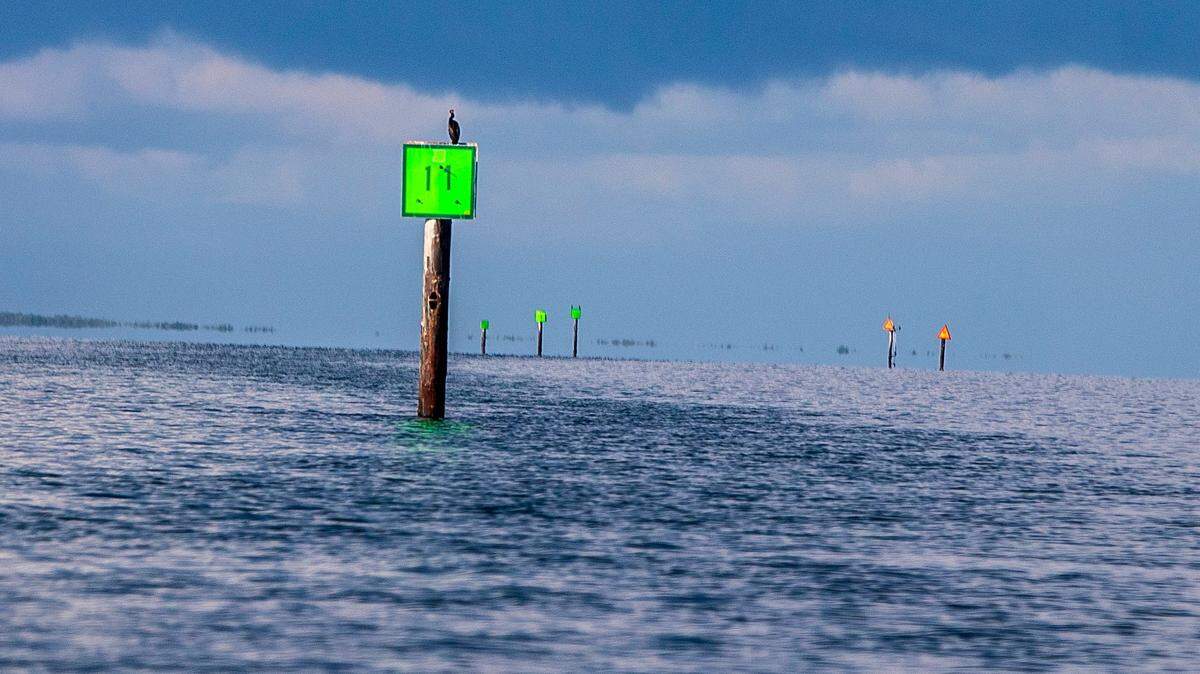
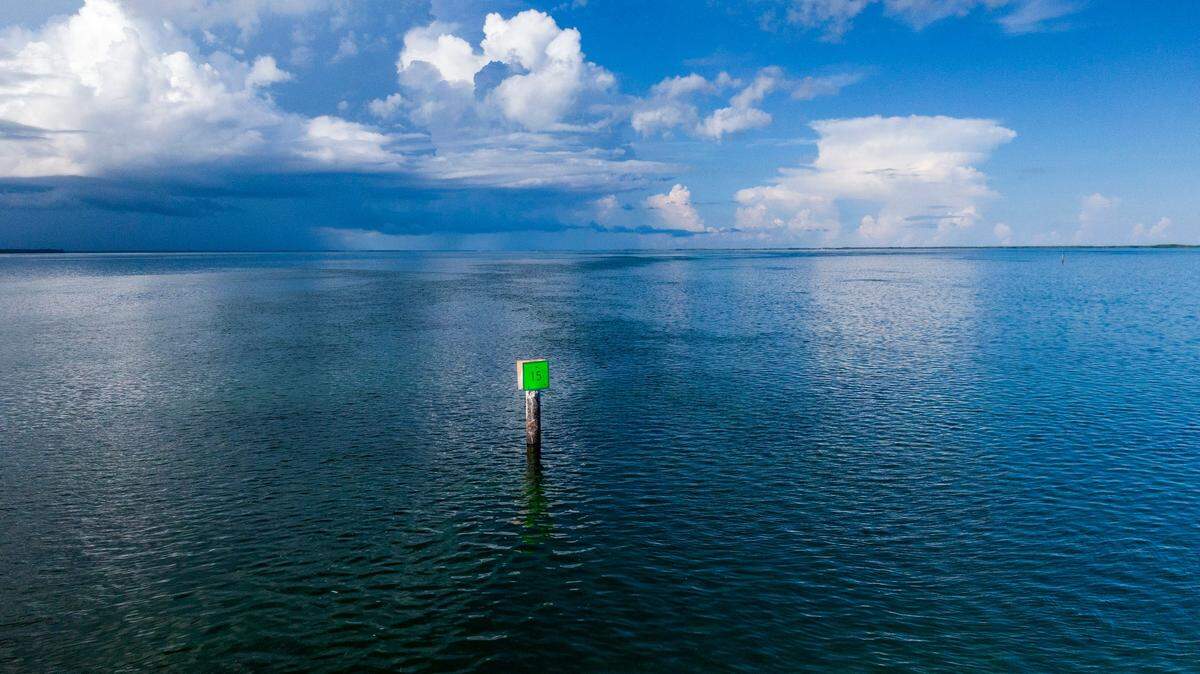
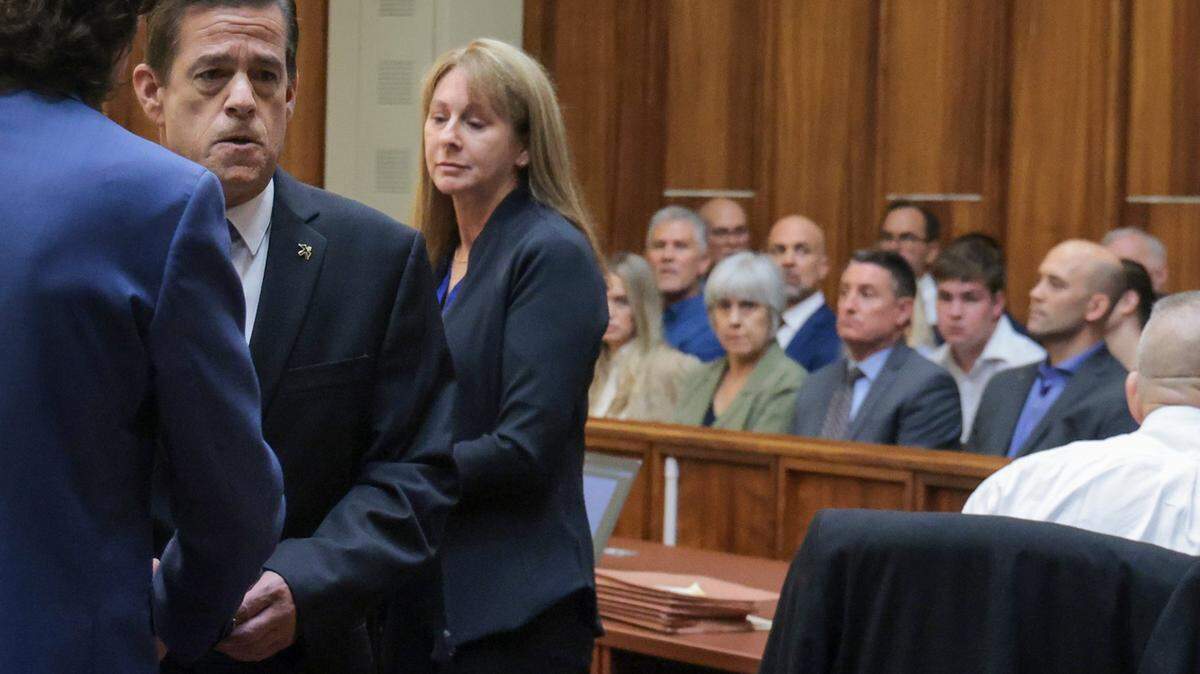
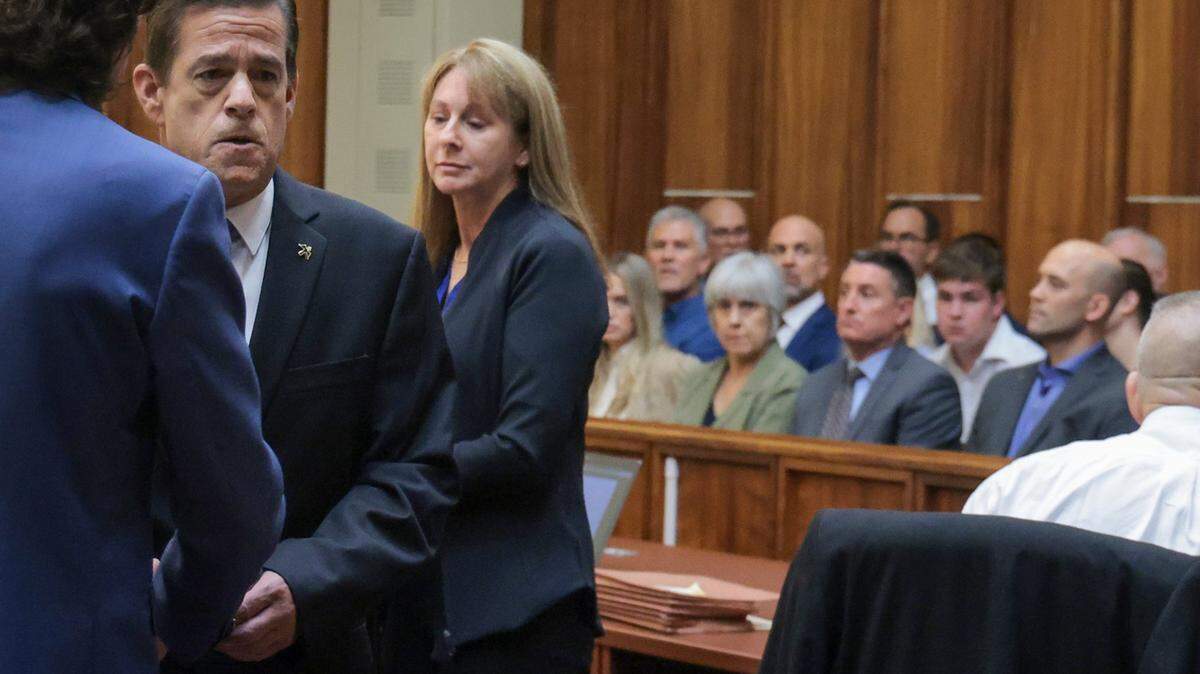
Doral real estate broker George Pino was distracted before he slammed his boat into a channel marker, killing a teenage girl, but that alone doesn’t allow prosecutors to charge him with felonies for his operation of the vessel, defense attorneys argued Wednesday.
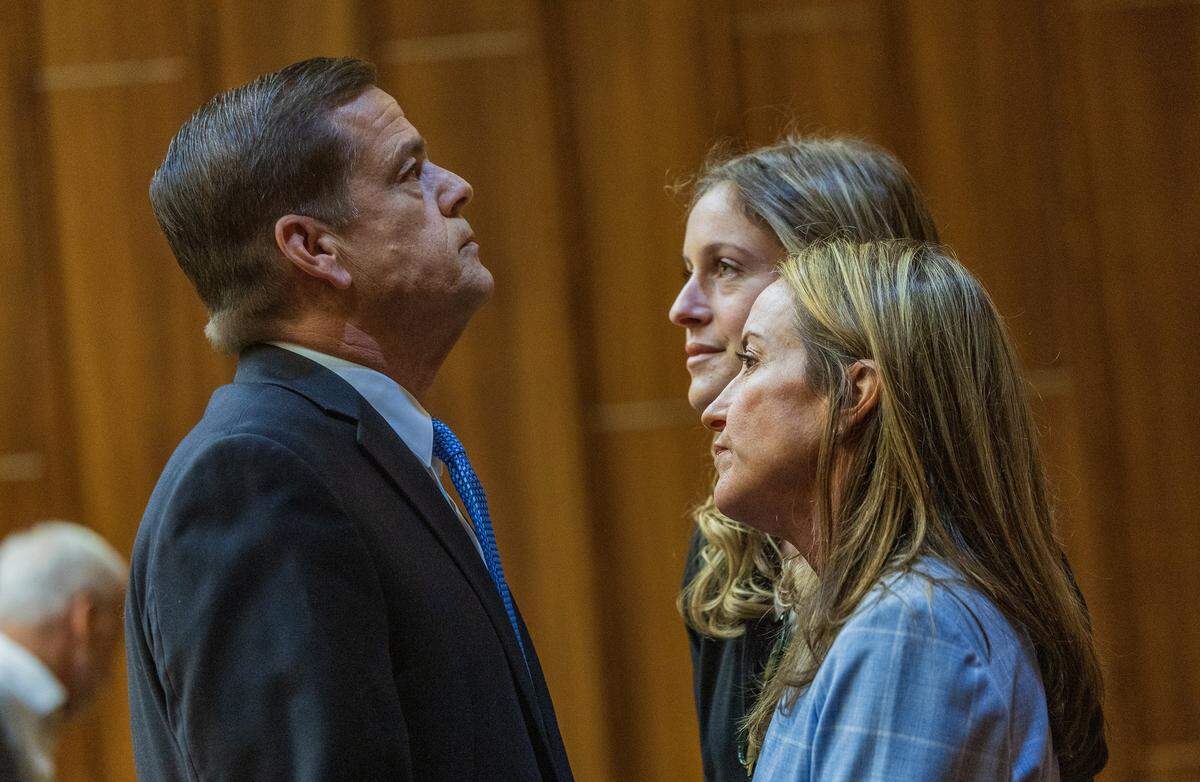
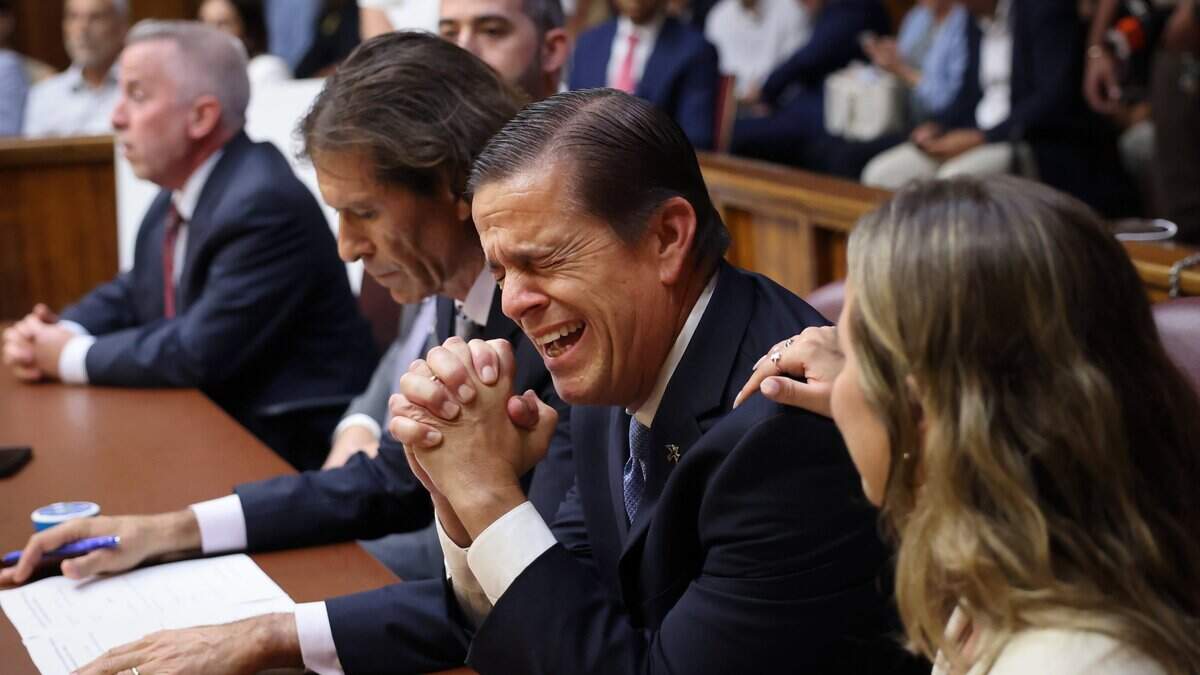
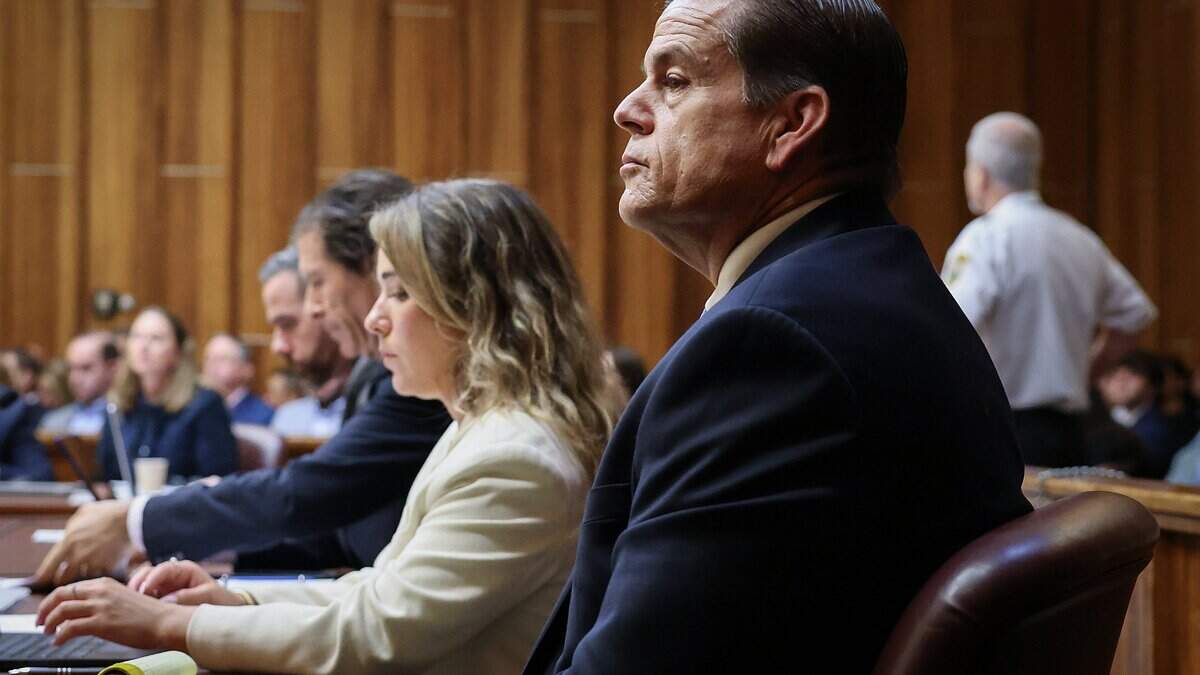
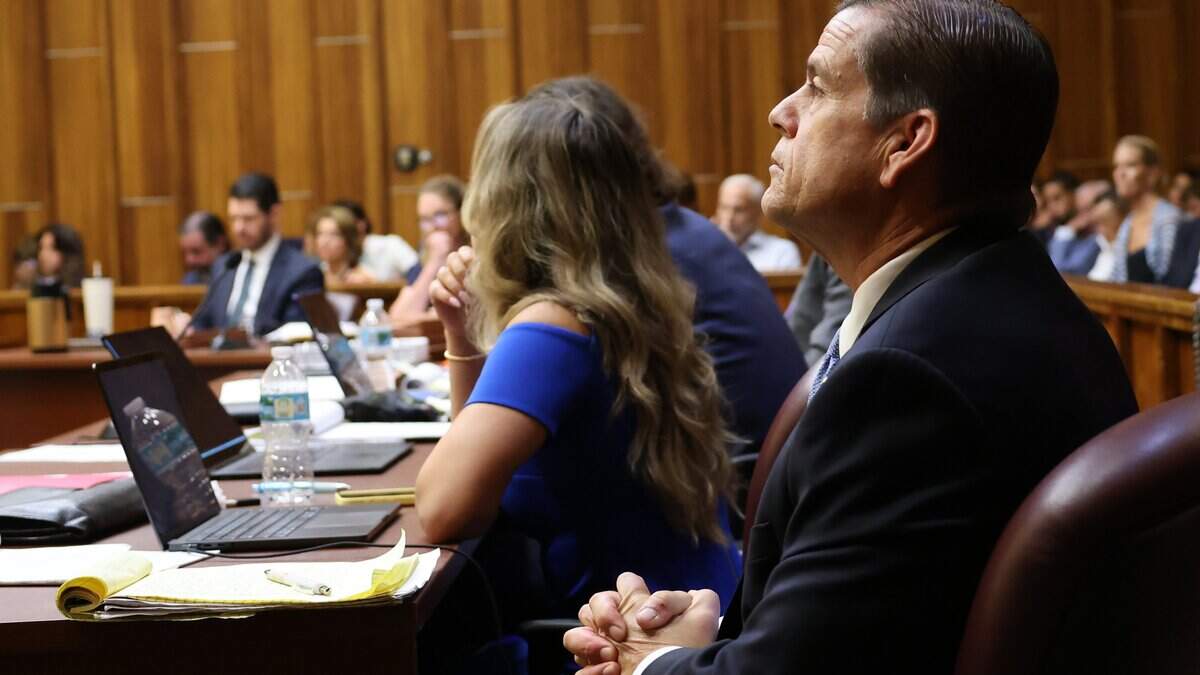
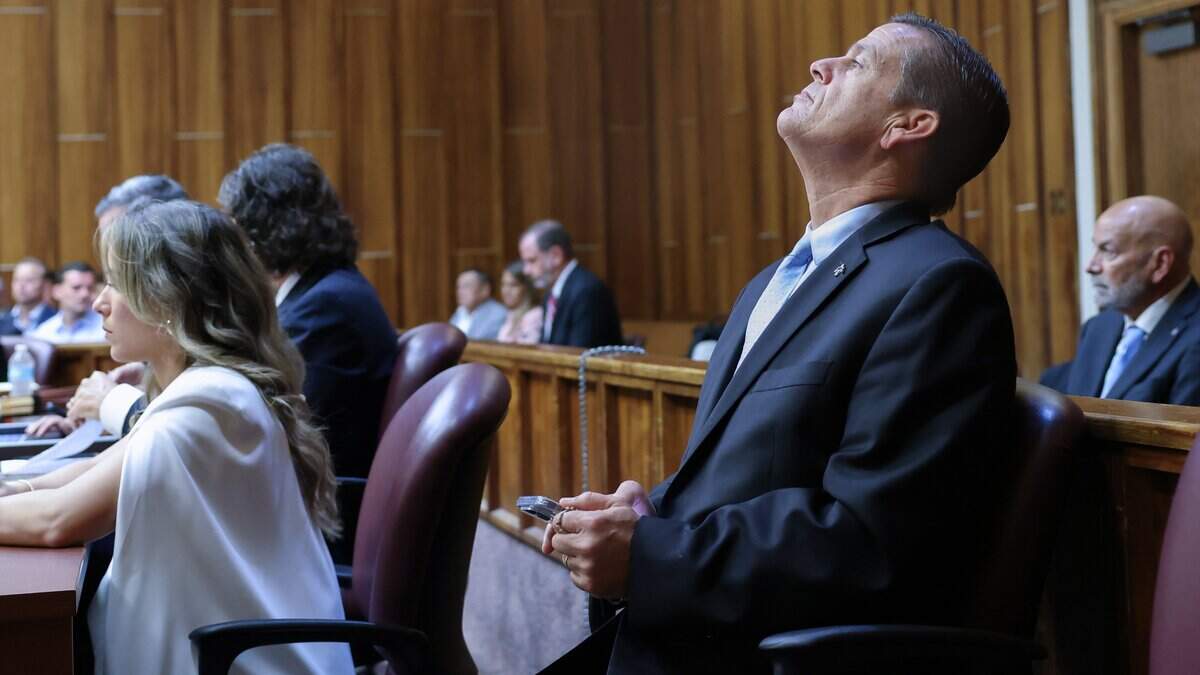
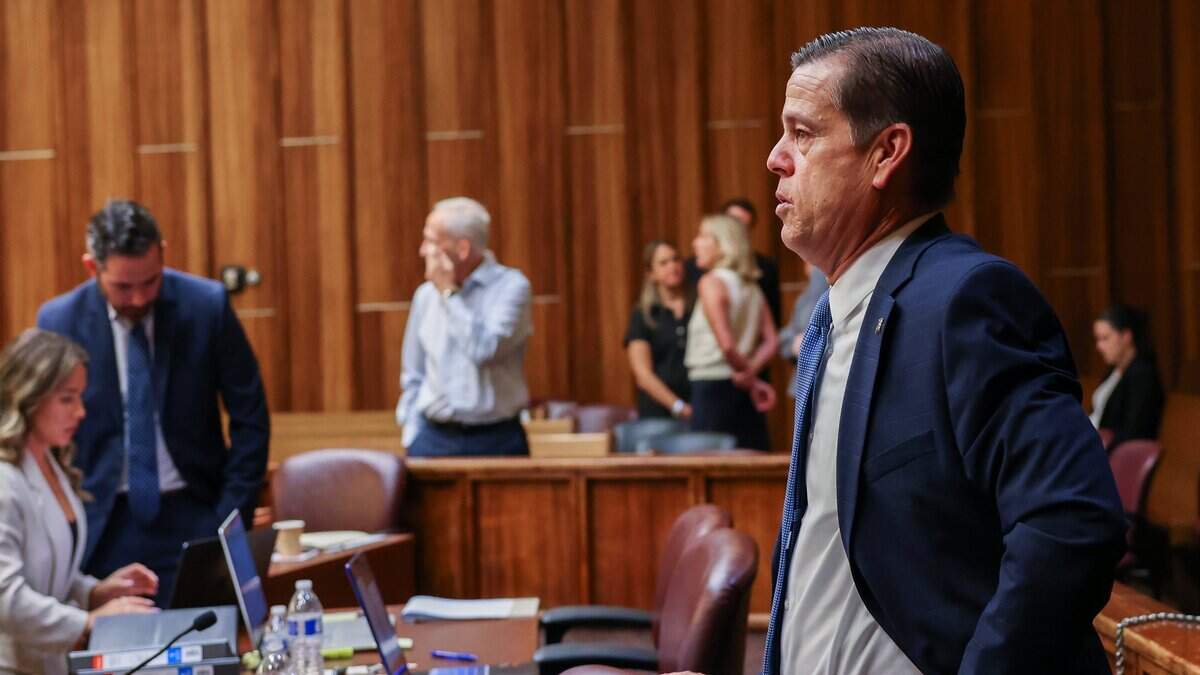
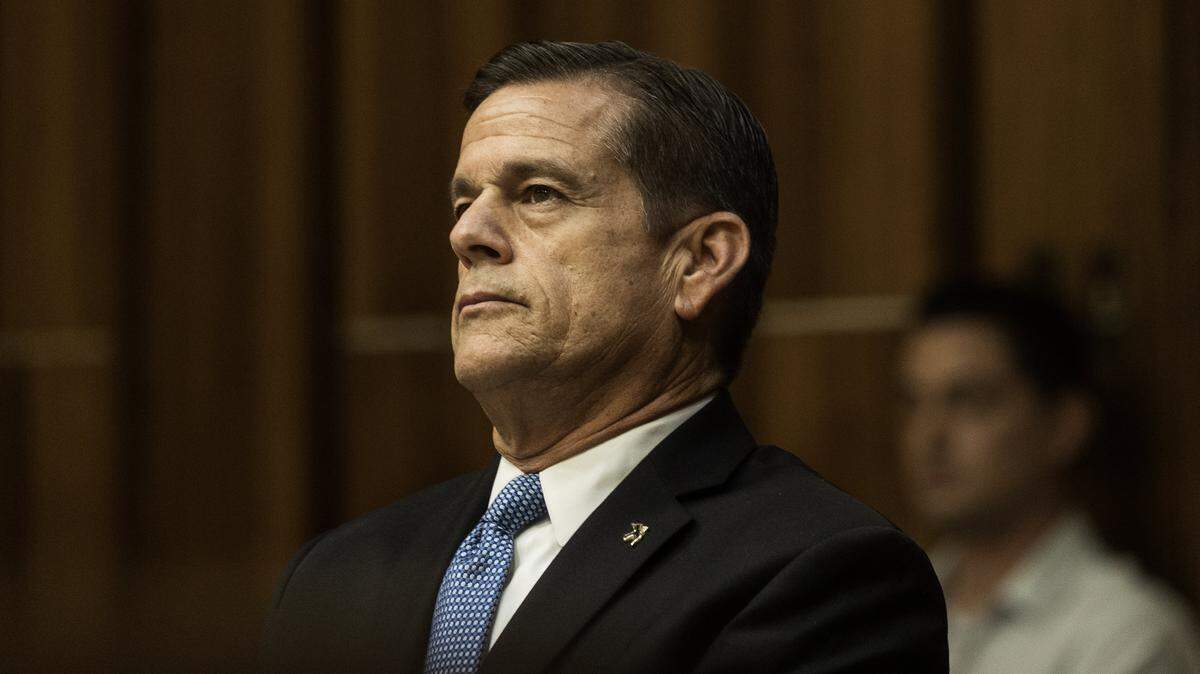
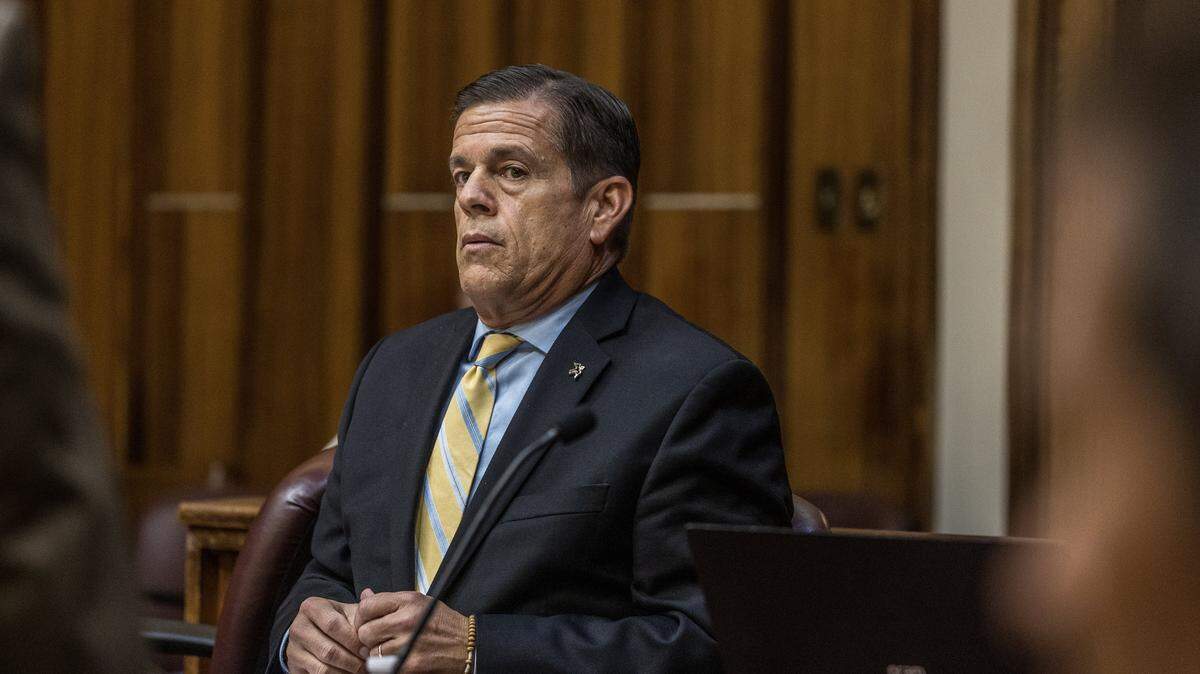
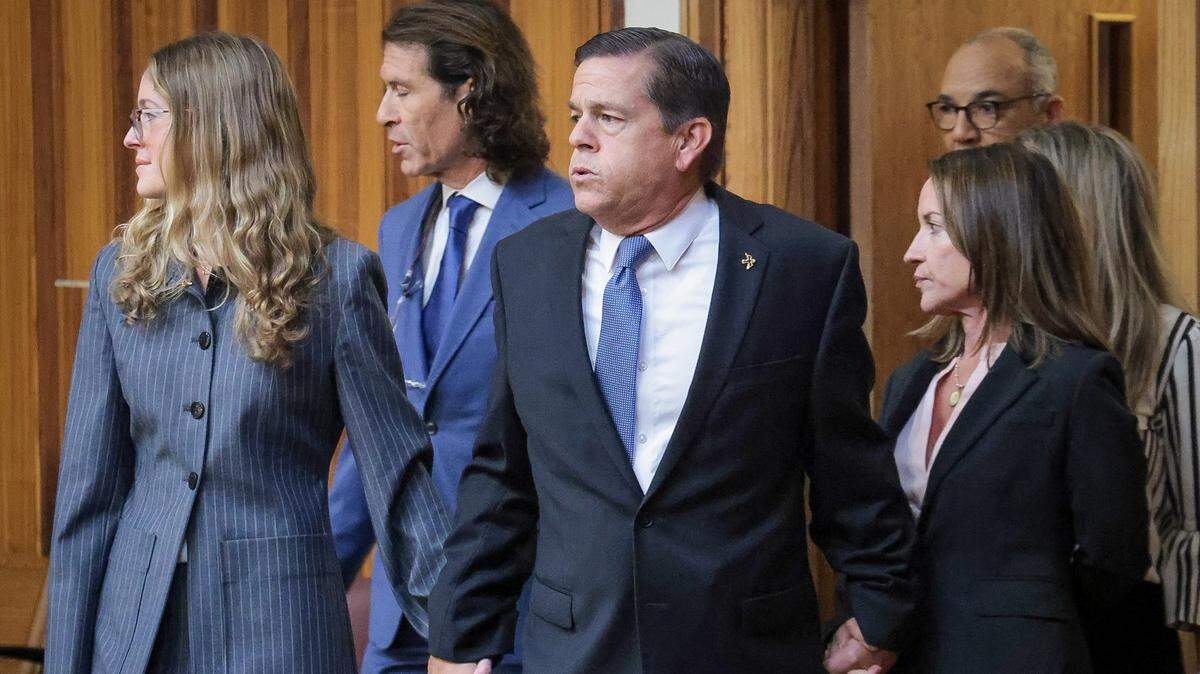
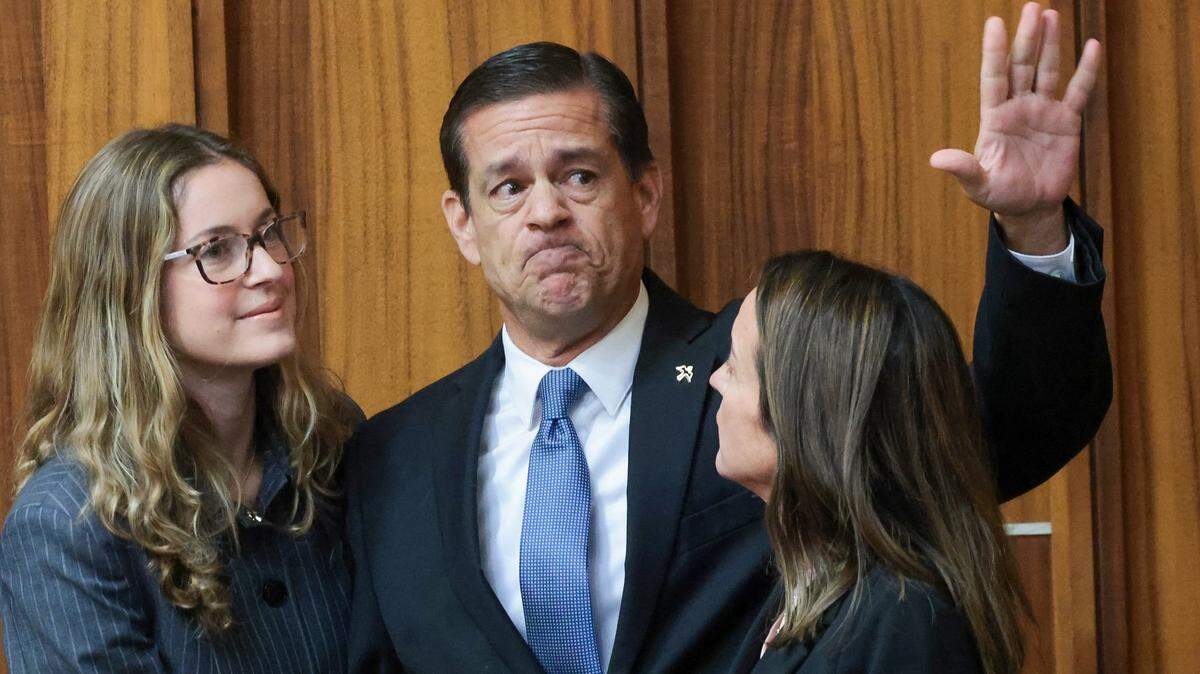
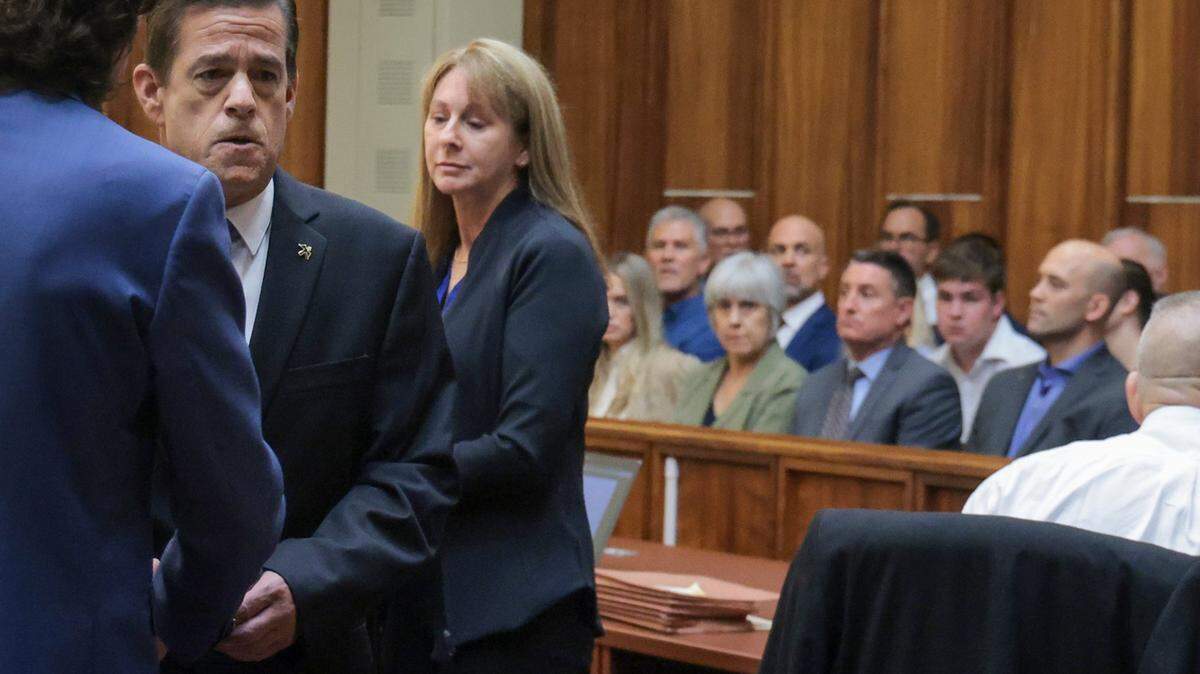
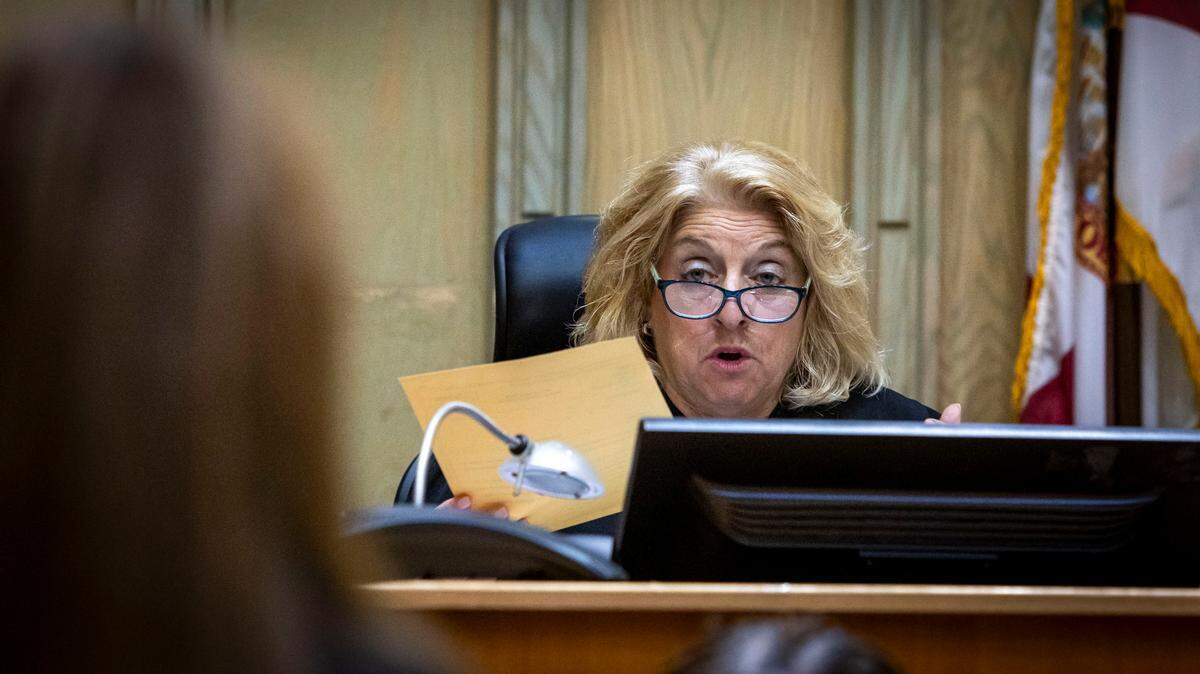
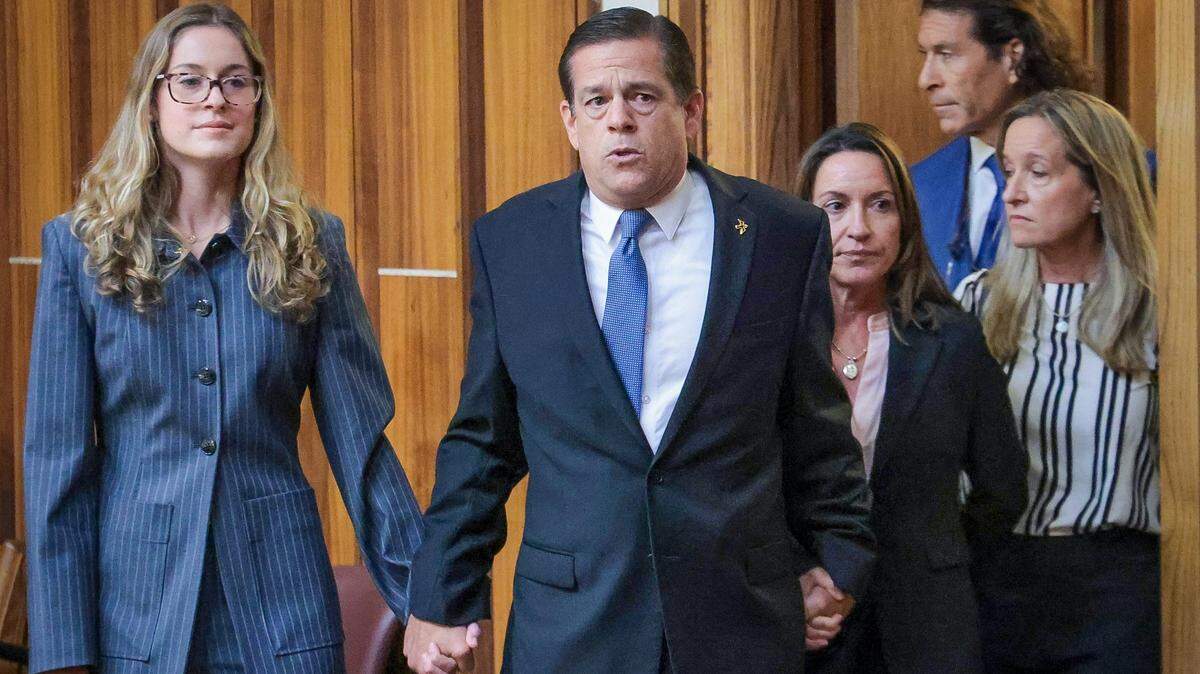
Pino, 54, appeared in court in a black suit as his defense attorneys argued that the manslaughter and vessel-homicide charges against him should be dismissed. Miami-Dade Circuit Court Judge Marisa Tinkler Mendez is expected to continue hearing arguments on a slew of motions through Thursday.
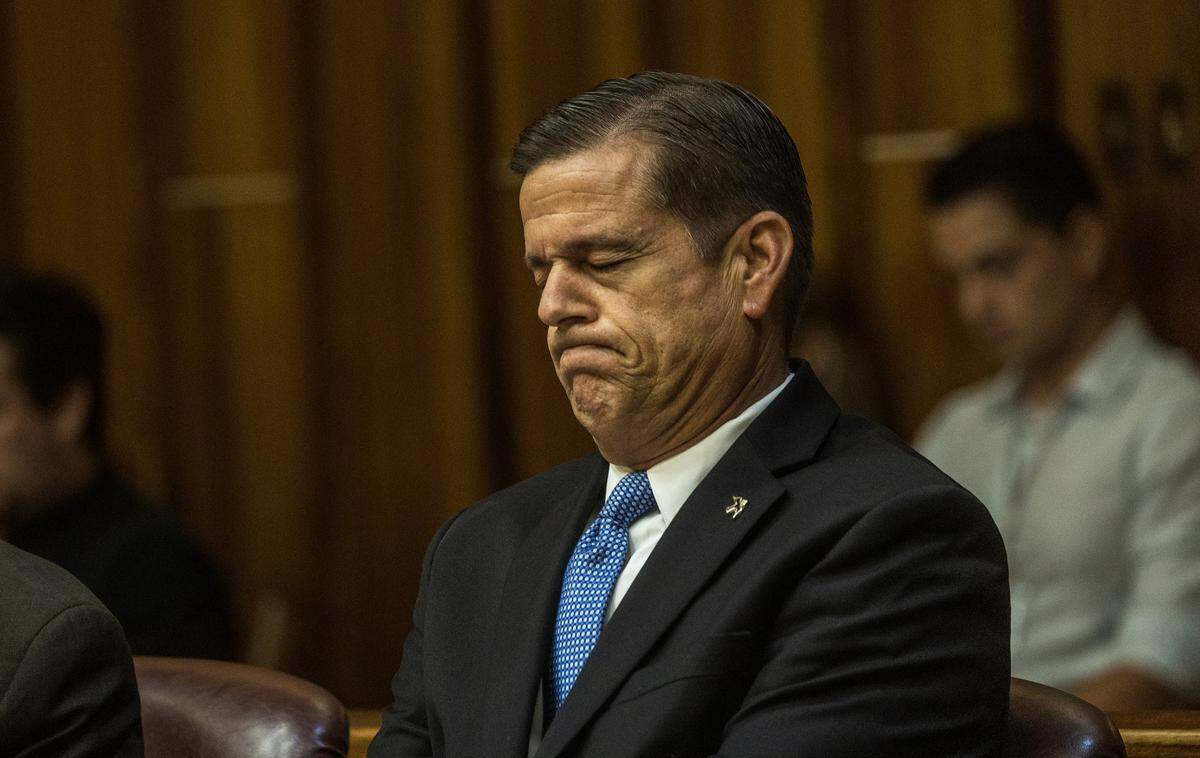
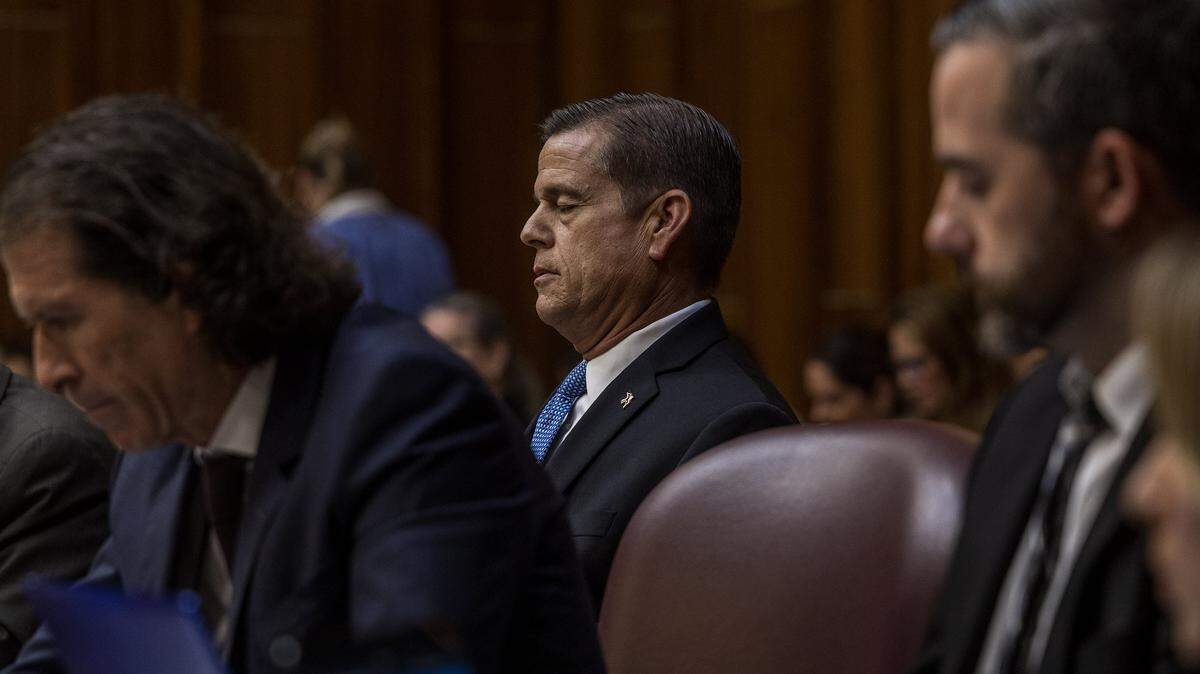
During the hours-long hearing, Pino appeared to close his eyes and pray. He occasionally scribbled in a notepad.
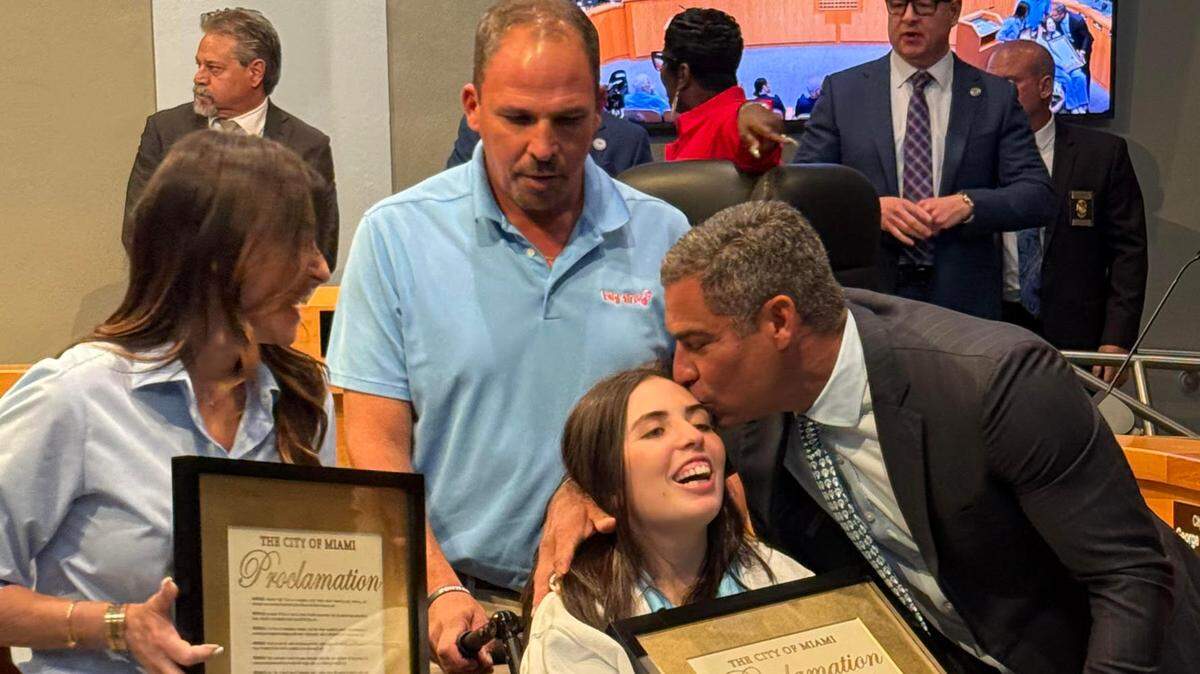
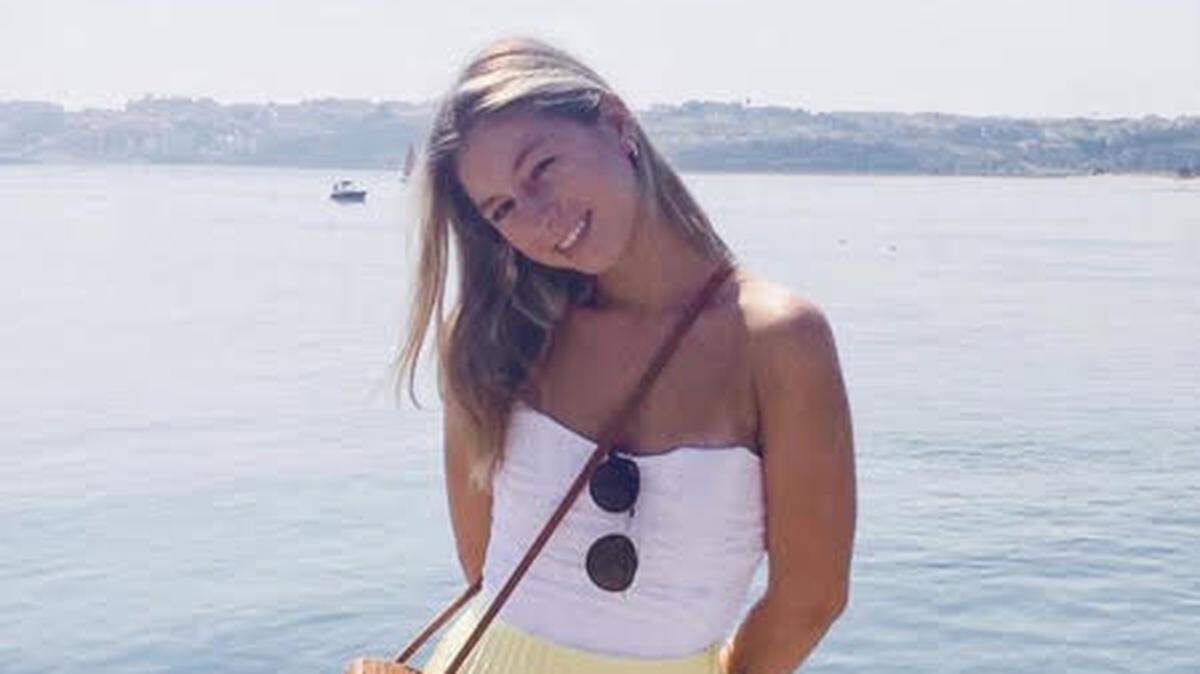
The crash occurred on Sept. 4, 2022, killing 17-year-old Luciana “Lucy” Fernandez and leaving Katerina “Katy” Puig, now 21, with a lifetime of physical disabilities.
READ MORE: Pino seeks to toss statements and charges against him in boat-crash trial
The hearing came after the defense last week filed a flurry of 11th-hour motions to exclude key evidence from Pino’s upcoming trial. Pino’s lawyers are asking the judge to keep out statements that Pino made. Those statements include him saying he had “two beers” and that the wake of another boat caused him to crash into the channel marker. His attorneys also want the judge to grant a change of venue to another county, citing the amount of media coverage that the case has received.
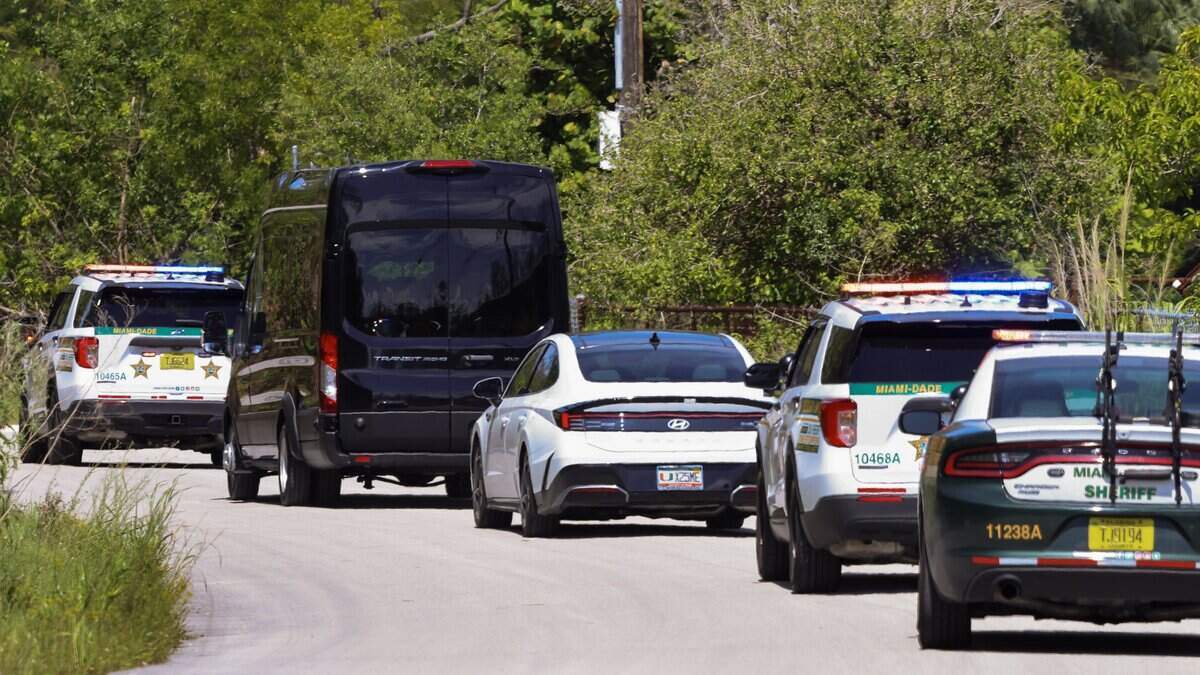
The attorneys also want the judge to shield the jury from hearing that a witness said Pino’s eyes were bloodshot when he was rescued from the water — and that cops found 61 empty and partially-empty booze containers on his boat when they pulled it from the water the day after the crash.
Pino’s trial is scheduled to begin with jury selection on Monday, June 1.
Crash was a ‘terrible tragedy’: defense
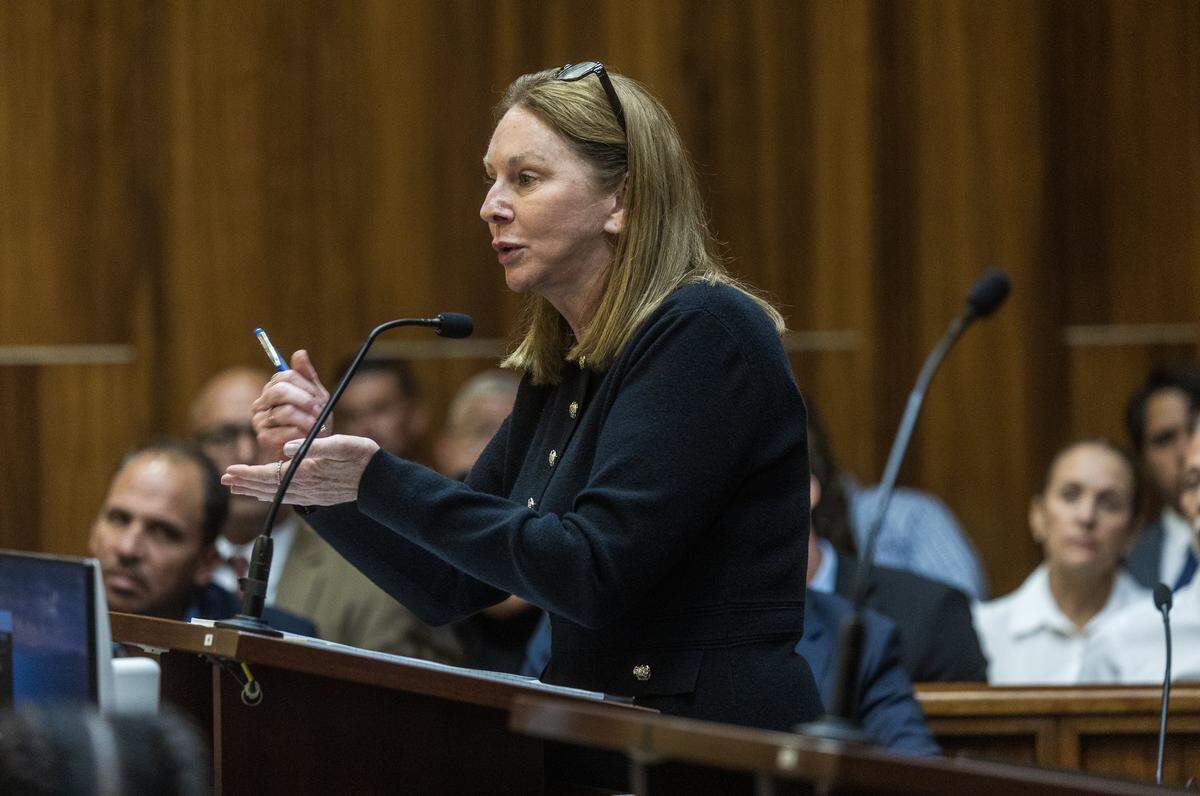
For attorney Howard Srebnick, there was nothing reckless about Pino’s operation of the boat when the “terrible tragedy” occurred.
The vessel was not overloaded, and Pino operated the boat at around 47 mph, which Srebnick said was a “safe speed.” Boaters, the attorney added, can zip in and out of a channel and should — but are not required to — stay on the correct side of the channel.
“The only thing that happened to cause the tragedy that occurred was the allision with the marker,” Srebnick said. “But nothing else about the driving itself was presenting any risk.”
An allision is a maritime term for a vessel striking a stationary object.
Pino, Srebnick said, was distracted for nine seconds before hitting the channel marker, but there was no intentional effort to crash. He was not impaired by alcohol nor was he doing anything like texting and driving.
“George Pino had a momentary lapse. He was distracted by something. It was inattention for a moment of time. But it wasn’t some conscious, willful decision to put people at risk,” Srebnick said.
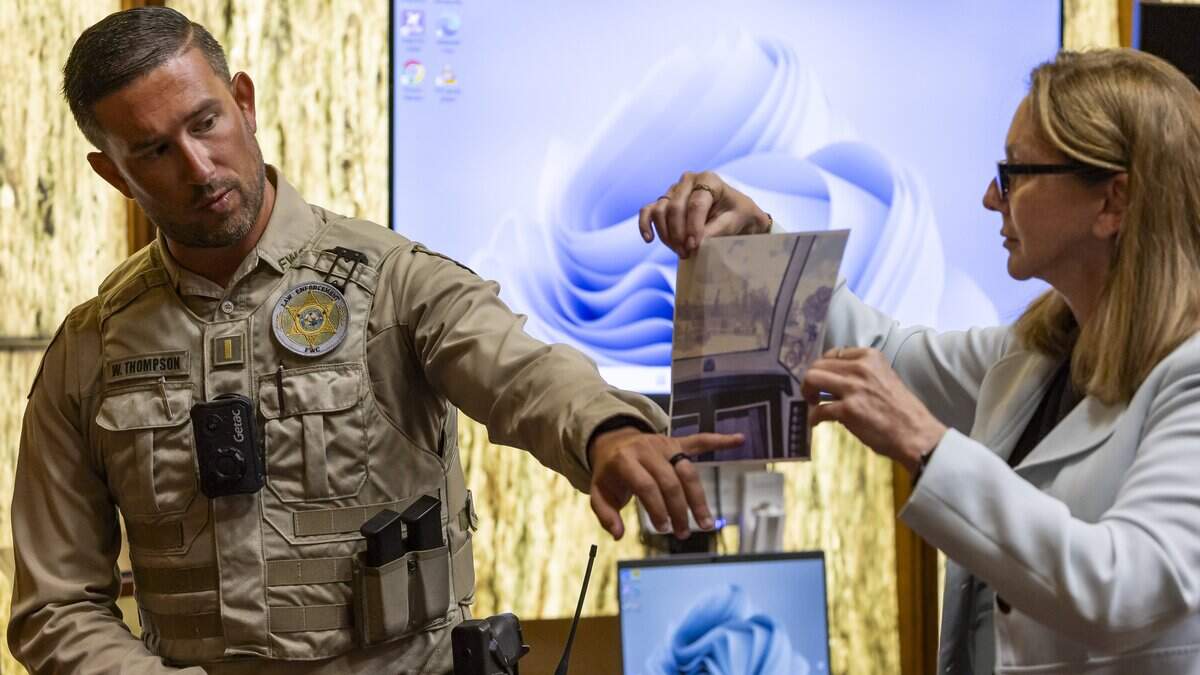
Even though prosecutors are not charging Pino with an alcohol-related offense, Srebnick wants any evidence related to drinking that day kept out of the trial. Pino told the FWC’s investigator that he had “two beers,” and cops found more than 60 empty and partially-empty alcohol containers in his boat when they pulled it from the water the day after the crash.
But the investigator concluded in his report that alcohol was not a factor in the crash and that Pino, in his opinion, was not impaired.
“The beer did not impair his ability to operate the vessel,” Srebnick said.
Prosecutor argues crash ‘preventable’
Prosecutor Laura Adams said Pino did not intend to crash into the channel marker on the day of the crash. But the offenses with which he is charged, she pointed out, do not require that Pino have such an intent.
Pino, Adams said, had hundreds of hours of experience operating the boat and violated several navigational rules on the day of the crash. Pino, the prosecutor added, admitted that he had “two beers” — which is among many factors that a jury can consider when analyzing whether Pino’s actions were reckless.
“The defendant knew the hazard was there, had experience with this boat and yet somehow managed to strike the channel [marker] that was there to keep him safe in the first place,” Adams said. “... How can you not see that channel marker that for nine seconds is right in front of you?”
In the seconds before the crash, Pino traveled the length of two football fields, according to Adams.
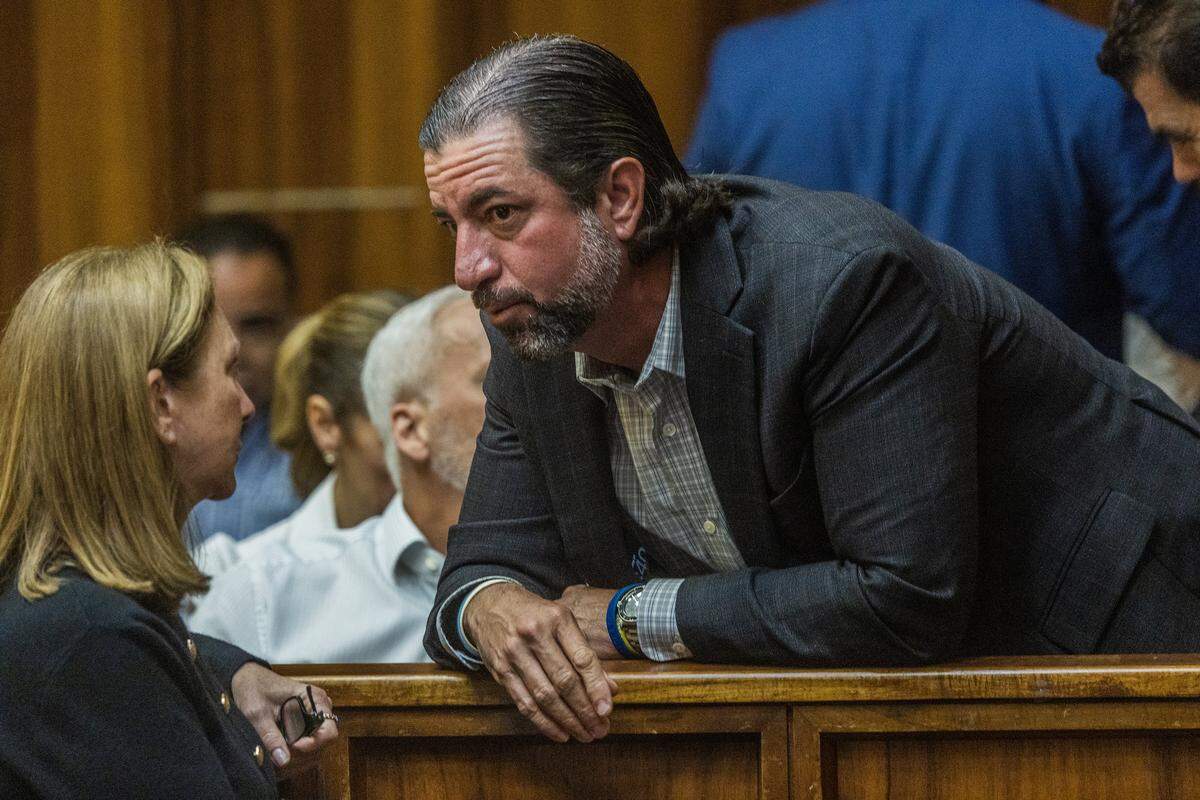
“That’s not just momentarily a lapse of reasoning,” the prosecutor said. “That’s a long time. ... All of this was foreseeable, preventable. A man with his experience ... could have provided the care and safety he owed to these kids, to their parents.”
Crashes on water are more danger than those on land, Adams said. Lucy might have survived her injuries if the incident had happened on land.
“The injuries Lucy Fernandez suffered were not fatal in and of themselves,” Adams said. “If she was not on the water, she’d still be with us.”
Adams likened Pino’s operation of the boat — how he drove fast toward the channel marker, which was visible for 17 seconds and could have been avoided — to playing Russian roulette with a six-shooter revolver pistol. “But, instead of having one bullet in the chamber of the revolver, he had 12 kids on his boat, and he was on a collision course with an object he knew was there,” Adams said.
Tinkler Mendez is expected to hear more motions Thursday morning.
This story was originally published May 27, 2026 at 7:52 PM.







.jpg)
-1.jpg)
-1.jpg)