How investigators, prosecutors bungled probe of boat crash that killed teen girl
READ MORE
Wrecked Justice
The Miami Herald spent more than two years dissecting the 2022 boat crash that killed 17-year-old Luciana ‘Lucy’ Fernandez and critically injured Katerina ‘Katy’ Puig. Herald reporters meticulously reviewed agency reports, spoke to witnesses never contacted by investigators and delved into public records to shine a light on what went wrong in Biscayne Bay, leading to George Pino being charged with misdemeanors, and ultimately, a felony.
Expand All
The clues that alcohol was a factor in a catastrophic boat crash that drowned one teen and permanently disabled another emerged immediately.
The captain, a well-connected Doral real estate broker, admitted to drinking that day. The severely injured girl had a blood alcohol level of nearly twice the legal limit. And investigators the next day found 61 empty booze bottles and cans on the boat, which had been carrying 12 underage girls.
Yet it took less than seven hours for investigators to rule out alcohol as a factor, records reviewed by the Miami Herald show.
Miami-Dade County’s top prosecutor, State Attorney Katherine Fernandez Rundle, and the man who runs the state agency charged with keeping boaters safe, Rodney Barreto, have declined to be interviewed. In public statements, they have praised their teams for “meticulously” reviewing every aspect of the case and gone out of their way to underscore that alcohol was not a factor in this tragedy.
They can’t know that, because their investigators failed to give the boat captain George Pino a sobriety test. It was not a decision made alone by an investigator on the bay that night: He was in touch with his bosses on land and with Fernandez Rundle’s office, which had the power to ask a judge to compel a sobriety test — but did not, records reviewed by the Herald show.
Those records, obtained under Florida’s public records law, reveal a bungled investigation and a State Attorney who resisted more serious charges despite mounting evidence that alcohol was a factor in the tragedy.
Sobriety test? ‘Up to you’
It was supposed to be a day of celebration. George and Cecilia Pino, 54 and 50, were celebrating their daughter’s 18th birthday and invited 11 of her high school girlfriends to join them for an afternoon at Elliott Key, a popular boating spot in Biscayne National Park, before returning to a dinner at the exclusive Ocean Reef Club in Key Largo, where the Pinos are members.
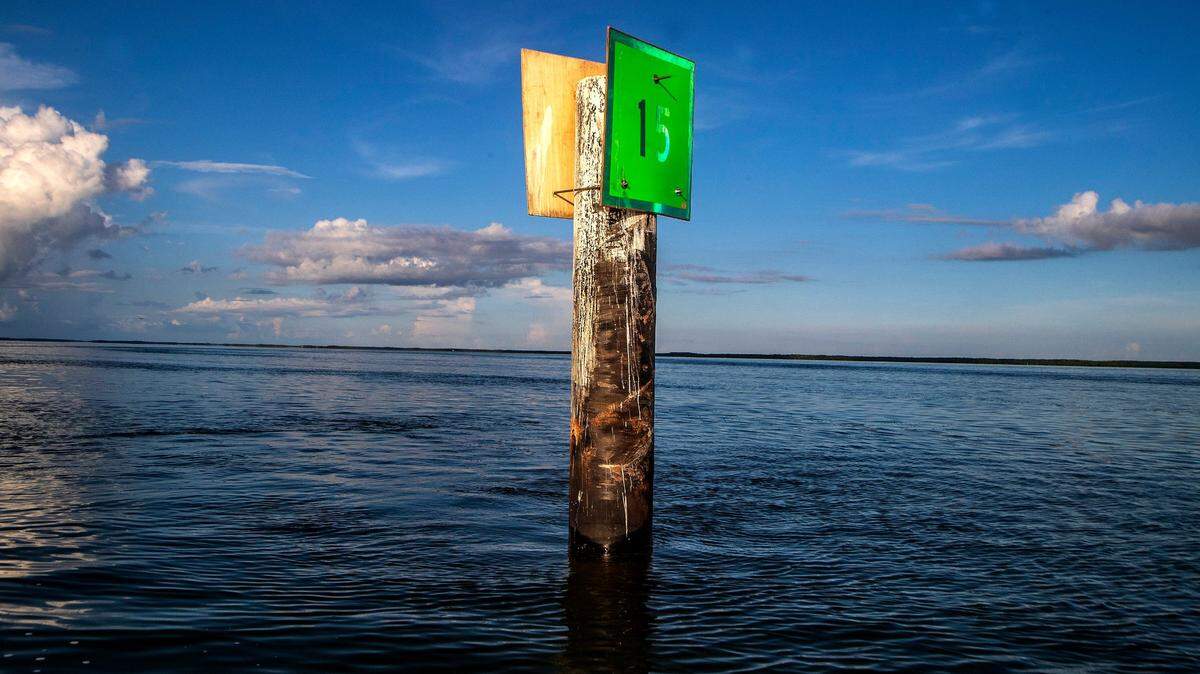
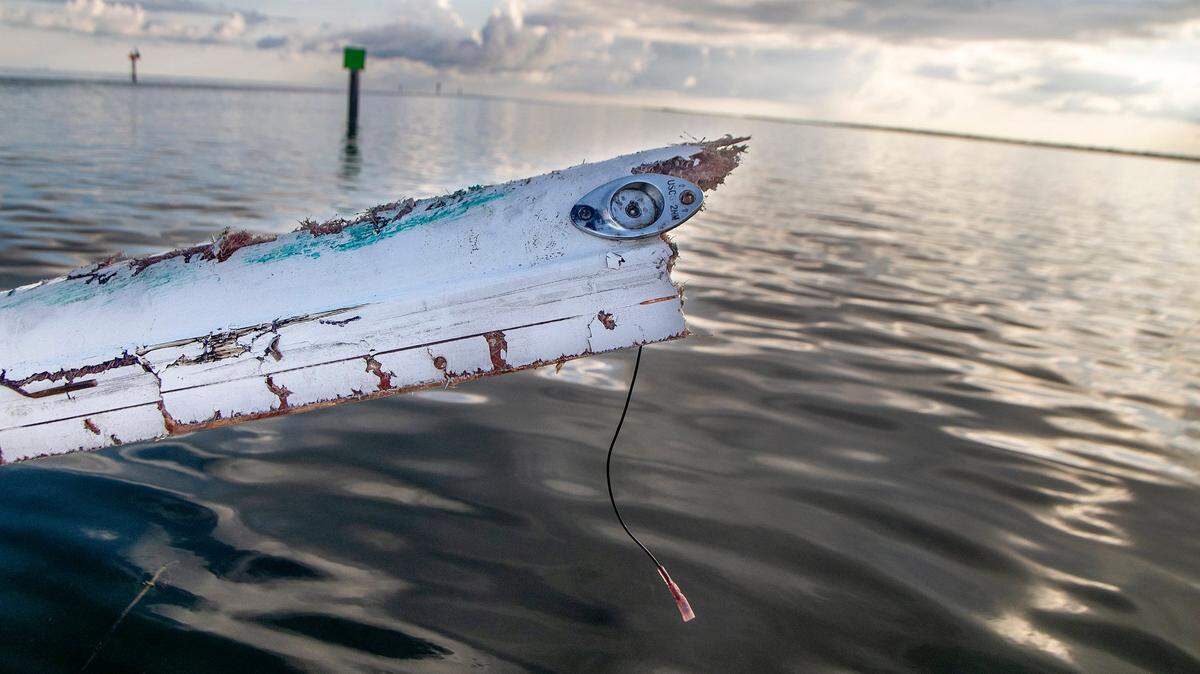
As they were heading back to Ocean Reef on a clear sun-washed evening, Pino slammed his 29-foot Robalo into a concrete channel marker in Biscayne Bay. The boat capsized, all 14 people were ejected and three of the girls were found unconscious in the water.
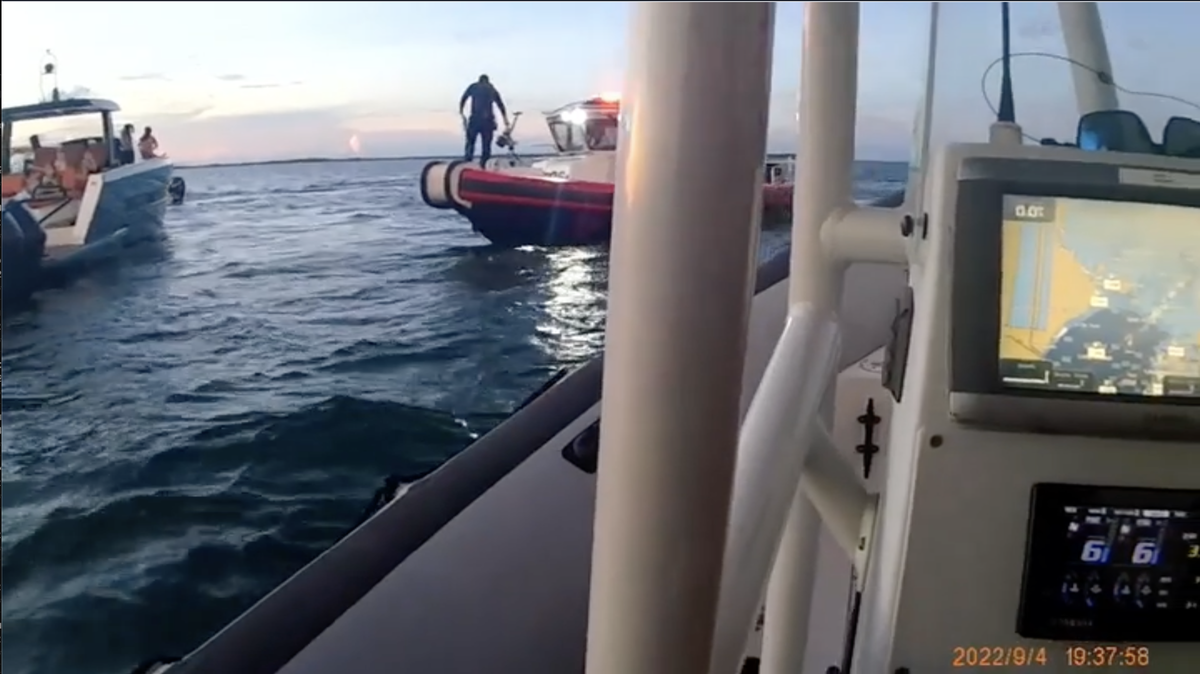
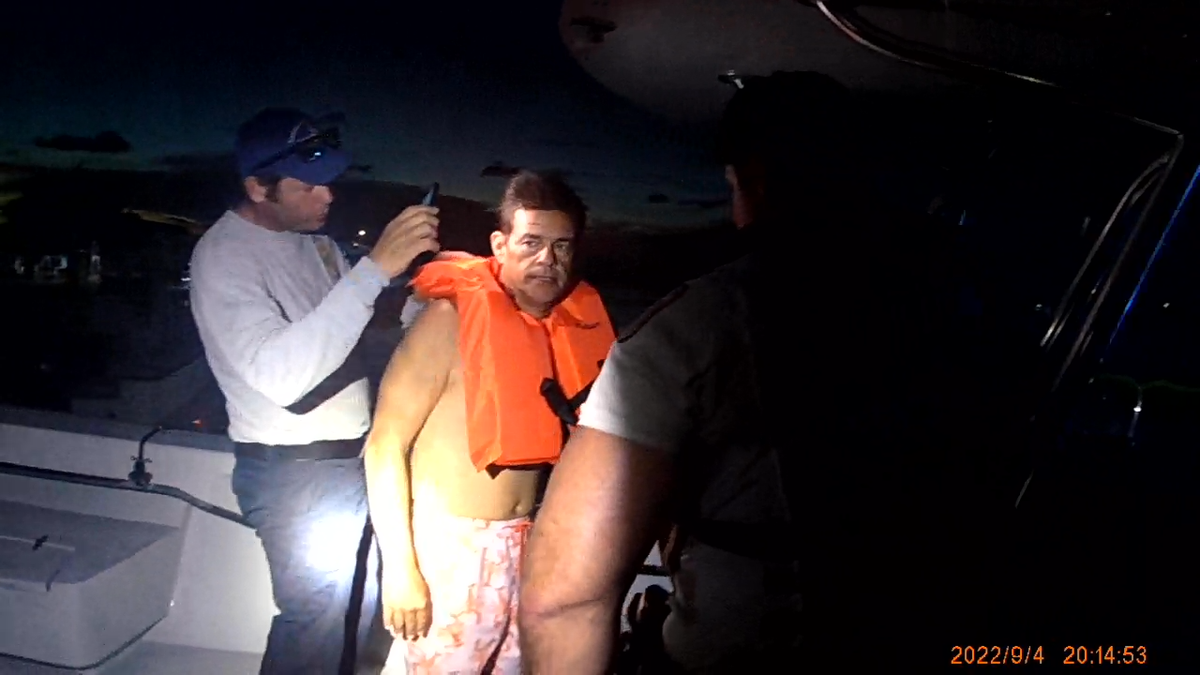
The lead investigator on the case that night said he saw no indication Pino was drunk, though the officers’ body-cam video reviewed by the Heraldreveals Pino telling him he had “two beers.”
FWC officerWilliam Thompson asked Pino if he’d take a sobriety test, but did not press him. In fact, the first thing Thompson said to Pino after he told him he had two beers was, “It’s not illegal to drink a couple beers and drive [a boat],” the body cam footage shows. Thompson also told Pino the test was “voluntary” and “It’s up to you completely.”
When Pino declined to have his blood tested for alcohol, the FWC did not urgently contact the State Attorney’s Office, which has a prosecutor on call 24/7 to help officers get a search warrant, arrest warrants and court orders for evidence. The second page of a State Attorney Office’s slideshow for the FWC on vessel homicides gives the hotline number for the prosecutors.
Email records obtained by the Herald show that Laura Adams, the State Attorney’s chief of traffic and vessel homicide, was included in communications about the investigation in the hours immediately after the incident. She could have advised investigators to get a warrant for a Pino blood alcohol test. In an email Wednesday to the Herald, the State Attorney’s Office said, “It was not asked to respond or assist in getting a warrant.”
Thompson was also regularly communicating from the scene with his FWC superiors on land, a Herald review of emails and the officers’ body-cam video shows. They, too, could have insisted on getting a warrant. They did not.
Thompson did not respond to the Herald’s emails seeking comment. The State Attorney’s Office also declined to comment about the case: “Due to the fact that this is an ongoing criminal prosecution, it would be inappropriate to address any further matters related to this prosecution,” the agency said in an email to the Herald Wednesday.
Pino’s defense attorney, Howard Srebnick, has said the crash was a tragic accident and the empty booze containers found on Pino’s boat stemmed from five boats tied up that day on Elliott Key.
The FWC would not make Barreto, 67, a longtime lobbyist who chaired the South Florida Super Bowl Host Committee three times, available for an interview with the Herald. Instead, the agency forwarded Barreto’s statement to the Herald from August reiterating how the FWC did not have probable cause to conduct a sobriety test on Pino.
“The FWC investigation was conducted by highly trained professionals who meticulously followed established protocols to gather all evidence, interview relevant witnesses, and consult with subject matter experts,” the FWC said in the statement. “The investigation’s findings were based on factual data, including GPS records, witness statements, and forensic analyses, which were documented and reviewed in collaboration with the Miami-Dade State Attorney’s Office.”
Edward O’Donnell, a Miami criminal defense attorney, said investigators could have sought a warrant to compel a blood alcohol test in “an abundance of caution.”
“They are not allowed to take blood just because they want to, but they always find enough signs they can cite to allow them to get the blood when there’s a death and [obvious] that some drinking has been going on,” he said.
Despite no sobriety test of Pino, it took less than seven hours for Thompson, a certifieddrug recognition expert,to rule out alcohol as a factor in the crash, which occurred at 6:37 p.m. on Sept. 4, 2022, the Sunday of Labor Day weekend. Shortly after midnight, at 1:06 a.m., Thompson emailed a one-page document, known as the FWC’s 24-hour report, to his supervisor, FWC emails show.
The document asks whether the crash was alcohol related, and officers can check one of three boxes: Yes, No or Unknown.
Thompson checked “No.”
12 underage girls and 61 empty booze cans
The next day brought a literal pile of evidence of alcohol’s involvement, but the FWC and prosecutors withheld that information from the public for months.
The day after the crash, Labor Day 2022, FWC investigatorspulled Pino’s boat from the bay and found 61 empty alcohol bottles and cans, including Coronas, Truly Hard Seltzers and Bud Lights. Also found: an empty bottle of La Marca Prosecco and a half-drunk bottle of Chambord raspberry liqueur.
One of the girls on the boat, months later, would tell investigators the boat was stocked with alcoholic drinks when the group set out from Ocean Reef to Elliott Key, around three and a half hours before the crash. The 17-year-old also said she saw Pino drinking at Elliott Key.
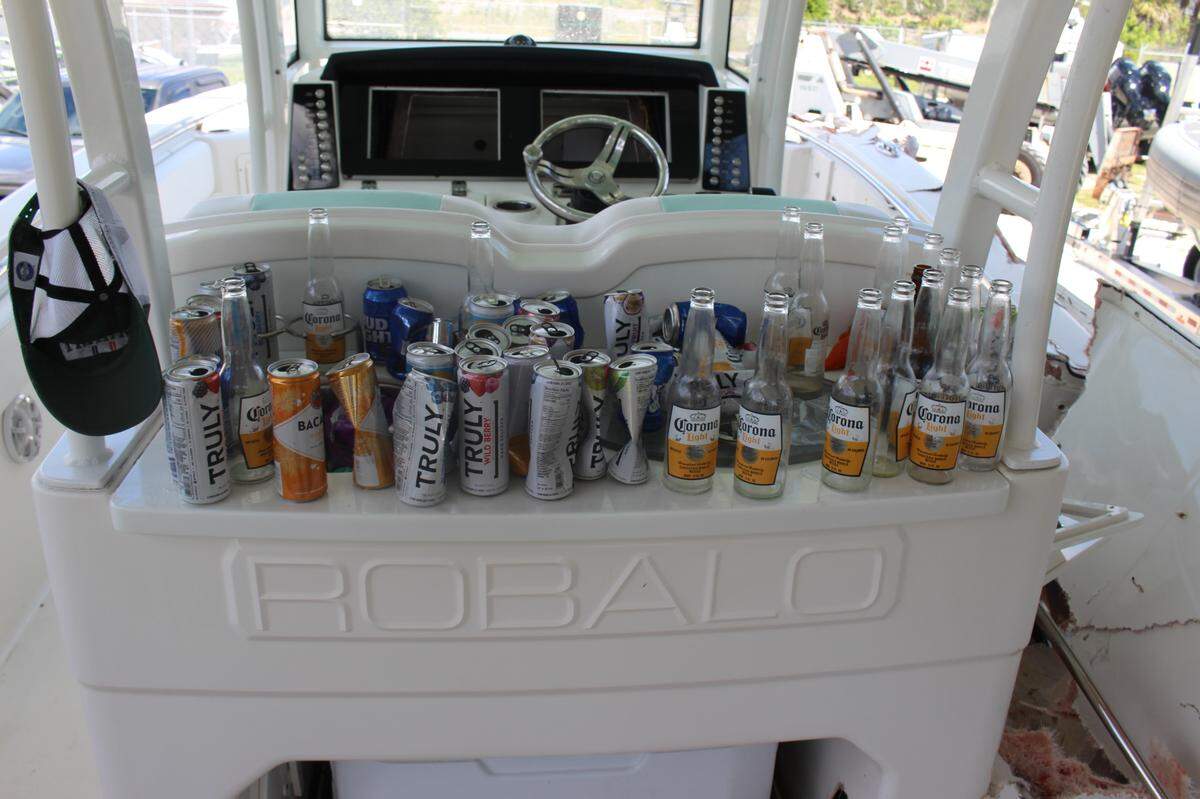
Pino’s acknowledgment that he had been drinking is nowhere in Thompson’s final report of the crash.
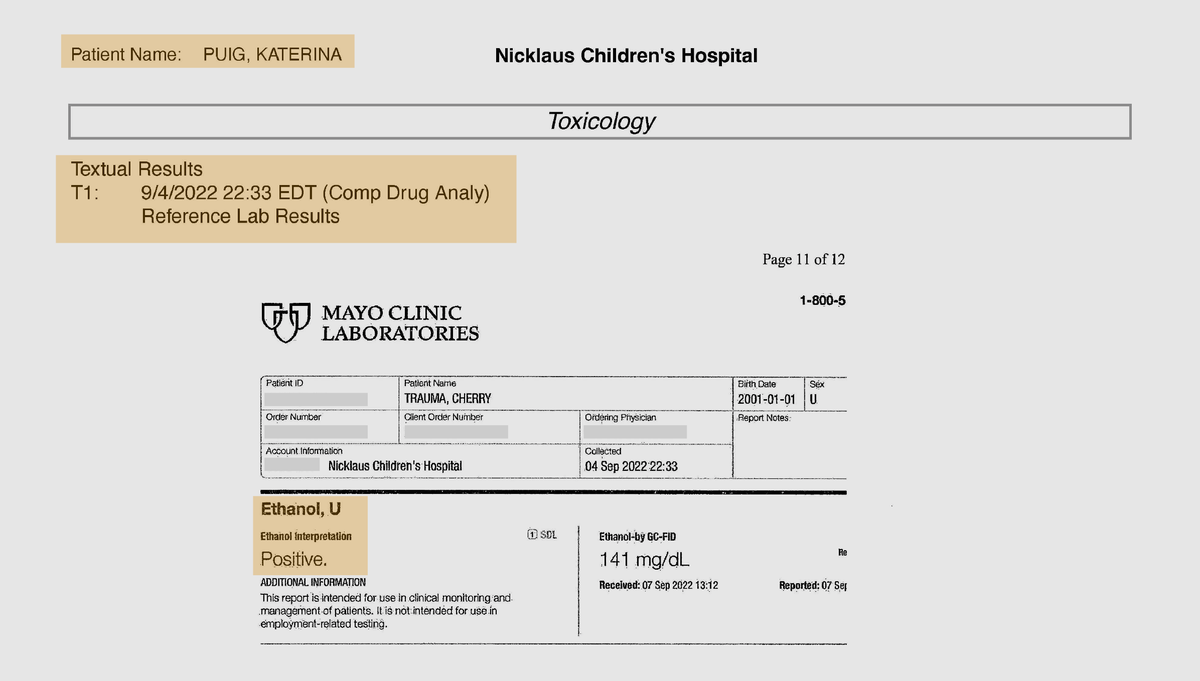
Records confirmat least one of the girls was drinking heavilythat day. Katerina ‘Katy’Puig’s toxicology report from Nicklaus Children’s Hospital in Miami, where she was airlifted to the night of the crash, shows her blood alcohol level was almost twice the .08% legal limit for driving. Her test was taken at 10:33 p.m., four hours after the crash that left her with a traumatic brain injury.
Katy, who was 17 at the time of the boating accident, is permanently disabled and has been undergoing intensive physical therapy to relearn how to walk.
Ivan Cabrera, the attorney representing Katy’s family in a civil suit they filed against the Pinos, said in the suit that Pino and his wife “purchased copious amounts of alcohol” for the outing, and three minors, including Katy, “consumed enough alcohol to intoxicate a small army.”
The Sept. 18, 2023, court filing adds that the Pinos drank with Katy “to the extent all of her normal faculties were impaired, then allowed her to board a vessel which was unsafe for a multitude of reasons, not the least of which are that the operator of the subject vessel had consumed alcohol to the extent that his normal faculties were impaired which is evident by the fact that he hit a channel marker which was clearly visible…”
The Puigs, the Pinos, Hudson Excess Insurance Company and Citizens Property Insurance Corp. are in litigation over who will pay a $16 million court-ordered settlement in the civil suit. (The Fernandez family has not sued.) A judge sealed George Pino’s settlement, which was separate from his wife’s.
In a statement Thursday to the Herald, Srebnick, Pino’s attorney, explained how the empty booze containers wound up on Pino’s boat:
“The collection of 61 bottles reflects that George’s boat was properly disposing empty containers consumed by a five-boat, 36-person, flotilla at Elliott Key, celebrating the birthday of George’s daughter.”
“Multiple trained officers and first responders observed that George was not intoxicated. None of the charges brought by the state allege that alcohol was a contributing factor in the accident.
“George did not exceed any posted speed limit. This was a tragic accident during which George sustained a head injury that rendered him unconscious until he came to. With blood gushing from his head and leg, George dove under the boat to attempt to rescue the injured passenger.”
FWC violated its own training
The man who oversees the state agency that investigated the crash, FWC chair Barreto, told the public his officers had no probable cause to forcibly test Pino for alcohol.
Records obtained by the Herald through Florida’s public records law cast doubt on that position.
Those records show that FWC officers are trained to pursue sobriety tests of captains in crashes involving death or severe injury, and to reach out to on-call prosecutors and judges to secure warrants for those who do not voluntarily comply.
“Treat every accident investigation as criminal until [it’s] not … Because most times you only get one shot!” reads a key passage from a 2024FWC training presentation of boating investigations, one of scores of documents reviewed by the Herald.
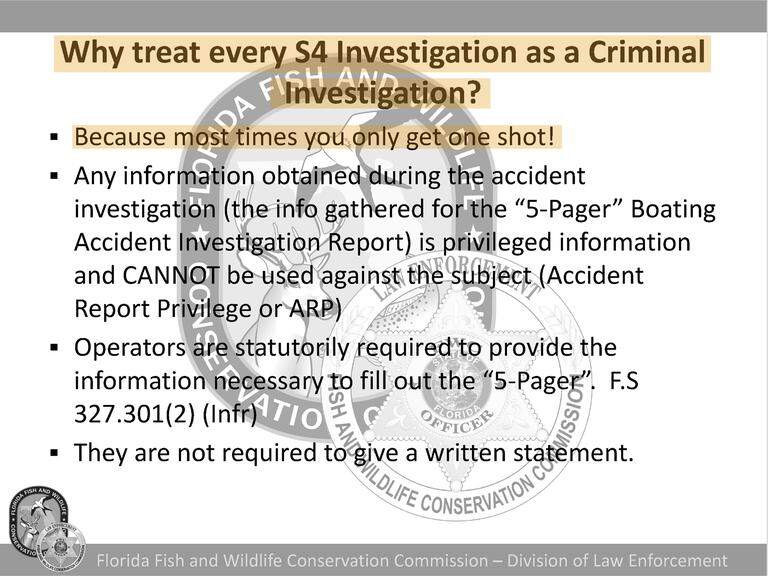
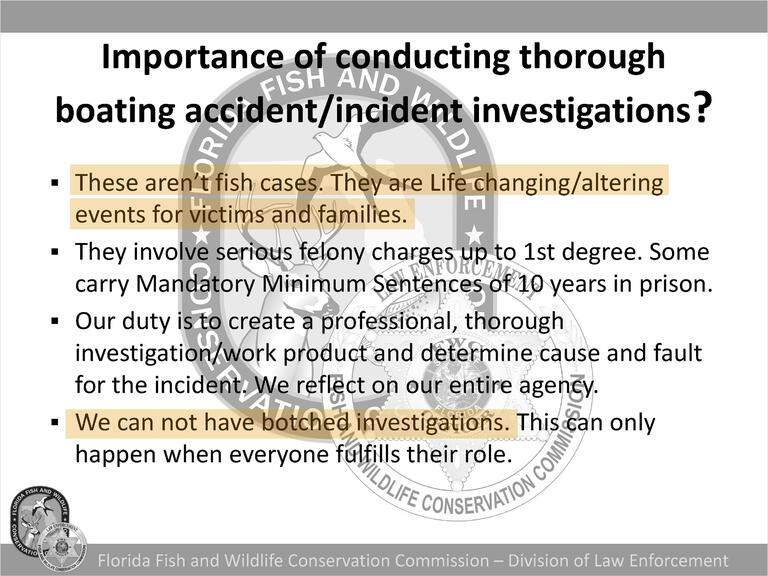
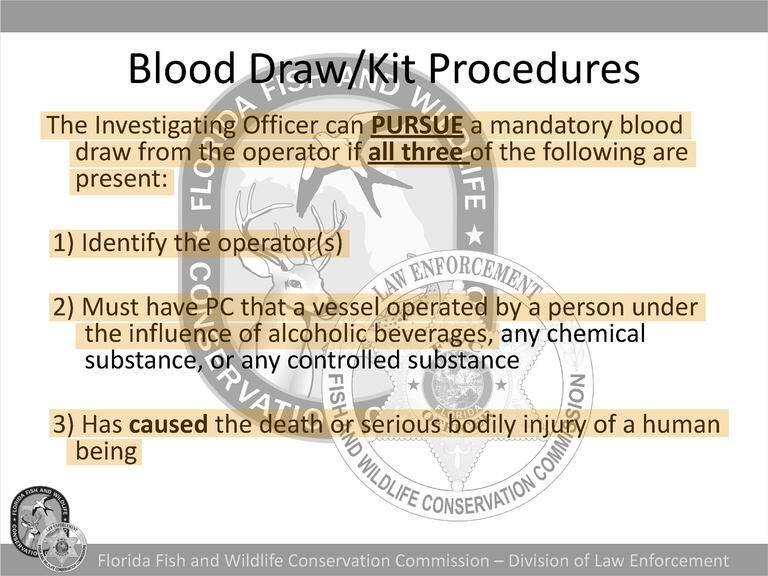
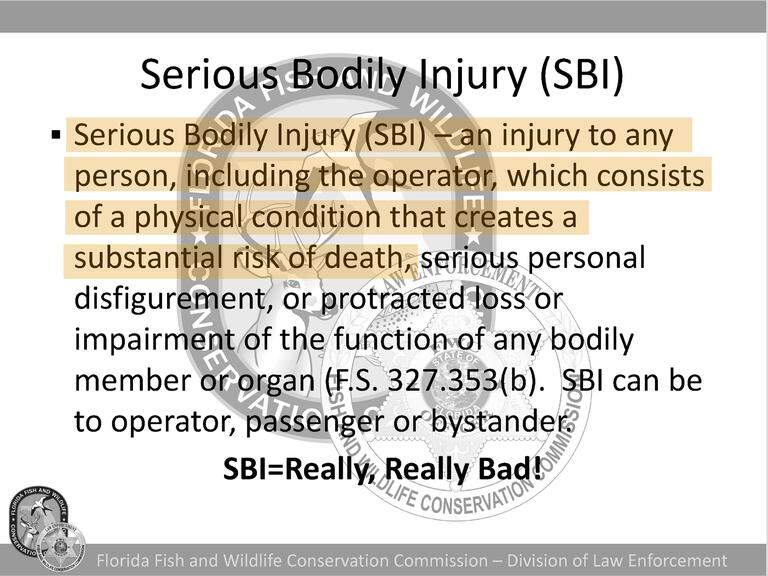
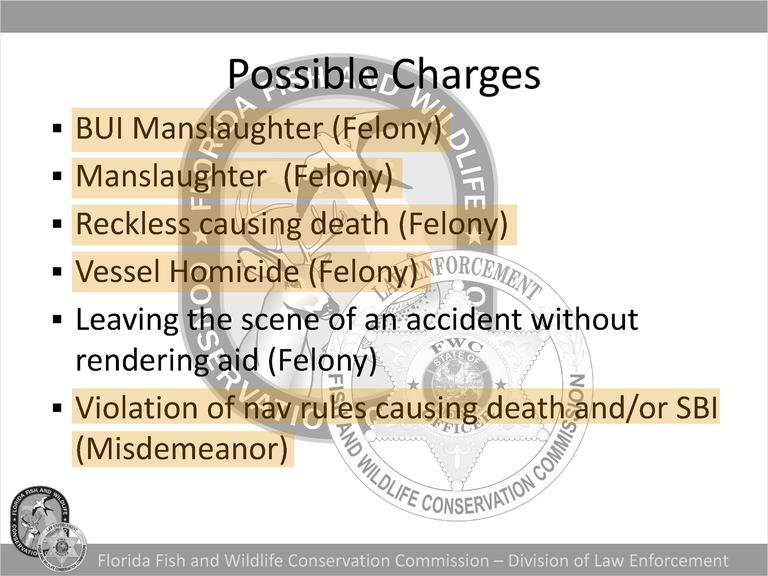
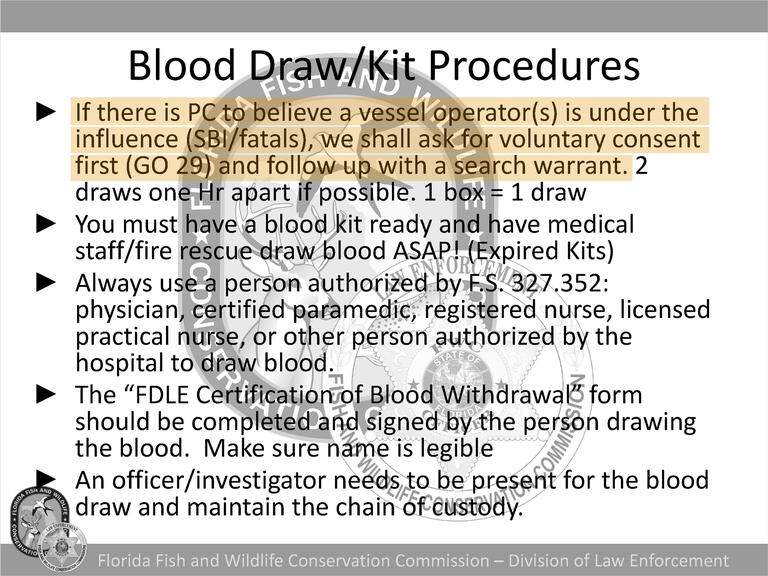
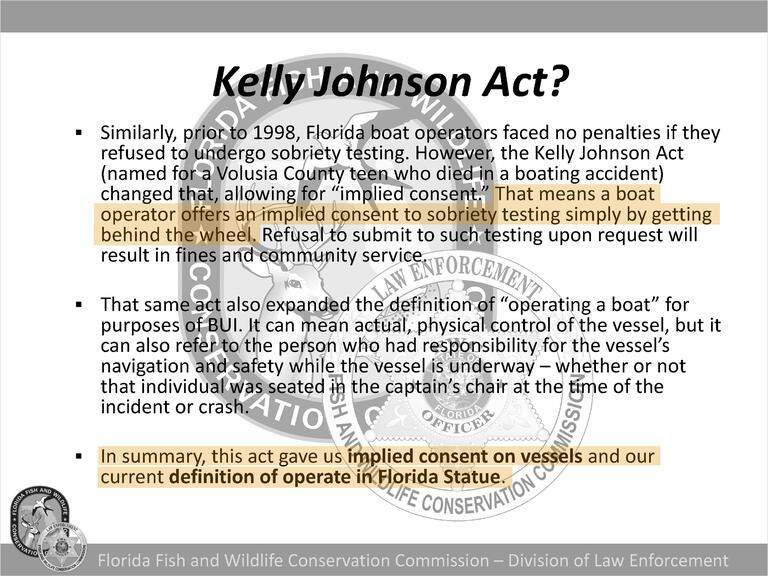
That guideline is forcefully echoed in another training slideshow, this one prepared by the Miami-Dade State Attorney’s Office for the FWC in 2023. The slideshow notes it’s not difficult to get a search warrant and it provides the FWC with a template for a search warrant affidavit where only the names and key facts have to be pasted in.
“WHEN IN DOUBT, GET THE BLOOD!” is a mantra that appears throughout the slideshow — including the last line of the 52-page presentation, titled “Search Warrants In Vessel Homicide Investigations.” And get that warrant quickly, the slideshow presses, because alcohol levels dissipate over time in the body.
None of this happened with Pino, despite the catastrophic injuries and young victims involved.
Three minor charges
Authorities spent nearly a year on the investigation, releasing a final report in August 2023, and concluding that Pino deserved three misdemeanor charges of careless boating, one for each of the girls most seriously injured that day: Luciana ‘Lucy’ Fernandez, 17, who was trapped under the boat and drowned; Katy Puig, 17, the girl who is relearning how to walk; and Isabella Rodriguez, 16, who suffered a head injury and brain bleed.
In defending the charges, FWC Chairman Barreto told the Herald:
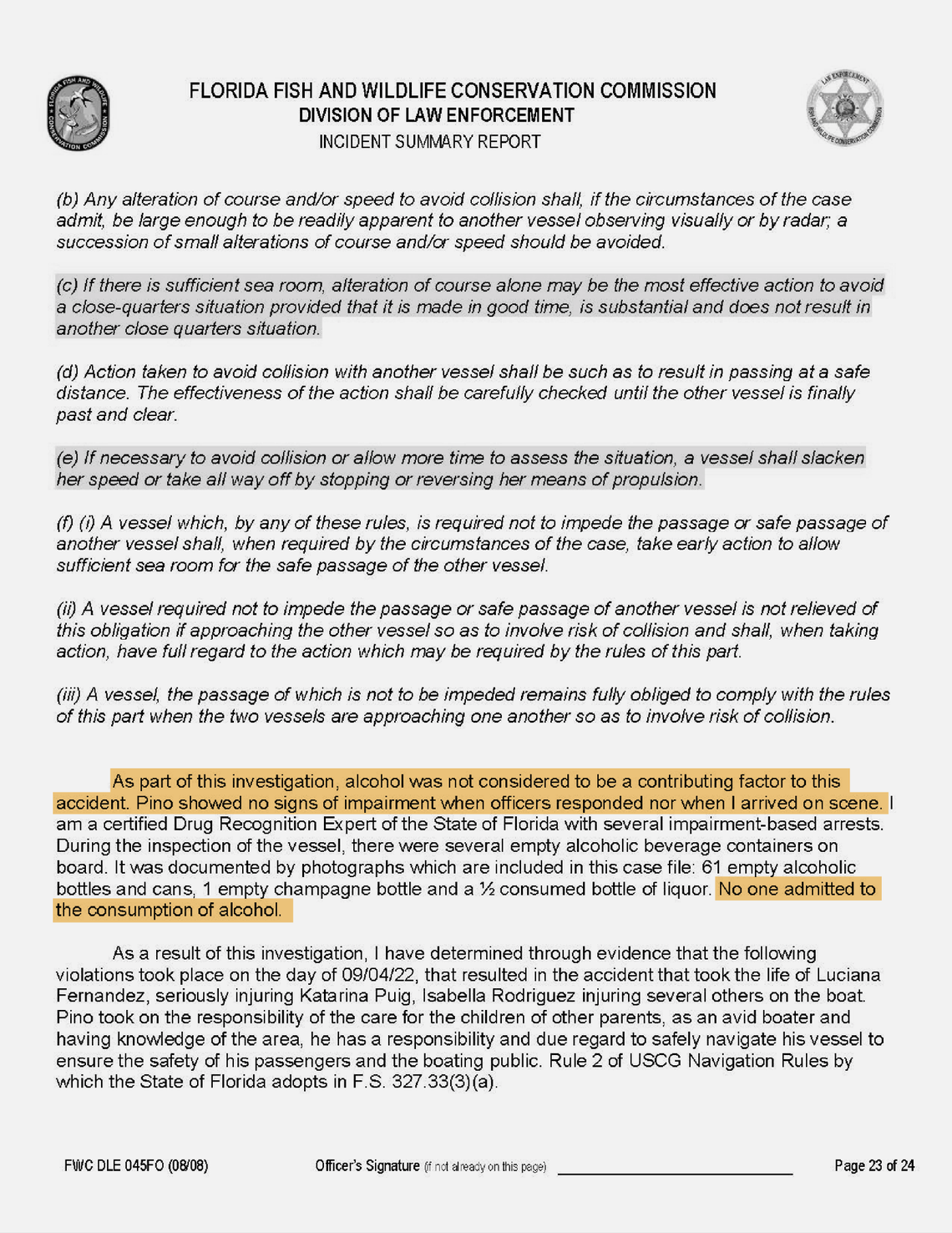
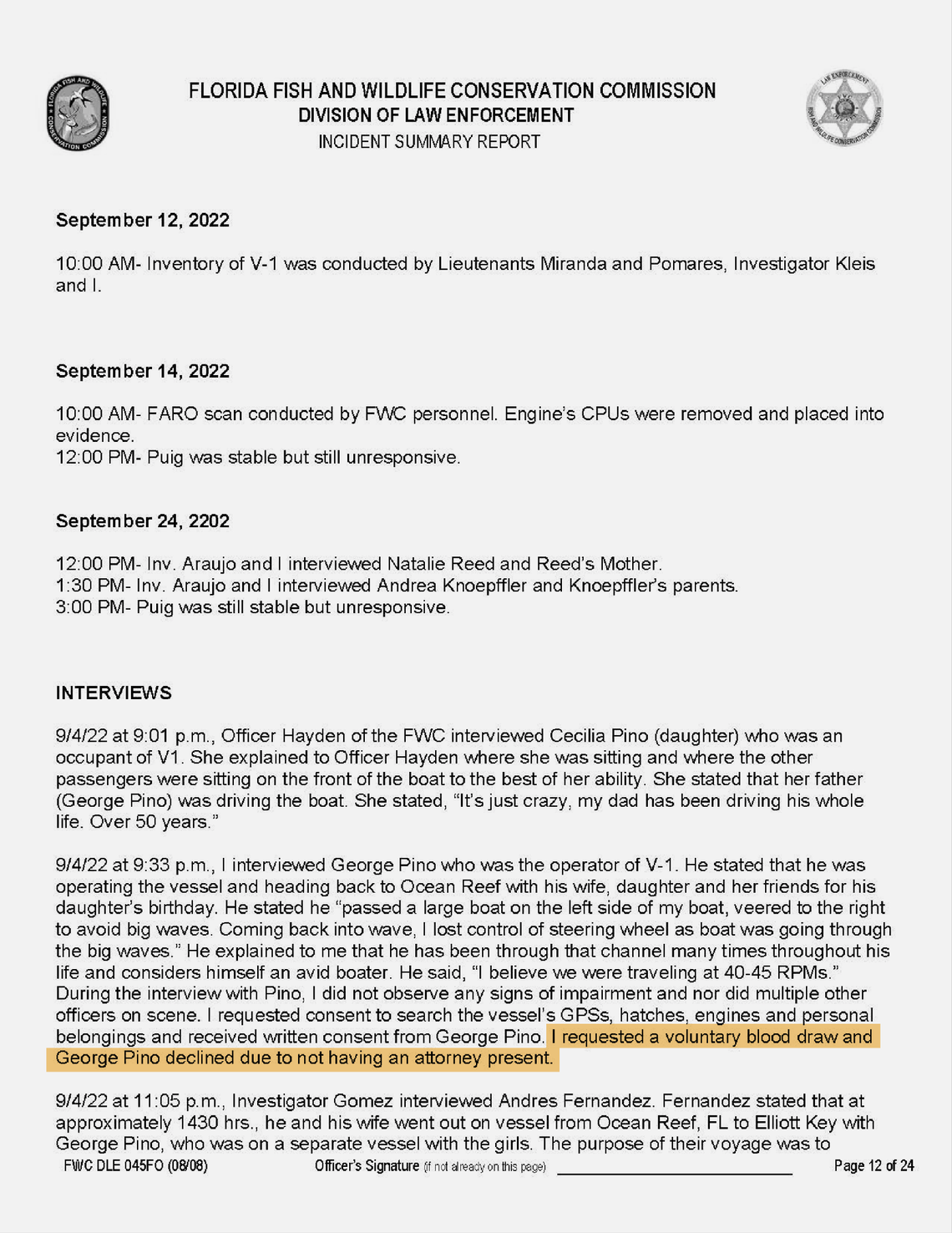
“The law does not enable our officers to compel a blood draw or breath test without probable cause,” Barreto said, noting that his investigator saw no signs of impairment and “No one admitted in interviews to consuming alcohol.”
In fact, it appears investigators did have probable cause, according to best practices in the FWC’s and State Attorney’s Office’s training manuals, which list significant injuries and deaths as probable cause for a blood draw. And at least two people interviewed by FWC investigators admitted consuming alcohol: a 17-year old girl on the boat and George Pino himself.
Did not investigate whether Pino misled authorities
Pino told investigators the wake from a larger, oncoming boat in the channel caused him to lose control of his boat and crash into the green concrete channel marker, #15, the last in the channel, at approximately 45 mph.
Multiple pieces of evidence contradict his account and investigators themselves did not believe it.
According to Thompson’s report, none of the witnesses interviewed corroborated Pino’s narrative, a photograph taken by a boater on the scene within minutes of the crash showed no evidence of a boat coming at Pino, and GPS data from Pino’s boat showed no sudden changes in direction — or any turns at all — for one mile before the collision.
The FWC and prosecutors did not investigate whether Pino was lying to authorities.
In Florida, providing law enforcement with false information related to a crime is a first-degree misdemeanor. The information must be communicated orally and corroborated by an audio recording, a written statement or a witness, the law states.
Pino met those standards: He told investigators about the alleged boat coming toward him and provided a written statement.
“You can certainly be charged with obstruction of justice if you lie about a material piece of evidence,” said Lawrence Kerr, a longtime Miami criminal defense attorney.
Key witnesses never interviewed
From the beginning, the FWC and State Attorney’s Office told the public and the Fernandez and Puig families that they conducted a thorough investigation.
But neither the FWC nor prosecutors took detailed statements from key witnesses on the scene immediately after the crash, who described Pino’s actions far differently from what the FWC did. The FWC investigation describes him rescuing girls in the chaotic moments after the crash. Three eyewitnesses spoke of coming upon a dazed Pino clinging to the hull of his overturned boat, Lucy’s body trapped underneath. (An autopsy by the Miami-Dade Medical Examiner found no alcohol or drugs in her system.)
After the Herald published the accounts of the three witnesses, another witness came forward, Miami-Dade Fire Rescue firefighter Matthew Smiley. Smiley, after reading the Herald’s stories, talked to prosecutors. He told them he was among the first of the responders at the scene, and that when he pulled Pino from the water, he appeared intoxicated.
The veteran firefighter’s assessment of what he saw prompted prosecutors to reexamine the case and conclude they had enough to charge Pino with felony vessel homicide, more than a year after they charged him with the three misdemeanor careless boating counts, sources told the Herald. If convicted of the felony, Pino could face up to 15 years in prison and a $10,000 fine.
Both the first witness, a charter boat captain who gave a sworn statement to prosecutors in June, and the firefighter were put in contact with the State Attorney’s Office by the attorney for the Fernandez family, Joel Denaro.
But even then, and despite the mounting evidence, Fernandez Rundle hesitated to go beyond the misdemeanor charges.
Tension in State Attorney’s Office
A review of text messages between the State Attorney’s Office and the FWC show the two agencies early on agreed that the crash did not warrant felony charges.
Four days after the crash, the agencies were already contemplating misdemeanor charges, according to a text conversation between Fernandez Rundle and FWC Lt. Col. Alfredo Escanio, the deputy director of the south region.
Escanio asked Fernandez Rundle for contact information for the chief of the misdemeanor section at the State Attorney’s Office. She provided it and noted the chief would be expecting the FWC’s call.
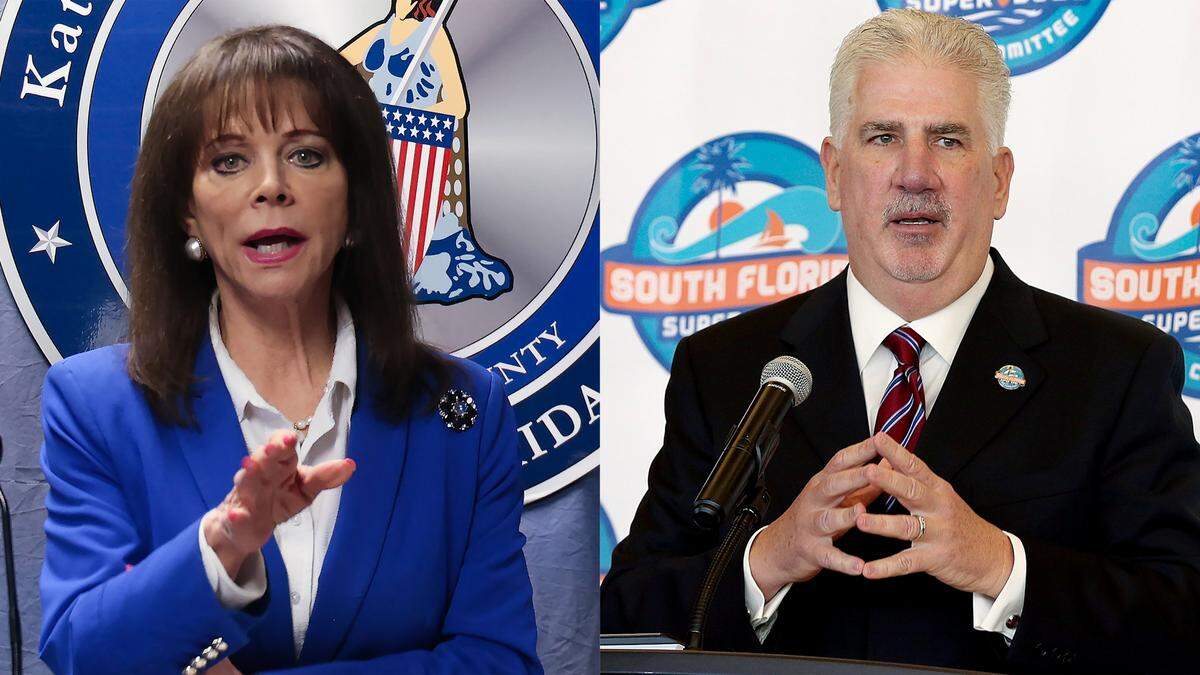
The State Attorney also resisted filing a more serious reckless boating charge.
FWC Major Alberto Maza, responding to an email from Baretto about the investigation, said in his email “…FWC was not able to prove reckless. State attorney said we did not have enough (went with careless).”
Careless boating, a second-degree misdemeanor, carries a penalty of 60 days in jail and a $500 fine. Reckless boating, a first-degree misdemeanor, carries a penalty of up to a year in jail and a $1,000 fine.
The State Attorney’s Office had its own internal spats about Pino’s initial misdemeanor charges.
Fernandez Rundle and Adams, the lead prosecutor on the Pino case, had a heated text message exchange on Sept. 18, when the State Attorney’s Office was weighing charging Pino with a felony. The text thread was heavily redacted, but shows Fernandez Rundle was hesitant.
She expressed concern about not giving the families false hope.
“It’s about making families feel so distressed and putting them on a roller coaster,” Fernandez Rundle texted to Adams.
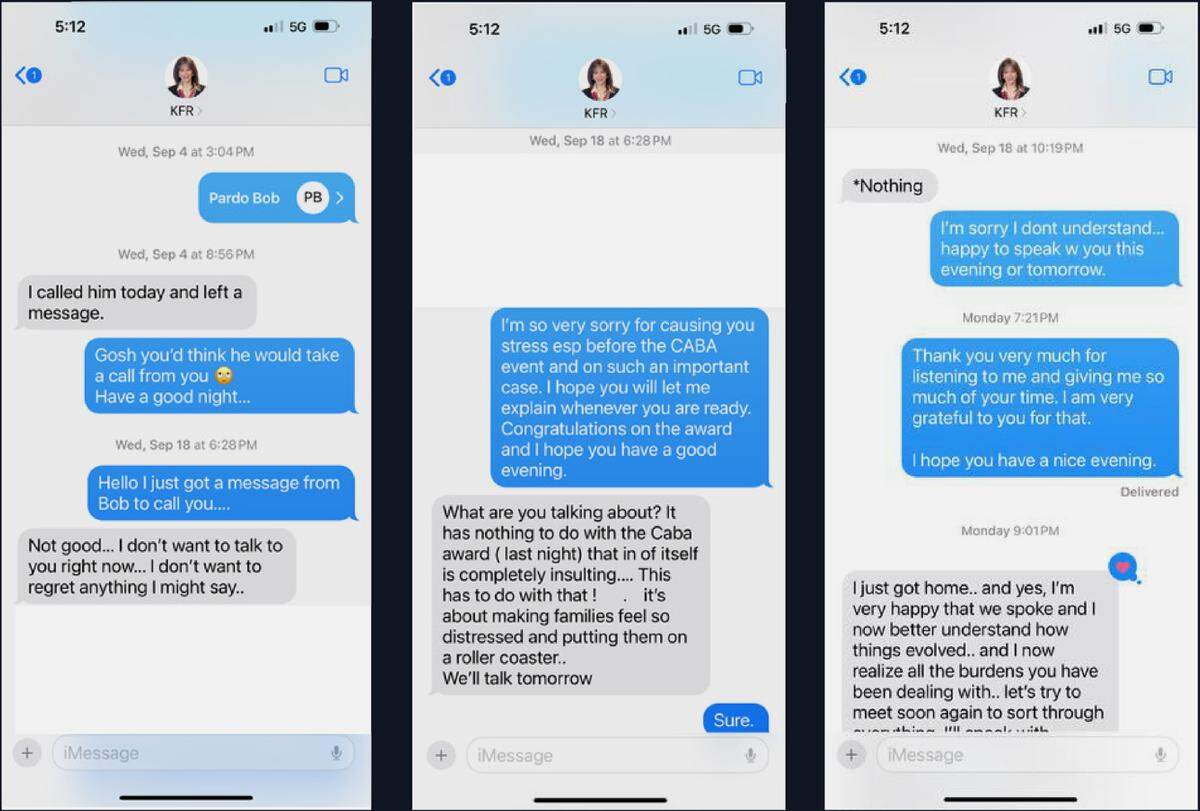
The next day, Sept. 19, Adams, a prosecutor of three decades, resigned from the office. On Oct. 8, Adams walked back her resignation in writing: “...I ask most respectfully that you allow me to withdraw the submitted resignation letter and to continue doing a job I love – as difficult as that job can be at times.”
An email that Ed Griffith, a spokesperson for the State Attorney’s Office, sent to the Herald Wednesday denied any discord: “The State Attorney and Assistant State Attorney Laura Adams were not at odds on the charging decision related to the case of George Pino.”
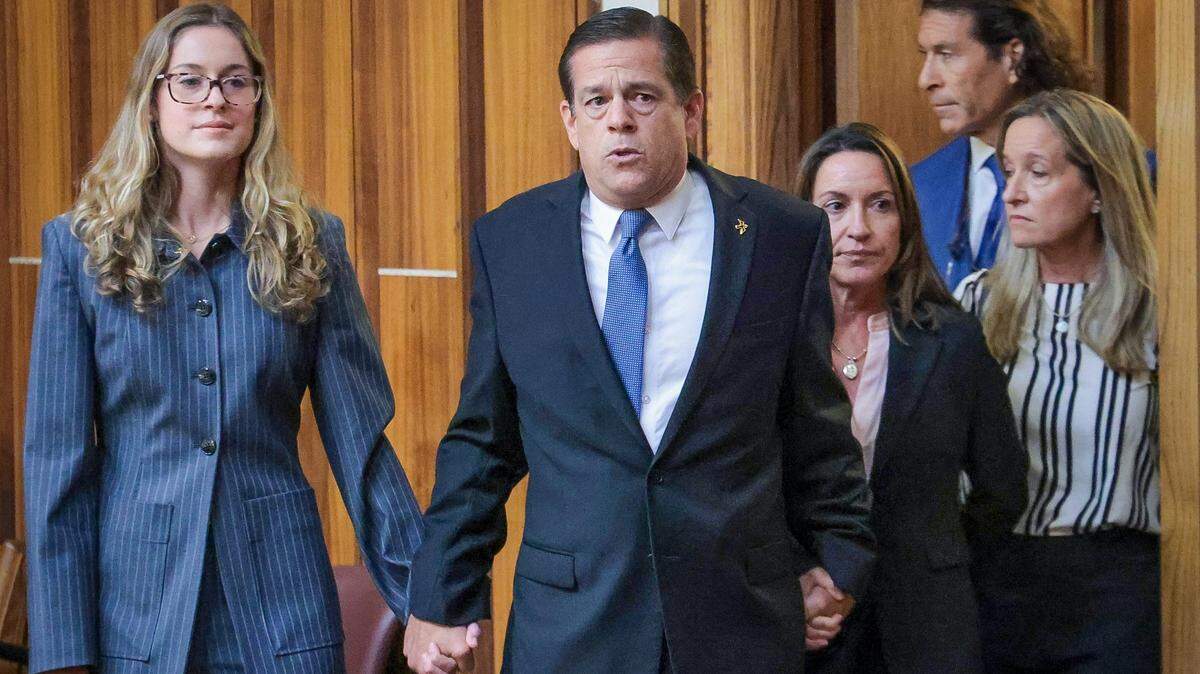
Prosecutors charged Pino with vessel homicide slightly more than three weeks later on Oct. 31. Pino, who has pleaded not guilty, was booked into jail and quickly released without having to post a bond, unusual for a felony case, legal experts say.
Pino’s attorney, Srebnick, said after the new charge that he wants the State Attorney’s Office to “understand that this was just an accident.”
“There was no crime committed here,” Srebnick said.
Not testing Pino for alcohol may hinder the prosecutors’ case against Pino, said Chris Pearson, a former Key Biscayne marine patrol officer, as well as attorneys following the case.
“It’s a huge tragedy and …it’s gonna be hard for justice to be done here because of the lack of testing and proof that he was impaired,” Pearson said.
Concluded Jack Hickey, a veteran Miami maritime lawyer: “It’s a sad situation, but the State Attorney has rethought the case, probably because of public outcry and the press shining the light on the facts.”

This story was originally published December 20, 2024 at 10:45 AM.
-1.jpg)
-1.jpg)