Miami-Dade cop suggested FWC should do alcohol test at Pino boat crash scene, testimony shows
READ MORE
The investigation into 2022 boat crash that killed a high school student
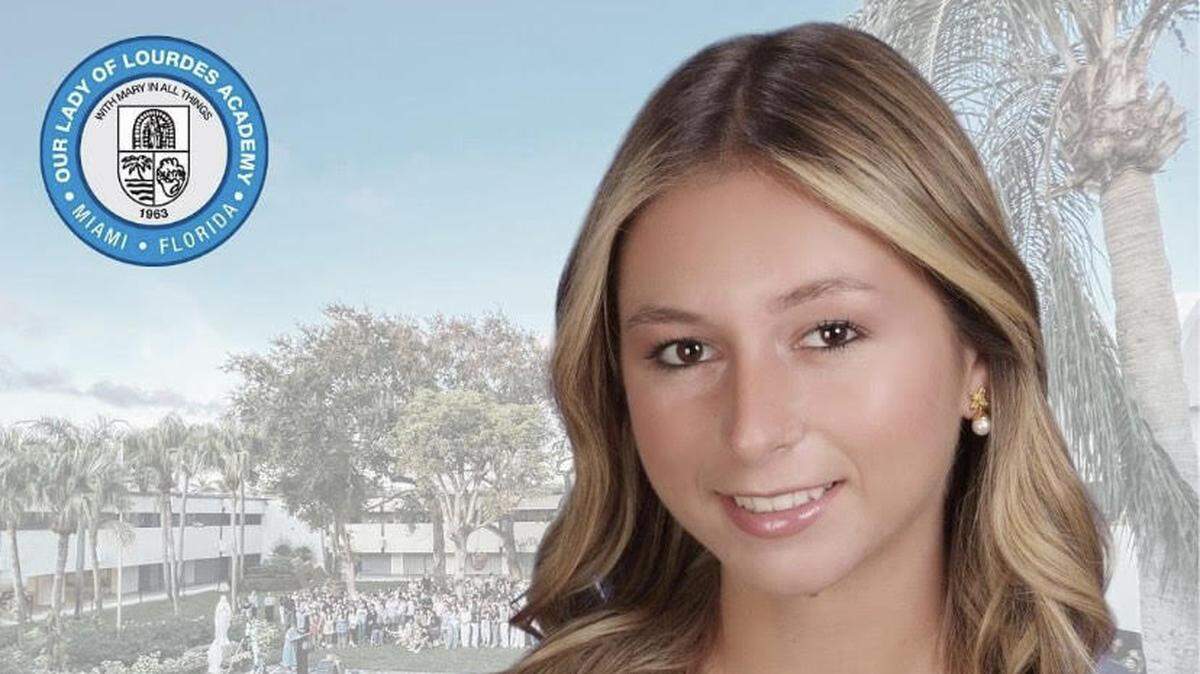
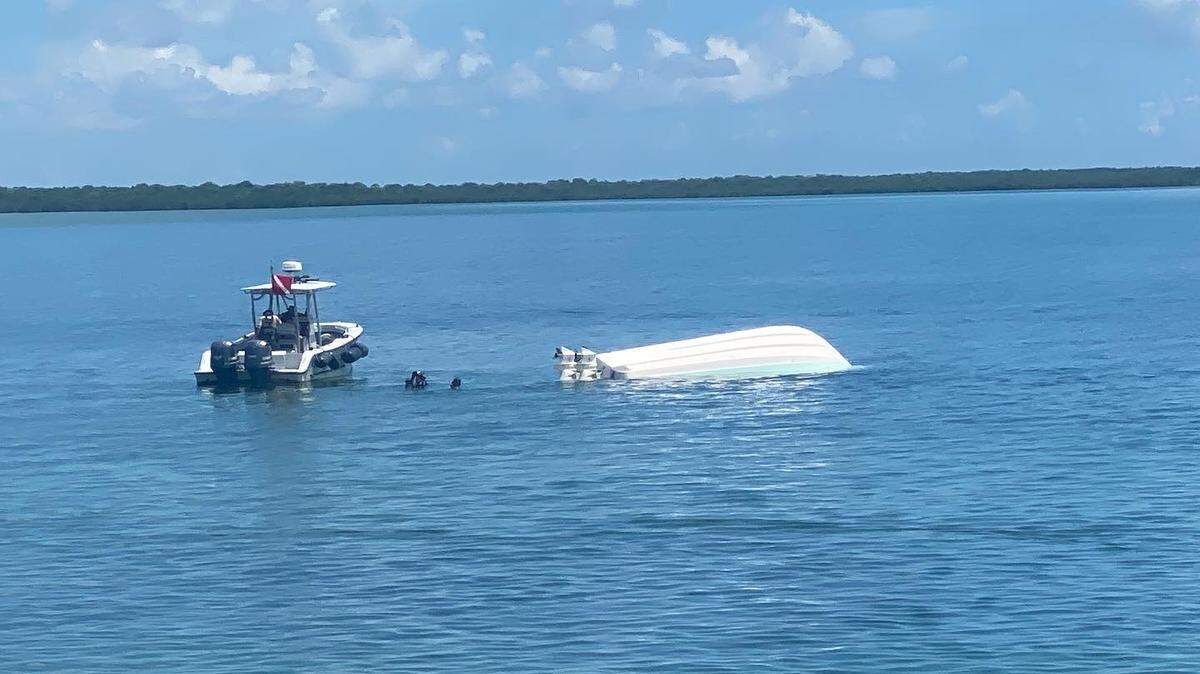
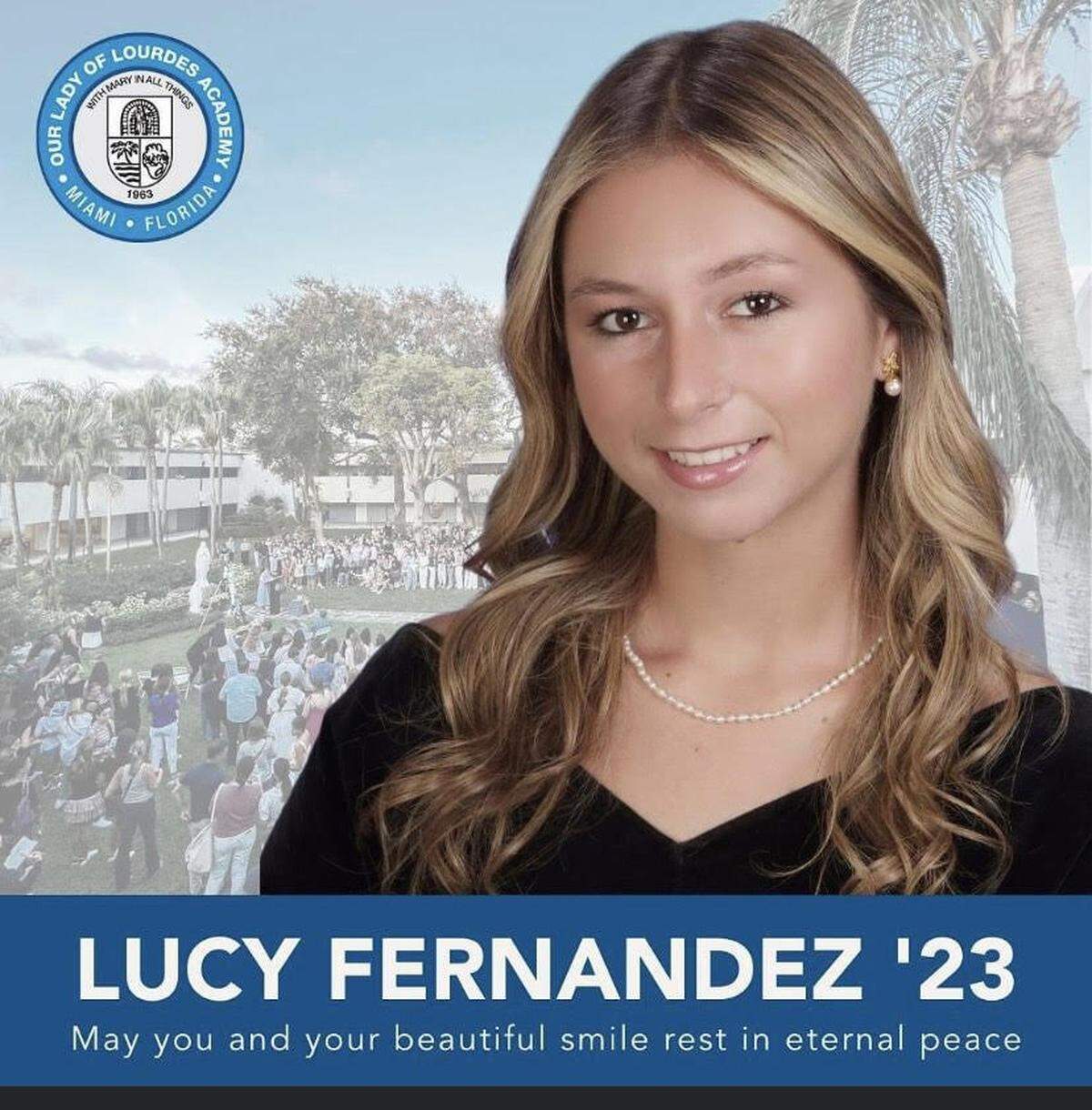
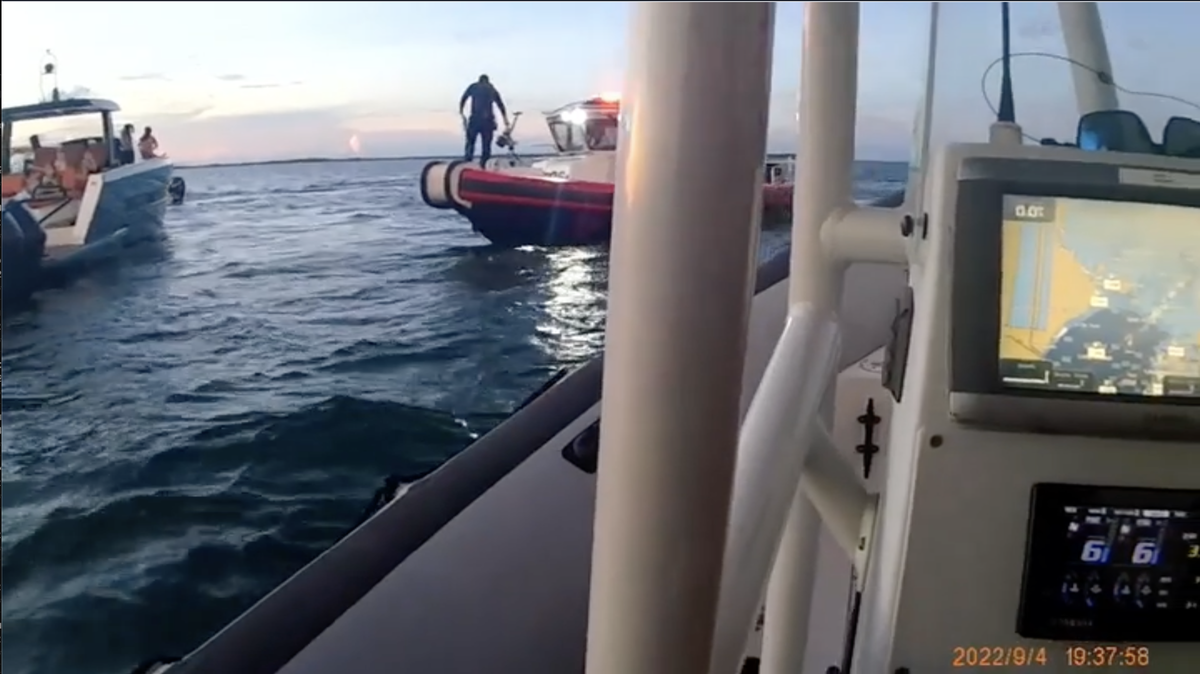
On Sept. 4, 2022, a boat operated by real estate broker George Pino crashed in Biscayne Bay, killing 17-year-old Lucy Fernandez.
Expand All
A Miami-Dade detective who was on the scene of the Biscayne Bay boat crash that killed a teen girl told a state police officer investigating the crash they could test the vessel operator, George Pino, for alcohol, noting the agency could invoke an emergency situation and do it “right now,” according to court documents obtained by the Miami Herald on Thursday.
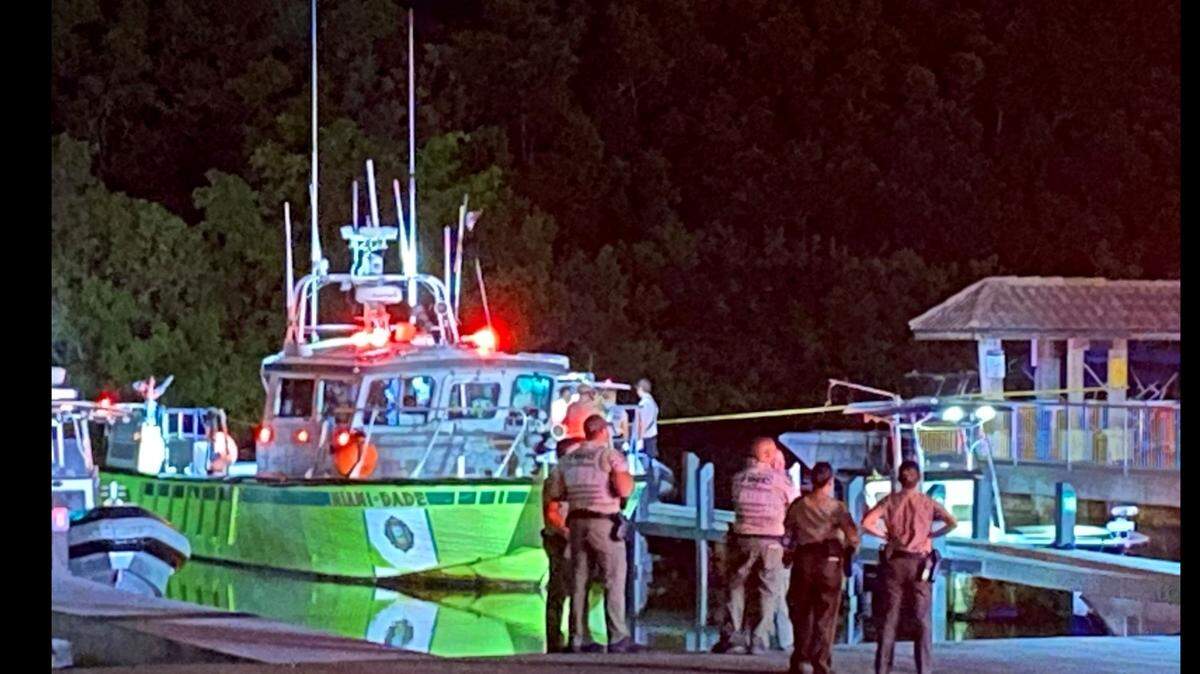
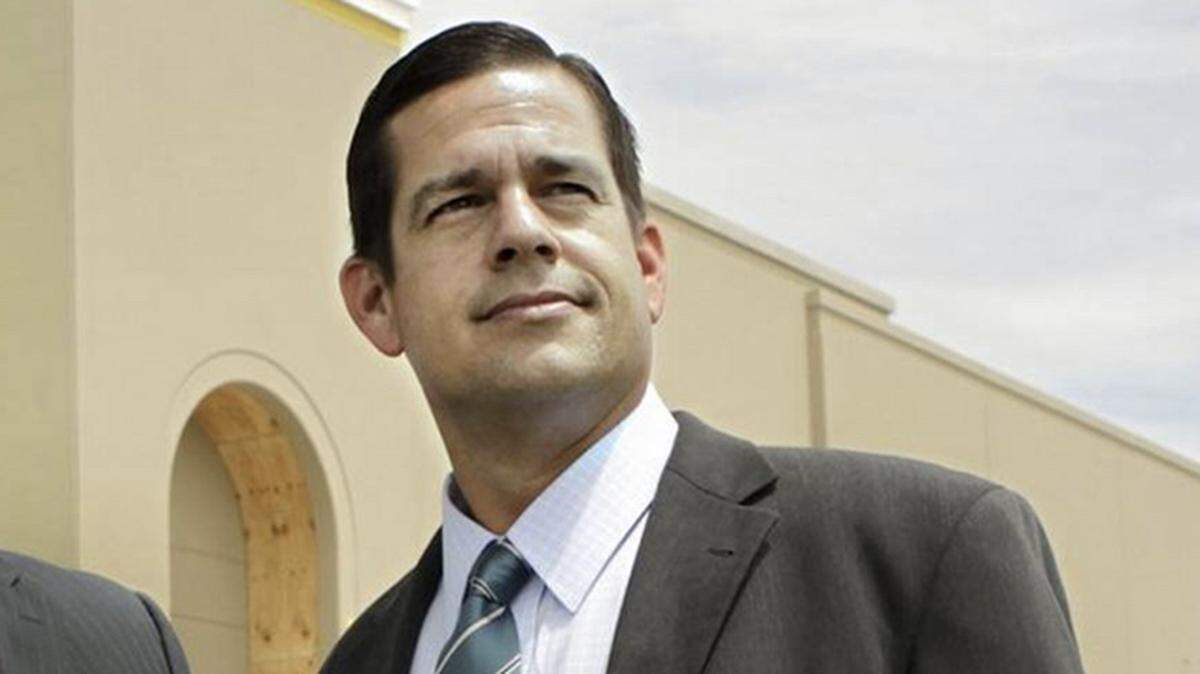
Detective John Dalton, a veteran of the Miami-Dade Police Department who had been a traffic homicide detective for four years, was working with the department’s marine patrol unit at the time of the Sept. 4, 2022, crash and responded to the scene. In an interview with Pino attorney Mark Shapiro on Feb. 25, Dalton said he had spoken to “a couple of the FWC guys” about performing a sobriety test on Pino that night.
Dalton said he spoke to the Florida Fish and Wildlife Conservation Commission officers about “some concerns that I had, or not concerns, but questions, I guess more than anything. But not relevant to the actual case; just a question that I would ask coming from the traffic homicide realm.”
“Such as?” Shapiro asked.
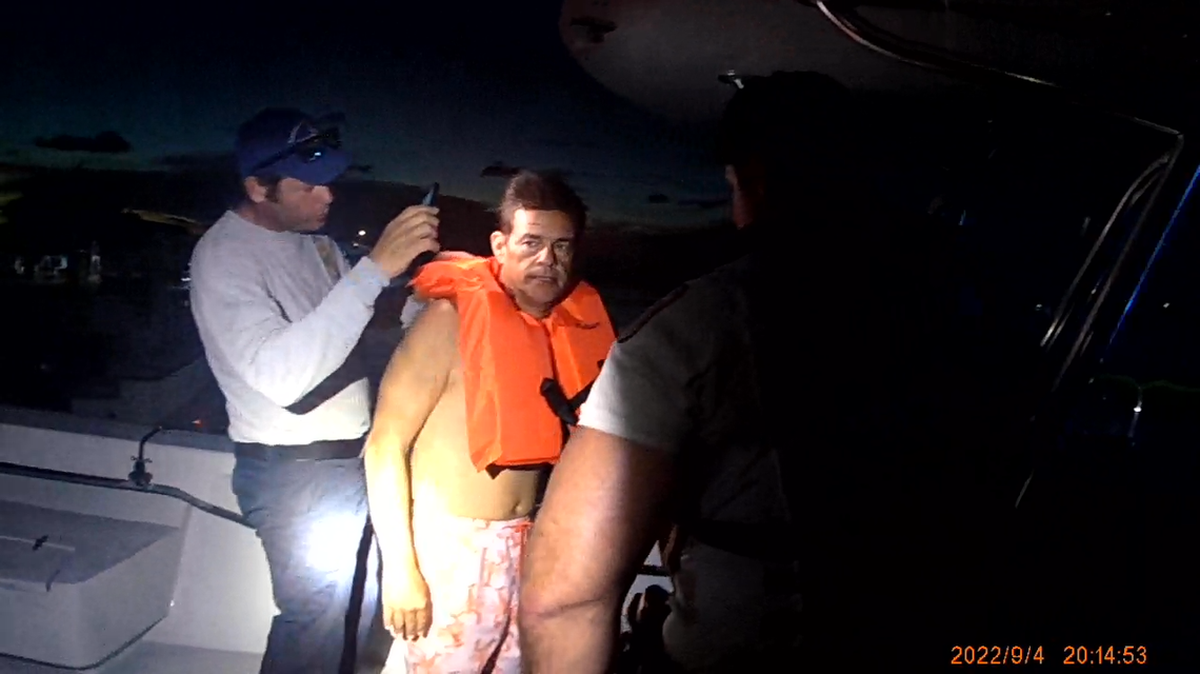
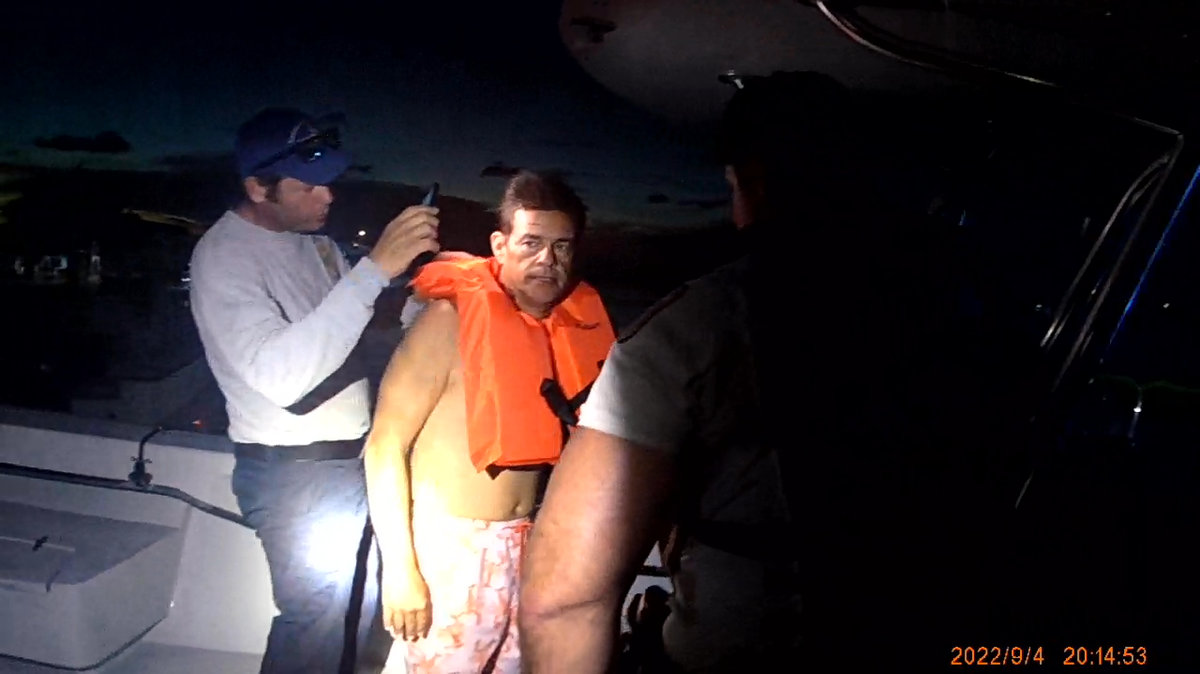
“I asked if he was DUI [driving under the influence] to one of the FWC guys,” Dalton said, adding he didn’t remember the officer’s name. He noted that, at the time, lead FWC investigator William Thompson was interviewing Pino at a nearby picnic table on Elliott Key, an island in Biscayne Bay where officers had taken the injured.
Dalton, whose testimony has not been reported before, testified that his conversation with one of the officers, a man, went like this:
“Is there any indication of DUI?” Dalton asked.
“I don’t know,” the FWC officer responded.
“If there is, are we going to do a blood draw?” Dalton said.
“I don’t know,” the FWC officer responded. “Is that something we can do?”
“Well, yes. Obviously, you can do a blood draw,” Dalton said. “I mean, [Pino’s] involved in a crash that has potential for a fatality or serious bodily injury. You can force a blood draw on him with a warrant. And you can take one right now, with exigent circumstances. You have fire-rescue here. It’s something you might be able to do right now.”
“Okay. Thank you,” the officer responded, walking away.
By the time Dalton and the other officers were on Elliott Key, they already knew there were serious injuries and the possibility that some may not survive.
The FWC has said it did not have probable cause to get a warrant to force Pino to take a sobriety test. But training manuals from both the FWC and State Attorney’s Office list significant injuries and deaths in a boat crash as probable cause for a blood draw in a sobriety test, a Miami Herald investigation found.
Moreover, the FWC training manual also lists ‘exigent circumstances’ as one of three ways to get a blood draw (voluntary consent or a warrant are the other two.) Law enforcement can cite exigent circumstances — usually an emergency like a death or serious injury — to bypass getting a warrant.
The FWC declined to comment Friday on what the Miami-Dade police officer said about drawing blood for a sobriety test.
A series of missteps
Dalton’s testimony backs up the Herald’s own investigation, which detailed how the FWC — and prosecutors — mangled the probe into Pino from the beginning when they failed to test Pino for alcohol consumption. Pino had told FWC investigators on the scene that he had been drinking that day.
READ MORE: How investigators, prosecutors bungled probe into boat crash that killed teen girl
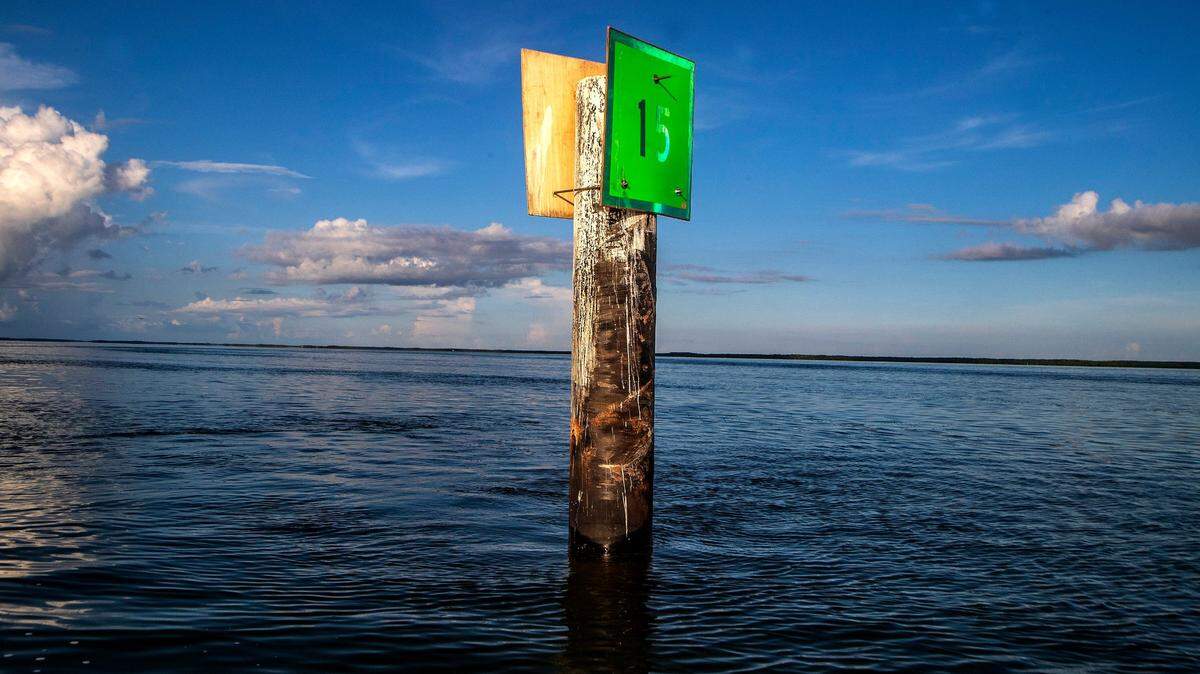
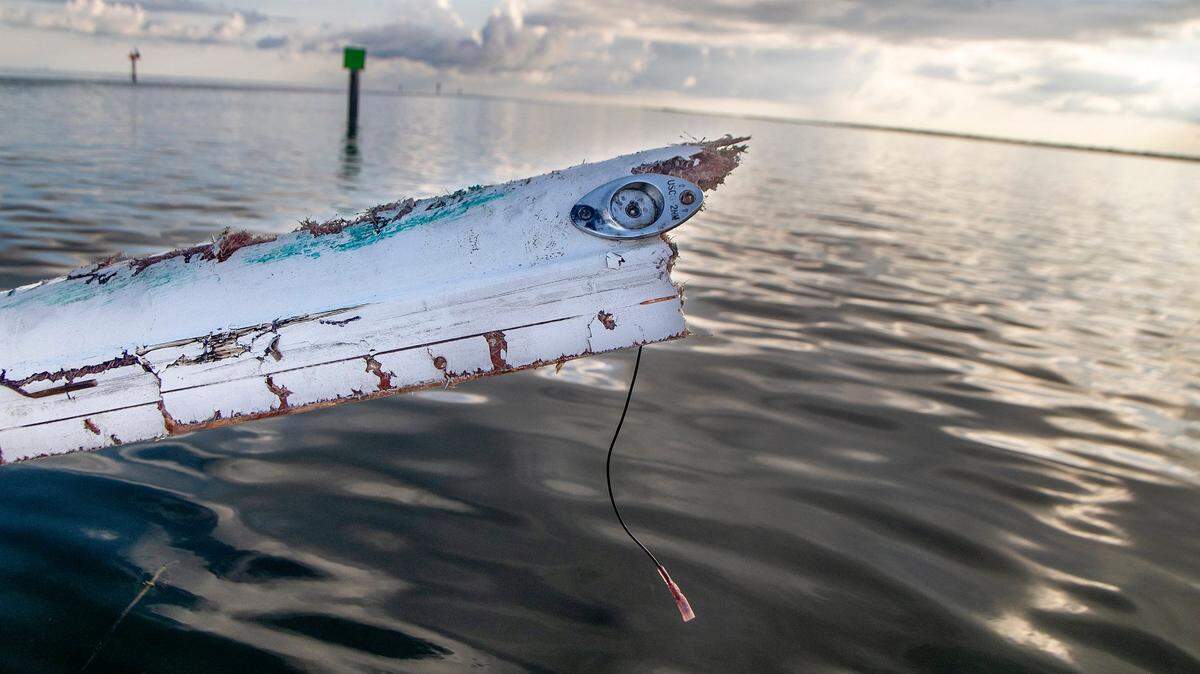
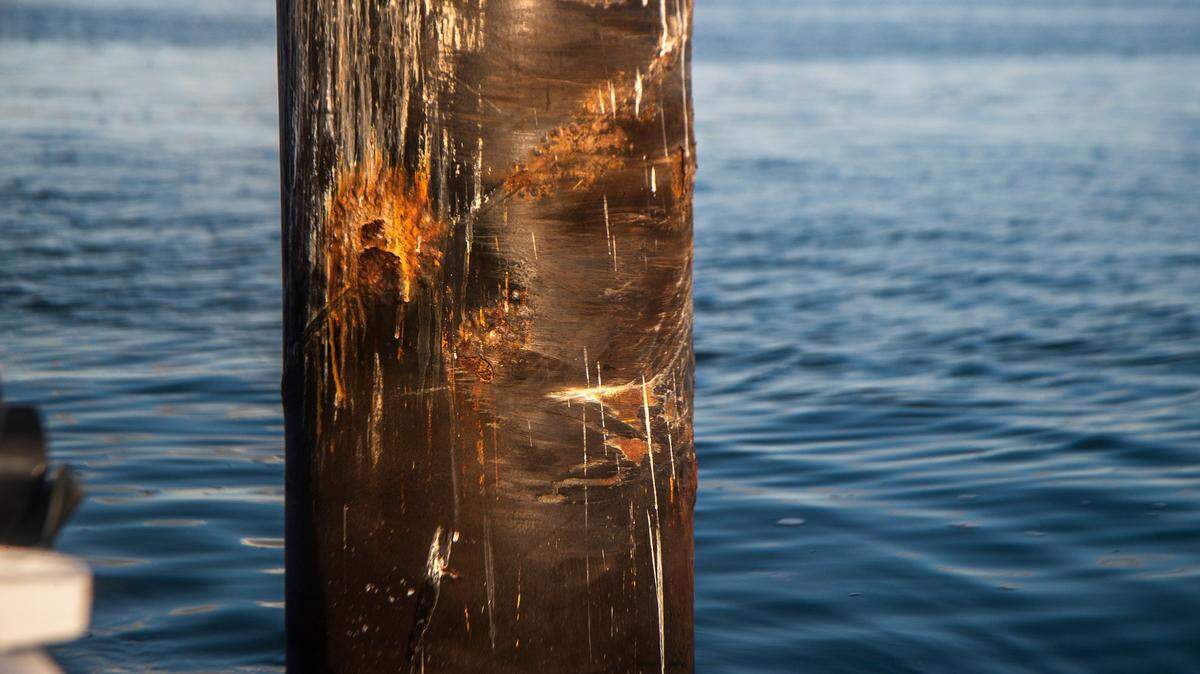
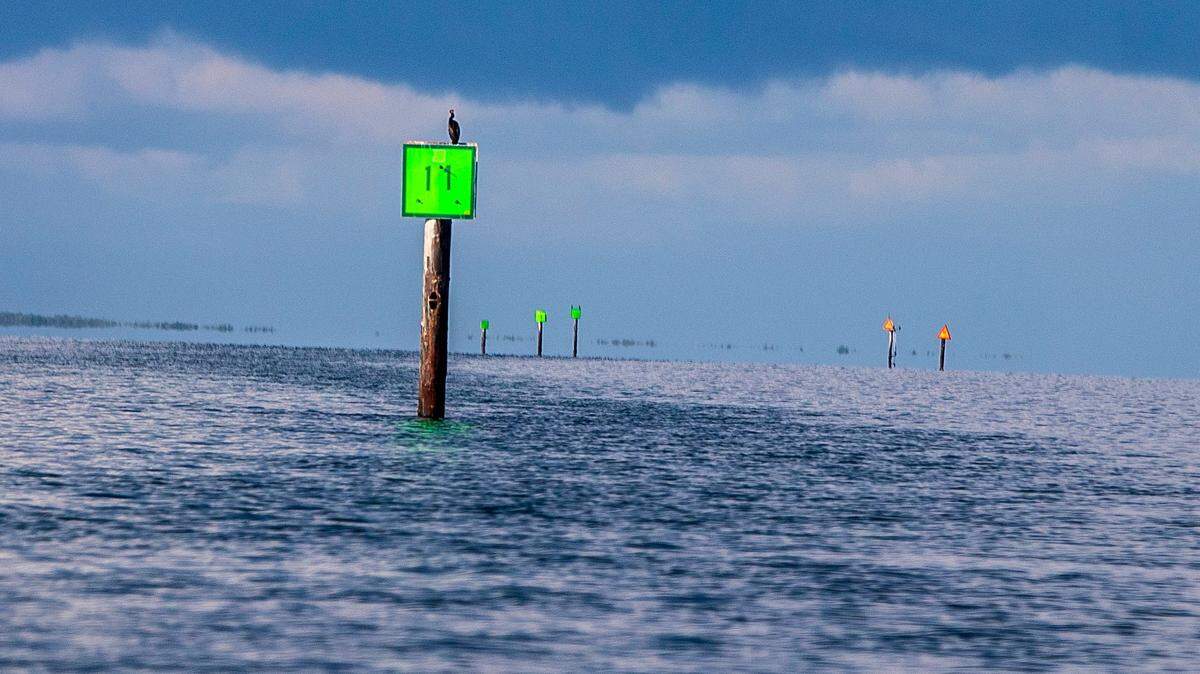
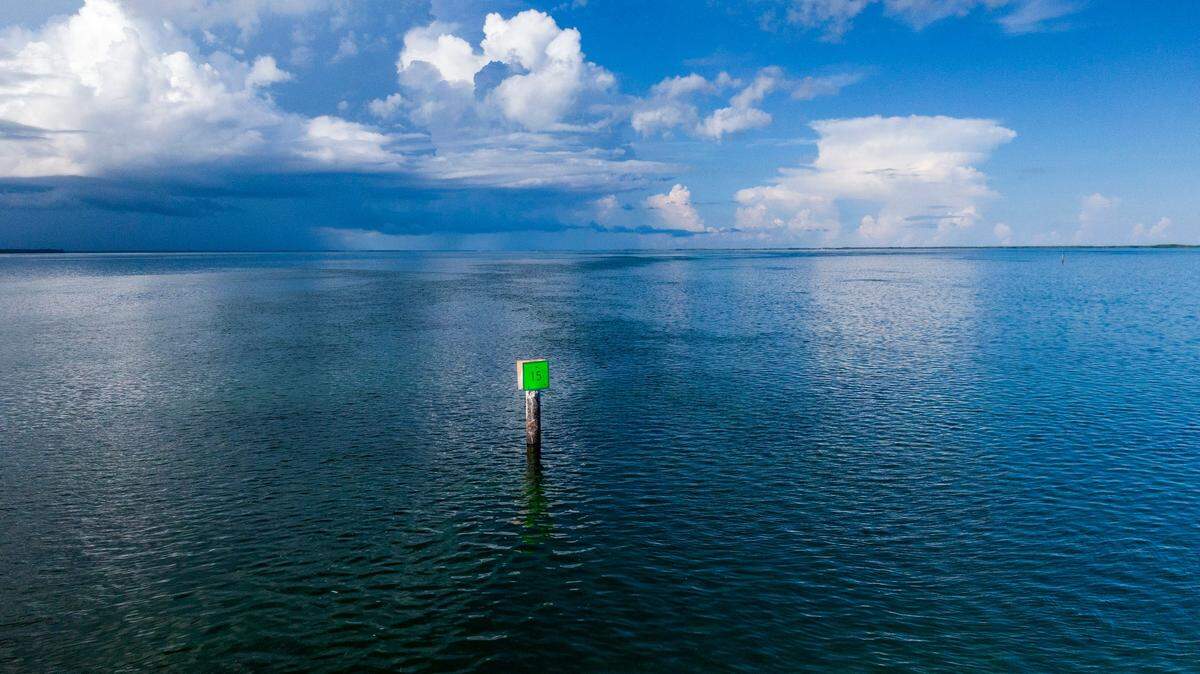
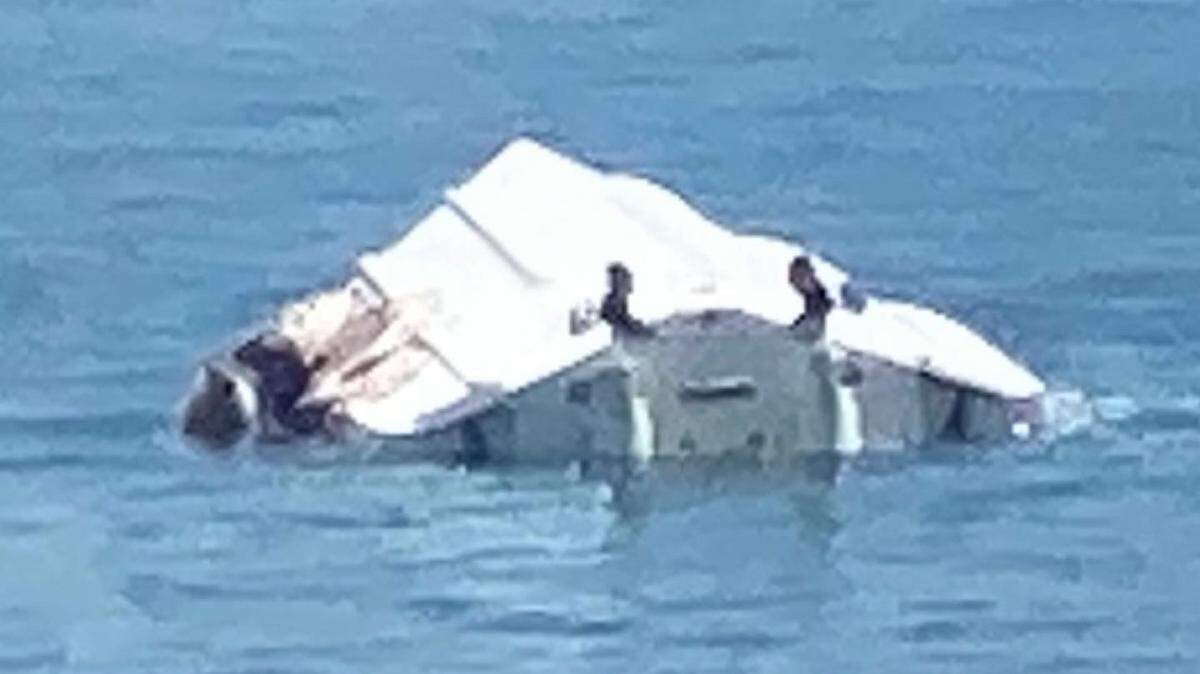
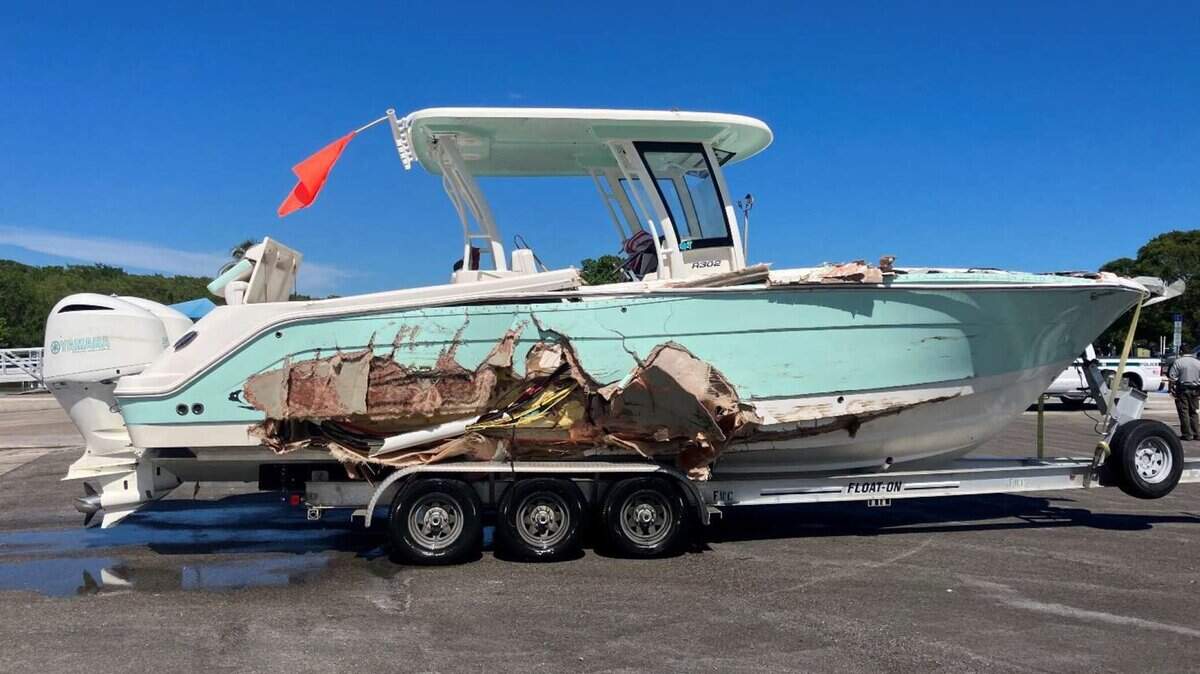
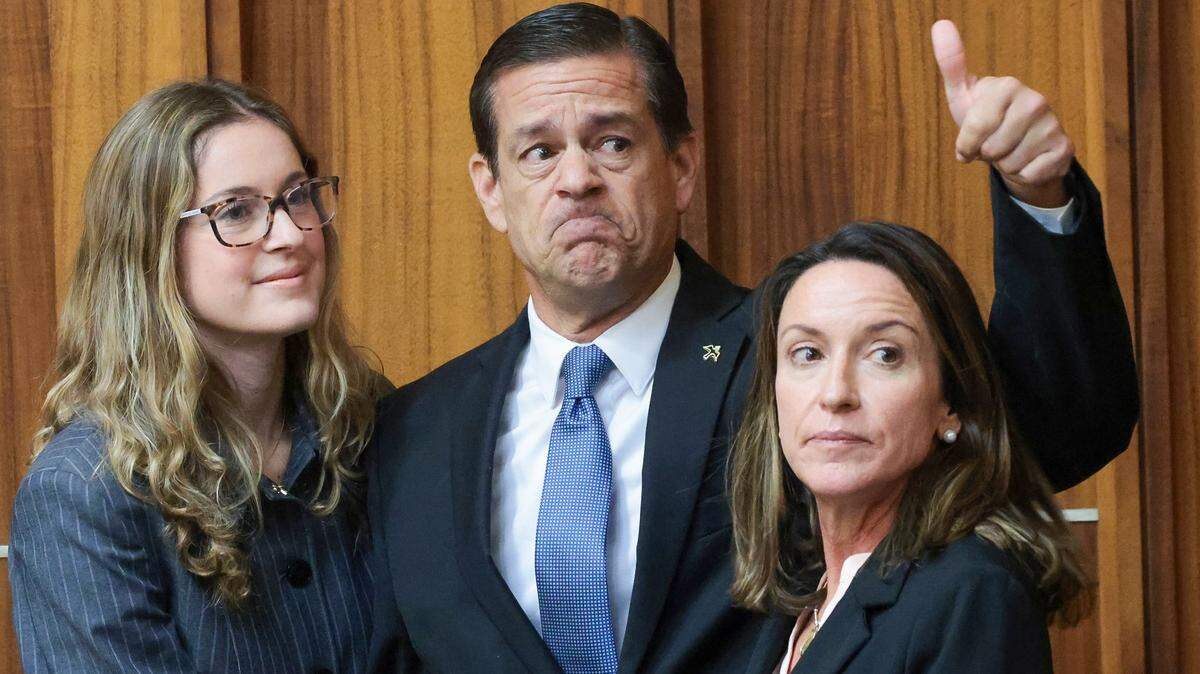
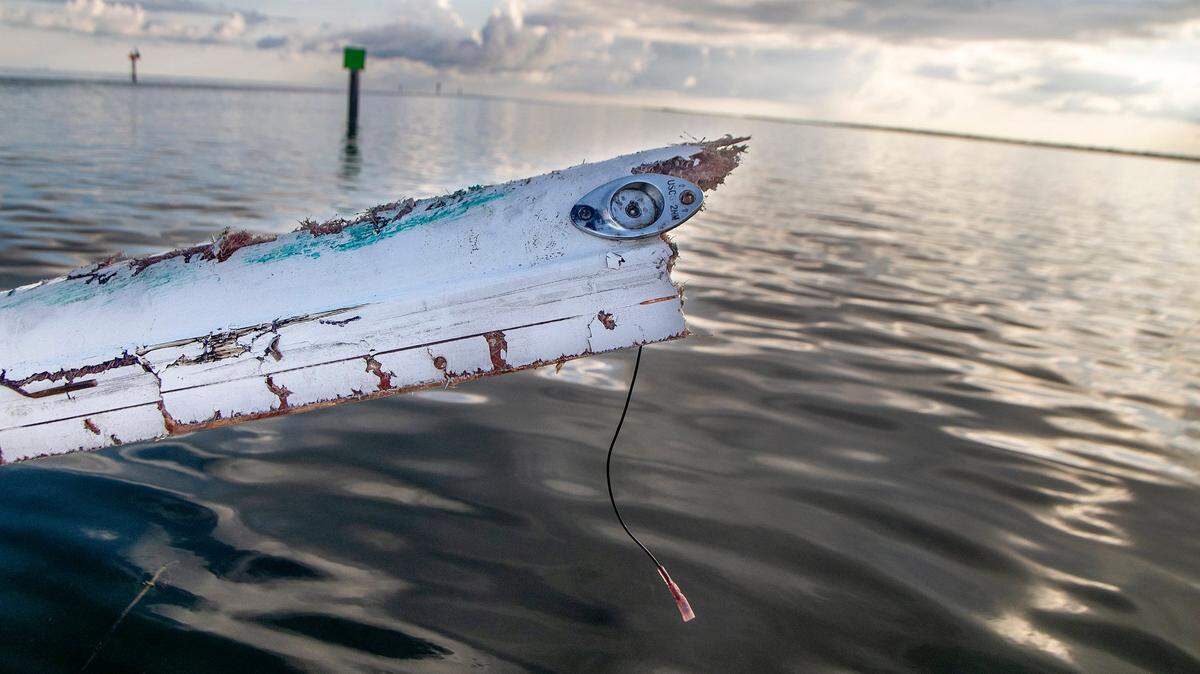
Pino, 54, had slammed his 29-foot Robalo into a concrete channel marker on a clear day in the bay, capsizing the boat and hurtling him, his wife Cecilia and 12 teenage girls into the water. The Pinos’ daughter was celebrating her 18th birthday and she had invited 11 of her girlfriends on the boat outing.
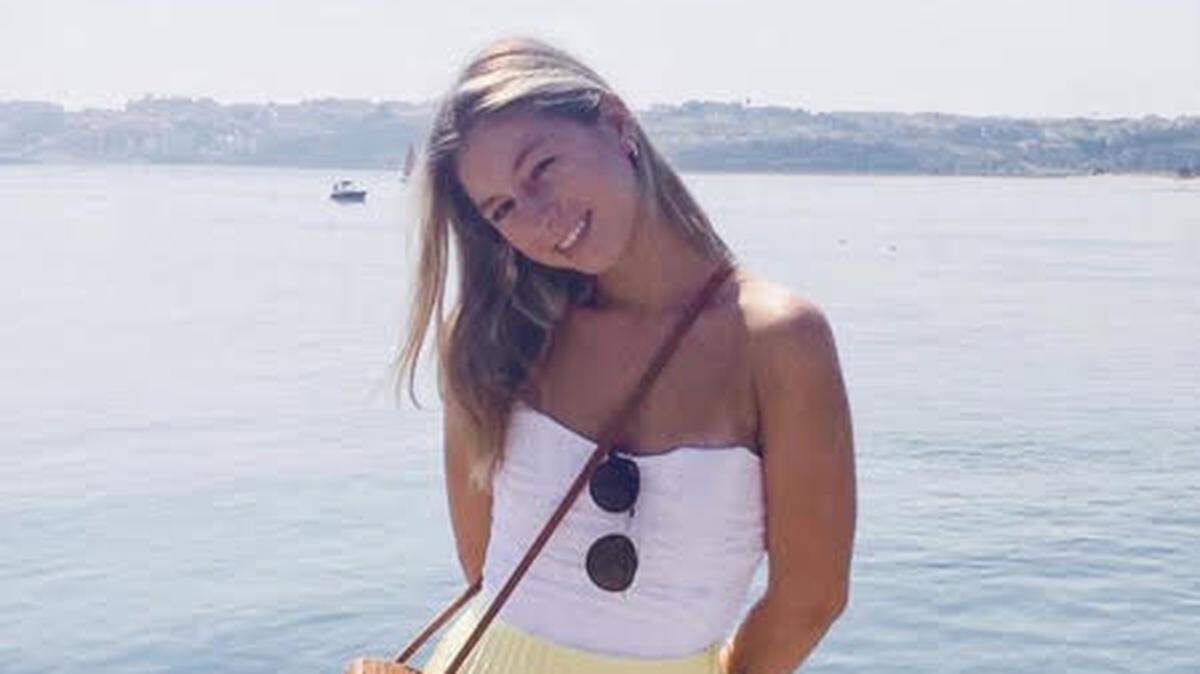
One girl, 17-year-old Luciana ‘Lucy’ Fernandez, who was trapped under the boat and was not breathing when she was pulled from the water, died the next day in the hospital.
Her classmate at Our Lady of Lourdes Academy, Katerina ‘Katy’ Puig, now 19, was left with permanent injuries and is still relearning to walk. A third girl, then 16-year-old Isabella Rodriguez, suffered a head injury and brain bleed but has since recovered.
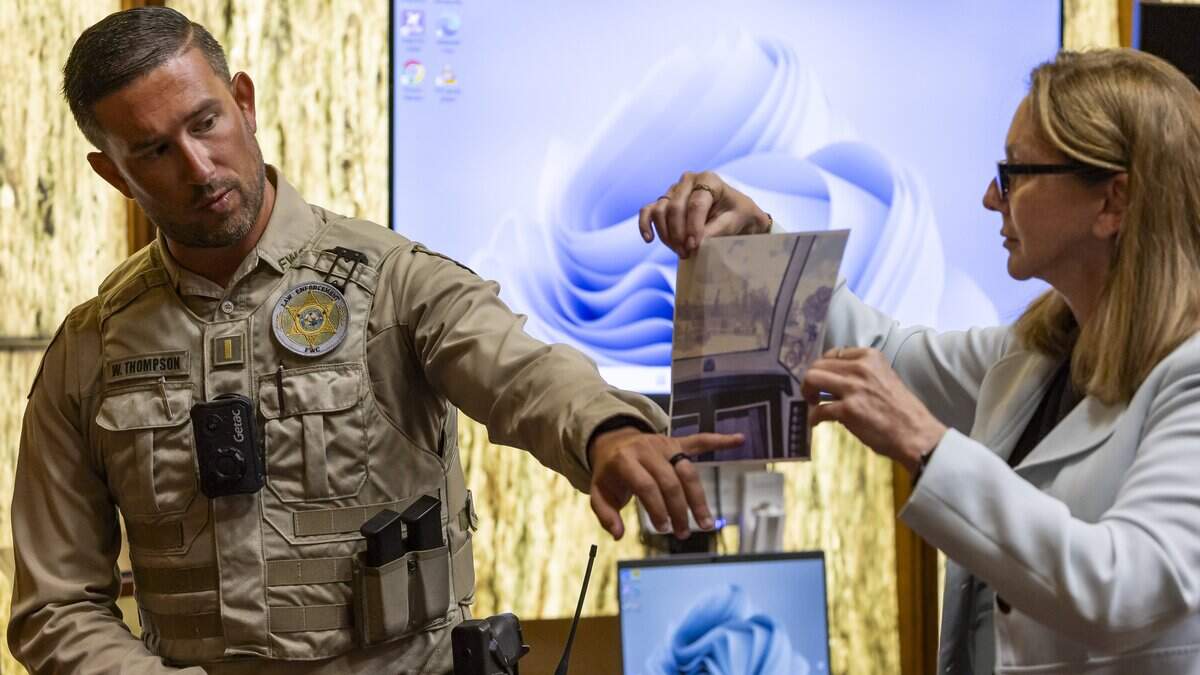
Thompson, the lead FWC investigator, did not give Pino a sobriety test that night, saying in his final report that he did not administer the test because Pino did not show signs of impairment. Thompson’s body camera footage shows Pino saying he did not want to take the test because he “had two beers.”
Thompson’s final report on the crash, however, says Pino didn’t want to take the test because his attorney wasn’t present; there was no mention in the report of any beers.
The FWC almost immediately ruled out alcohol as a factor despite finding a stash of empty booze bottles and cans on Pino’s boat when its officers pulled it from the bay the day after the crash. (Pino’s attorney, Howard Srebnick, has said the empty booze containers were from five boats tied up that day in the bay although he hasn’t said who those people were.)
Body-camera footage deleted of four FWC officers
In an interview with Pino’s defense team in recent weeks, FWC officer Julien Gazzola said Pino smelled of alcohol, had ‘bloodshot eyes’ and was disoriented. Gazzola also revealed that body camera footage capturing his interactions with Pino from that evening was deleted.
After several public records requests to the FWC, the Herald discovered that the body camera footage of four FWC officers who were in close proximity to Pino that night — Gazzola, Keith Hernandez, Hanna Hayden and Jesse Whitt — was deleted.
None of the officers, aside from Gazzola, reported seeing signs that Pino was impaired.
READ MORE: Two more FWC officers’ body cam footage from Pino boat crash deleted, agency says
The FWC says the footage was deleted after the officers classified it as “incidental,” not criminal, when they uploaded it into the FWC’s computer system. “Incidental” footage is automatically deleted after 90 days; footage from a criminal investigation has to be retained five years for misdemeanor charges and 13 years for a felony charge, according to the FWC’s policy.
It’s unclear why no one within the FWC caught the mislabeling during the 90 days the footage sat in the FWC’s computer system before it was deleted. The FWC initially said the deleted footage was due to “human error” but then said its policy on keeping footage wasn’t clear.
Rep. Vicki Lopez, the Miami-Dade state House member whose bill calling for tougher penalties for boat operators in crashes with serious injury will go into effect July 1, has called on her colleagues in the Legislature “to learn what exactly happened and why so this never happens again.” She was referring to the officers’ missing body camera footage.
“I might understand if one of the officers had made a mistake but from what we now know it is impossible to assume that four highly trained officers could all have made such an egregious error,” Lopez, a Republican, said in a statement she posted on the Miami Herald’s Instagram account. The Herald also interviewed Lopez.
The revelation about the deleted footage comes as a clip emerged of FWC chair Rodney Barreto, speaking on a radio show weeks after the crash, promising he “calls balls and strikes” but acknowledging to the hosts that he knew Pino personally.
Barreto told the Herald Tuesday thathe knows Pino, but not well, and has never spoken with him about the case. Both are involved in South Florida real estate — Barreto is a Coral Gables developer and Pino is a Doral real estate broker.
“I do not get in the way of these investigations,” Barreto said. Regarding the “balls and strikes” comment, Barreto said that meant, “We’re gonna call it like it is. We’ve got no dog in this fight. It doesn’t matter who these people are.”
In August 2023, using the FWC’s report on the crash, prosecutors initially charged Pino with only three counts of misdemeanor careless boating. If convicted, the maximum penalty would have been 60 days in county jail.
Following a series of Miami Herald articles detailing flaws in the investigation, including FWC officers never following up with eye witnesses, a Miami-Dade firefighter at the scene came forward to the Miami-Dade State Attorney’s Office and said he observed Pino showing signs of intoxication that day.
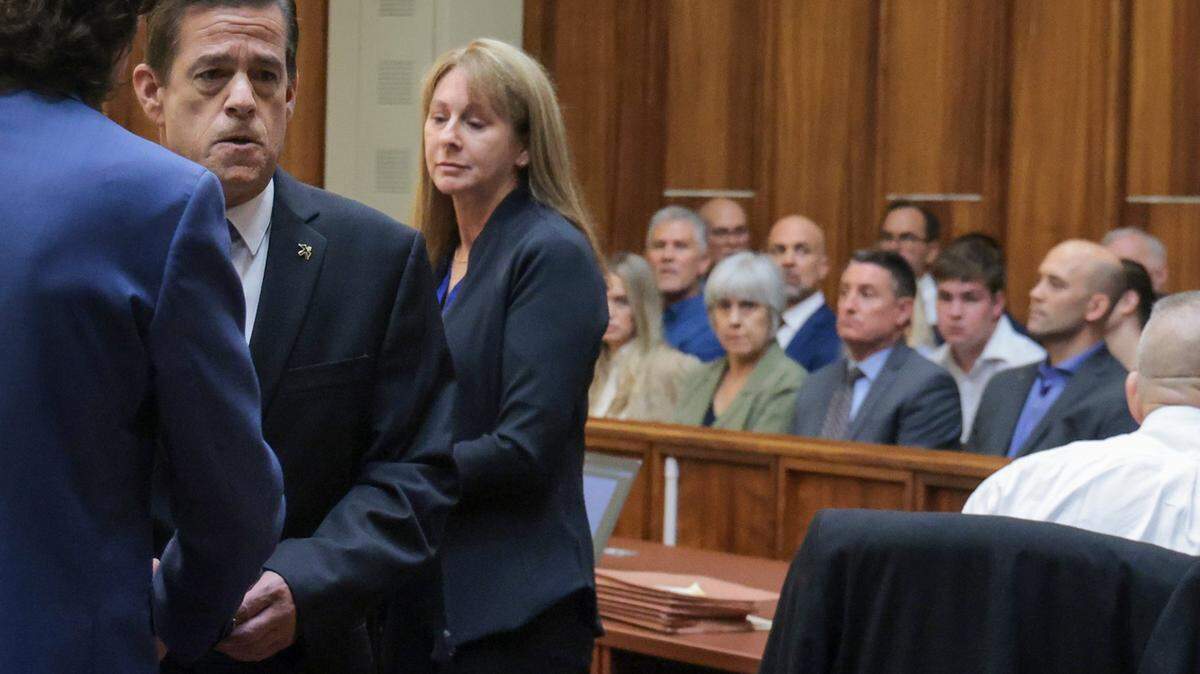
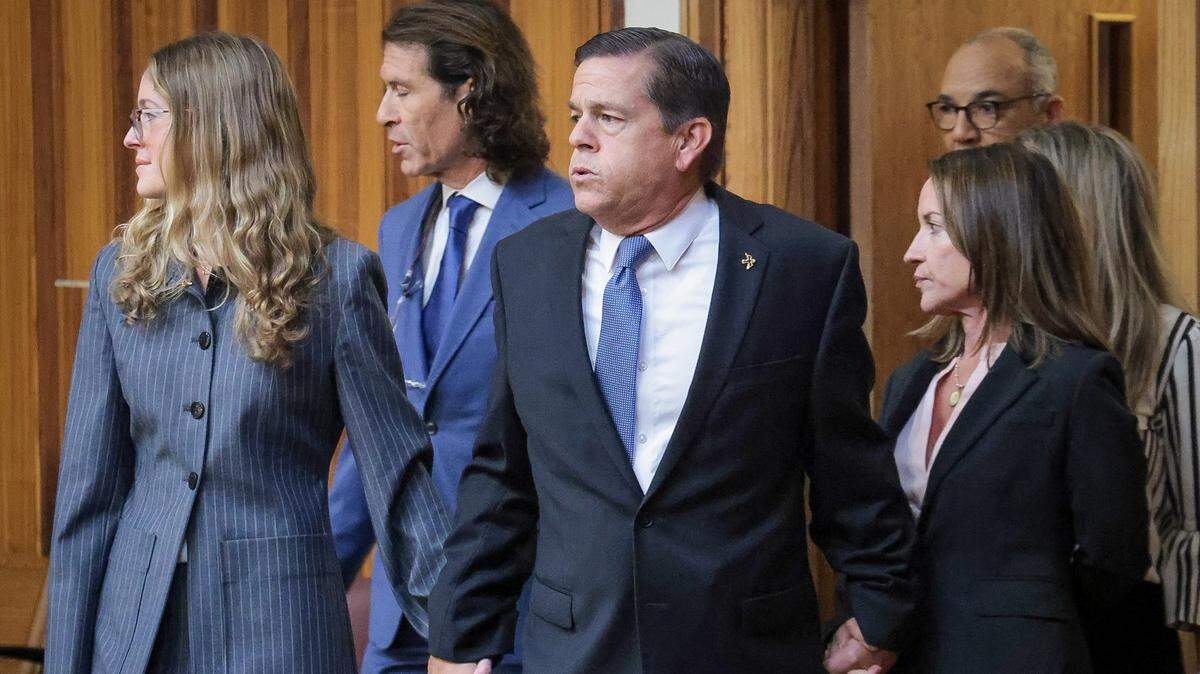
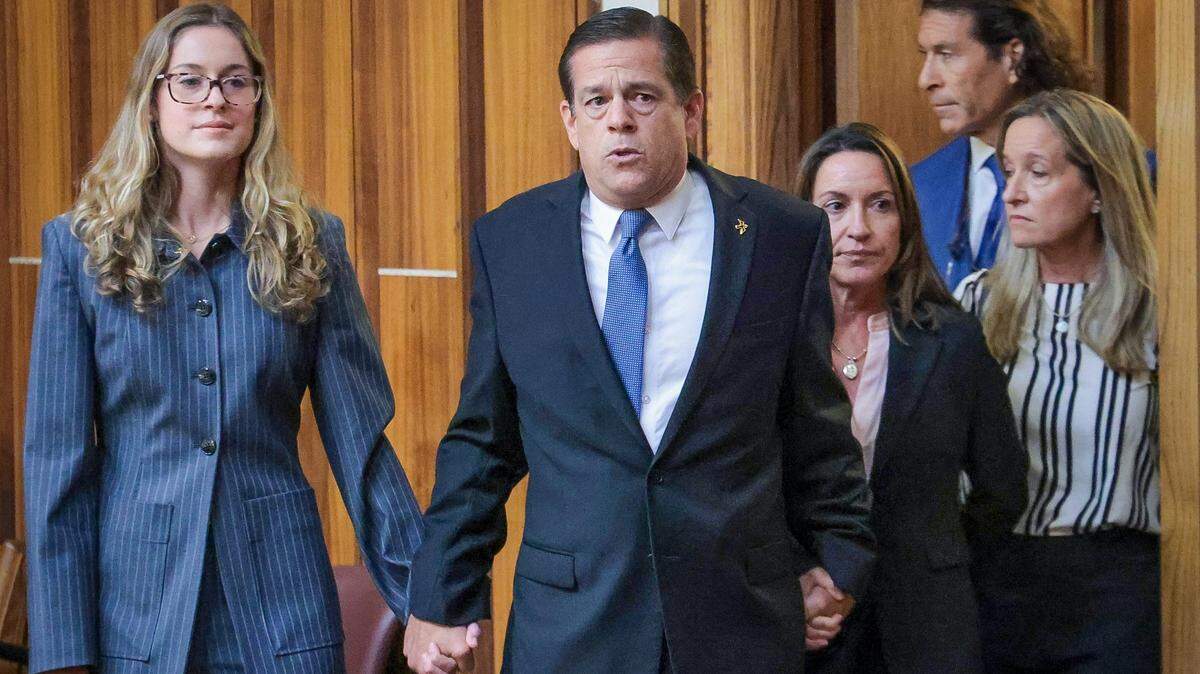
Prosecutors reopened their investigation and on Oct. 31, charged Pino with felony vessel homicide. Pino pleaded not guilty, and is tentatively scheduled to stand trial in September. He now faces 15 years in prison, if convicted.
This story was originally published May 23, 2025 at 5:05 PM.







.jpg)
-1.jpg)
-1.jpg)