Why was officers’ body cam video deleted in Pino boat-crash case? FWC blames its unclear policy
READ MORE
The investigation into 2022 boat crash that killed a high school student
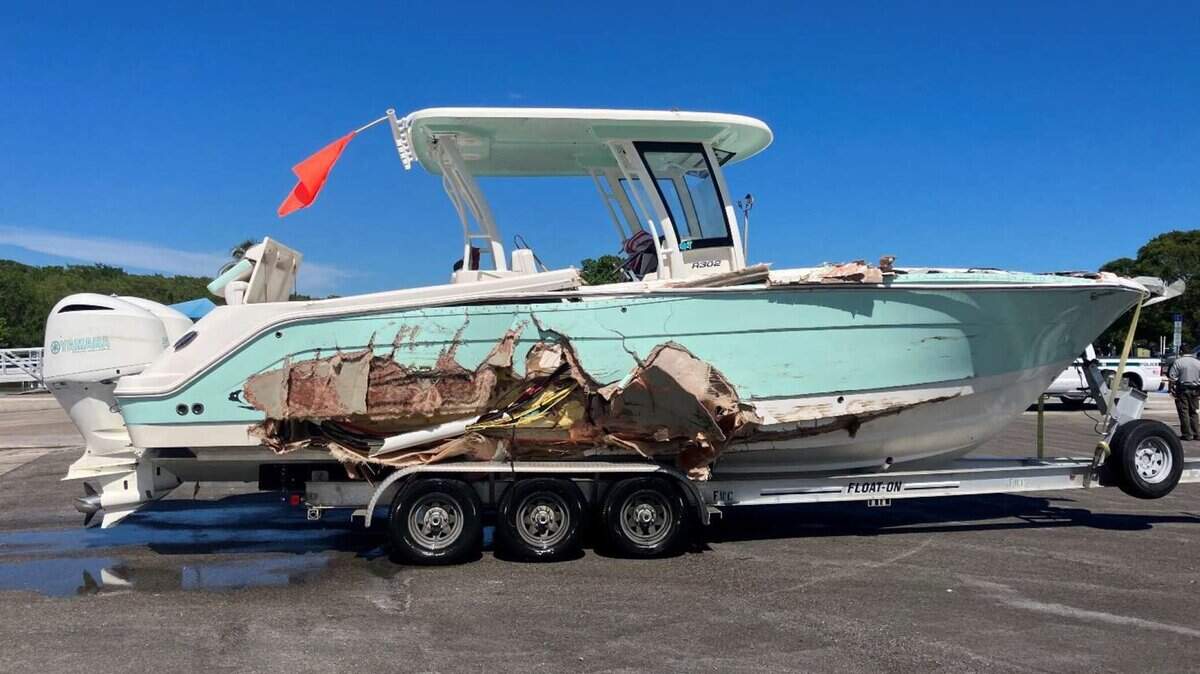
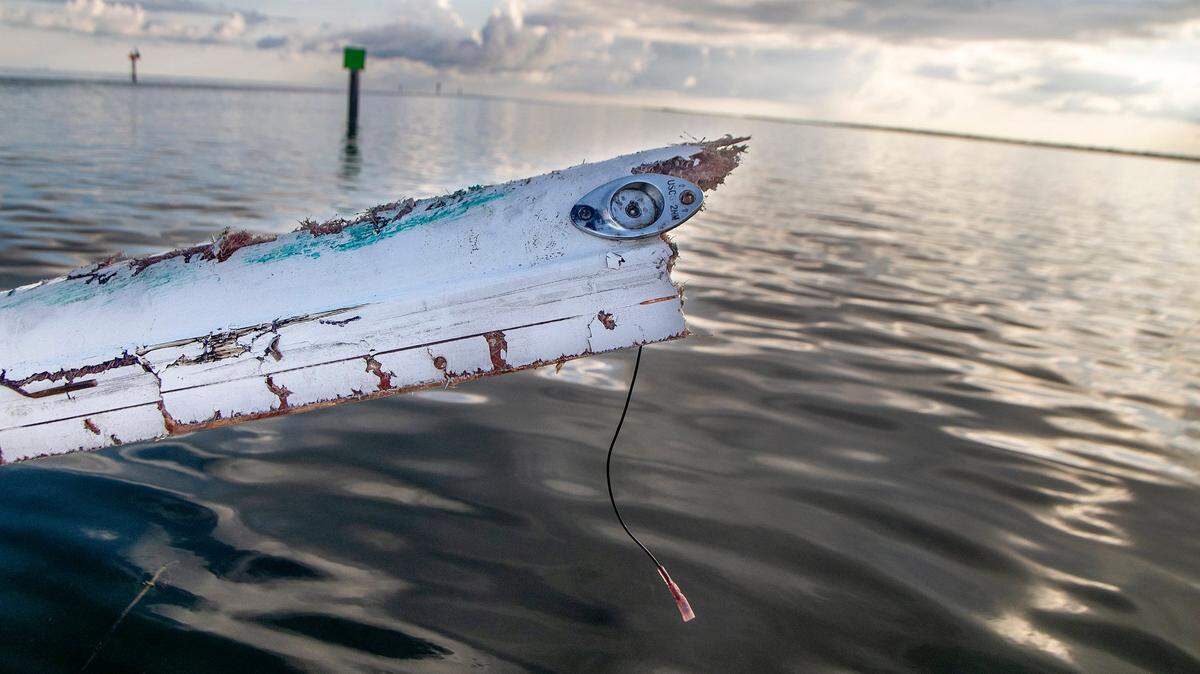
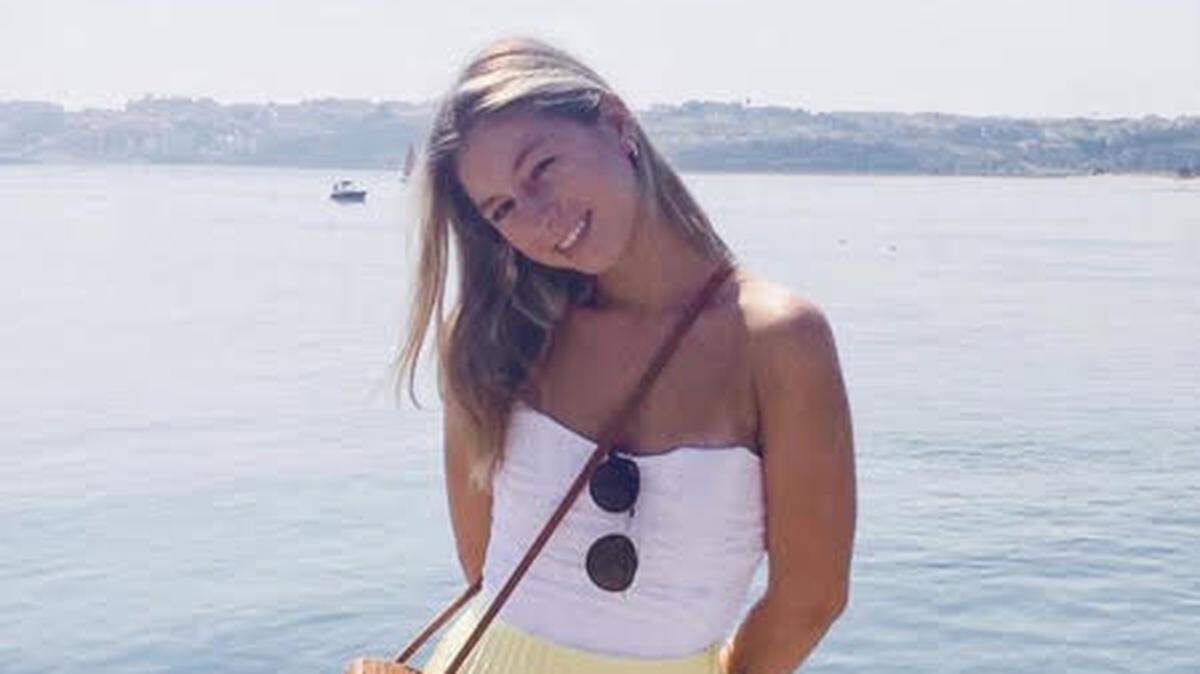
On Sept. 4, 2022, a boat operated by real estate broker George Pino crashed in Biscayne Bay, killing 17-year-old Lucy Fernandez.
Expand All
The Florida Fish and Wildlife Conservation Commission said it was revising its officer-worn body camera policy a day after the Miami Herald reported that footage from two officers who were on the scene of a high-profile, fatal boat crash was deleted.
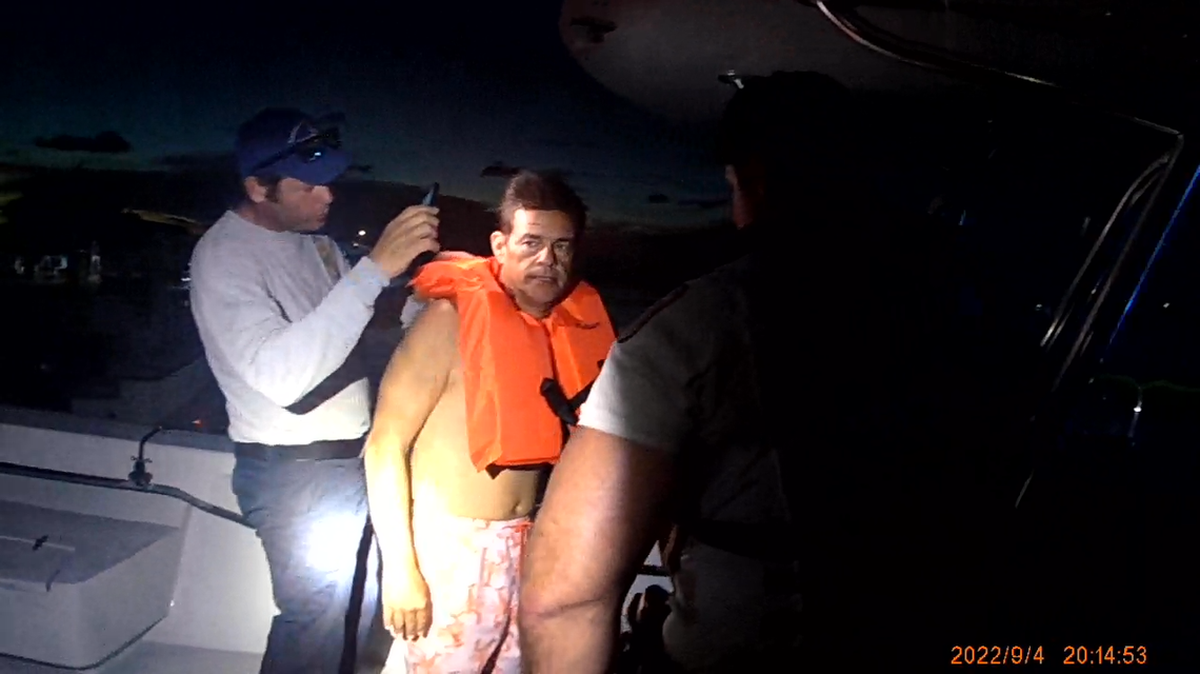
The Herald reported Thursday that body camera footage from a second FWC officer who interacted with George Pino, the operator of the 29-foot Robalo that crashed into a Biscayne Bay channel marker in September 2022, had disappeared from the agency’s database.
The Herald reported last month that the footage from the camera of another officer — who told Pino’s attorneys that he believed the Doral real estate broker was drunk the day of the crash — was also gone.
The FWC said the reason both officers’ footage was deleted was because the officers categorized it as “incidental” when they uploaded it instead of labeling it as part of a criminal investigation. Anything labeled “incidental” gets deleted from the system 90 days after it’s submitted.
READ MORE: Second body cam video deleted after George Pino boat crash, FWC says
FWC spokesperson Ashlee Sklute on Thursday said footage being labeled “incidental” was “human error” on the part of officers Julien Gazzola and Keith Hernandez.
On Friday, however, the agency released a statement changing its stance on the officers’ actions “after thorough review.”
The officers’ classifications of their videos “were within the bounds of the policy as it is currently written,” according to the FWC, but “it is clear that the policy did not align with our intent for our officers’ documentation responsibilities.”
“We acknowledge that this gap in policy has led to understandable concern, and we are taking steps to correct it,” Sklute said. “The policy is now under revision to provide clearer direction, particularly regarding supervisory review and categorization expectations in such scenarios.”
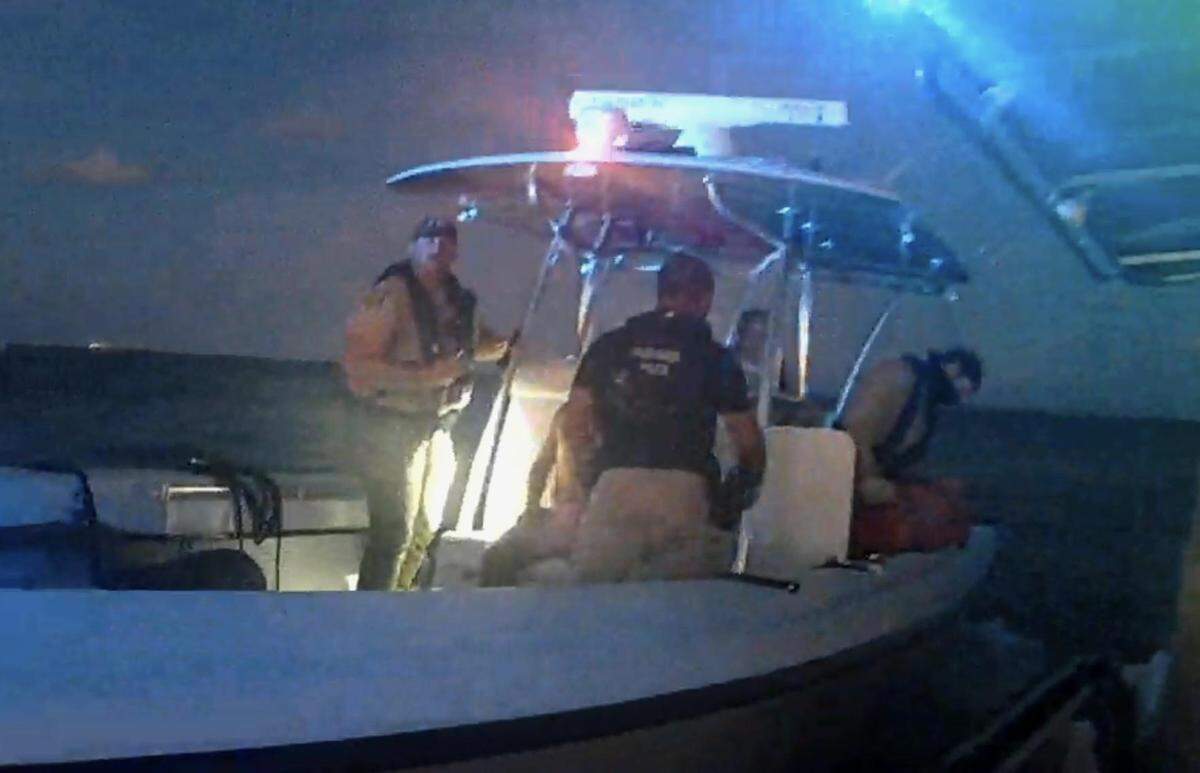
The current policy “lacks clear guidance for officers who are present on the scene in a supporting role, rather than as primary investigators or arresting officers,” according to Sklute.
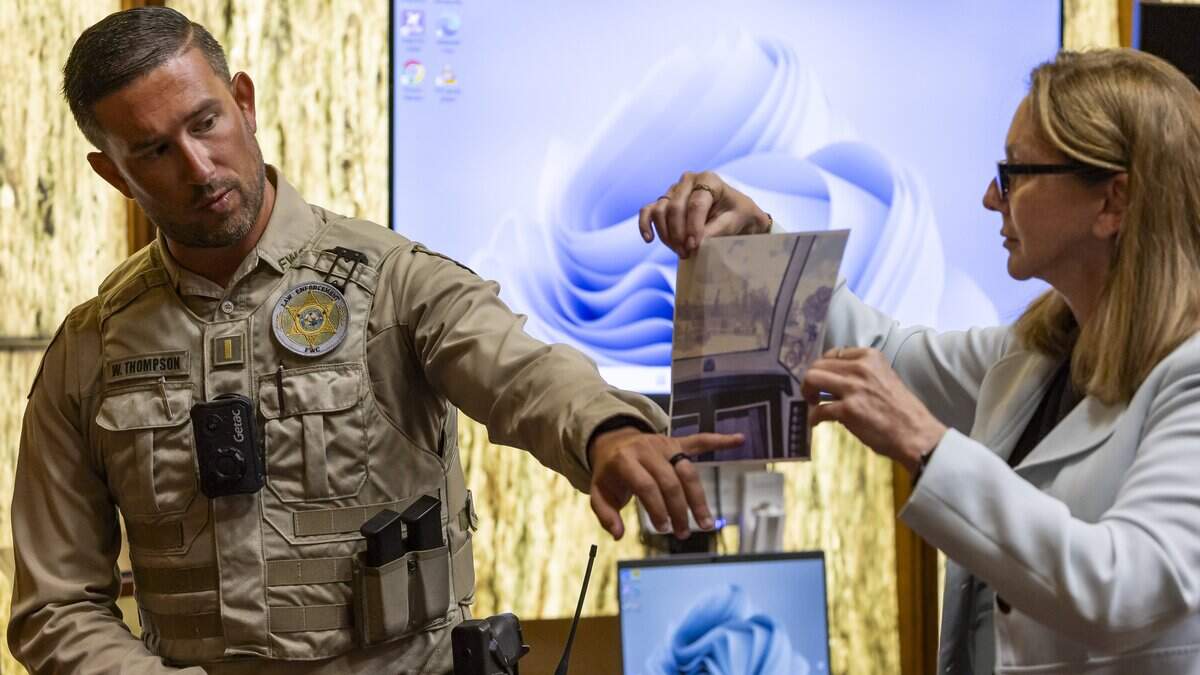
Gazzola and Hernandez weren’t lead officers that night “nor were they addressing any violations directly,” Sklute said. However, the lead investigator on the scene that night, William Thompson, did tell Hernandez to check Pino for signs of drinking, according to Thompson’s body camera footage.
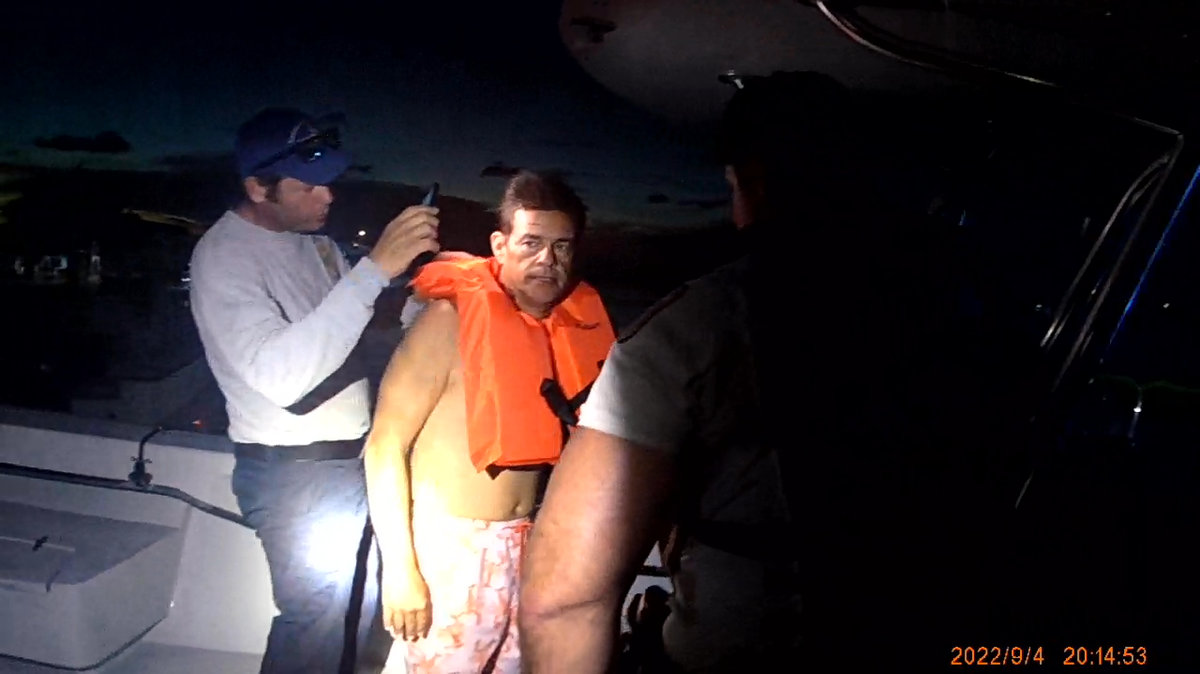
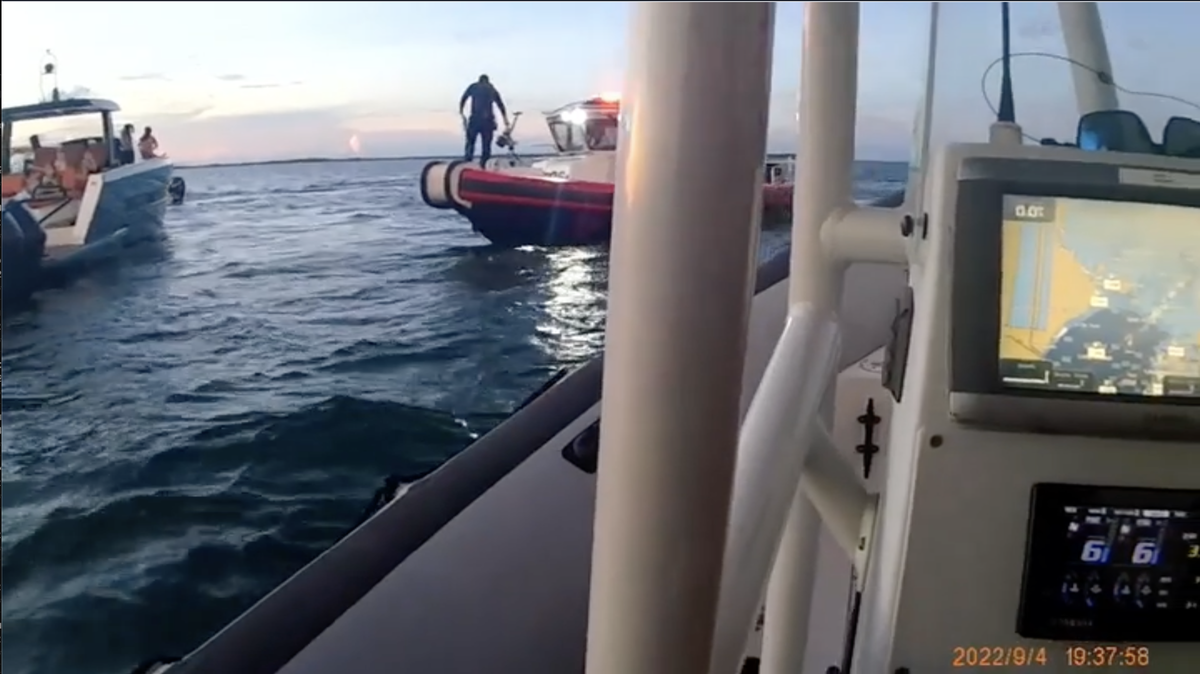
Pino was on a boat with Hernandez and other officers. As Thompson pulled away from that patrol boat, he stressed to Hernandez to “smell” to determine if Pino had been drinking, the footage shows.
Hernandez was interviewed by Pino’s attorneys last week with Miami-Dade State Attorney’s Office prosecutors present. Transcripts from that proceeding were not yet public as of Friday.
A flawed probe
The boat crash and the subsequent investigation continue to reverberate throughout South Florida. It marked the tragic end to a day that was supposed to be an 18th birthday celebration for Pino’s daughter with an outing on Elliott Key and then a dinner at the Ocean Reef Club in north Key Largo.
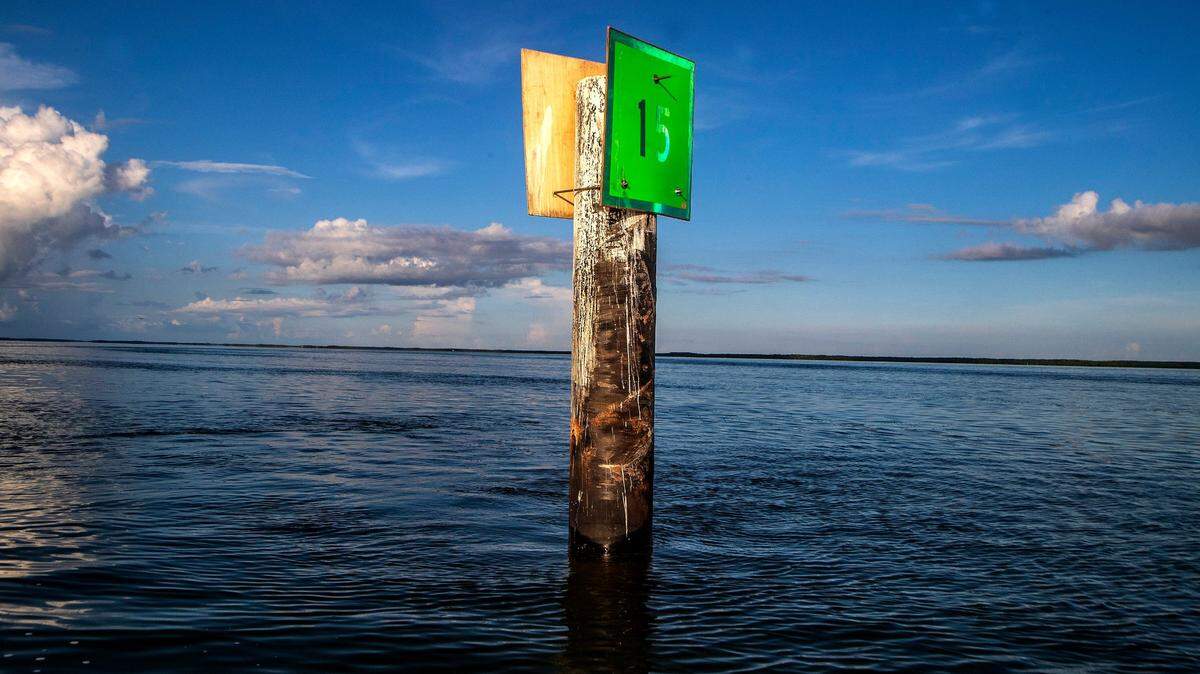
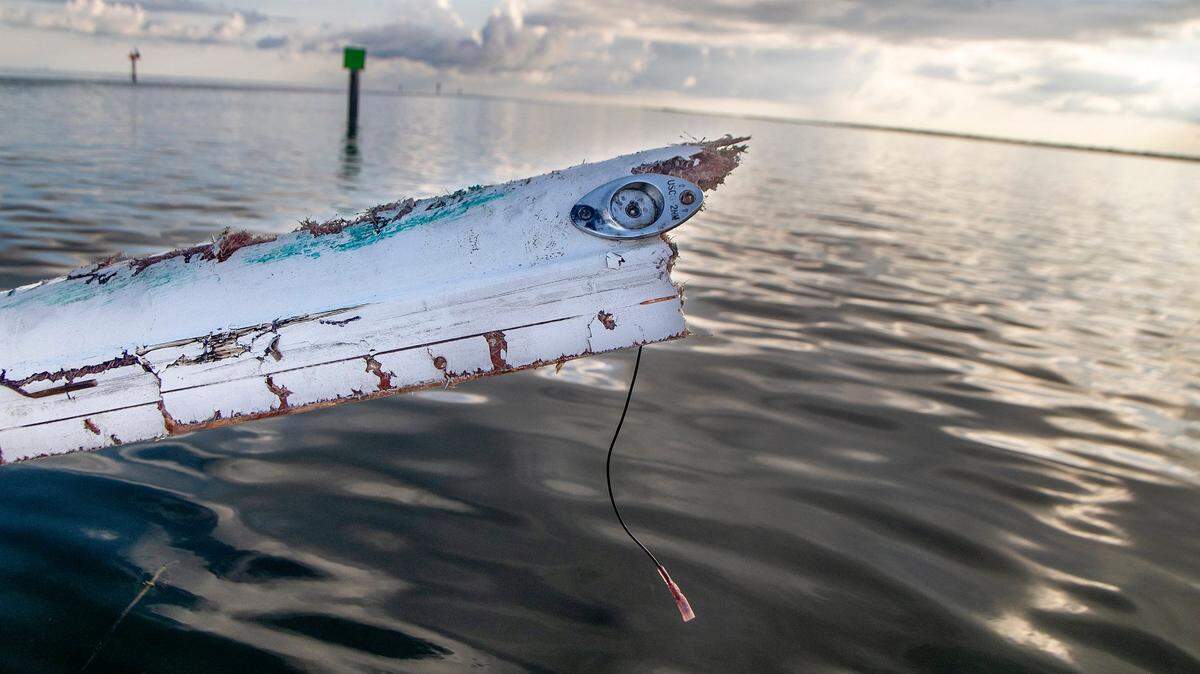
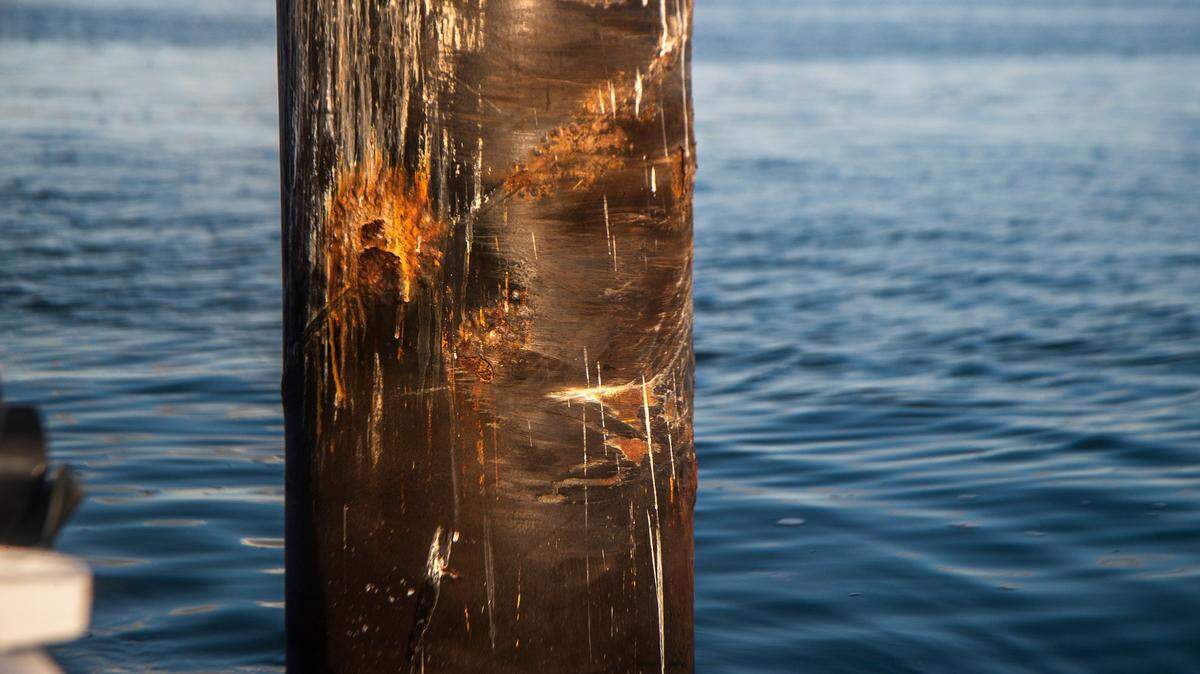
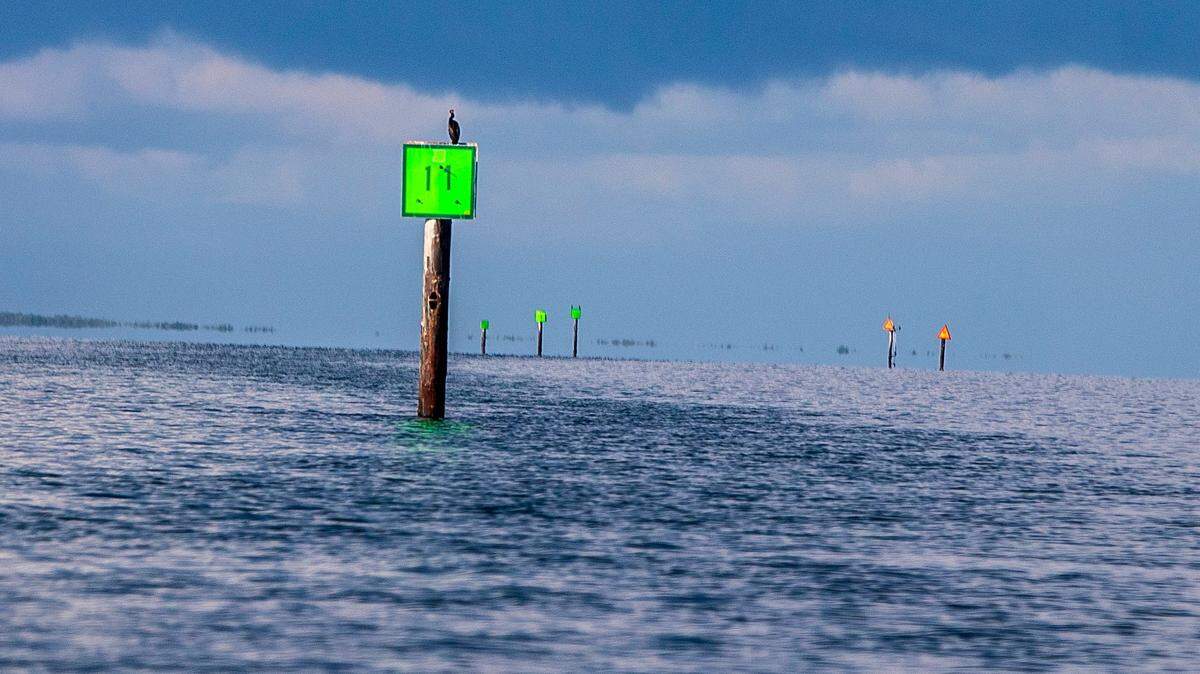
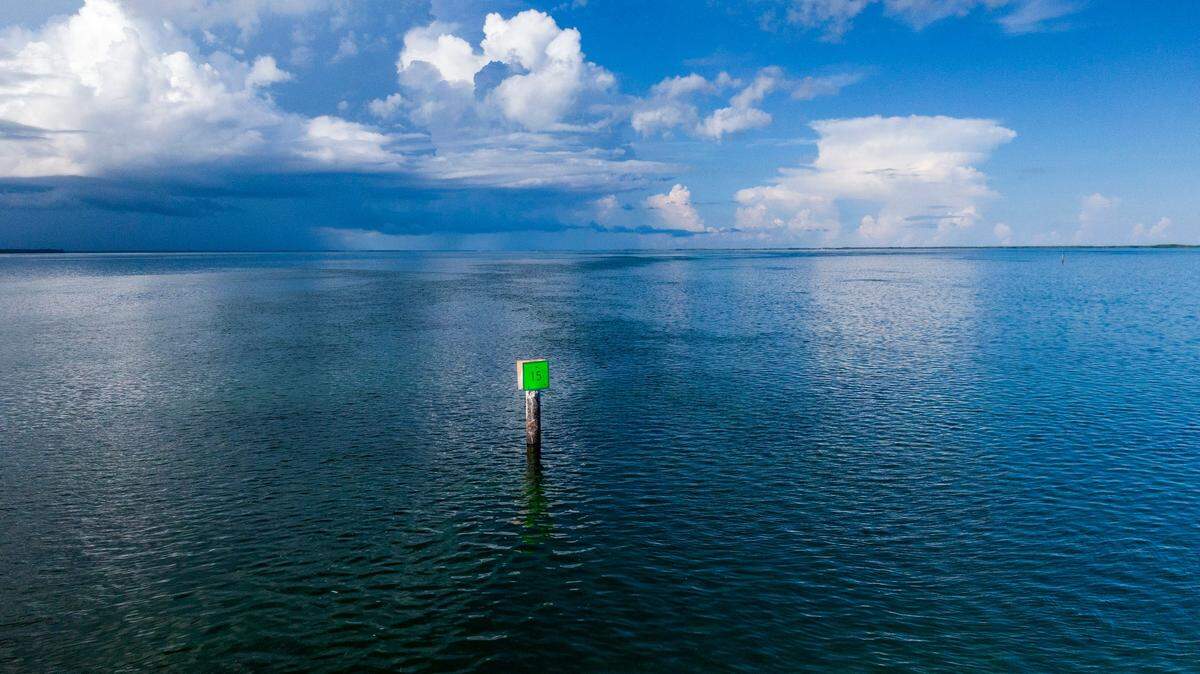
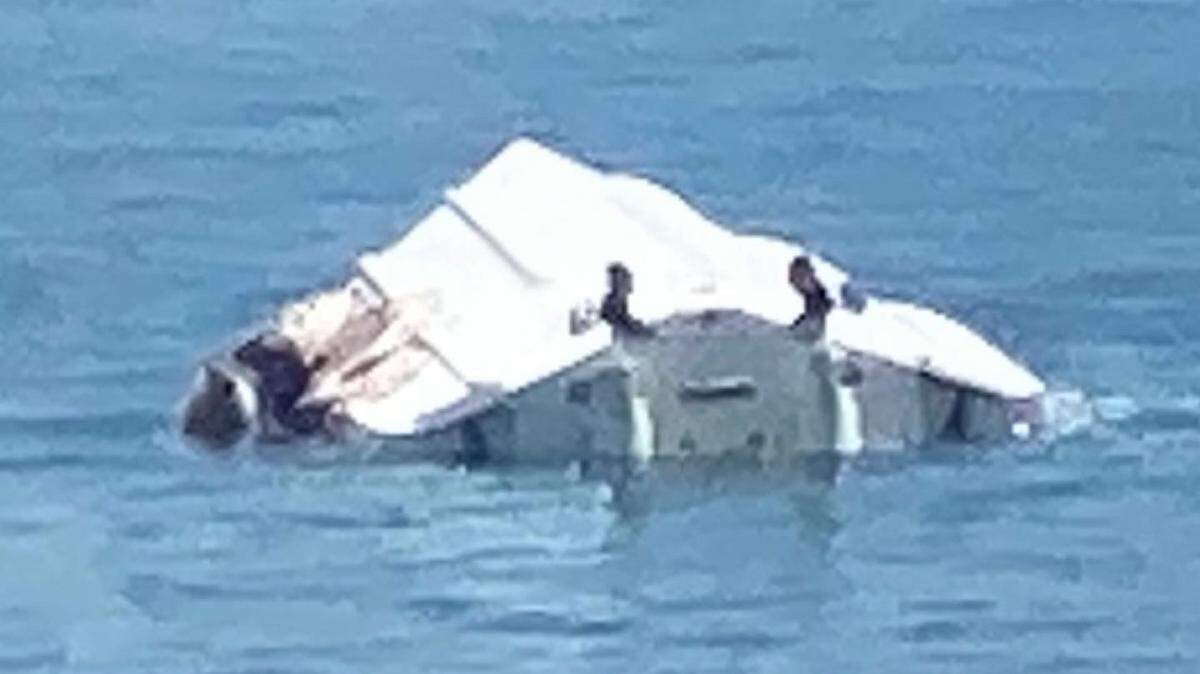
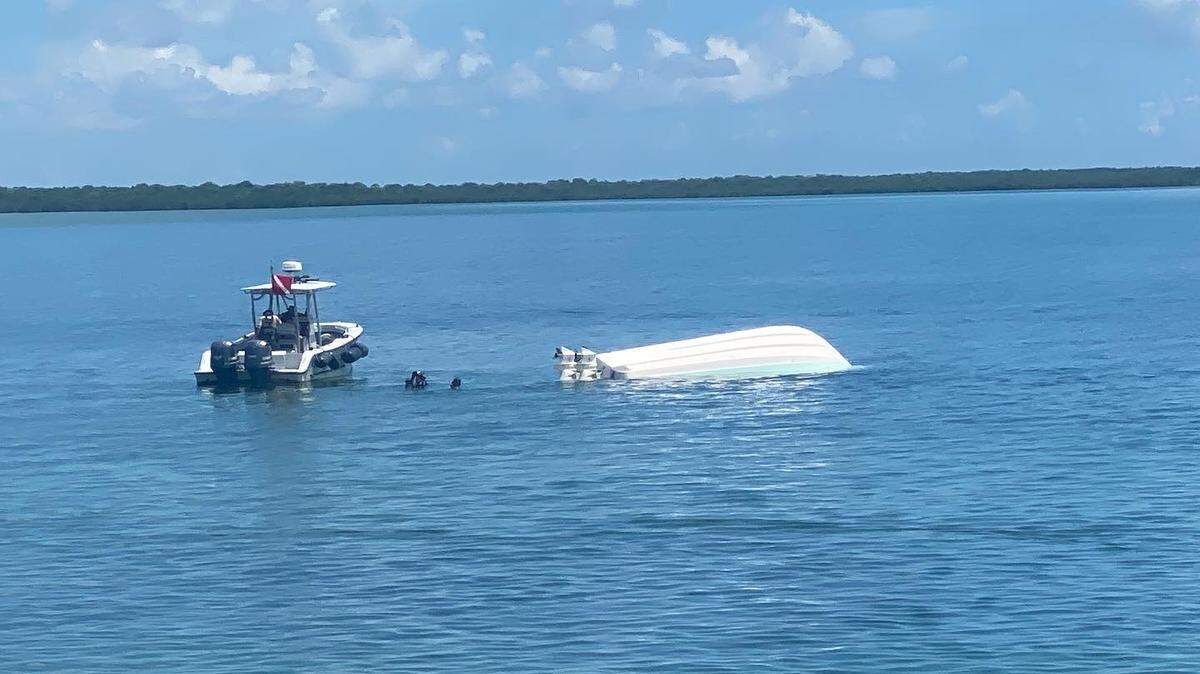
But, on the way back to the Ocean Reef Club, Pino rammed his 29-foot Robalo into a channel marker in Biscayne Bay. The boat capsized, hurtling Pino, his wife, his daughter and 11 of her teenage friends into the water.
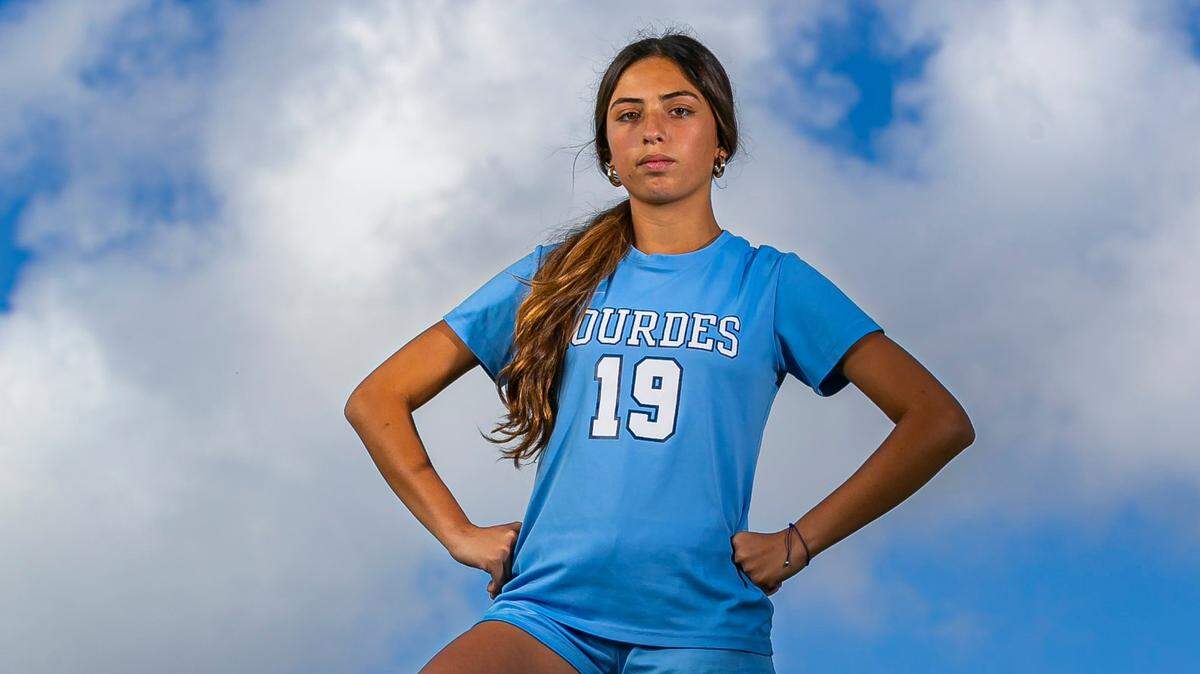
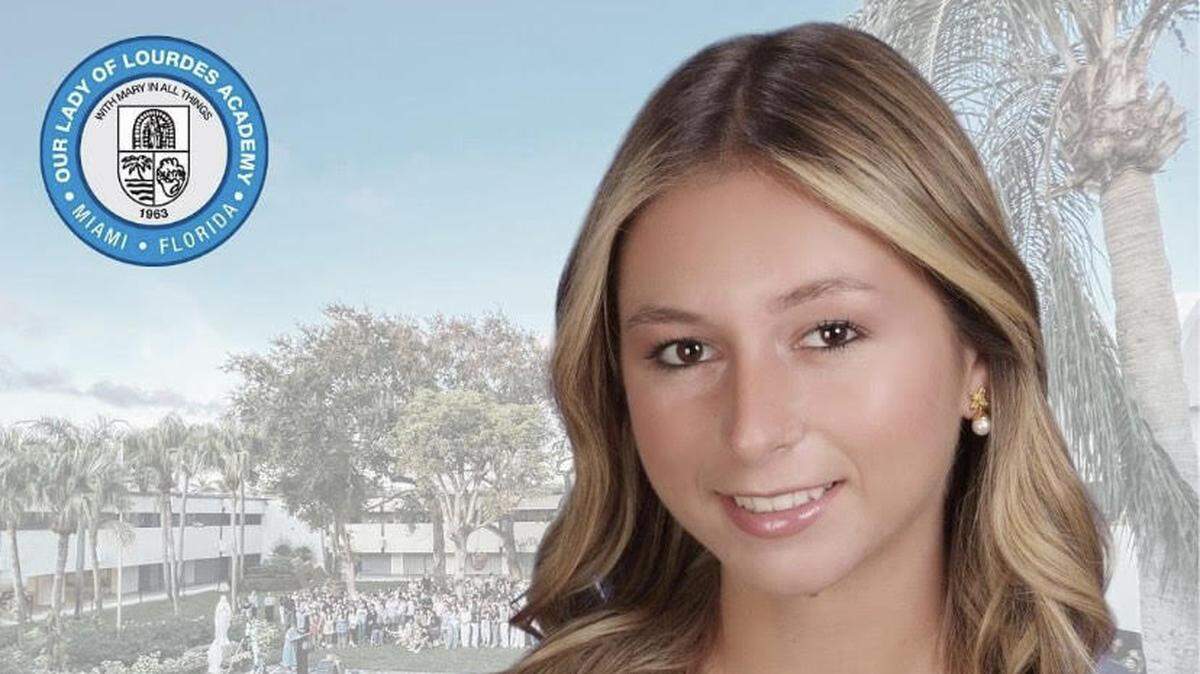
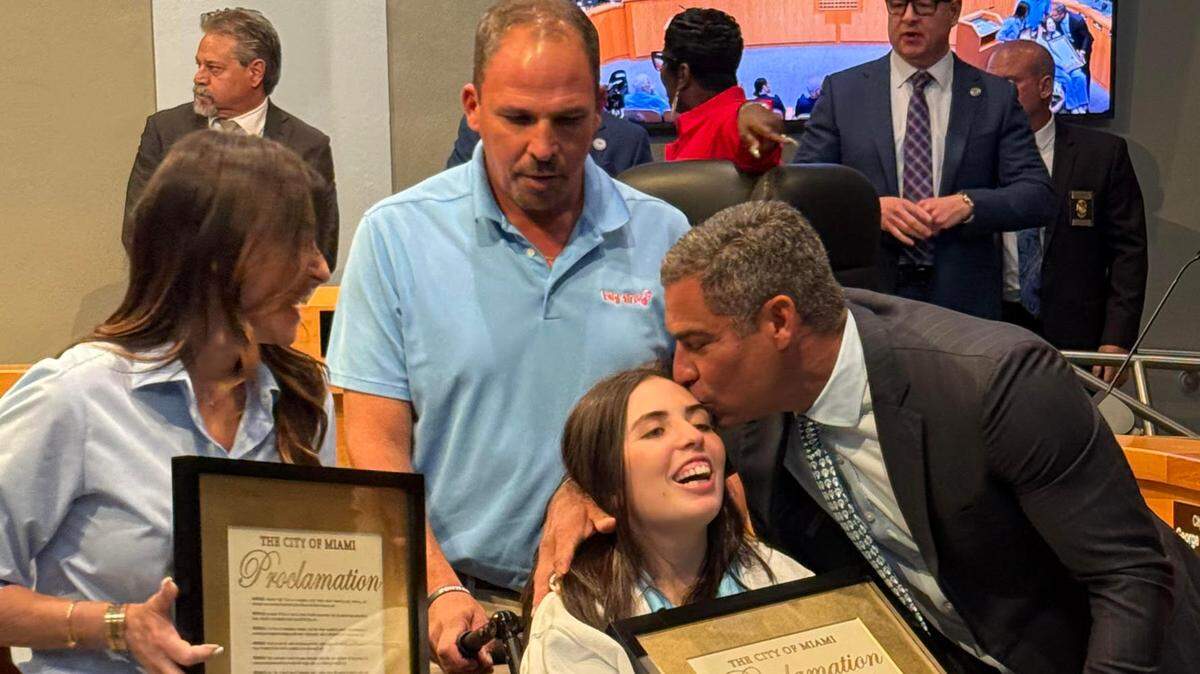
Among them were Luciana “Lucy” Fernandez, 17, and Katerina “Katy” Puig, now 19. Lucy was trapped under Pino’s boat and died in a hospital the next day. Katy, a star soccer player, was left with permanent disabilities and is relearning to walk.
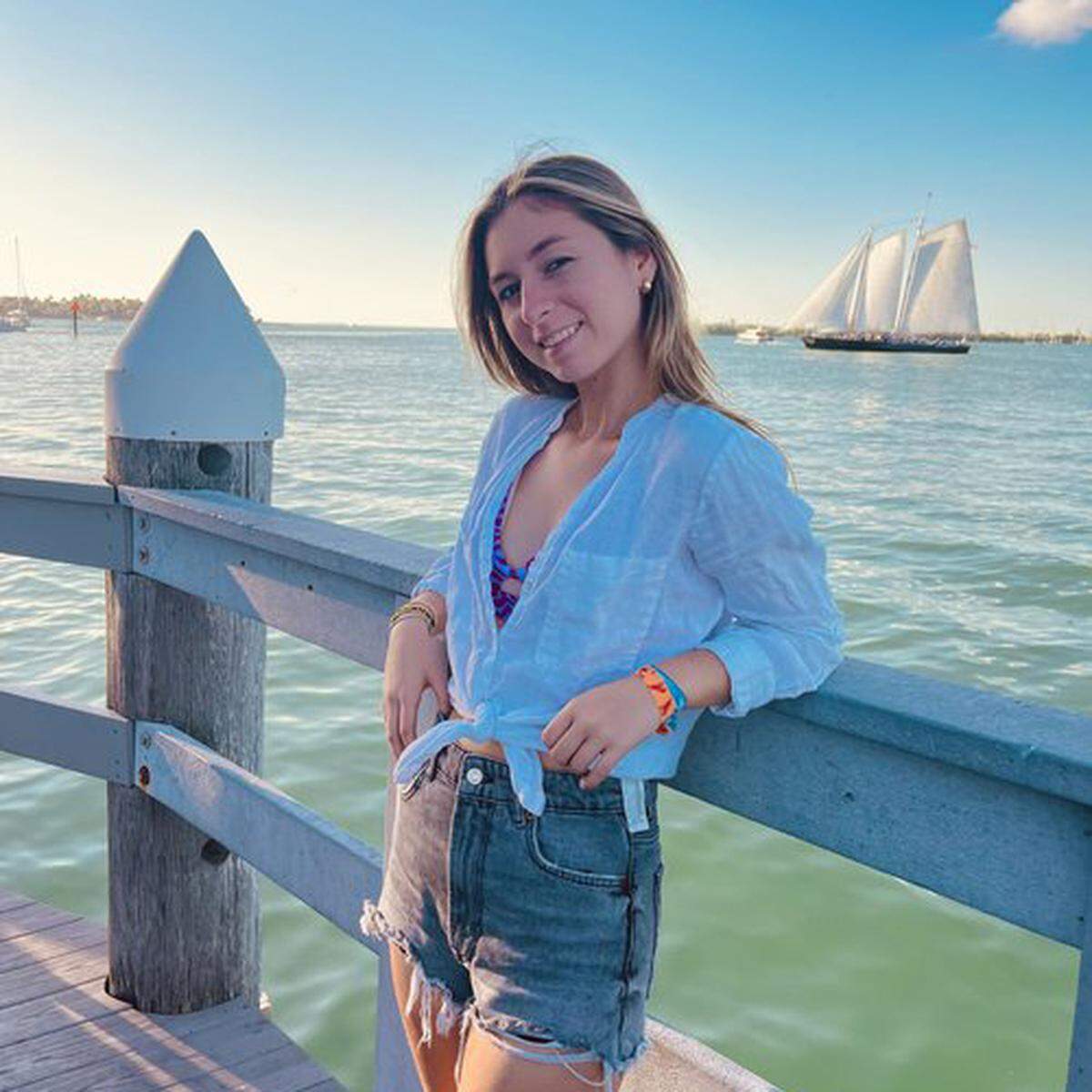
Lucy’s parents, Melissa and Andres Fernandez, have since devoted their time to promoting boater safety, most recently successfully pressing for the passage of a law in the Legislature in their daughter’s name. Lucy’s Law, among other things, stiffens the penalties for seriously injuring someone in a boat crash.
The families of both girls, however, remain outraged about how the probe into the crash was handled by the FWC and the Miami-Dade State Attorney’s Office. Almost a year after the crash, prosecutors charged Pino with three misdemeanor counts of careless boating.
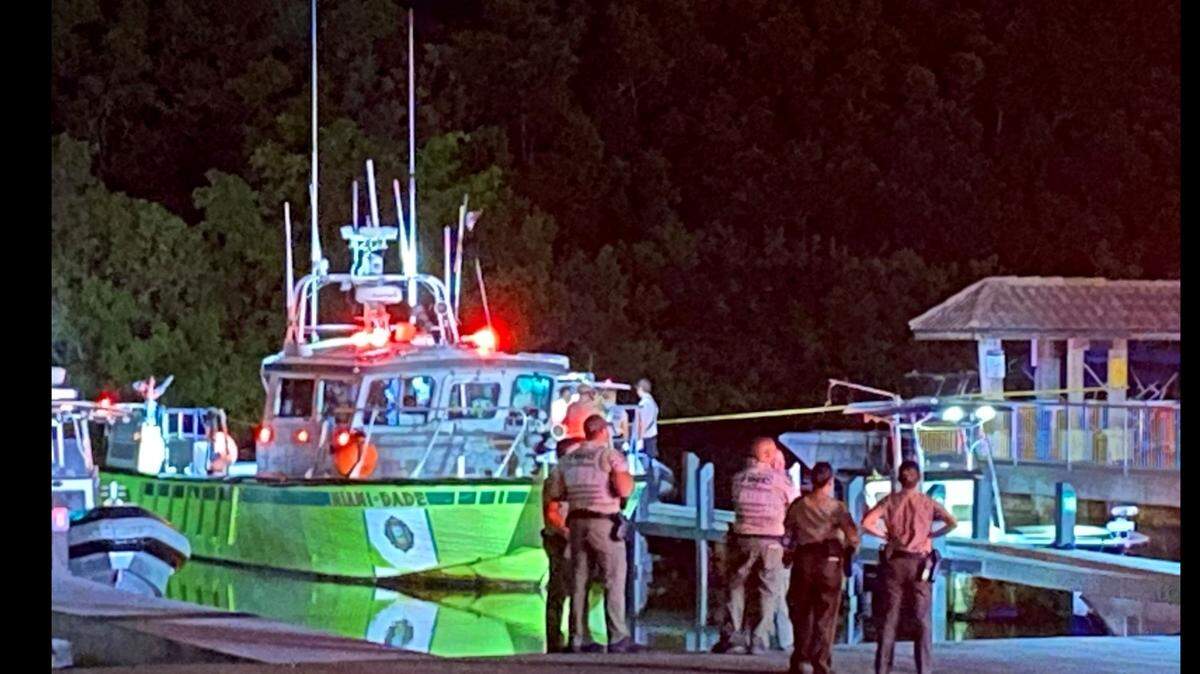
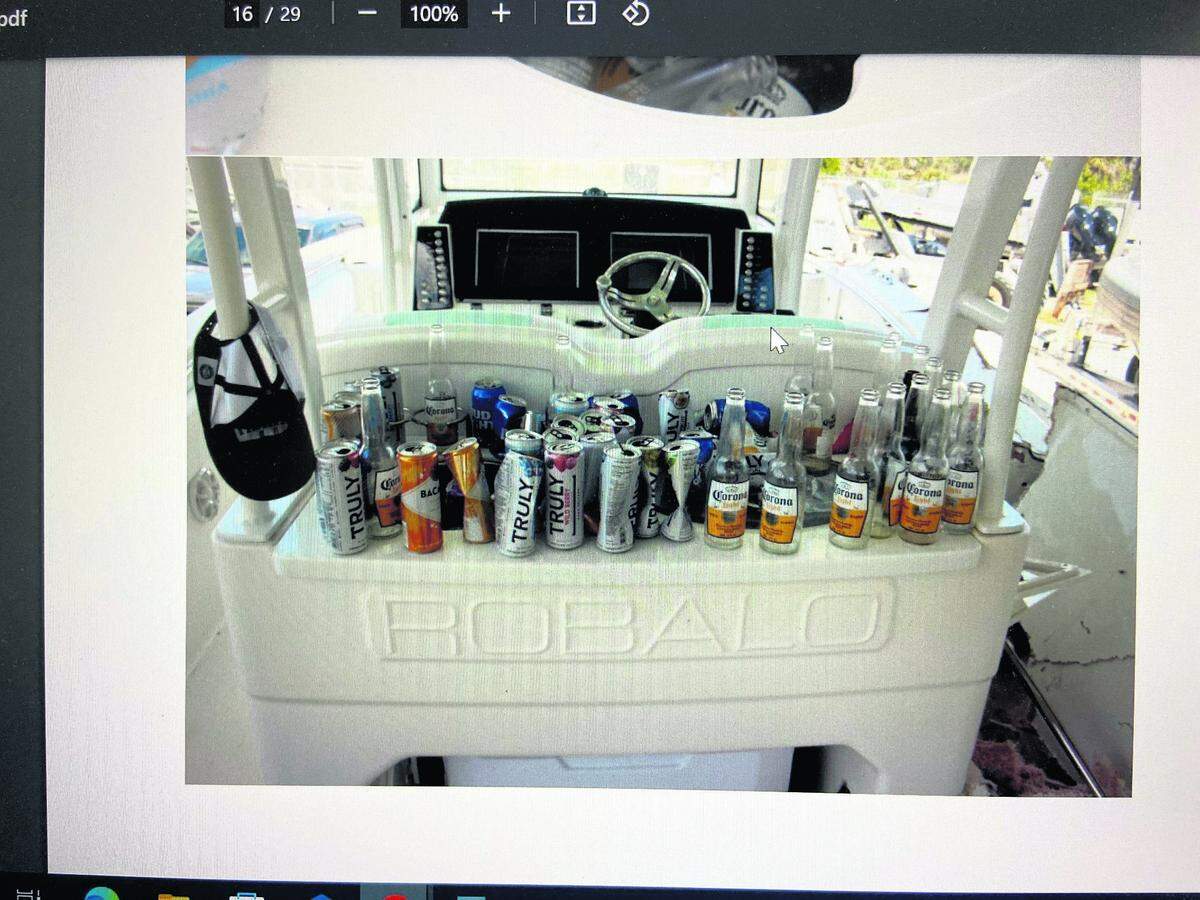
The FWC concluded Pino was not impaired that day despite officers finding more than 60 empty alcohol bottles and cans on his boat when they pulled it from the water the day after the crash, and Pino telling Thompson, the lead investigator, that he had “two beers” when Thompson asked him to voluntarily submit blood to test for alcohol.
READ MORE: How investigators, prosecutors bungled probe into boat crash that killed teen girl
The Fernandezes and Puigs are also frustrated that Pino maintains that another boat traveling toward his Robalo threw a wake that caused him to lose control of his vessel. No witnesses on his boat, nor witnesses on other boats in the channel saw that boat, according to Thompson’s report.
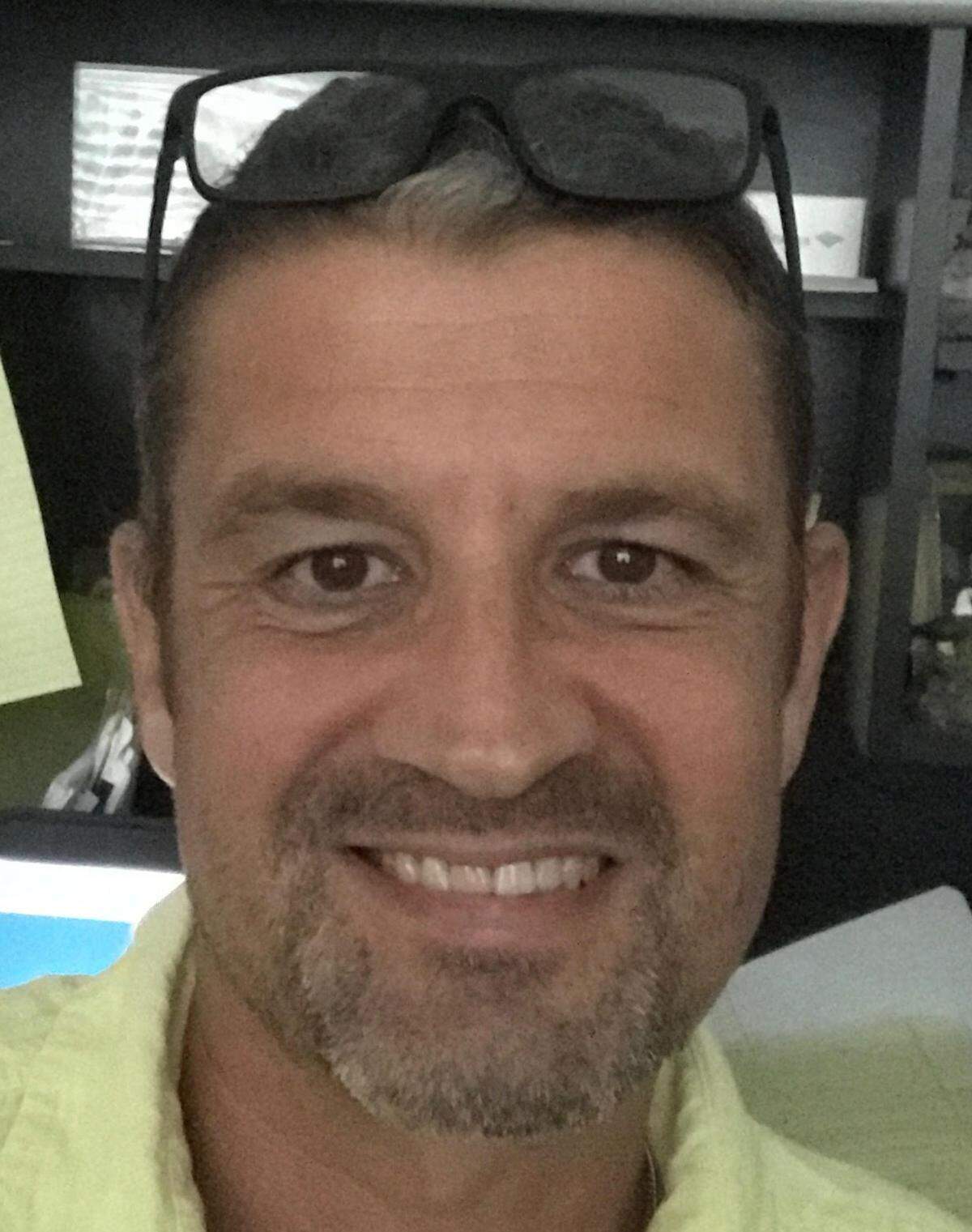
After a 2024 series of Miami Herald articles containing interviews with witnesses who were never contacted by investigators from either agency, another witness, a Miami-Dade County firefighter who pulled Pino from the water, came forward and said Pino showed signs of impairment in his opinion.
Miami-Dade State Attorney Katherine Fernandez Rundle then reopened the case and charged Pino with vessel homicide, punishable by up to 15 years in prison.
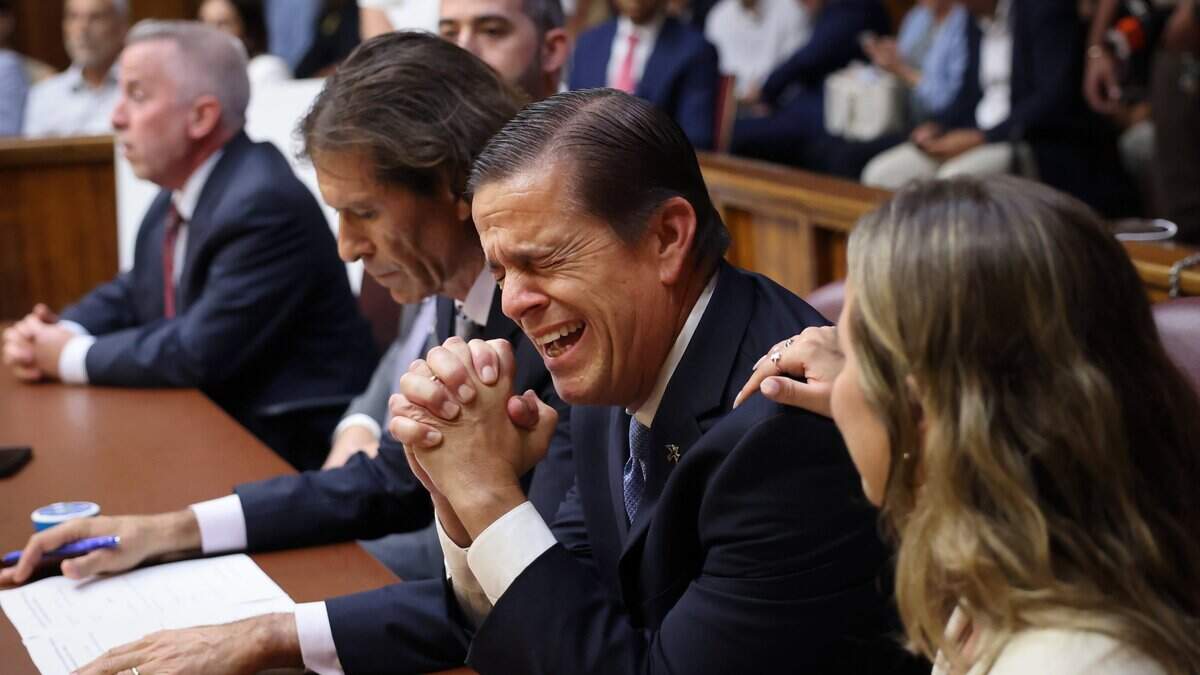
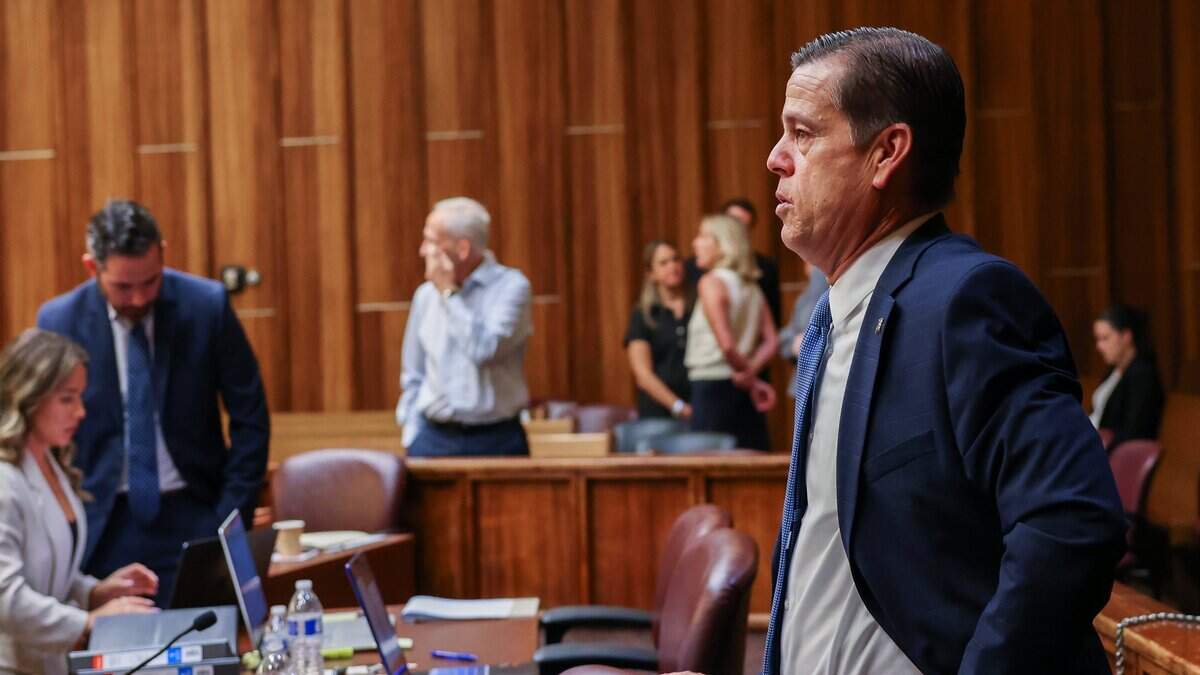
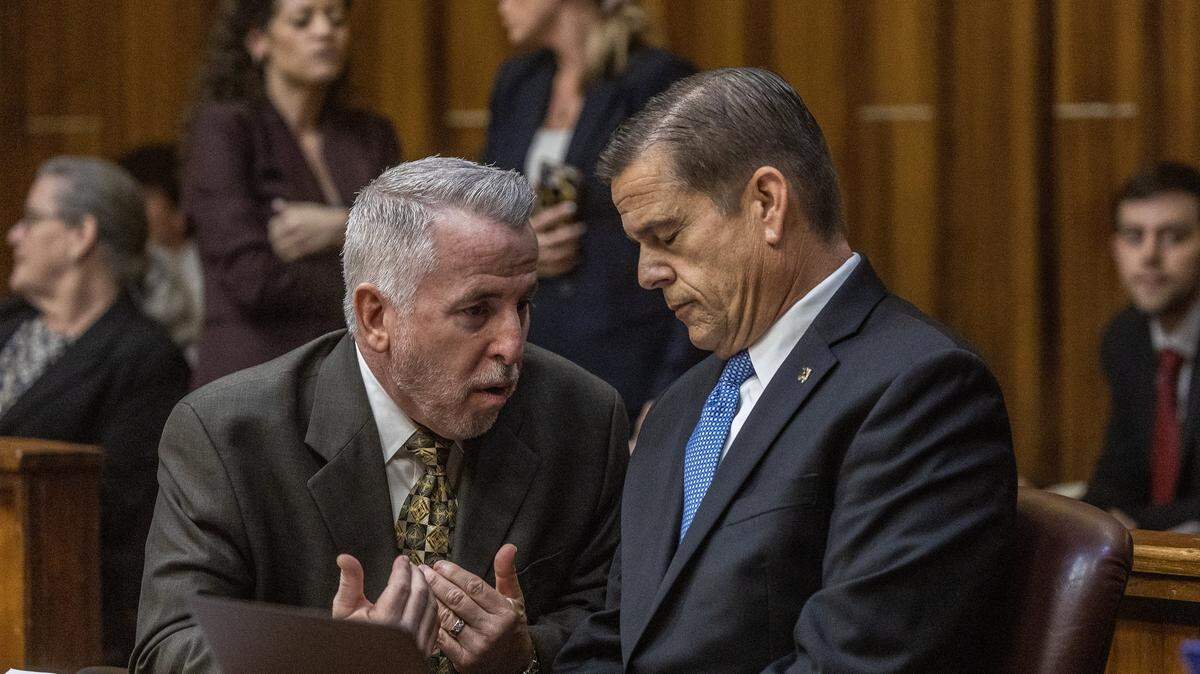
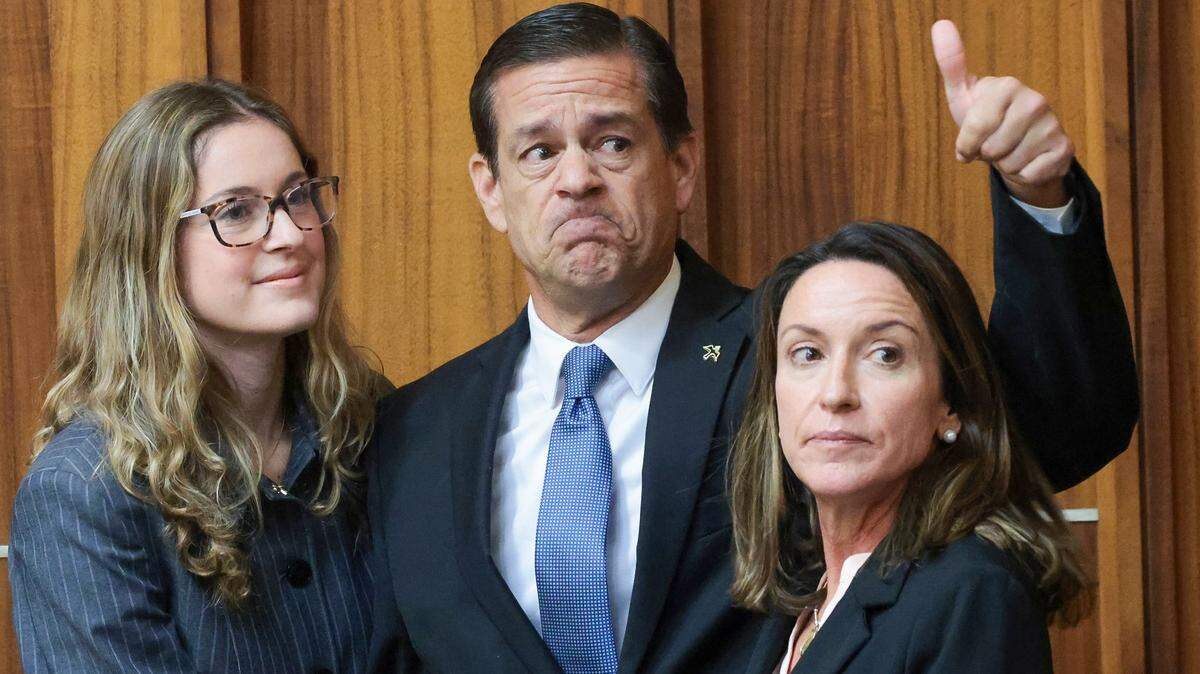
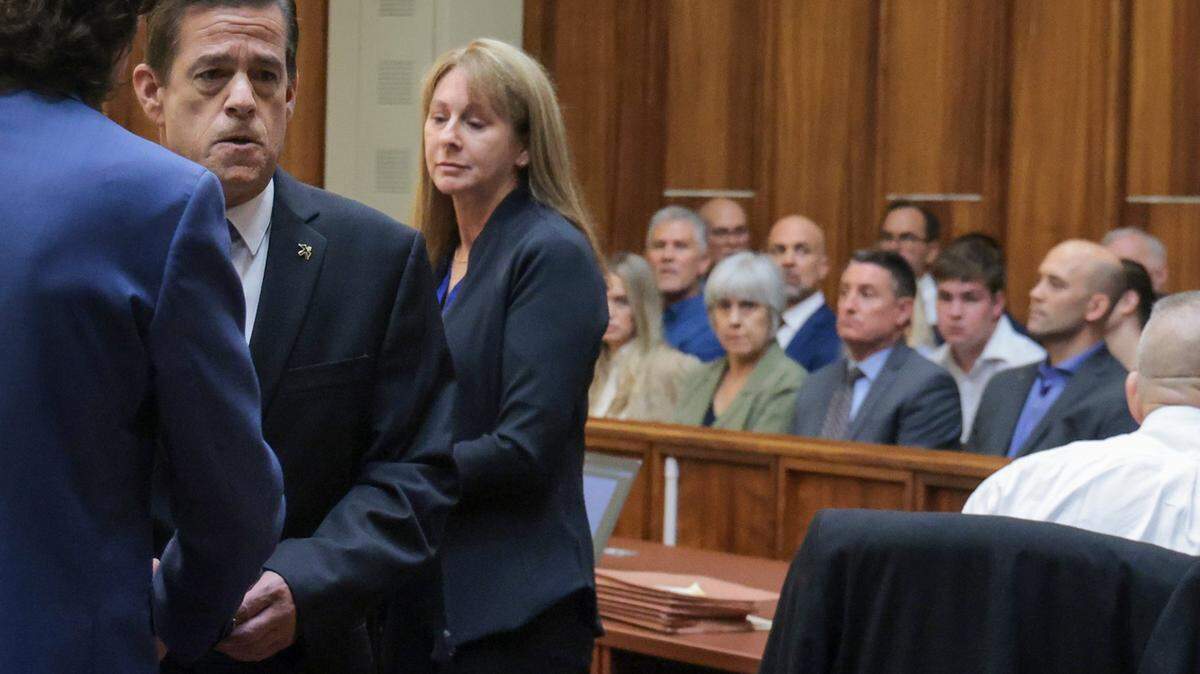
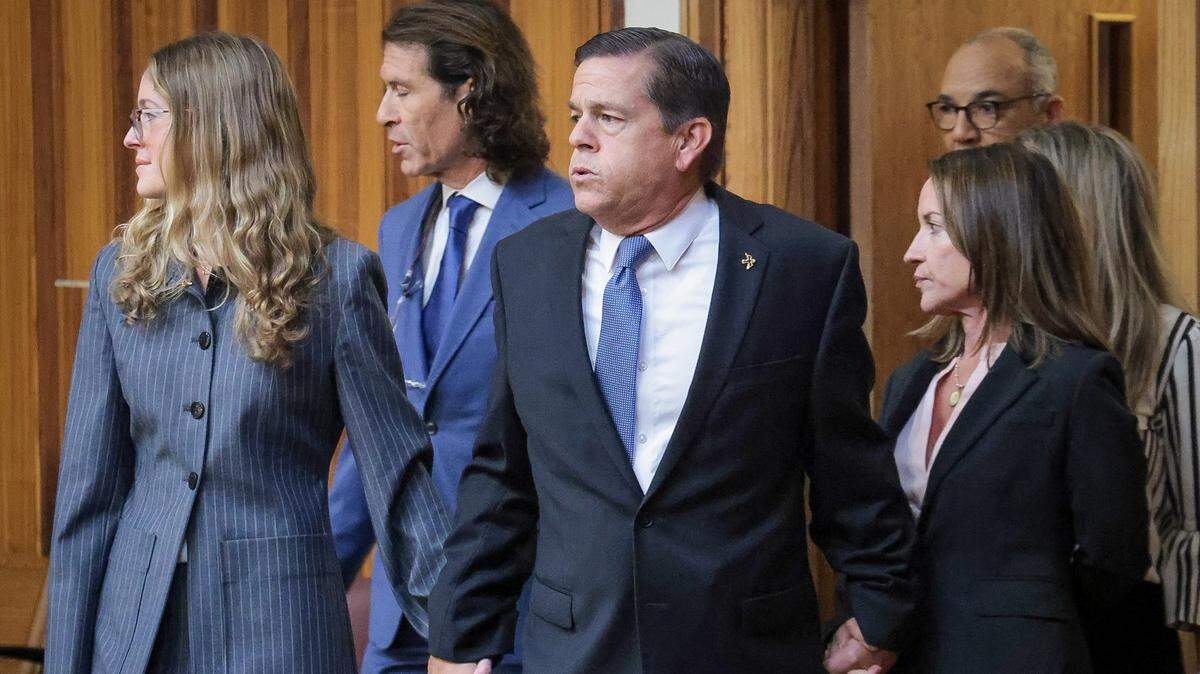
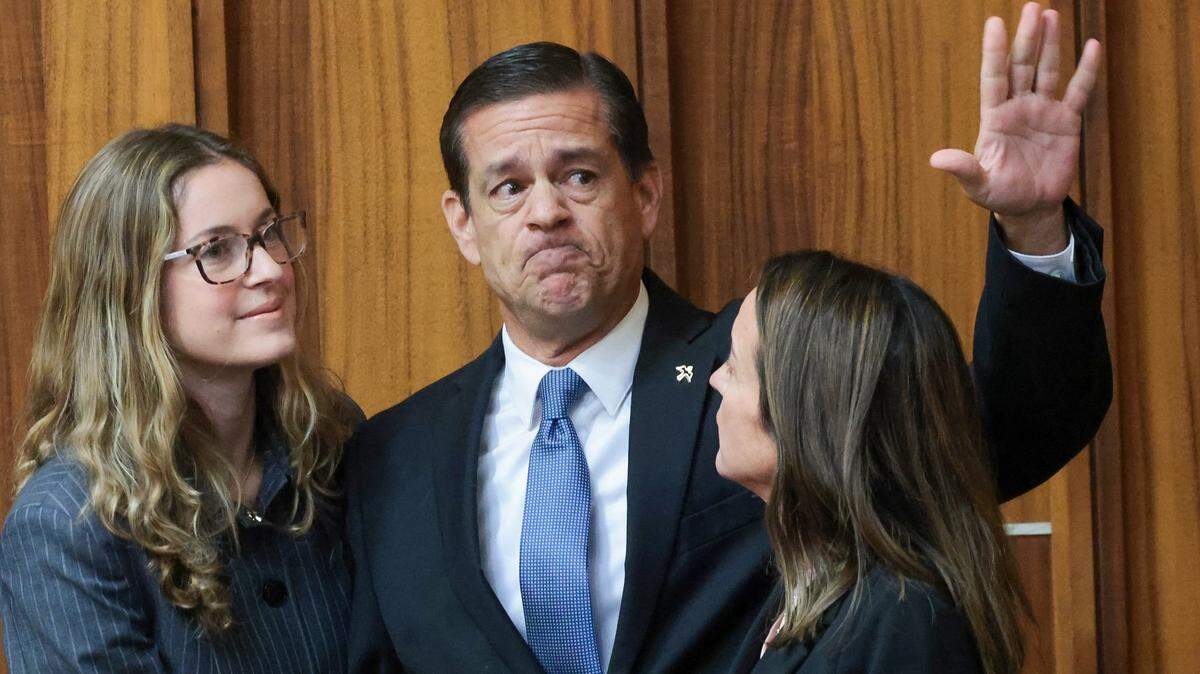
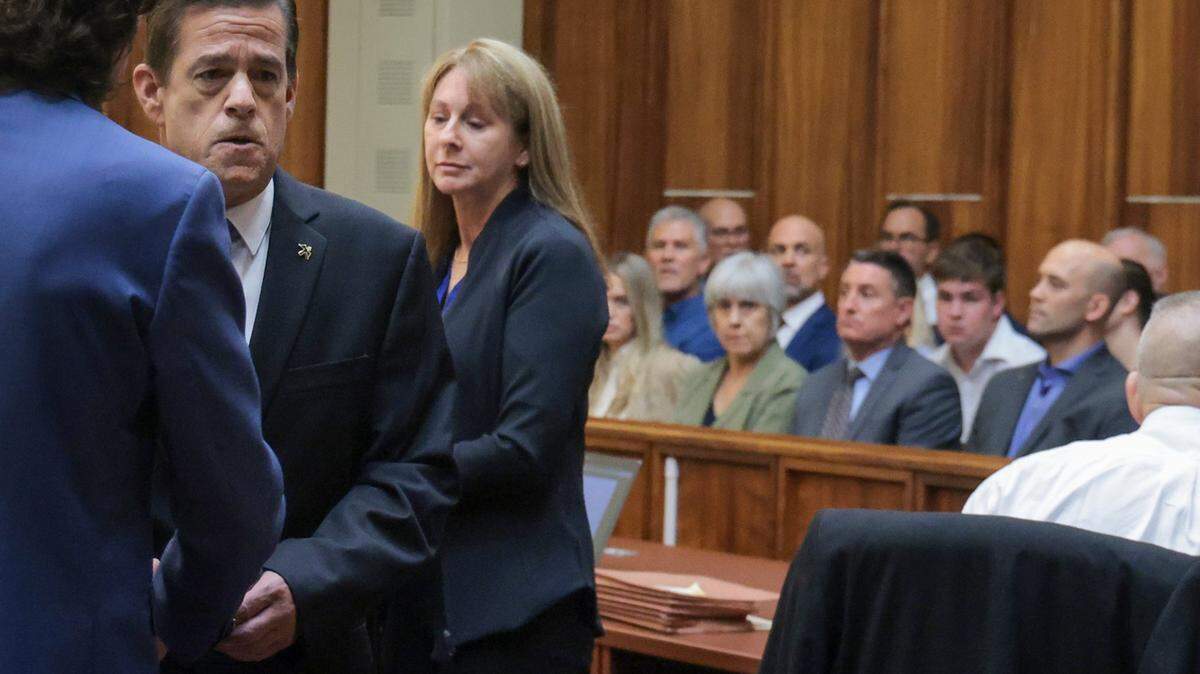
Pino’s attorney, Howard Srebnick, criticized the FWC in a statement Friday, saying the loss of Gazzola’s body camera footage hurts Pino’s possibilities of having a fair trial, given the officer’s testimony that Pino showed signs of being drunk.
“The deletion of Gazzola’s [body-worn camera] footage prevents Mr. Pino from allowing a jury to see for itself that Gazzola’s contradicted allegations about Pino, and the innuendo of his impairment, are categorically false,” Srebnick said.
This story was originally published May 9, 2025 at 7:25 PM.




.jpg)
-1.jpg)
-1.jpg)