Expect ‘a celebration of Blackness’ with the return of the Orange Blossom Classic
READ MORE
A South Florida classic returns
HBCU culture will be celebrated throughout Labor Day weekend as Florida A&M plays Jackson State at Hard Rock Stadium in the first Orange Blossom Classic since 1978.
Expand All
Expect ‘a celebration of Blackness’ with the return of the Orange Blossom Classic
‘It’s great for this city’: Why Orange Blossom Classic, Miami Gardens are ‘perfect fit.’
Deion Sanders, other NFL greats raise profile, lead resurgence of HBCU football
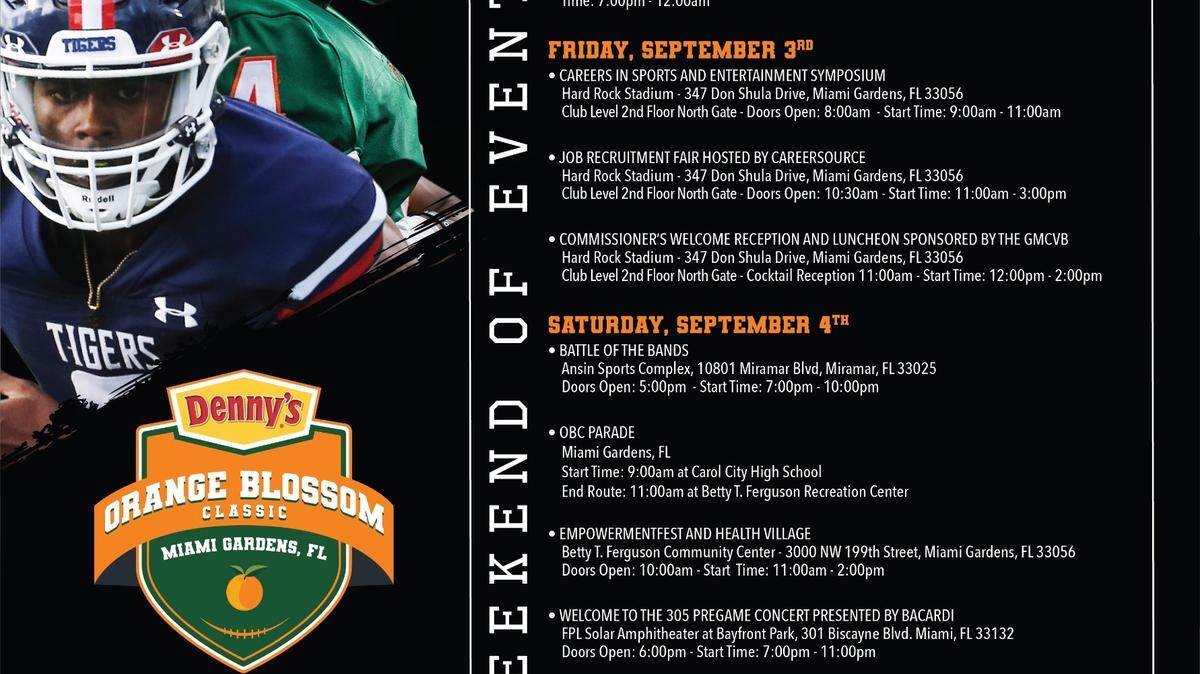
The Orange Blossom Classic is more than a football game. Here’s a schedule of events
How many HBCUs are in Florida? Here’s where they are and some of their famous alumni
State Sen. Shevrin Jones didn’t even like football.
So imagine his surprise when a friend invited him to a Florida A&M football game. At some point during the contest something switched inside the future FAMU alum; the score became irrelevant, the players an afterthought and the fans a family.
“It’s a huge family reunion,” Jones said. “I wish everyone — Black, white, indigenous, just everybody — had the opportunity to experience the culture of HBCUs [Historically Black Colleges and Universities] even if you did go to a [primarily white institution].”
With the Orange Blossom Classic scheduled to make its triumphant return to South Florida during Labor Day weekend, expect more than just a normal football game. Think of the classic, which pits the FAMU Rattlers against the Jackson State Tigers, as a cookout of sorts complete with a battle of the bands halftime show, spades games in the parking lot and a whole lot of Black joy.
“It’s a celebration of Blackness and achievement and just being together,” said Chire Regans, a graduate of FAMU.
Those expecting to see something similar to Miami Hurricanes football will be sorely disappointed. HBCU football is an entirely different experience; the halftime shows aside, the game is more than just what happens in between the lines. With many HBCUs constantly working against a budget deficit thanks to a lack of state funding, these games directly impact the day-to-day well-being of students.
“The games are meant to raise money for the institutions” without restrictions, said Terrance Cribbs-Lorrant, a Bethune-Cookman University graduate.
With the classic being nationally televised (you can watch it at 3 p.m. on ESPN2) and expected to draw about 50,000 people to Hard Rock Stadium, the opportunities for unknowing fans to learn about HBCUs will be endless. And because few places love football like South Florida, there’s truly no better locale to host what should become the fifth-largest classic in the country, according to Southwestern Athletic Conference Commissioner Charles McClelland.
“It’s extremely important to be able to show the impact that our institutions have made on society and we do that through these football games,” said McClelland, who also graduated from Prairie View A&M University. “This is just one more that an individual will be able to see how significant we are.”
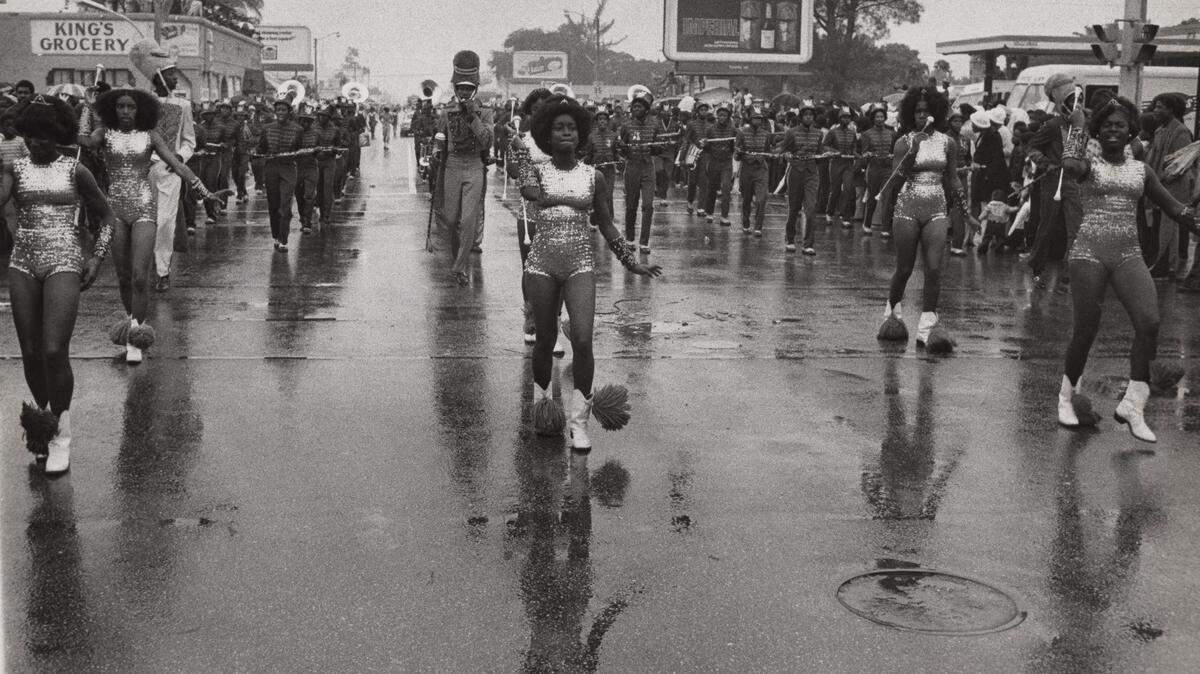
A large part of that significance is rooted in history. More than 40 years have passed since the Orange Blossom Classic last kicked off in South Florida. The classic was founded in 1933 but didn’t become an annual event in Miami until 1947 when segregation ran rampant throughout the South. At its height in the ‘50s and ‘60s, it was the only time Black players could compete in the historic Orange Bowl, said Overtown native Bea Hines.
“The white people sat on one side and we sat on the other,” Hines said. “No matter what school you were rooting for, we all sat together on one side of the Orange Bowl.”
For Hines and other Black Miamians, the classic was like a holiday. There were dances, an accompanying parade through downtown and other events surrounding the game.
“We always got new clothes and we couldn’t wear them any more until Christmas,” Hines added.
That same festiveness will be on display throughout Labor Day weekend. With pool parties, concerts and many more activities all scheduled around the time of the classic, the game will almost appear secondary. But to people like Jones, the classic’s significance epitomizes the resiliency unique to all HBCUs.
“That was the only place we could be educated and people need to understand that,” Jones said. “You can feel that in not just attending an HBCU but also attending the ball games. There’s a spirit of we fought to get there that’s part of that entire experience.”