Little Haiti resident sues Miami over approval of massive Magic City district
A controversial mega-development planned for 18 acres in Little Haiti has led to a lawsuit from a neighbor.
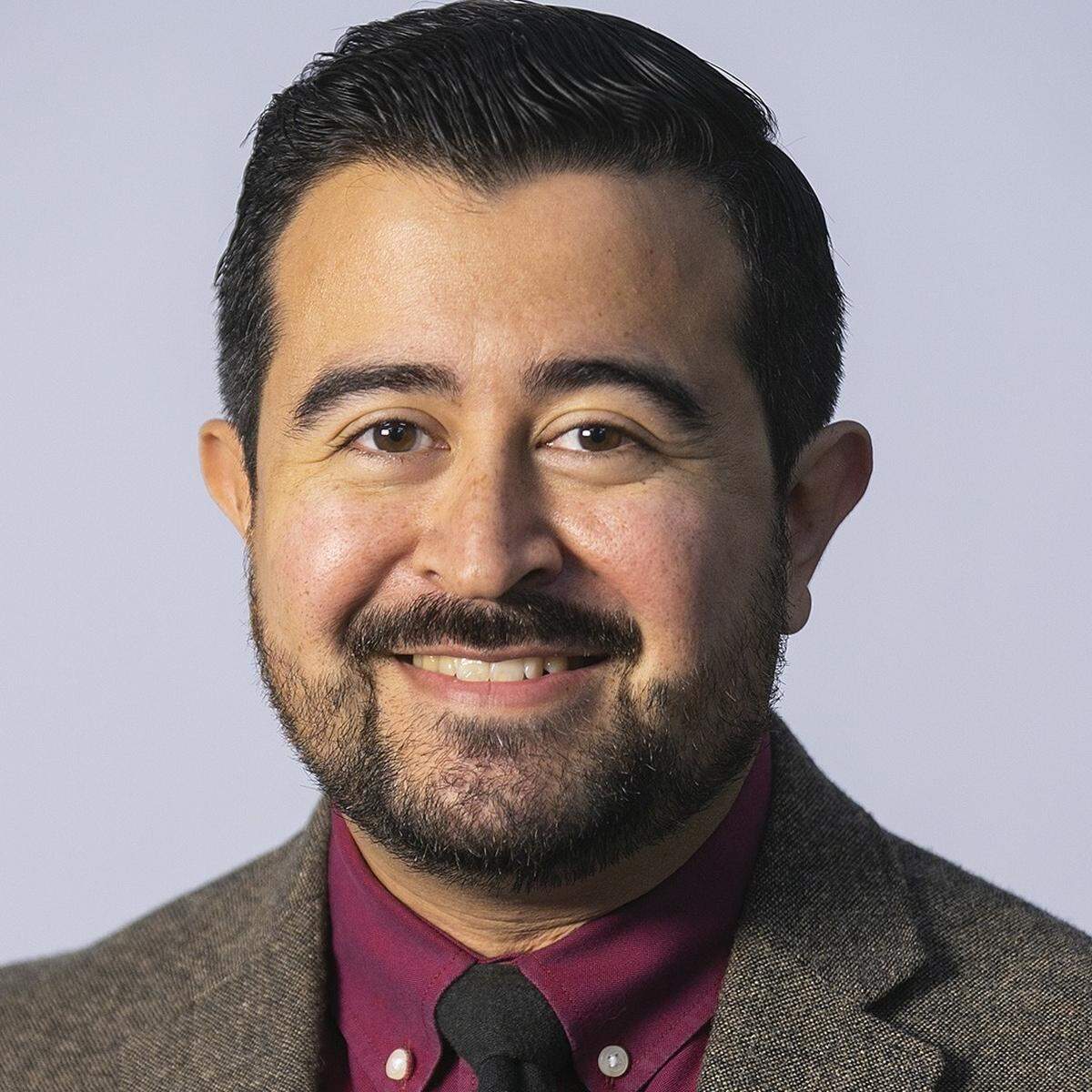
Warren Perry, who lives in an apartment on Northeast 62nd Street across the street from the “special area plan” zone known as the Magic City Innovation District, is suing City Hall over commissioners’ denial of his request to intervene in the June 27 debate over final approval of the development plan. The Real Deal first reported on the suit.
Perry contends his attorney should have had the right to make his case for why the project, which received final approval from commissioners in a 3-0 vote late that night, would negatively impact his quality of life. At the June 27 hearing, commissioners refused to grant Perry “intervenor” status, which would have given him extra time to comment on the Magic City project.
“Given the proximity of Mr. Perry’s residence to the area, he stands to be deeply impacted by the increased traffic, pollution and noise from the project, particularly as construction continues over a projected development period of at least 15 years,” reads the complaint.
Perry’s attorneys, David Winker and Community Justice Project co-founder Meena Jagannath, filed the suit in civil court this week.
In a statement, City Attorney Victoria Méndez said the city is “disappointed they have decided to sue the city.”
“We hope to resolve the matter swiftly in court,” she said.
Neil Farman, founding partner of the project’s development firm, said in a statement that his team believes Perry’s appeal is “without legal merit,” and that Perry and his attorneys are “ignoring the facts.”
“They are hurting the community they profess to help by choosing to delay the community benefits package of up to $40 million dollars, including the first $6 million payment that would have been paid in the near term,” Farman said.
Perry is a member of FANM, a Little Haiti activist organization that has advocated against Magic City and any development that threatens to gentrify the area. The group has often filled City Hall with community members to ensure the concerns of Miami’s Haitian-American community are heard during public comment periods, when people can address the City Commission for up to two minutes per person.
FANM had earlier pursued intervenor status as a group before the June 27 hearing. On June 27, Magic City’s attorney pushed back against Perry’s request on the basis Perry was a member of the organization.
.JPG "IMG_12MAGICCITY_CPJ_3_1_NNEFFJE2_L418937295 (1).JPG")
Perry’s attorneys argued he had a right as an individual to intervene and be granted more than the standard two minutes in order to present evidence to back up his objection, including testimony from architecture and real estate experts.
“Because [Perry’s] intervenor status request was denied, the experts were forced to confine their detailed observations and findings to the two minutes provided to general residents for public comment,” reads Perry’s complaint.
“The commission seemingly paid little attention to the substance of these presentations nestled between dozens of public comments, underscoring the importance of having a dedicated space for qualified intervenors to present evidence and arguments for the sake of building the public knowledge and supplementing the record around the applications of the size and scale of the Magic City Innovation District Special Area Plan.”
The Magic City plan was steeped in controversy during the months leading up to the final vote in June, over the course of multiple long, tense hearings. Details negotiated behind closed doors were trotted out for the first time in the middle of public meetings, hours before votes. Some residents espoused the value of extracting public benefits from a developer eager to build. Others warned that the large-scale redevelopment would accelerate Little Haiti’s gentrification and lead to displacement of longtime residents.
Among the concerns: the lack of on-site affordable housing in the final plan, a significant change from an earlier proposal. Community advocates opposed a redevelopment with no guarantee of affordable units in the new buildings.
Commissioner Keon Hardemon, who supported the project, negotiated a $31 million contribution to a new community revitalization trust whose board members he would appoint. The deal making occurred out of public view and wasn’t revealed until the day of a preliminary vote in late February. The money is supposed to go toward housing.
During the June 27 debate, which extended past midnight with only three commissioners still present, Hardemon and Commissioner Manolo Reyes agreed to split the expected $19 million in impact fees between Little Haiti and Reyes’ district, which includes Flagami and Shenandoah. The developer also agreed to pay for a $250,000 scholarship fund for neighborhood youths to study tech-related subjects.
The proposal to build the $1 billion complex was brought by a trio of Miami-based real estate firms: Plaza Equity Partners, Metro 1 and Dragon Global. Dragon Global’s CEO, Robert Zangrillo, stepped away from the project after he was one of dozens of people indicted on March 15 by federal prosecutors on charges that they participated in a nationwide scam in which they paid bribes to get their children accepted into prestigious universities.
This story was originally published August 1, 2019 at 5:44 PM.