South Florida’s home rental market to get pricier after Hurricane Ian. Here’s why
More snowbirds are expected to flock to South Florida in the coming winter season because of Hurricane Ian’s devastation across Southwest Florida. These seasonal residents should expect to pay higher rents here in Miami-Dade and Broward counties due to stronger demand for a tight supply of homes, experts say.
Pricing pressure on rental homes is a prime example of the anticipated ripple effects from Ian’s property destruction on the Gulf Coast on the already largely unaffordable housing market in Southeast Florida. That’s according to real estate agents, an independent consultant who closely monitors the area’s residential real estate activity and a college business professor with housing market expertise.
They predicted local residents can expect stiffer competition to buy or rent homes in a South Florida market where affordable homes have been hard to find during the pandemic, plus greater costs for construction materials that also have been inflated by supply chain kinks since the public health crisis began in March 2020.
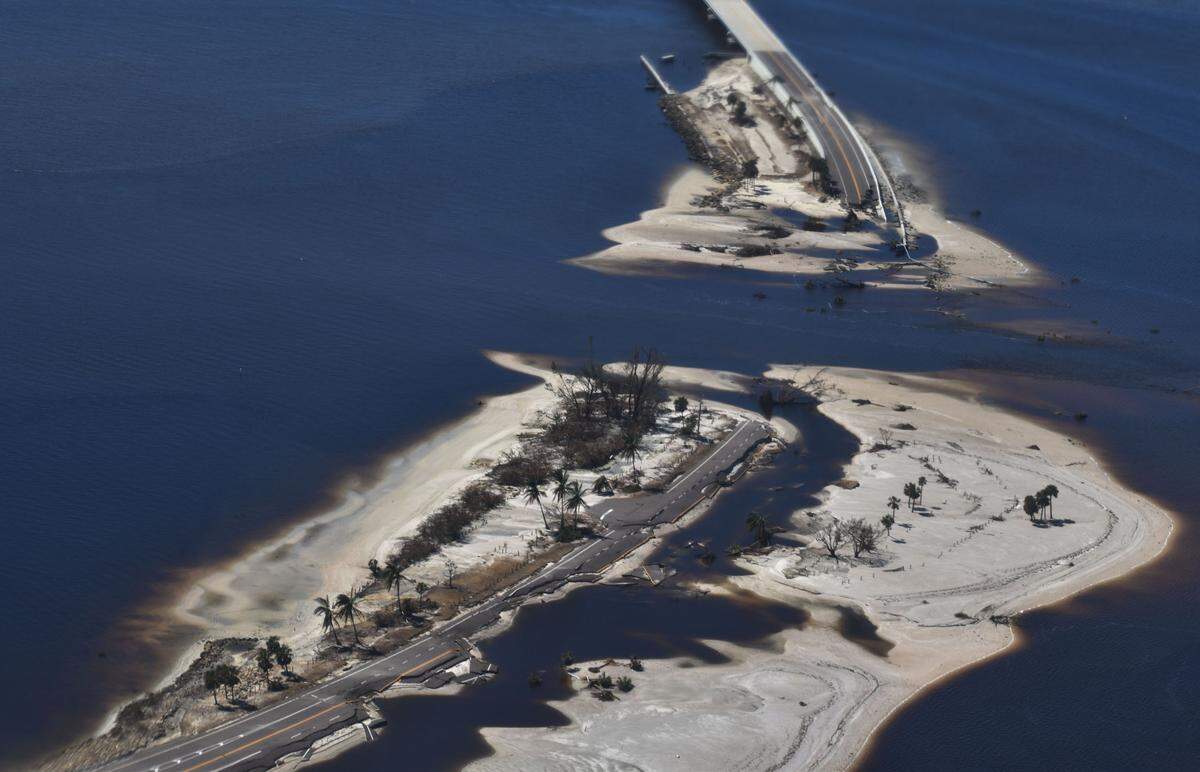
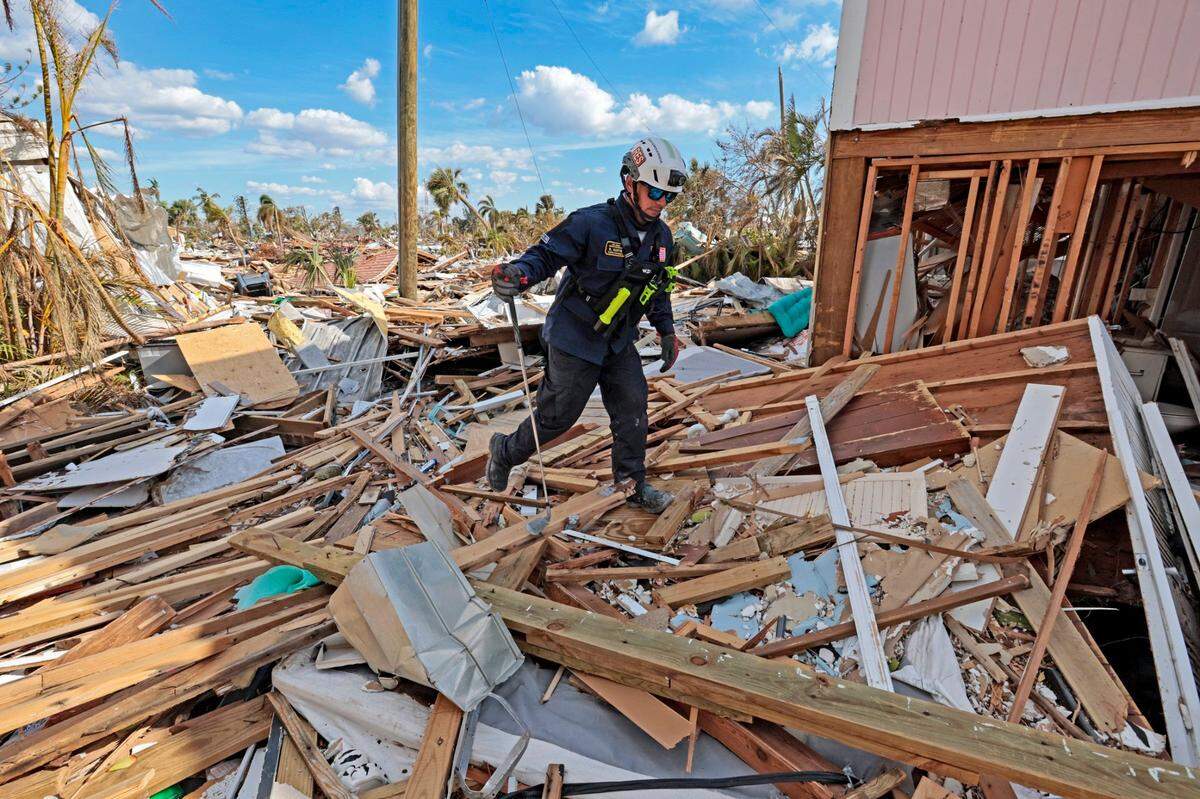
The powerful hurricane made landfall near Punta Gorda as a Category 4 storm on Sept. 28. It brought catastrophic flooding and fierce winds in Fort Myers, Cape Coral, Sanibel, Naples and surrounding areas, causing more than 100 fatalities and making it Florida’s deadliest natural disaster since 1935.
Residents may have to wait months, if not longer, for their property cleanup to be completed before they can opt to rebuild. Experts think it will take up to two years for the area walloped by the epic hurricane to rebound.
The influx of seasonal tenants redirected by Ian to this region would come after South Florida’s population grew during the pandemic primarily due to out-of-state buyers and renters from the Northeast. They pursued the region’s warm climate, tax savings and relaxed COVID-19 public health policies. Also, most transplants found rents and home sales prices to be a bargain compared to what they paid in the New York and Boston areas. At the same time, many local residents continued to be priced out of homes.
Apartment rents in Miami have risen by 46% since 2019, causing many existing renters and essential workers to pay the majority of their monthly incomes in housing costs. For example, the city had a median monthly rent of $2,510 for a one-bedroom home in September 2022, a big jump from $1,970 a year ago and $1,720 in September 2019 prior to the pandemic, according to the national rent site Zumper.
“People who rent during the winter in Southwest Florida will likely come down here,” said Ken H. Johnson, a business professor at Florida Atlantic University. “We can expect some temporary relocation. Renters will be coming to this side of the state this year. It won’t work well for our rental market.”
After the storm caused a brief lull in home showings, real estate agents in South Florida are fielding plenty of requests again from residents and outsiders who want to see homes listed for rent or sale.
“I’ve had a pickup of people who normally go to the west coast and were worried so they’re going to the east coast,” Brown Harris Stevens agent Sheila Rojas said.
Most of her customers are New Yorkers and Chicagoans looking for houses and condos in Boca Raton, South Beach or Bal Harbour with monthly budgets of $15,000 to $35,000 for rentals and between $900,000 and $30 million for home purchases.
“I’m getting a few more calls from people who would go to Sanibel. They’ll probably come to Bal Harbour or South Beach,” said Rojas, who works in Miami Beach. “People are saying, ‘This is awful, but if there’s no place to go where am I going to go?’ ”
While demand for home rentals is expected to intensify in South Florida in Ian’s aftermath, home sales here should be unaffected, Johnson said. That’s because Southwest Florida attracts a different set of buyers and retirees than the Southeast coastline. Typically, the Midwesterners prefer the Gulf Coast and those hailing from the Northeast desire Southeast Florida for retirement, seasonal or vacation homes.
“This won’t have any long-lasting effect. We won’t see many people buying homes that are coming from the Southwest,” FAU’s Johnson said. “They’ll just wait a season. If you’re thinking about retiring in Florida, you probably targeted an area for a certain time of year. Hurricanes don’t change long-term decisions.”
Johnson and other residential real estate experts are going to keep a close eye in the coming weeks and months on the availability and cost of construction materials in South Florida. Tons of construction materials will go to the massive rebuilding and property repair efforts in cities and towns ravaged by Ian. That’ll strain an already problematic supply chain. Bottom line, experts say: Expect higher construction costs and material delays for new developments small or large elsewhere in the state, including South Florida.
Ultimately, Deerfield Beach real estate consultant Jack McCabe said it will take up to 60 days to gather pertinent data and determine Ian’s actual anticipated longer-term effects on South Florida’s housing market.
“It’s so soon right now,” McCabe said. “We need more time to determine what the trends are.”
This story was originally published October 9, 2022 at 5:30 AM.